Elements of Art and Principles of Art
 Call Kai
 Learn
Learn Practice Test
 Spaced Repetition
 Match
Match Flashcards
 Knowt Play
1/16

There's no tags or description
Looks like no tags are added yet.
Name | Mastery | Learn | Test | Matching | Spaced | Call with Kai | Chat |
|---|
No analytics yet
Send a link to your students to track their progress
17 Terms
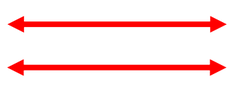
Line
(Element) The path of a moving point.
Form
(Element) A 3-dimensional object that has width, height, and depth

Shape
(Element) A flat, 2-dimensional object enclosed by a line.

Space
(Element)The area in and around an object:
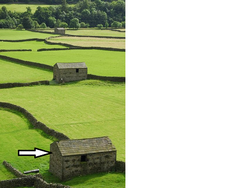
Texture
(Element) How something feels or looks like it would feel.

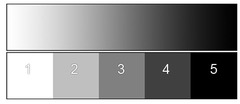
Value
(Element) The lightness or darkness of a color.
Balance
(Principle) The ways in which the elements (lines, shapes, colors, textures, etc.) are arranged to get an equal distribution of visual weight.

Emphasis
(Principle) The way the elements of art are arranged to create a focal point or center of interest in the work of art. An area that captures your attention right away.

Movement
(Principle) The way the elements of art are arranged in a composition to make the eye move through the artwork.

Pattern/Rhythm
(Principle) The way the elements of art are repeated in a work of art.

Proportion
(Principle) The relationship between sizes of objects in a work of art. Scale.

Unity
(Principle) Occurs when the elements of art of an artwork are similar to each other, then combine to make a balanced and complete whole. Harmony.
Variety
(Principle) Using an assortment/different of elements to create a more interesting composition.

Contrast
(Principle) Arranging opposite elements (light vs. dark colors, rough vs. smooth textures, large vs. small shapes, etc.) to create visual interest.

What is a composition in art?
How you combine the elements of art (ingredients) using the principles of art (directions) to create a work of art.

Elements of Art
The most basic concepts in art: color, form, line, shape, space, texture, and value; the nouns in the language of art.

Principles of Design
Movement, Rhythm/Pattern, Proportion, Unity/Harmony, Contrast, Balance, Variety and Emphasis; the verbs or action words of the language of art.
