Pag-aaral ng Kasaysayan at Lipunang Pilipino
 Call Kai
 Learn
Learn Practice Test
 Spaced Repetition
 Match
Match Flashcards
 Knowt Play
1/17

Earn XP
Description and Tags
Practice flashcards covering the definitions, historians, signs, and critical concepts of historical consciousness in the Filipino context.
Name | Mastery | Learn | Test | Matching | Spaced | Call with Kai | Chat |
|---|
No analytics yet
Send a link to your students to track their progress
18 Terms
Kamalayang Pangkasaysayan
A deep understanding and awareness of the significance of past events and their impact on the present and future.
Malay
The root word of 'kamalayan' which means awakening, realization, or understanding.
Saysay
The root of 'kasaysayan' which refers to a narrative that has meaning or significance.
Lokal na Kamalayang Pangkasaysayan
The ability of an individual to recognize and understand their own local history, including people, places, and traditions within their community.
Zeus Salazar
A historian who views historical consciousness as a perspective centered on the home nation, rooted in the culture and experiences of the Filipino people themselves.
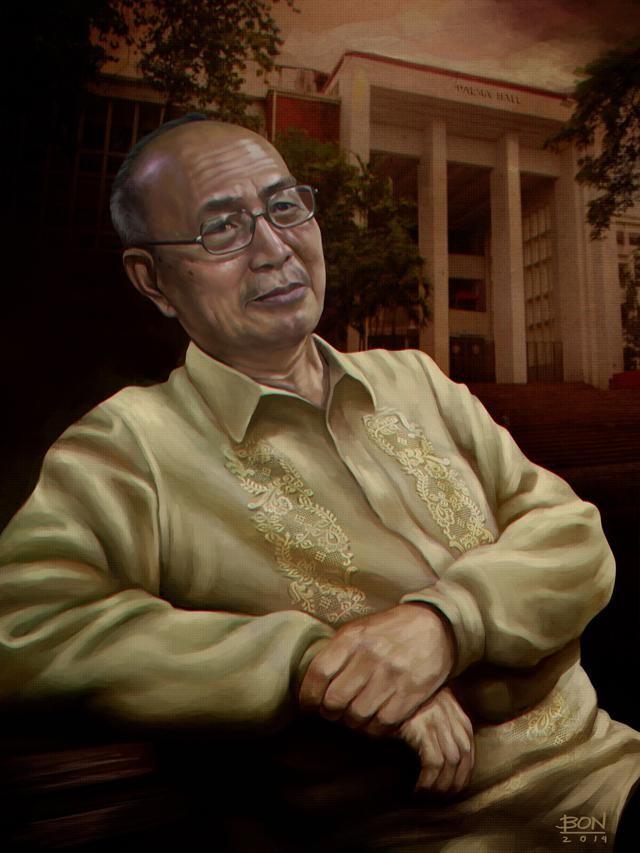
Xiao Chua
A historian who emphasizes the ability to understand history to explain the current conditions of society.
Teodoro Agoncillo
A historian who defines history as the story of human life in society and the journey toward nationhood.
Historical Significance
The ability to determine why a person, place, event, or tradition is important in both local and national contexts.
Battle of Mactan
A local event in Cebu that had a national impact and contributed significantly to the history of the Philippines.
Chico River Dam
A local conflict that became a national symbol of resistance against the abuse of ancestral lands.
Continuity and Change
A characteristic of historical consciousness that recognizes how things evolve or stay the same, such as 'pintakasi' evolving from farm help to community volunteerism.
Perspective
The ability to understand various viewpoints based on the time, culture, and context of the participants involved in history.
Ethical Dimension
The aspect of historical consciousness that examines lessons from the past to determine right from wrong and avoid repeating errors.
Historical Revisionism
A legitimate, scientific process of updating historical interpretations based on new evidence or more thorough analysis.
Historical Distortion
The intentional twisting of historical facts to promote a false narrative for the benefit of a specific individual, group, or ideology.
Historical Denialism
The outright rejection of proven and clearly documented historical events, often as a form of propaganda or manipulation.
Symbols
Representations of important events and ideas in a community's history, ranging from flags to statues.
Traditions
Customs inherited from the past that provide identity and a sense of history for a community.