intro to exercise science EXAM 1
 Call Kai
 Learn
Learn Practice Test
 Spaced Repetition
 Match
Match Flashcards
 Knowt Play
1/55

There's no tags or description
Looks like no tags are added yet.
Name | Mastery | Learn | Test | Matching | Spaced | Call with Kai | Chat |
|---|
No analytics yet
Send a link to your students to track their progress
56 Terms

midsagittal/median plane
plane dividing the body into left and right halves
sagittal plane
the place dividing the body into unequal left and right parts, parallel to the median plane, terms MEDIAL and LATERAL relate to this plane

frontal/coronal plane
divides the body into front and back parts, terms ANTERIOR and POSTERIOR relate to this plane

transverse/horizontal plane
divides the body into upper and lower parts
cranial/superior
a structure being closer to the head or higher than another structure in the body
caudal/inferior
a structure being closer to the feet or lower than another structure in the body
anterior/ventral
a structure being more in front than another structure in the body
posterior/dorsal
a structure being more in back than another structure in the body

medial
a structure being closer to the median plane than another structure in the body
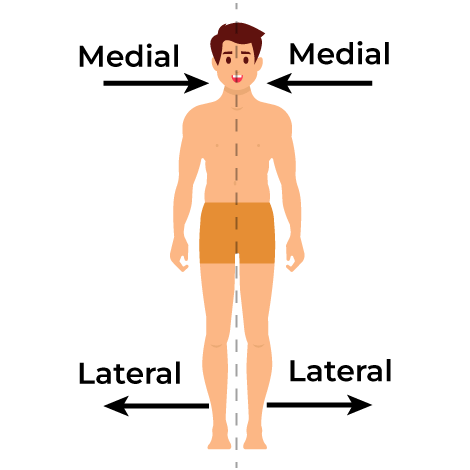
lateral
a structure being further away from the median plane than another structure in the body; EX: ears are lateral to cheeks
proximal
employed with reference to the limbs only- a structure being closer to the median plane or root of the limb than another structure in the limb; EX: elbow is proximal to hand
distal
employed with reference to the limbs only- a structure being further away from the median plane or root of the limb than another structure in the limb; EX: foot distal to knee
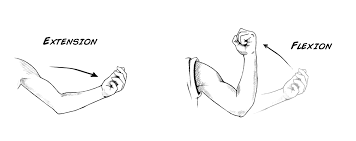
flexion + extension
reduces/increases angle between joints; ex: bicep curl
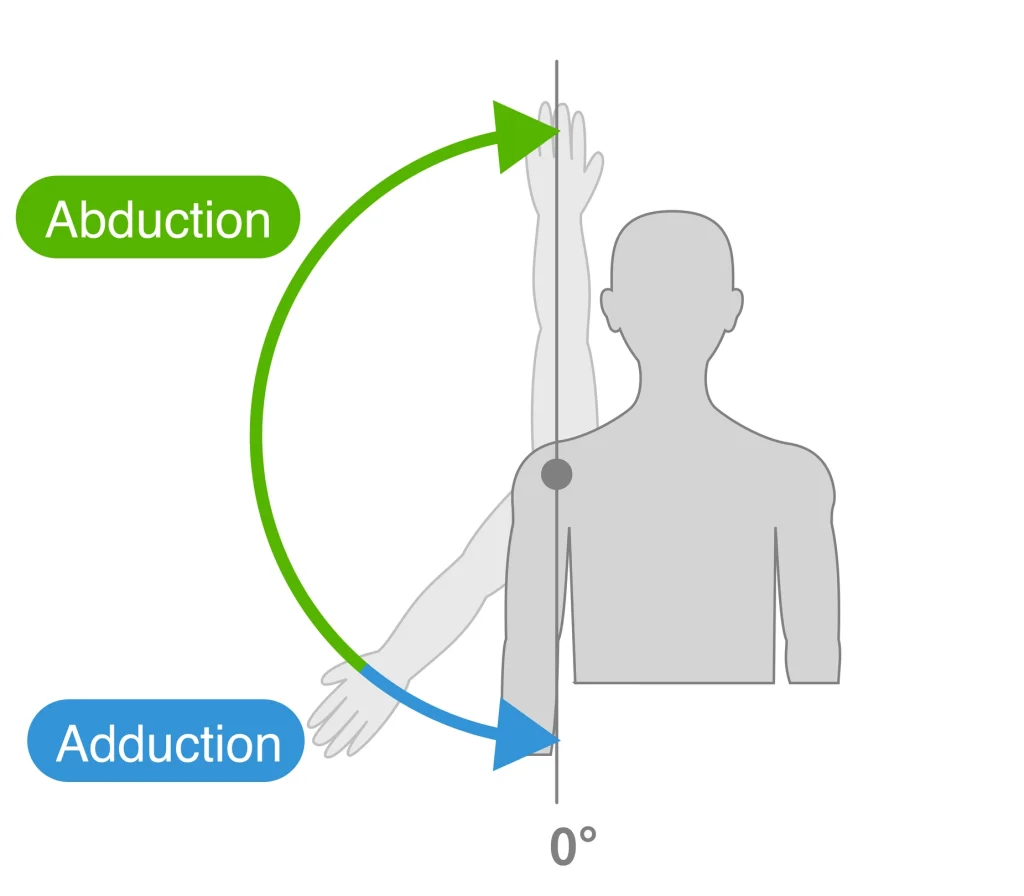
abduction + aduction
away/towards midline; ex: jumping jack

pronation + supination
palm faces posterior/anterior; ex: holding a bowl of soup
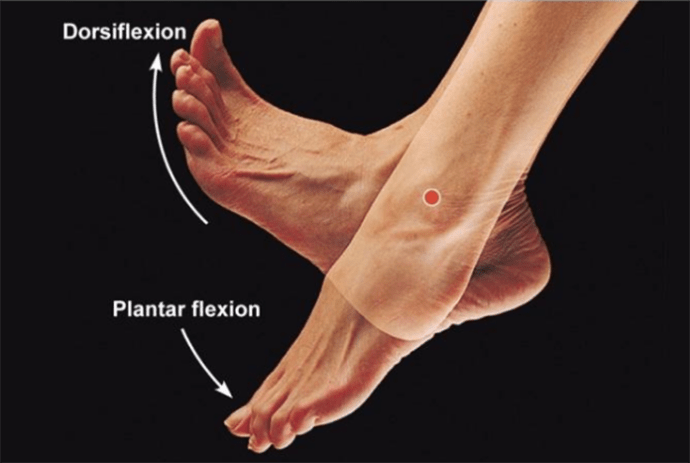
dorsiflexion + plantarflexion
foot up/foot plants; ex: toe raise
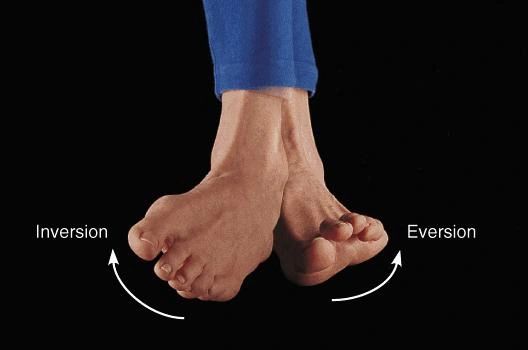
inversion + eversion
sole moves in/out; ex: rolling over ankle

internal + external rotation
flexed forearm moves in/out; ex: opening and closing doors
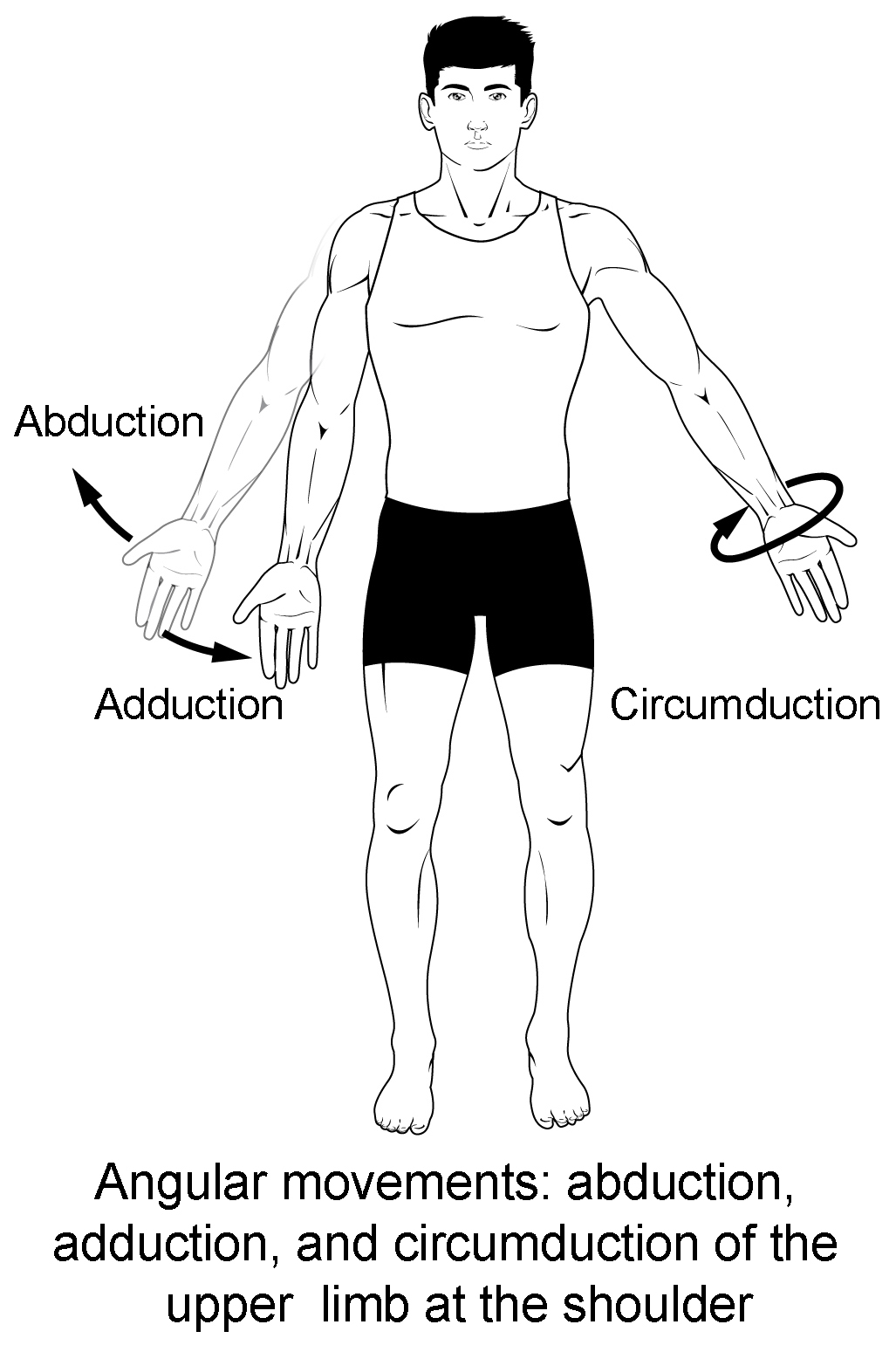
circumduction
a cone of movement without rotation
divisions of the human skeleton
axial and appendicular
axial skeleton
80 bones; supports, stabilizes, and protects vital organs
appendicular skeleton
approx 206 bones (spongy or compact); responsible for a large portion of movement
cancellous/spongy bone
low mineral density and high collagen, flexible, responsible for shock absorption, ex: vertebrae
compact/cortical bone
high mineral density and low collagen, stiff and stress resistant, responsible for withstanding stress, ex: long bones
vertebral column
made up of 33 vertebrae arranged in a cylindrical column, interspersed with intervertebral discs, protects spinal cord and nerves & is attachment for back muscles
vertebral column makeup
7 cervical/neck vertebrae, 12 thoracic/chest vertebrae, 5 lumbar/lower back vertebrae, 1 sacrum, and 1 coccyx
sacrum
5 fused vertebrae in the midline region of the buttocks
coccyx
also known as tail bone, made up of 3 or 4 fused vertebrae
joint
connection between two or more bones, strands of connective tissue ensure stability, classified by the material that joins them
classification of joints
fibrous, cartilaginous, and synovial
fibrous joints
no movement & absorb shock, ex: skull sutures
cartilaginous joints
limited movement & absorb shock, ex: intervertebral discs
synovial joints
allow greatest degree of movement, most common type in the body, ex: hip joint
joint capsule
surrounds the joint and provides support; lined with synovial membrane that secretes synovial fluid
joint cavity
filled with synovial fluid for lubrication, also cushions
hyaline cartilage
dense white connective tissue that covers and protects the ends of articulating bones, reduces friction
ligaments (extrinsic and intrinsic)
support the joint, connect the articulating bones of the joint
joint movements
uniaxial, biaxial, and multi-axial
types of synovial joints
pivot, gliding, hinge, saddle, condyloid, & ball and socket

pivot joint
one bone rotates around one axis, uniaxial, ex: neck

gliding joint
bone surfaces involved are nearly flat, uniaxial, ex: acromioclavicular
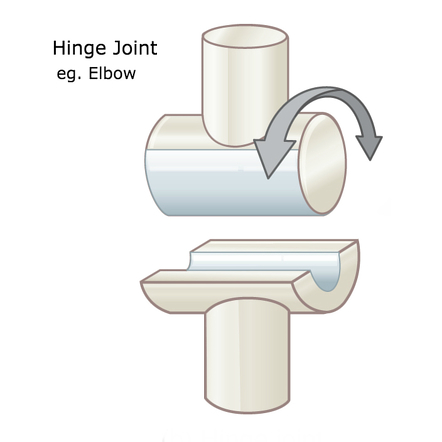
hinge joint
convex and concave articulating surfaces, uniaxial, ex: elbow

saddle joint
bones set together as in sitting on a horse, biaxial, ex: thumb

condyloid joint
ovular convex shape and reciprocal concave surfaces, biaxial, ex: knuckles

ball and socket joint
a rounded bone filled into a cup like receptacle, multi-axial, ex: hip
types of muscle
smooth, skeletal, and cardiac
smooth muscle
blood vessels and organs, slow and uniform contractions, fatigue resistant, involuntary
skeletal muscle
attached to bone, contraction = body movement, voluntary
cardiac muscle
heart contraction, very fatigue resistant, has own intrinsic beat, involuntary
prime mover/agonist
the muscle that produces movement
antagonist
muscle that opposes movement
synergist
supports the prime mover
origin
closer to the body, more stationary parts
insertion
away from the body, more mobile structures

sternocleidomastoid
most important anterior neck and back muscle pair, allows to flex head towards chest and get up from a supine position, origin = sternum + clavicle & insertion = mastoid process
erector spinae
large muscle mass; reaches in segments from sacrum to skull; allows for maintaining erect position, origin = iliac crest, sacrum, and lumbar vertebrae & insertion = ribs and cervical transverse processes