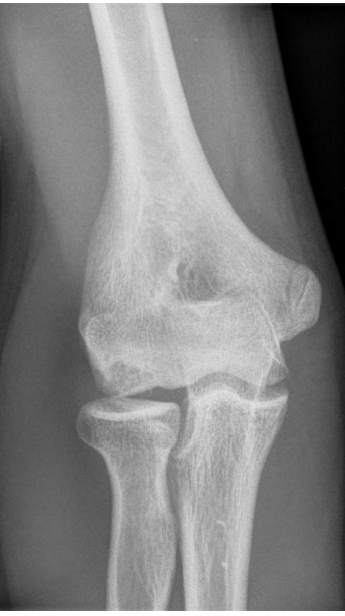
Avascular necrosis (aka Osteonecrosis/Osteochondrosis)
 Call Kai
 Learn
Learn Practice Test
 Spaced Repetition
 Match
Match Flashcards
 Knowt Play
1/18

There's no tags or description
Looks like no tags are added yet.
Name | Mastery | Learn | Test | Matching | Spaced | Call with Kai | Chat |
|---|
No analytics yet
Send a link to your students to track their progress
19 Terms
What is the most common cause of AVN?
Trauma
What are the labs for AVN?
There are none
How long does it take for AVN to go away?
Self-resolving but takes 8 months to 2 years; can lead to DJD
What are the special tests for AVN?
Bone scan or MRI
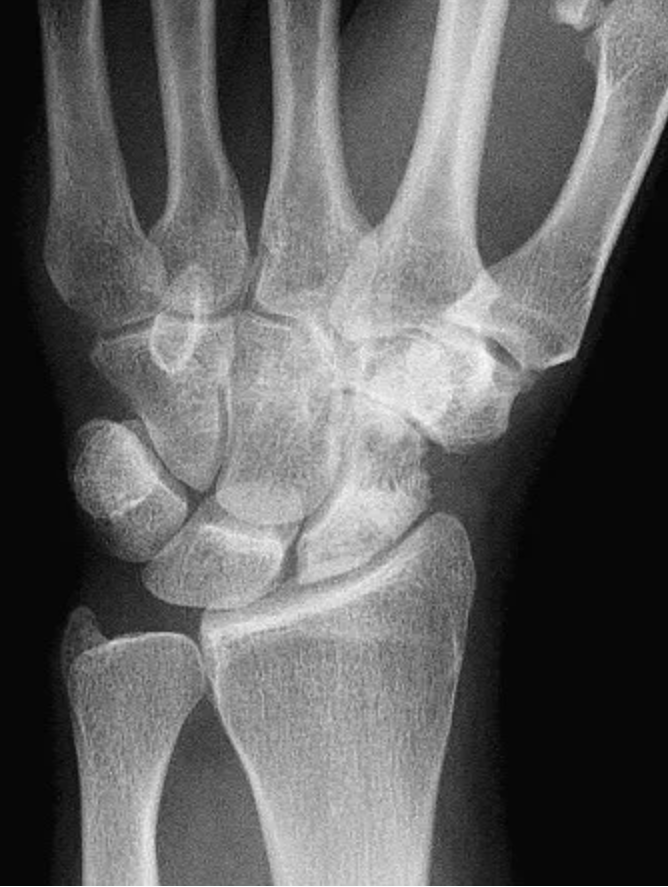
What is Preiser’s?
AVN at carpal scaphoid
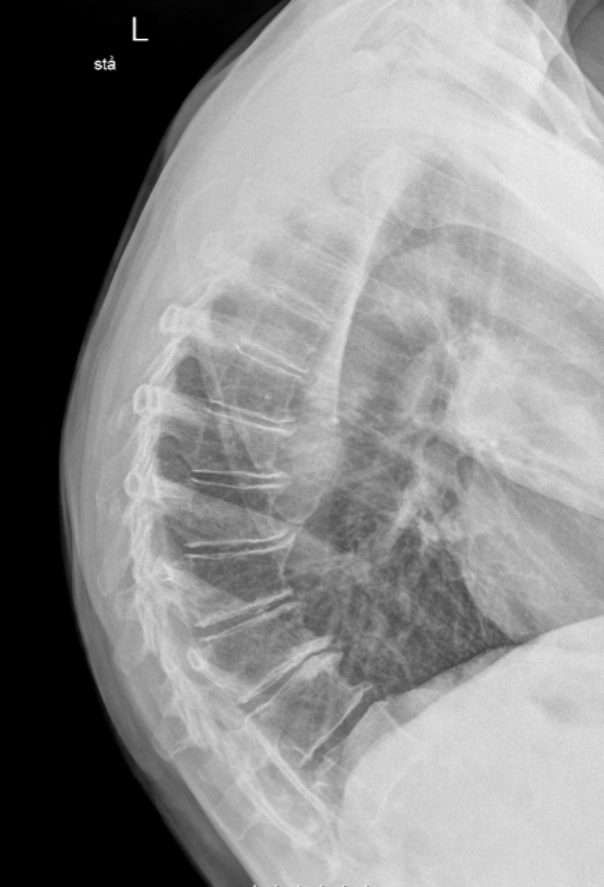
What is Scheuermann’s?
AVN at the vertebral end plate epiphysis
What are physical characteristics of Scheuermann’s disease?
Most commonly seen between 10-16; case history of rounding shoulders, increased kyphosis, or young patient with back pain
What are radiographic signs of Scheuermann’s disease?
Slight loss of anterior body height of one or more vertebrae (10-15%); multiple endplate irregularities of 3 or more continuous vertebrae
What is management of Scheuermann’s disease?
Thoracolumbar brace; strengthen the erectors and stretch the pecs; and lead to permanent postural deformity and early DJD
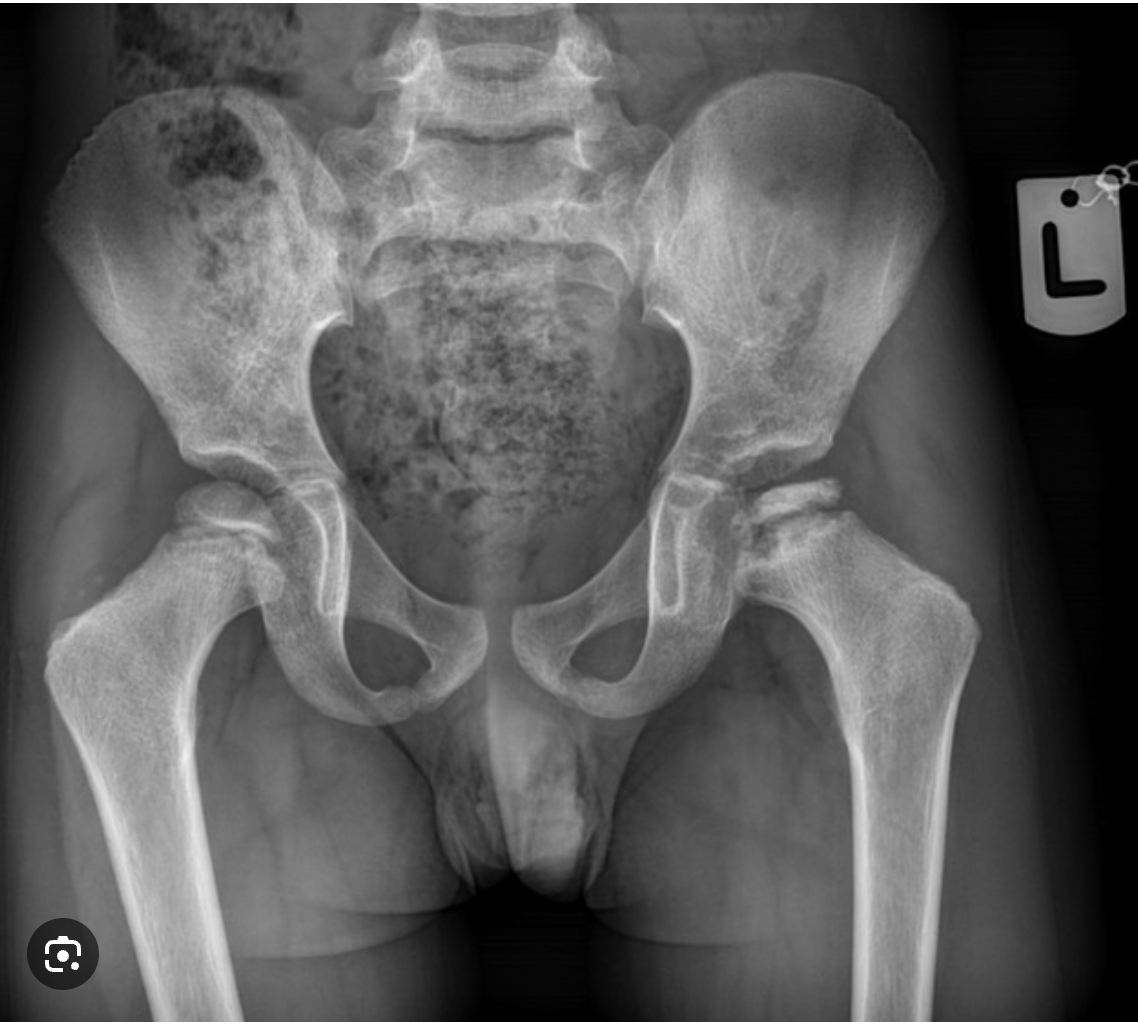
What is Legg Calve Perthes?
AVN of the femoral epiphysis
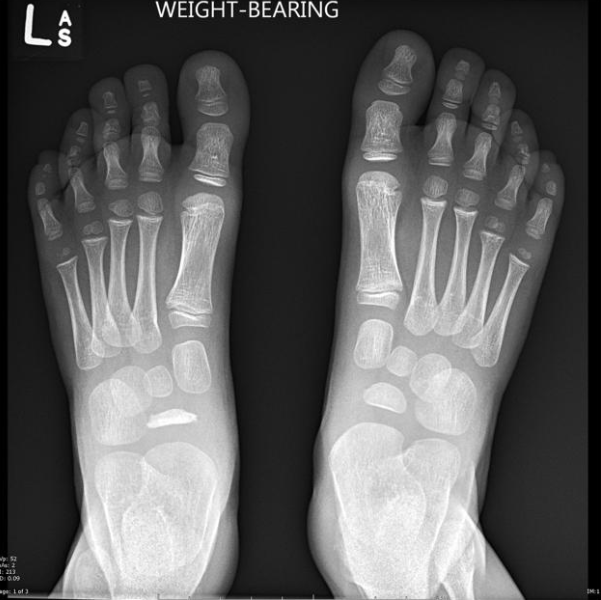
What is Kohler’s?
AVN at tarsal navicular
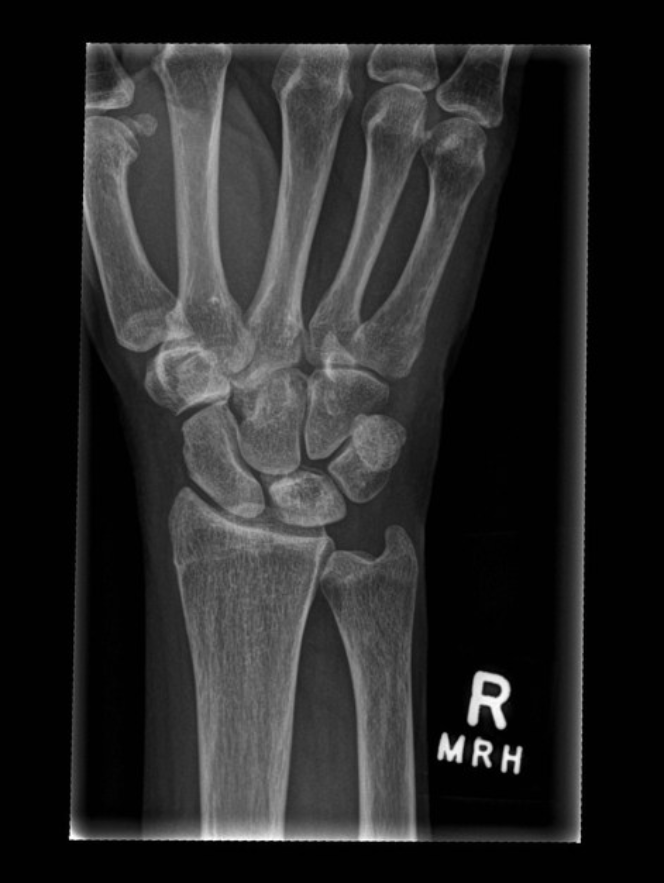
What is Keinboch’s?
AVN of the carpal lunate
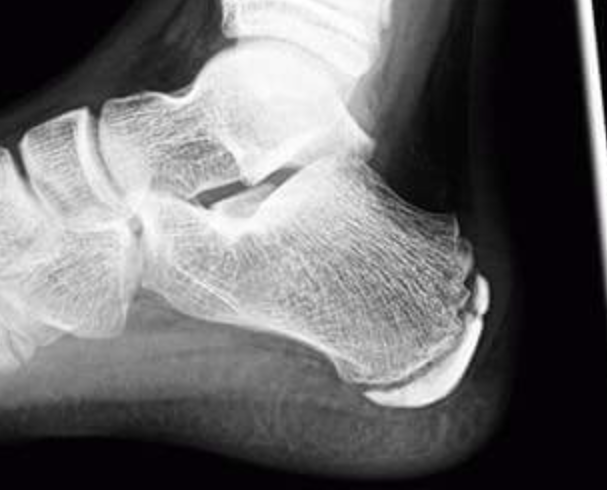
What is Sever’s?
AVN of the calcaneus
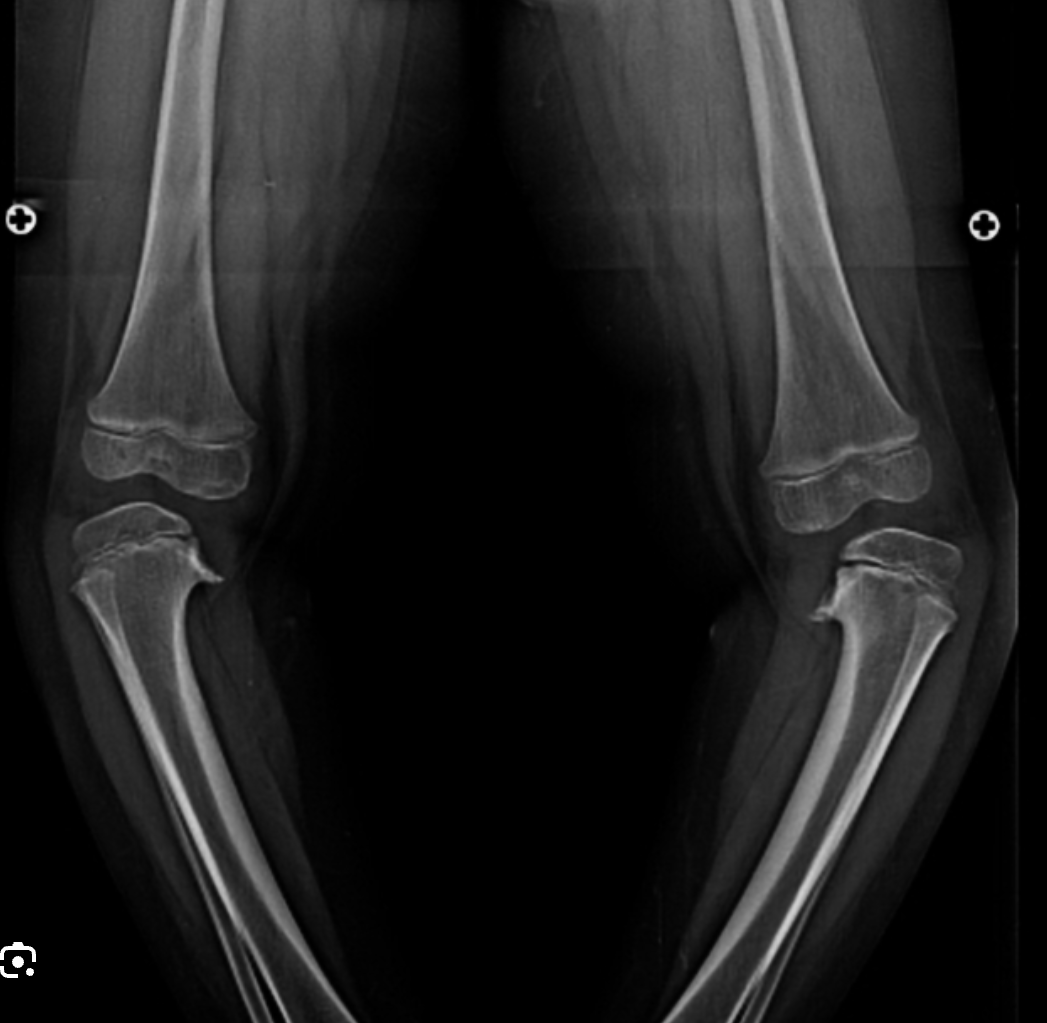
What is Blount’s?
AVN of the medial tibial condyle
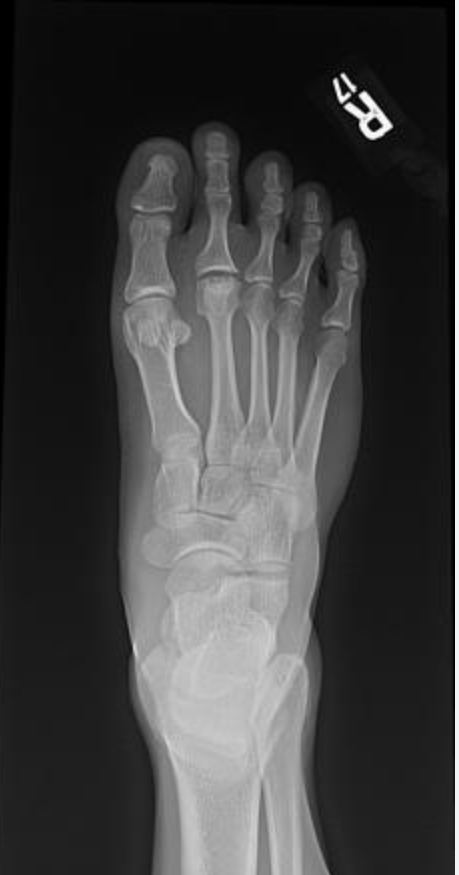
What is Freiberg’s?
AVN of the head of the 2nd or 3rd metatarsal
What is Osteochondritis Dessicans?
AVN on the articular surface of the medial femoral condyle
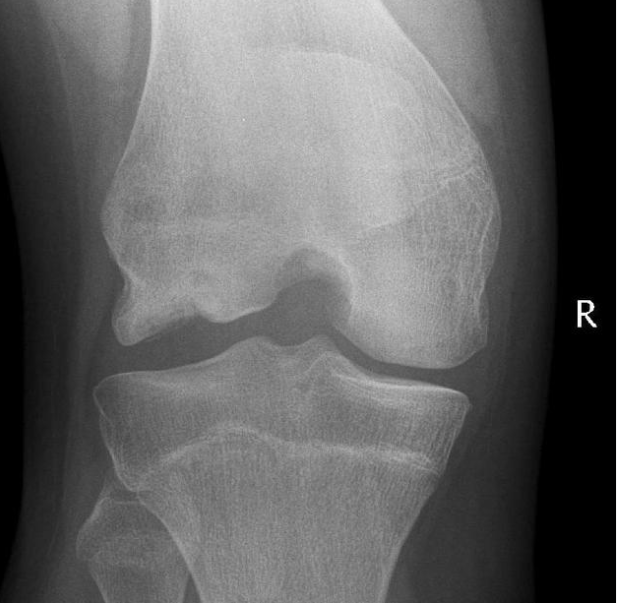
What are physical characteristics of Osteochondritis Dessicans?
16-25; athletes; knee locks out on extension; associated with Wilson’s sign
What view is Osteochondritis Dessicans best seen on?
Tunnel view
What is Panner’s?
AVN of the capitellum