CLAS 232 Artifacts
 Studied by 0 people
 Call Kai
 Learn
Learn Practice Test
 Spaced Repetition
 Match
Match Flashcards
 Knowt Play
1/33

There's no tags or description
Looks like no tags are added yet.
Name | Mastery | Learn | Test | Matching | Spaced | Call with Kai |
|---|
No analytics yet
Send a link to your students to track their progress
34 Terms
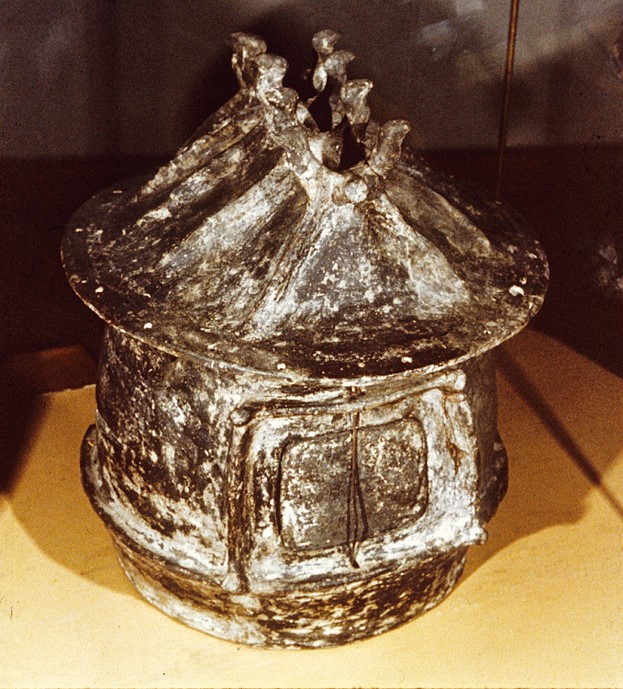
Villanovan, or Iron Age, dolium burial with hut urn, Rome
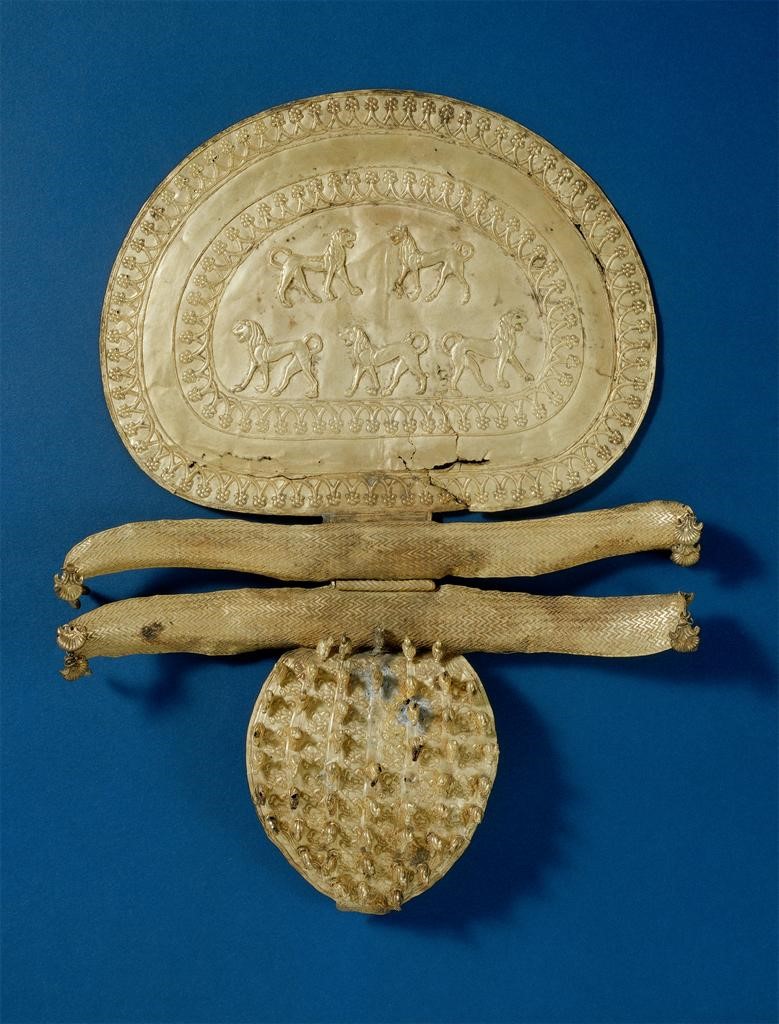
Gold disk fibula
650 BC, Regolini-Galassi tomb, Caere. Granulation technique, made out of gold
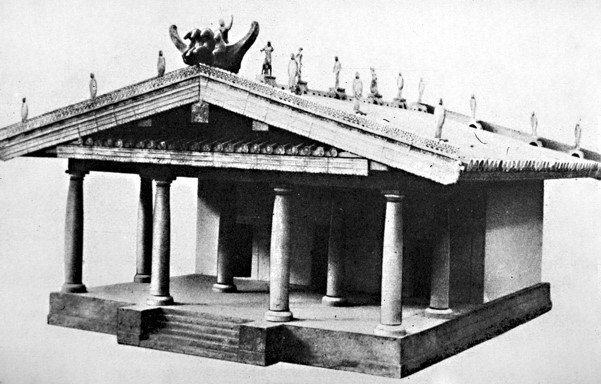
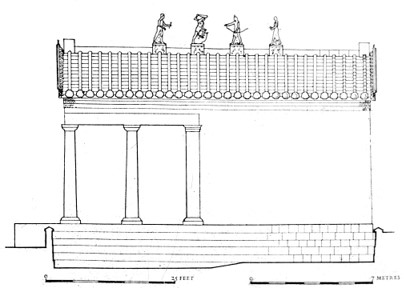
Basic Italic Temple Style
Raised Podium, frontal stair, deep front porch, alae(wings), one or three cellae, sine postico (no rear porch)
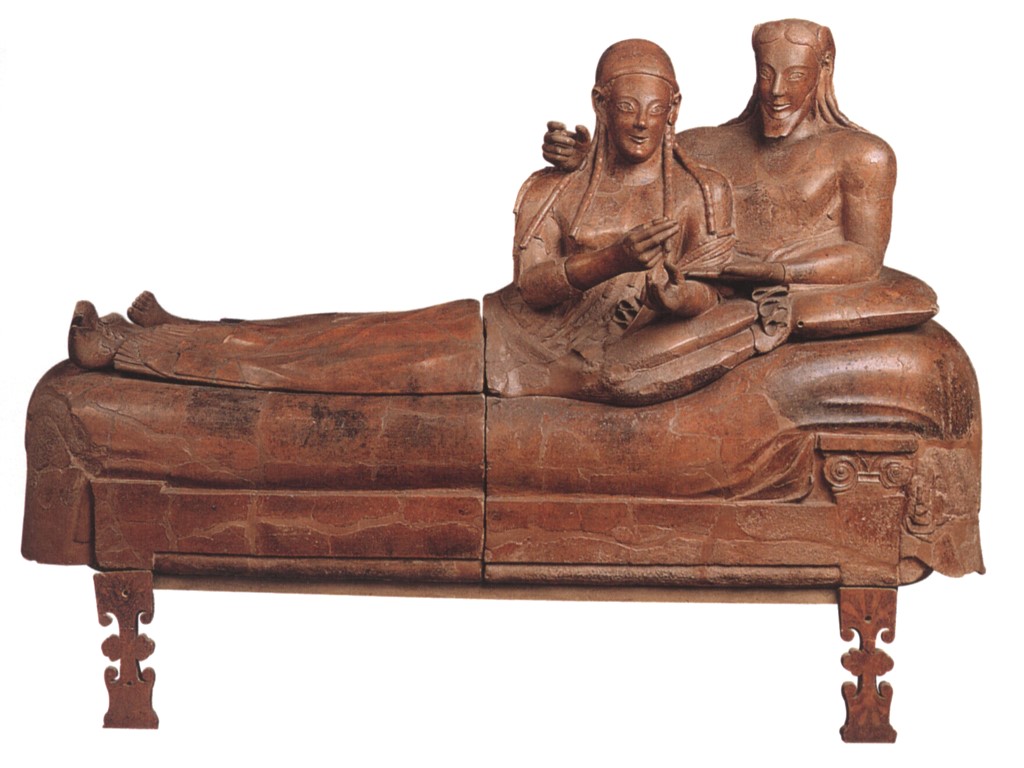
Sarcophagus of the Married Couple
Late 6th century BCE, terracotta, found in Caere, urn, Etruscan funerary ritual
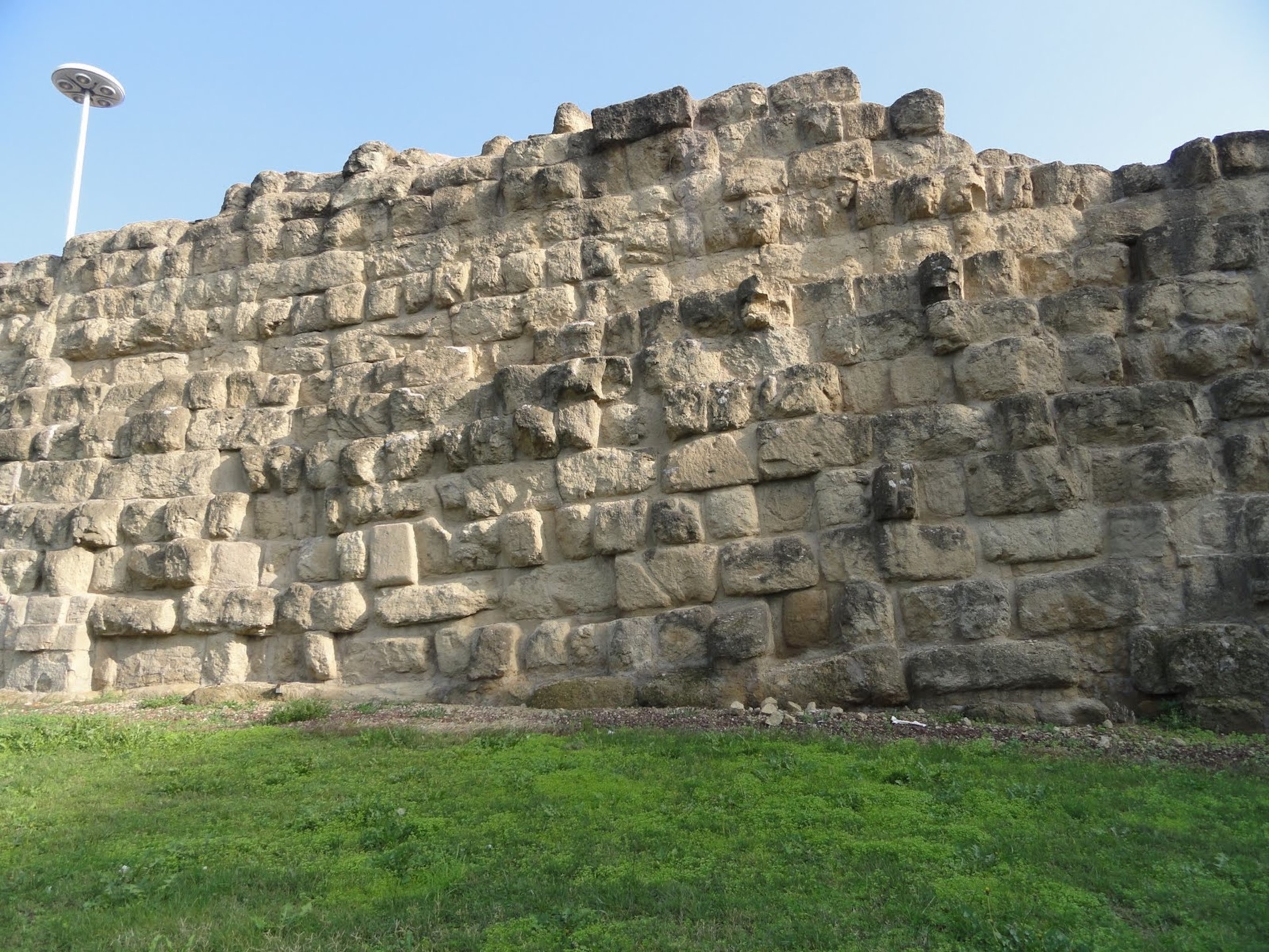
Servian Wall
386 BC, secured Rome from invading tribes, weaponry was placed at various points, limestone and tuff, opus incertum style
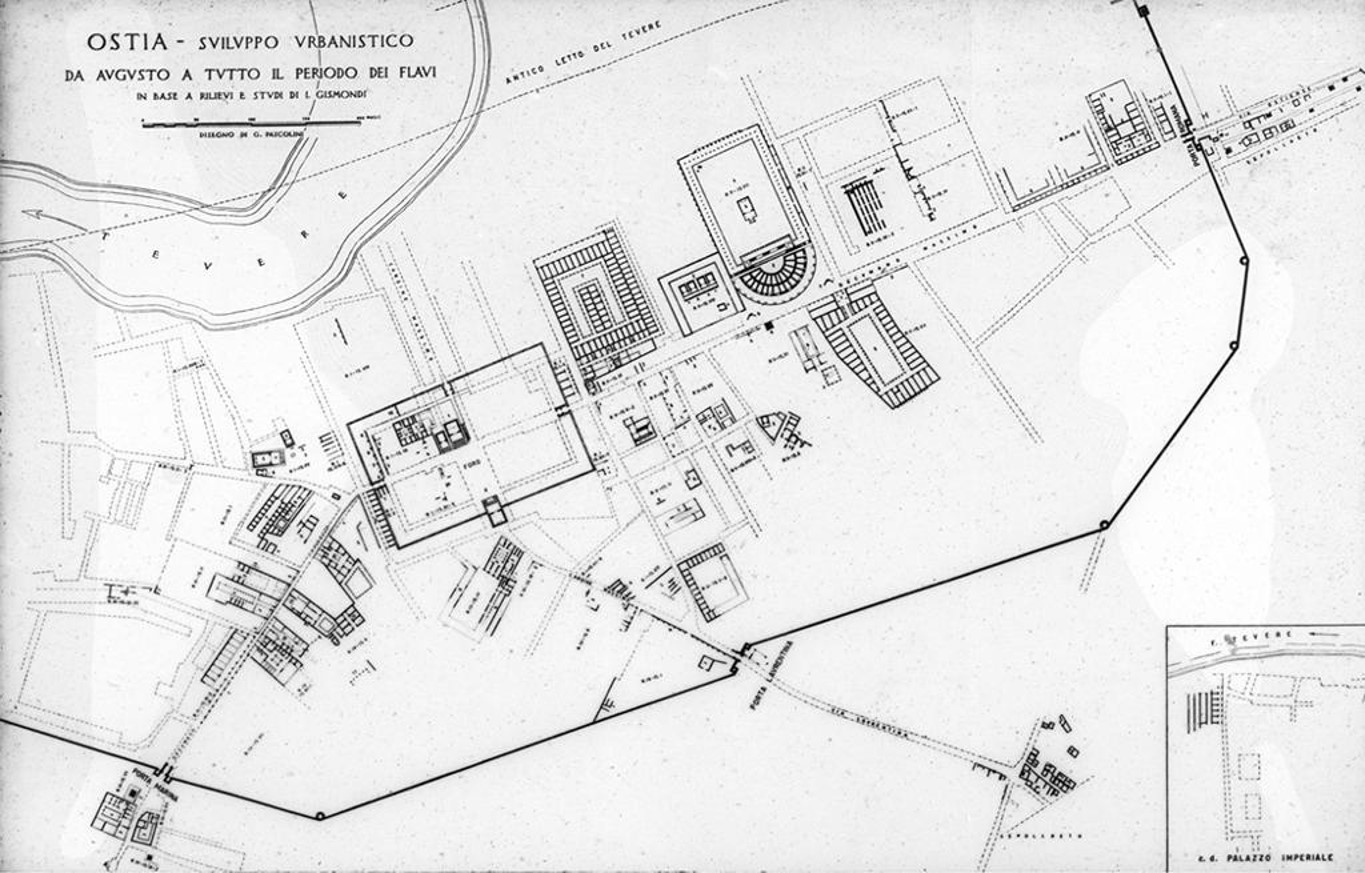
Ostia
Ancient Roman city, port of Rome, founded around 620 BC, central attraction salt from nearby salt flats
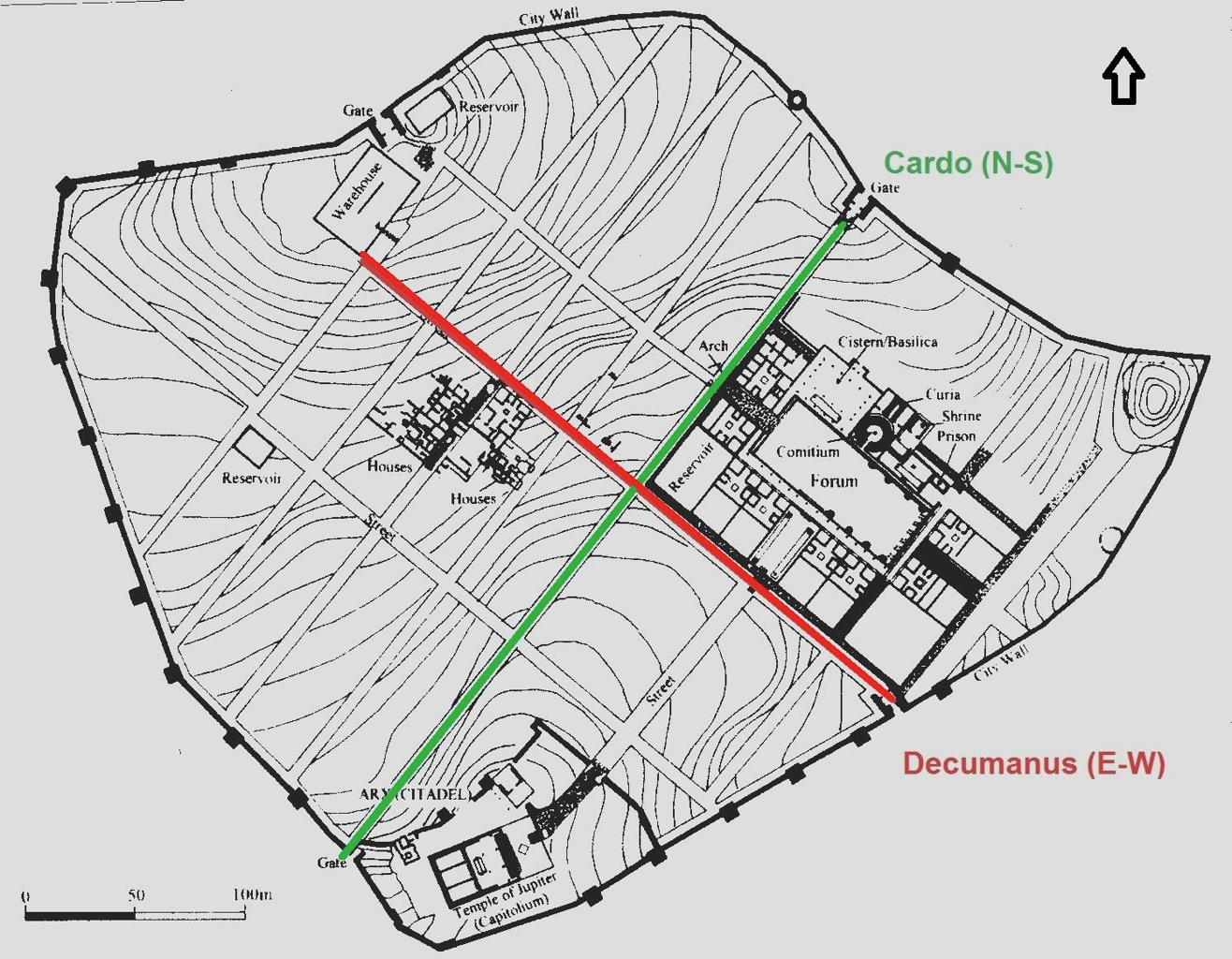
Cosa
Ancient port, earliest Roman harbor known, founded around 273 BC, had public square of the city (forum)
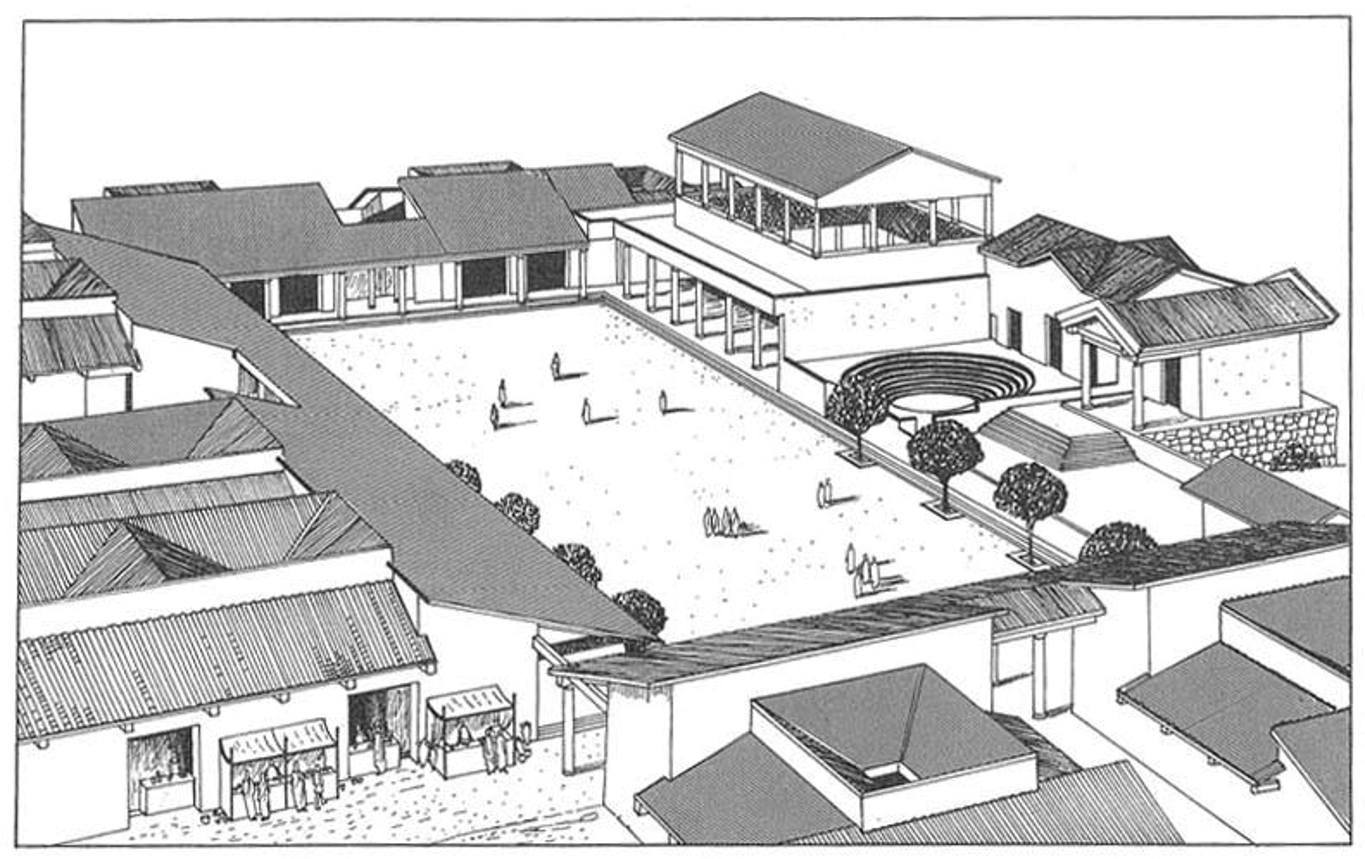
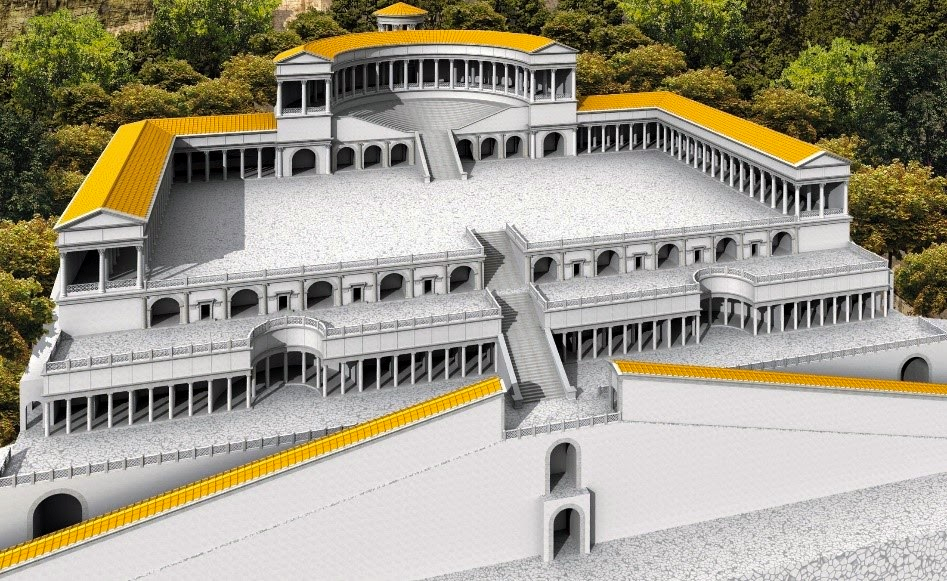
Sanctuary of Fortuna Primigenia, Praeneste Reconstruction
Late 2nd century BC, honors goddess Isis and goddess Fortuna, center of worship and pilgrimage
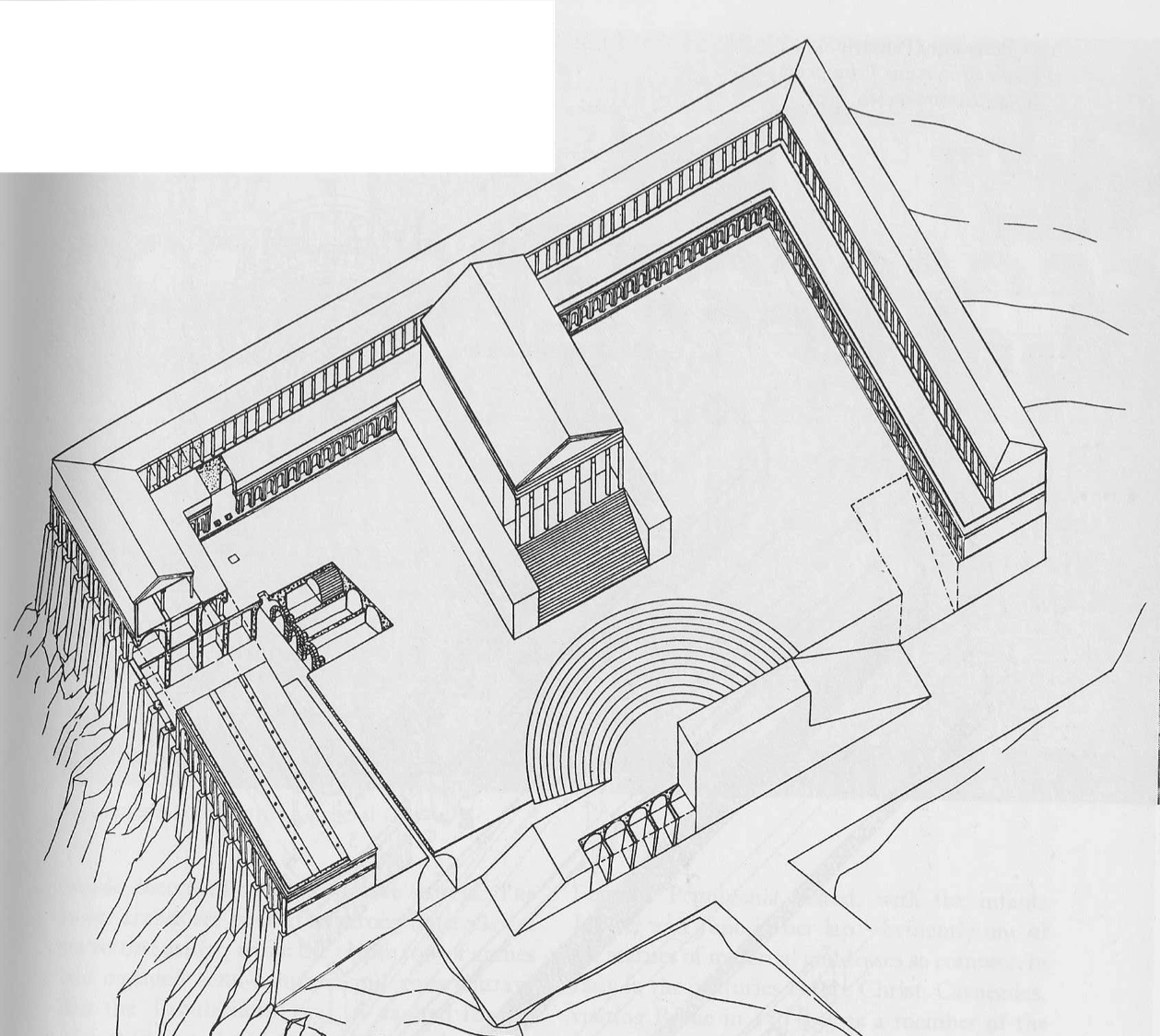
Sanctuary of Hercules Victor
Located in Tiber (Tivoli), dedicated to protecting the god of Tiber. Style of a round Greek table with Greek Pentelic marble. Built between 120 and 82 BC. Further building done during Augustan era
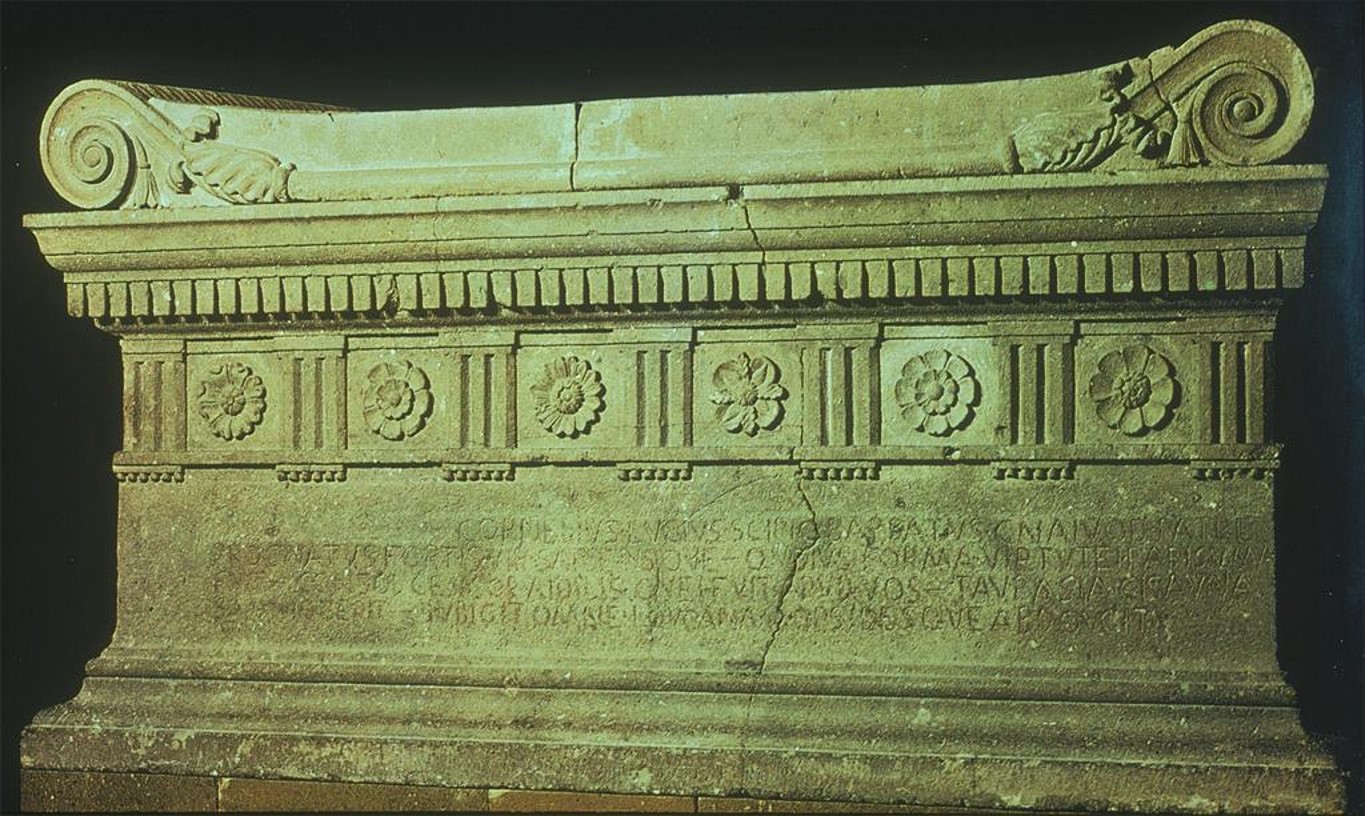
Sarcophagus of L. Cornelius Scipio Barbatus
Sometime around 280 BCE, provides early evidence of political offices in the Roman Republic, tuff burial coffin
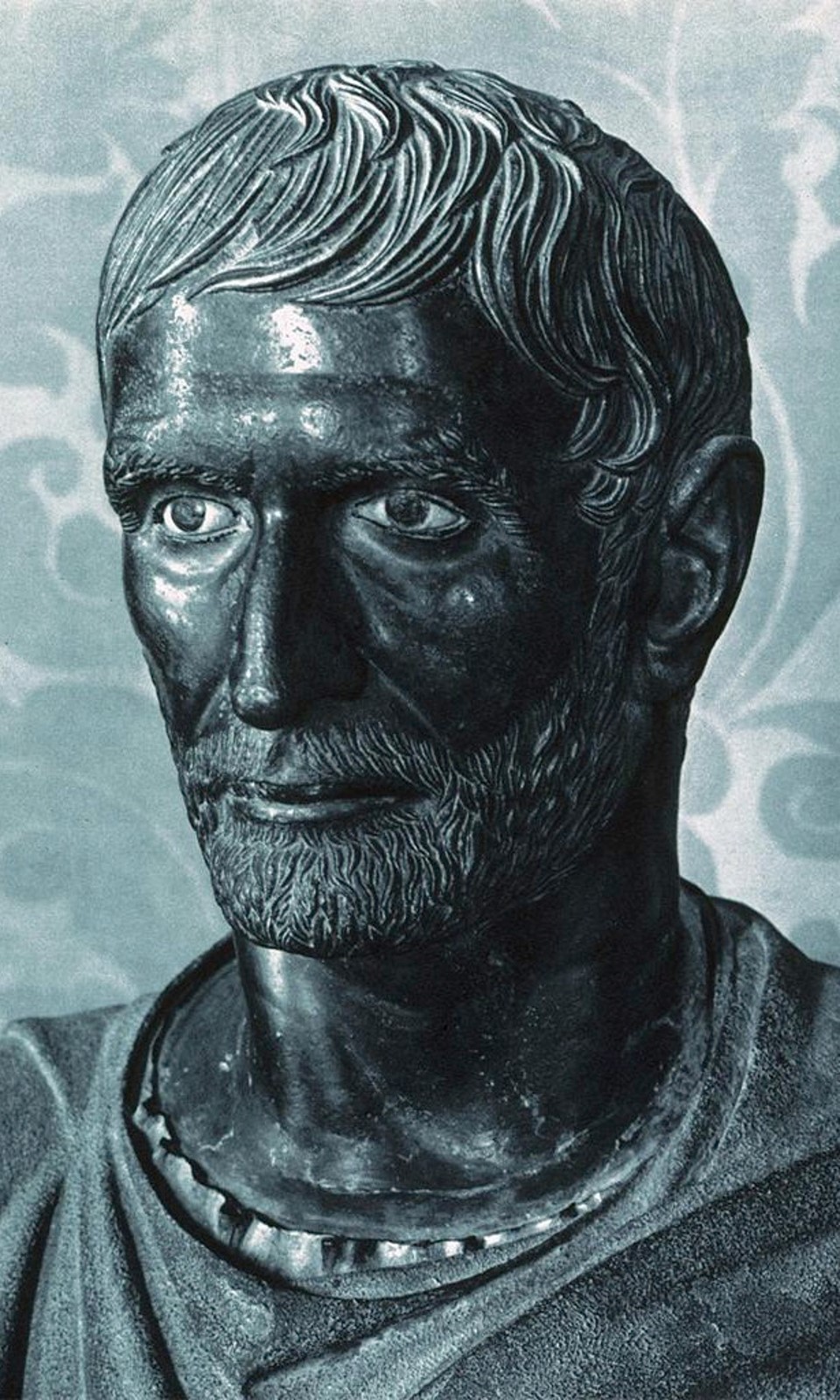
So-Called Brutus
Around 3rd century BC, bronze bust, possible bone and glass eyes, early example of Roman portraiture
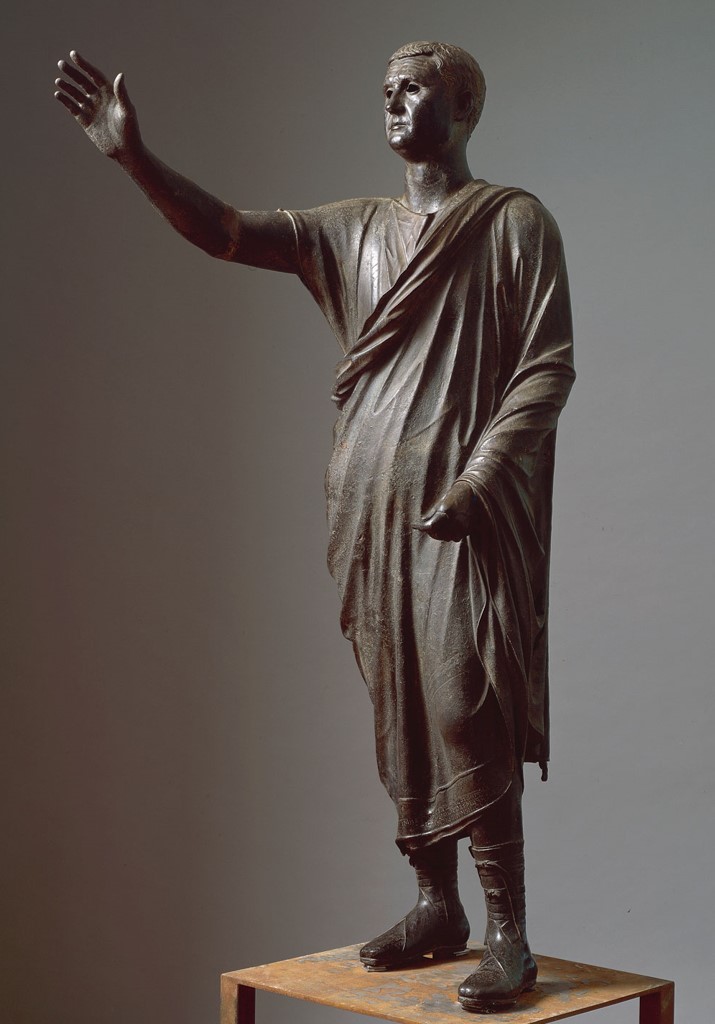
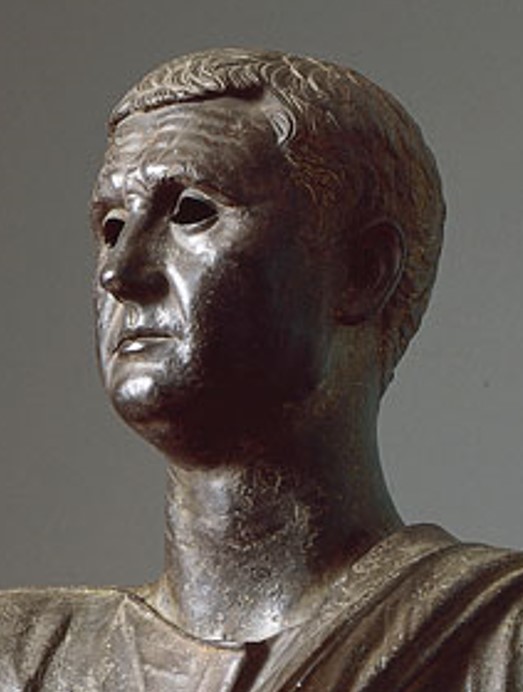
The Orator
From Cortona, early 1st century BC, Etruscan and made of bronze. Statue highlights a political career with his hair cut and facial expression. Man who is modeled after was an Etruscan senator.
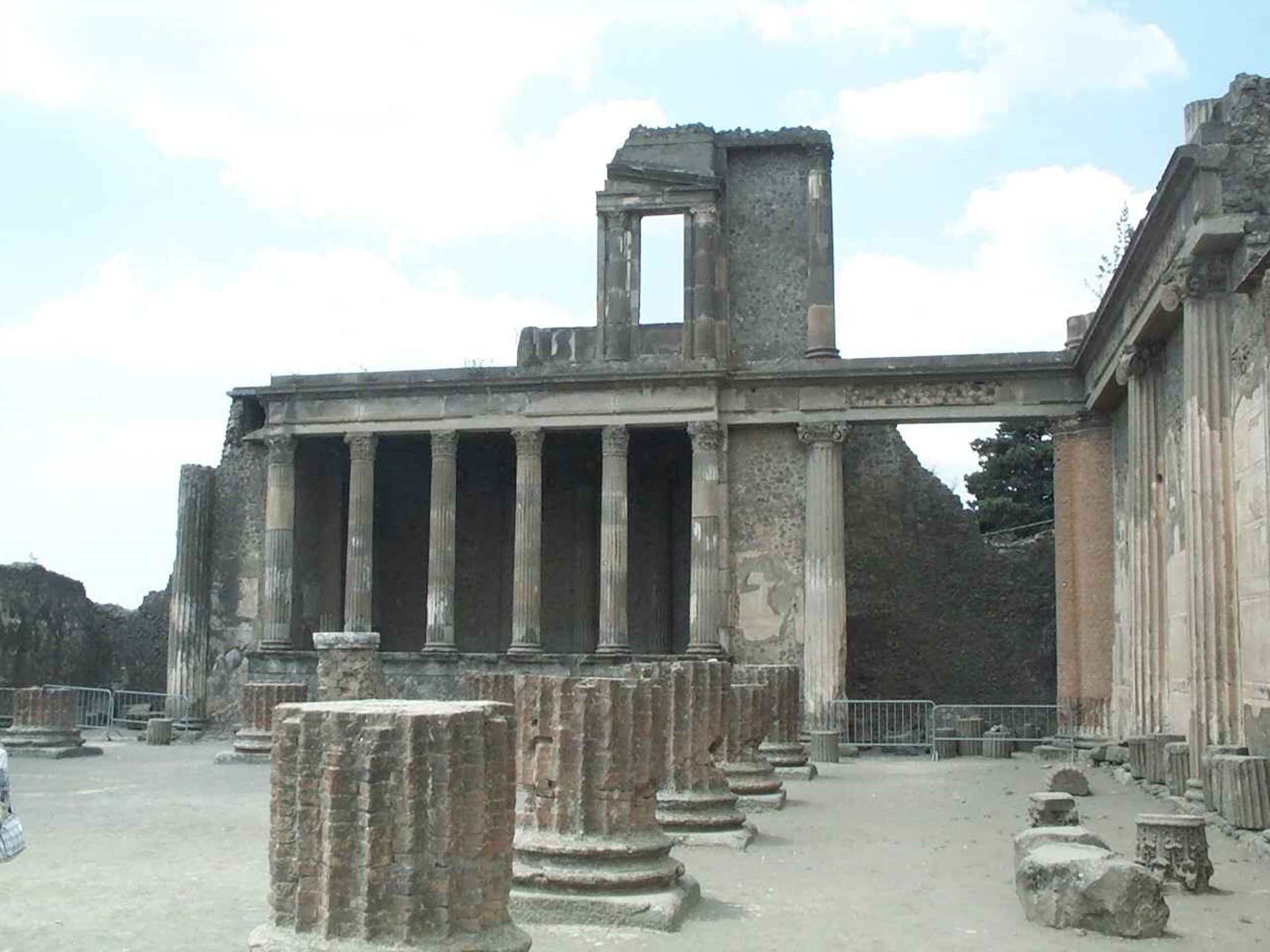
Basilica at Pompeii
130-120 BC, very important public site during ancient times, stucco-like marble blocks
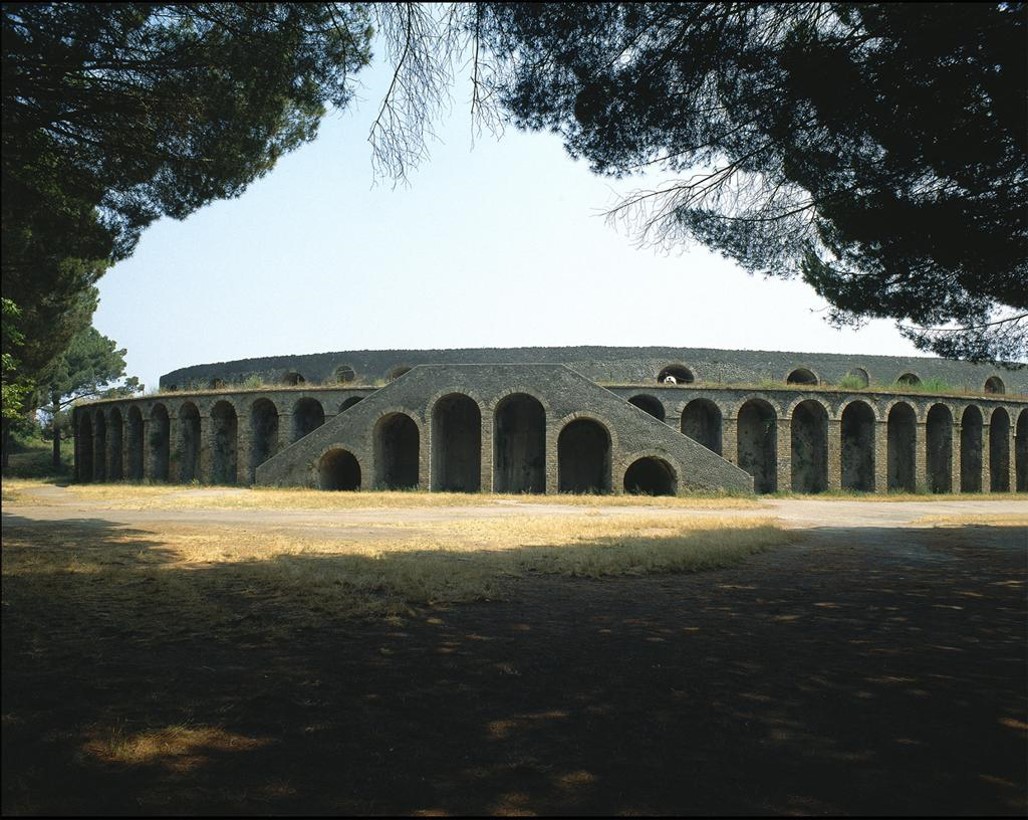
Amphitheater at Pompeii
Constructed around 70 BC, one of oldest surviving roman amphitheaters, associated with Roman military and colonization of the people there, built of stone
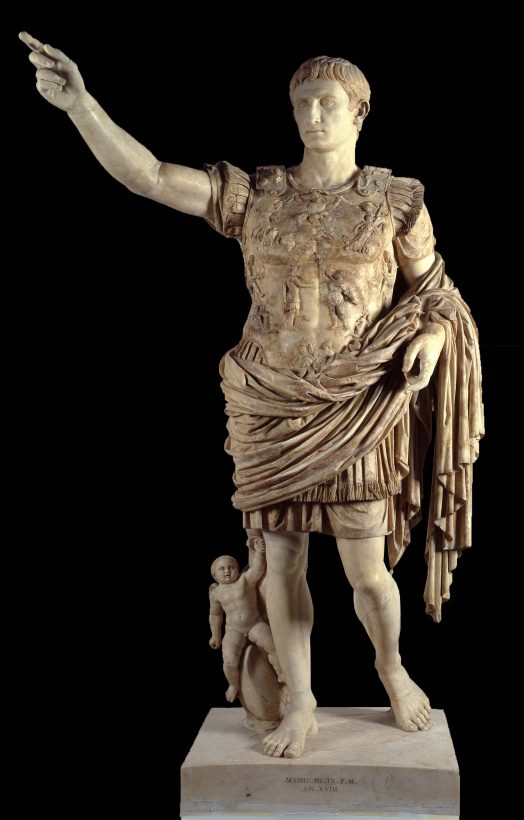
Primaporta Augustus, stands contrapposto, made around 20 BC, celebrated victory of Parthians, marble and free standing, military regalia, arm outstretched to as if to address his troops
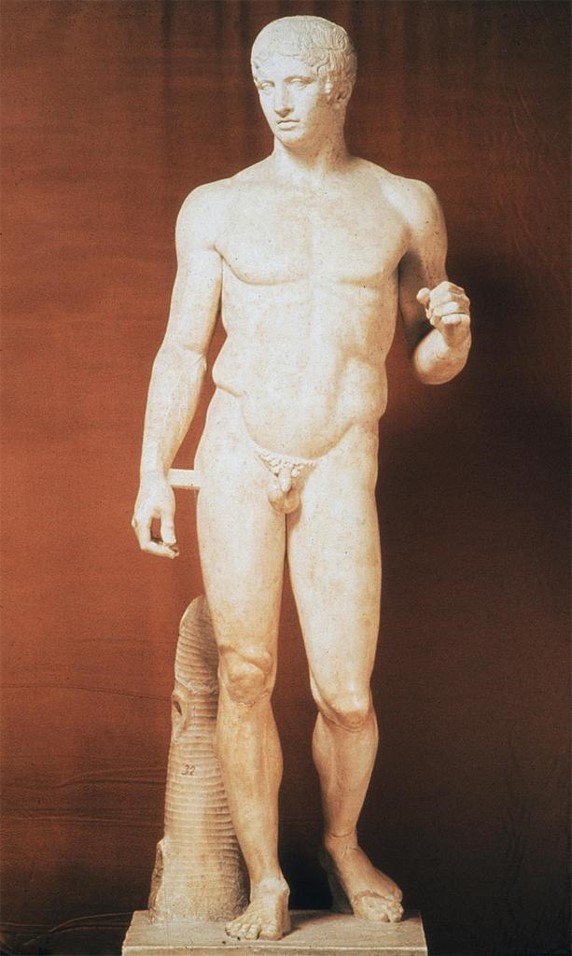
Doryphoros of Polykleitos, 5th century BC, contrapposto pose, very similar features, marble, nude, idealized form of the body
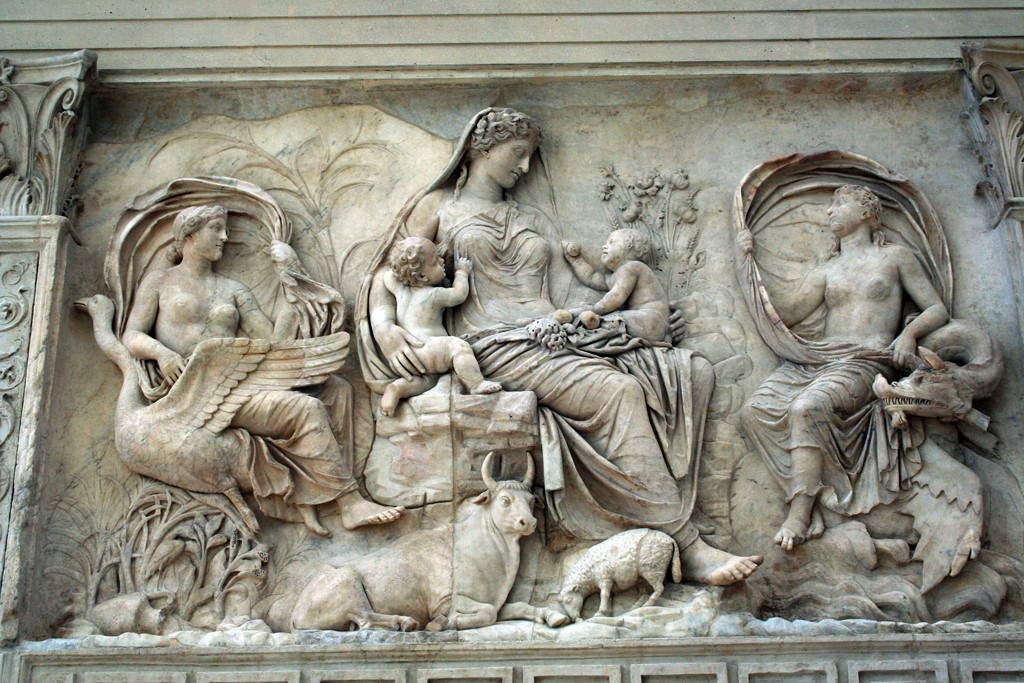
East Side, left of Ara Pacis Augustae
Around 13 BC, interpreted as goddesses Peace, Tellus, or Venus, marble
Forum Augustum
Inaugurated in 2 BC, 40 years after promised. Ashlar blocks, Carrara marble
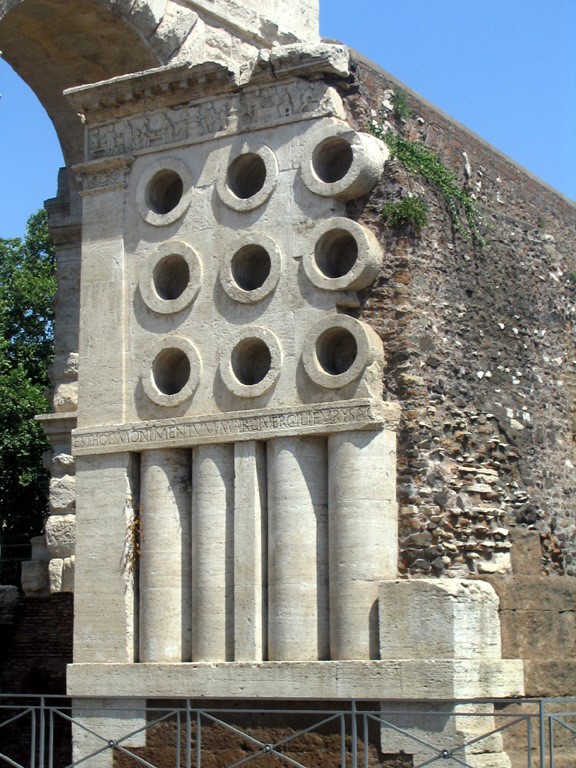
Tomb of M. Vergilius Eurysaces
30 BC. Concrete, tufa, and travertine. Rome, outside Porta Maggiore. A baker’s tomb, built by a freedman/former slave. Represented an oven/bread baking profession
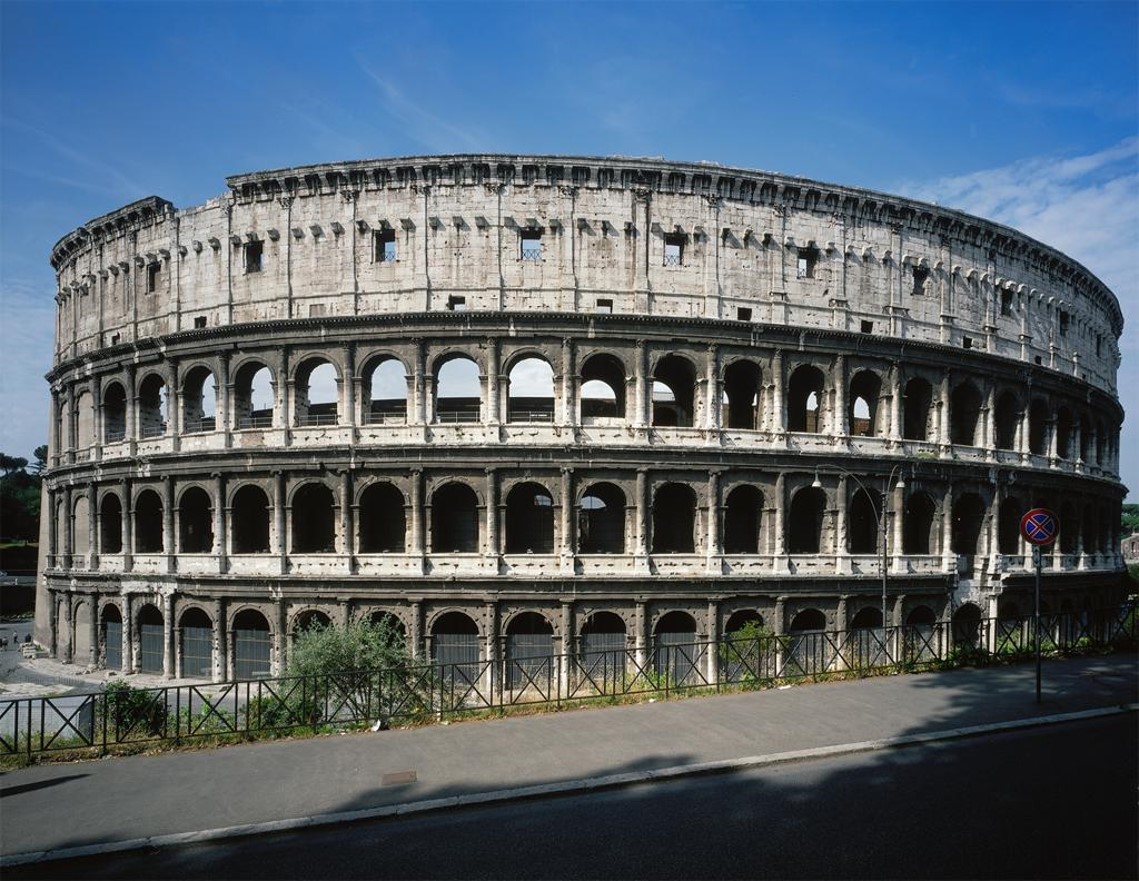
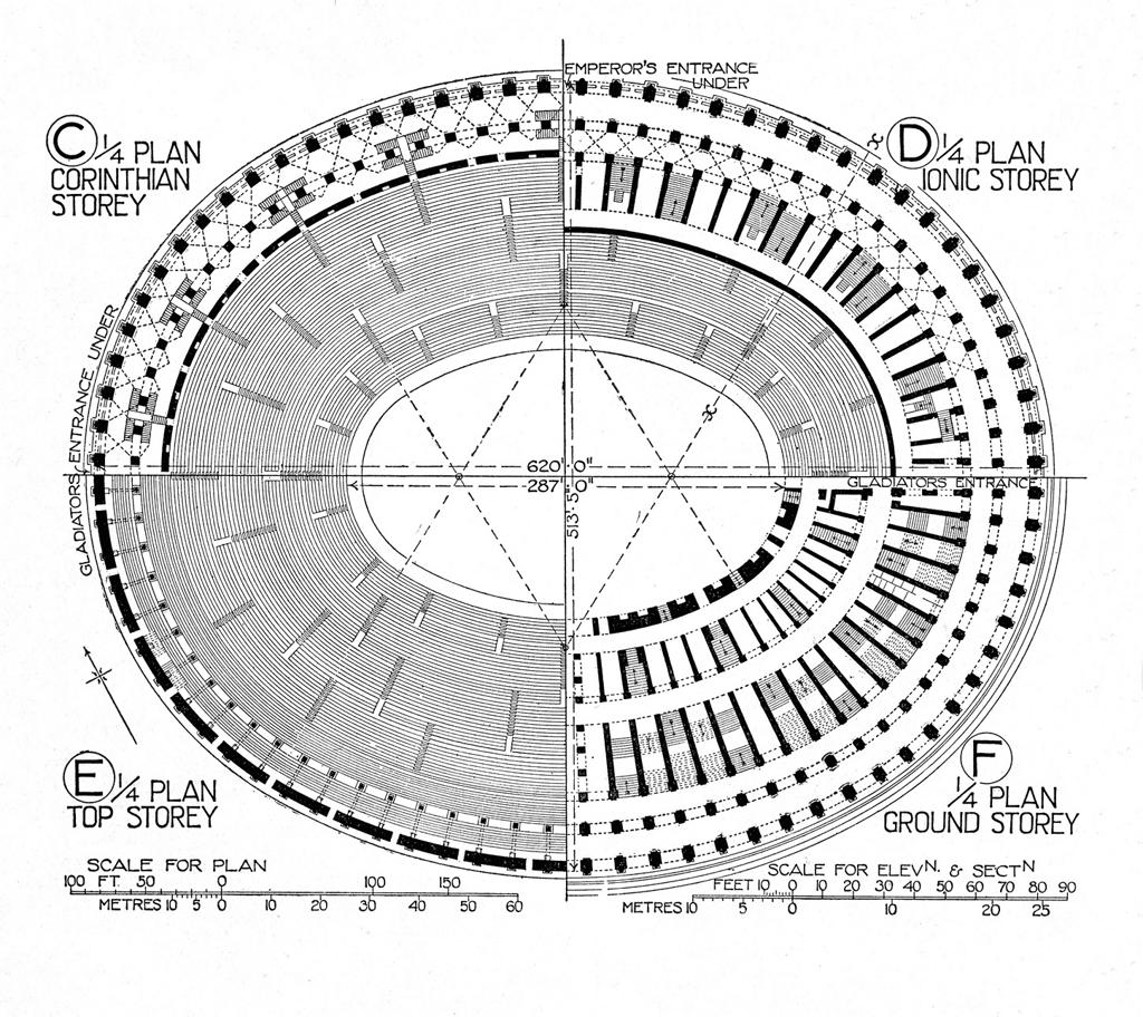
The Colosseum
Opened 80 AD, commissioned by emperor Vespasian, massive stone amphitheater, Ancient Roman Architectural style, 3 different styles of columns
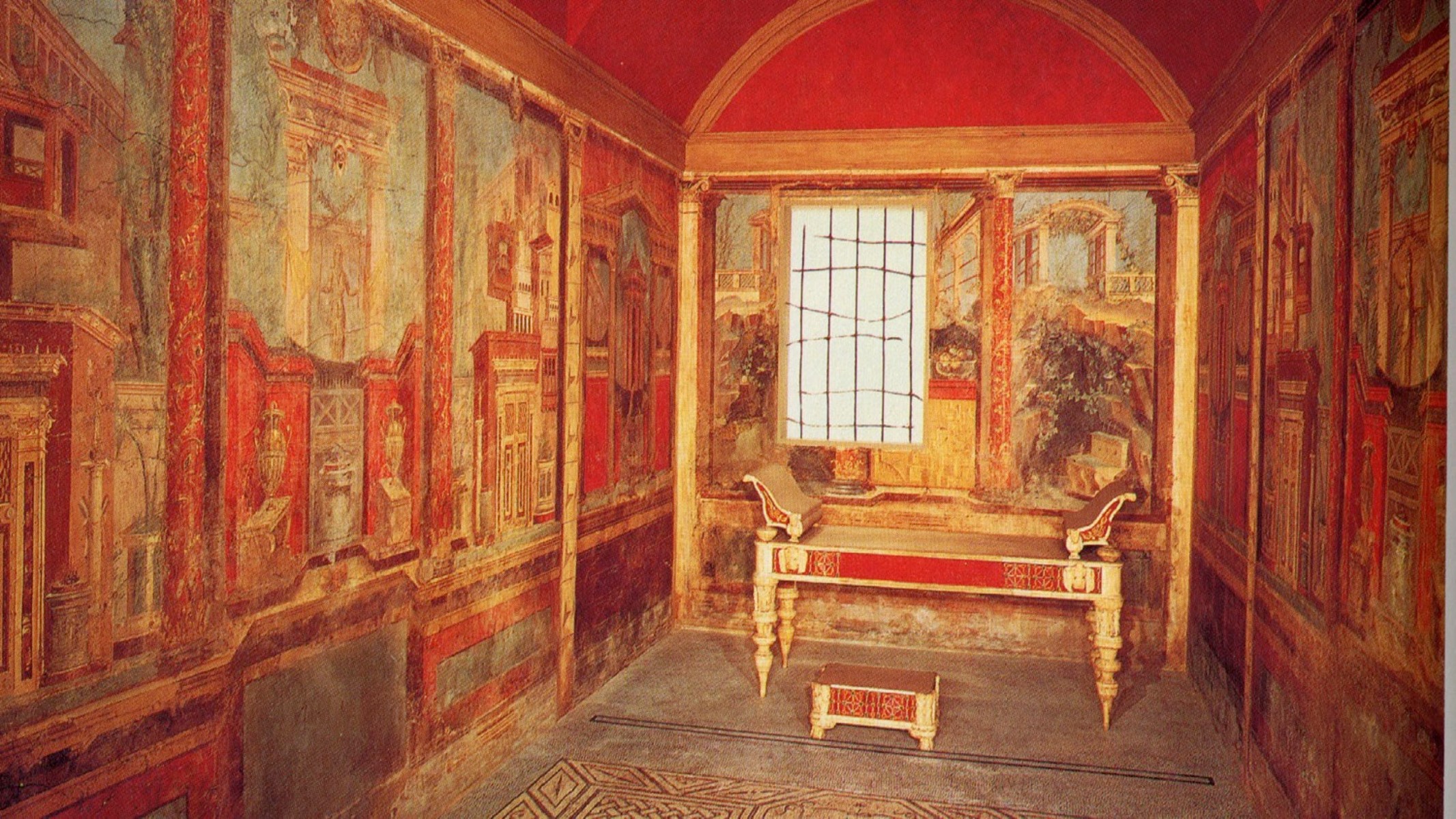
Second Style Cubiculum from Boscoreale villa
40-30 BCE, 2nd style aims to deny walls as solid surfaces confining the room space, illusions of imaginary scenes
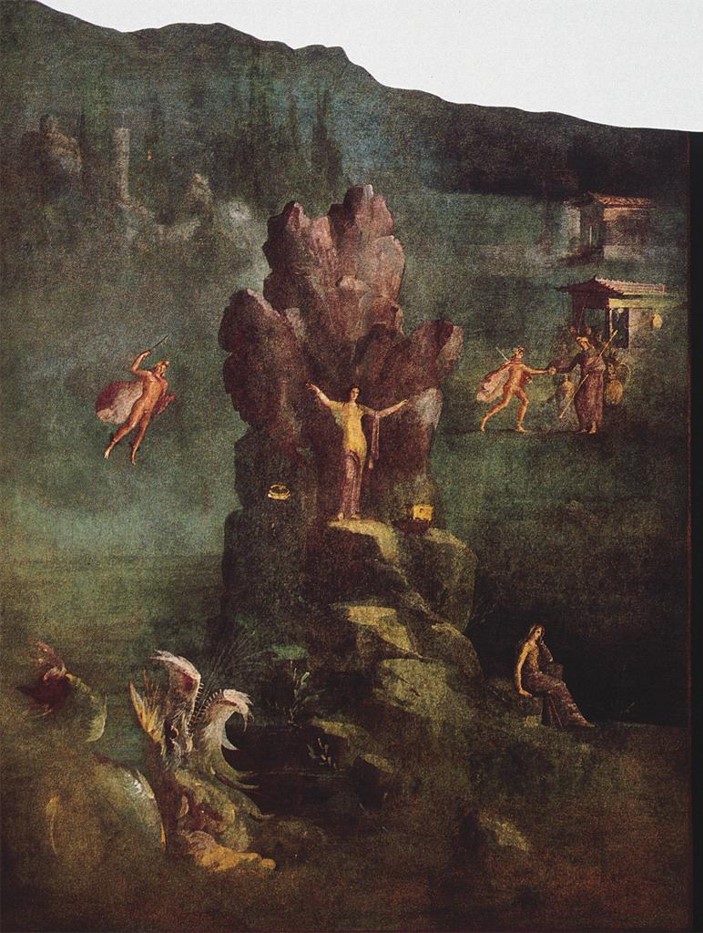
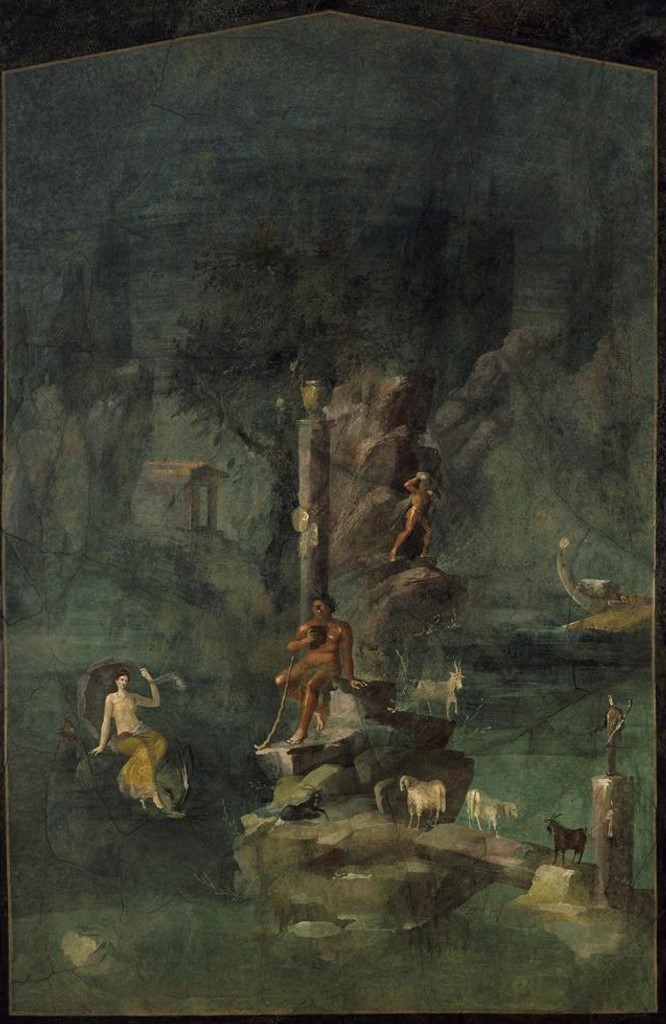
Mythological Landscape Painting
Villa of Agrippa: Featuring Polyphemus and Galatea (right), and Perseus and Andromeda (left). Painting 3 style??
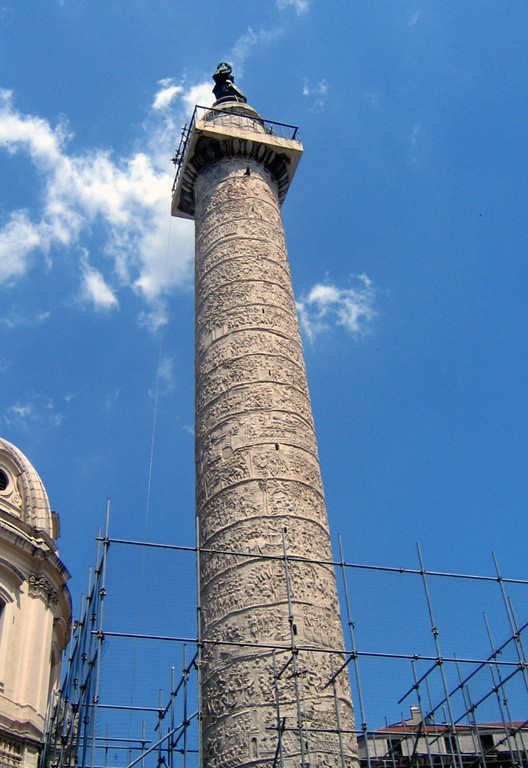
Trajan’s Column
100-113 AD, Luna marble, commemorates Trajan’s victory in the Dacian war
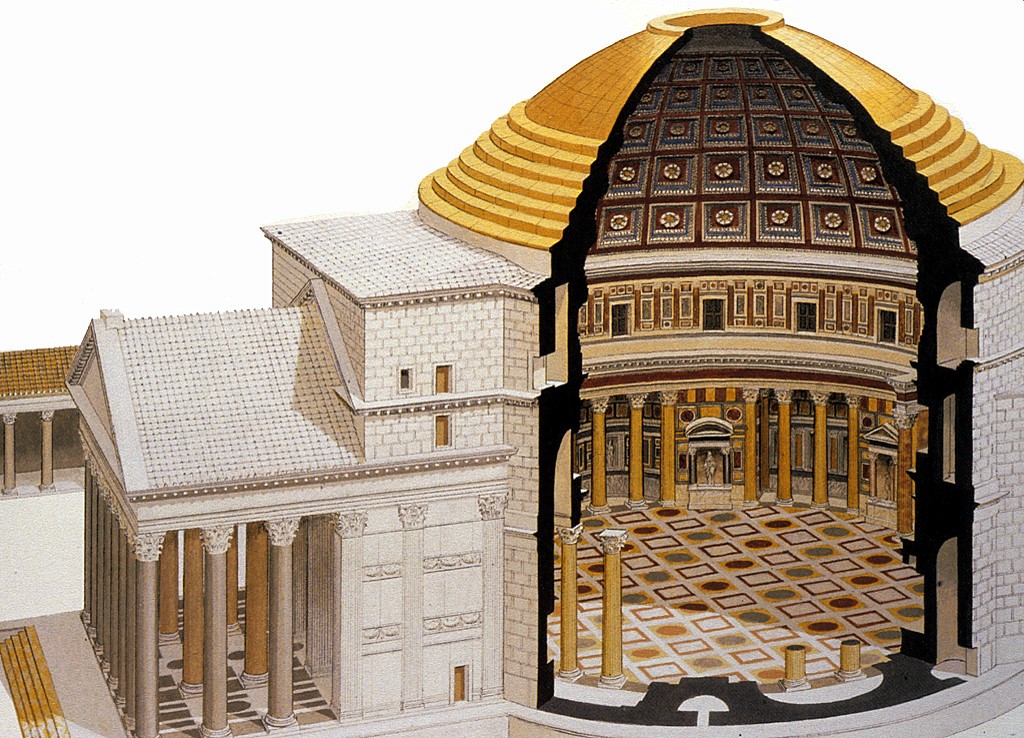
The Pantheon
Originally built for pagan gods of Rome, place of worship, gabled roof with a colonnade around all sides. Bricks, concrete, granite, built between 25-27 AD
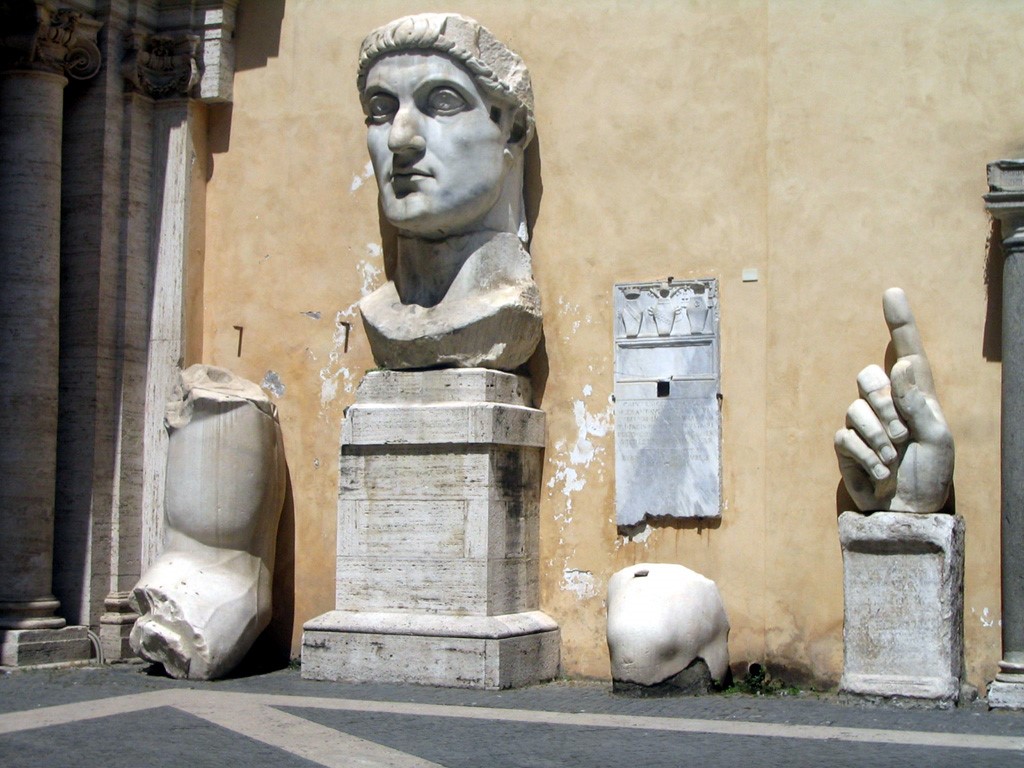
Constantine Capitoline
Marble, Bent knee, part of right arm, right hand, head
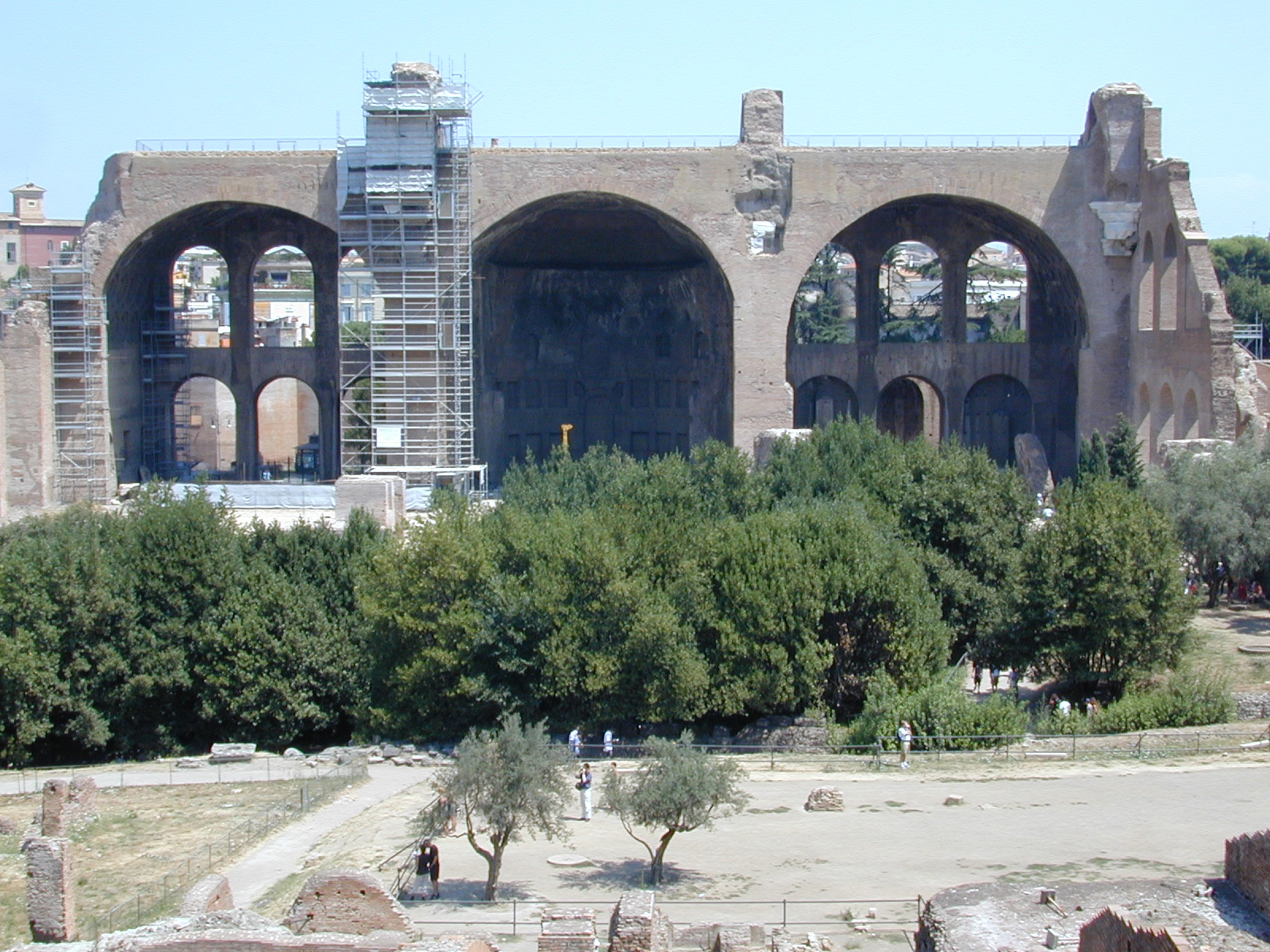
Basilica Nova
Civic building, very large, apsidal end was where giant Constantine marble statue was. Constantine refigured the entrance to this building to center his statue, possible multicolored marble floor
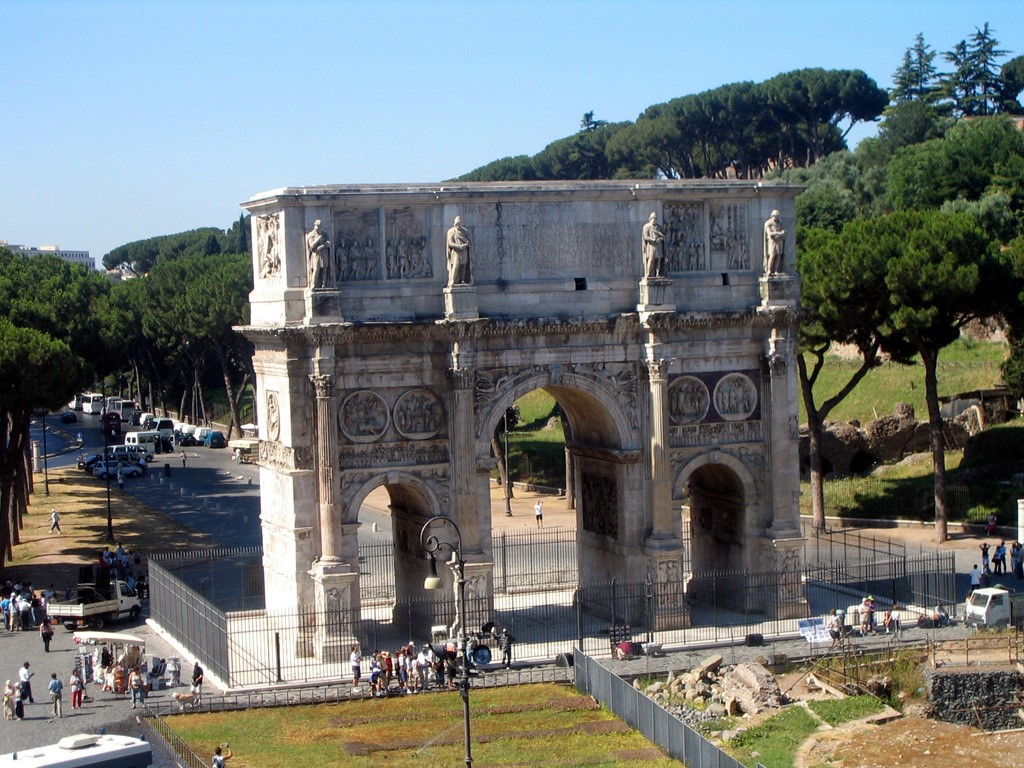
Arch of Constantine
Recycles whole bunch of 2nd century art, contrast in high classic and newer art style. Trajanic frieze sections were used in this arch. 315 AD
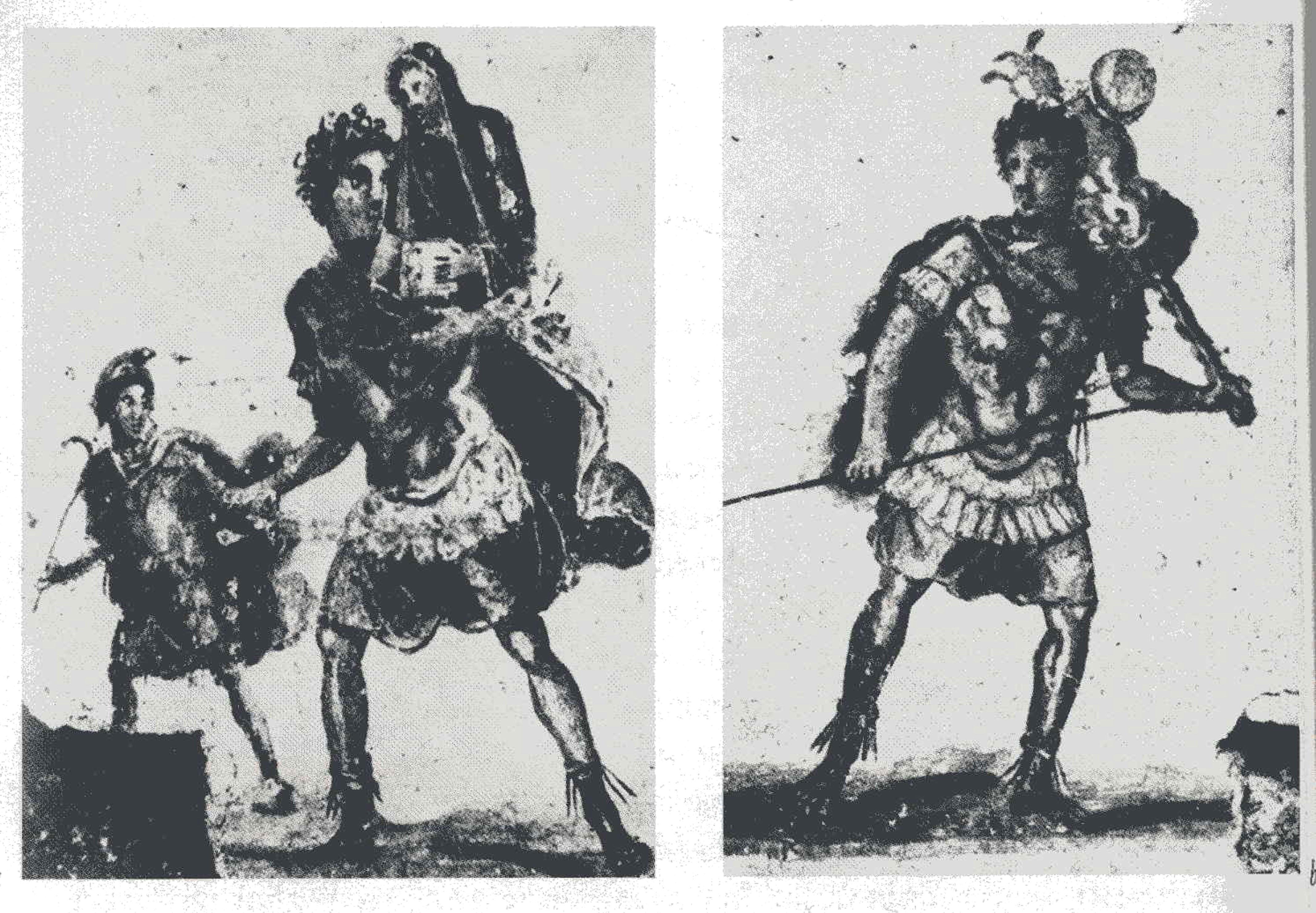
Forum Augustum Statue Groups
Pompeiian wall painting, Stood on either side of temple of Forum Augustum, Romulus on right carrying stripped spoils of dead enemy king, left side Aeneas
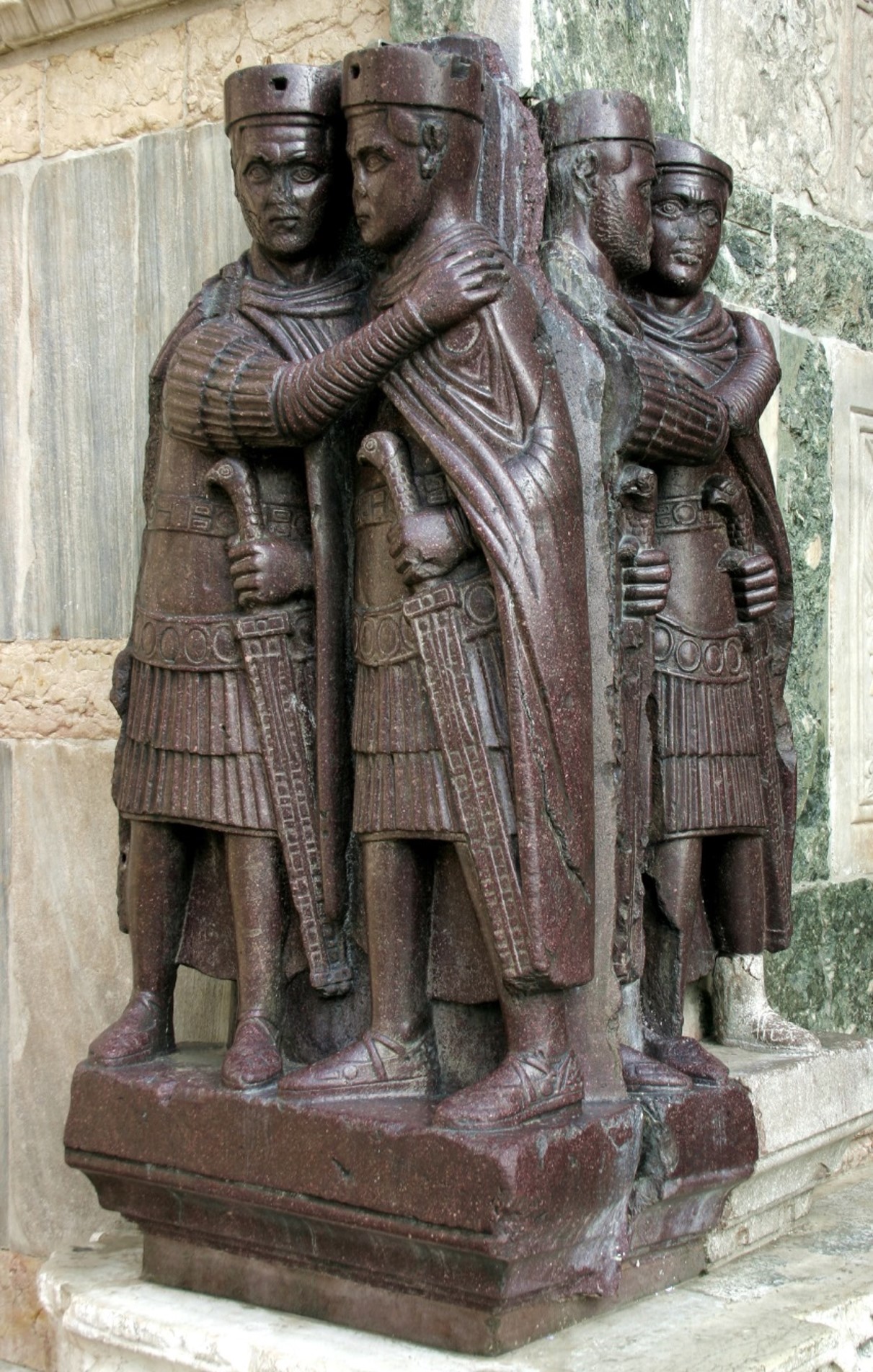
Tetrarch Statue Group
From Constantinople, set in Basilica of Saint Marco, Venice. Made of porphyry, suggests unity and stability. 3rd century AD
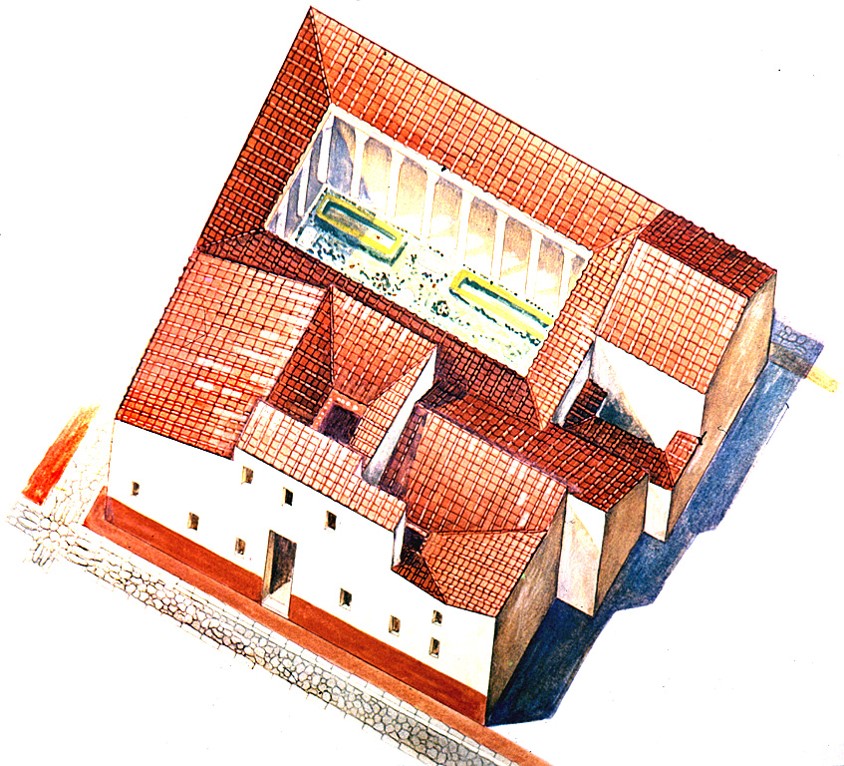
House of Vettii
Belongs to final period of Pompeii’s occupation, provides evidence of the city’s aesthetics before the destruction, one of richest houses in Pompeii known, Pompeiian Fourth Style
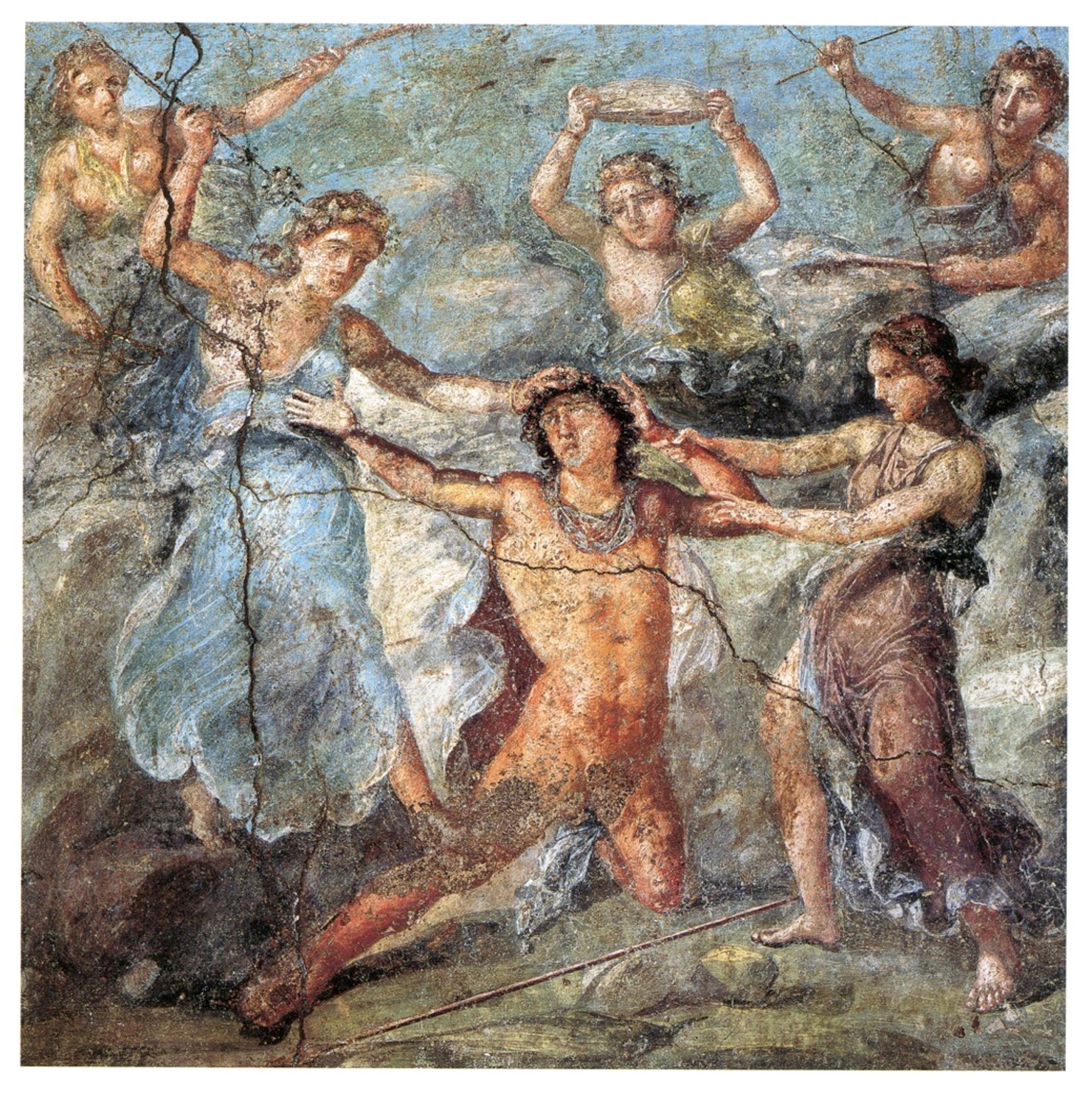
House of Vettii artwork
Pentheus ripped apart by Bacchae. Fourth style, 60-79 AD
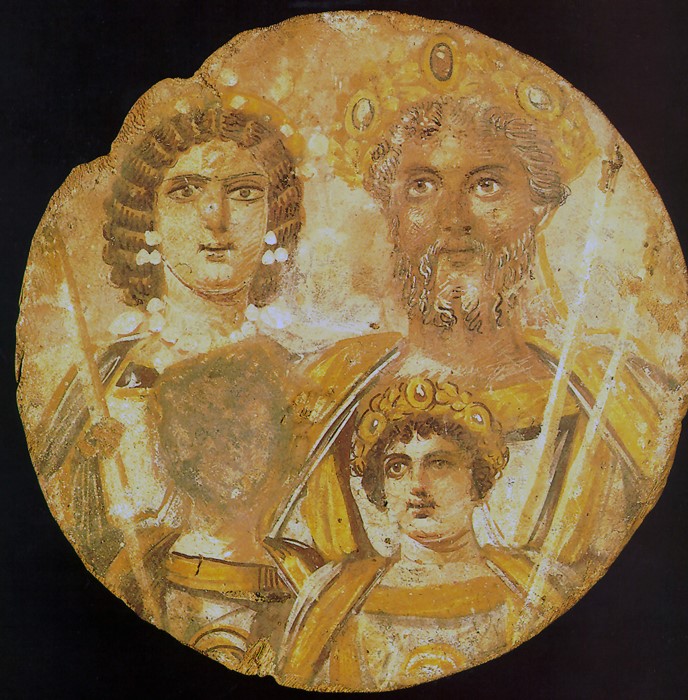
Severan Family Portrait
AD 199, Geta is erased as part of plot by brother Caracalla. Encaustic on wood. Julia Domna and Septimius Severus featured.
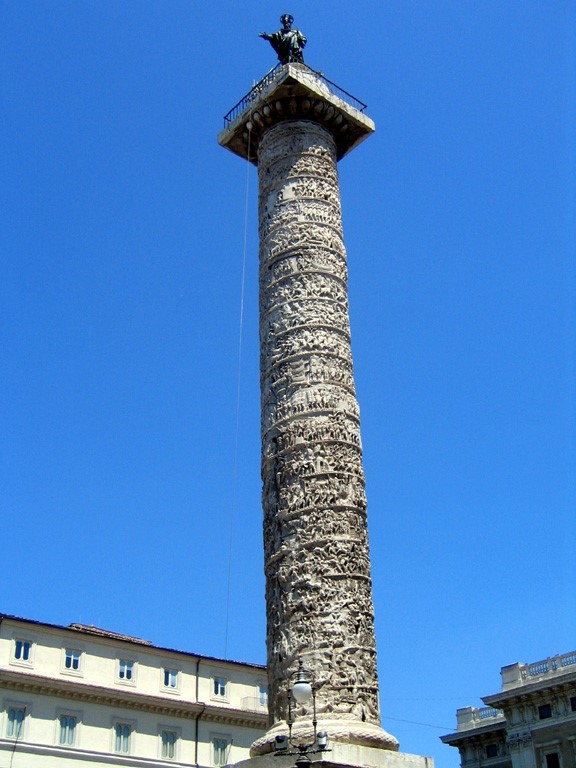
Column of Marcus Aurelius
180-193 AD, marble, honors the emperor for victories in the Marcomannic Wars. Characterized by spiraling frieze
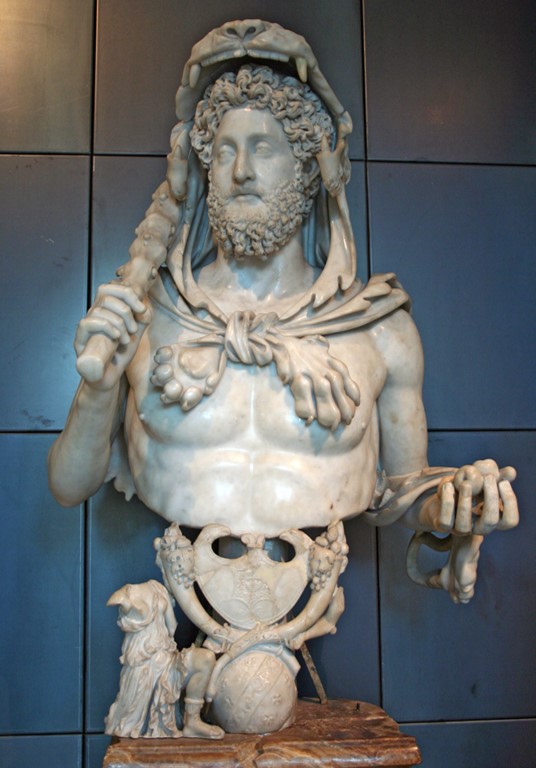
Commodus as Hercules
190 AD, marble. Horti Lamiani, Rome. Representing himself with the virtues of a demi-god. Further expresses his individual status
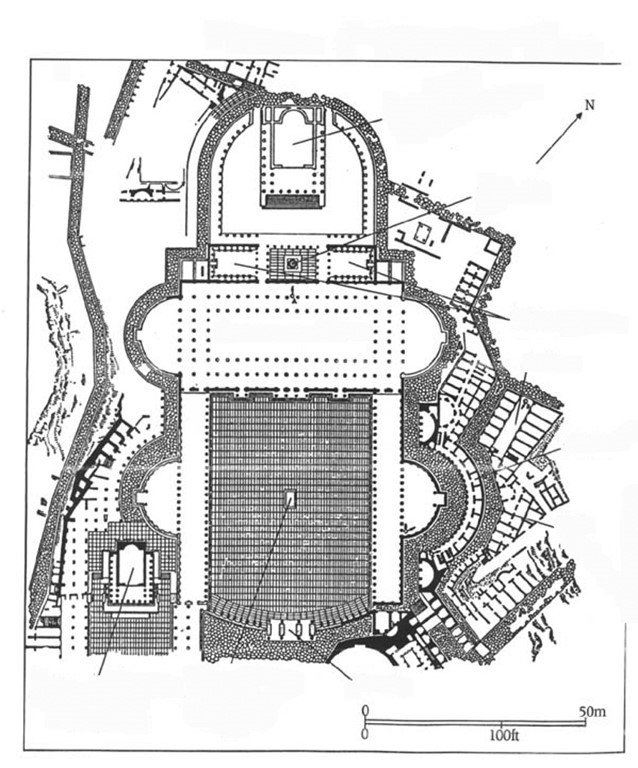
Forum and Markets of Trajan
Devoted to Trajan’s career, last imperial fora to be constructed in ancient Rome, allowed national trade between merchants within the market. Inaugurated in 113 AD
 Note
Note  Flashcards (34)