MATH 121 Formulas- final exam Questions fully solved & verified for accuracy(A+graded)
 Call Kai
 Learn
Learn Practice Test
 Spaced Repetition
 Match
Match Flashcards
1/32

There's no tags or description
Looks like no tags are added yet.
Name | Mastery | Learn | Test | Matching | Spaced | Call with Kai |
|---|
No analytics yet
Send a link to your students to track their progress
33 Terms
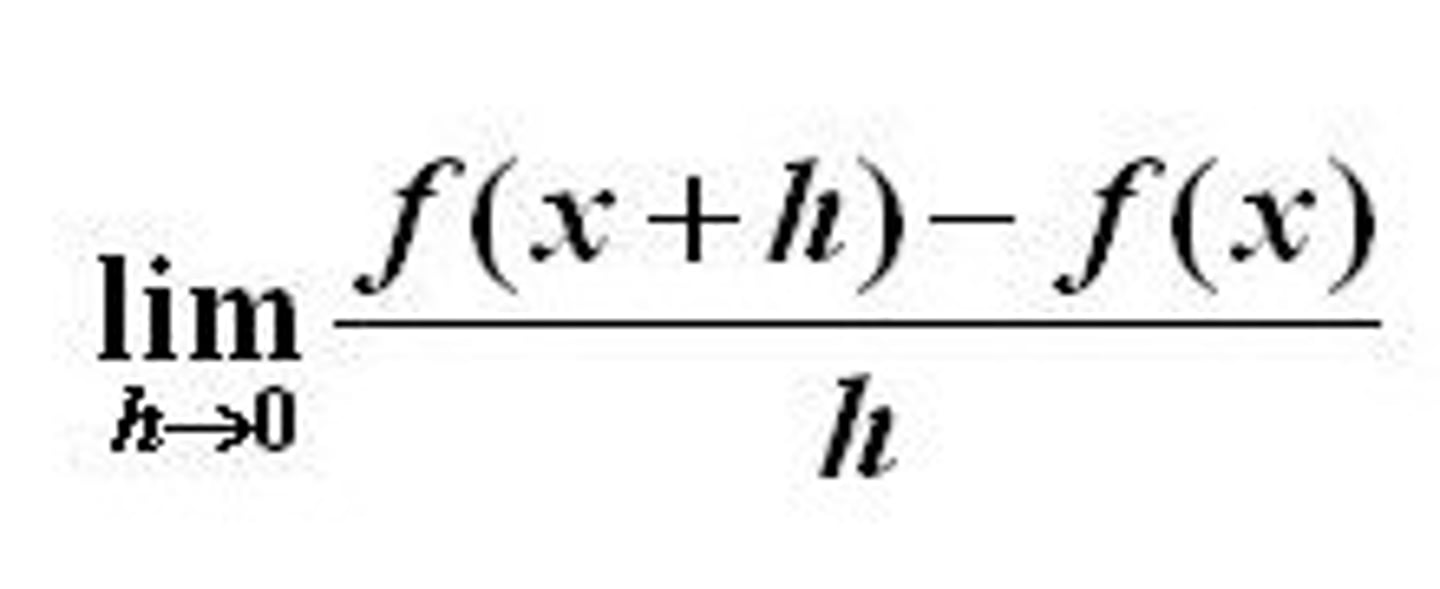
Definition of derivative
slope of tangent line
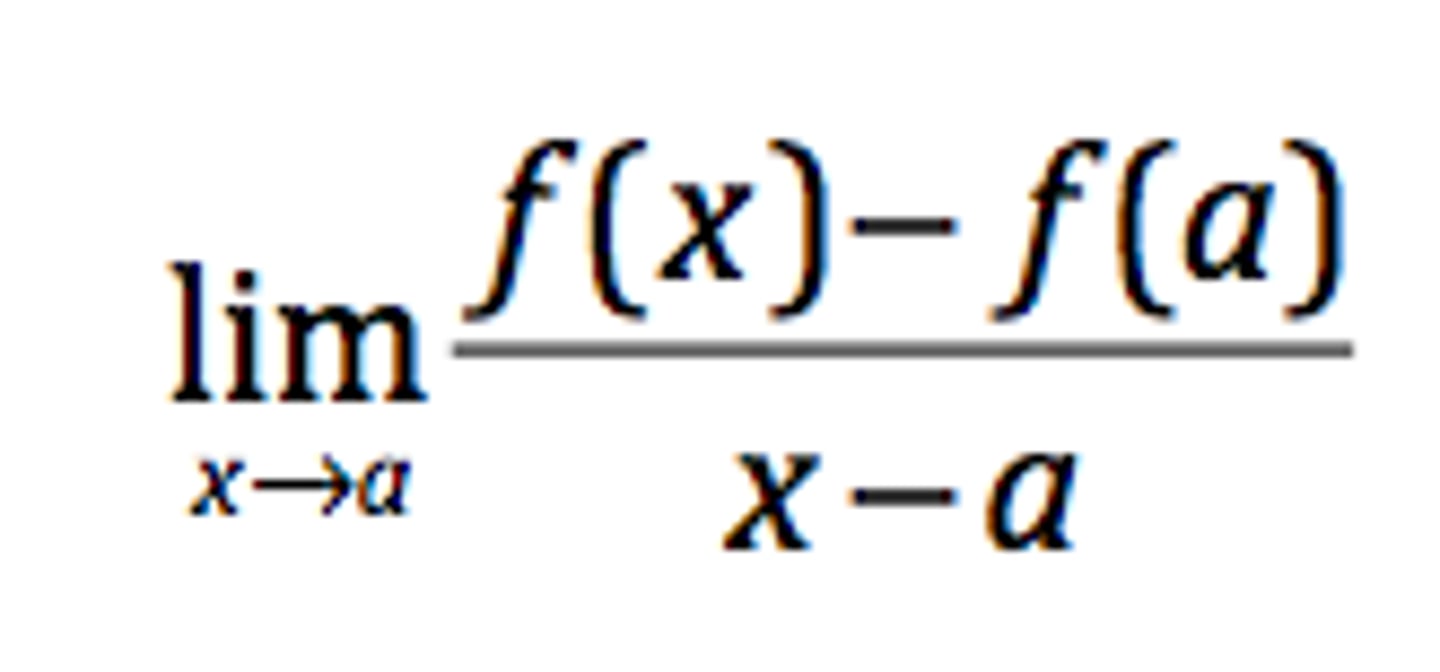
Definition of derivative given an x-value and a point
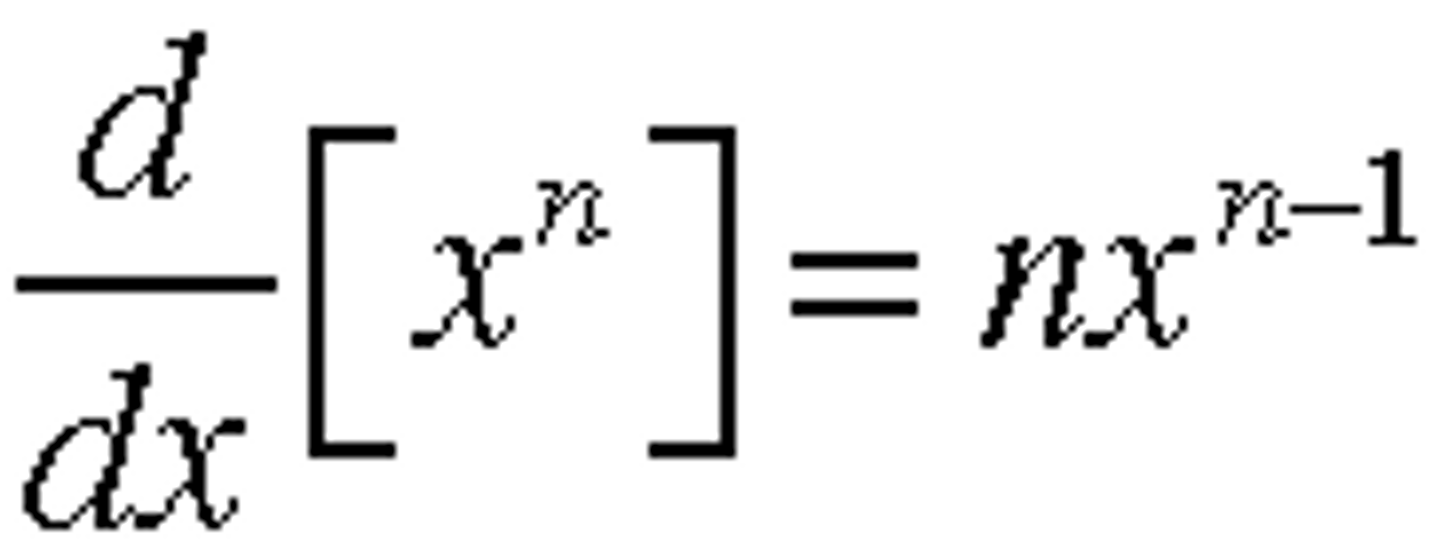
Power rule
f(x)=x^n
f'(x)=nx^n-1
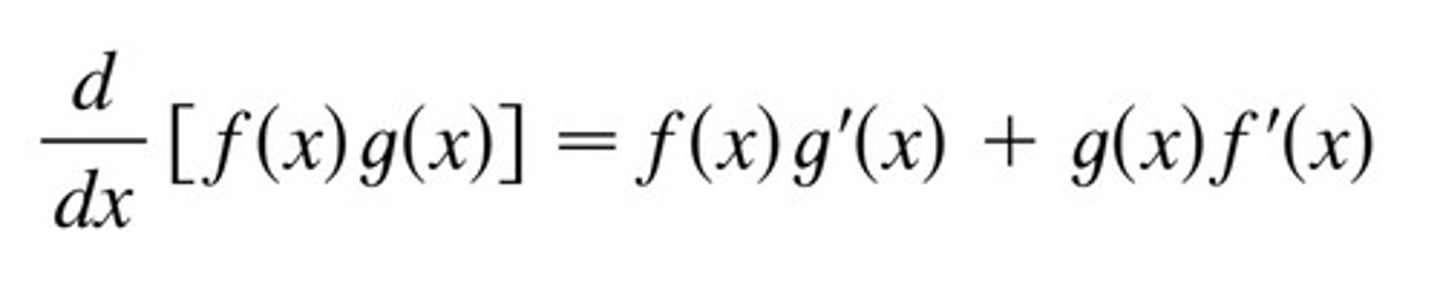
Product rule
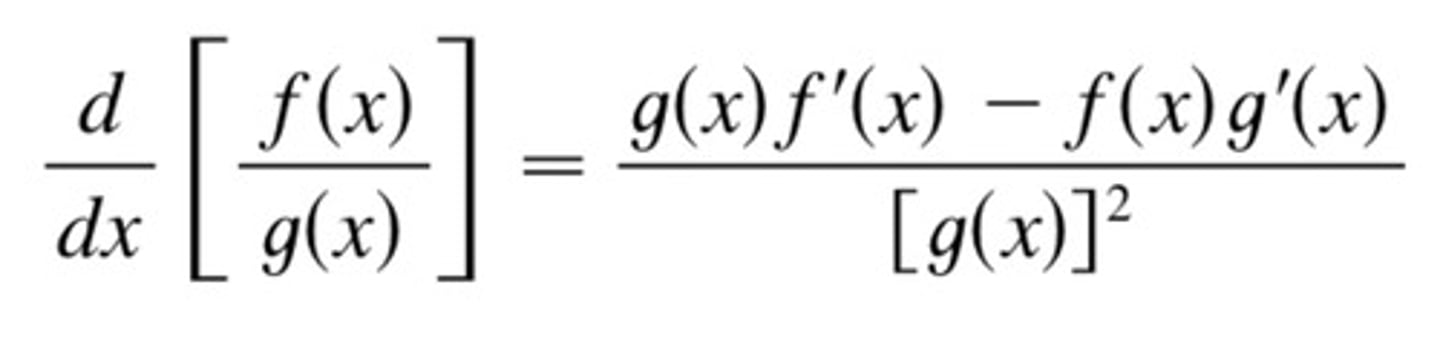
Quotient rule
Chain Rule

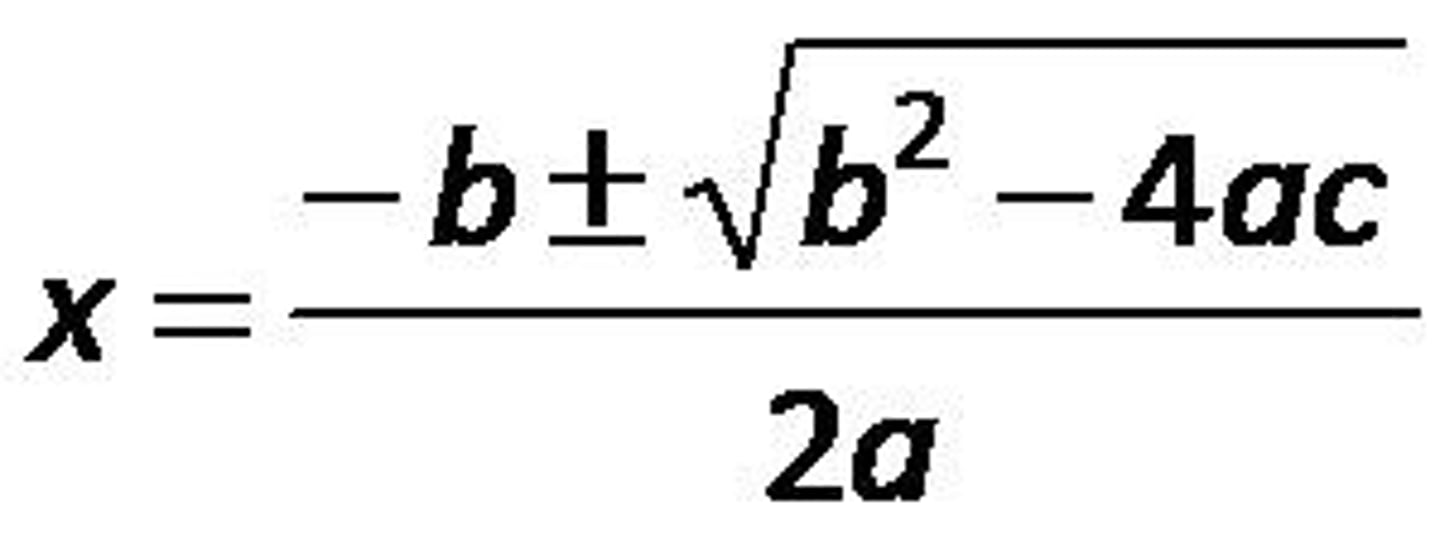
Quadratic formula
x = -b ± √(b² - 4ac)/2a
When is a function not differentiable?
1. when there is a discontinuity (a jump in the graph)
2. at a corner
3. when it is not defined (at a gap)
First Derivative Test
Determines whether a function is increasing or decreasing
Steps to first derivative test
1. find f'(x)
2. set equal to 0
3. determine x-values, letting the be a, b
4. set up intervals: example: [-infinity, a], [a ,b], [b, infinity]
5. plug in test points within those intervals to f'(x) to determine whether it is decreasing or increasing
f'(x)>0
function is increasing
f'(x)<0
function is decreasing
Second derivative test
Determines whether a function is concave up or down
Steps to second derivative test
1. find double derivative
2. set equal to 0
3. plug in test points to f"(x) to determine concavity
f''(x)>0
concave up
f"(x)<0
concave down
what are points of inflection?
They are points where the graph changes from concave up to concave down, or vice versa
How do you find points of inflection?
They exist where f"(x)= 0 or f"(x) does not exist or when you can use the second derivative test to prove that the grave switches in concavity
How do you find the absolute minimum and maximum of a graph?
1. find critical points
2. plug in critical points and the points from the given interval into f(x) (original equation) to determine y-values
3. absolute min and max are y-values because they are either the highest or lowest points of the graph- the lowest y-value is the minimum, the highest is the maximum
What is he derivative of e^x"?
e^x
vertex formula
-b/2a
Point slope formula
y-y1=m(x-x1)
how do you get the vertical asymptote?
set the bottom to 0 and solve to find what x cannot be: vertical asymptote should be a line in the form of x=a
how do you get the horizontal asymptote
take the limit as x goes to infinity: horizontal asymptote should be line in the form of a y=a
take the derivative of e^2x
e^2x (2)
antiderivative of e^2x
(1/2)e^2x
what is the derivative of f(x)= ln(2x)?
f'(x)= u'/u, or 2/2x
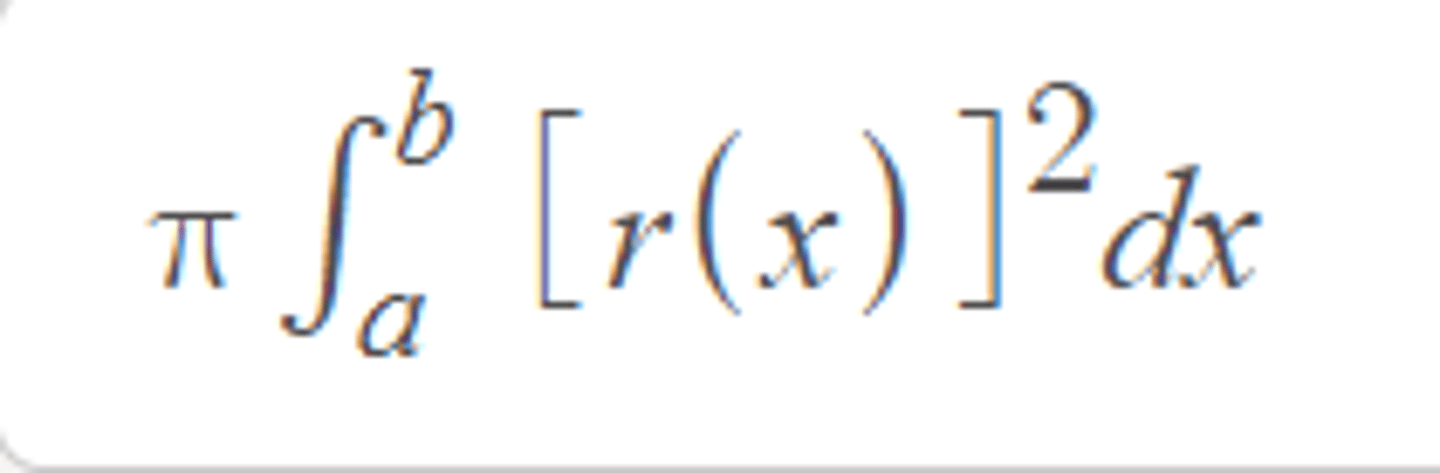
volume by disks
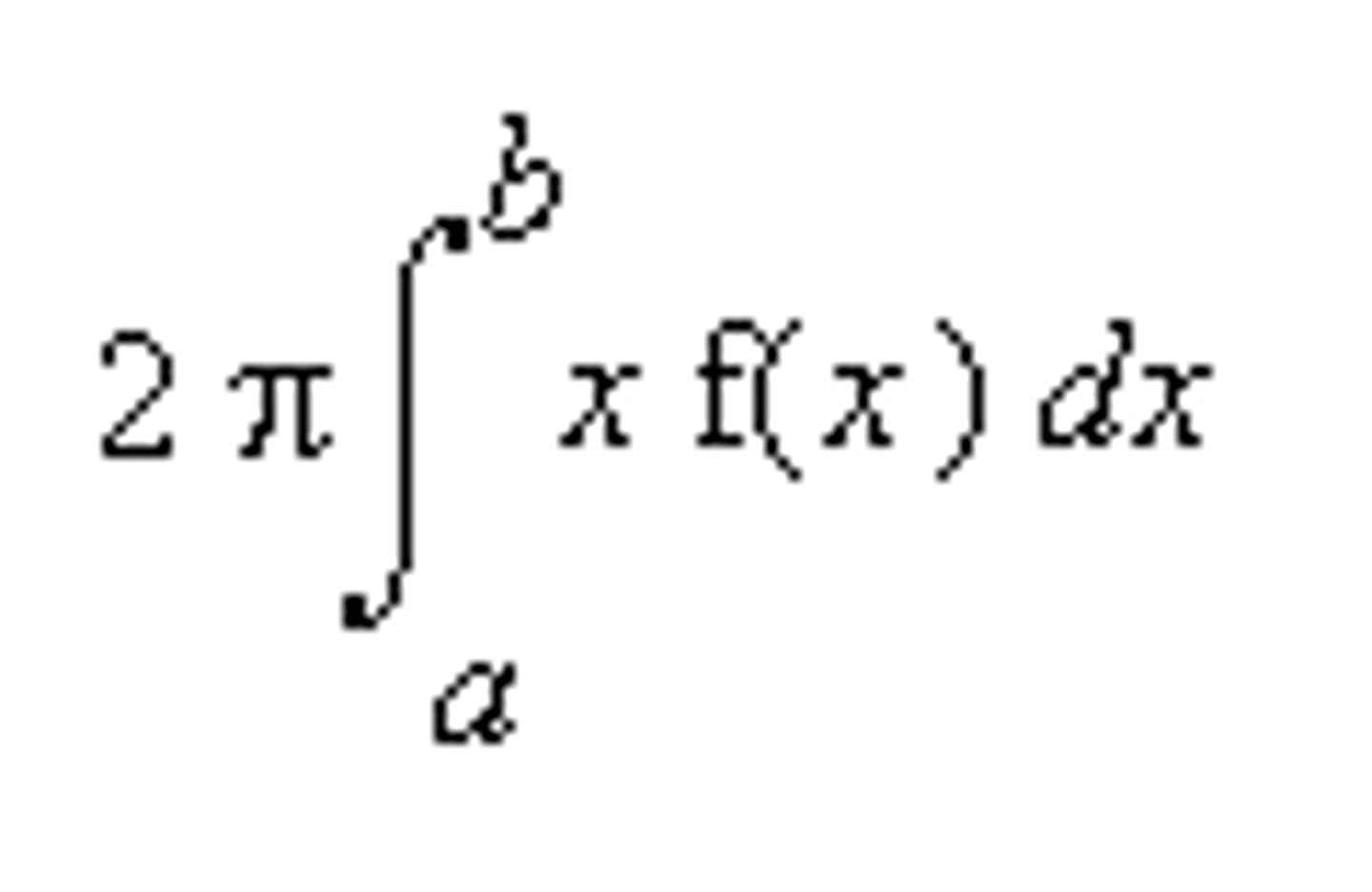
volume by shells
Derivative of ln|x|
1/x
antiderivative of 1/x
ln|x|
formula for exponential growth
Future value= Pe^(rt)
p= Principe amount
r=growth rate
t=time
ln 1
0