Government in America - Chapter 1 - Introducing Government in America
 Call Kai
 Learn
Learn Practice Test
 Spaced Repetition
 Match
Match Flashcards
 Knowt Play
1/21

There's no tags or description
Looks like no tags are added yet.
Name | Mastery | Learn | Test | Matching | Spaced | Call with Kai | Chat |
|---|
No analytics yet
Send a link to your students to track their progress
22 Terms
Government
The institutions through which public policies are made for a society.

collective goods
Goods and services, such as clean air and clean water, that by their nature cannot be denied to anyone.
Politics
The process determining the leaders we select and the policies they pursue. Politics produces authoritative decisions about public issues.
Political participation
All the activities by which citizens attempt to influence the selection of political leaders and the policies they pursue.
Single issue groups
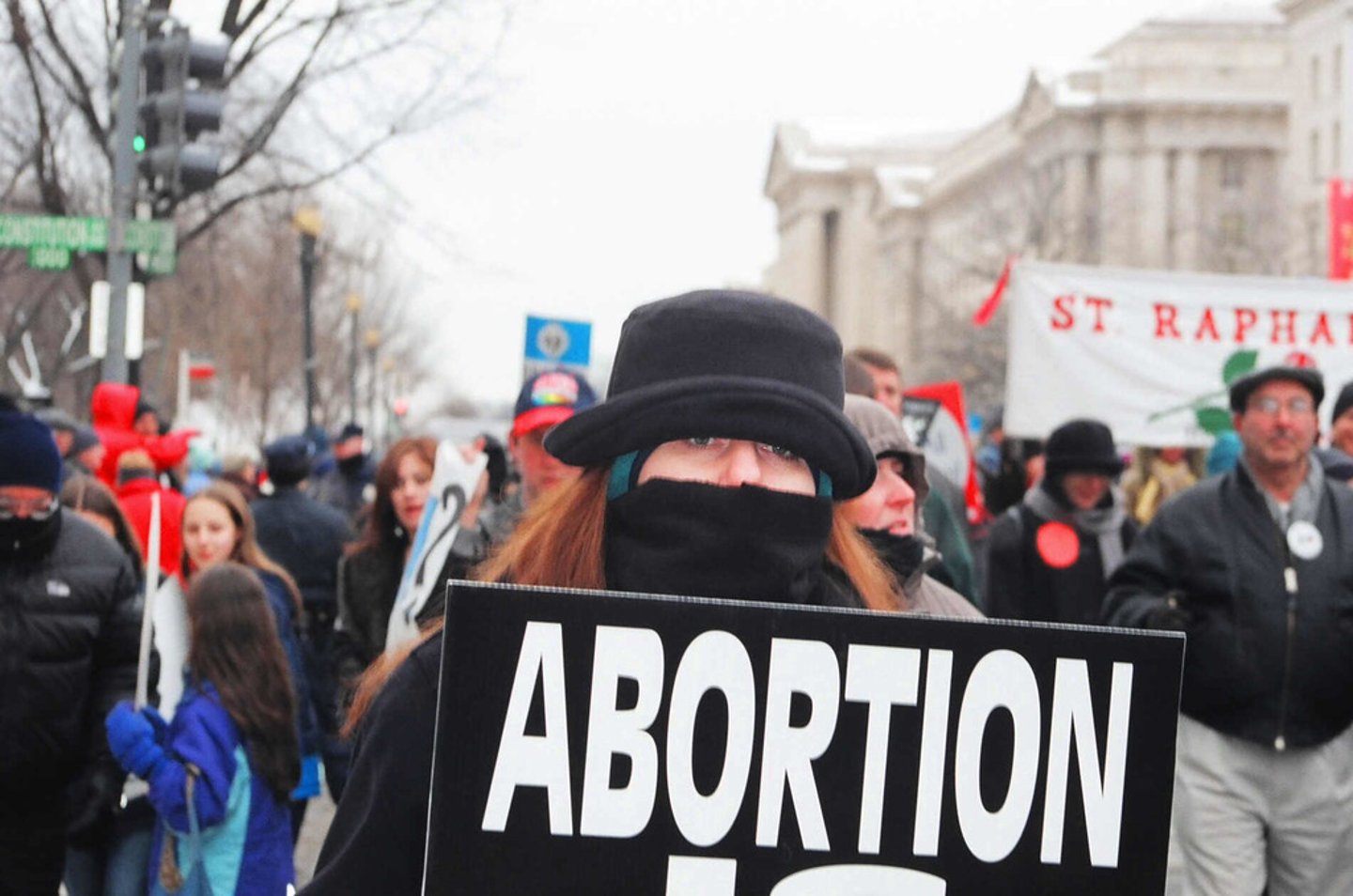
Groups that have a narrow interest on which their members tend to take an uncompromising stance.
Policy making system
The process by which policy comes into being and evolves.
Linkage institutions
The political channels through which people's concerns become political issues on the policy agenda.
Policy agenda
The issues that attract the serious attention of public officials and other people involved in politics at a point in time.
Political issue
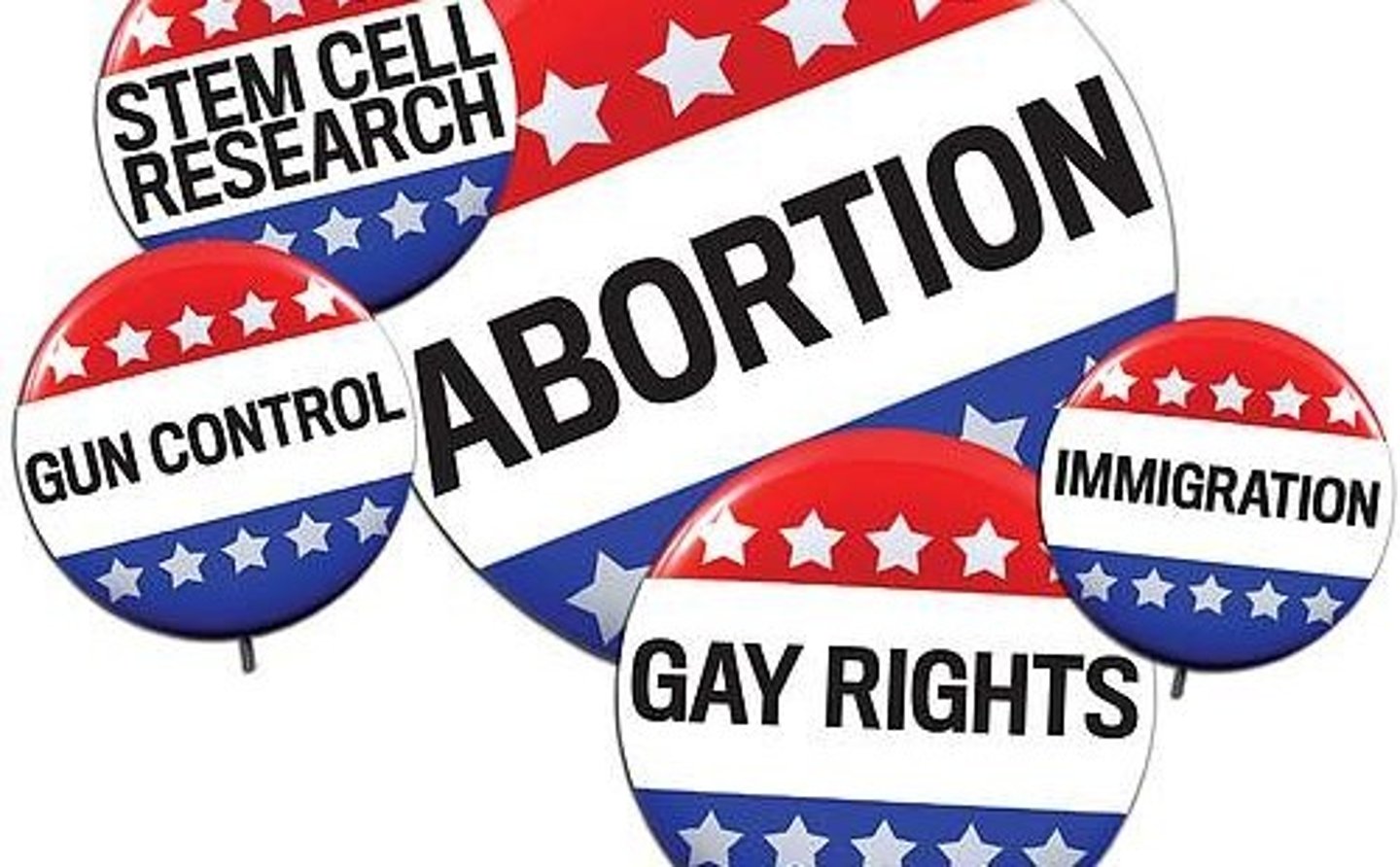
An issue that arises when people disagree about a problem and how to fix it.
Policymaking institutions
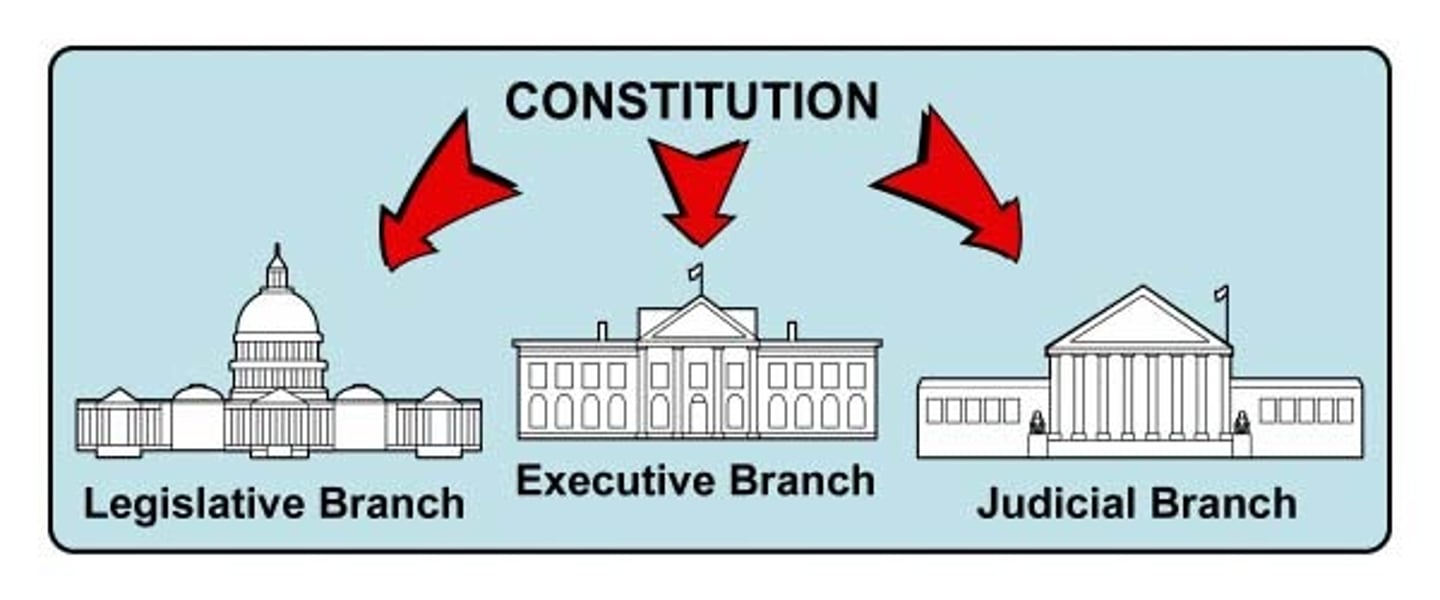
The branches of government charged with taking action on political issues: Congress, Courts, Presidency, and possibly the Bureaucracy.
Public policy
A choice that government makes in response to a political issue. A policy is a course of action taken with regard to some problem.
policy impacts
The effects a policy has on people and problems. Impacts are analyzed to see how well a policy has met its goal and at what cost.
Democracy
The rule of the many. A system of selecting policymakers and of organizing government so that policy represents and responds to the public's preferences.
Majority rule
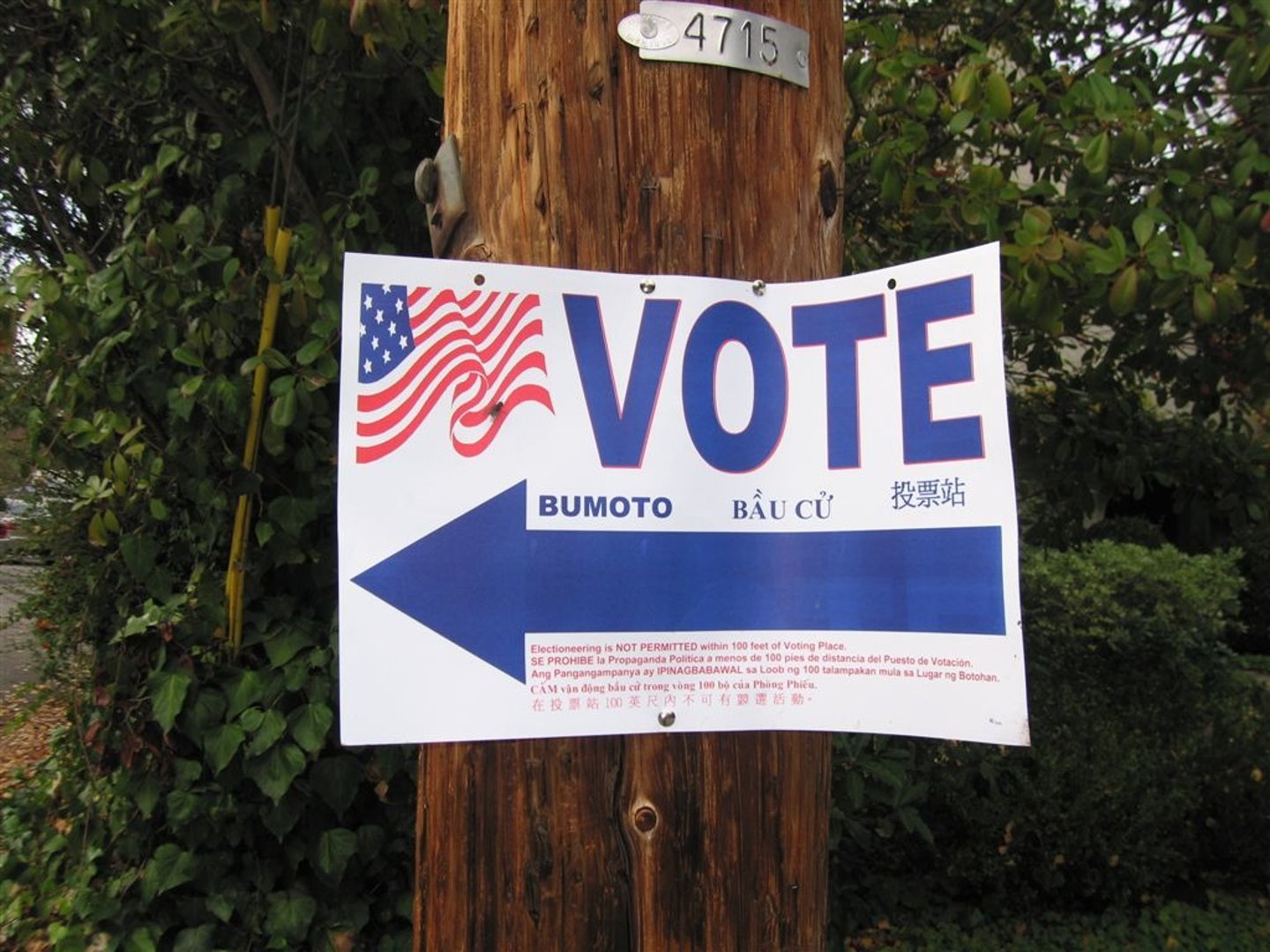
A fundamental principle of traditional democratic theory. In a democracy, choosing among alternatives requires that the majority's desire be respected.

Minority rights
A principle of traditional democratic theory that guarantees rights to those who do not belong to majorities.
Representation
A basic principle of traditional democratic theory that describes the relationship between the few leaders and the many followers.
Pluralism
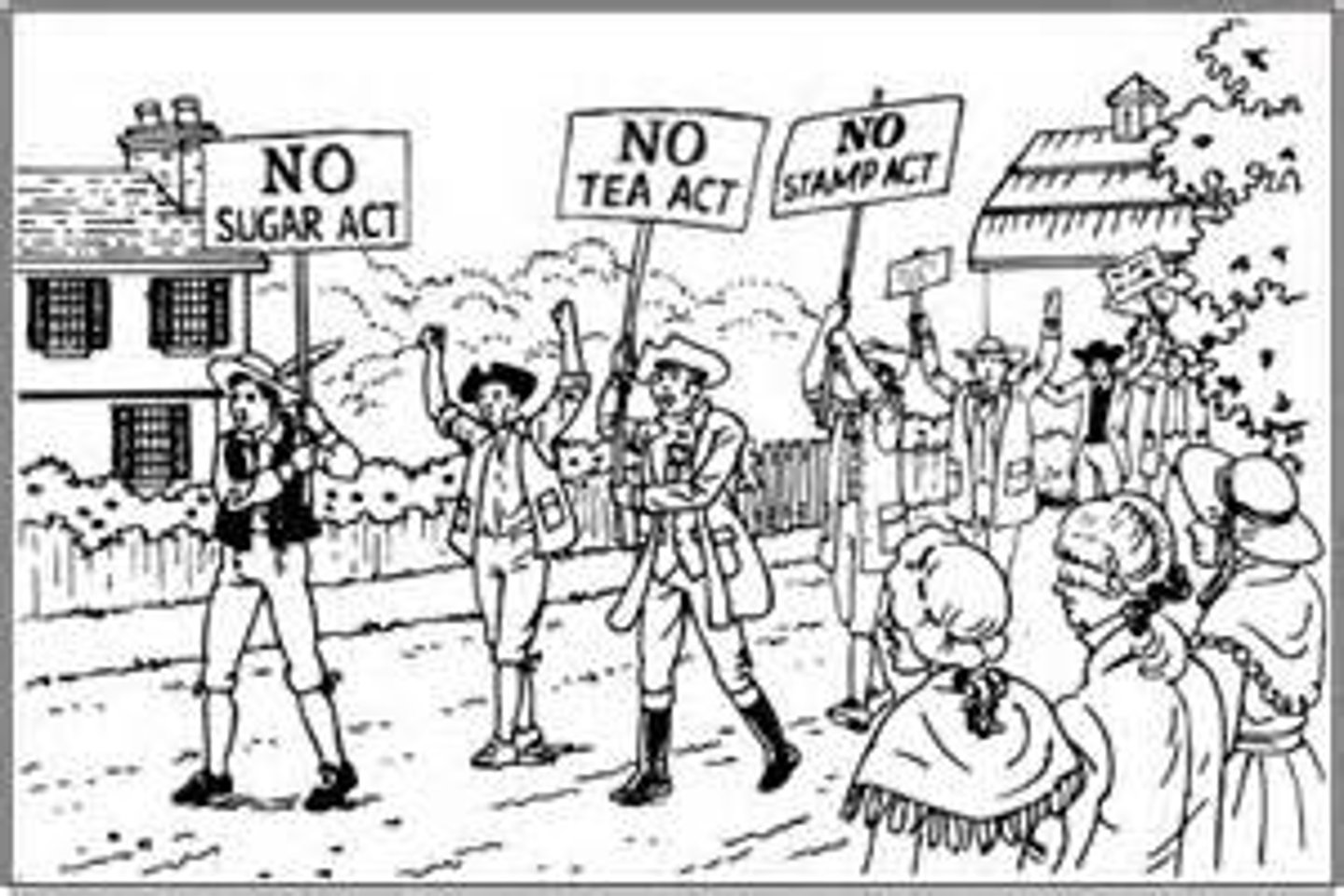
A theory of American democracy emphasizing that the policymaking process is very open to the participation of all groups with shared interests, with no single group usually dominating. They tend to believe that as a result, public interest generally prevails.
Elitism
A theory of American democracy contending that an upper-class elite holds the power and makes policy, regardless of the formal governmental organization.
Hyperpluralism
A theory of American democracy contending that groups are so strong that government, which gives in to the many different groups, is thereby weakened.
Policy gridlock
A condition that occurs when interests conflict and no coalition is strong enough to form a majority and establish policy, so nothing gets done.
political culture
An overall set of values widely shared within a society.
Gross Domestic Product
The sum total of the value of all the goods and services produced in a year in a nation