Micro Lab 1 Exam
 Call Kai
 Learn
Learn Practice Test
 Spaced Repetition
 Match
Match Flashcards
 Knowt Play
1/124

There's no tags or description
Looks like no tags are added yet.
Name | Mastery | Learn | Test | Matching | Spaced | Call with Kai | Chat |
|---|
No analytics yet
Send a link to your students to track their progress
125 Terms

What bacteria is this
E. coli
Proper pour plate
Method used to isolate and count viable microorganisms by mixing a diluted liquid sample with cooled molten agar in a sterile Petri dish
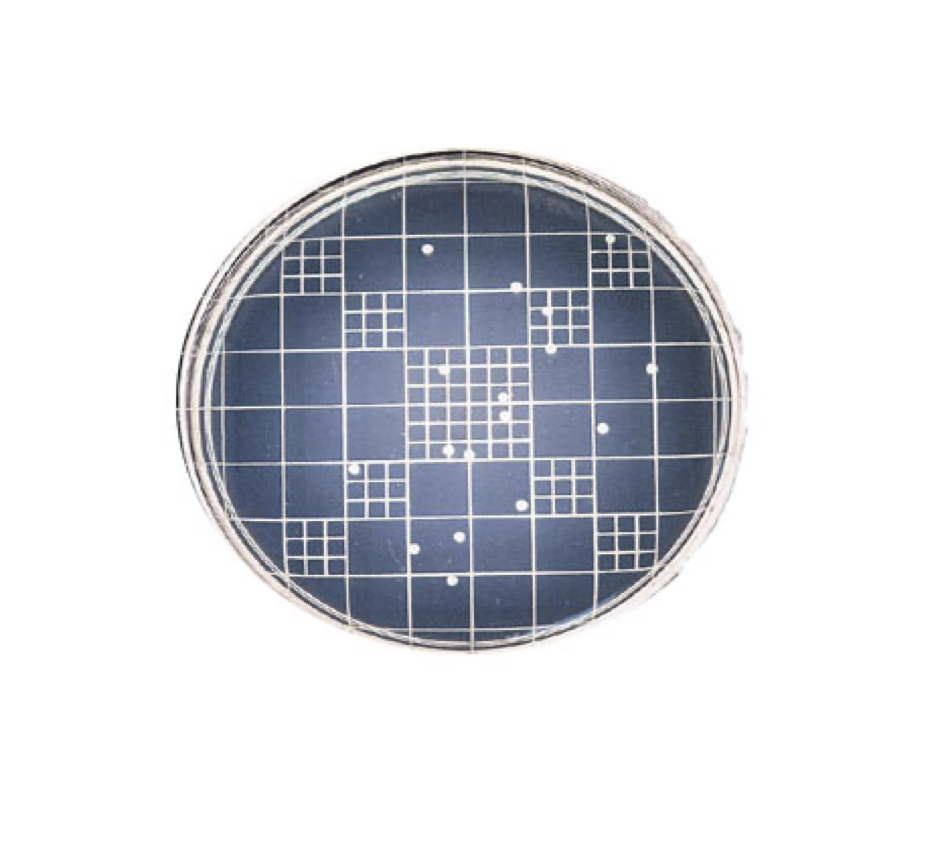
Is this a countable plate?
No, TFTC indicates Too Few To Count, meaning the number of colonies (30) is less than the minimum needed.

Is this a countable plate?
No, TMTC indicates Too Many To Count, meaning the number of colonies (300+) is more than the maximum needed.

Is this plate countable?
Yes, it is between 30-300 colonies
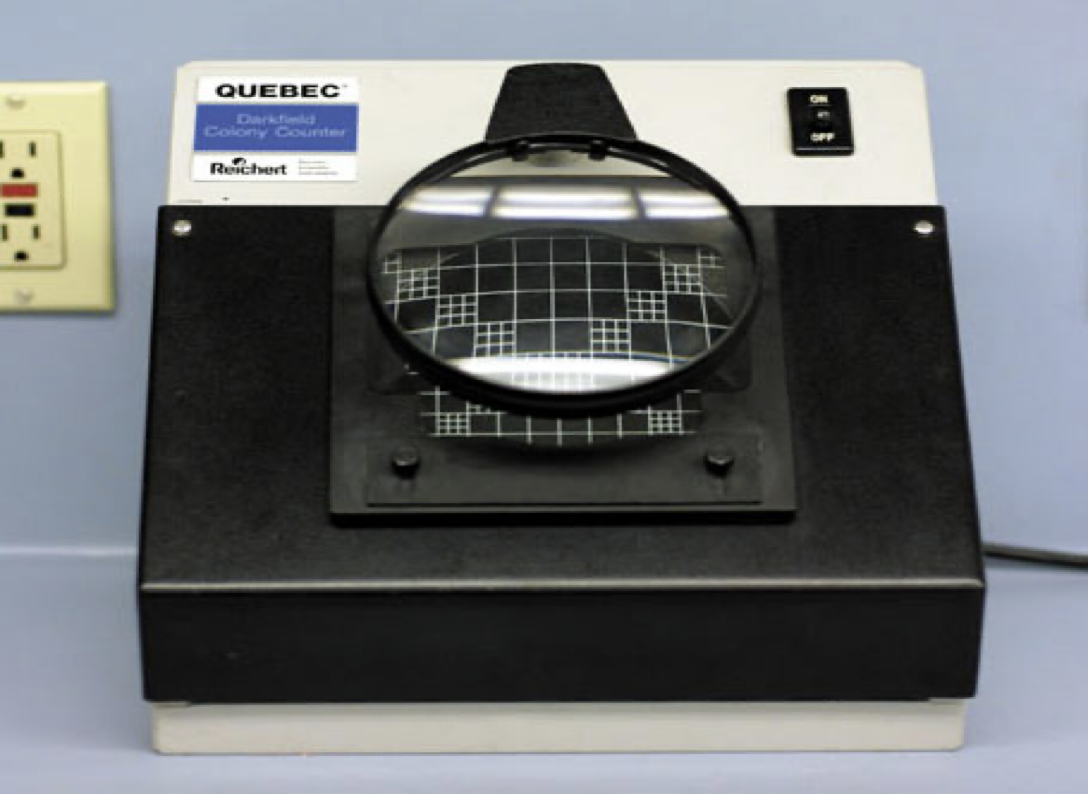
What is this called
Colony counter

What is this called
Spectrophometer
% transmittance
amount of light passing through a substance
Optical density
how dense a substance is
Rheostat
(on switch) controls power to bulb
Iris
Controls amount of light to specimen
Total Magnification
Ocular x objective
Oil immersion
Reduces refraction

Staphylococcus aureus transmission route
Human to human contact, aerosols
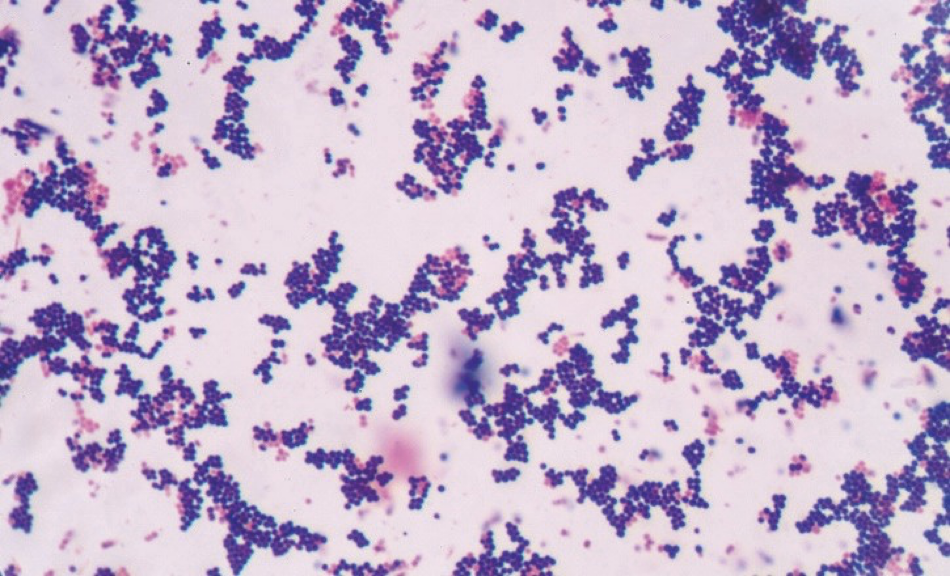
What type of organism is Staphylococcus aureus
Bacteria

Bacillus anthracis transmission route
Contact with wool or goat hair, contaminated meat
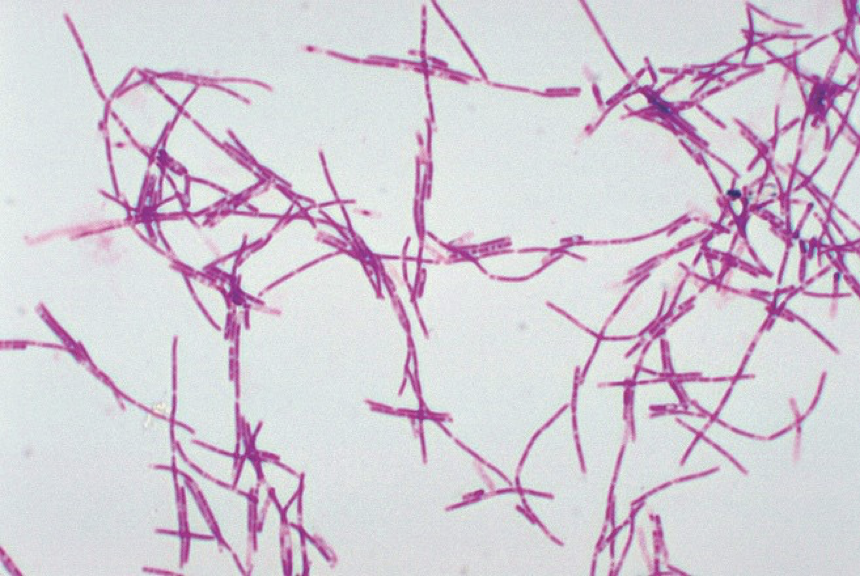
What type of organism is Bacillus anthracis
Bacteria
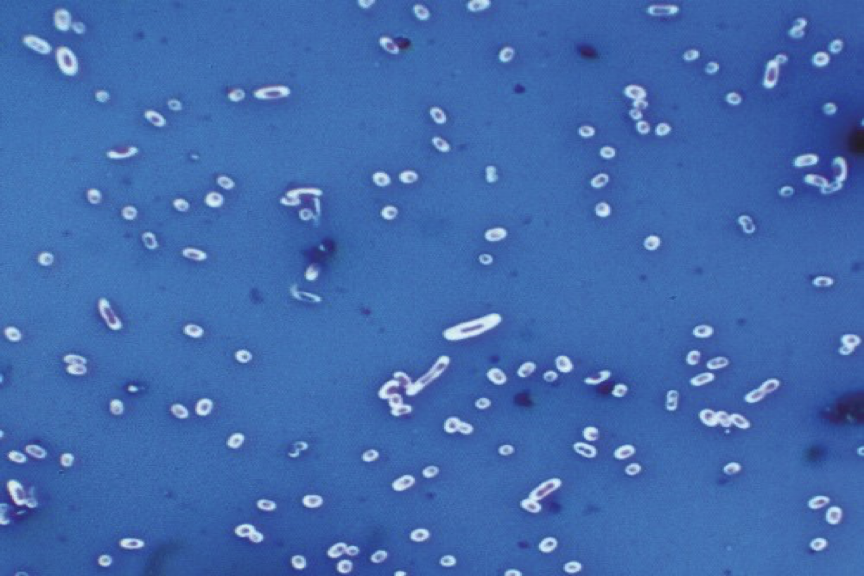
Klebsiella pneumoniae transmission route
Aerosol droplets

What type of organism is Klebsiella pneumoniae
Bacteria

Corynebacterium diphtheriae transmission route
Aerosol droplets

What type of organism is corynebacterium diphtheriae
Bacteria

Treponema pallidum transmission route
Sexual contact

What type of organism is treponema pallidum
Bacteria
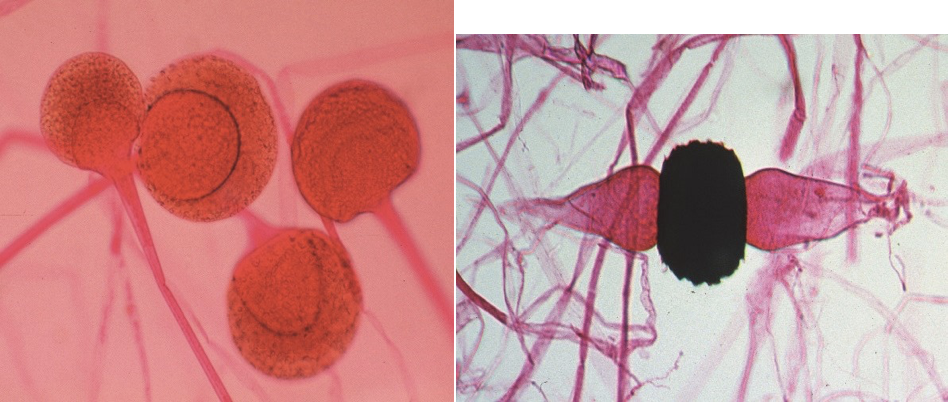
Rhizopus nigricans transmission route
Aerosols

What type of organism is rhizopus nigricans
Fungus

Aspergillus niger
Spore aerosol
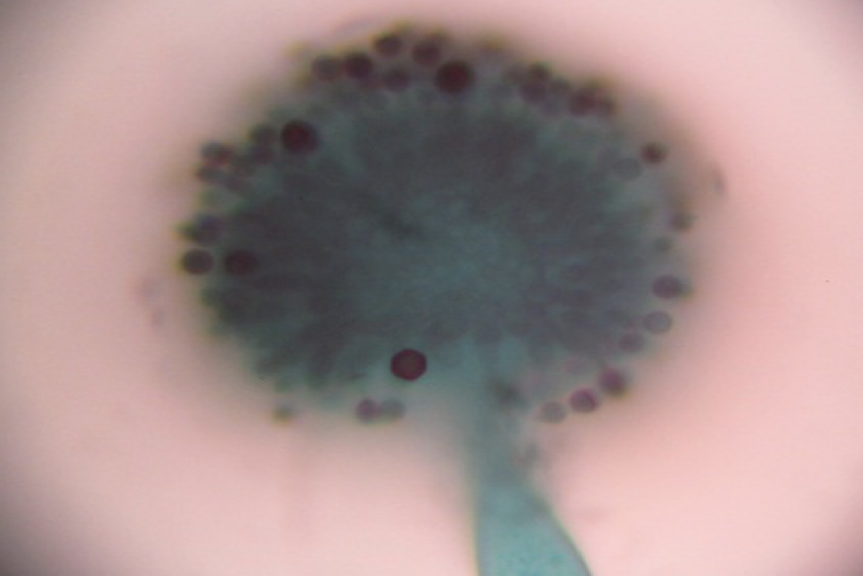
What type of organism is Aspergillus niger
Fungus

What type of organism is Penicillium notatum
Fungus
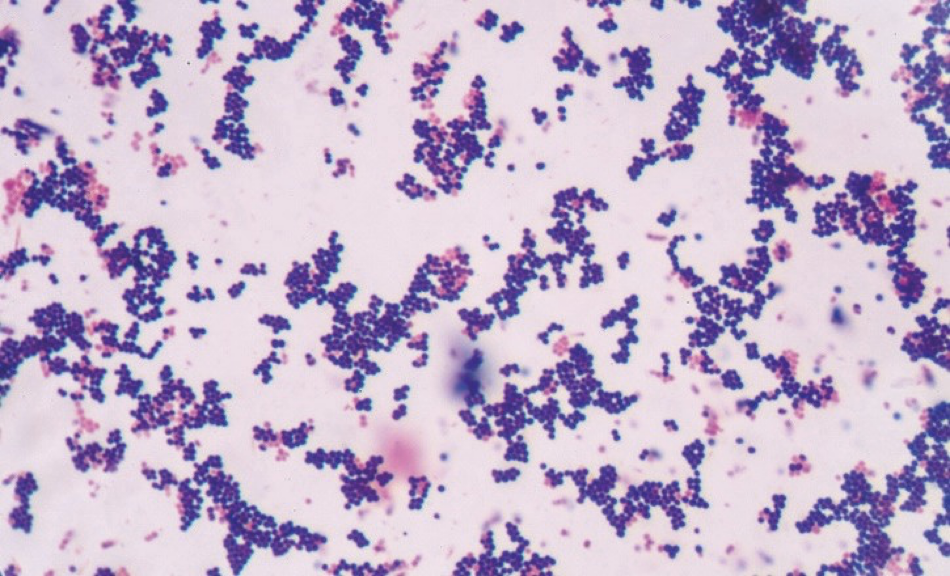
What organism is this
Staphylococcus aureus

What organism is this
Bacillus anthracis

What organism is this
Klebsiella pneumoniae

What organism is this
Cornybacterium diphtheriae
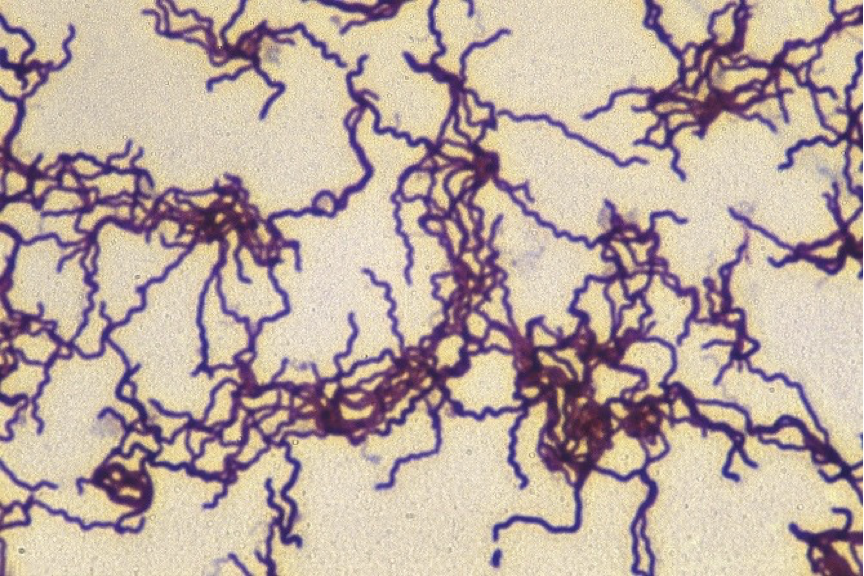
What organism is this
Treponema pallidum
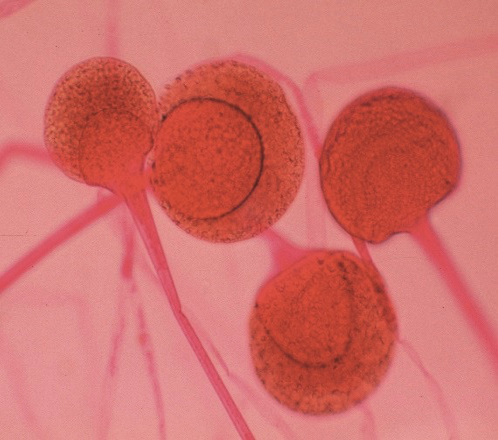
What organism is this
Rhizopus nigricans, asexual sporangium

What organism is this
Rhizopus nigricans, sexual zygospore
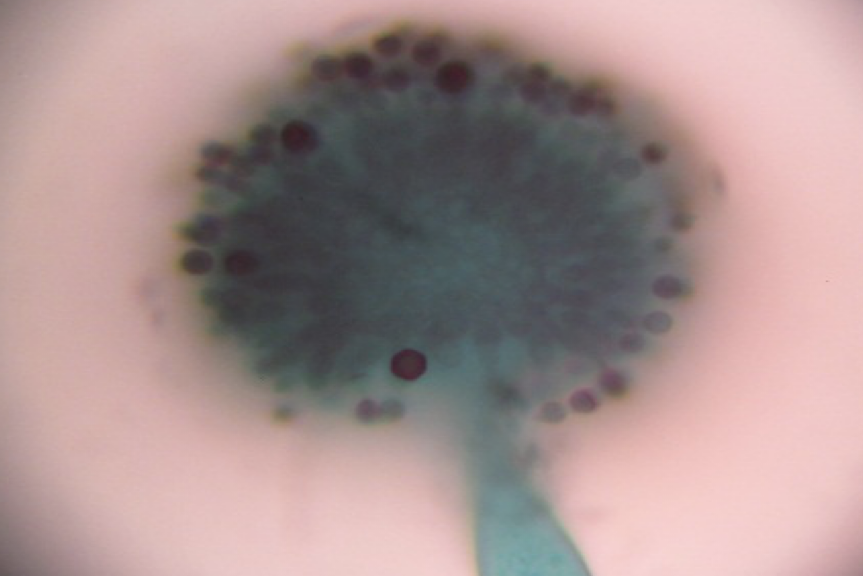
What organism is this
Aspergillus niger

What organism is this
Penicillium notatum
What does staining do
Adds contrast

What is simple staining
Single dye to color a specimen, making cells visible and distinct from their background

What is differential staining
Two or more chemical dyes (decolorizer and mordant) to distinguish between different types of microorganisms or specific cellular structure

Simple- Positive stain
Basic dye: stains organism
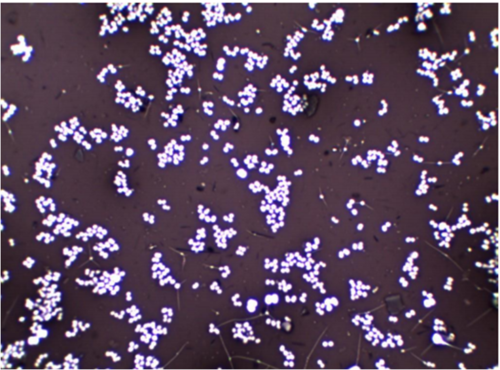
Simple- Negative stain
Acidic dye: stains background
Differential- Gram stain
Stains cell wall structure

Differential- Gram positive stain
Has thick PG

Differential- Gram negative stain
Has thin PG

Differential- Endospore stain (green)
See dormant, highly resistant bacterial endospores

Differential- Vegetative stain (pink)
See bacterial active stains
Simple positve stain examples
Methylene blue, crystal violet
Simple negative stain example
India ink
Differential stain steps
Must create smear first: primary stain, mordant, decolorizer, counter stain
Gram stain steps
Crystal violet, iodine, alcohol, safranin
Endospore stain steps
Malachite green, heat/steam, water, safranin
Smear steps
Draw circle, add water, add bacteria, air dry, and heat fix
How to properly, incubate, lable and inoculate broths, agar petri dishes, agar tubes
Label bottom of plate, incubate agar side up, proper sterilization of loop, hold tube with non-dominant hand and cap with dominant hand with ring and pinky finger
Aseptic technique
Set of specific practices and procedures used to prevent the contamination of cultures, sterile media, and the surrounding environment by unwanted microorganisms
Primary containment
Protects laboratory personnel and the immediate workspace from exposure to infectious agents
Secondary containment
Protects the outside environment and the surrounding community from release
BSL
Set of containment practices, safety equipment, and facility designs used to safely manage biological agents
PPE
Specialized gear worn to shield workers from infectious agents, biohazards, and chemical splashes
Transient organisms
Organisms that come and go from the body
Resident organisms
Organisms that inhabit the body on a regular basis

What diseases are caused by staphylococcus aureus
Toxic shock syndrome, food poisoning

What disease is caused by bacillus anthracis
Anthrax

What diseases are caused by klebsiella pneumoniae
Pneumonia, urinary tract infections
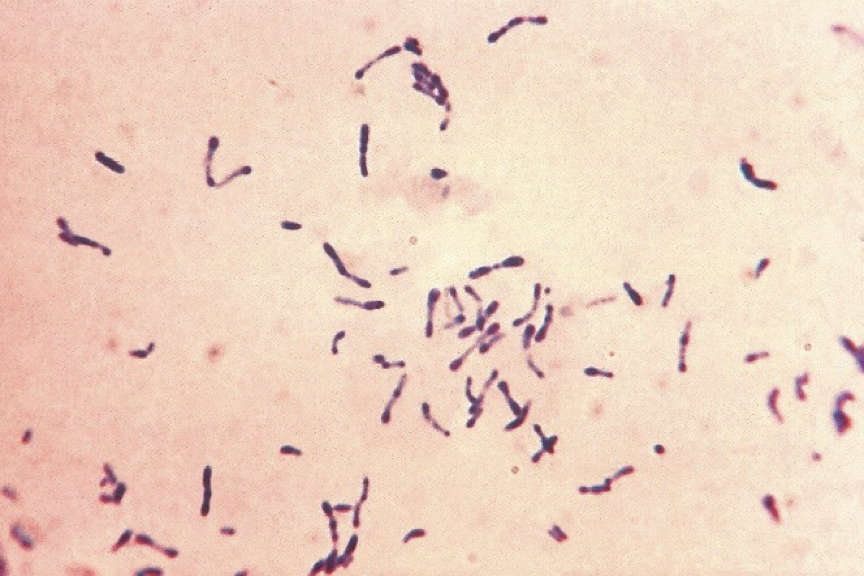
What disease is caused by corynebacterium diphtheriae
Diphtheria

What disease is caused by treponema pallidum
Syphilis

What disease is caused by rhizopus nigricans
Allergies

What disease is caused by aspergillus niger
Aspergillosis otomycosis

What disease is caused by penicillium notatum
None
Obligate aerobe
Requires oxygen to survive
Obligate anaerobe
Must have oxygen free environment
Facultative anaerobe
Can survive with or without oxygen
Aerobic respiration causes build up of what
Peroxide and superoxide
What is fluid thioglycollate for
Testing aerobic and anaerobic in tubes
What is is anaerobe jar for
Plates
Where would growth be located at in obligate aerobe tube
Top
Where would growth be located at in micro-aerophile tube
Middle
Where would growth be located in obligate anerobe tube
Bottom
Where would growth be located in facultative anerobe
Spread all throughout
Fungal spores
Reproductive
Endospores
Survive in harsh conditions
Asepsis
state of being free from disease-causing microorganisms
Pipette
a narrow tube instrument used to measure and move exact volumes of liquid
Pipette dispenser
used to automatically measure and dispense precise volumes of liquids.
Pour plate
Technique used to isolate and count viable organisms in liquid samples
Agar
Jelly-like substance made from algae that is used as a solidifying agent
Media
A solid, liquid, or semi-liquid substance containing nutrients designed to support the growth, proliferation, and survival of microorganisms
Petri dish
Lidded dish used to culture microorganisms
Microbiome
Community of tiny living organisms that live together in a specific environment
What does EMB agar test for
Gram negative enteric rods and lactose fermenters
Common diseases spread through feces
Norovirus, Hepatitis A
Why is it important to protect against fecal contamination
Feces carry many germs that can cause life threatening diseases
Colony
A visible cluster of microorganisms growing on/inside medium
Fomite
Inanimate objects that harbor microorganisms
Ubiquity
Being in many places simultaneously or everywhere at all times
Inoculum
Small amount of microorganism sample that is introduced into a fresh culture medium to start a new population of growth
Media
Liquid, solid, or semi-solid nutrient solutions used to grow, and isolate microorganisms
What is TSA medium
Rich medium that supports the growth of many kinds of microorganisms
Why do some bacterial samples incubate at 37 celcius
This temperature matches normal human body temperature
Why do some bacterial samples incubate at 25 celcius
Their natural environments or optimal growth conditions match that cooler range rather than human body temperature