Stage 2 - DNA and Proteins
 Call Kai
 Learn
Learn Practice Test
 Spaced Repetition
 Match
Match Flashcards
 Knowt Play
1/94

Name | Mastery | Learn | Test | Matching | Spaced | Call with Kai | Chat |
|---|
No analytics yet
Send a link to your students to track their progress
95 Terms
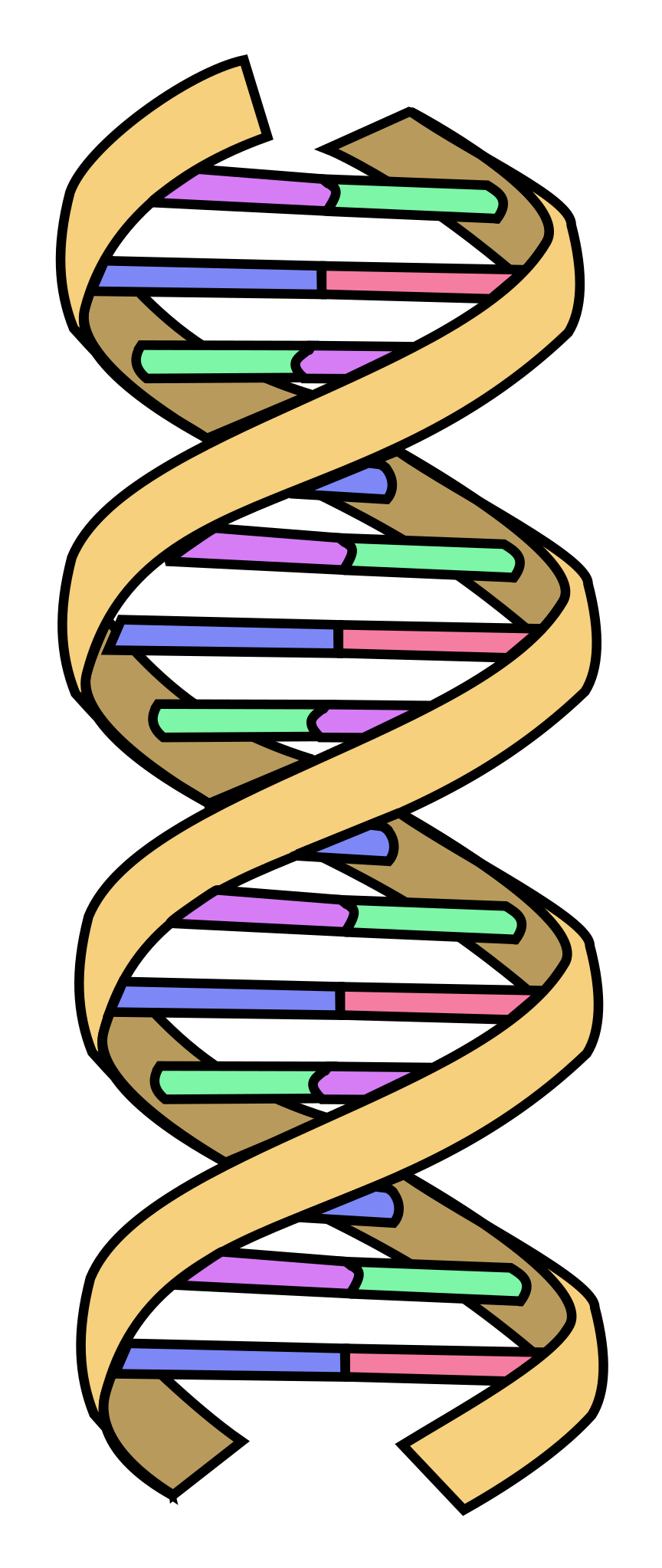
DNA (Deoxyribonucleic Acid)
A type of a macromolecule (large) that stores and transmits genetic information.
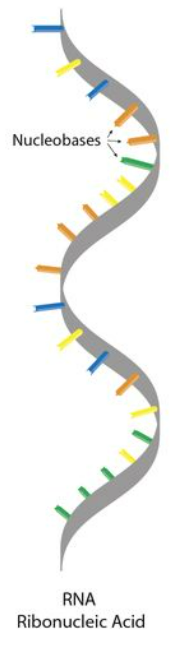
RNA (Ribonucleic Acid)
A type of macromolecule (large) that translates and transcripts genetic information.
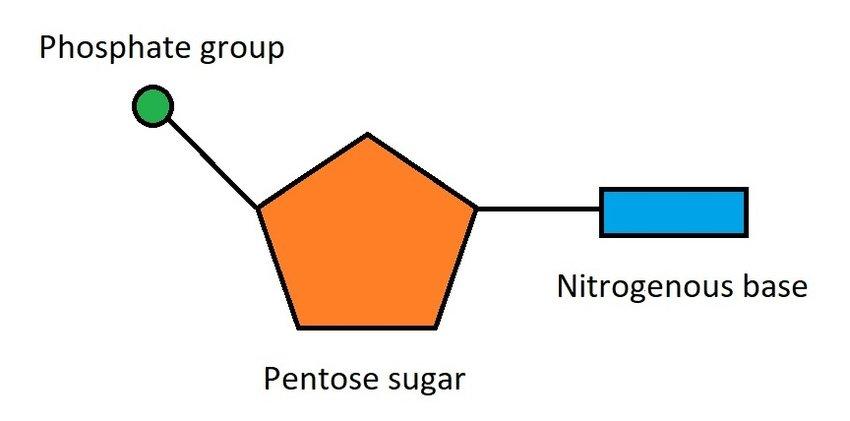
What are the three components of a nucleotide?
Deoxyribose sugar, phosphate, and one of four nitrogenous bases.
What are some common differences between chromosomes in eukaryotic and prokaryotic cells?
Eukaryotic chromosomes are linear and found in the nucleus whereas prokaryotic chromosomes are circular and found in the nucleoid within cytosol (both are unbound).
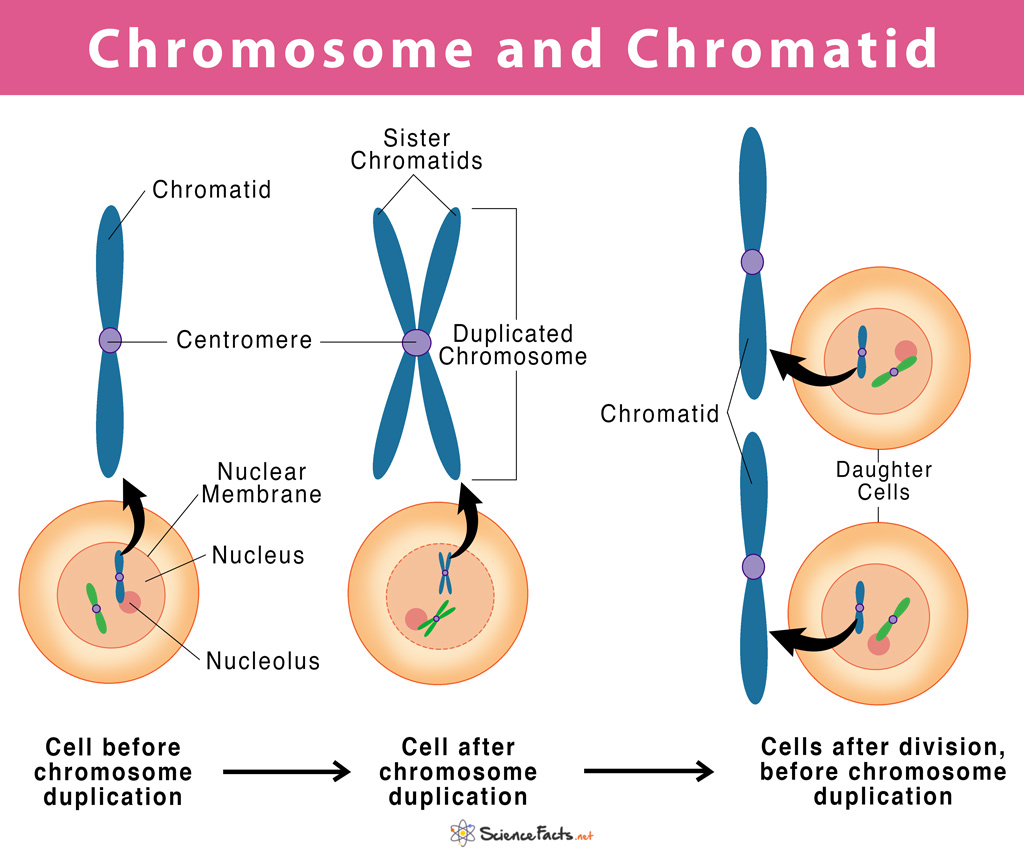
What is the difference between chromosomes and sister chromatid?
Chromosomes contains DNA and proteins whereas sister chromatids are the result of chromosomes and DNA duplicating during DNA replication.
Proteins
Abundant molecules made of amino acids.
Amino Acids
The building blocks of proteins.
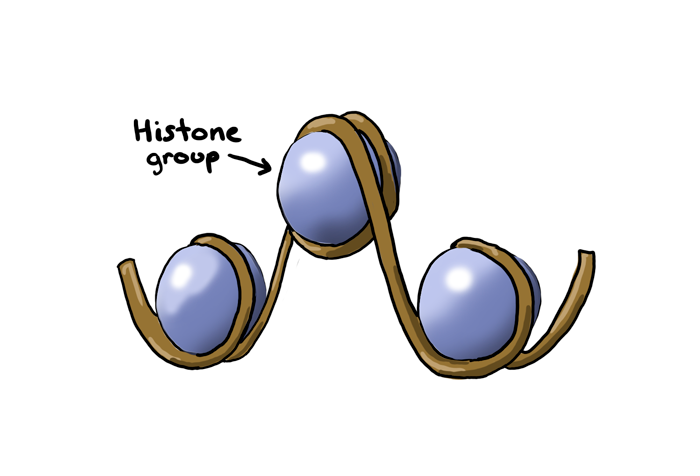
Histones
A type of protein that packages chromosomes.
Genome
A complete set of DNA.
How many chromosomes do humans have?
46 (23 pairs).
What are the two sex chromosomes?
XX (female) and XY (male).
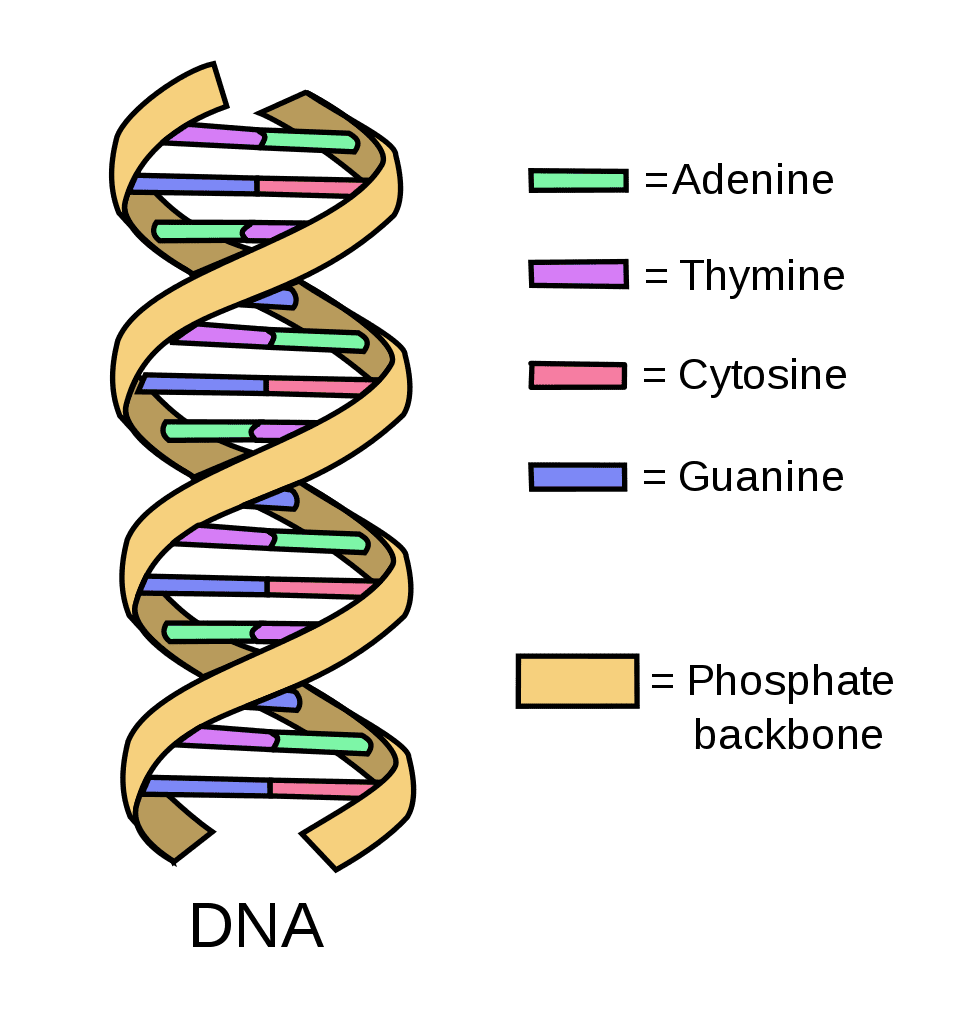
What are the four nitrogenous bases of DNA?
Adenine, Thymine, Guanine, and Cytosine.
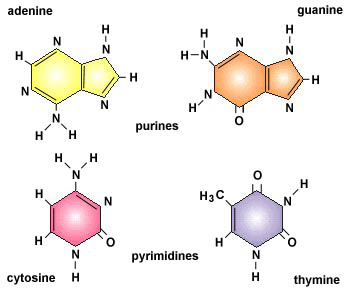
What is complementary base pairing?
Adenine only pairs with Thymine whereas Guanine only pairs with Cytosine.
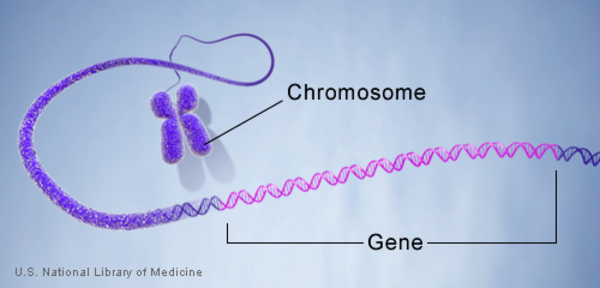
Gene
A segment of a chromosome that contains a sequence of nucleotide bases to provide a code for a specific mRNA.
DNA Replication
A process where DNA makes an identical copy of itself so it’s genetic information can be inherited by daughter cells.
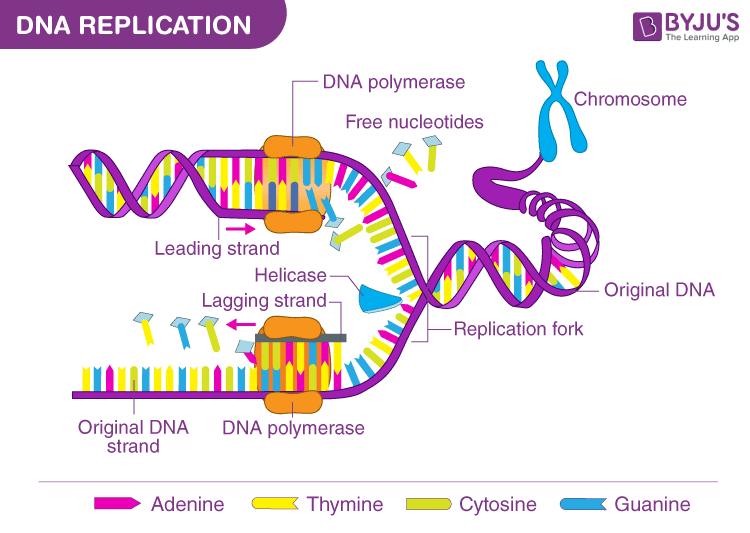
Why is DNA Replication called a semi-conservative process?
Each double-stranded DNA molecule consists of one old complementary strand (from original parent DNA) and one new complementary strand.
What are the five key enzymes of DNA replication?
Helicase, DNA Polymerase, Primase, Ligase, and Exonuclease.
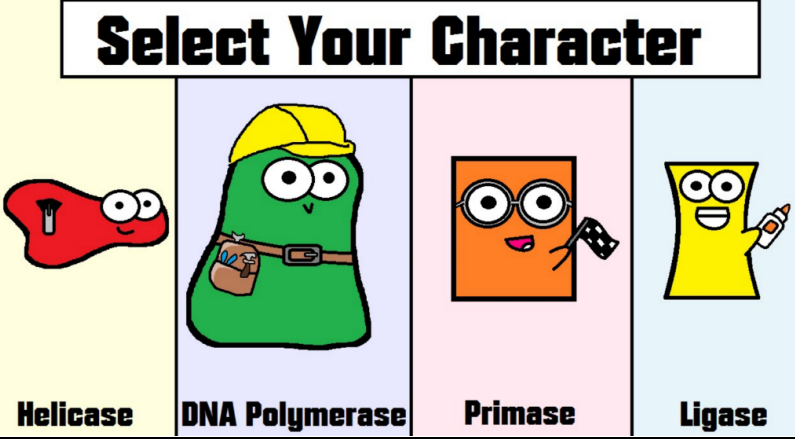
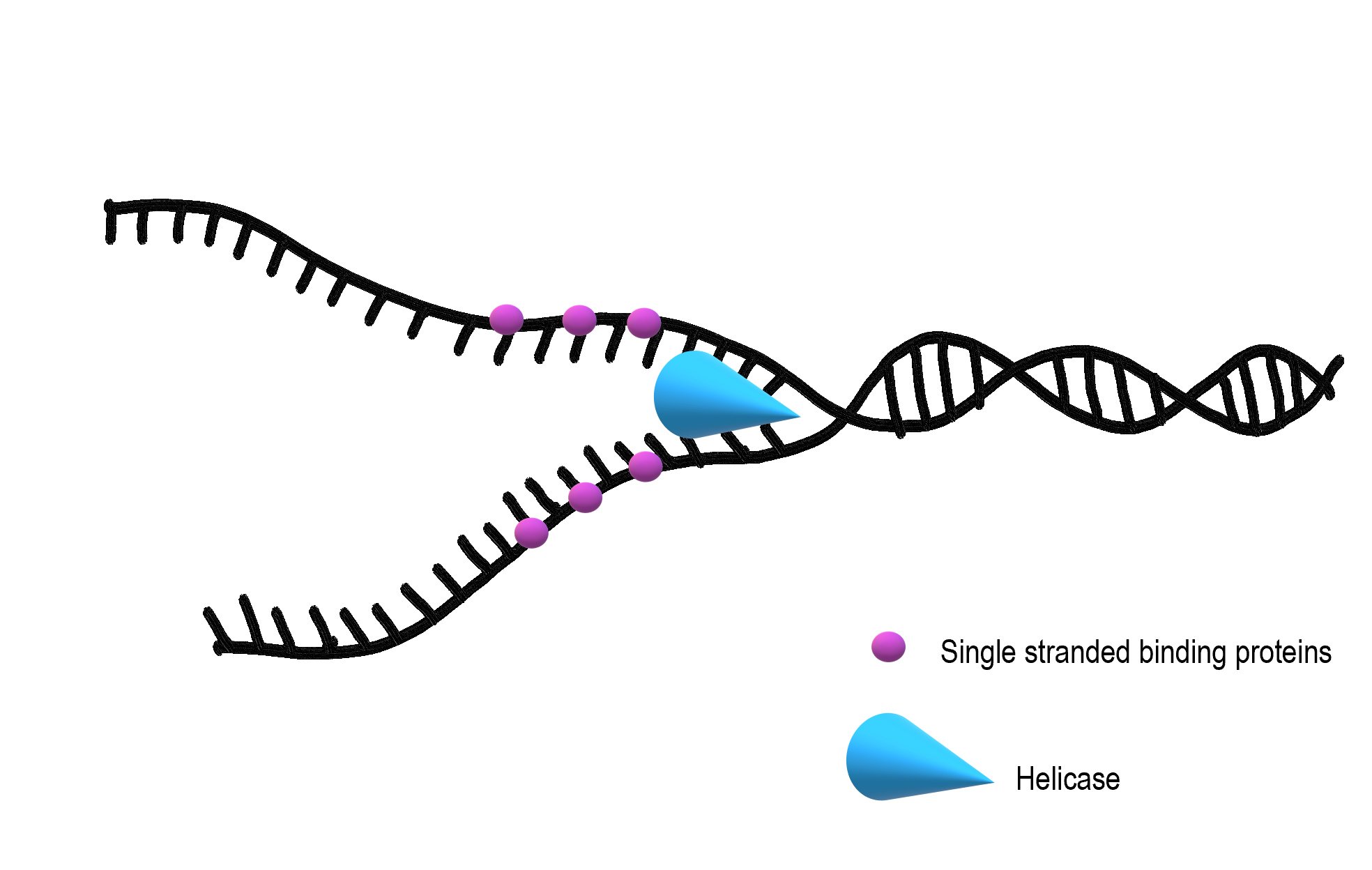
What is the Helicase in charge of?
Unzipping two DNA strands by breaking hydrogen bonds.
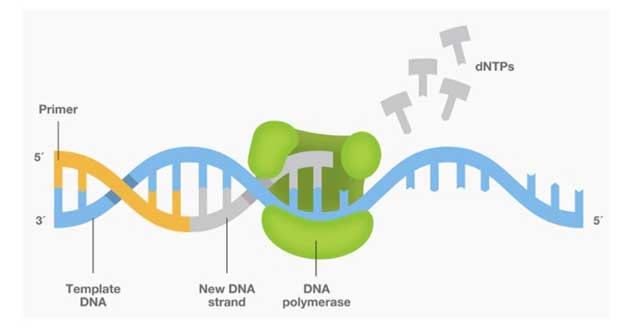
What is the DNA Polymerase in charge of?
Replicates DNA molecules to build new strands of DNA.
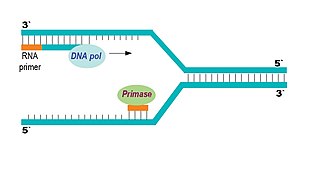
What is the Primase in charge of?
Makes RNA primers that acts like an indicator/blueprint for Polymerase.
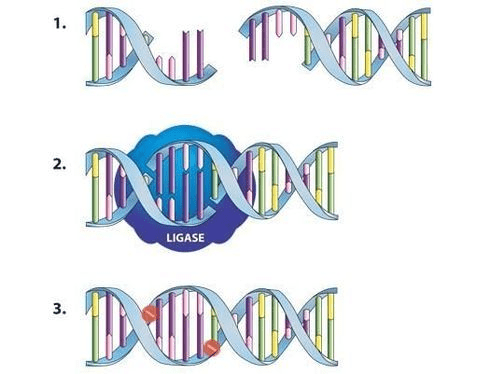
What is the Ligase in charge of?
Seals the DNA molecule.
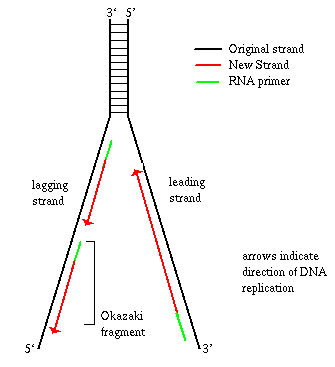
What’s the difference between 5’ to 3’ and 3’ to 5’?
5’ to 3’ indicates the complementary strand starts with the sugar whereas 3’ to 5’ indicates the complementary strand starts with the phosphate group.
Why is the DNA structure vital? (2 points)
Make identical copies of itself so that genetic information can be pass from cell to cell and can be inherited onto future generations.
Provide a code that can be used by cells to manufacture protein molecules.
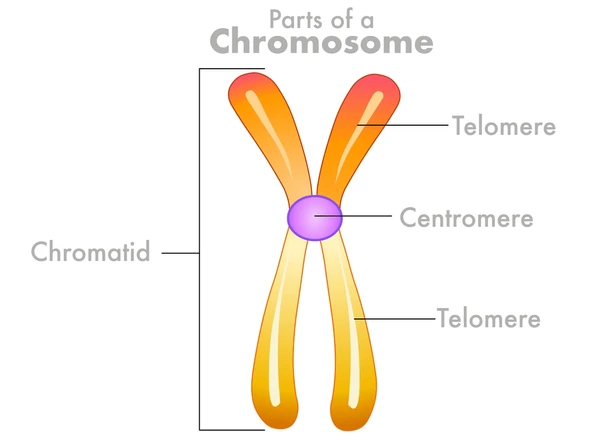
What are three parts of a chromosome?
Telomere - Ends of chromosome to protect tips from binding with other chromatids.
Centromere - Centre of chromosome holding it together.
Chromatid - Arms of the chromosome.
What do you call a set of human chromsomes?
Karyotype.
What are the main differences between RNA and DNA?
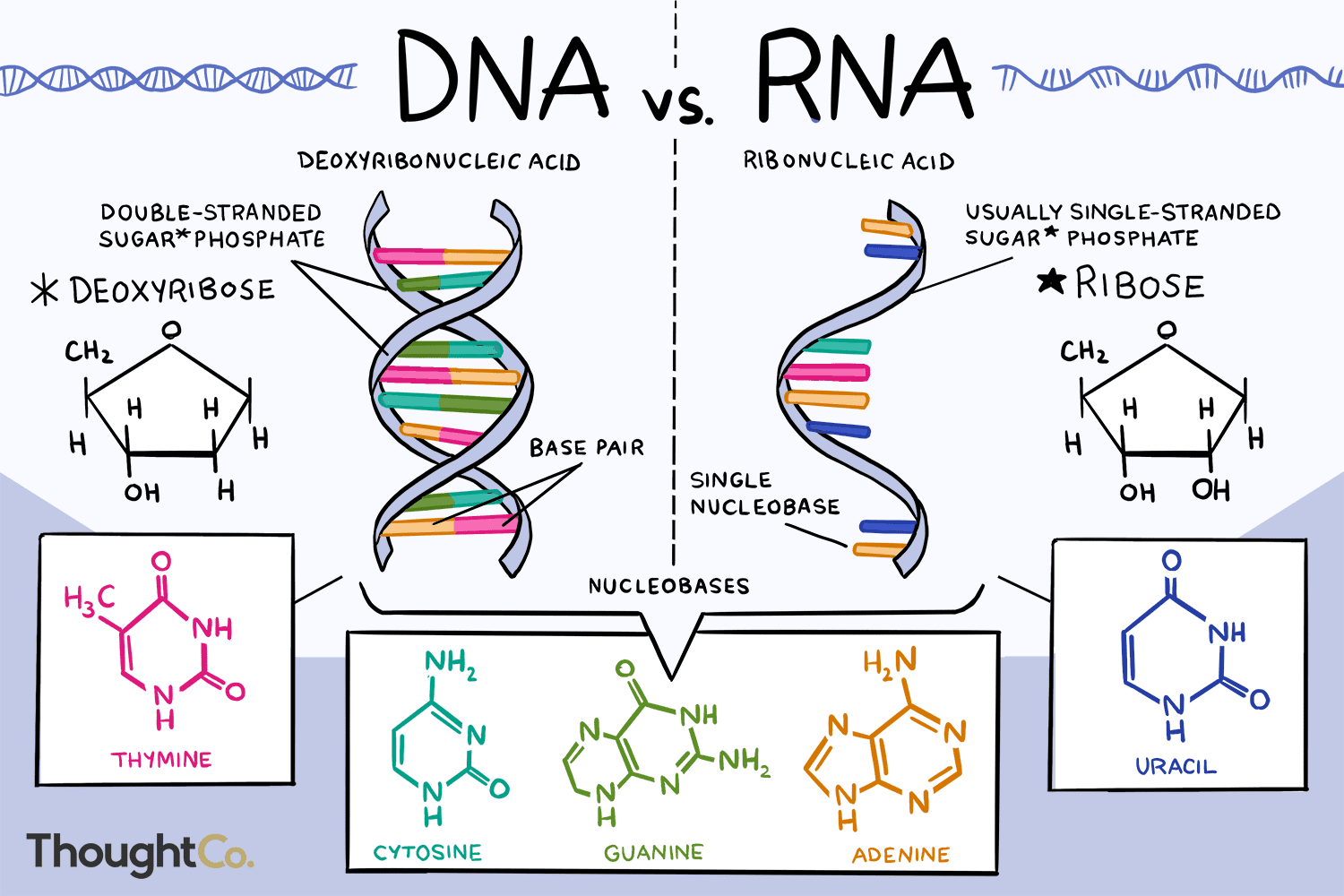
RNA is a single-stranded structure found in the cytoplasm that has uracil instead of thymine whereas DNA is a double-helix structure found in the nucleus.
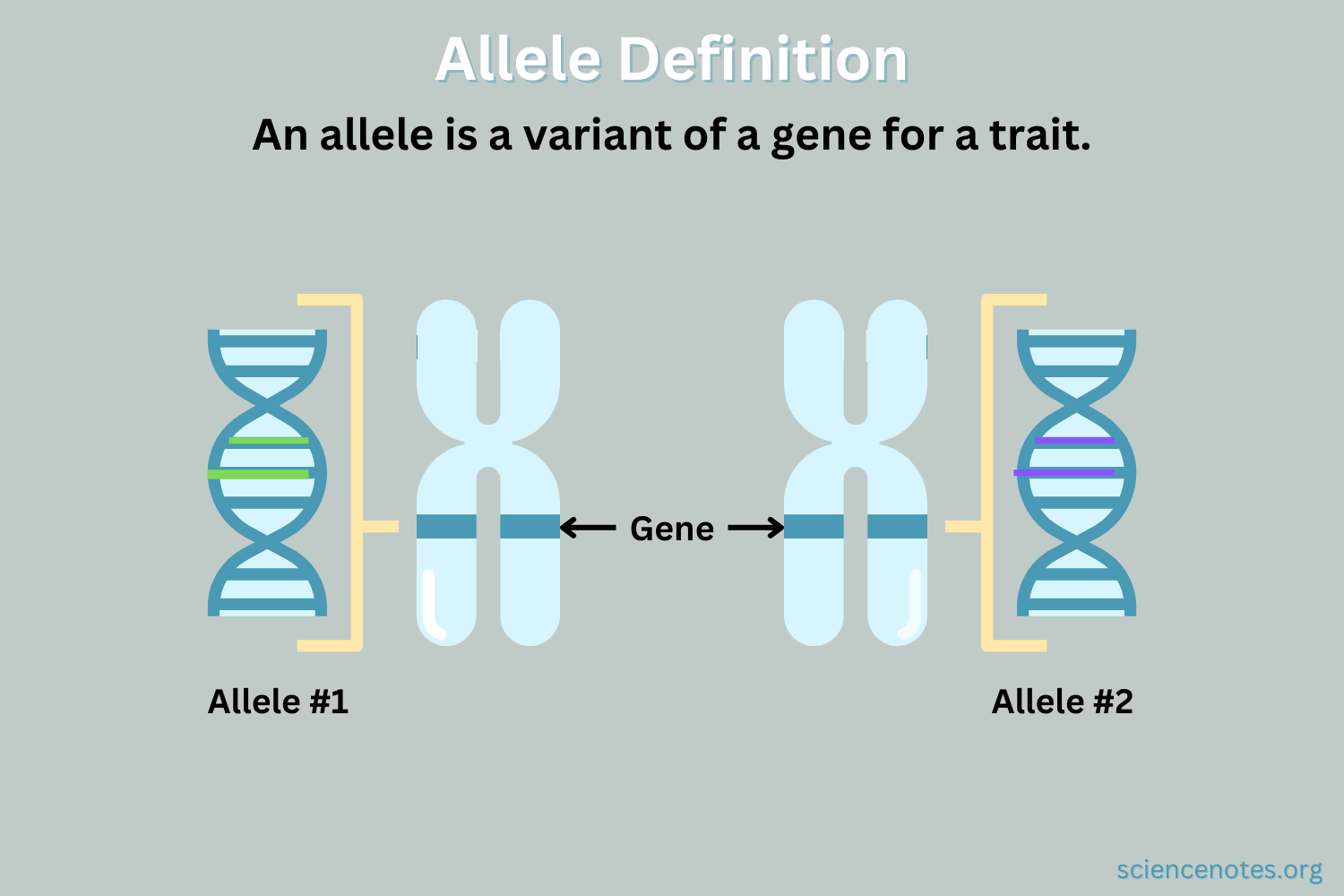
Allele
A variation of a gene.
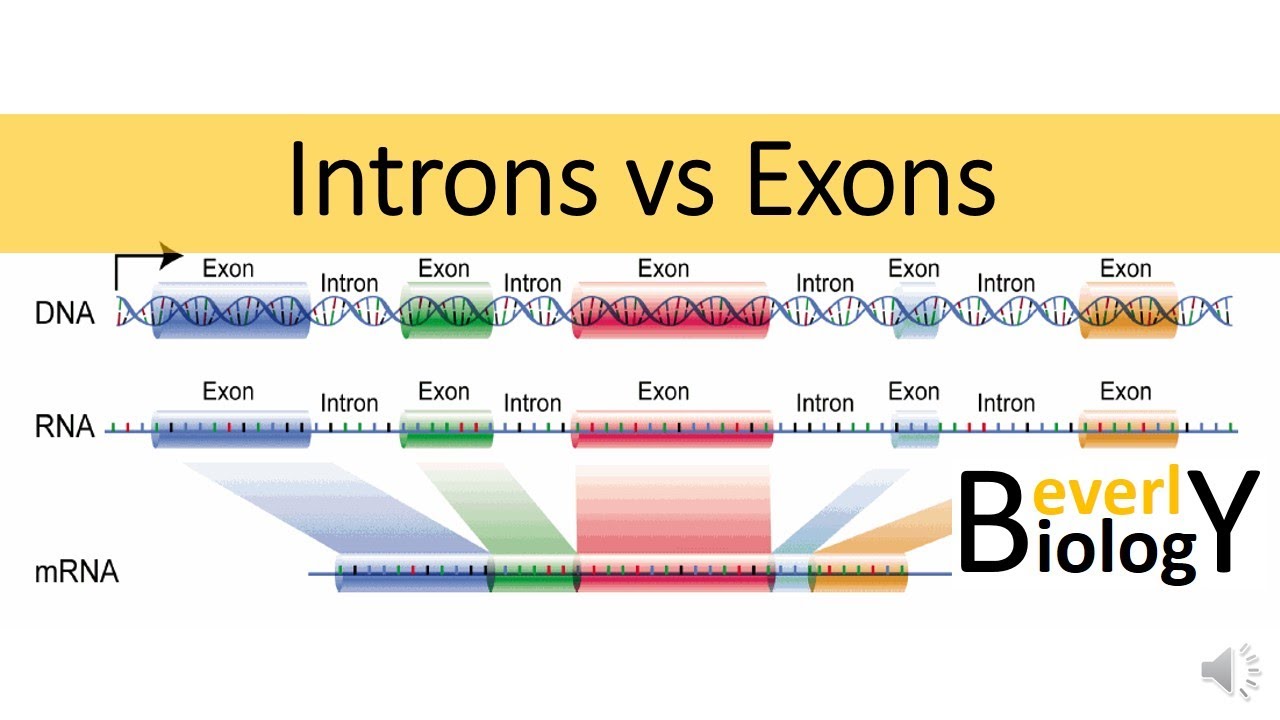
What is the difference between exon and intron?
Exon is a region of a gene that is being used to provide a code to make polypeptides or mRNA whereas intron doesn’t provide a code.
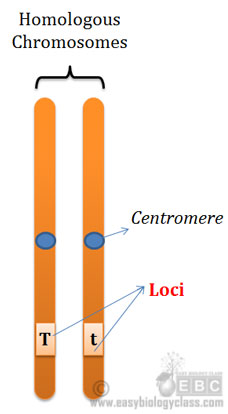
Where would you find the location of the gene?
A chromosome’s locus (pl loci)
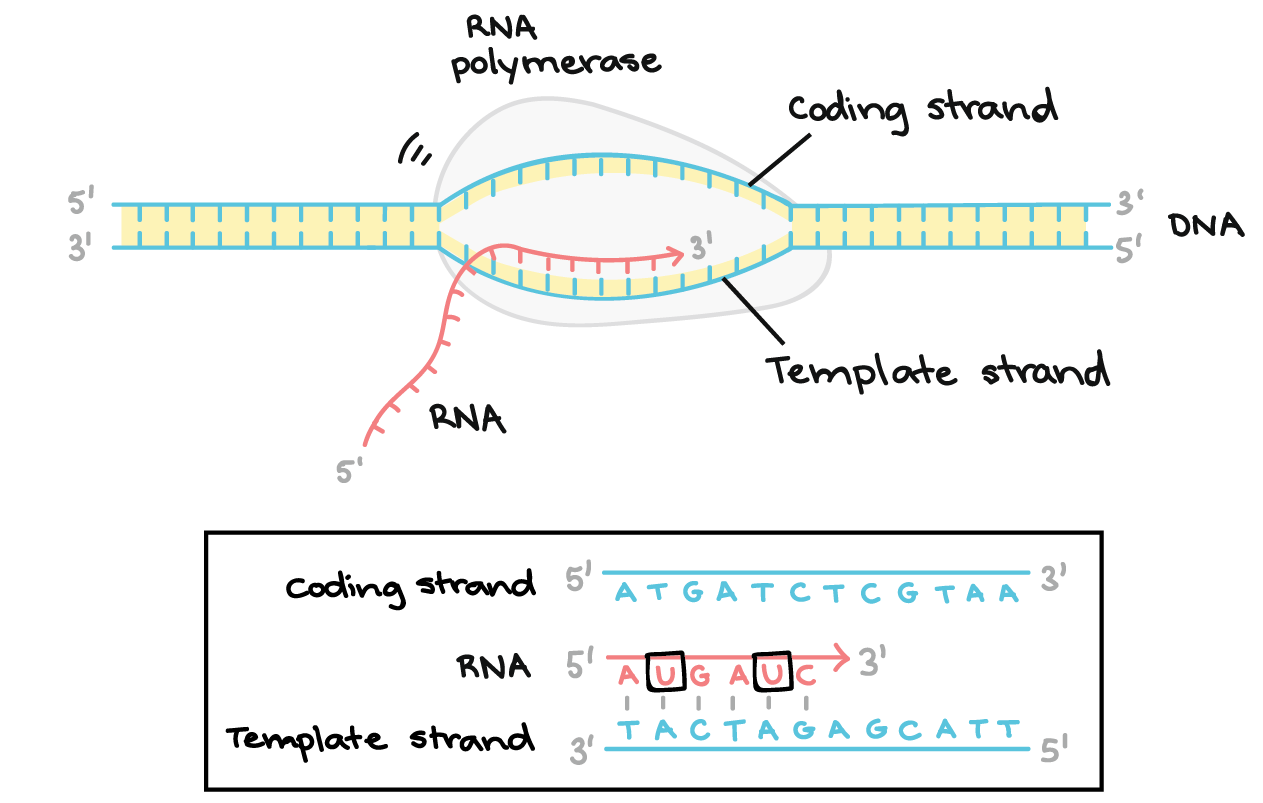
Transcription
Apart of protein synthesis that takes place within the nucleus, by which a working copy of DNA is produced to make mRNA.
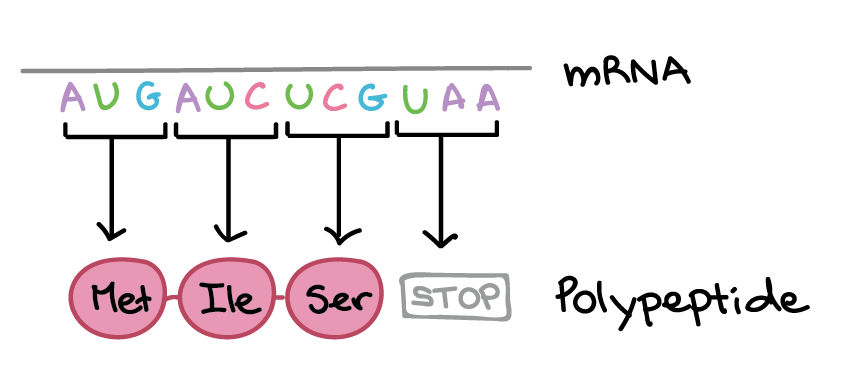
Translation
Apart of protein synthesis that takes place in the ribosomes (rough er or cytoplasm), by which a polypeptide chain is created.
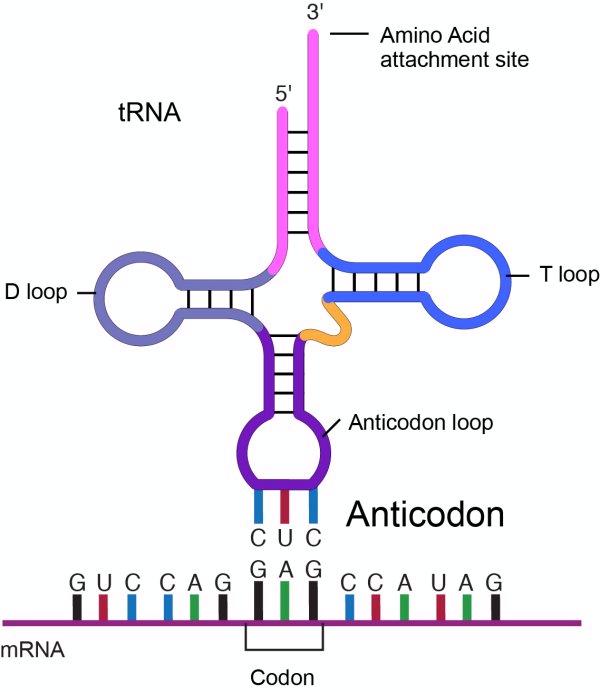
What do you call a triplet of nucleotides during translation?
Codon
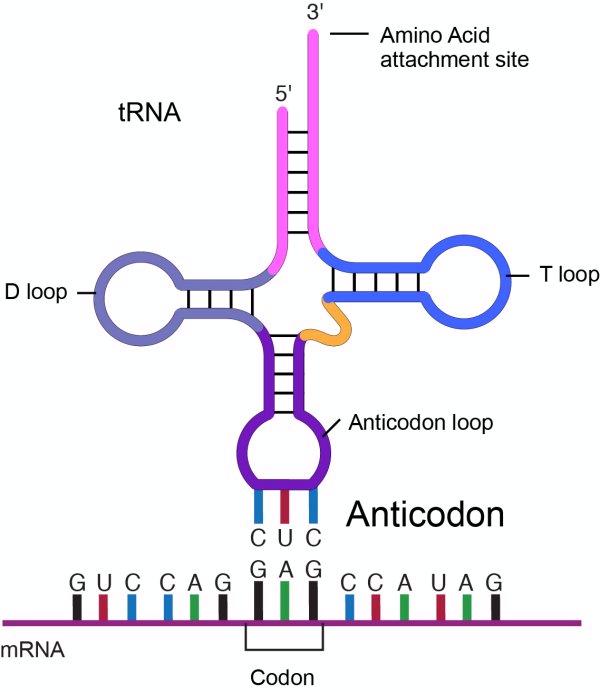
What do you call the three complementary bases located on the tRNA?
Anticodon
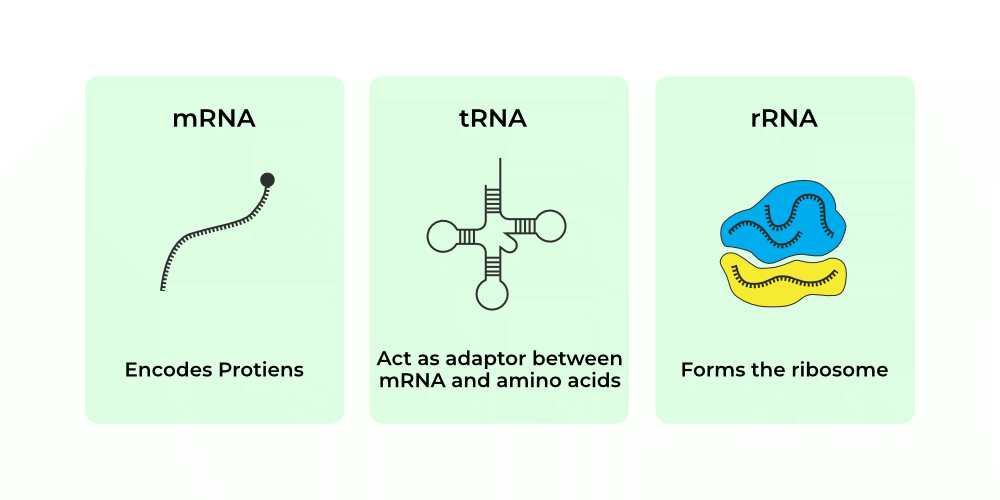
What is the difference between Messenger RNA (mRNA) and Transfer RNA (tRNA)?
mRNA carries necessary information made of RNA to be taken out of the nucleus whereas tRNA carries amino acids to read the message off the mRNA.
What is the Exonuclease in charge of?
Removes all the RNA primers from both DNA strands to make room for DNA molecules.
What are the three steps within Translation?
Initiation
Chain elongation
Termination
Initiation
The first step of translation where a start codon like AUG is used, to start the process of translation.
Chain elongation
The second step of translation where the amino acid sequence is being built (which forms protein) from the codons.
Termination
The final step of translation which indicates the completion of the mRNA sequence with a stop codon. The polypeptide chain is complete and is released into the ribosome.
Enzymes
A type of catalyst which speeds up or facilitates chemical reactions to happen within cells.
What are the four types of protein structure?
Primary
Secondary
Tertiary (3D)
Quaternary
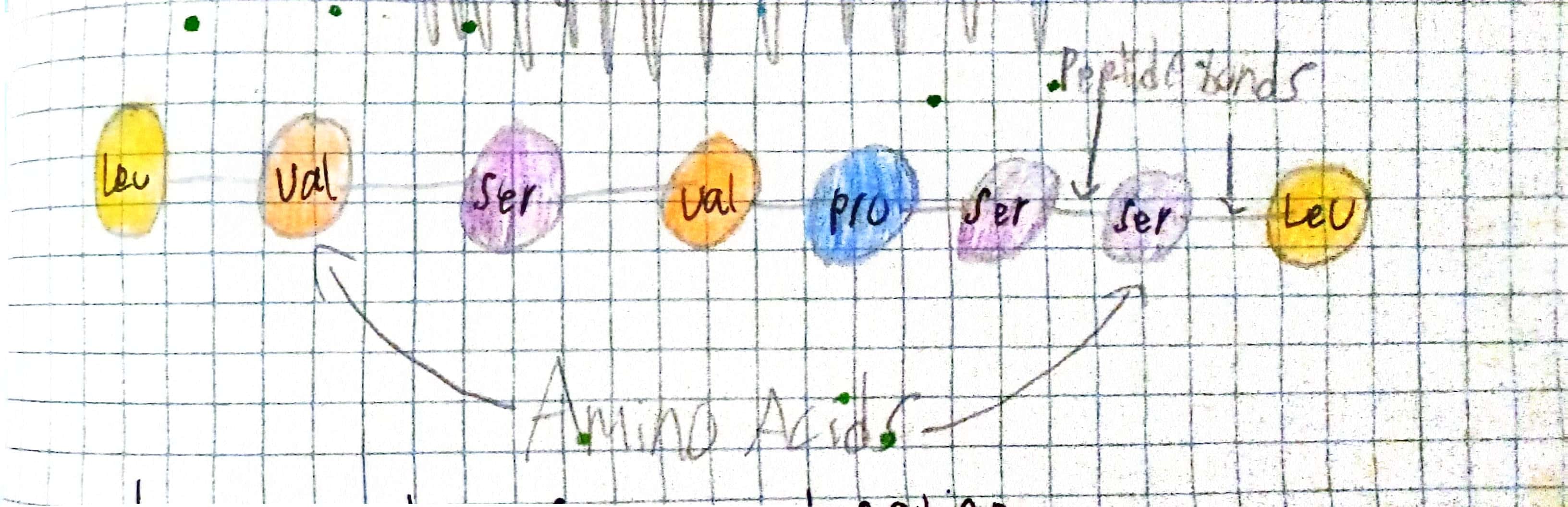
Primary protein structure
A sequence of a chain of amino acids (it looks like a pearl necklace).
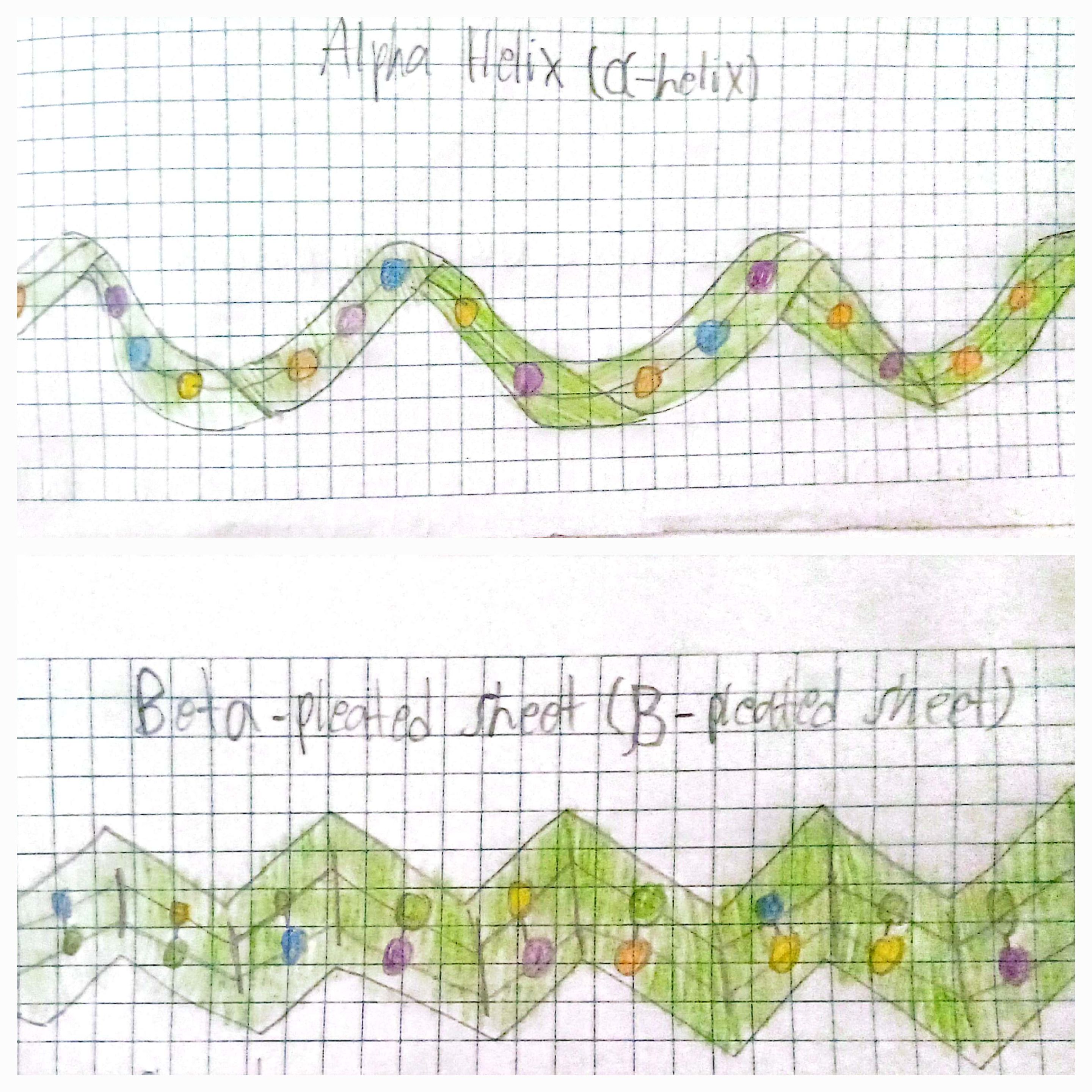
Secondary protein structure
Occurs when the sequence of amino acids is linked by hydrogen bonds. (this is where we see common shapes like alpha helix and beta-pleated sheets)
Tertiary (3D) protein structure
Occurs when certain attractions are present between alpha helices and pleated sheets.
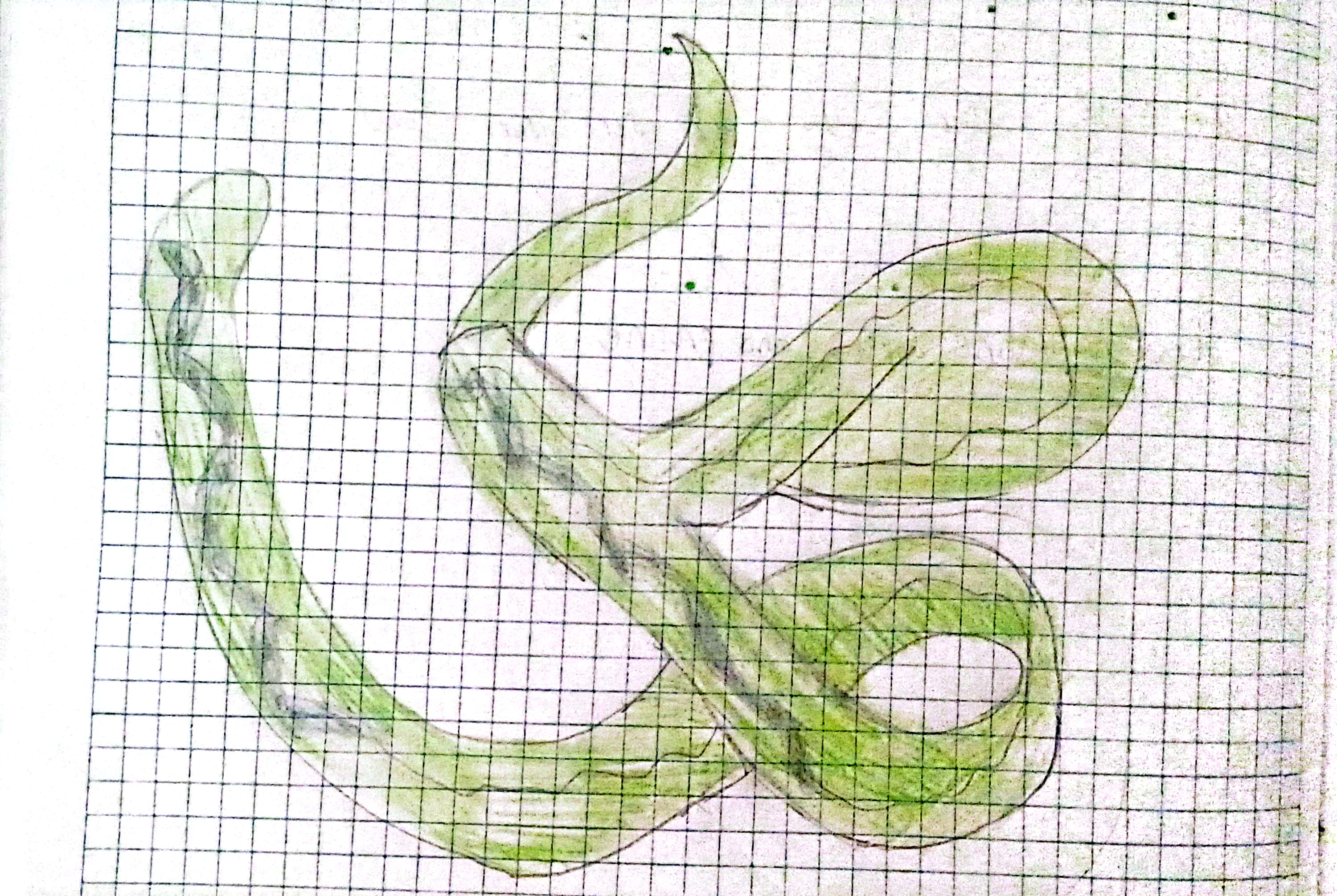
Quaternary protein structure
A protein that contains more than one polypeptide chain.
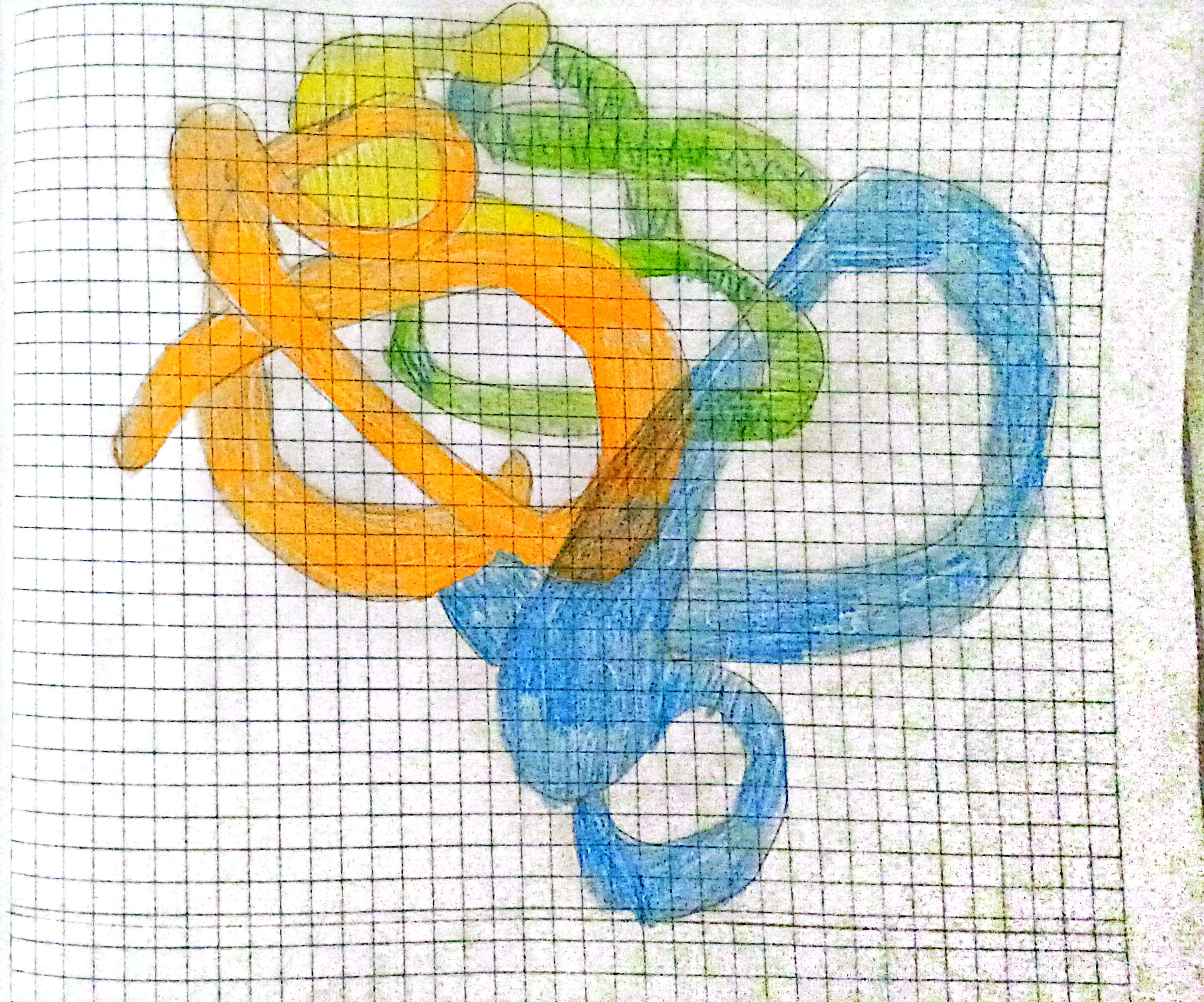
Substrate molecules
A type of substance that the enzyme acts upon
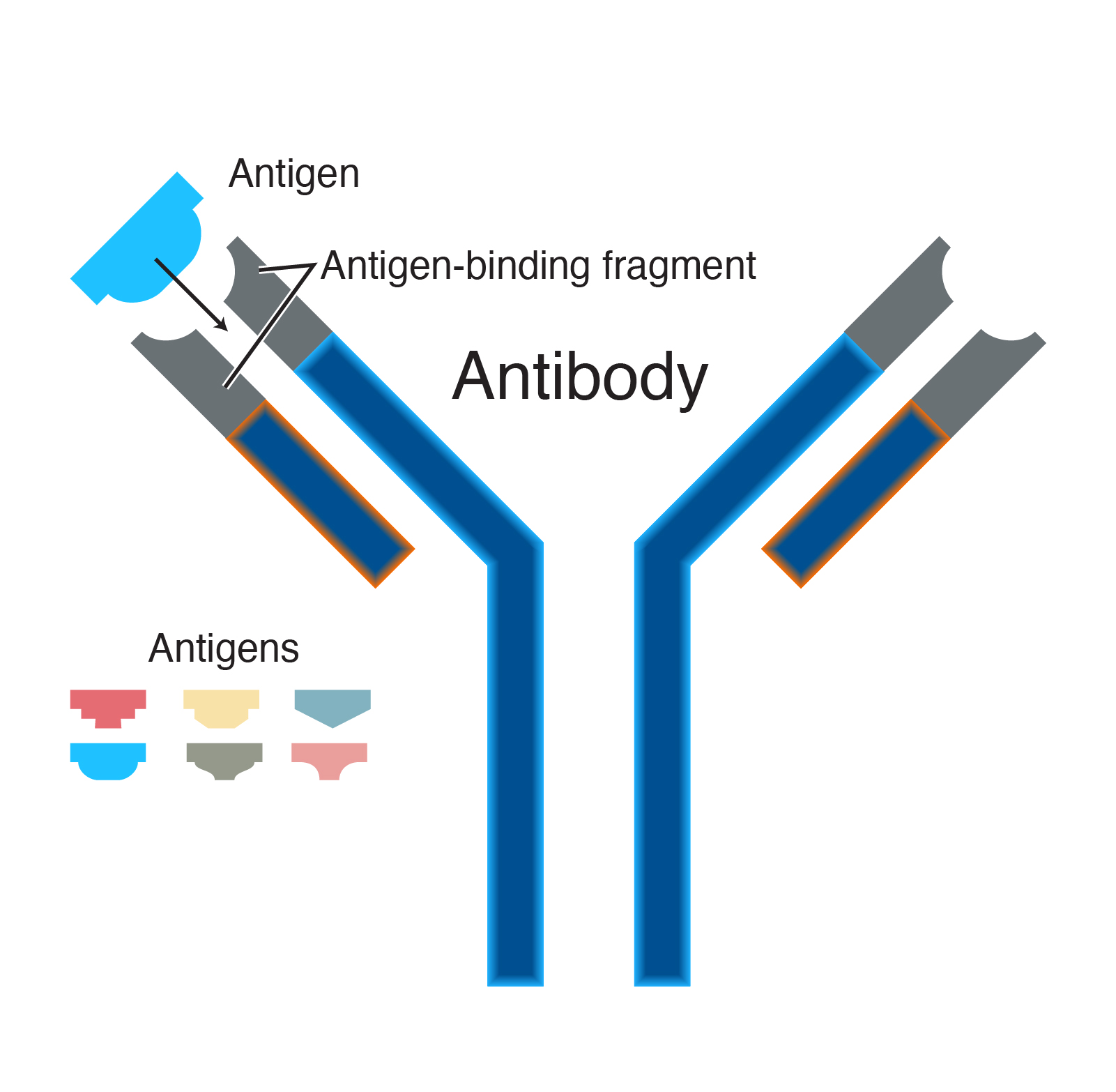
Antibody
A type of protein molecule produced by B-cells that recognises and binds with a specific antigen.
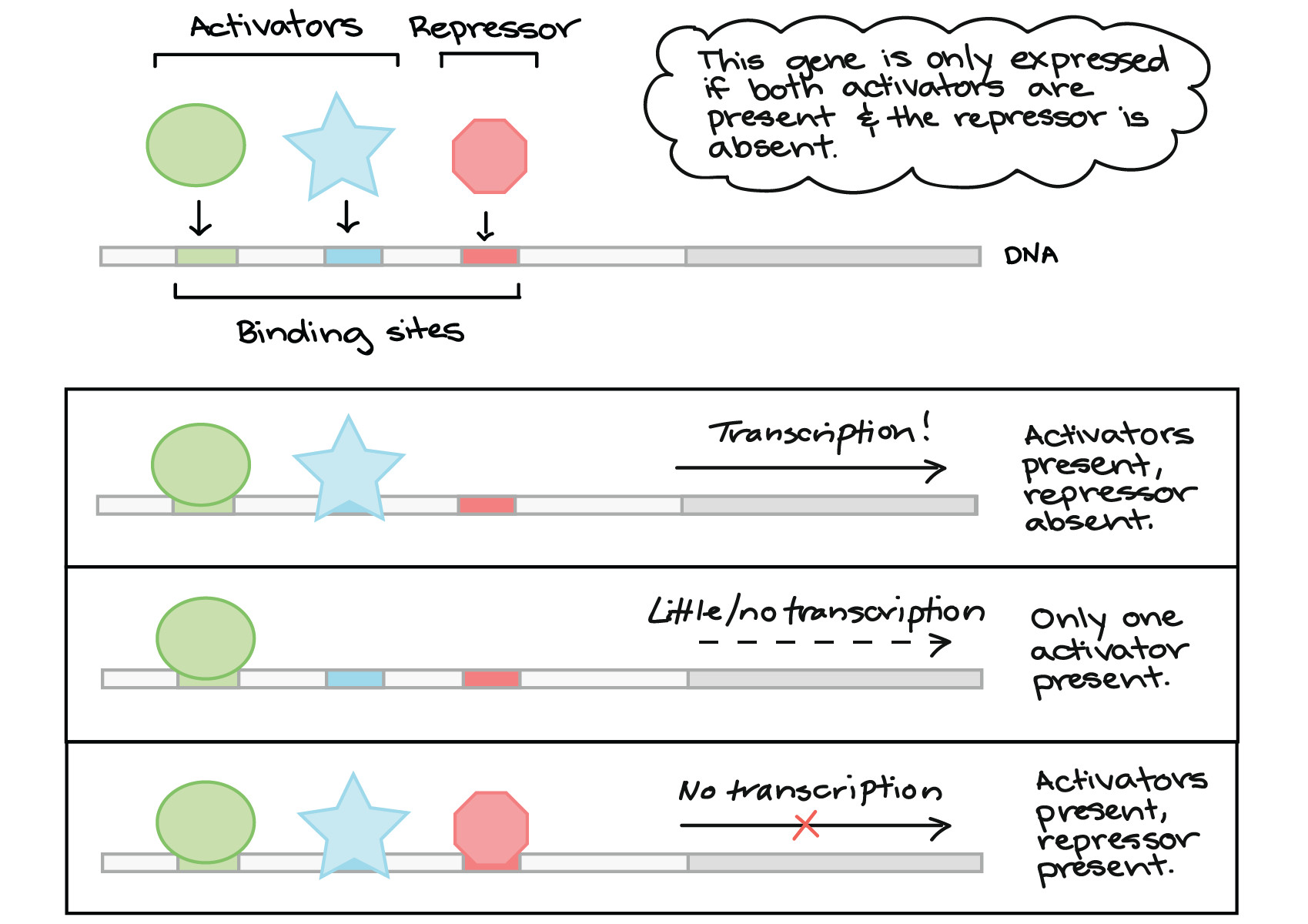
What is the difference between activators and repressors?
Although both are transcription factors, activators bind to RNA and/or DNA to initiate transcription whereas repressors bind to RNA and/or DNA to stop transcription.
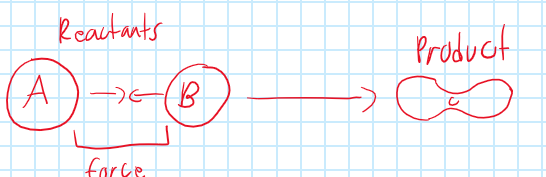
What does collision theory state?
In order for a reaction to occur, reactants must collide to form a new product.
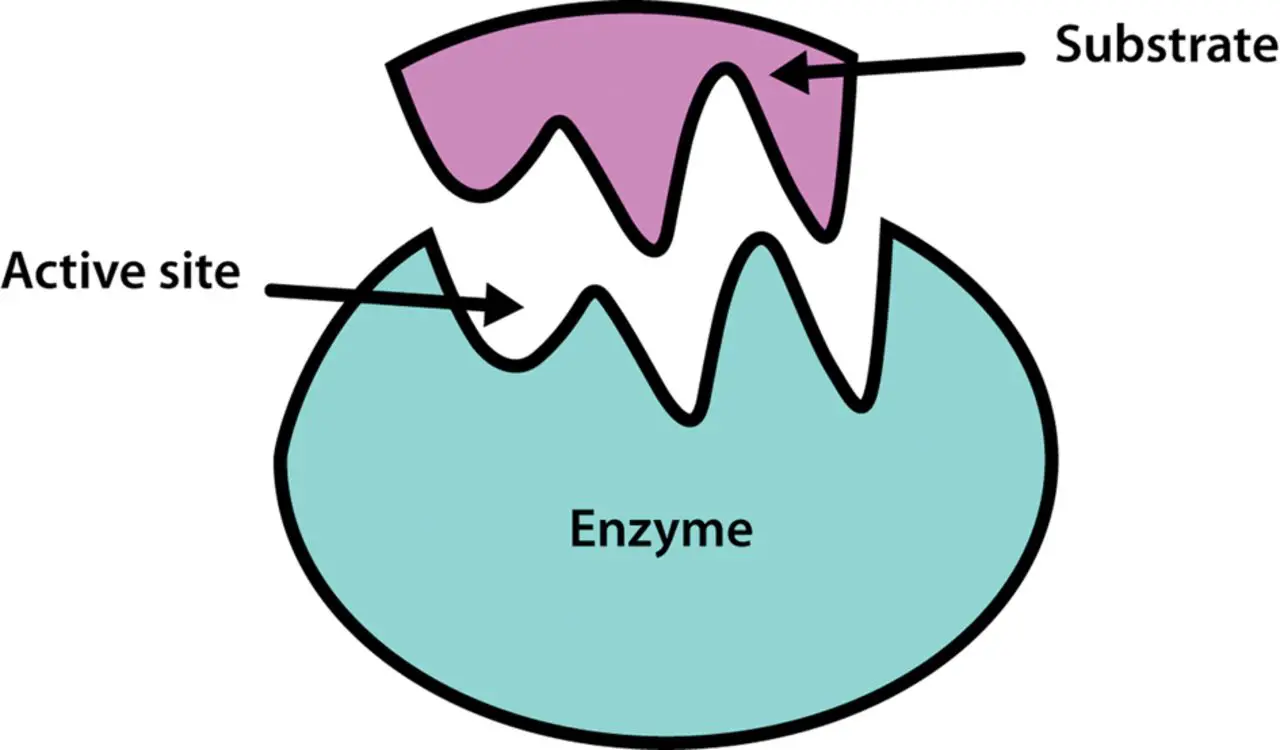
Active Site
A specific position for the attachment of the substrates.
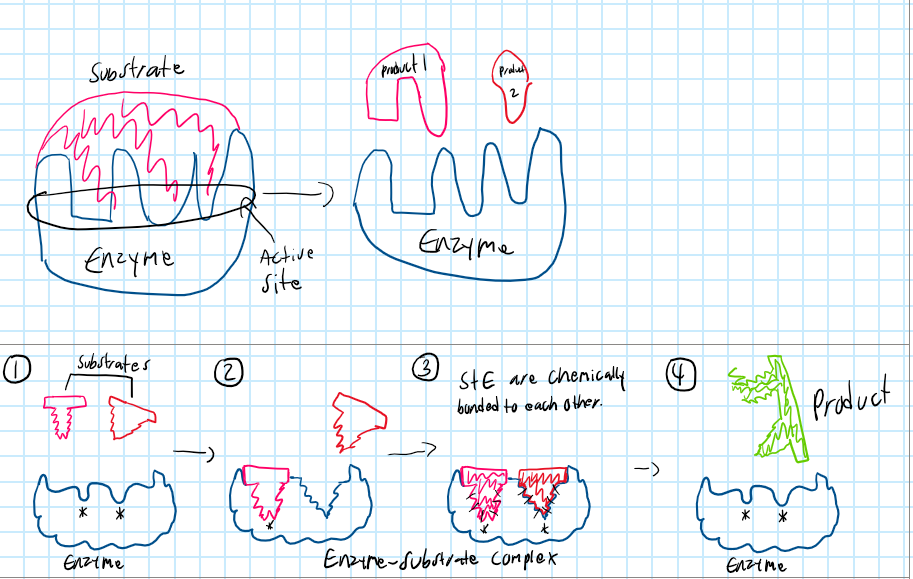
What is the difference between the lock-and-key interaction and induced-fit model?
Although both are enzyme reactions, lock-and-key interactions involves a substrate binding to an enzyme of the exact shape whereas induced-fit model is where the enzyme changes shape to fit the substrate.
What are five factors that influence the actions of enzymes?
Temperature
Inhibitors
pH
Product formation
Concentration of reactants
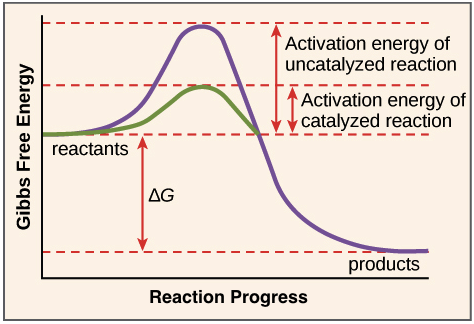
How does enzymes lower activation energy (initial energy required)?
By reducing the stress of the bonds, thus requiring less energy to break bonds and make bonds.
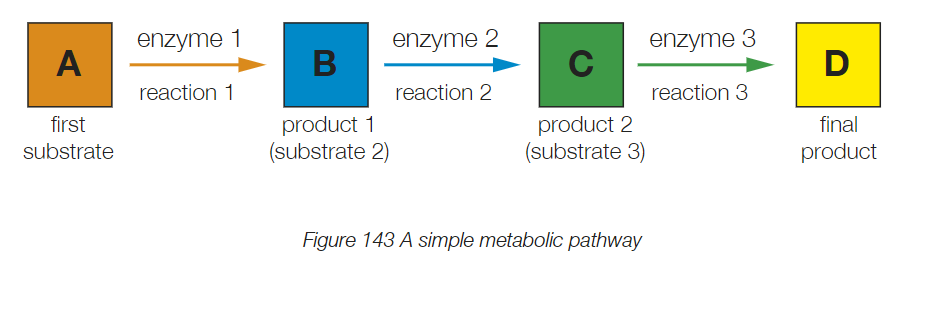
Metabolic Pathways
An enzyme-substrate reaction that involves multiple chains or cycles of these reactions so one final product will made, which will provide metabolism (energy) for our body.
Gene Expression
The process where a genetic code of DNA is used to direct protein synthesis
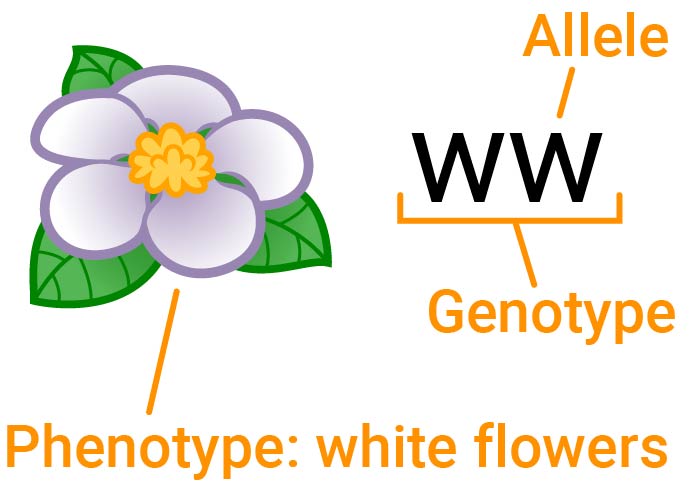
What is the difference between phenotype and genotype?
Phenotype are the physical characteristics of an organism whereas genotype are the alleles for a specific gene that can influence phenotypes.
What is epigenetics and what does it do?
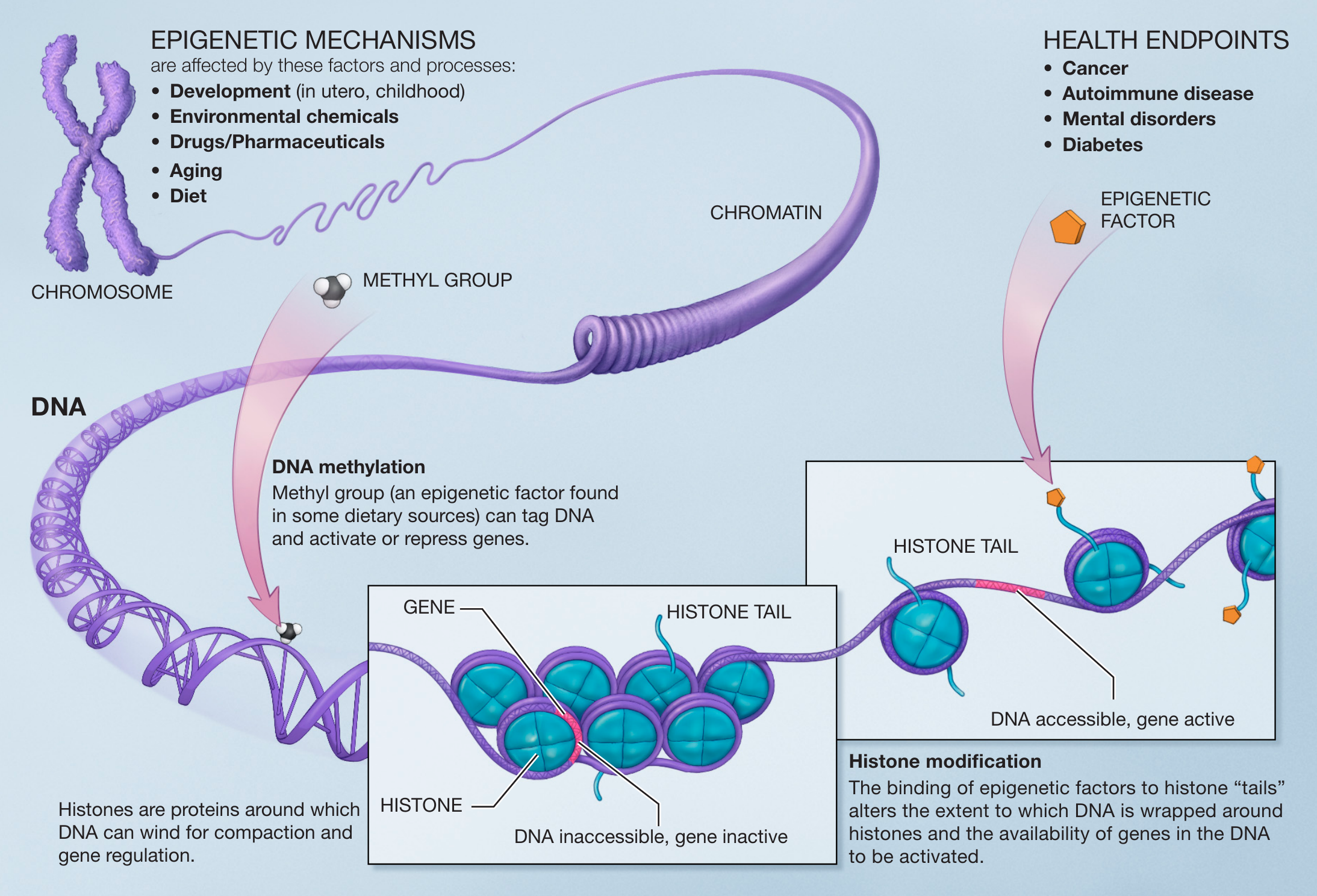
Epigenetics is the study of how environmental factors influences gene expression. Epigenetics are able to change how cells read DNA and express it but doesn’t change the sequence of DNA.
What are three factors that can control transcription?
Transcription factors (Activators and repressors)
DNA methylation (Epigenetic mechanism)
Histone modification (Epigenetic mechanism)
How can epigenetics affect cells?
Epigenetics can affect cells via cell differentiation or can cause cancer, which is the result of uncontrolled cell division.
Mutations
Permanent changes in the DNA base sequence.
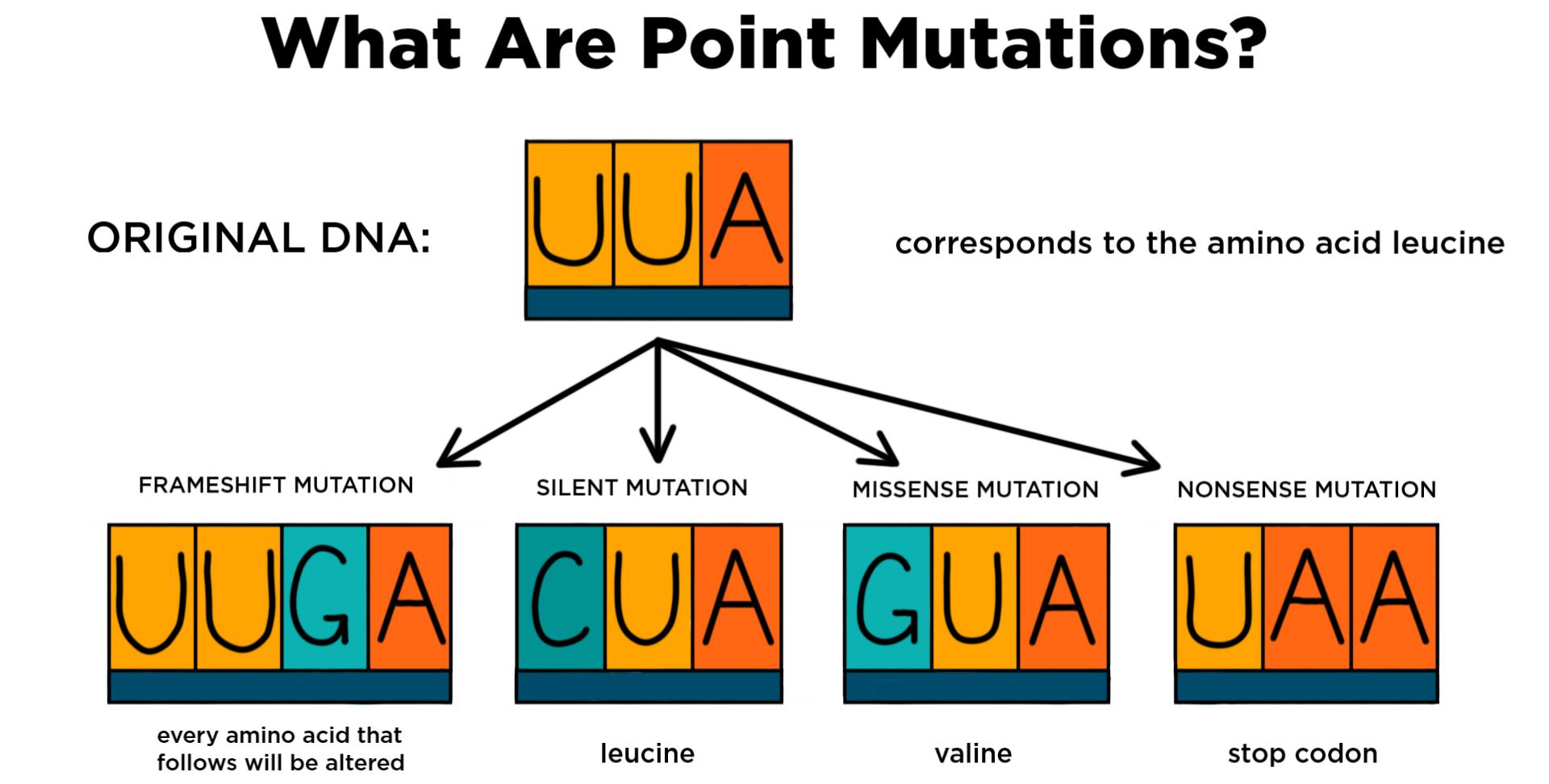
What are the five types of point (gene) mutations?
Base substitution
Frameshift mutation (base insertion or deletion)
Silent mutation
Missense mutation
Nonsense mutation
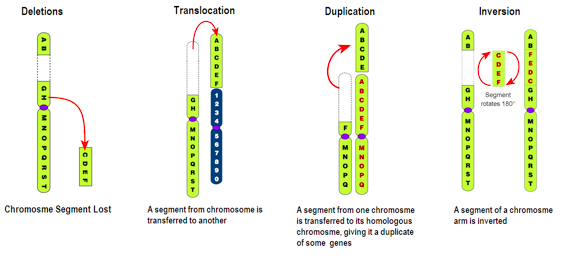
What are the five types of chromosomal mutations?
Deletion
Duplication
Translocation
Inversion
Insertion
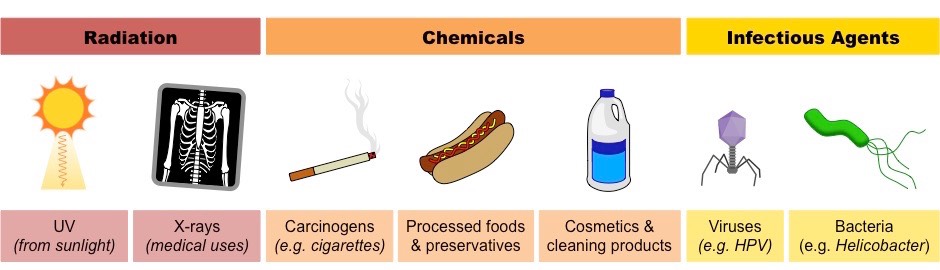
What three factors (mutagens) can increase rate of mutations?
Ionising radiation
Mutagenic chemicals
Viruses
How does mutations affect somatic and germline cells?
Mutations in somatic cells will lead to serious diseases but are inheritable whereas germline cells affect every cell and is heritable.
What are two diseases that can form from frameshift mutations?
Sickle-cell anaemia and Cystic Fibrosis (CF)
What are two disorders that are the result of chromosomal mutations?
Klinefelter syndrome and Down syndrome
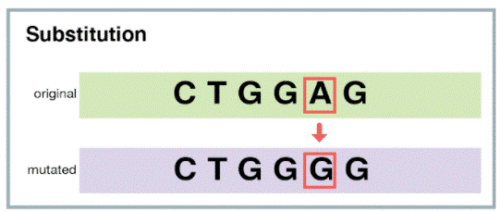
Base substitution
A point mutation where a base is substituted for another base.
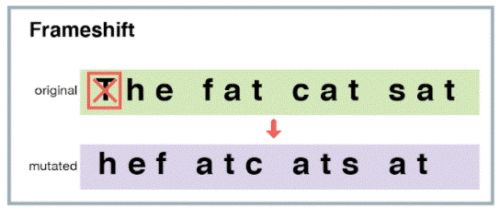
Frameshift mutation
A point mutation where either a base is either added or removed, which will change the primary structure of the protein.
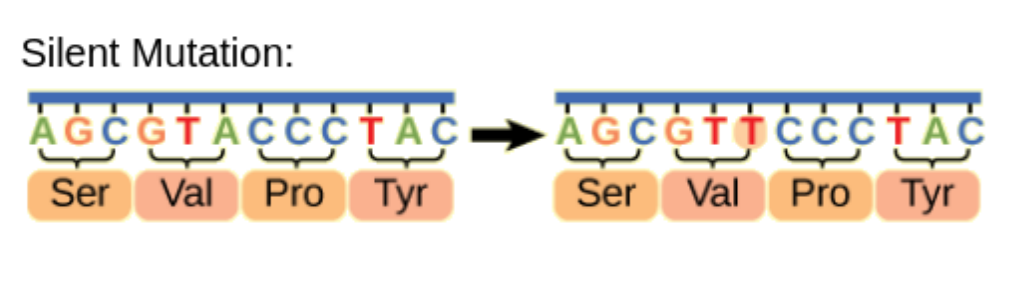
Silent mutation
A point mutation where a substituted base results in altered codon, which will code for the same amino acid.
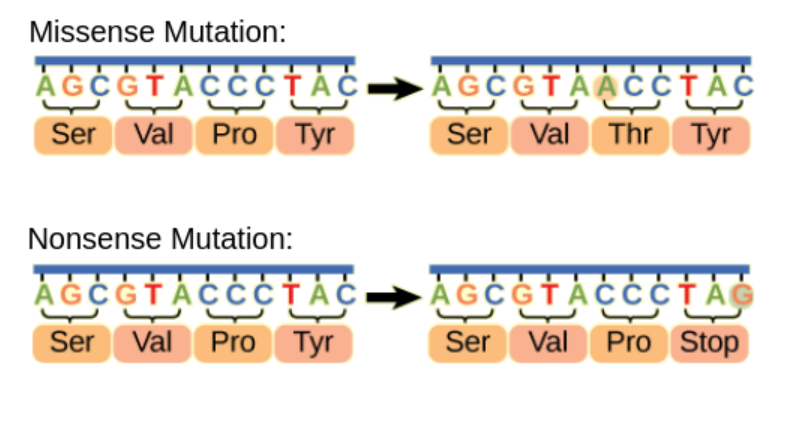
What is the difference between missense and nonsense mutation?
Despite both being point mutations, missense will result in an altered codon, which will code for a different amino acid whereas nonsense will code for a stop codon, instead of an amino acid.
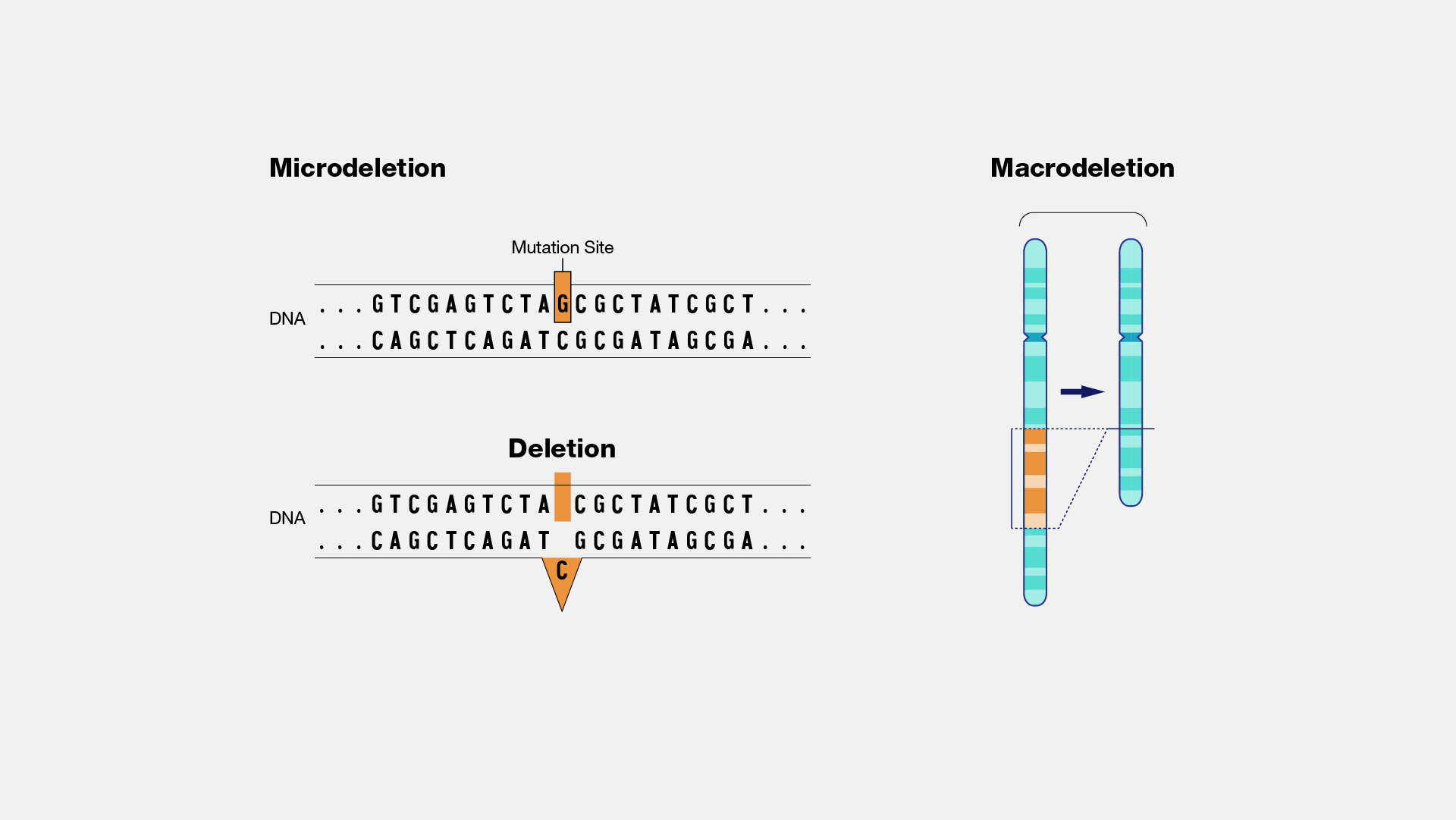
Deletion
A large-scale mutation where genetic material is broken off from the chromosome and is lost.
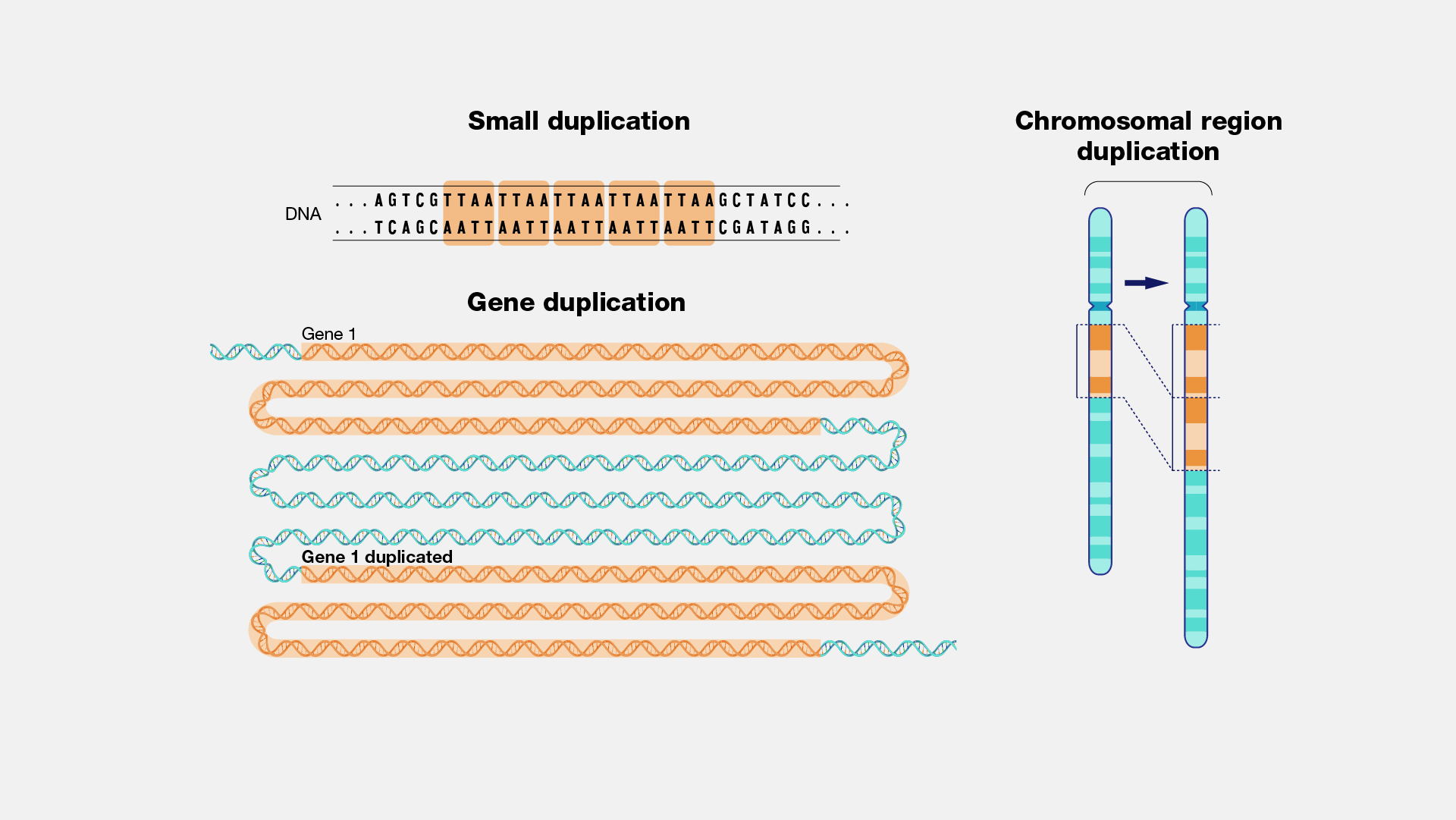
Duplication
A large-scale mutation where genetic material is duplicated which forms extra copies of genes in the chromosome, resulting in a longer chromosome.
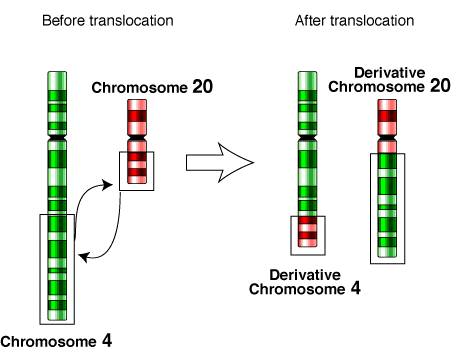
Translocation
A chromosomal mutation where a section of genetic material is detached from one chromosome to another, which happens vice versa.
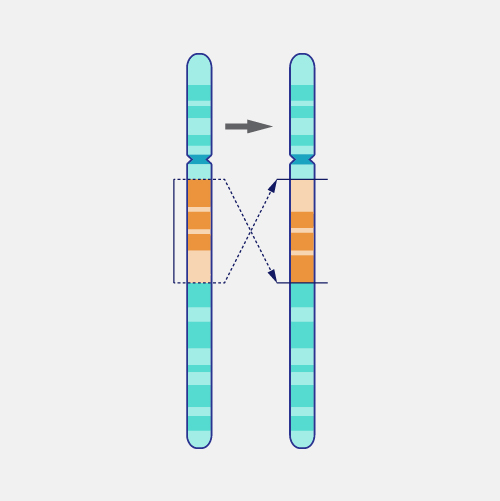
Inversion
A chromosomal mutation where a section of broken chromosomes is inserted back but inverted.
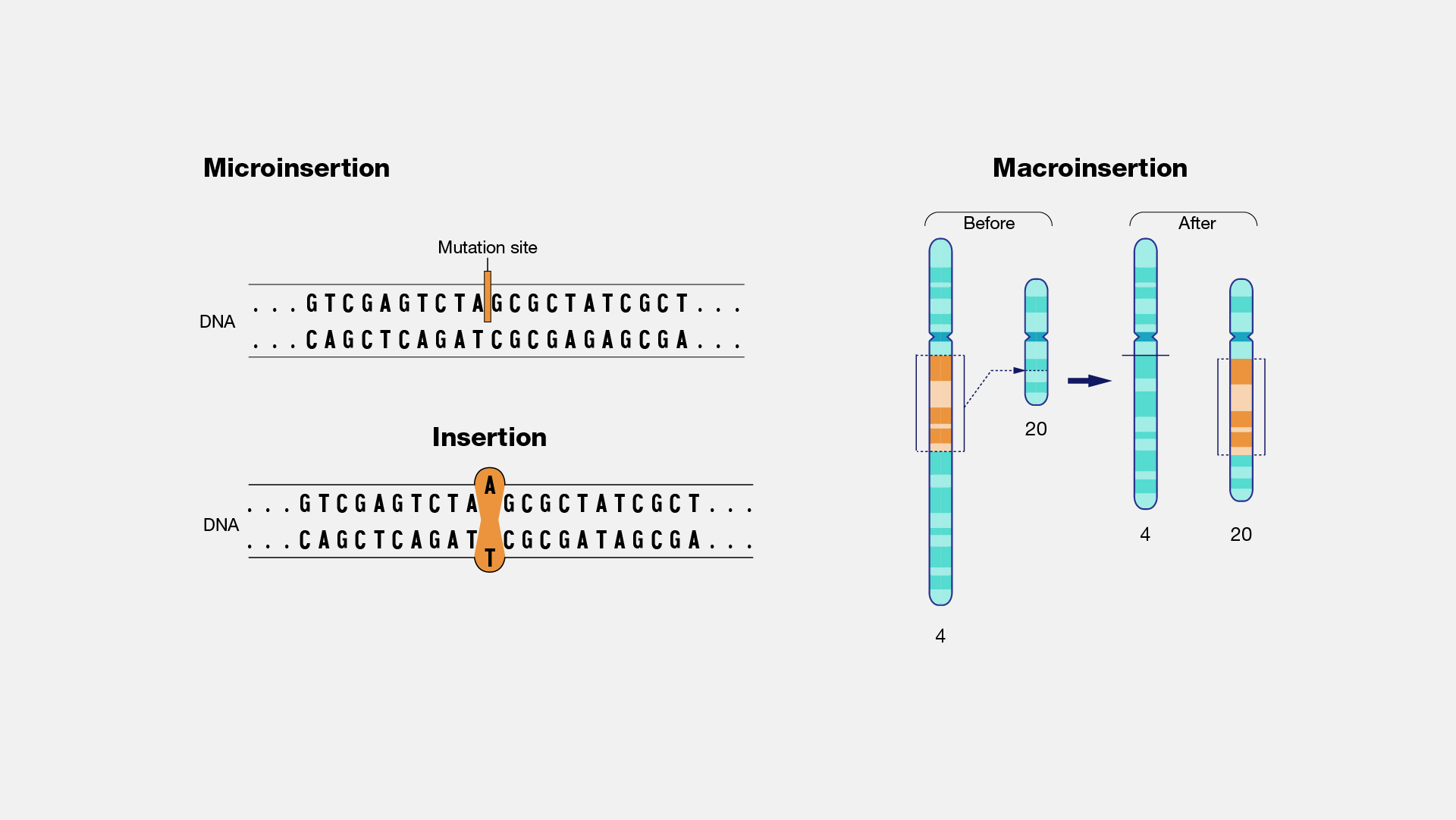
Insertion
A chromosomal mutation where a section of DNA is inserted into the chromosome.
What is the difference between point mutations and chromosomal mutations, in terms of effect on DNA sequence?
Point mutations will have little to no effect on the DNA sequence whereas chromosomal mutations which will affect meiosis and can lead to serious diseases.
What is the difference between gel and capillary electrophoresis?
Even though both separate molecules base off size and charge, gel is where fragments are separated in a gel matrix whereas capillary is through a capillary tube.
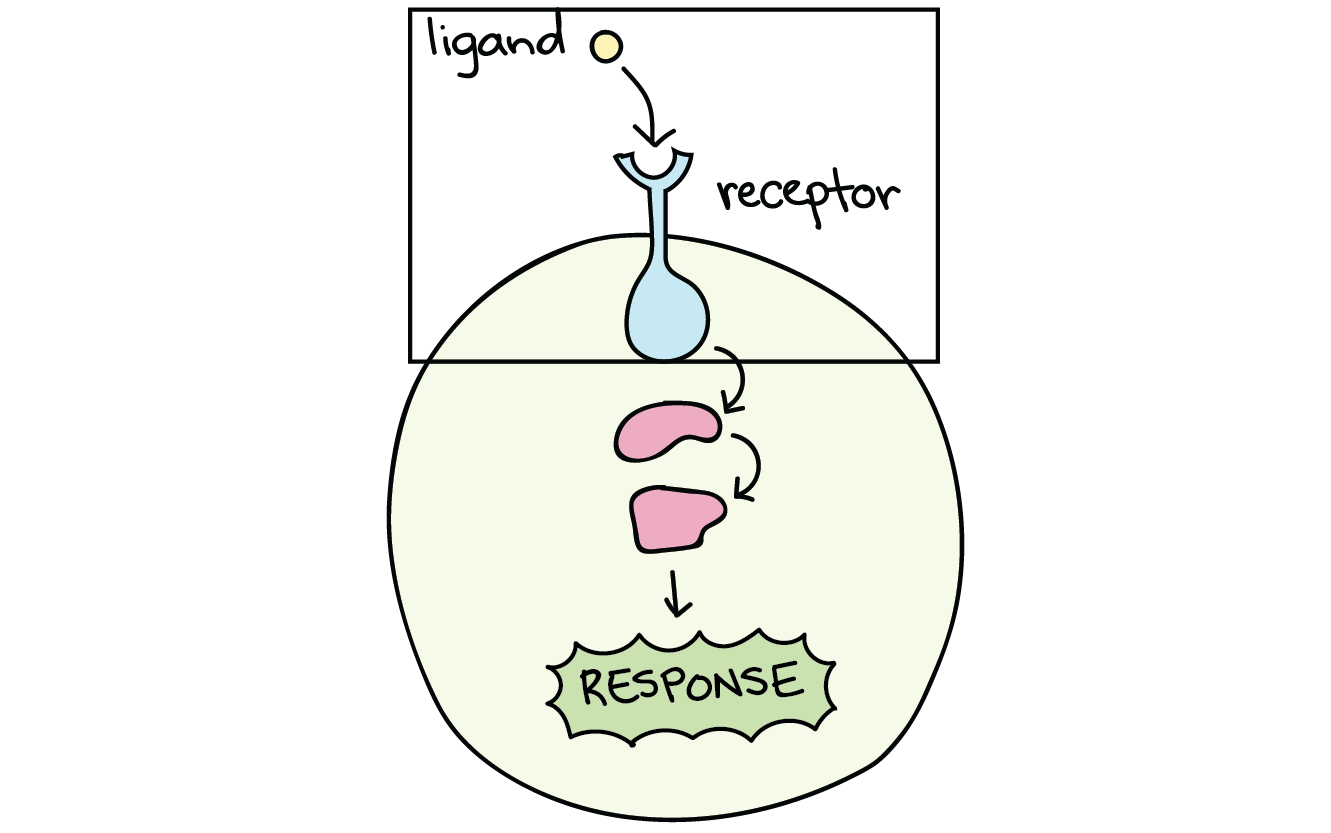
Receptors
A type of molecule where a messenger molecule can bind where a signal is sent to the nucleus.
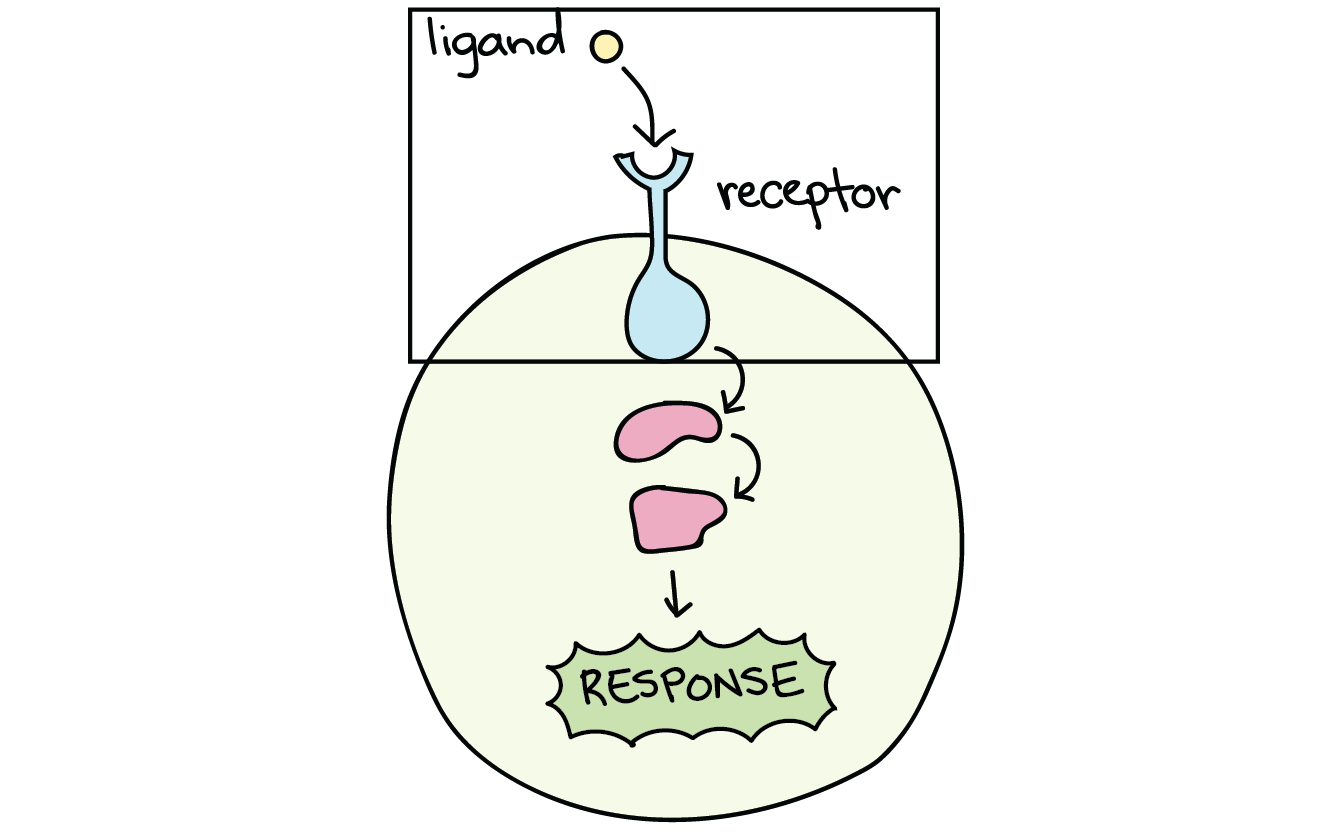
Ligand
Commonly known as a messenger molecule that can bind to receptors like hormones.
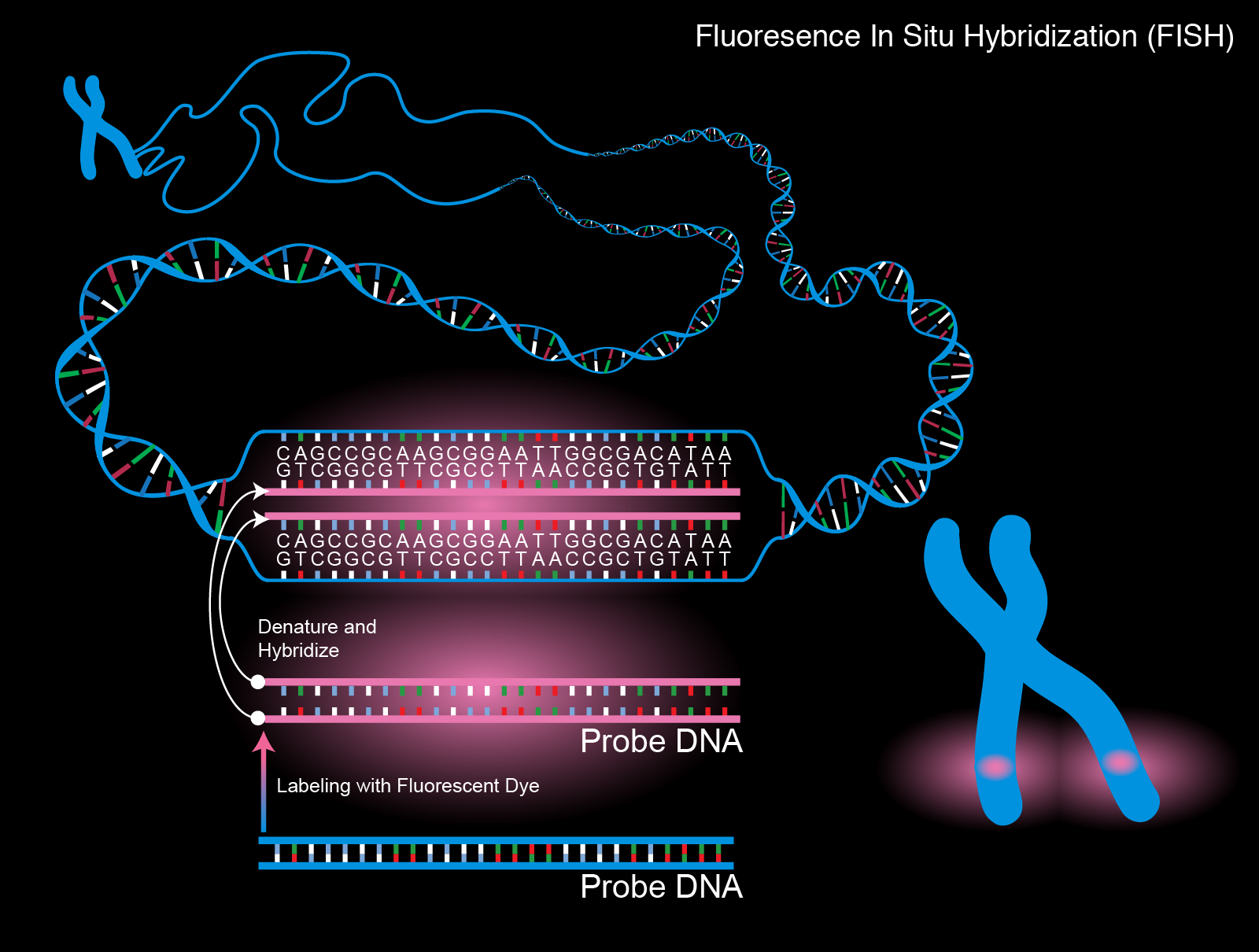
Gene probes
Single-stranded DNA or RNA segments that have been constructed in a laboratory either marked radioactive or fluorescent.
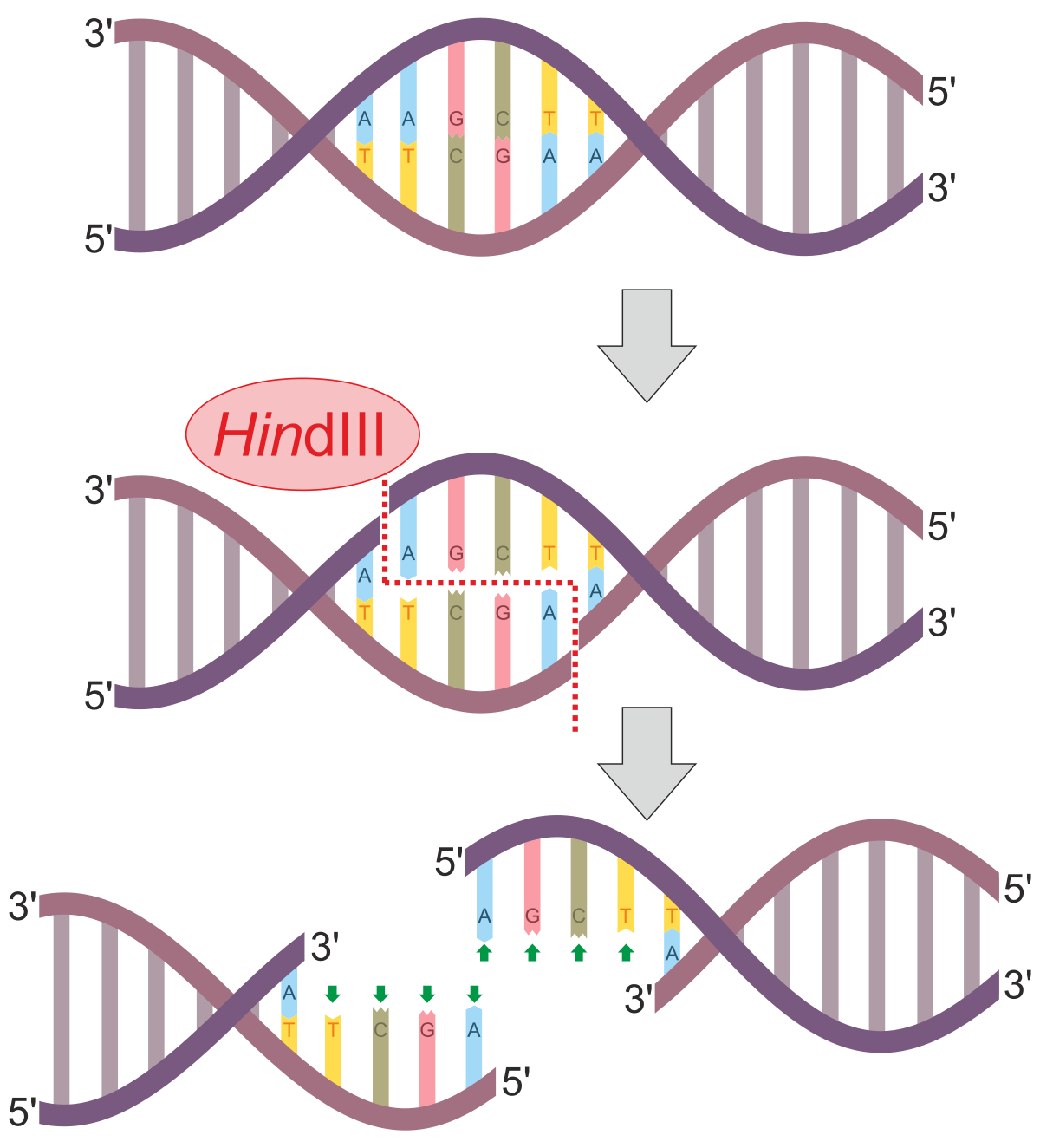
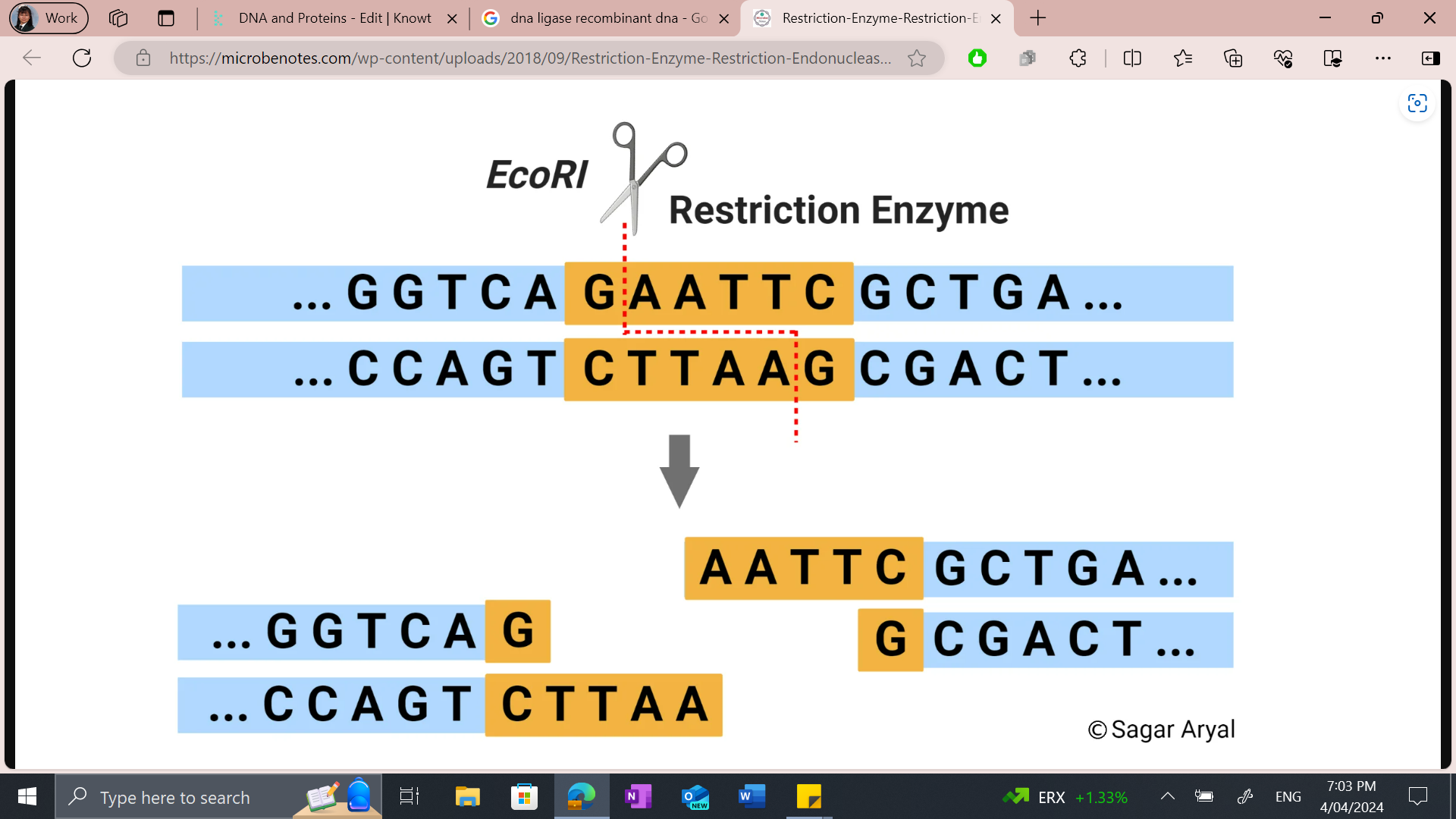
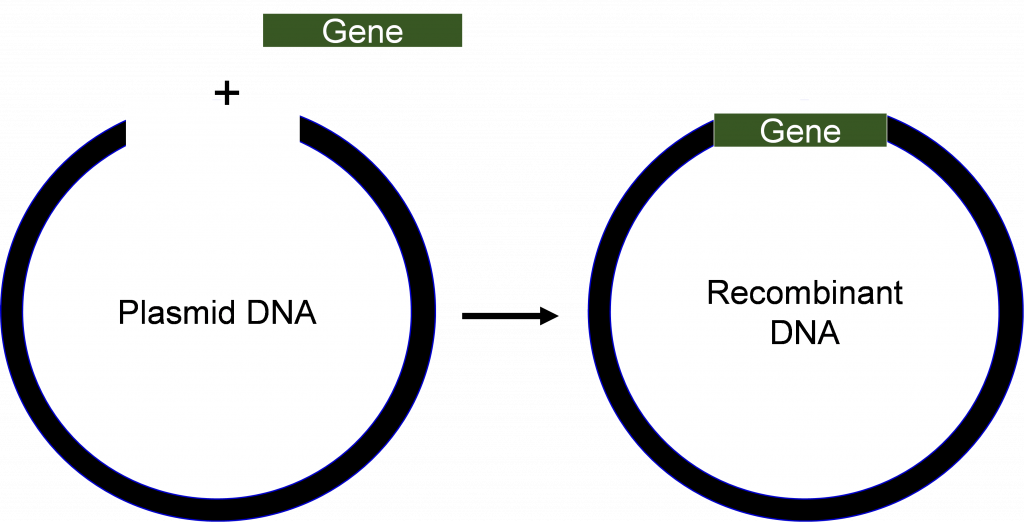
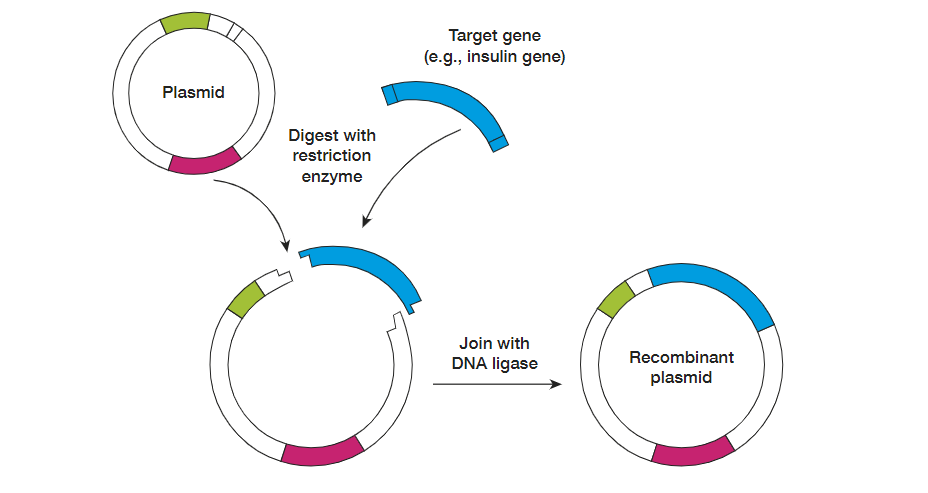
What are restriction enzymes used for in recombinant DNA?
It can cut DNA at a specific site which will leave a gap in the sequence.
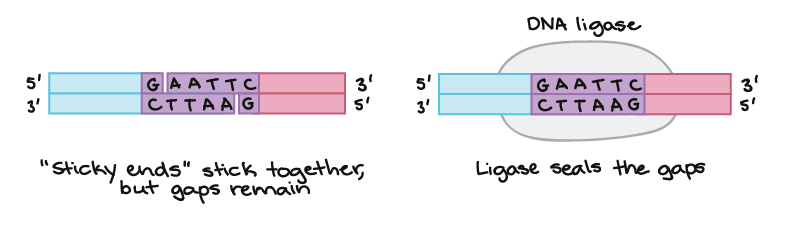
What is ligase used for in recombinant DNA?
It will glue the two fragments of DNA (one from host and donor) together at the ‘sticky ends’
Recombinant DNA
An artificially made DNA strand made up of two or more DNA fragments from different sources.
How is DNA profiling used in forensics?
It is used to convict criminals, to eliminate suspects, solve cold cases, and reduce chances of wrongful conviction through comparing individual’s DNA profiles aka genetic makeup.
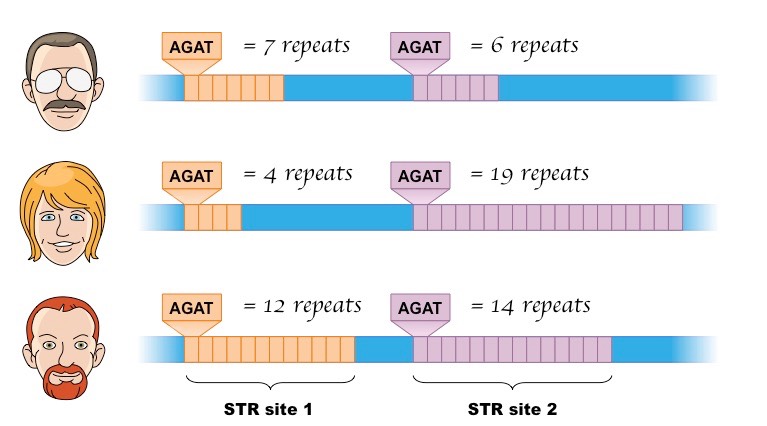
What is the difference between Variable Number Tandem Repeats (VNTR) and Short Tandem Repeats (STR)?
Although both are repeated sequences, VNTR contains approximately ten to eighty bases per allele where STR contains approximately two to six bases per allele.
Genetic Engineering (modification)
A biotechnology process of moving genes from one organism to another or altering genes from an original organism.
What are the common six genetic engineering processes?
DNA Cloning
Bacterial Transformation
Microinjection
Electroporation
CRISPR
Gene Therapy
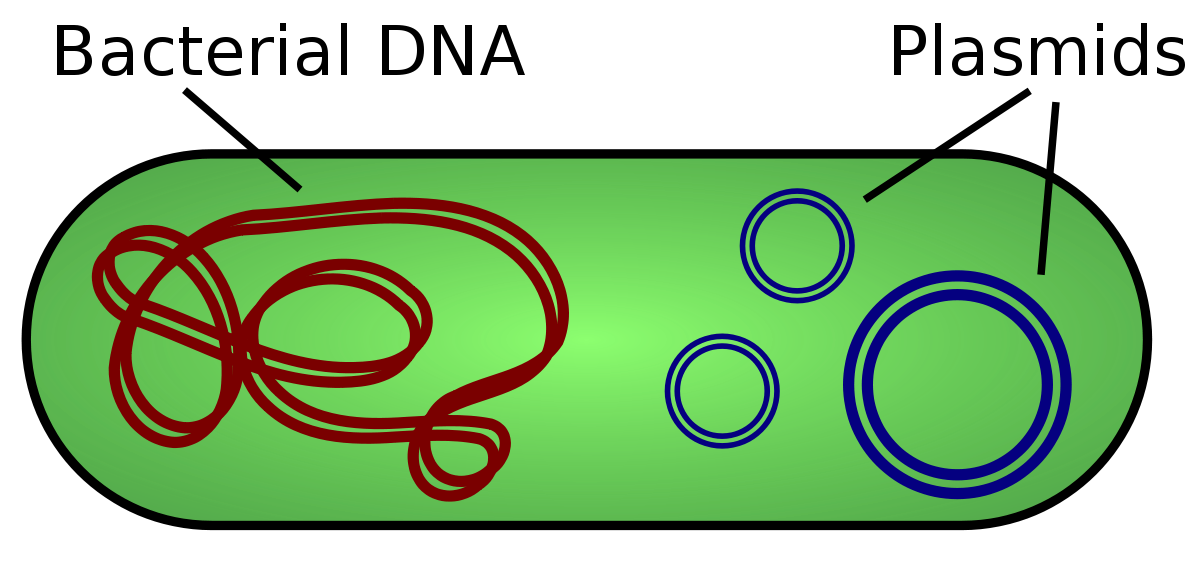
Plasmid
A small circular piece of DNA found in bacteria.
DNA Cloning
A genetic engineering process where DNA is extracted from a target cell containing gene of interest into a plasmid.
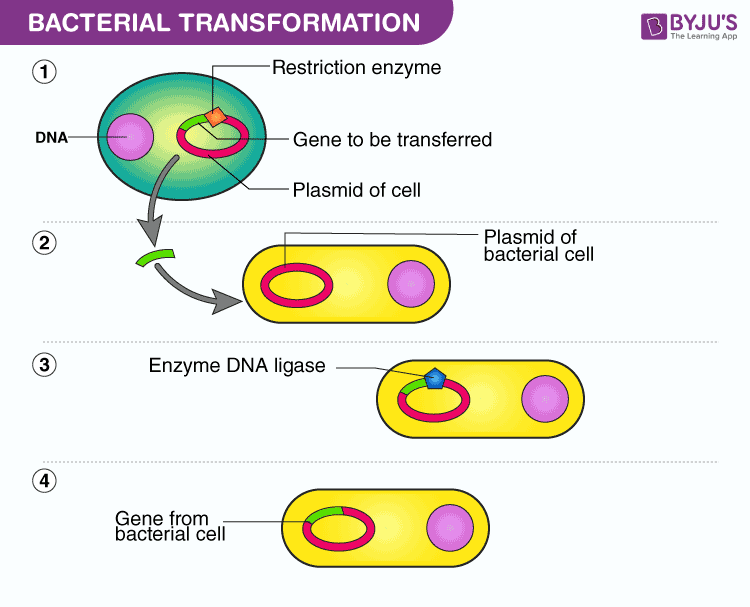
Bacterial Transformation
A genetic engineering process where a bacteria can produce multiple copies of recombinant DNA to make proteins.
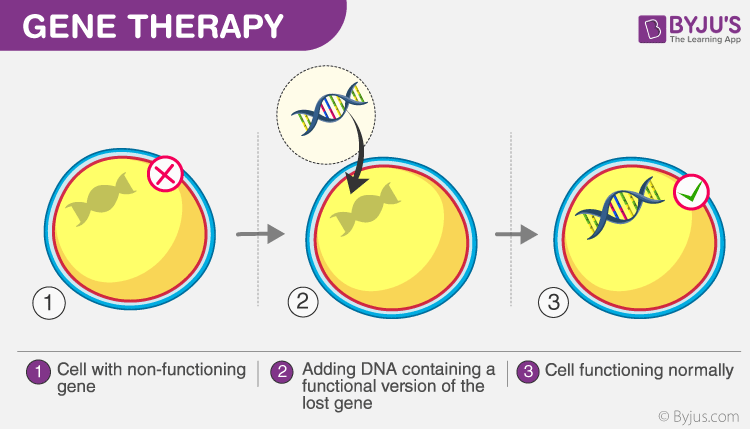
Gene Therapy
A genetic engineering process where viral vectors are used to deliver a working copy of a gene with a non-working copy.
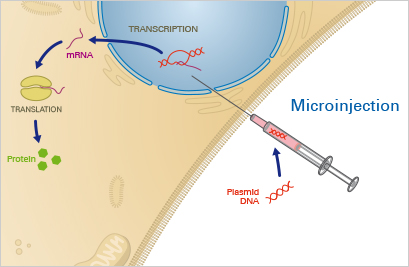
Microinjection
A genetic engineering process where a very fine needle is used to directly insert DNA into single cells, especially the pronucleus of a fertilized embryo.
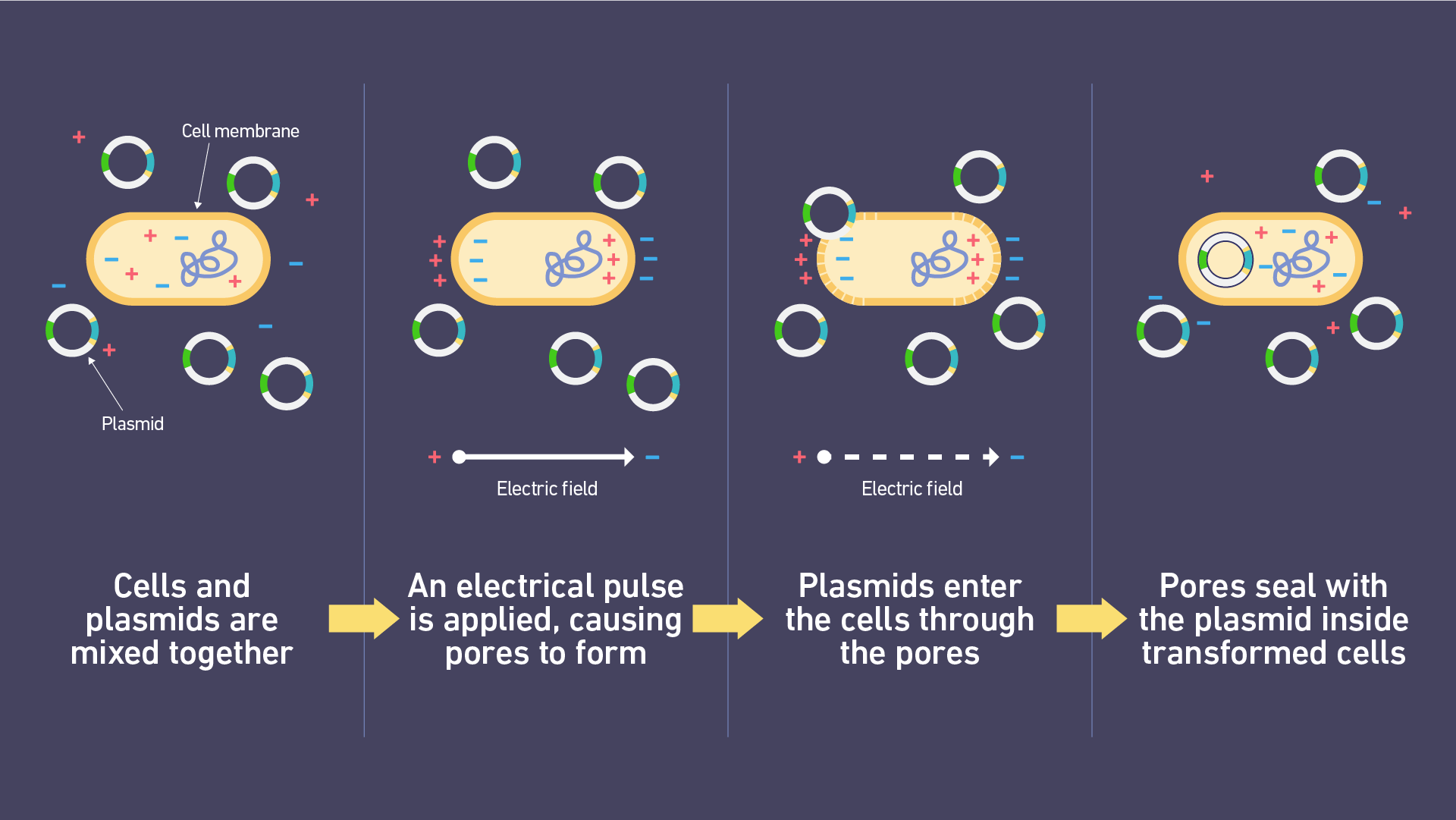
Electroporation
A genetic engineering process where an electrical pulse is used to create temporary pores in the cell membrane, allowing a target gene to enter the cell.
CRISPR (Clustered Regularly Interspaced Short Palindromic Repeats)
A modern genetic engineering process which allows scientists to edit genomes, removing and/or replacing genes.
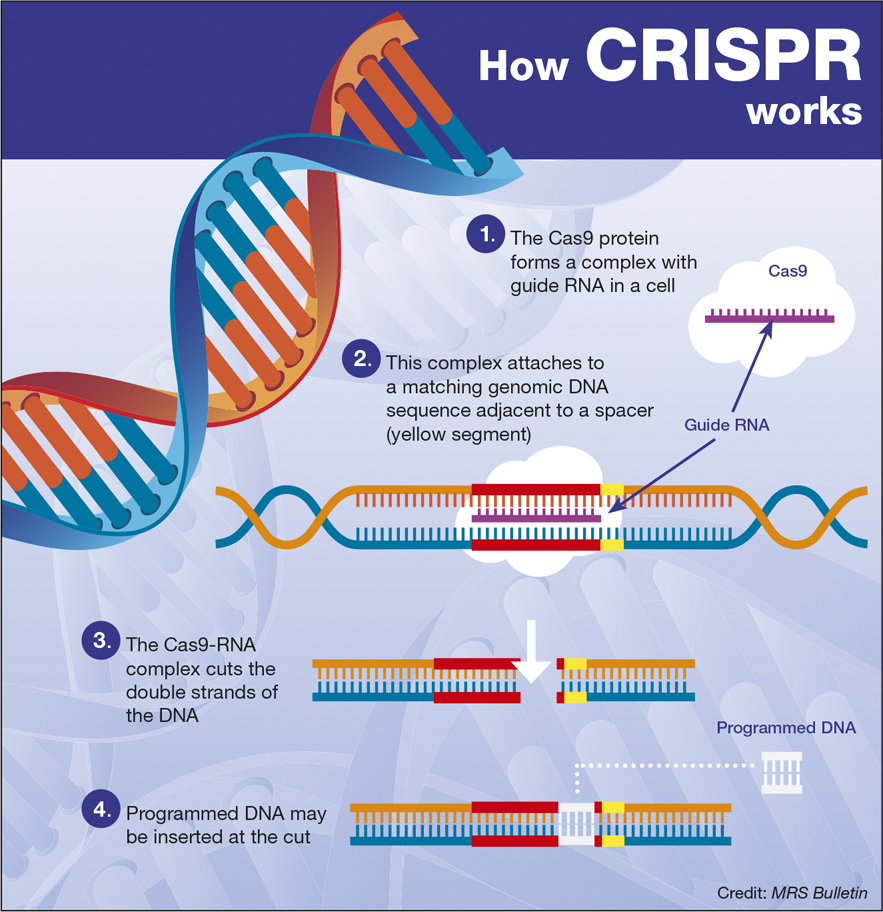
Why do scientists use CRISPR?
Inspired by the bacterium defence system, scientists use CRISPR to edit the genome of an organism for desired effects like cutting out a specific mutation to cure genetic diseases or add specific genes to express a new trait.