Spain: Military History and Notable Events
 Call Kai
 Learn
Learn Practice Test
 Spaced Repetition
 Match
Match Flashcards
 Knowt Play
1/135

There's no tags or description
Looks like no tags are added yet.
Name | Mastery | Learn | Test | Matching | Spaced | Call with Kai | Chat |
|---|
No analytics yet
Send a link to your students to track their progress
136 Terms
1478 - 1834 - Spanish Inquisition (All Facts)
It begun under the reign of King Ferdinand and Queen Isabella of Spain, with reluctant permission from Pope Sixtus IV, who regarded it as a breach of Church privilege
Spain’s Catholic kings obtained Pope Sixtus IV’s consent to appoint the namesake members of the namesake institution
Although it was set up by order of the Pope, it was mainly responsible to the Spanish crown
Although its first Inquisitor General was a Dominican Friar, it gradually became run by Catholic lawyers rather than monks
It persecuted converted Jews and Muslims as well as Catholic intellectuals like St. Ignatius Loyola
Its main target was conversos, thousands of which were arrested, imprisoned, burnt at the stake, and sometimes tortured to extract confessions that they were still practicing their old faith
They were encouraged to betray their friends and family
It denounced the Jews as blasphemers and usurers, and encouraged every form of intolerance towards them
It acquired a fiercesome reputation for the cruel persecution of “deviants” in general and Jews in particular
In Seville and Barcelona, many were being vigorously prosecuted
It spread to other cities in Aragon, despite local protests
Each instance of the namesake institution began with edicts offering people a chance to confess their errors and also to denounce others
Only one informer was necessary for anyone to be charge
When anyone was convicted, they were liable to be “relaxed” (burnt alive)
Institution in which most penitents / converts
suffered heavy fines
could not ride horses
could not bear arms
were forbidden to wear anything but the coarsest clothes
were sometimes forced to dress only in green, with cloth crosses on their clothes
In the first 20 years of the namesake institution,
several thousand people were thought to have been burnt at the stake
more than 500 people were “relaxed” (burnt alive)
more than 5,000 people were “reconciled” by their confessions
many were sentenced to march for six Fridays to the cathedral, whipping themselves in the streets
Around 100 years into the namesake institution,
only 3-4 people in the whole of Spain were executed by it, generally “Old Christians” who were neither Jewish nor Protestant but did not conform to prevailing views
For instance, people brought before the tribunal had been charged with witchcraft, marital misbehavior, and superstition
in rural areas it handed out minor sentences for trivial offenses like blaspheming while drunk or using love-potions to seduce the opposite sex
it was used to stamp out homosexuality
it was still a powerful force restricting what went into people’s minds as it had been effective as a censor
it jumped on and censored Juan de Mariana after he had published a work reminding Spain of the namesake institution’s cruel past
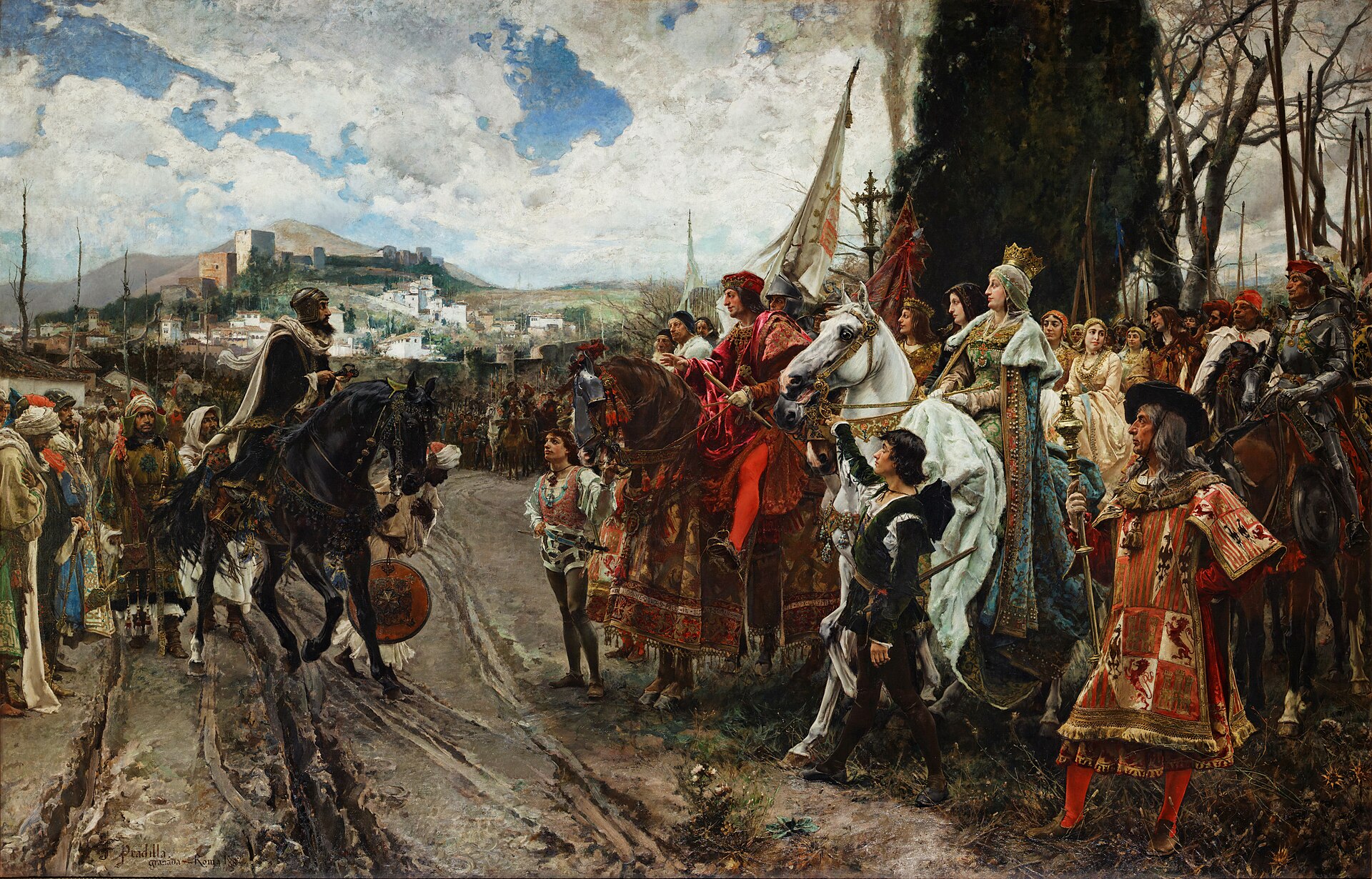
1482 - 1492 - Granada War (All Facts)
Conflict in which the namesake Andalusian (Muslim) state in then-unified Spain was defeated by King Ferdinand and Queen Isabella of Spain and their forces
Conflict which ended the Reconquista of Spain that began more than 700 years prior
Conflict after which the surrender of the namesake city was hailed by Christians as “the most signal and blessed day there had ever been in Spain whereas Muslims described it as one of the most terrible catastrophes to ever befall Islam
War directed by King Ferdinand and Queen Isabella of Spain, with months of continual skirmishing by the Christian armies eventually having worn down the beleaguered Muslims
Conflict after which the Christian victors were considered to have been extremely generous, virtually granting all the Muslims their petitions in which they allowed Muslims to
emigrate freely
keep all arms except firearms
continue to enjoy their own communal life and maintain their own judicial system and local officials
continue to enjoy their own religion, free of interference
Conflict after which bullfights were being held in celebration and people had rejoiced throughout Spain and in papal Rome while states such as Venice were sending more or less sincere congratulatory messages
1493 - Treaty of Barcelona (All Facts)
Treaty signed between King Ferdinand and Queen Isabella of Spain and King Charles VIII of France
Treaty in which King Charles VIII of France agreed to return Cerdagne and Roussillon to Spain
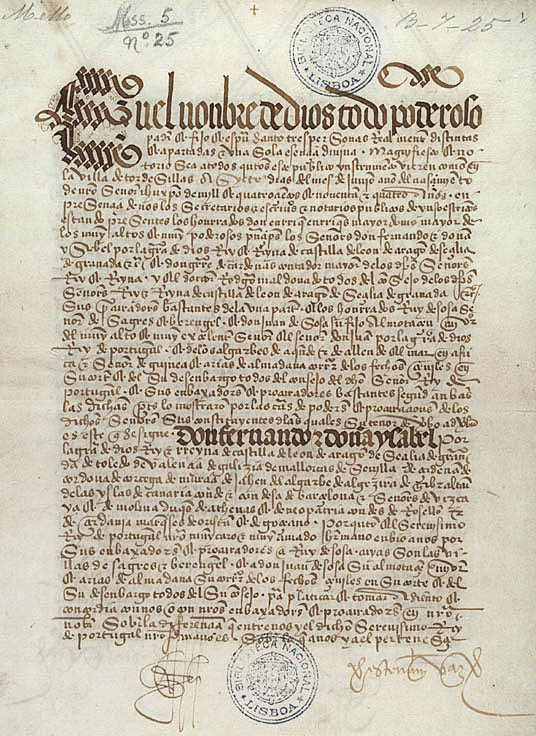
1494 - Treaty of Tordesillas (All Facts)
Treaty signed between King Ferdinand and Queen Isabela of Spain and King John II of Portugal
Treaty which
divided all the land explored on, discovered, owned, and/or controlled thus far by the two kingdoms; and any others that may be discovered in the future
divided the newly discovered lands outside Europe between the Kingdom of Portugal and the Kingdom of Spain, along a meridian west of the Cape Verde islands, off the west coast of Africa, a line of demarcation that was about halfway between Cape Verde (already Portuguese) and the islands visited by Christopher Columbus on his first voyage
divided the lands, with the lands east of the demarcation line belonging to Portugal, and west of the demarcation line belonging to Spain, thus, in hindsight, slightly favoring Spain
1494 - 1559 - Italian Wars (All Facts)
Series of conflicts between the Valois (France) and the Habsburgs (Spain and Holy Roman Empire) that began with the First Italian War and ended with the Ninth Italian War and mostly took place in (Northern) Italy
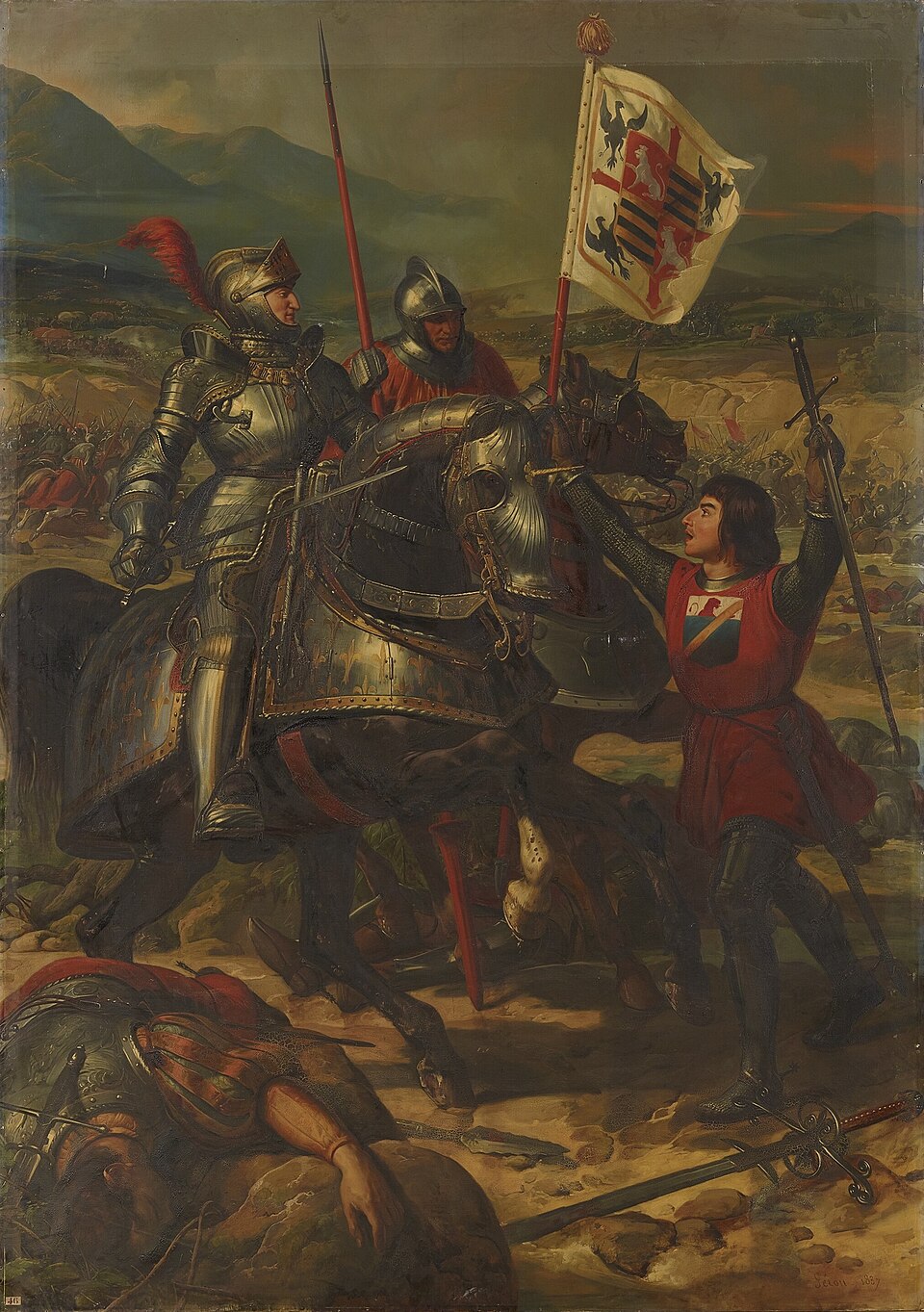
1494 - 1498 - First Italian War (All Facts)
Conflict in which the Habsburgs (Spain), with support from the Papacy and League of Venice, defeated the Valois (France)
Conflict that began with King Charles VIII of France’s invasion of the Kingdom of Naples
Conflict in which King Charles VIII and his army infected the Kingdom of Naples with the “French Pox” disease
Conflict in which King Charles VIII and his army was forced to retreat from Italy, thus halting French expansion and preventing France from securing a permanent foothold in the Kingdom of Naples
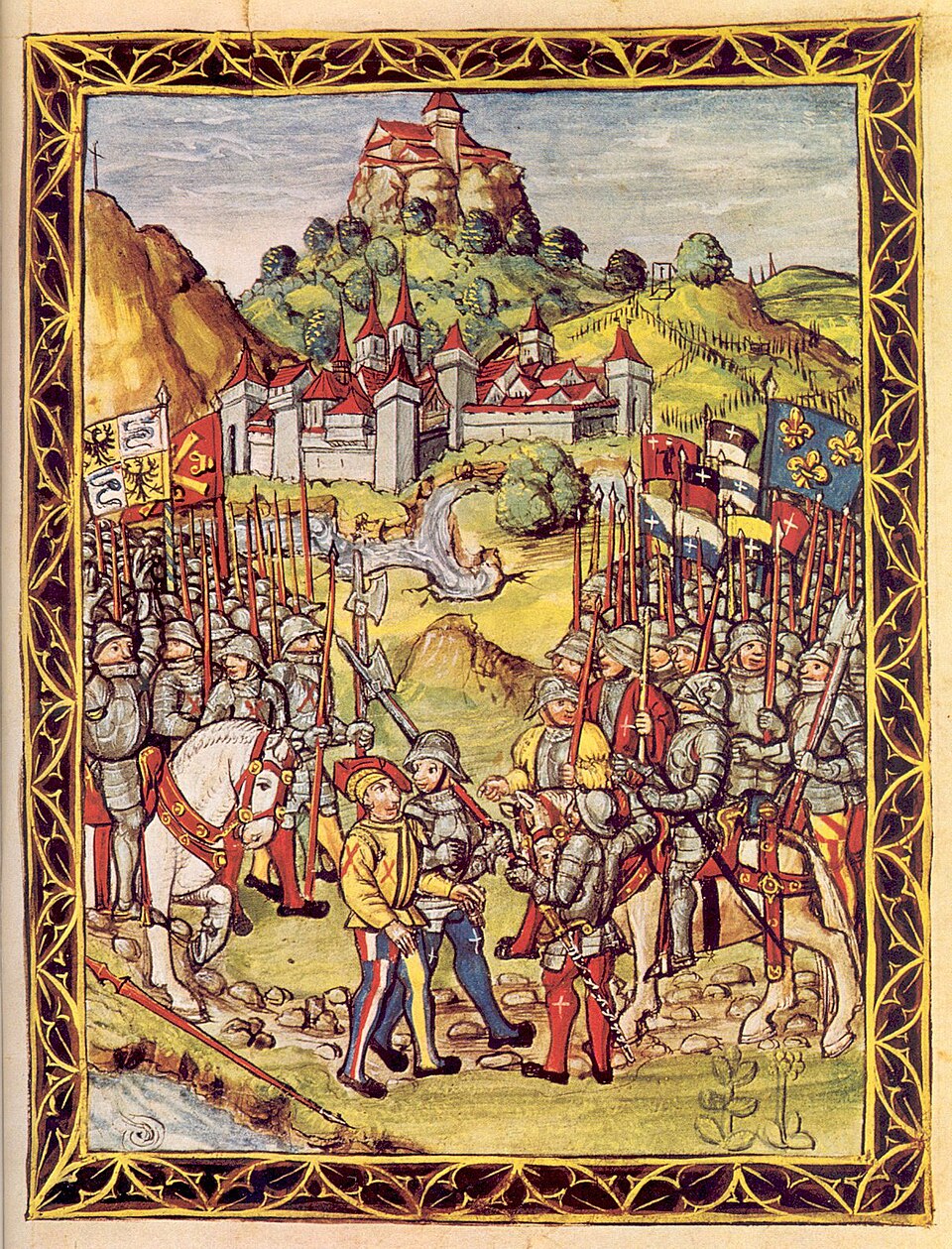
1499 - 1501 - Second Italian War (All Facts)
Conflict in which the Valois (France), with support from the Papacy, Venice, Florence, and Switzerland, defeated the Habsburgs (Spain)
Conflict in which King Louis XII of France, with the help of Gian Giacomo Trivulzio and his Italian forces, seized and conquered the Duchy of Milan
Conflict after which Ludovico Sforza fled from the Duchy of Milan
Conflict in which the Milanese rebelled against Gian Giacomo Trivulzio and his Italian forces and the French, thus Sforza returned and took advantage of the revolt and attacked the French back
He was eventually deserted by his troops, however, and handed over to the enemy and imprisoned by the French
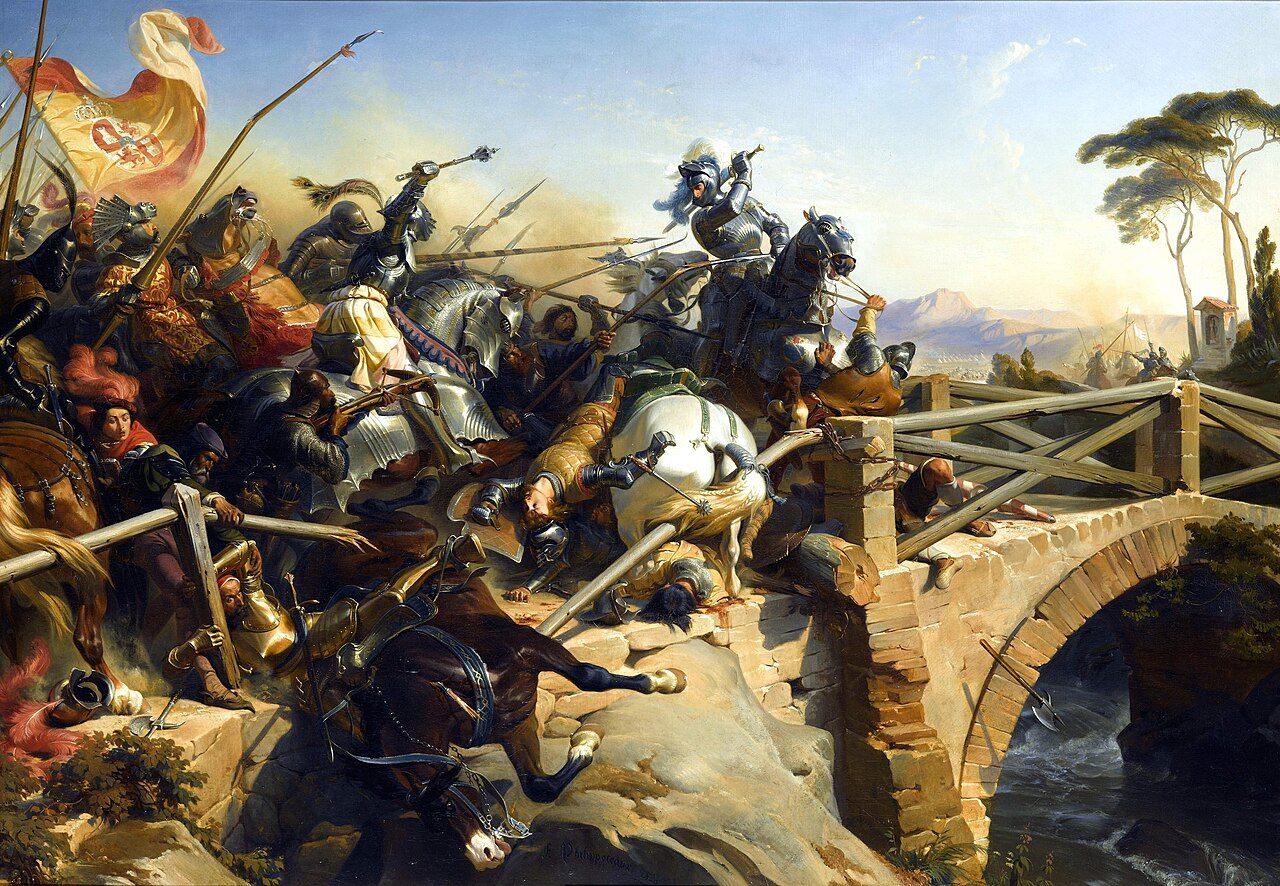
1502 - 1504 - Third Italian War (All Facts)
Conflict in which King Ferdinand and the Habsburgs (Spain) defeated the King Louis XII and the Valois (France)
Conflict in which King Ferdinand and the Habsburgs (Spain) took back the Kingdom of Naples from King Louis XII and France
1502 - 1697 - Spanish Conquest of the Maya (All Facts)
Prolonged campaign during which
the Spanish gained control of the Mayan region of Mexico (New Spain) after crushing a serious revolt by the Mayan people there
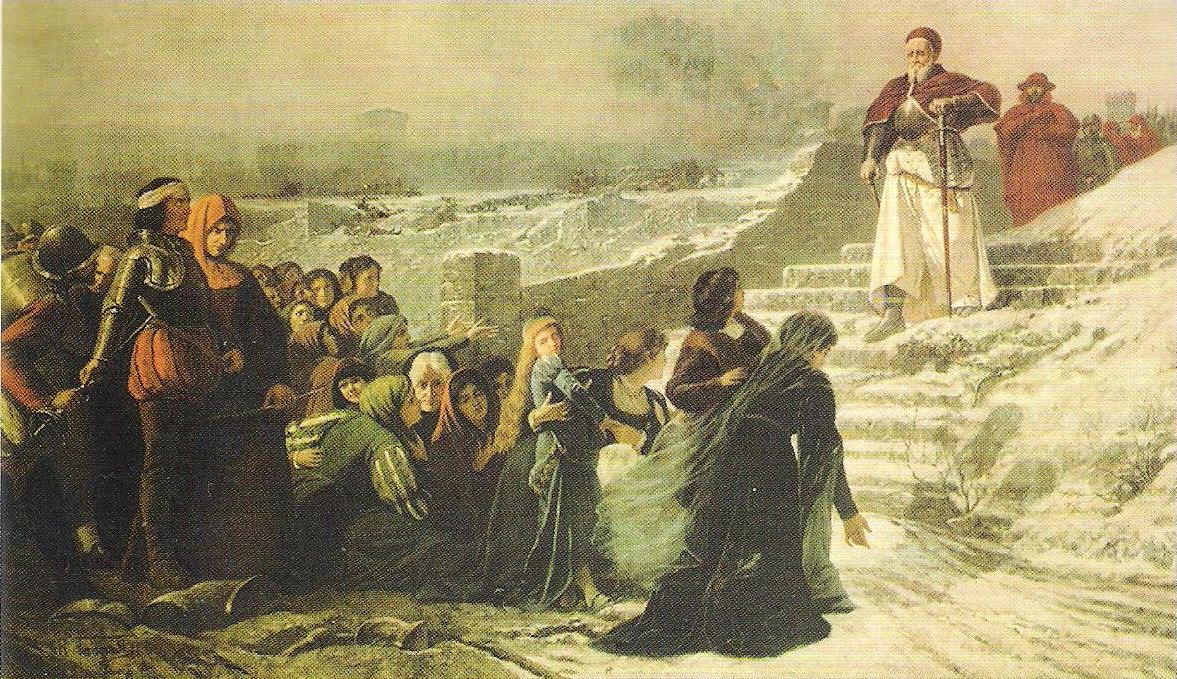
1508 - 1516 - Fourth Italian War / War of the League of Cambrai / War of the Holy League (All Facts)
Conflict in which the Valois (France) and Venice defeated the Habsburgs (Spain and the Holy Roman Empire) and England
Conflict in which the Valois (France) and Venice defeated the Habsburgs (Spain and the Holy Roman Empire) and England
Conflict which began when King Louis XII of France, Pope Julius II and the namesake league sought to punish the Republic of Venice for annexing papal provinces on the Adriatic Sea and thus attacked and defeated the Republic of Venice as a result in the Battle of Agnadello
Conflict in which Pope Julius II and the namesake league (including Venice, Spain, and Switzerland) then turned against France, whose foothold in northern Italy became too strong for the papacy and namesake league
Conflict in which Pope Julius II raised the cry to “clear the Barbarians out of Italy” (the French under King Louis XII), turning against the King of France after previously lifting the excommunication of Venice
Conflict which saw protracted war in Lombardy, the Romagna, and Veneto in northern Italy
Conflict in which King Francis of France secured the Duchy of Milan for the French
Conflict triggered by a Genoese revolt against French forces that had occupied the city
Conflict during which Matthäus Schiner dissuaded the Swiss (the Old Swiss Confederacy) from forming an alliance with the French against Pope Julius II
Conflict which saw the following battles take place including
Battle of Agnadello
Siege of Mirandola
Battle of Ravenna
Battle of the Spurs
Siege of Tournai
Battle of Novara
Battle of Marignano
Conflict which ended with
The Treaty of Fribourg
The Concordant of Bologna
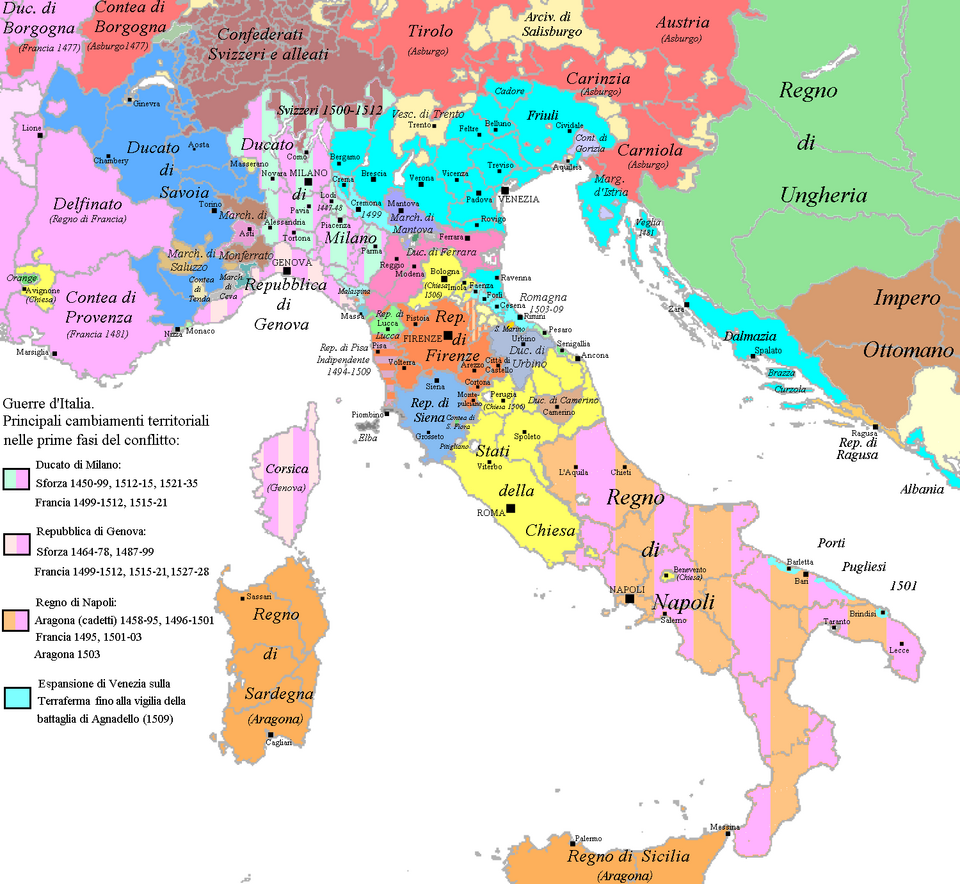
1508 - 1511 - League of Cambrai (All Facts)
(Temporary, short-lived) Military Alliance between King Louis XII of France, Maximilian of the Holy Roman Empire, Pope Julius II and the Papacy, and King Ferdinand of Spain aimed at conquering the Republic of Venice and its Italian possessions that initiated the Fourth Italian War / namesake War
Alliance which was the brainchild of Pope Julius II, ostensibly set up as a “Holy League” against the Ottoman Turks
The pope’s more immediate use for the league was to recover for the papacy the towns of the Romagna region under Venetian rule
However, the French gained too strong a foothold in northern Italy; and the namesake league eventually turned against France during the Fourth Italian War / namesake War
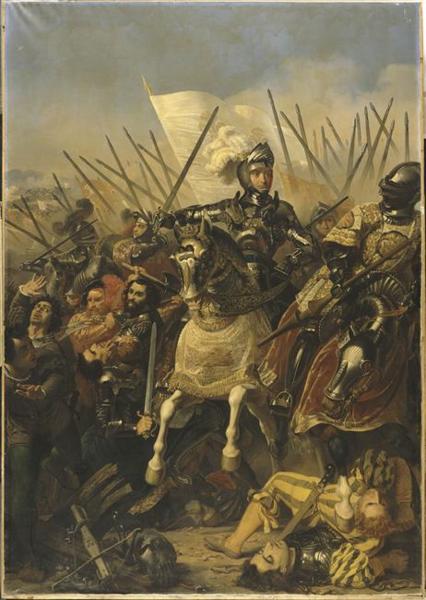
1509 - Battle of Agnadello (All Facts)
Battle in which Louis XII and his French forces, with support from France’s allies in the League of Cambrai (the Holy Roman Empire, the Papacy, and Spain) defeated the Republic of Venice during the Fourth Italian War / War of the League of Cambrai
Battle which allowed Pope Julius II to reoccupy the Romagna
Venice would eventually ally with France in the Fourth Italian War / War of the League of Cambrai
Battle which gave France a much stronger foothold in northern Italy
Battle after which the League of Cambrai turned against France, recognizing how strong it was becoming in the region of northern Italy
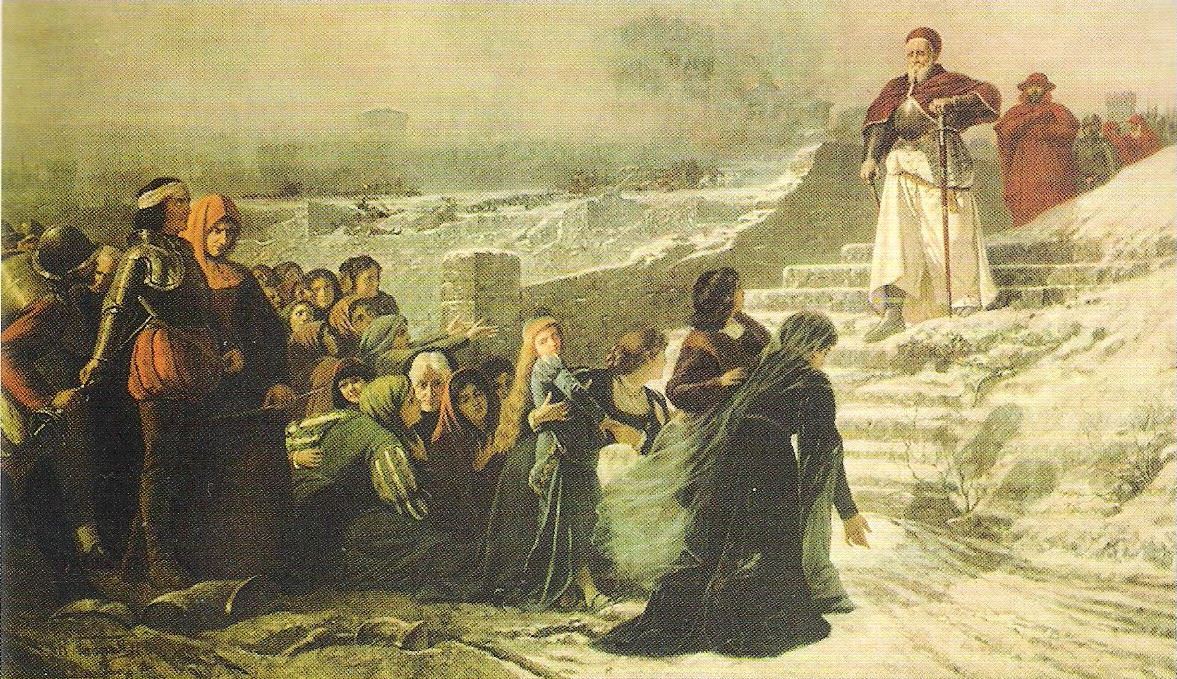
1511 - Siege of Mirandola (All Facts)
Battle in which Pope Julius II and his forces, with help from the Habsburgs (Spain) and the Republic of Venice, defeated France during the Fourth Italian War / War of the League of Cambrai
Battle that was part of Pope Julius II's campaign to keep France from dominating northern Italy during the Fourth Italian War / War of the League of Cambrai
1512 - 1529 - Conquest of Navarre (All Facts)
War begun by King Ferdinand and completed by King Charles
War which begun when Pope Julius II declared the Holy League of Cambrai against France, and Navarre attempted to remain neutral
Ferdinand used this as an excuse to attack Navarre
War in which the namesake kingdom was fully conquered by the end of the reign of King Charles
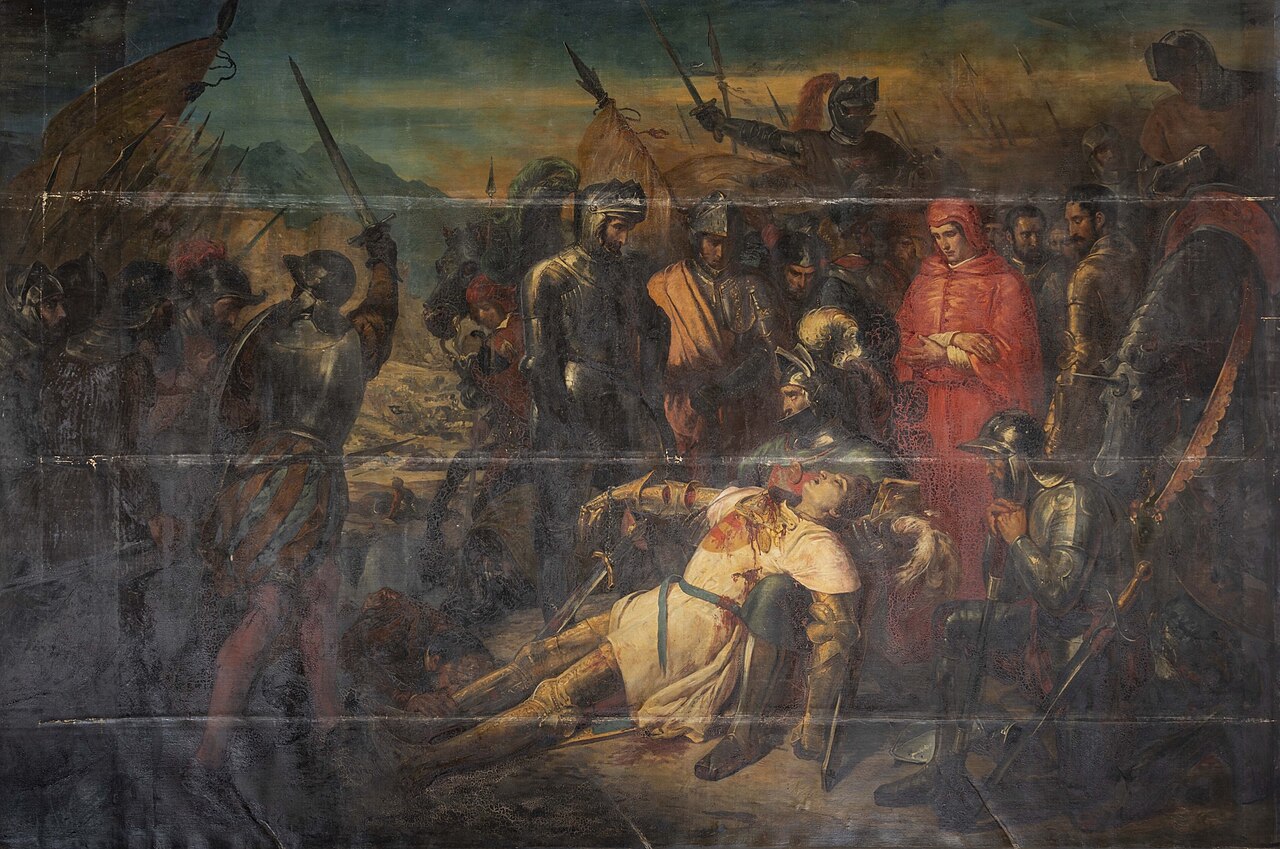
1512 - Battle of Ravenna (All Facts)
Battle in which France defeated Spain and the League of Cambrai / Holy League during the Fourth Italian War
Battle in which honors were declared even
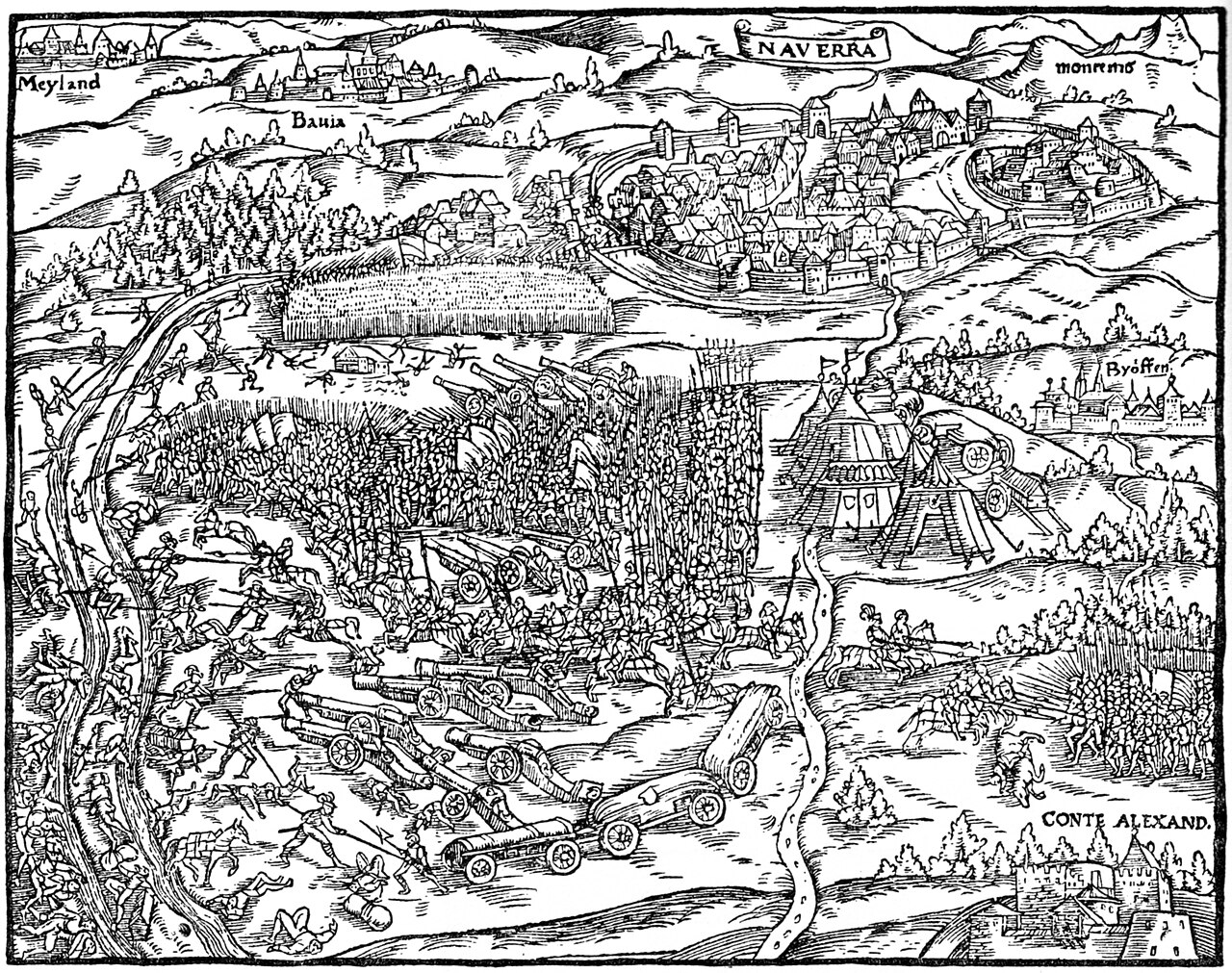
1513 - Battle of Novara (All Facts)
Battle in which Milan, with help from Pope Leo X and his Holy League, along with Cardinal Matthäus Schiner and his Swiss forces, defeated France and the Republic of Venice during the Fourth Italian War / War of the League of Cambrai
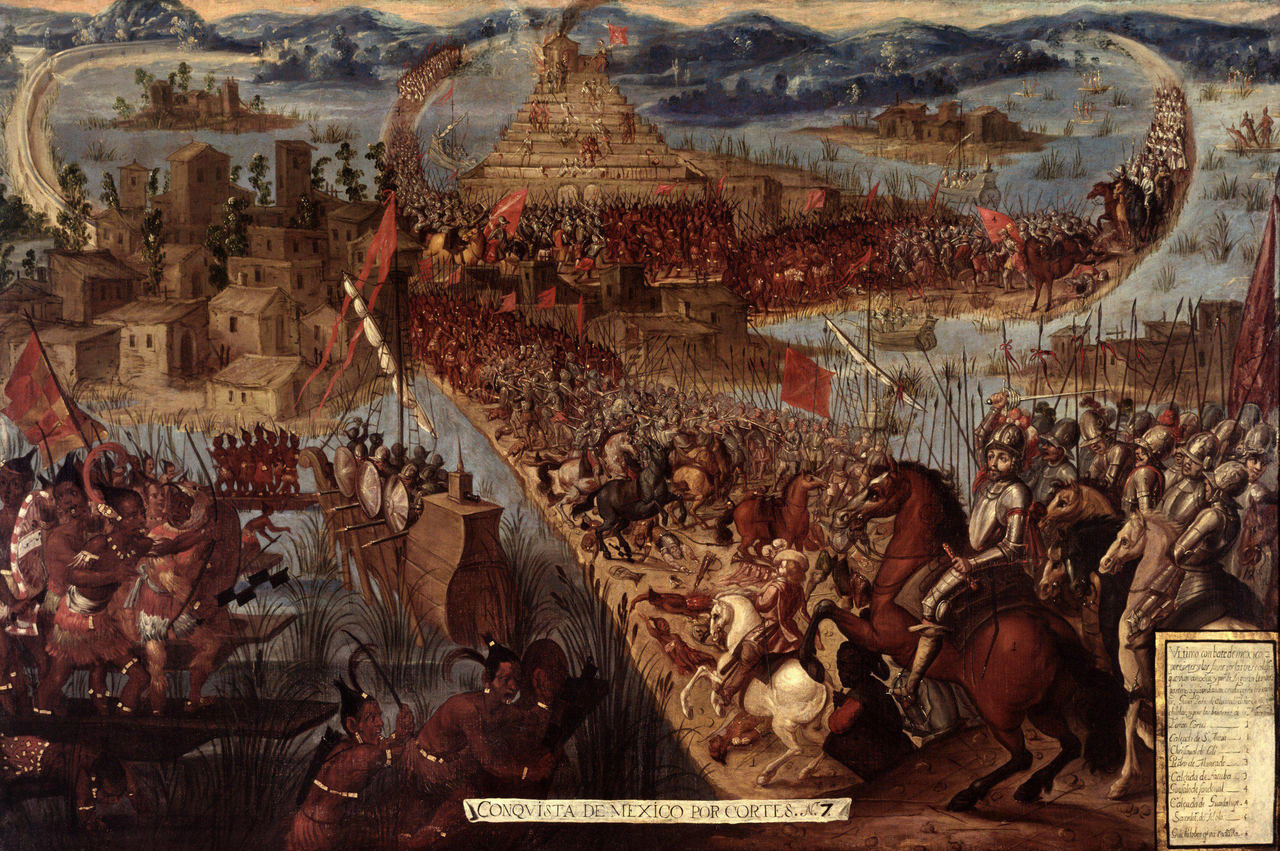
1519 - 1521 - Conquest of the Aztec Empire (All Facts)
Campaign of military conquest to conquer the lands that became Mexico (New Spain) led by Hernan Cortes
Campaign in which Hernan Cortes
first landed at Veracruz (modern-day Mexico) with over 500 Spanish troops in search of gold
made sure there would be no retreat and ordered his 700 men to burn the Aztec ships before marching inland to the high plateau of Mexico and Tenochtitlan
then marched on Tenochtitlan which Moctezuma II and the Aztecs surrendered without a fight
found Tenochtitlan to be a “well organized and most orderly” center where 60K people traded goods daily
returned Moctezuma II’s messengers fitted with clothes for a god sent to him with a terrifying show of firepower
took prisoners in a skirmish at Tabasco, including a beautiful female slave named Marina / La Malinche
burned a steady and bloody road uphill with armor, crossbows, firearms, cannons, and horses (all unknown to the Aztecs)
committed the Massacre at Cholula
was supported by tribes long suppressed by the Aztecs that flocked to him
led Moctezuma II away after he and Moctezuma had met in Tenochtitlan, where, since, the arrival of his expeditionary force, Moctezuma II was not seen since; and thus, nine months of bloody conquest was over
When Pedro de Alvarado and Cortes’s Spanish expeditionary forces had told Aztecs to go to a temple courtyard for a religious festival, they massacred them all soon after without warning
This unleashed general warfare in which the Aztecs, armed with bows, had besieged their own capital and cut off the freshwater for it
Campaign in which Cuauhtémoc, Moctezuma II’s successor, drove back Cortes and his forces from Tenochtitlan; where they retreated to Tlaxcala
Campaign in which Tenochtitlan was besieged by Cortes and his forces a second time
Cortes returned to Mexico, after being away for some time, with official Spanish blessing
Since the siege of Tenochtitlan, Moctezuma II died in captivity and Cortes returned to lift the siege
This time, however, there was tougher resistance from the Aztecs, who exchanged formal war procedures for guerrilla tactics
This siege was fought in boats across lakes and canals, and ashore among city streets
As Cortes led his people out, they were ambushed and many were killed
On their way out to the coast they wiped out another Aztec village and left an epidemic of smallpox
Campaign in which Aztecs beheaded Spanish prisoners and Spanish horses, displaying the heads of both on the same racks
Campaign in which Tenochtitlan was deprived of drinking water and were forced to surrender their capital a second time to Cortes and his men
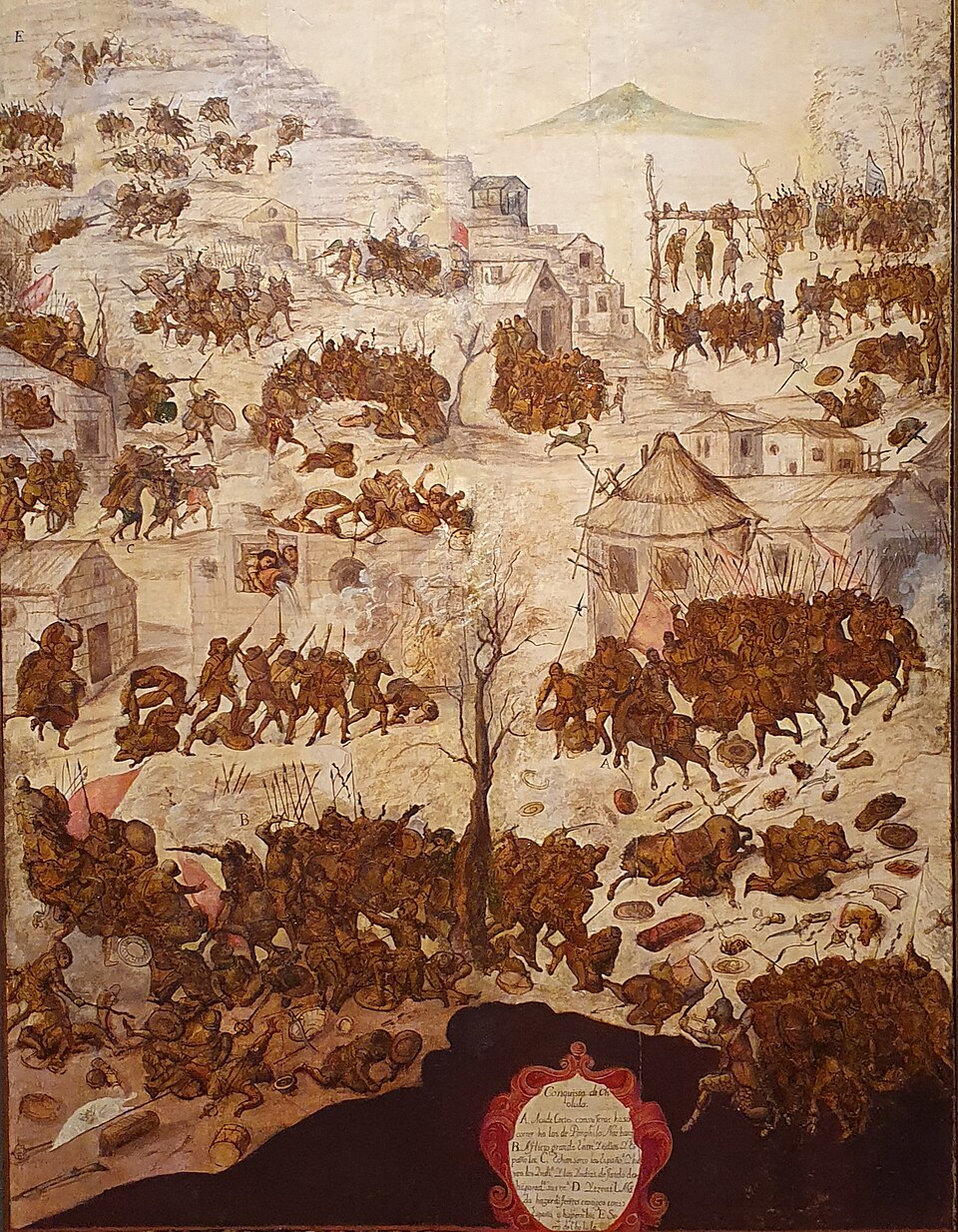
1519 - Cholula Massacre (All Facts)
Massacre of the namesake Aztec city and its 6K inhabitants in less than 2 hours by Hernan Cortes and his Spanish expeditionary forces during the Spanish Conquest of the Aztec Empire
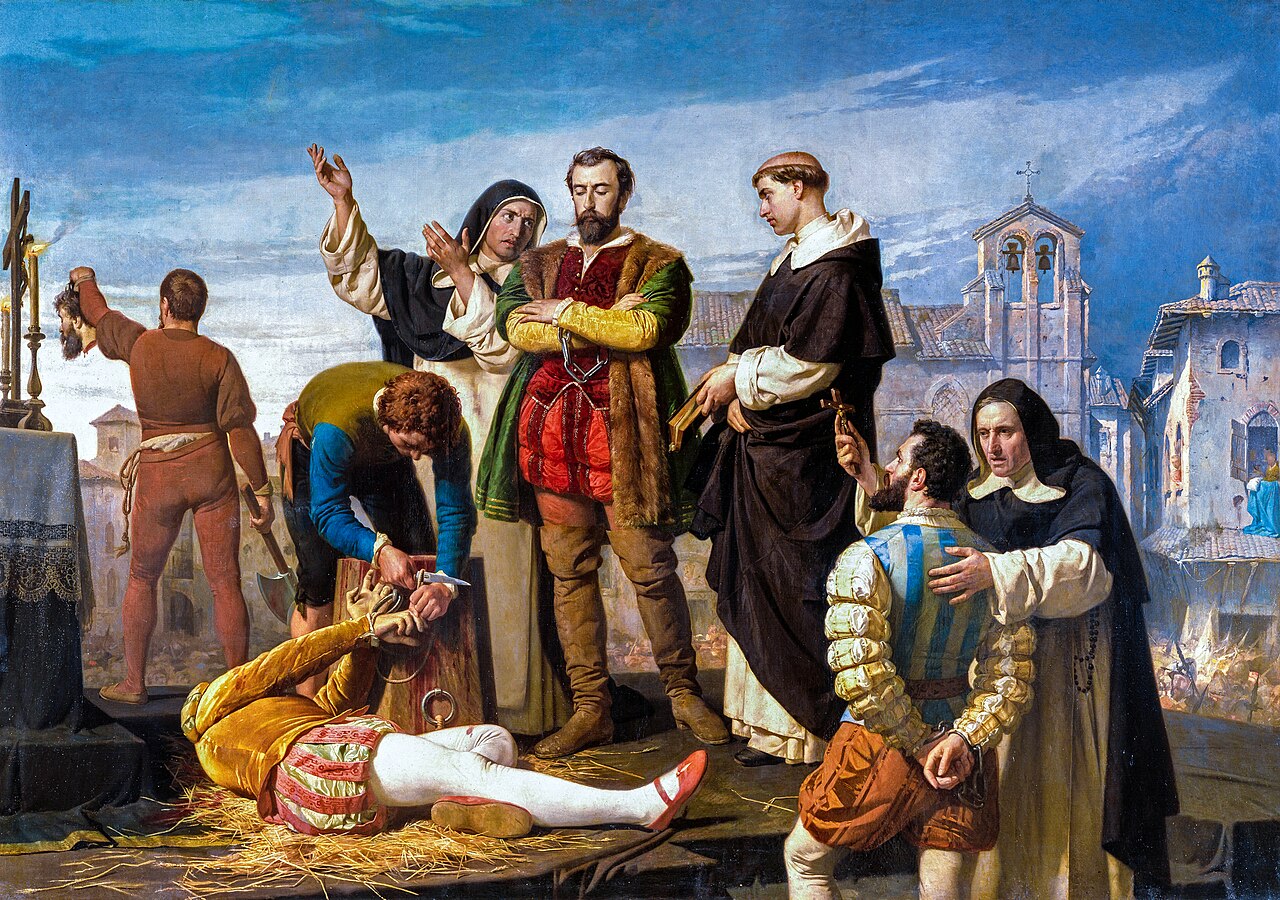
1520 - 1521 - Revolt of the Comuneros (All Facts)
Revolt of the namesake cities of the (former) Kingdom of Castile in the Kingdom of Spain against the Flemish administration of (the new) King Charles led by Juan de Padilla
Revolt prompted by King Charles’ having left Spain after bring crowned there as king to go to be crowned Holy Roman Emperor
Revolt in which the Castilian rebels protested against
high taxes
top jobs going to King Charles’ foreign advisors
Revolt in which the Castilian rebels appeared to have temporary control over all of Spain, with the revolt spreading to Catalonia and Andalucia
However, their “junta” collapsed after a split between rebel leaders
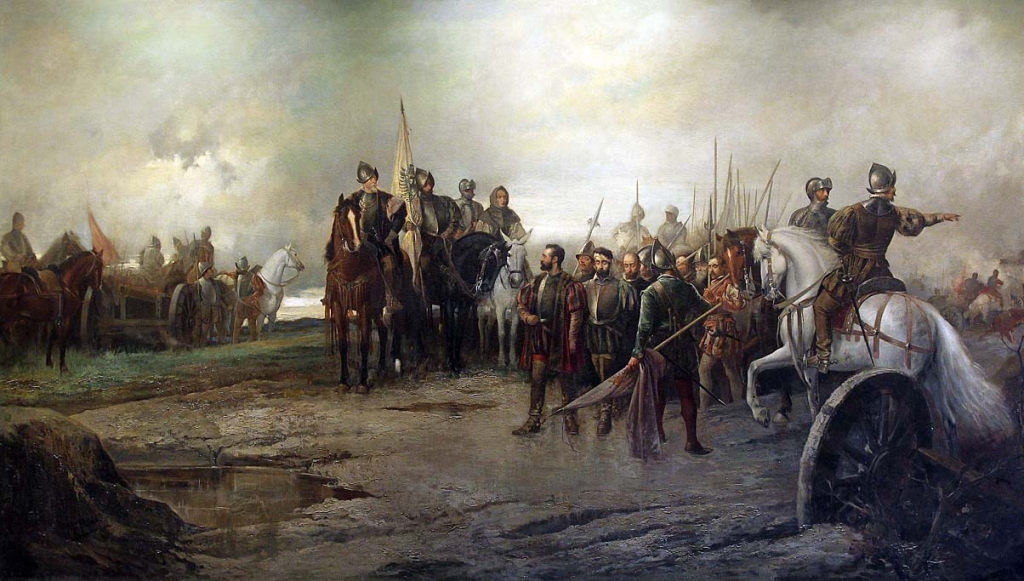
1521 - Battle of Villalar (All Facts)
Battle in which King Charles’s Royalist forces defeated Juan de Padilla and his Comuneros forces, ending the Revolt of the Comuneros
Battle after which Juan de Padilla was executed
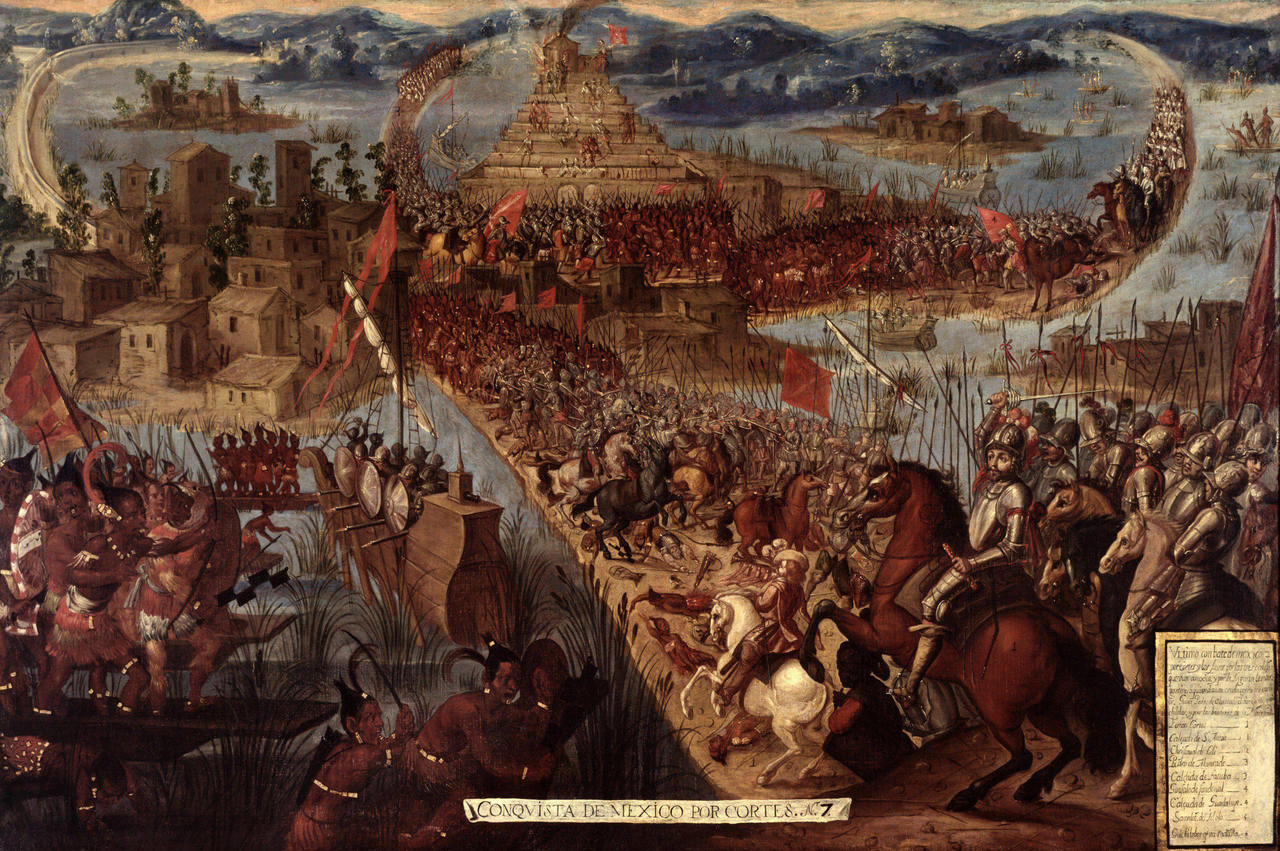
1521 - Fall of Tenochtitlan (All Facts)
Battle in which Hernan Cortes and his Tlaxcalan forces defeated and set fire to the namesake Aztec capital city during the Spanish Conquest of the Aztec Empire
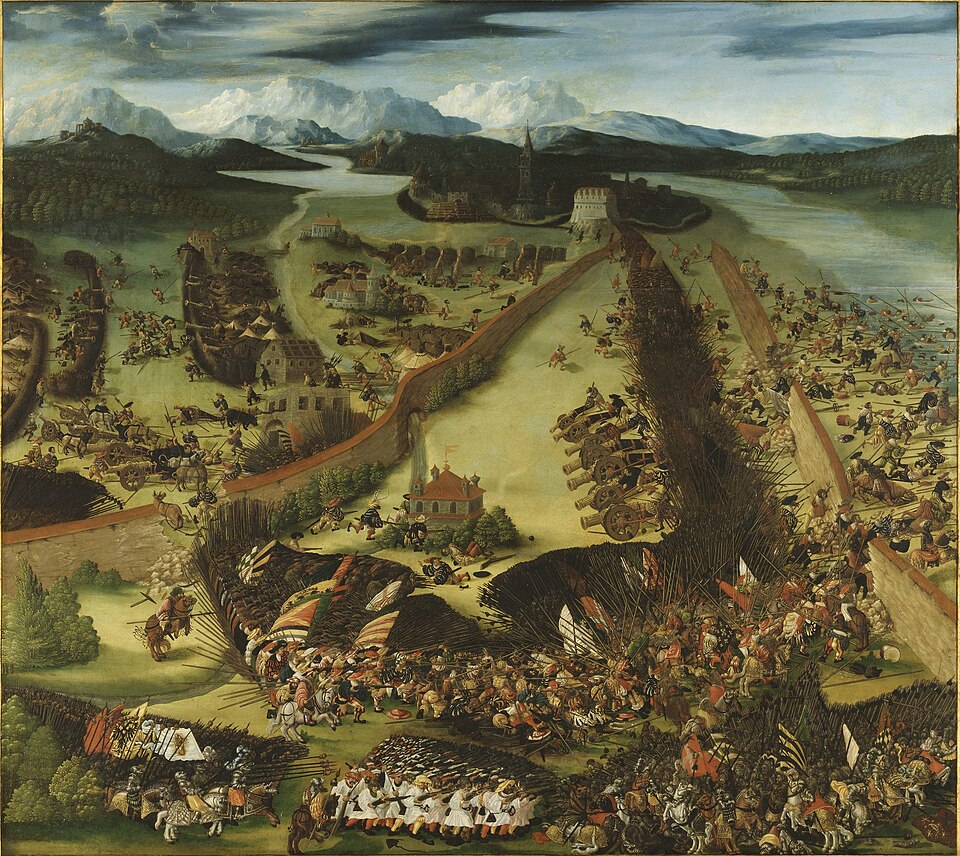
1521 - 1526 - Fifth Italian War / Four Years’ War (All Facts)
Conflict in which Charles V and the Habsburgs (the Holy Roman Empire and Spain) defeated King Francis and the Valois (France)
Conflict upon which King Francis of France lost his war with Holy Roman Emperor Charles V for supremacy in Europe
Conflict which saw the
Holy Roman Empire’s invasion of Champagne
Battle of Bicocca
Siege of Marseilles
Battle of Pavia
Conflict which saw
a modernization of European military forces, especially with regards to new arms (guns), defenses (Bastion Fort), and tactics / strategies
new tactics being developed for mounted troops using new carbines (arquebus) and horse pistols, which became the masters of the battlefield, replacing and eventually contributing to the elimination of armored cavalry and knights in armor
the implementation of the Bastion / Star Fort (“trace italienne;” a circuit of low, thick walls punctuated by square bastions), which
replaced the high and thin walls of the Middle Ages as new defenses
were designed to absorb the punishment of the heavy siege guns which were a part of every successful army by that time
changed the entire pattern of warfare because the cities protected by them could no longer be taken by traditional methods of blowing a hole in the walls and pouring infantry through the breach and instead forced towns to be encircled by siege-works and batteries and starved and frightened into submission
essentially made warfare more a matter of engineering and logistics
the advent of the gun bring about great changes at sea since
ships no longer rammed and boarded each other, but pounded each other with formidable arrays of guns firing through ports in ships’ sides
gunships eventually set the pattern which all maritime nations must have followed if they wanted to avoid facing inevitable defeat
Conflict which ended with the Treaty of Madrid
1522 - Battle of Bicocca (All Facts)
Battle in which the Habsburgs (Spain and the Holy Roman Empire), supported by the Papacy and the Duchy of Milan, defeated the Valois (France), supported by the Republic of Venice and Switzerland, during the Fifth Italian War / Four Years’ War
Battle after which the imperial army of the Holy Roman Empire occupied the Republic of Genoa, where a doge who supported Holy Roman Emperor Charles V was appointed
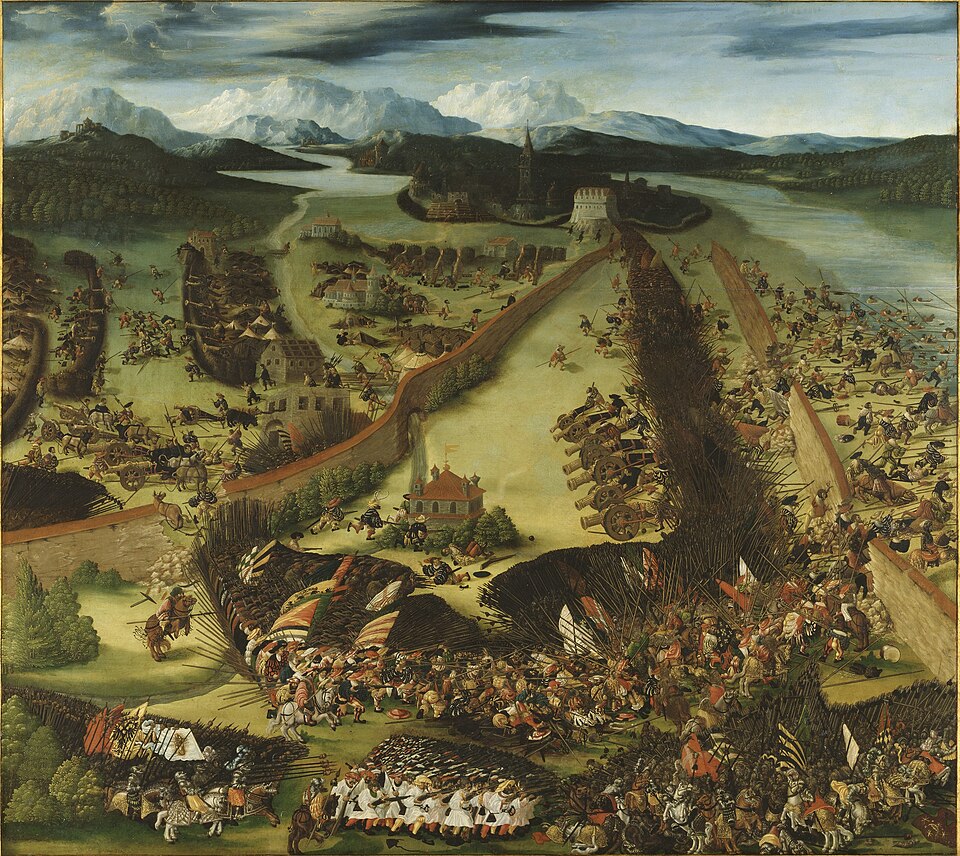
1525 - Battle of Pavia (All Facts)
Battle in which the Habsburgs (Spain and the Holy Roman Empire) defeated King Francis and the Valois (France) during the Fifth Italian War / Four Years’ War
Battle which took place in Lombardy in Italy
Battle before which
Pope Clement VII tried and failed to mediate between its two parties and battle was joined before first light in the morning
Battle which began when
King Francis of France decided to lay siege to the namesake city; with an army of French and Italian infantry, German and Swiss mercenaries, and a strong train of artillery
Battle during which
the siege initially went well; the French guns having broke down the defenses and King Francis’s regiments having stormed into the breaches
Antonio de Levya, the Spanish governor of the namesake town, had built new fortifications inside the walls, making it so that the French were routed by the namesake town’s defenders
the French forces retreated to mount a classic siege throughout the winter
King Francis, reinforced by Venetian troops, became sure of victory as the namesake town ran short of food and ammunition
the imperial forces of the Holy Roman Empire had been gathering at the town of Lodi, near the namesake, and had had marched on the namesake earlier in the month catching King Francis between the anvil of the namesake and the hammer of the attacking imperial army
the French guns have King Francis and France the advantage at first, but, he eventually ordered his forced to cease fire, since he believed in chivalry rather than guns
King Francis led his knights in a disorganized charge without waiting for the infantry and in the shambles that ensued 6K Frenchmen died
Battle which ended when
King Francis of France had his horse shot from under him by an arquebus (a new type of gun at the time) and demounted, fought on foot, only to have his face blooded and his having surrendered his sword to the enemy
Battle after which
King Francis of France was held captive by Lannoy (the viceroy of the Kingdom of Naples)
King Francis of France essentially lost his war with Holy Roman Emperor Charles V for supremacy in Europe
King Francis of France was forced to sign a humiliating peace treaty with Holy Roman Emperor Charles V
1526 - Treaty of Madrid (All Facts)
Peace Treaty signed between King Francis of France (Valois) and Charles V of the Holy Roman Empire and Spain (Habsburgs), which ended the Fifth Italian War / Four Years’ War
Peace Treaty in which
Holy Roman Emperor Charles V agreed to
release King Francis of France from captivity
King Francis of France agreed to
abandon and concede Burgundy to the Holy Roman Empire
give up claims to Flanders, Artois, Tournai, and all of Italy
pardon the rebel Charles of Bourbon
Peace Treaty which was declared null and void by King Francis of France following his release from captivity

1526 - 1530 - Sixth Italian War / War of the League of Cognac (All Facts)
Conflict in which Holy Roman Emperor Charles V and the Habsburgs (the Holy Roman Empire and Spain) defeated King Francis and the Valois (France), supported by the League of Cognac (England, Switzerland, and the Italian city-states of Florence, Venice, Milan, and Genoa)
Conflict which ended the Republic of Florence (it was no longer a republic after the namesake conflict)
Conflict during which the Papacy switched sides, initially supporting the League of Cognac, but then defecting to the Habsburgs
Conflict which saw
The Sack of Rome
Conflict which ended with
The Treaty of Cambrai / Ladies Peace / “Pax de Daimes”
1526 - 1529 - League of Cognac (All Facts)
Anti-Habsburg military alliance formed by France, Venice, Florence, and Milan; as well as England, Switzerland, and the Kingdom of Navarre within Spain to curb the overwhelming dominance of Charles V in Italy and the Holy Roman Empire, Spain, and Italian city-states that supported him
It was initially formed by the Papacy, but the Papacy, by the end of the namesake conflict / Sixth Italian War, switched to the side of Charles V and the Holy Roman Empire
1529 - Treaty of Cambrai / Ladies Peace / “Pax de Daimes” (All Facts)
Peace Treaty signed between Louise of Savoy (on behalf of King Francis of France) and Margaret of Austria (on behalf of Holy Roman Emperor Charles V) which ended the Sixth Italian War / War of the League of Cognac
Peace Treaty in which
King Francis of France
renounced all its rights in Italy, Flanders, and Artois
agreed to pay a ransom of two million crowns
Charles V of the Holy Roman Empire
renounced any claims to Burgundy
1529 - Treaty of Zaragoza (All Facts)
Treaty between King Charles of Spain and King John III of Portugal which confirmed the prior Treaty of Tordesillas, by which Spain and Portugal had divided up the New World
This relied on the confirmation given in the Badajoz Conference held prior
Treaty which fixed the dividing line between the Spanish and Portuguese in the Pacific Ocean 17 degrees easy of the Moluccas
Treaty in which the Portuguese regained control of the archipelago in return for paying compensation to King Charles of Spain
1529 - Treaty of Barcelona (All Facts)
Treaty between King Charles of Spain and Pope Clement VII of the Papacy, in which the two leaders settled their differences

1529 - 1533 - First Habsburg-Ottoman War (All Facts)
War in which Suleiman and his Ottoman forces defeated Ferdinand and the Habsburgs (Holy Roman Empire and Spain)
War which saw
The Siege of Vienna
The Siege of Kőszeg

1529 - Siege of Vienna (All Facts)
Battle in which the Holy Roman Empire and Spain and their combined forces (nearly) defeated Suleiman and his Ottoman forces in the Habsburg-Ottoman War
Battle before which the Imperial Holy Roman Diet assembled in Innsbruck and voted 120K Rhenish guilders for defense against the Ottoman forces
In addition, the Diet of Speyer had promised an army of 16K men and 4K cavalry, despite opposition of Philip of Hesse and other German Protestant Princes
Battle in which the Ottoman troops were first met by a garrison of seasoned veterans, and, wave after wave Suleiman and his forces were beaten back and made no significant breach into the city walls
Battle in which Suleiman and his Ottoman forces lost a month battling through heavy storms, building bridges across rivers, and leading his troops through treacherous terrain of streams and marshes
Battle in which bad weather and disease had been the crucial factors in preventing the Ottomans from gaining control of Austria, not Christian arms or strategies
Battle in which Suleiman and his forces lost horses and men from hunger and disease
Battle after which the Ottoman forces, which were encamped beneath the namesake Austrian city walls for three weeks, were ordered by Suleiman to retreat, and headed back towards Belgrade
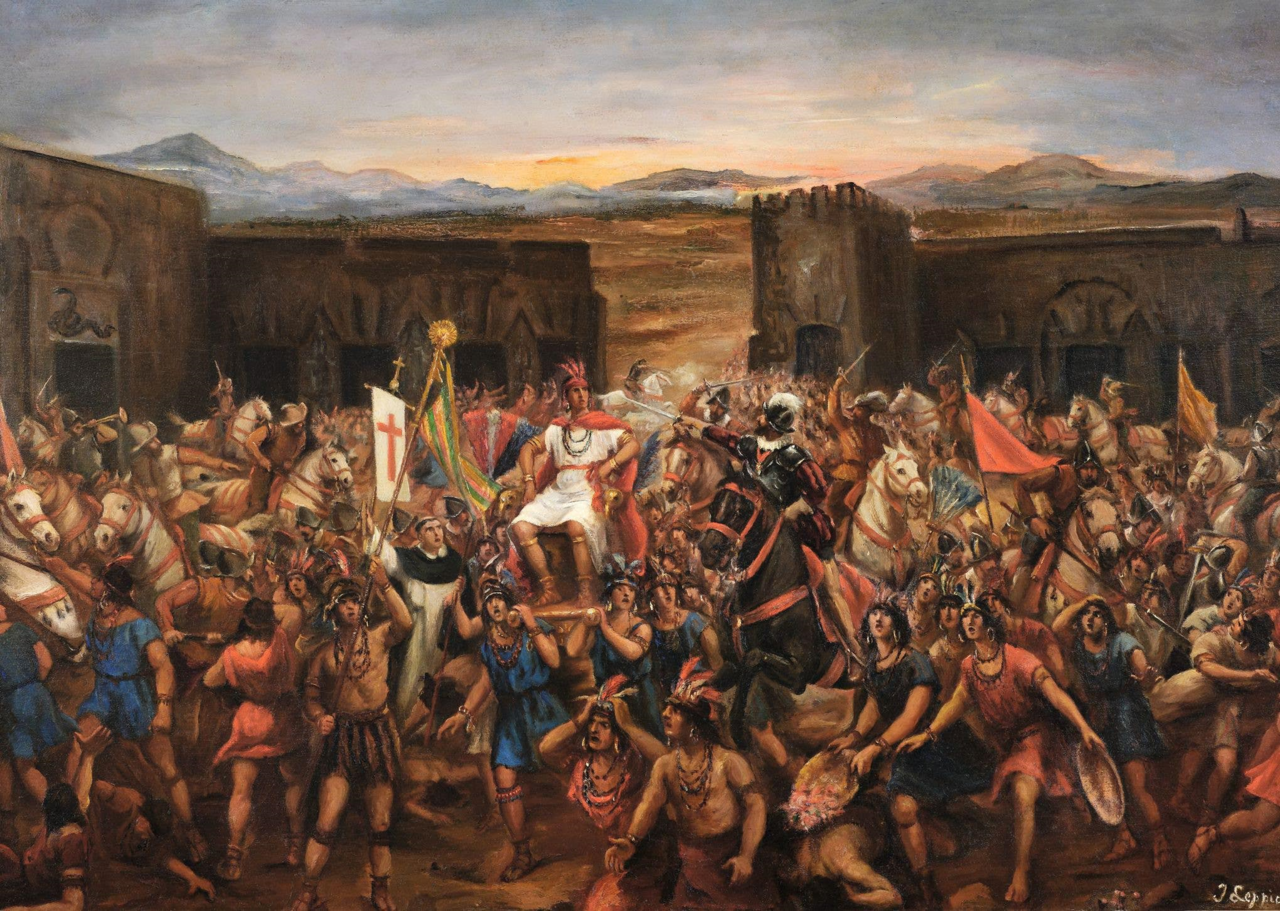
1532 - 1572 - Conquest of the Inca Empire (All Facts)
Campaign of military conquest to conquer the lands that became (Spanish) Peru led by Francisco Pizzaro
Campaign in which Francisco Pizzaro
had with him only 150 soldiers, including 62 horsemen
held Atahualpa hostage with a fortune in gold to be ransomed
and his Spanish forces defeated Atahualpa and his Incan forces in the Battle of Cajamarca
traveled over thousands of miles with a small force with no supply lines against apparently overwhelming odds
clearly paid his dividends as the remnants of Atahualpa’s army limped away from its own tribal territory ahead of the Spanish invaders upon their defeat
emulated Hernan Cortes’ strategy of conquering by exploiting the prior Incan Civil War so as to divide and rule
continued to march towards and eventually enter the Incan capital city of Cusco following the Battle of Cajamarca
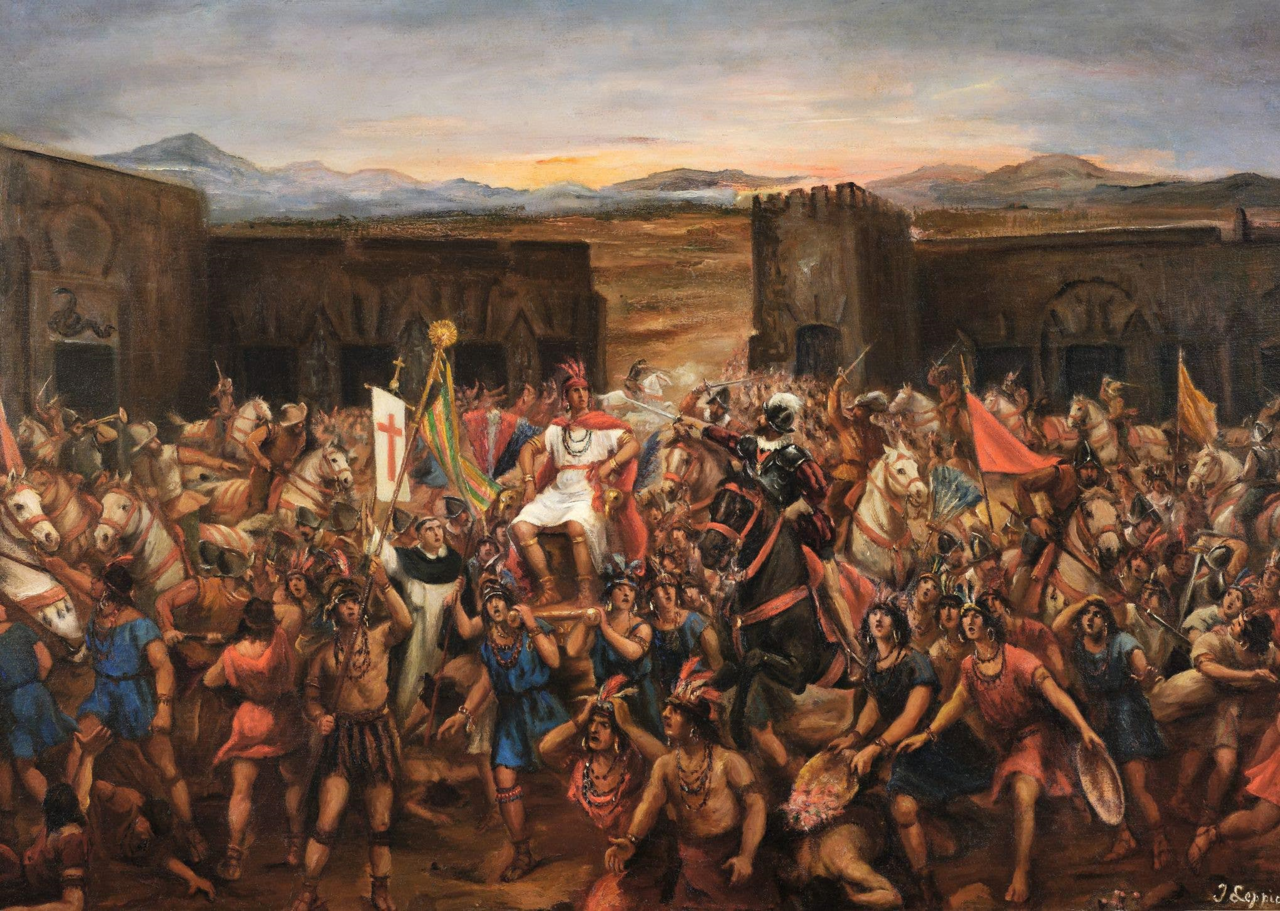
1532 - Battle of Cajamarca (All Facts)
Battle in which Francisco Pizzaro and his Spanish forces defeated Atahualpa and his Incan forces
Battle in which Francisco Pizzaro
used surprise brilliantly, occupying peacefully some long, low buildings round three sides of a square in the upland valley of the namesake town
invited Atahualpa to meet him
When Atahualpa came, Pizzaro handed him a Christian prayer book, which Atahualpa threw down
then sprang his ambush of two hidden cannons, which blasted point blank range into the packed Incan ranks, while panic did the rest
led a squad which snatched Atahualpa from his litter while Pizzaro’s soldiers butchered the survivors
Battle in which, in just two hours, 7K native Incans died and their leader was held captive
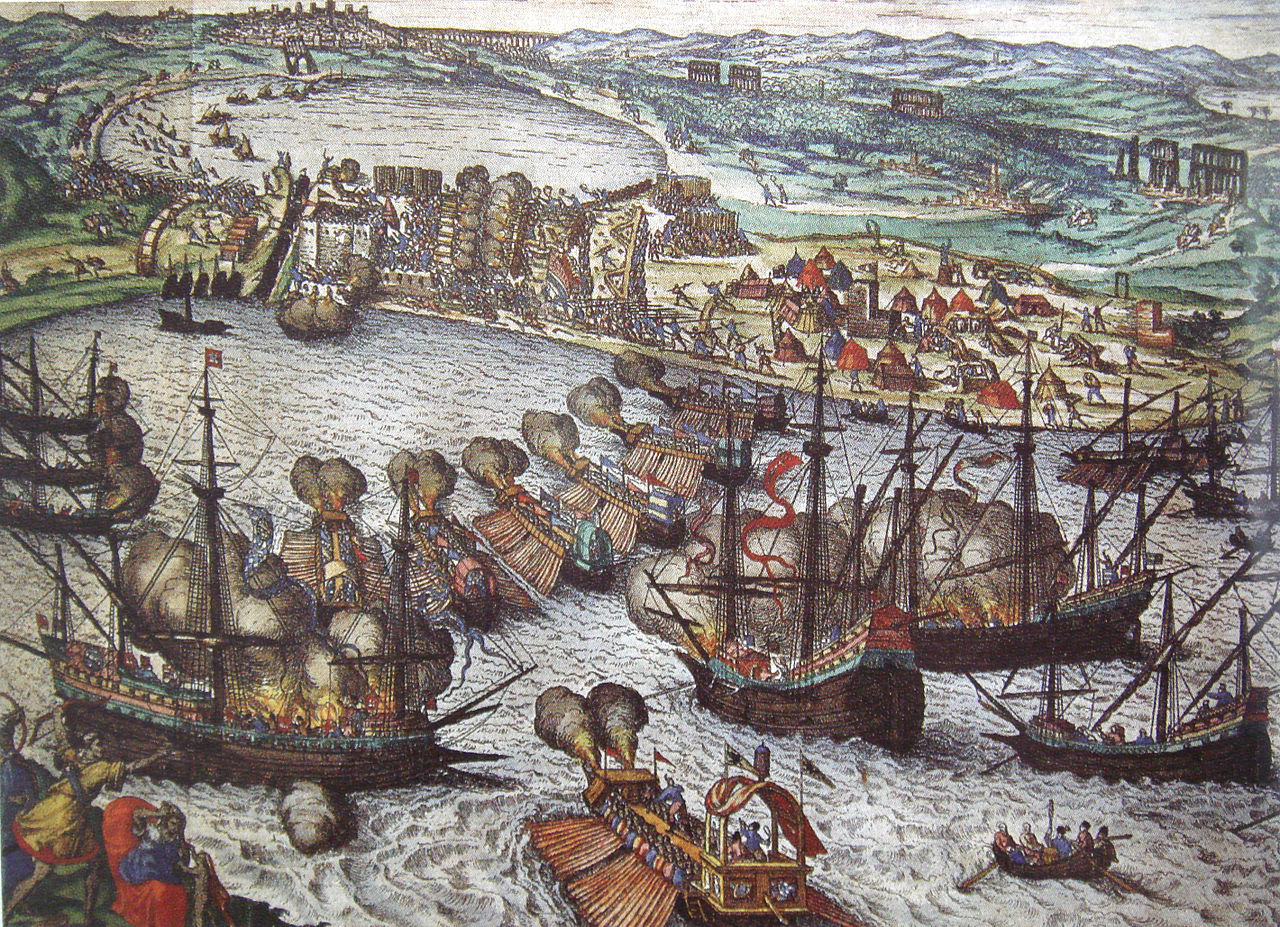
1535 - Conquest of Tunis (All Facts)
Conflict in which King and Holy Roman Emperor Charles and his forces defeated Hayreddin Barbarossa and his Ottoman forces and takes the namesake city from him
Conflict in which 60K allied troops took the namesake city, along with the port of La Goleta and the bulk of Barbarossa’s fleet of 80 galleys
Conflict in which King and Holy Roman Emperor Charles allowed his soldiers five days of pillaging and 30K inhabitants were reported to have been killed
Conflict which began when King and Holy Roman Emperor Charles chose to invade after Barbarossa’s fleet had ravaged southern Italy at the behest of the Turkish sultan
As a result, King and Holy Roman Emperor Charles believed that Spanish possession of the namesake would effectively cut off Barbarossa from Constantinople
Conflict in which a combined fleet of Spanish and Genoan galleys sailed from Barcelona to Sardinia, where more ships joined their fleet with 22K German and Italian troops
Conflict in which King and Holy Roman Emperor Charles’ shock troops, the formidable “tercio” were the first to land at La Goleta, followed by artillery and a detachment of cavalry
Conflict in which Barbarossa chose to remain behind the walls, trusting the extreme heat to wear down the enemy
War in which many of King and Holy Roman Emperor Charles’s forces dying of dysentery
Conflict in which Barbarossa had not reckoned with the firepower of the fleet and land-artillery who pounded the walls for five hours before the infantry broke through, causing the namesake to fall more easily
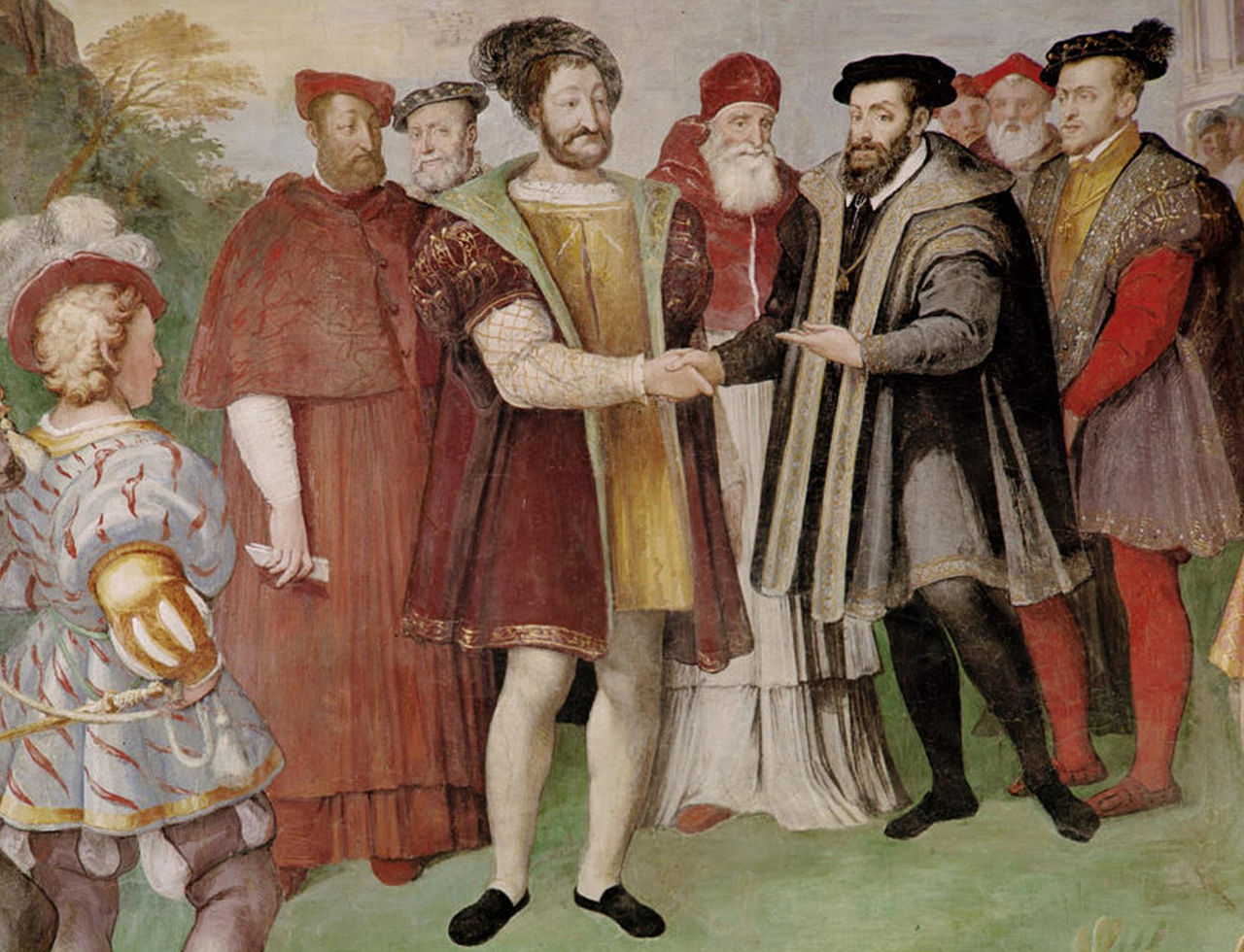
1536 - 1538 - Seventh Italian War (All Facts)
Conflict between King Francis of France (Valois), with support from the Ottoman Turks; and Charles V of Spain and the Holy Roman Empire (Habsburgs) which ended in a stalemate
Conflict which began when
King Francis of France tried to invade and pursue Piedmont
Holy Roman Emperor Charles V’s troops invaded Provence, in pursuit of the army of King Francis of France
Conflict during which
Anne of Montmorency drove back Holy Roman Emperor Charles V and his forces, having applied scorched-earth tactics
Conflict which ended with the Truce of Nice
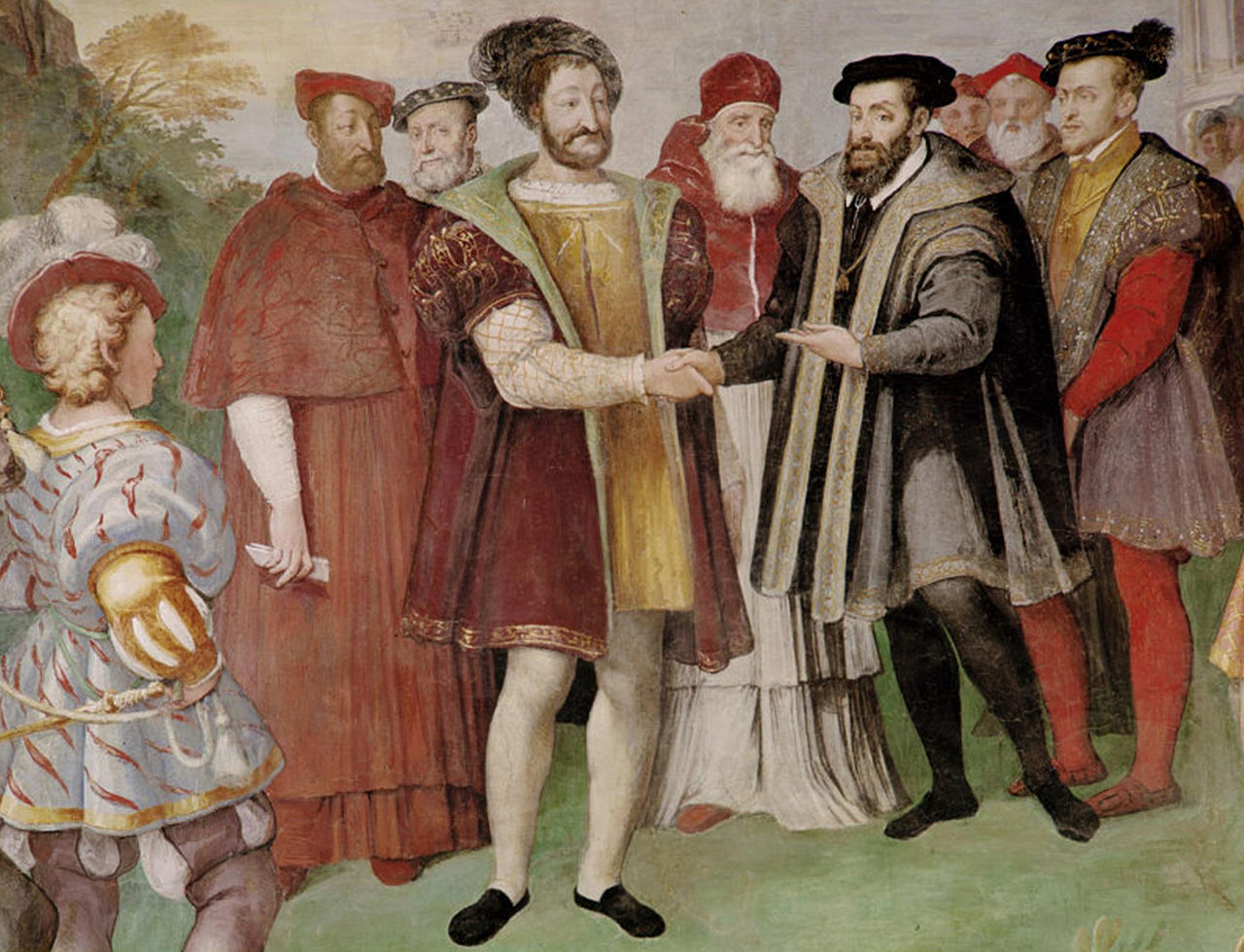
1538 - Truce of Nice (All Facts)
Truce made between King Francis of France (Valois) and Charles V of the Holy Roman Empire and Spain (Habsburgs), which ended the Seventh Italian War / Four Years’ War
Truce in which France gained Piedmont and Savoy from the Holy Roman Empire
1539 - Treaty of Toledo (All Facts)
Treaty between King Francis of France and King Charles of Spain and Emperor of the Holy Roman Empire, in which they agreed that neither of them would form future alliances with England; given King Henry VIII’s split with the Roman Catholic Church

1540 - 1547 - Third Habsburg-Ottoman War (All Facts)
War in which Suleiman and his Ottoman forces defeated Ferdinand and the Habsburgs (Holy Roman Empire and Spain)
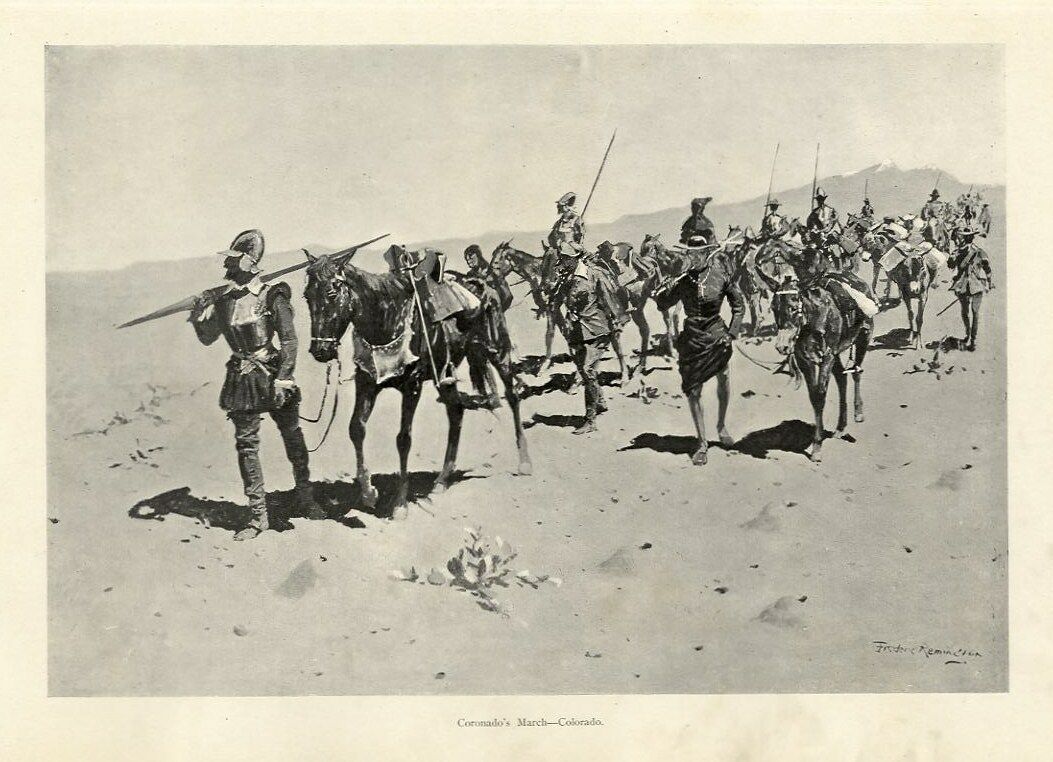
1540 - 1541 - Tiguex War (All Facts)
War in which the Francisco Vasquez de Coronado and his Spanish forces defeated and suppressed the Pueblo Native rebellion against them
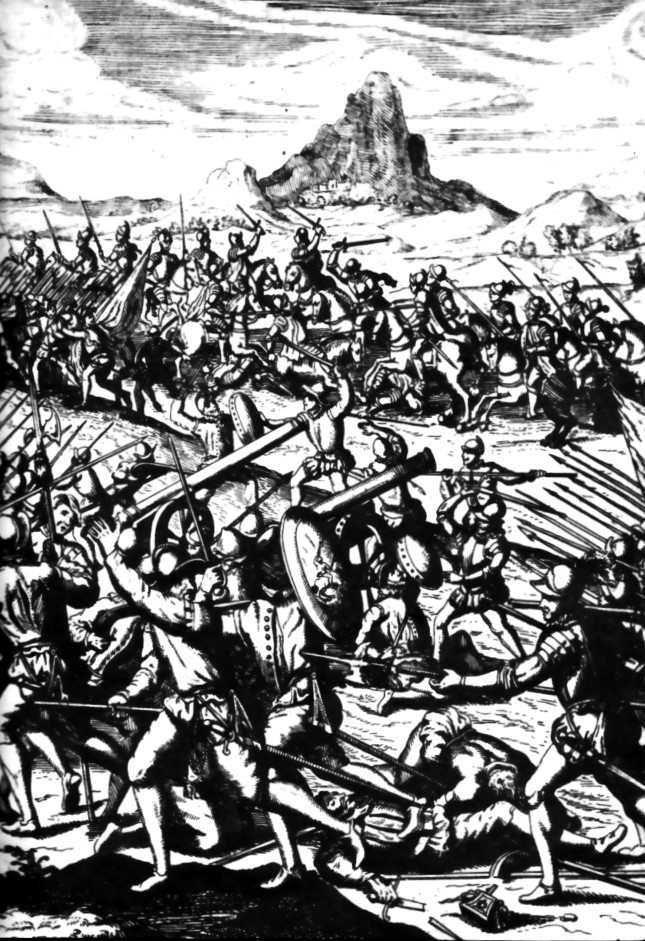
1542 - Battle of Chupas (All Facts)
Battle in which Cristobal Vaca de Castro and his forces defeated Diego de Almagro II and his forces during the Spanish Conquest of the Incan Empire
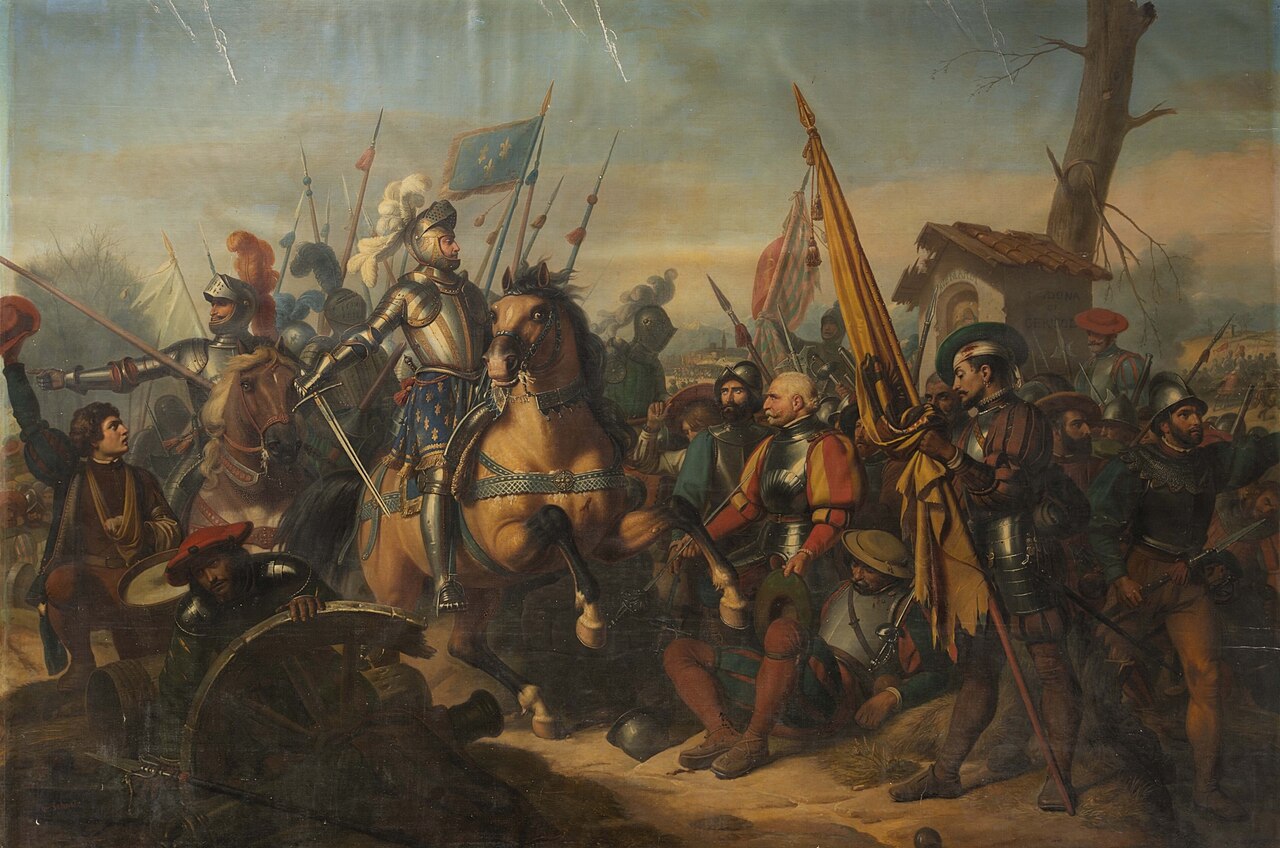
1542 - 1546 - Eighth Italian War (All Facts)
Conflict between King Francis of France (Valois), with support from the Ottoman Empire; and Charles V of Spain and the Holy Roman Empire (Habsburgs), with support from Italy and King Henry VIII and England; which ended in a stalemate
Conflict which began when
King Francis of France reopened hostilities with Holy Roman Emperor Charles V after he had appointed his son Philip to claim the Duchy of Milan
Holy Roman Emperor Charles V violated the Treaty of Toledo and allied with King Henry VIII of England against King Francis and France
Conflict which saw the
Siege of Nice
Battle of Ceresole
Siege of Saint-Dizier
Siege of Boulogne
Conflict which contributed to the delay of the convention of the Council of Trent
Conflict which ended with the Treaty of Crepy
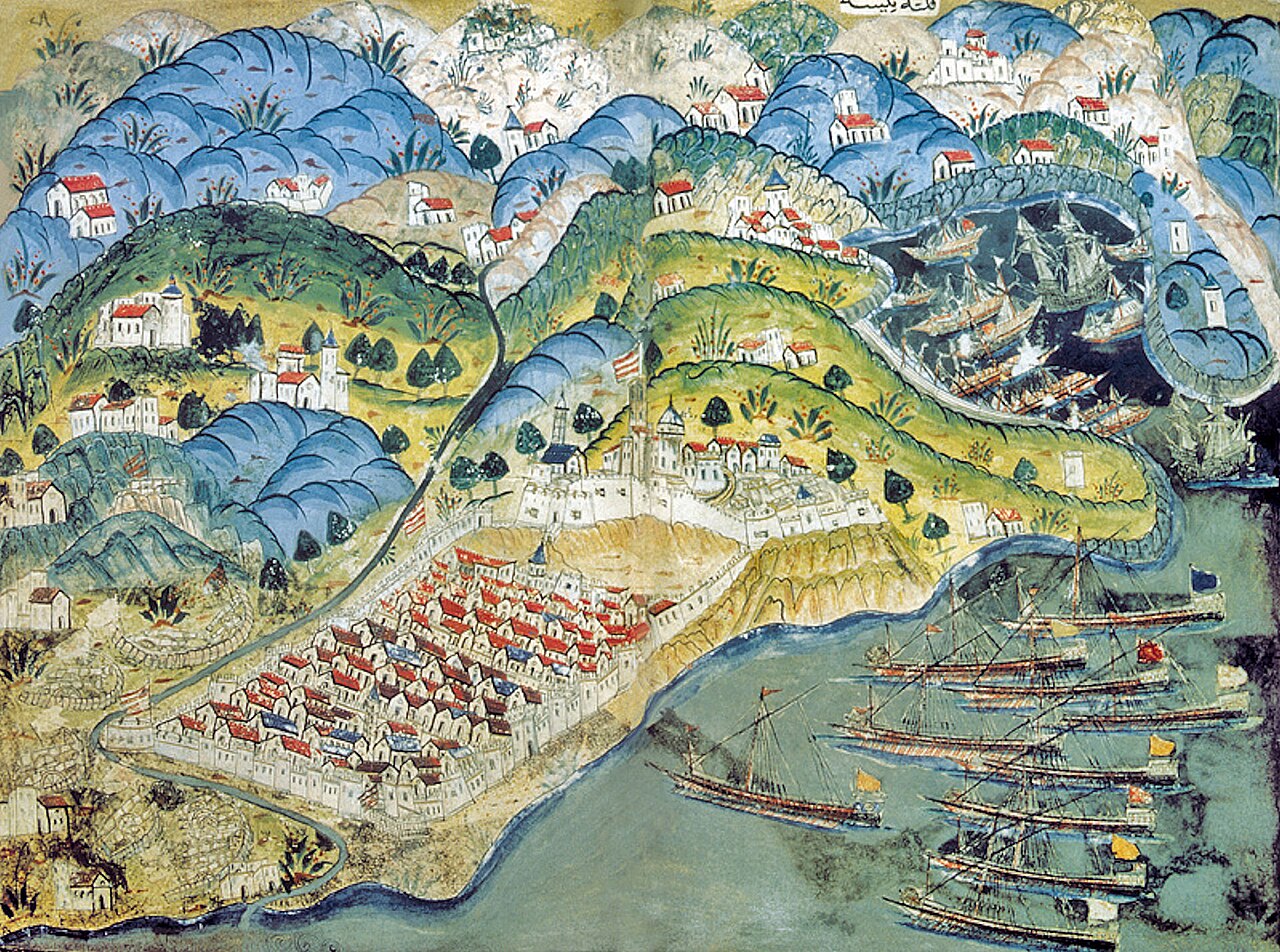
1543 - Siege of Nice (All Facts)
Battle in which the Holy Roman Empire, Spain, and Italy (Habsburgs) defeated France and the Ottoman Empire during the Eighth Italian War
Battle during which
Hayreddin Barbarossa and his Ottoman forces bombarded, besieged, and sacked the namesake Holy Roman imperial town in France, capturing the namesake gateway to Italy from France
the namesake town was captured and sacked by Hayreddin Barbarossa and Turkish pirates rampaged through its burning ruins, looting and raping and setting it ablaze
Battle which strained relations between the French and Ottoman Turks given that the Turkish pirates violated the agreement made between the governor of the town and the joint French and Turkish forces, in which the French blamed the Turks and the Turks blamed the French
Battle during which Muslims paced the decks of Hayreddin Barbarossa’s ships while Christian slaves, some of which were French, were chained to the galley’s oars and rowing benches
Battle during which the Ottoman forces took to raiding French villages, carrying off peasants to replace rowers killed by the fever
Battle during which the Ottoman forces took Christian slaves and sold them in the marketplace as the muezzin called for Muslim prayer in Christian Toulon
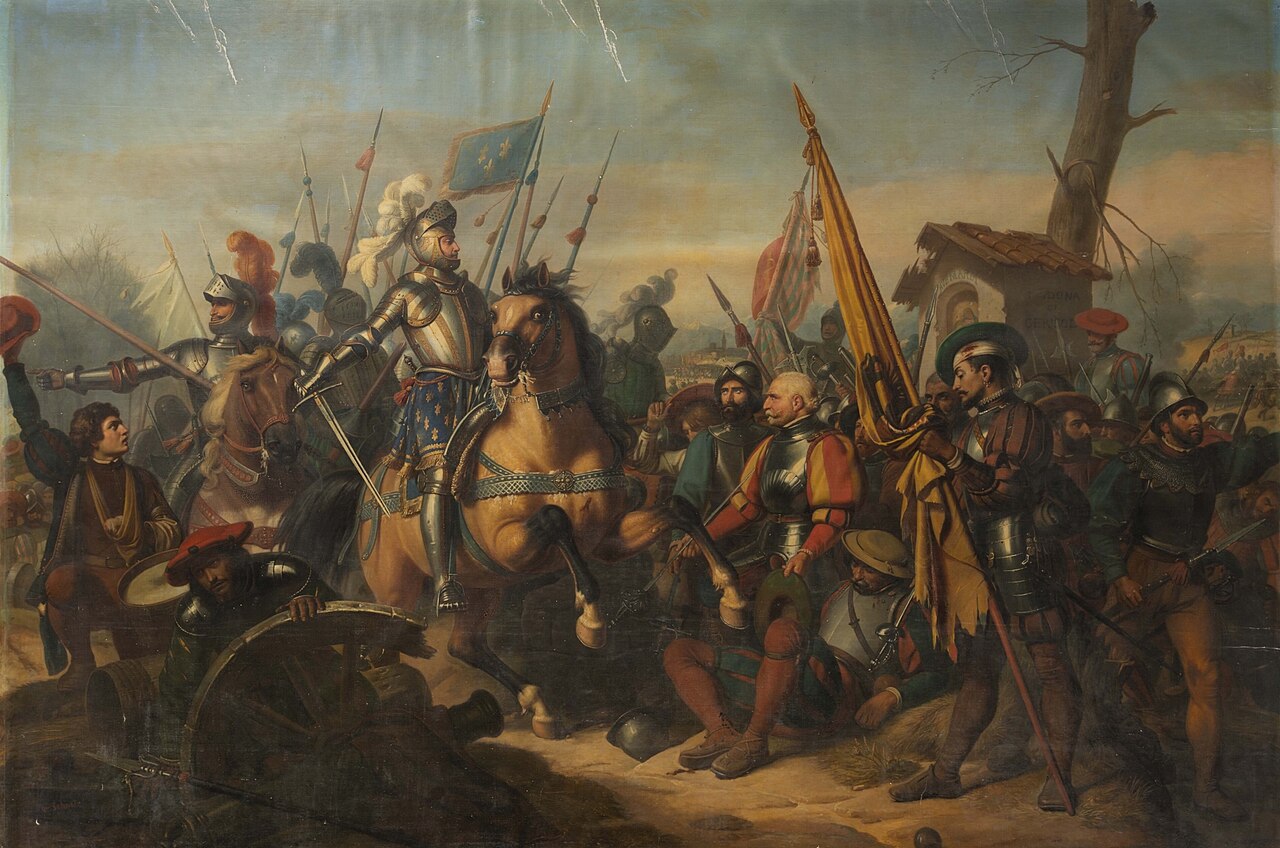
1544 - Battle of Ceresole (All Facts)
Battle in which France defeated the Holy Roman Empire and Spain (in in the namesake city south of Turin, in Italy) during the Eighth Italian War
1544 - Siege of Saint-Dizier (All Facts)
Battle in King Henry VIII and Holy Roman Emperor Charles V and their combined forces defeated France and took the namesake city (having threatened Paris at the time) during the Eighth Italian War
1544 - Treaty of Crepy (All Facts)
Peace Treaty signed between King Francis of France (Valois) and Charles V of the Holy Roman Empire and Spain (Habsburgs), which ended the Eighth Italian War
which was made in an effort to restore Catholic unity in Europe
in which King Francis of France
promised to support Holy Roman Emperor Charles V against the Protestants if they rejected the decisions made in the Council of Trent
had his son, the Duke of Orleans, be promised to be married to a Habsburg princess, either
Mary, daughter of Holy Roman Emperor Charles V with a dowry that is the Netherlands
Anne, daughter of Habsburg King Ferdinand of Bohemia, Hungary, and Croatia with a dowry that is Milan
agreed to support Holy Roman Emperor Charles V in his war against the Ottoman Turks
in which a secret between them was agreed in which King Francis of France promised to help Holy Roman Emperor Charles V
reform the church
work towards bringing the German Protestants back into the Catholic fold, lending his army for the purpose if necessary
1550 - 1551 - Valladolid Debate (All Facts)
First public debate in European history to discuss the morality, rights and treatment of Indigenous people by European colonizers
Debate that raged amongst Spanish intellectuals and colonialists surrounding the question of the moral justification(s) of the conquest of the Americas and its inevitable destruction of native American culture
On one side, Bartolome de las Casas stated the case against the conquest and condemning the brutality of Spain’s troops
On the other side, Juan Gines de Sepulveda stated the case for the conquest and justified Spain’s actions by the Biblical text that said to “go out into the highways and hedges and compel them to come in”
Sepulveda argued that the native Americans were a barbaric race, certainly not Christians and barely human
He said, “How can we doubt that these people - so uncivilized, contaminated with so many impieties and obscenities, have been justly conquered by such an excellent, pious, and most just king?”
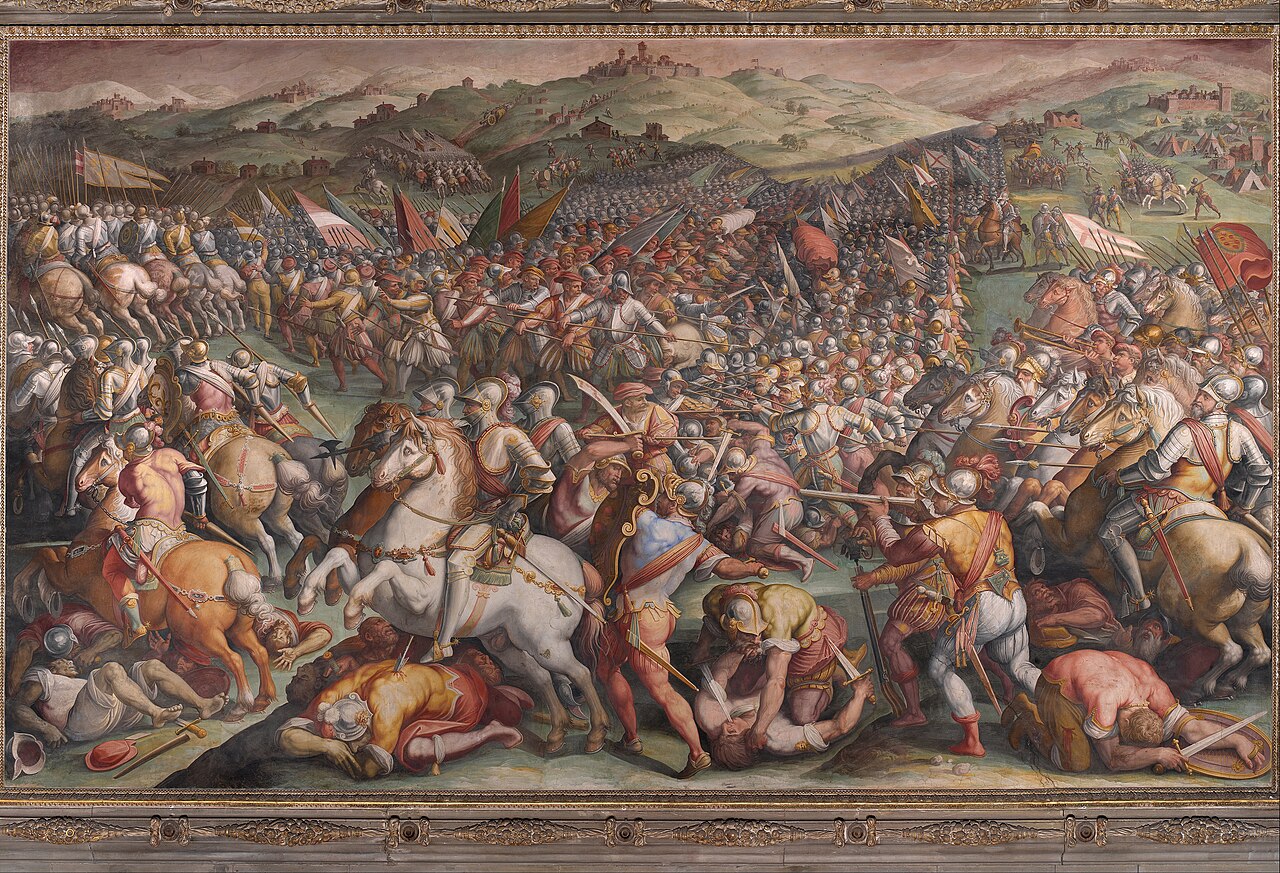
1551 - 1559 - Ninth Italian War (All Facts)
Conflict in which Charles V and Philip II and the Habsburgs (the Holy Roman Empire and Spain) defeated King Henry II and the Valois (France), ending the Italian Wars
Conflict which began when
King Henry II of France declared war against Holy Roman Emperor Charles V, with the intent of recapturing parts of Italy and ensuring French, rather than Habsburg, domination of European affairs
King Henry II of France publicly disavowed the Council of Trent
Conflict which saw
The Siege of Metz
The Battle of Marciano
The Siege of Siena
The Battle of St. Quentin
The Siege of Calais
The Siege of Thionville
The Battle of Gravelines
Conflict which included the Siege of Siena, a brutal 15-month blockade in which Cosimo de Medici and the Habsburgs (Holy Roman Empire) defeated the Valois (France) and took Siena from the French, during the namesake war
Conflict which ended with the Treaty of Cateau-Cambresis

1551 - 1562 - Fourth Habsburg-Ottoman War (All Facts)
War in which Suleiman and his Ottoman forces defeated the Habsburgs (Holy Roman Empire and Spain)
1553 - Battle of Marciano (All Facts)
Battle in which the Habsburgs (Holy Roman Empire) defeated the Valois (France) in Tuscany during the Ninth Italian War
1556 - Truce of Vaucelles (All Facts)
Peace Treaty signed between King Henry II of France and Holy Roman Emperor Charles V during the Ninth Italian War, temporarily halting the war
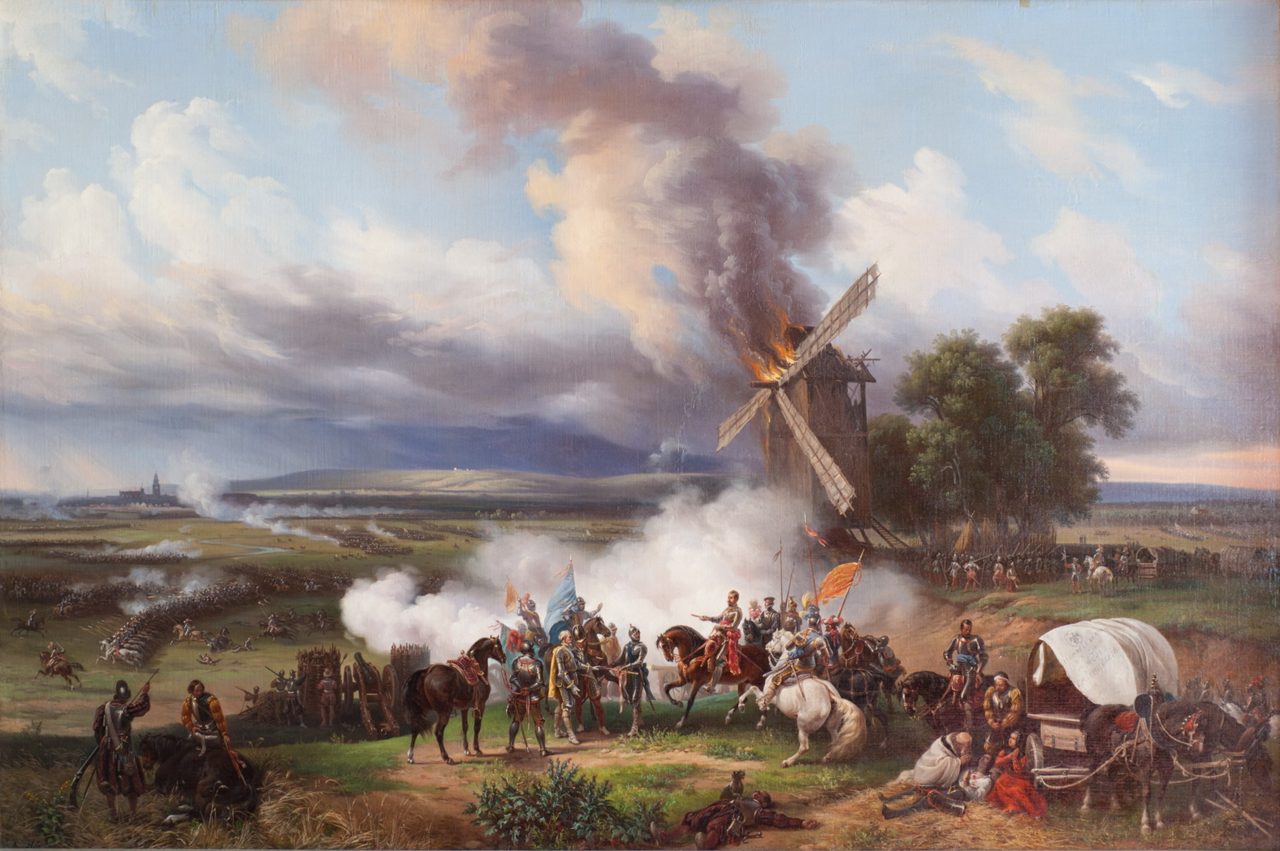
1557 - Battle of St. Quentin (All Facts)
Battle in which Duke Emmanuel Philibert of Savoy and his Spanish forces defeated Anne de Montmorency and his French forces during the Ninth Italian War
Battle after which King Philip II of Spain promised to construct a magnificent building to commemorate the victory over the French
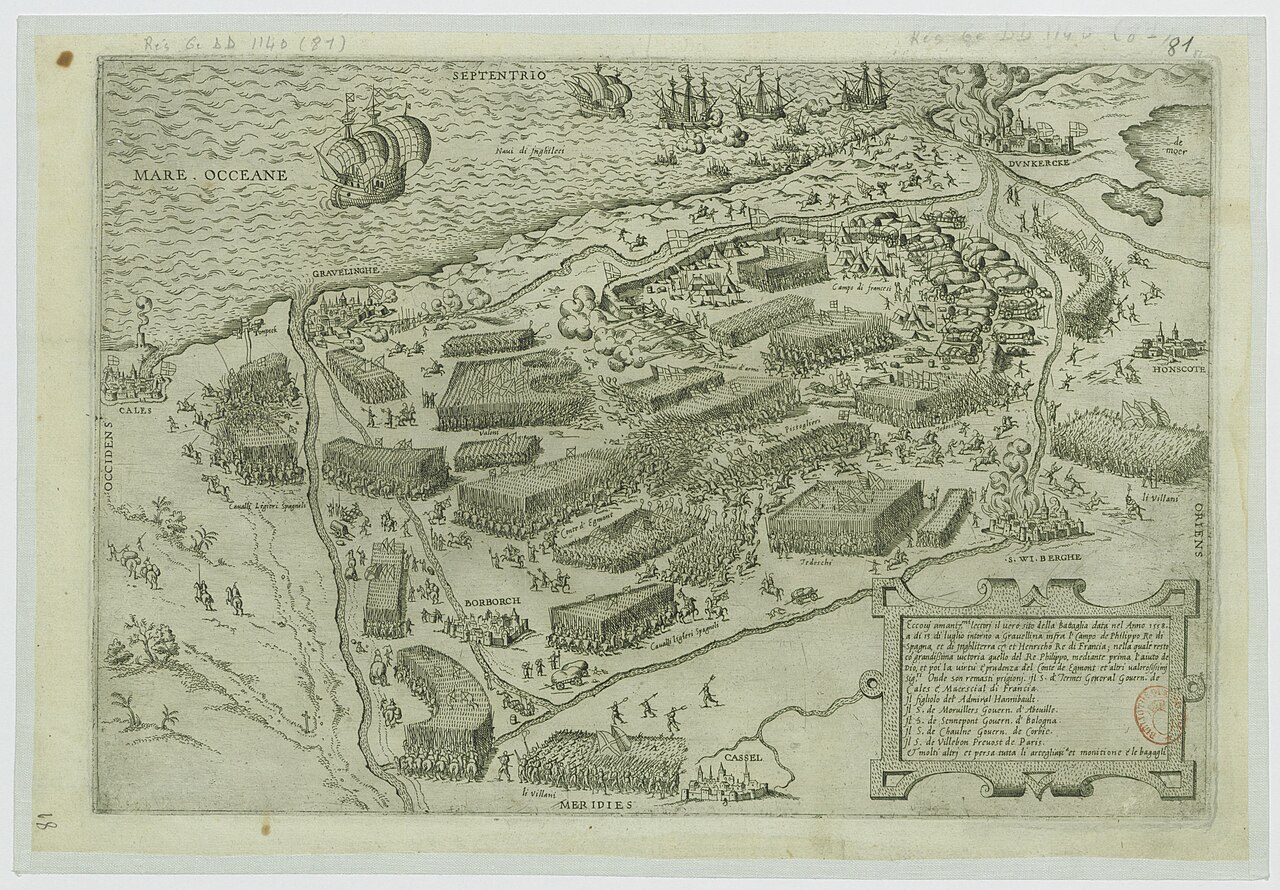
1558 - Battle of Gravelines (All Facts)
Battle in which Count Lamoral of Egmont and the (Spanish) Habsburgs defeated the Valois resoundingly during the Ninth Italian War
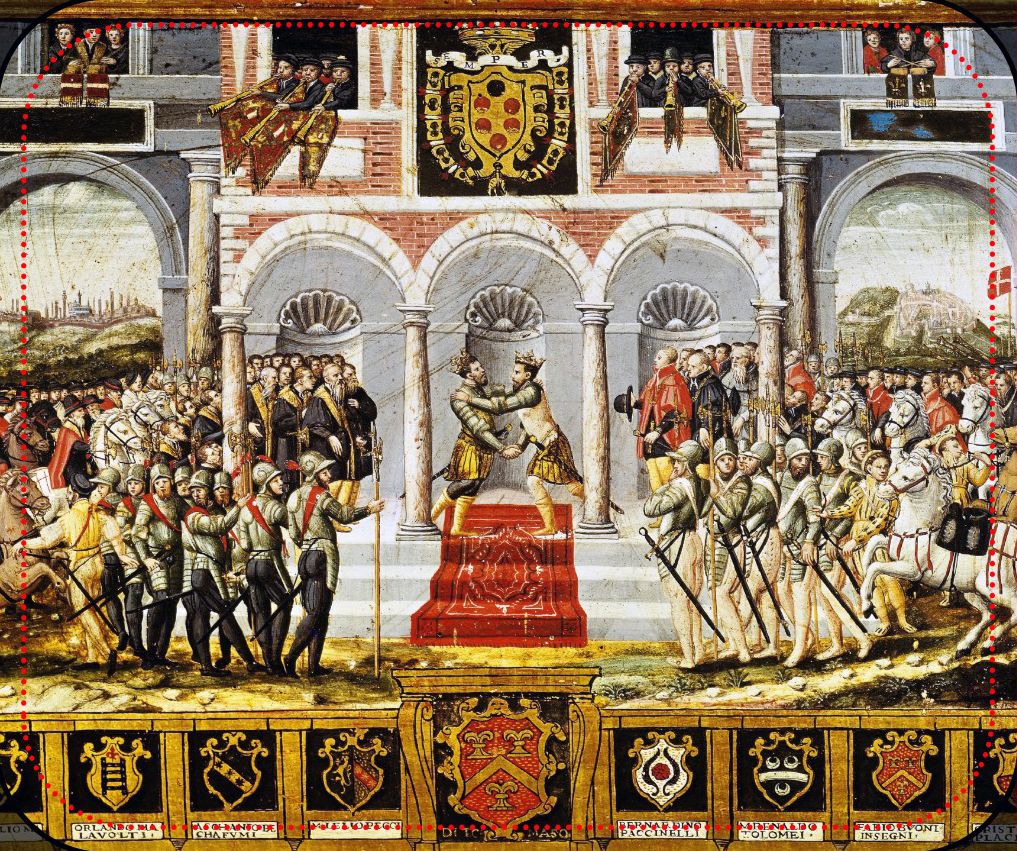
1559 - Treaty of Cateau-Cambresis (All Facts)
Peace Treaty signed between King Henry II of France and the Valois and King Philip II of Spain and the Habsburgs, ending the Ninth Italian War and the Italian Wars altogether
Peace Treaty in which France
agreed to withdraw from Savoy and Piedmont
retained Metz, Toul, and Verdun
regained Calais from England
Peace Treaty in which Spain
controlled Sicily, Sardinia, Naples, Milan, and Tuscany in Italy
won the exclusion of France from Italy
won the most from the treaty
Peace Treaty in which England
agreed to give Calais to France
Peace Treaty sealed by two dynastic marriages between France and Spain
One of these dynastic marriages was between Elizabeth (daughter of King Henry II of France) and (the young) King Philip II of Spain
Peace Treaty which humiliated the French, bound to cause bitterness amongst the French who shed so much blood for so little
Peace Treaty prompted by the massive spending, to the point of bankruptcy, by both France and Spain, and their inability to continue fighting one another despite heavy political disagreement
Peace Treaty in which it was said at its meeting that the only things the delegates agreed upon was the discomfort of their quarters

1560 - Battle of Djerba (All Facts)
Battle in which Dragut, Piali Pasha, and their Ottoman forces defeated Spain, the Knights of Malta (the Knights Hospitaller), and their Christian coalition forces
Battle in which the Ottoman fleet wrecked King Philip II of Spain’s fleet
Battle after which Dragut, Piali Pasha, and the Ottoman Corsairs established control of most of the coast of North Africa

1565 - Siege of Malta (All Facts)
Battle in which the namesake Knights Hospitaller Order and Spain and their combined Christian forces, defeated the Ottoman Empire
Battle which was one of the most heroic defensive actions in the history of warfare, as the Turks were repelled from the namesake, which was a major setback for Suleiman and the Ottoman Empire’s hopes of establishing control over the Mediterranean Sea
Battle during which the Ottoman forces became divided as Piale Pasha, head of the navy, and Mustafa Pasha, head of the land forces, diverged amongst each other
Battle during which the Knights Hospitaller fought with extraordinary courage, notably in holding the fortress of St. Elmo for more than a month with only a few hundred men
When St. Elmo fell, only nine defenders remained alive
Battle during which Dragut, the leader of the Ottoman Corsairs in the namesake battle, was killed by the Knights Hospitaller
Battle which ultimately ended when a Christian fleet from Sicily arrived to reinforce the namesake inhabitants and the Knights Hospitaller, with the Ottoman forces being too demoralized to continue
Battle in which ¾ of the Ottoman forces were killed, as only a quarter of their forces returned to Istanbul afterwards
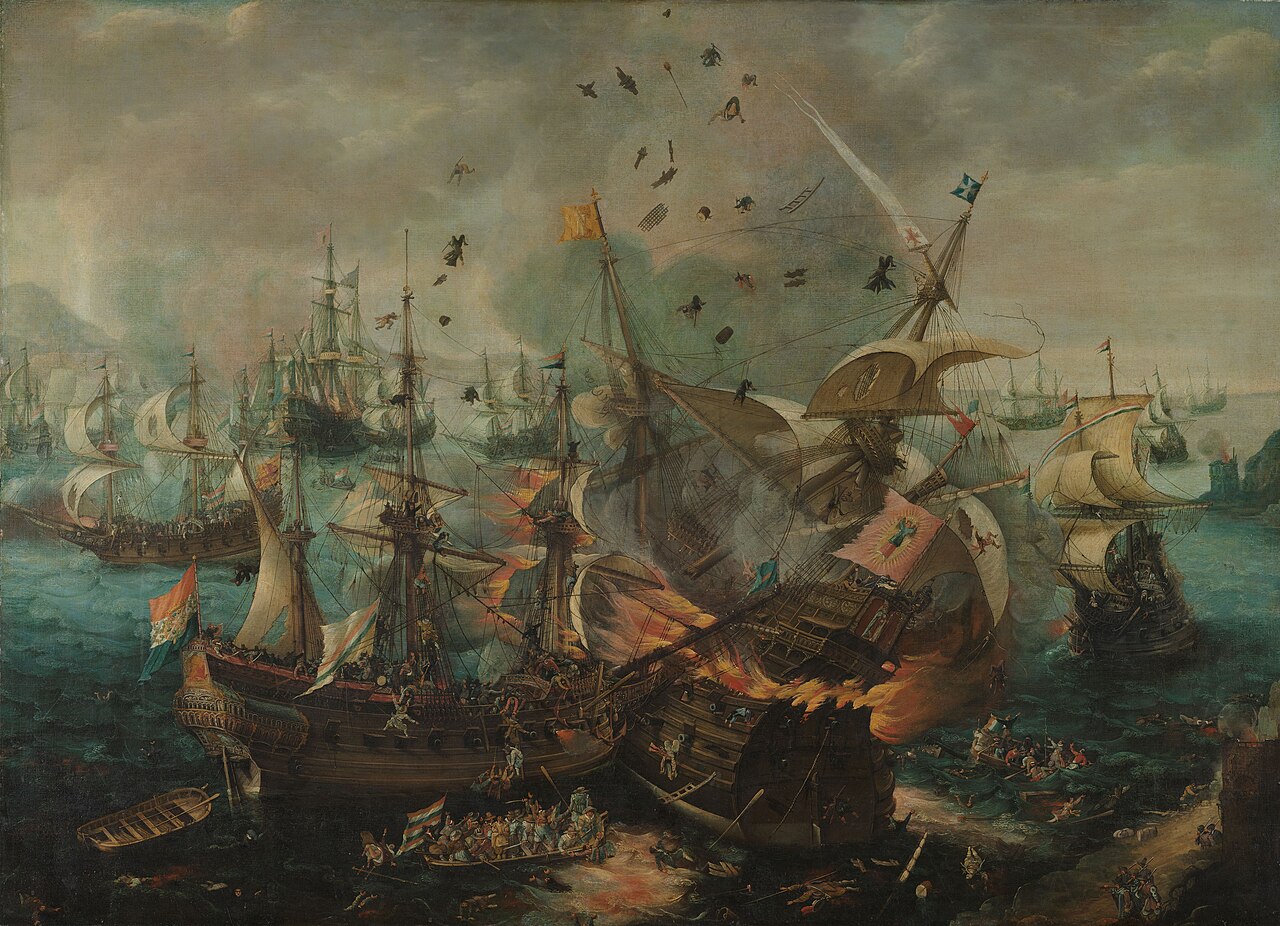
1566 - 1648 - Eighty Years War / Dutch Revolt (All Facts)
War between Spain and the Habsburg (Spanish) Netherlands
War which began
when King Philip II of Spain
decided to curb the Netherlands’ autonomy
bring the Spanish Inquisition into the Netherlands
when popular revolts against Spanish rule were
triggered by
bad harvests
increase in the price of bread
famine
mass unemployment
floods
resentment against the implementation of the Spanish Inquisition into the Netherlands
oppressive taxes (especially the “tenth penny” tax of Fernando Álvarez de Toledo, the Duke of Alba)
encouraged by
anti-Catholic Dutch Calvinists
other anti-Spanish / anti-Catholic “heretics”
the Dutch Protestant Reformation
War which began when
the three leaders King Philip II of Spain had appointed to rule the Habsburg (Spanish) Netherlands began to challenge him and Spain for these anti-Netherlandish measures, making them symbols of Dutch resistance
churches were ransacked
monasteries were sacked
gold and silver ornaments were looted in villages throughout the Low Countries, as magistrates looked on helplessly
Catholic nobles were removed from their town councils
Margaret of Parma used newly-arrived funds from Spain to build up an army
War which began when Fernando Álvarez de Toledo, the Duke of Alba, acting on the orders of King Philip II of Spain had
pledged himself to bring back the Spanish Inquisition into the Netherlands
pledged himself to establish a new order for King Philip II
turned his regime over the Netherlands into a dictatorship by which he
imposed the hated “tenth penny” tax on the (Spanish) Netherlands to help a bankrupted Spain and pay his army in the Low Countries
humiliated Margaret of Parma, the civil governor, by
forcing her to demobilize her army she raised
assuming many of her powers until she was forced to leave for Italy
established the “Council of Troubles,” a newer and more sinister form of the Spanish Inquisition within the Netherlands, in which he
organized the arrests of thousands just in one spring
oversaw the execution of 1,000 alleged heretics
oversaw the stripping of property of 8,000 alleged heretics
oversaw the seizing and burning of 500 alleged heretical books in the Calvinist city of Tournai
imposed the “tenth penny” tax to help a nearly-bankrupted Spain pay its armies in the Low Countries (Netherlands)
War which began when Fernando Álvarez de Toledo, the Duke of Alba, acting on the orders of King Philip II of Spain had
ordered the arrest of Counts Egmont and Hoorne, the leaders of the nobility there
ensured that William of Orange was deprived of his office of stadtholder of Holland, Zeeland, and Utrecht
set up a new court in the Netherlands that tried suspected rebels
ordered the execution in Brussels of 20 noble leaders, including Counts Egmont and Hoorne
imposed crippling taxation on the rebel province of Groningen
oversaw the Count of Egmont’s execution via order of the repressive “Court of Unrest,” the so-called “Council of Blood”
suppressed the initial anti-Catholic, anti-Spanish Calvinist insurrection
came with 10K elite Spanish troops and marched through the streets of Ghent, organizing the troops into ranks of five, following them up with prostitutes in frilly dresses riding donkeys and bringing with a host of camp followers
made sure the behavior of his troops underlined the ferocity with which he approached his task
had the Dutch population, even the good Catholics there, insulted in the streets as “traitors” and “heretics”
had merchants beaten up
War in which the “Sea Beggars” fled from Fernando Alvarez de Toledo’s repression in their native Netherlands to England
They harried shipping between Spain and the Netherlands for three years
They chanted the Lord’s Prayer addressed to Fernando Alvarez de Toledo saying, “cursed father who in Brussels doth dwell, cursed be thy name in Heaven and in Hell”
When they tried using Dover in England as the base for their operations, Queen Elizabeth of England expelled them from the port
They eventually controlled Brill, Enkhuisen, Flushing, Arnemuide, Veere, Holland, and Zeeland when Luis de Requenses y Zyniga assumed the governorship
War in which the Dutch
raised their own revenue from their trade in the East and West Indies
captured an entire (Spanish) treasure fleet in the Caribbean one year, the proceeds of which enabled them to launch a major assault against Spain within the Netherlands
(from the Seven United Provinces) occupied the mouth of the Scheldt, halting any seaborne trade with Antwerp
War in which Francis, Duke of Anjou tried to regain Antwerp for the Dutch Calvinists
War in which Piet Heyn and his forces seized 80 tons of silver from (Spanish) Cuba, whom carried the namesake war across the Atlantic to colonies and shipping in the New World of the Americas
War which saw the Pacification of Ghent
War in which the Hague of the Netherlands deposed Philip II of Spain as ruler of the seven provinces which formed the Union of Utrecht, thus declaring war against and independence from Spain
War in which Alexander Farnese of the Netherlands secured the submissions of the southern Netherlands, Flanders, and Brabant to the Spanish crown
War in which Robert Dudley returned to England after failing to aid the Dutch in their revolt against Spain
War in which a Twelve Year Truce was declared
However, this did not last because of a renewal of hostilities occurred because of Dutch ships having grown in numbers and trading throughout much of the world and threatening Spain’s trade monopoly with its colonial possessions
Apart from their success in trading, the Dutch waged war with Spanish shipping and settlements on the Pacific Ocean; which provoked their hostilities amongst one another
War in which the Spanish court ended the Twelve Year Truce once
the Dutch established “Fort Orange” on Hudson’s River in North America
established their Dutch West India Company, which was formed to promote trade and war in Spanish South America
War in which the Dutch were so desperate for military aid against Spain that they
appealed to Cardinal Richelieu and France for assistance, who gave them a subsidy of a million livres on the condition that Dutch ships join in a blockade of the Huguenot fortress in the Battle of La Rochelle
The Dutch leaders’ willingness to support a war against their fellow Huguenots (French Calvinists) angered the Dutch Calvinists of the Netherlands
struck at other American possessions of King Philip IV and Spain in order to inflict maximum damage on the king’s lucrative trade with the colonies
They ignored the claims of Spain (and Portugal) and dealt directly with the colonies to raise revenues
This trade became so large that
King Philip IV had to continue fighting because of what he would lose
The Dutch had to continue fighting because of what they had gained
They seized the Spanish (formerly Portuguese) capital of Brazil, the port of Bahia
War during which the Dutch and the Spanish traded with each other despite the conflict in which
The Dutch levied port charges on ships sailing to Spanish territories, using the money to build warships
The Spanish needed the grain and naval stores brought by the Dutch from northern Europe for their own use
War which dragged on for so long because the Spanish crown, despite being much more powerful
became bankrupt and could not pay its troops fighting for them in the Netherlands
Thus, mercenaries working for Spain frequently mutinied, walking out of forts and letting the Dutch take them over
Thus, Spanish military gains in the Netherlands were frequently lost
depended on a steady flow of precious metal from New Spain (the New World) to pay its troops; its entire empire existing solely to fund the war
had to pay heavily to move her troops across Europe from Italy
had a depleted navy which had to be deployed in protecting treasure ships in the Atlantic and escorting troop-ships to Genoa, leaving the North Sea and Baltic ports open for Dutch shipping
had leaders who were busy patronizing artists (whom some of their money went to)
had a gradual but demoralizing effect on Spain, it being an intolerable strain on Spain’s resources in manpower and money
War which saw
The Capture of Brielle in which
monasteries were sacked there
Catholic nobles were removed from its town council
it provided the first foothold on land for the rebels at a time when the rebellion was all but crushed, which offered the sign for a new revolt throughout the Netherlands which led to the formation of the Dutch Republic
The Siege of Haarlem
The Battle of Mookerheyde
The Sack of Antwerp
The Battle of Gembloux
The Fall of Antwerp
The Battle of Nieuwpoort
The Siege of Ostend
The Siege of Bergen op Zoom
The Capture of Bahia
The Battle of San Juan
War which ended with the Peace of Munster, in which the Netherlands gained their independence from Spain and were no more the Habsburg (Spanish) Netherlands but were known as the Dutch Republic
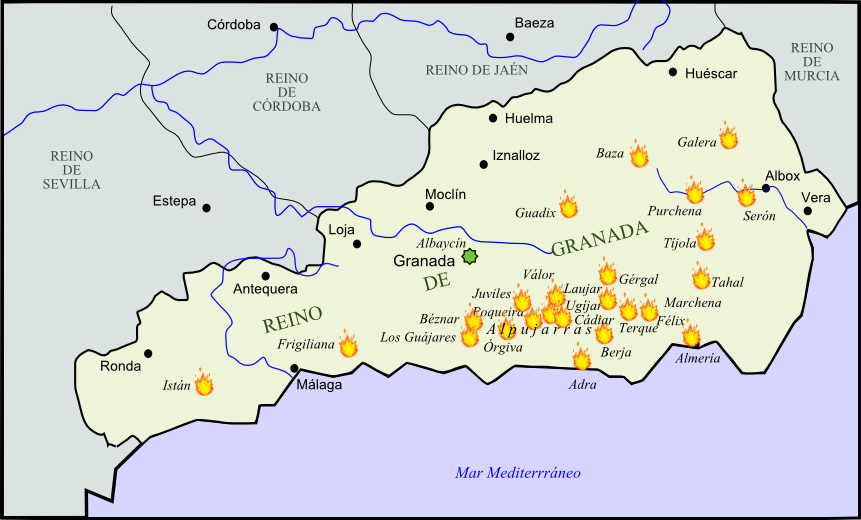
1568 - 1571 - Morisco Revolt (All Facts)
Revolt of the namesake group led by Aben Humeya and Aben Aboo against King Philip II of Spain and his administration’s campaign of intolerance and persecution towards the namesake Spanish Muslims
Revolt in which King Philip II’s system of government was directly responsible for the outbreak of the revolt
Revolt that occurred due to King Philip II of Spain’s issuing a decree which forbade the namesake group in Spain from speaking Arabic and wearing their traditional dress
Revolt prompted by the namesake group being second-class subjects throughout Spain and having been exploited, hated, and feared, and plagued by bandits of their own race
Revolt in which the defeated and sullen namesake population was dispersed throughout Castile while 50K settlers were brought to Andalucía to fill the gap

1570 - 1573 - Fourth Ottoman-Venetian War (All Facts)
War in which Selim II and his Ottoman forces defeated Don John of Austria and his Holy League
War which saw
The Battle of Lepanto
War during which the Ottoman Empire overran Cyprus and expelled the Venetian garrison from the island
War which ended when the Republic of Venice concluded a peace with the Ottoman Empire by which the Doge of Venice recognized Ottoman possession of Cyprus
1571 - Holy League (All Facts)
Alliance formed by Pope Pius V with Spain and Venice to counter Ottoman expansion; it lasted only a year

1571 - Battle of Lepanto (All Facts)
Battle in which Don John of Austria and the Holy League defeated Ali Pasha and the Ottoman Turks
Battle in which two great galleys, one flying the pennant of the Cross and the other the Crescent were being rowed directly at each other, gathering speed all the time as the galley-masters whipped their slaves to even greater efforts
Battle in which the Cross met the Crescent in which many believed will be the last great encounter between the two galley fleets
Battle in which the La Real and Sultana flagships struck each other so hard that they locked together
Battle triggered by Sultan Selim II’s invasion of Cyprus
This brought the combined fleets of Spain, Venice, and the Papacy face-to-face with the larger Turkish fleet
Famagusta had fallen, and reports of unbelievable atrocities had incensed the Christians to a crusading fervor as they sailed from Messina
Battle in which Don John of Austria
rode in La Real, the Spanish flagship
drew his sword and braced himself for the inevitable head-on crash
began to charge forward in the La Real after the Ottomans had moved out to attack in their crescent formation
led his men onto the Sultana’s foredeck and confronted Ali Pasha in person
Battle in which Ali Pasha (the Turkish commander)
ordered his men on the Sultana, the Turkish flagship, to prepare to board
and his fleet was anchored in the gulf when the Christian fleet hove into sight
and the Ottoman Turks hesitated before moving out to attack in a crescent formation
was killed by a Spanish arquebus, his head struck off and presented to Don John of Austria
Battle in which the Ottoman Turks lost 230 galleys
Battle in which the Holy League of Christians lost just 16 galleys
Battle whose victory by the Christian Holy League brought great rejoicing throughout the West
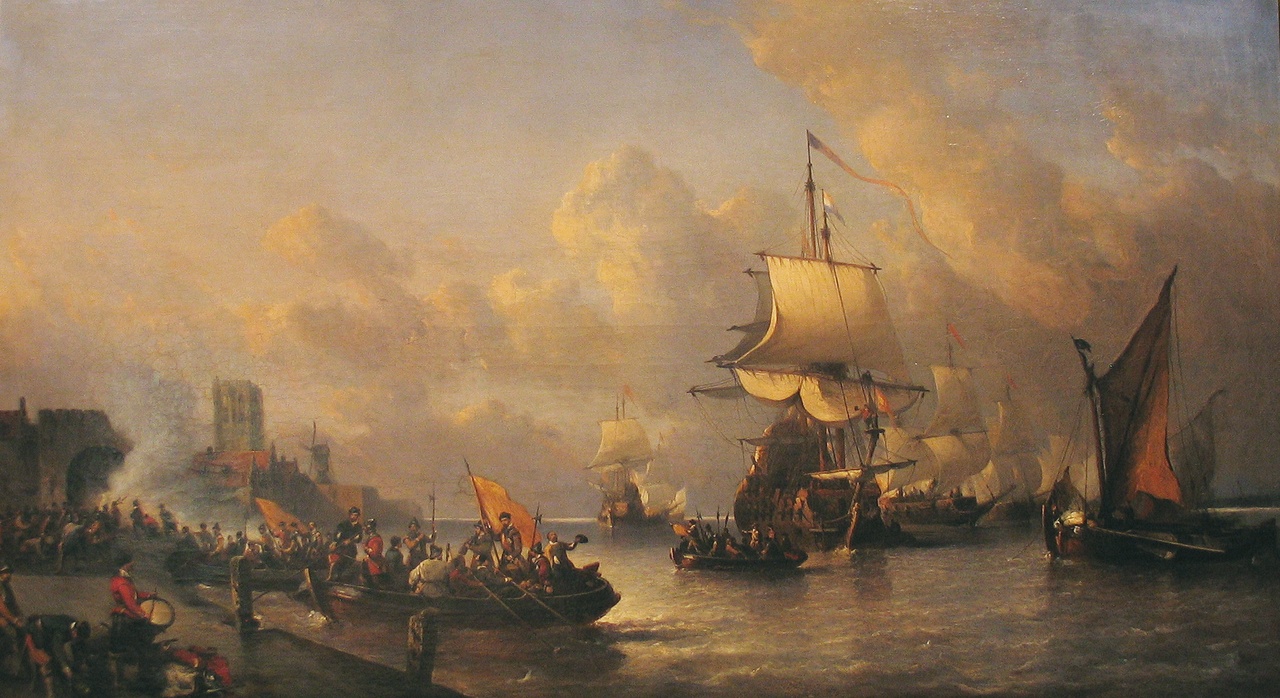
1572 - Capture of Brielle (All Facts)
Incident in which the namesake port town was captured by William II de la Marck and his “Sea Beggars” forces
Incident which marked a turning point in the uprising of the Low Countries against Spain in the Eighty Years' War
The namesake port provided the first foothold on land for the rebels at a time when the rebellion was all but crushed
Incident which offered the sign for a new revolt throughout the Netherlands which led to the formation of the Dutch Republic
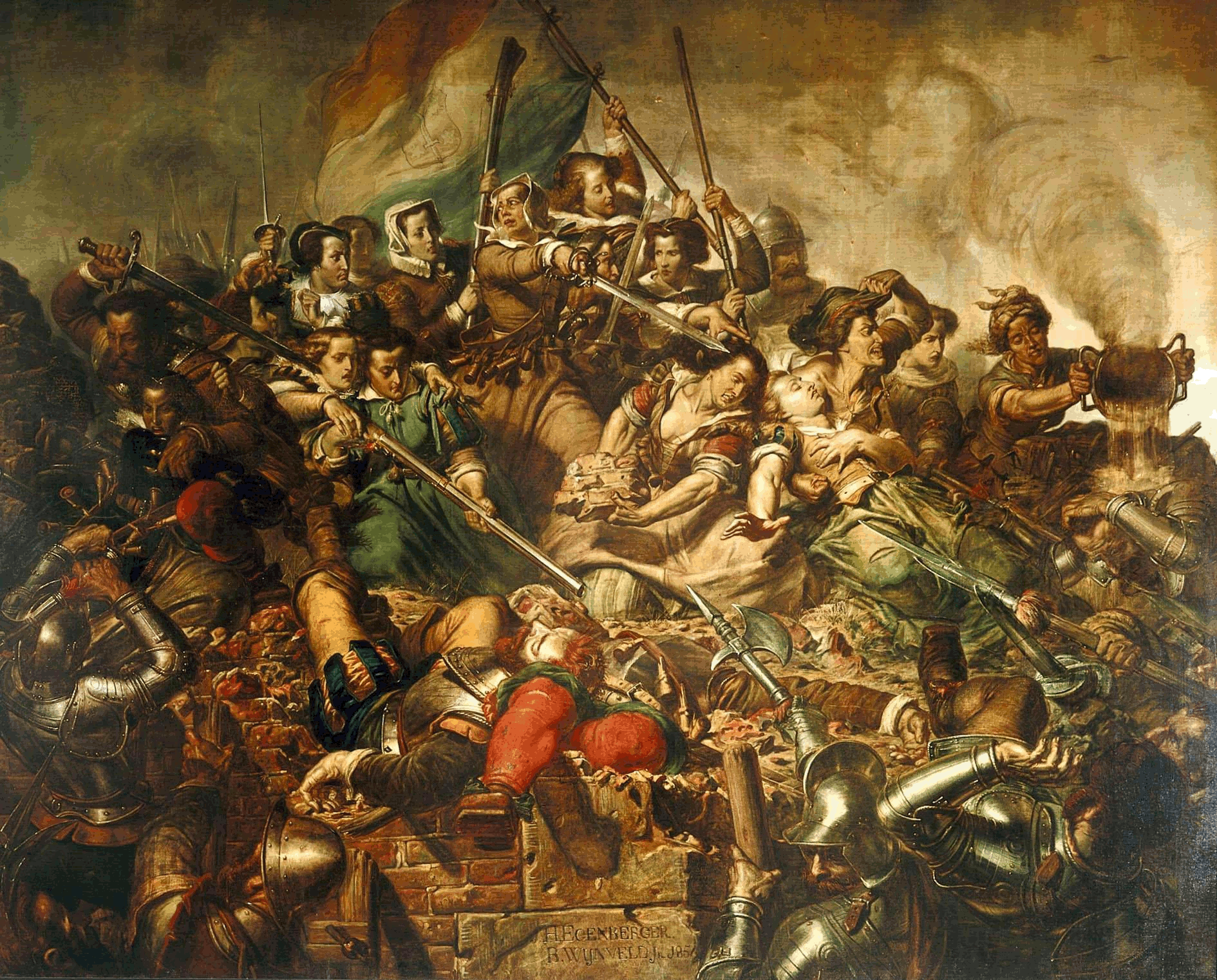
1572 - 1573 - Siege of Haarlem (All Facts)
Battle in which the Spanish took the namesake city from the Dutch during the Dutch Revolt / Eighty Years’ War
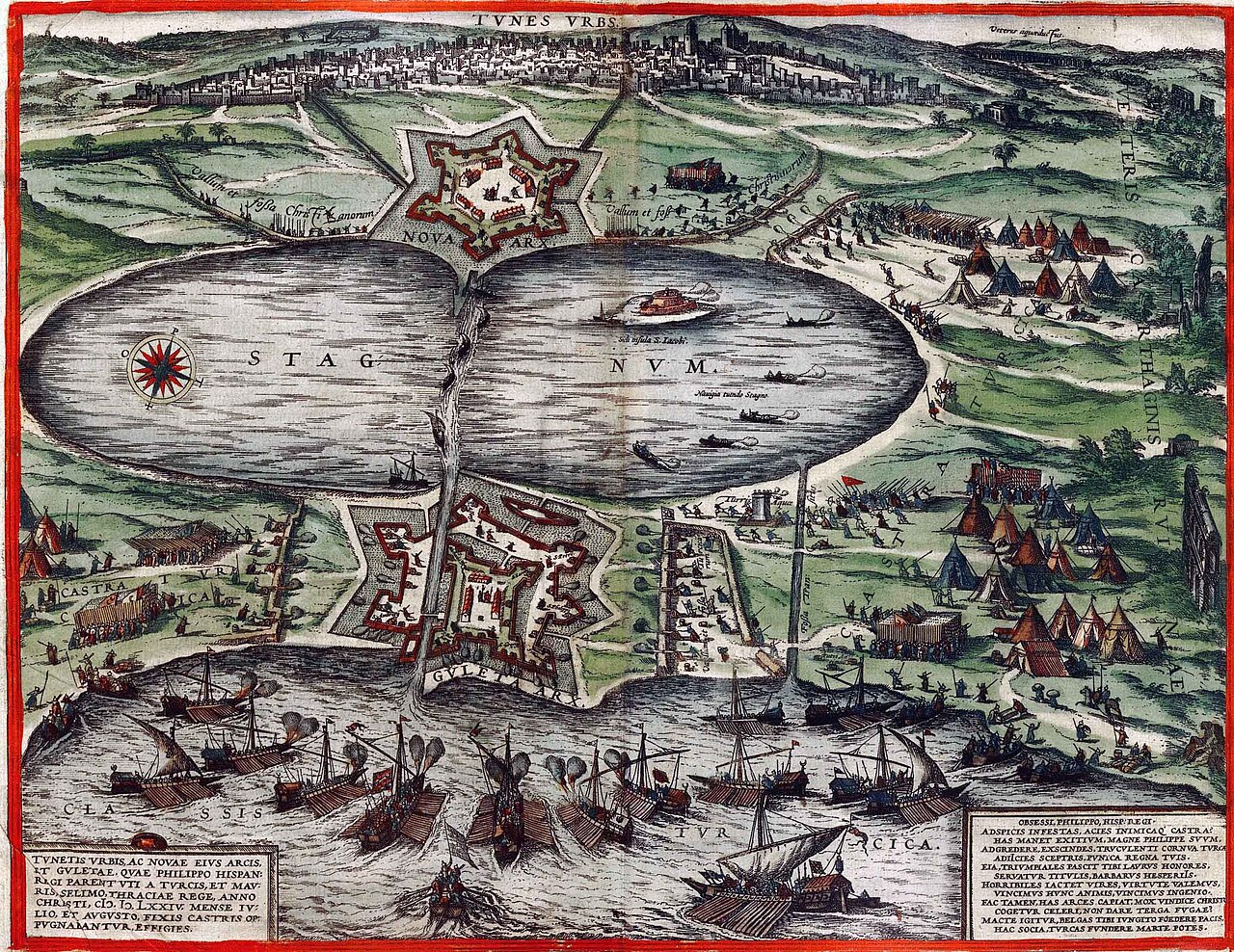
1573 - Conquest of Tunis (All Facts)
War in which Don John of Austria and his 20K forces defeated the Ottoman Turks and retook the namesake region from them
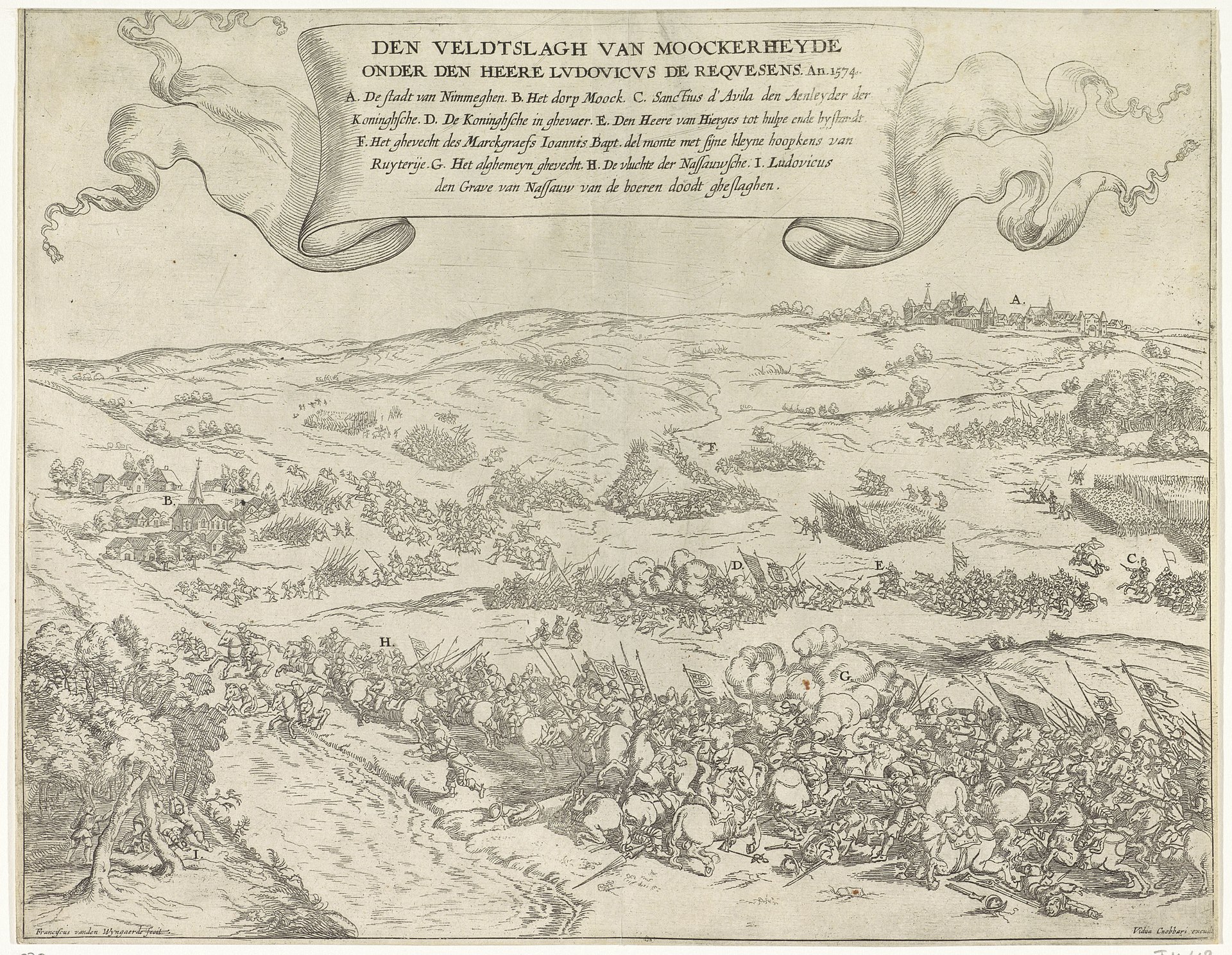
1574 - Battle of Mookerheyde (All Facts)
Battle in which Luis de Requesens y Zúñiga and his Spanish forces defeated the Dutch Protestant / Calvinist rebels during the Dutch Revolt / Eighty Years’ War
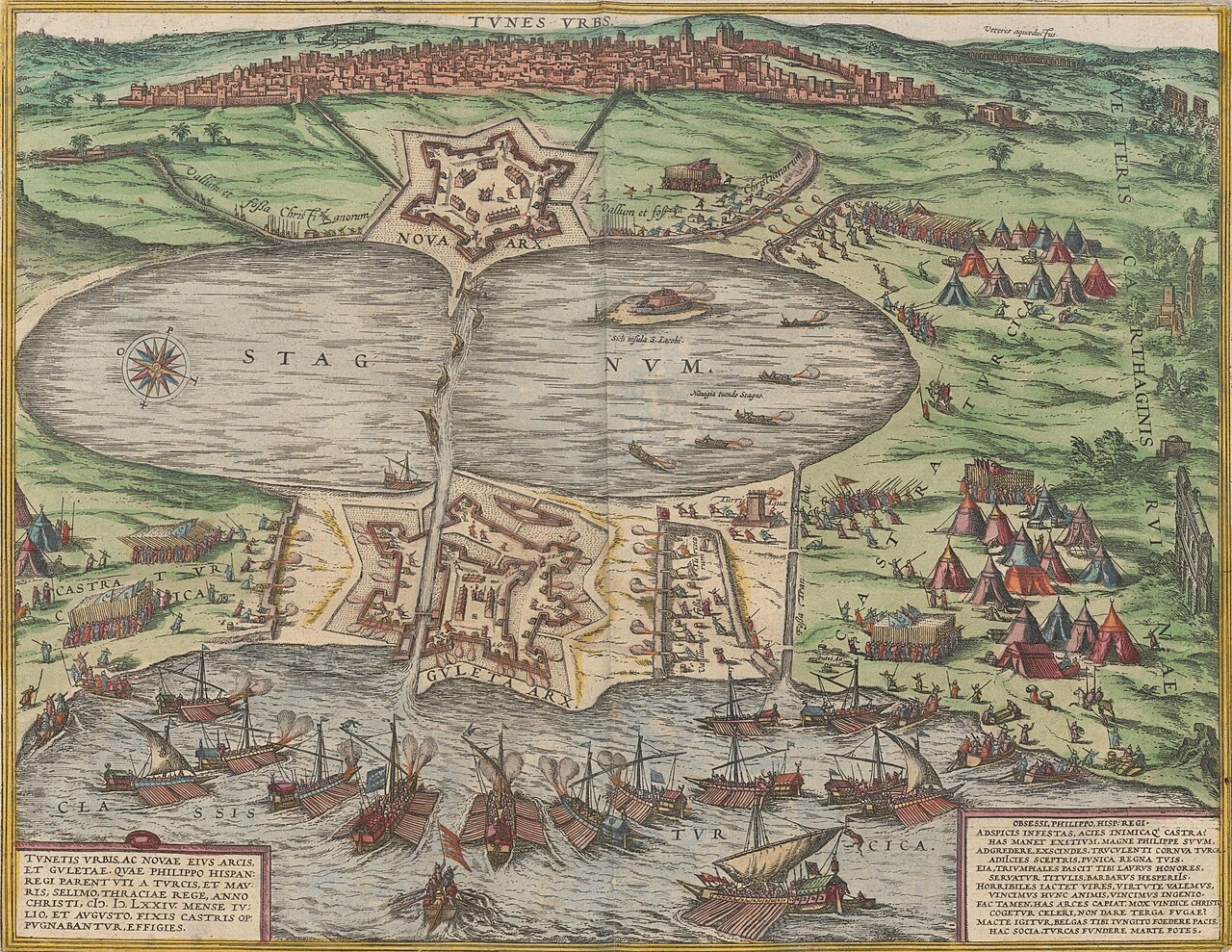
1574 - Conquest of Tunis (All Facts)
War in which Spain was defeated by the Ottoman Turks
War in which the Ottoman Turks recaptured the namesake, as well as Bizerta, out of La Goletta, from Spain and retook the namesake from Don John of Austria
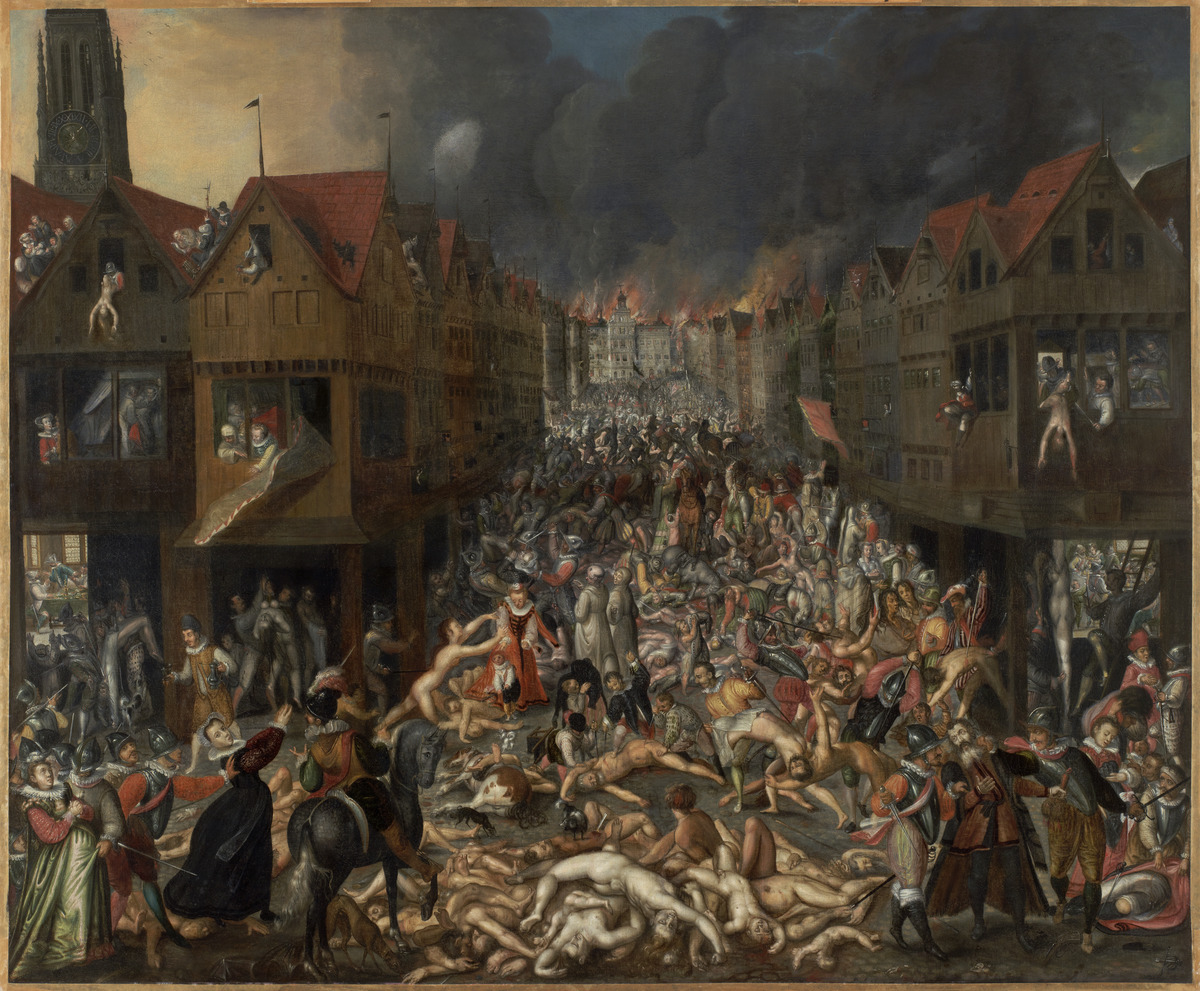
1576 - Sack of Antwerp (All Facts)
Incident which became known as the “Spanish Fury”
During the Eighty Years’ War, the Spanish soldiers took and destroyed the namesake city in which they
mutinied yet indulged in extortion and robbery
rampaged through the city; burning, killing, and looting
killed 8,000 people
destroyed 1,000 houses
“spared neither age nor sex, time nor place, person nor country, profession nor religion, young nor old, rich nor poor, strong nor feeble, but, without any mercy, did tyrannously triumph”
killed hundreds of children
It was prompted by a mutiny four years ago, by Spanish soldiers, that brought the hatred to the boiling point in the namesake conflict
This occurred as thousands of hardened veteran troops expelled their officers and formed their own revolutionary committees, with brutal excesses following
It led to the negotiations which led to the Pacification of Ghent
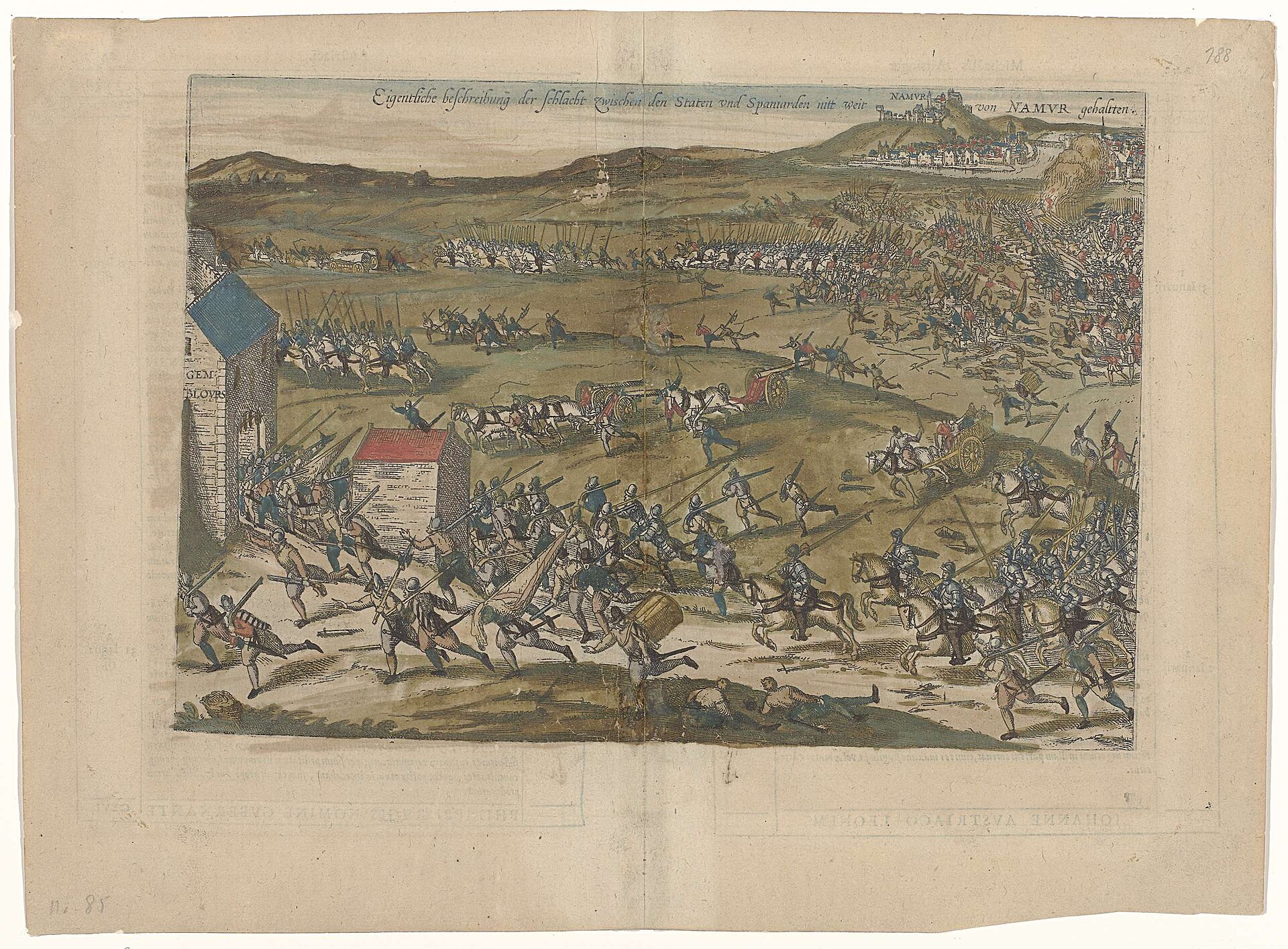
1578 - Battle of Gembloux (All Facts)
Battle in which John of Austria and his Spanish forces defeated the Estates-General of Dutch Rebels during the Dutch Revolt / Eighty Years’ War
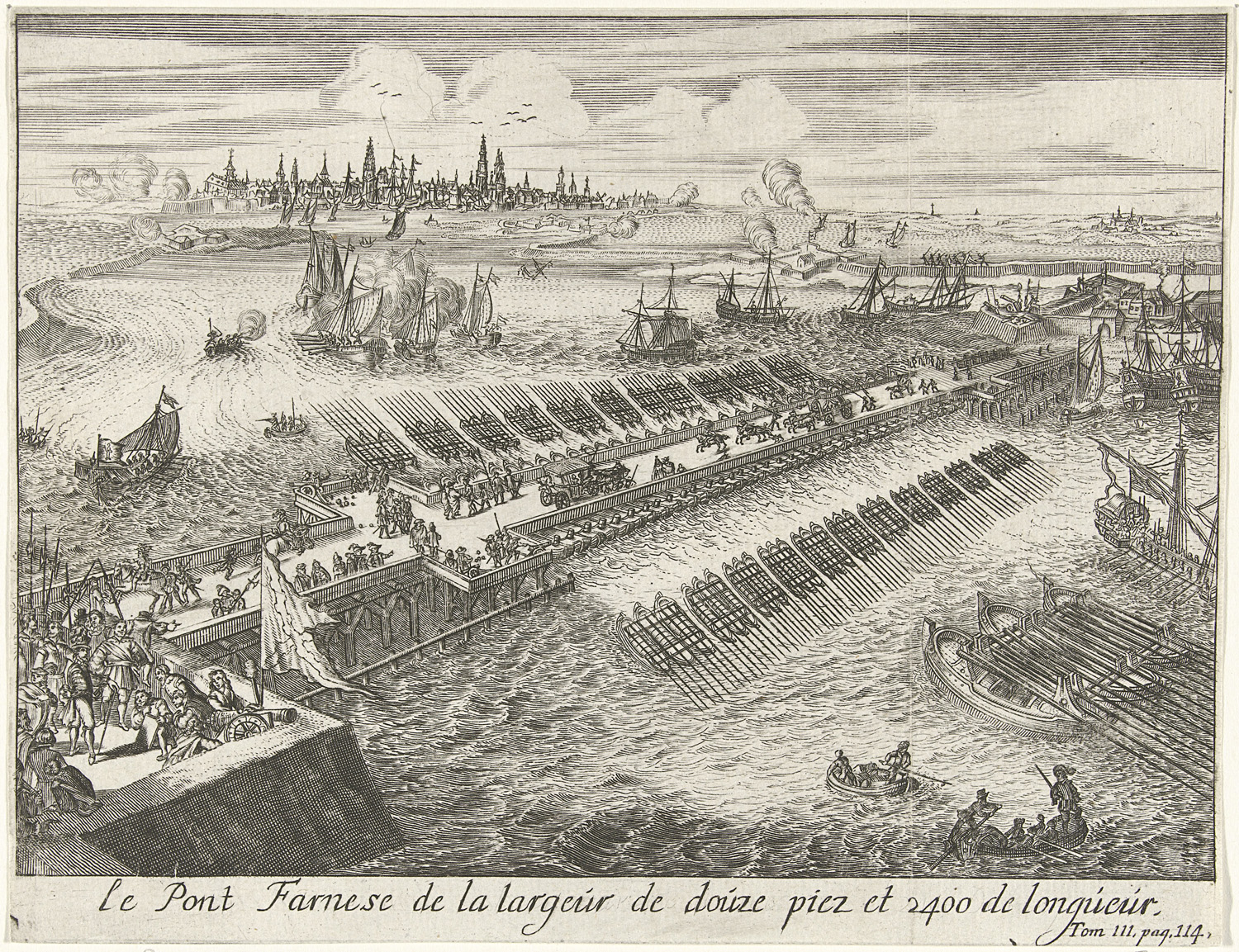
1584 - 1585 - Fall of Antwerp (All Facts)
Battle in which Alexander Farnese and his Spanish forces defeated the States General and took the namesake city to be submitted to the Spanish crown during the Dutch Revolt / Eighty Years
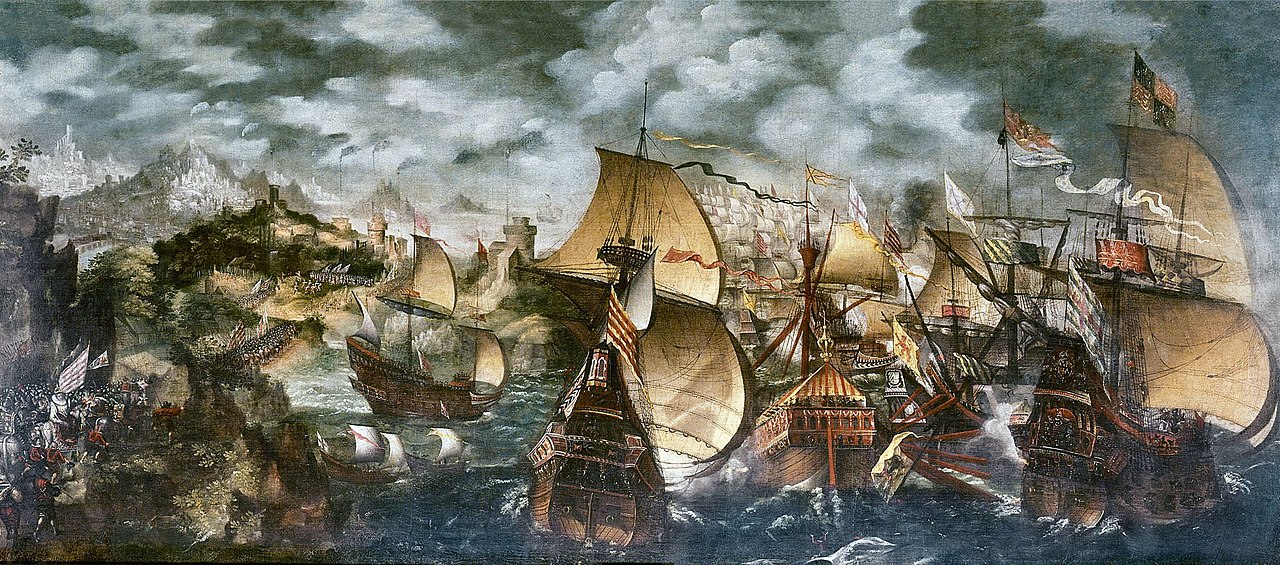
1585 - 1604 - Anglo-Spanish War / 1588 - Spanish Armada (All Facts)
War (Battle) in which Lord Charles Howard of Nottingham and his English forces defeated Alonso de Guzmán y Sotomayor and his Spanish forces; in which
In the beginning, the Spanish
had twice as many ships
had some ships that were 1,000 tons
had many ships packed with soldiers with great grappling irons
In the beginning, the English, despite being outnumbered, outsized, and outmanned;
had highly maneuverable ships
had superior long-range gunfire
slipped past to the Spanish rear while they had sighted the fleet approaching the English Channel during the night prior to the conflict
During the battle, the English
darted in, releasing their broadsides and escaping before the heavier Spanish cannons could be brought to bear
created havoc among the enemy, although they initially could make no impact on the stout Spanish hulls
snapped at the flanks of the Spanish ships while they pushed up the English Channel
used their fireships, stacked with wood, pitch, and explosives and, a mile away from the retreating Spanish, went towards them at midnight, causing panic aboard the Spanish ships as they set a raging fire
struck repeatedly into the next day following the midnight
During the battle, the Spanish
pushed up the English Channel
expected a rendezvous with reinforcements and landing craft from the Spanish Netherlands, but neither ever came due to rebel Dutch “sea beggars”
anchored off Calais
collided and sank as anchors were abandoned and cables were severed
In the end, the English
lost
zero ships
fewer than 100 men
In the end, the Spanish
lost
65 ships
10K men
were
outgunned by the English
panicked by their fireships
battered by a raging southwesterly wind
sailing north, scattered and seeking to escape into the Atlantic around the Orkneys and Shetlands
completely scattered, sunk, or fleeing
War which was prompted by Philip II’s wanting to teach England a lesson after Queen Elizabeth and the explorers and privateers under her such as Francis Drake and John Hawkins, had thoroughly raided and were unimpeded / encouraged by the Queen to continue the raids on various Spanish ships
War in which Queen Elizabeth allowed Francis Drake to launch a spoiling operation on Spanish ships after she had received a report detailing that Philip II was building up a huge fleet of ships
War which was one of the most humiliating naval defeats in Spain’s history
It would have been even worse had the English ships pursuing the Spanish ships not have turned back when they ran out of food and ammunition
War involving a number of battles aside from the latter namesake including
Battle of Cartagena de Indias
Battle of Zutphen
The Singeing of the King of Spain’s beard
Battle of Flores
War after which Spain’s power began to decline
Although Spain remained a major power after its defeat, its prestige had been seriously damaged and its naval supremacy definitively lost
1586 - Battle of Zutphen (All Facts)
Battle in which Philip Sydney and his English forces were defeated by the Spanish during the Anglo-Spanish War in the Netherlands during the Eighty Years’ War
Battle in which Philip Sydney
charged recklessly with 500 English horsemen against 3,000 Spanish cavalry
was struck in the thigh by a bullet, and managed to ride back to camp where he called for water
When he saw a dying foot-soldier brought in, however, he handed him the bottle of water saying “thy necessity is yet greater than mine”
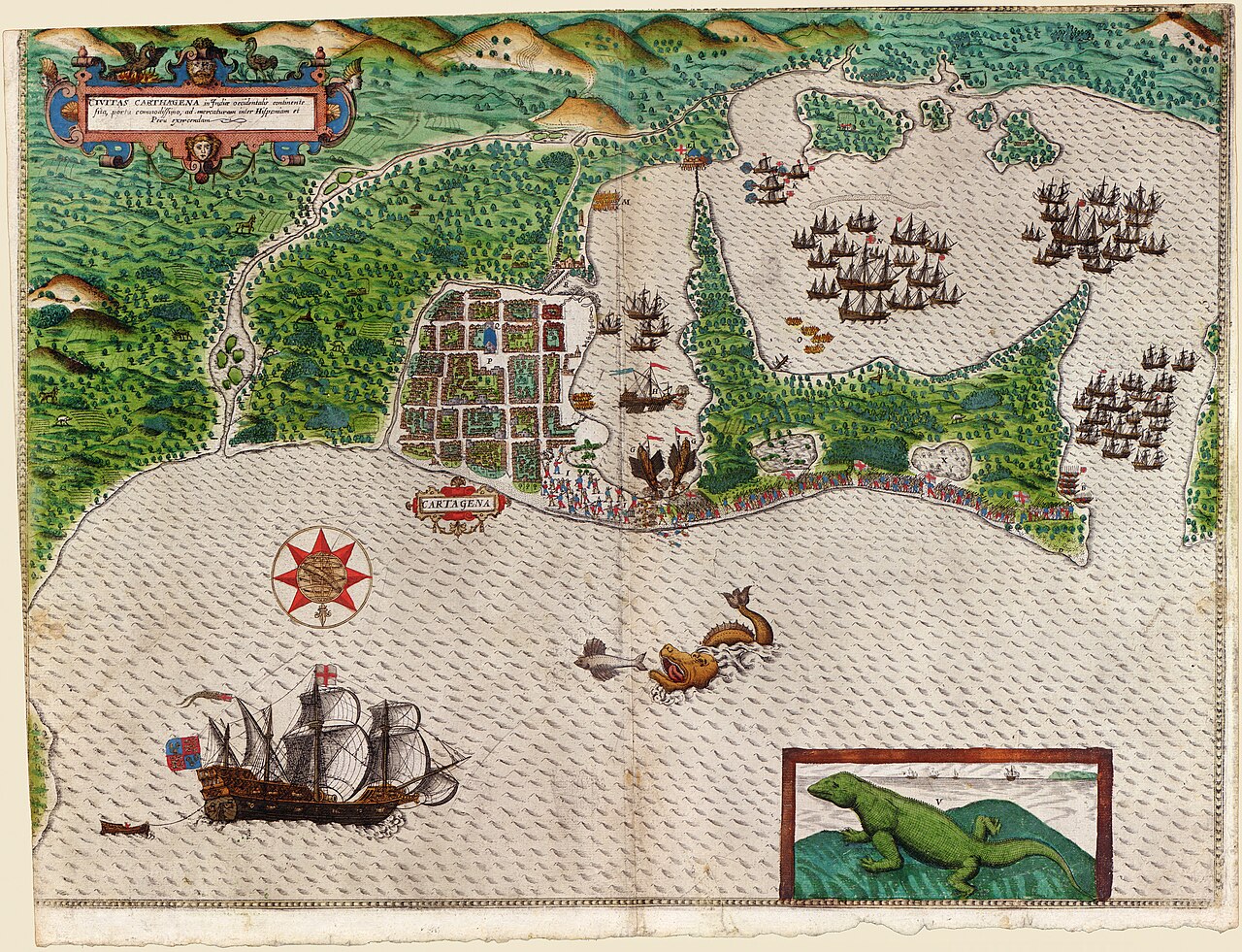
1586 - Battle of Cartagena de Indias (All Facts)
Battle in which Francis Drake and his English forces capture Cartagena on the Spanish by a land and sea attack, plundering the city and ransoming it for 110K ducats; during the Anglo-Spanish War
1587 - The Singeing of the King of Spain’s Beard (All Facts)
Series of attacks by Francis Drake on the Spanish fleet during the Anglo-Spanish War
They were commissioned by Queen Elizabeth of England, whom had sent Drake to launch the namesake operation of spoiling the Spanish ships
She did this after having received a report that Philip II of Spain was building up a huge fleet of ships to fight against the English
Series of attacks that began with Francis Drake’s having pillaged Cadiz and ravaged the Spanish coast
He did this with 23 warships that descended with guns blazing onto Cadiz, having captured or destroyed 80 Spanish ships
1591 - Battle of Flores (All Facts)
Battle in which the Spanish defeated Richard Grenville and the English during the Anglo-Spanish War
Battle in which Richard Grenville was killed and the ship, the Revenge, was destroyed

1591 / 1593 - 1606 - Long Turkish War / Thirteen Years’ War / Fifteen Years’ War / Sixth Habsburg-Ottoman War (All Facts)
War in which Murad III, Mehmed III, and Ahmed and their Ottoman forces fought against Holy Roman Emperor Rudolf II and the Habsburgs (Holy Roman Empire and Spain) and their allies; which ended in a stalemate
War during which Ottoman forces captured the fortress of Raab in Hungary

1595 - Siege of Esztergom (All Facts)
Battle in which Habsburg forces defeated Ottoman forces during the Long Turkish War Thirteen Years’ War / Fifteen Years’ War / Sixth Habsburg-Ottoman War

1596 - Battle of Mezőkeresztes (All Facts)
Battle in which Mehmed III and his Ottoman forces defeated Sigismund Bathory and his Habsburg forces and allies during the Long Turkish War / Thirteen Years’ War / Fifteen Years’ War / Sixth Habsburg-Ottoman War
Battle in which Mehmed III
was personally responsible for turning the tide of battle, despite a mass desertion by the Ottoman Turkish infantry
in one fell swoop, saved a huge swathe of territory for the Ottoman Empire, saving its possessions in Macedonia, Bulgaria, and Hungary despite a string of previous Hungarian military victories
tried to follow the “siphahis” when they walked off the battlefield, but his generals held a council of war to persuade him to stay with the rest of his army
Battle which
began badly for the Ottoman forces, when early reverses caused the “sipahis,” the fief-holding backbone of the Ottoman forces, to simply walk off the battlefield
Battle in which the overconfident Christian Habsburg forces broke rank to plunder the Ottoman Turkish camp, only for the Ottoman cavalry to kill them and take enormous booty including a hundred cannons
Battle in which 30K Hungarians and Germans died
1595 - 1598 - Franco-Spanish War (All Facts)
War in which France fought against Spain, having ended in a stalemate
War in which King Henry IV declared war on Spain to
show Catholics that Spain was using religion as a cover for an attack on the French state
show Protestants that his conversion had not made him a puppet of Spain
reconquer large parts of northern France from the Franco-Spanish Catholic forces
prevent Spain from enforcing its claims of a Spanish pretender to the French throne
1595 - Battle of Fontaine-Francaise (All Facts)
Battle in which King Henry IV and his French forces defeated the Spanish and drove them out of Burgundy during the Franco-Spanish War
1596 - Siege of Calais (All Facts)
Battle in which the Spanish defeated King Henry IV and his French forces during the Franco-Spanish War
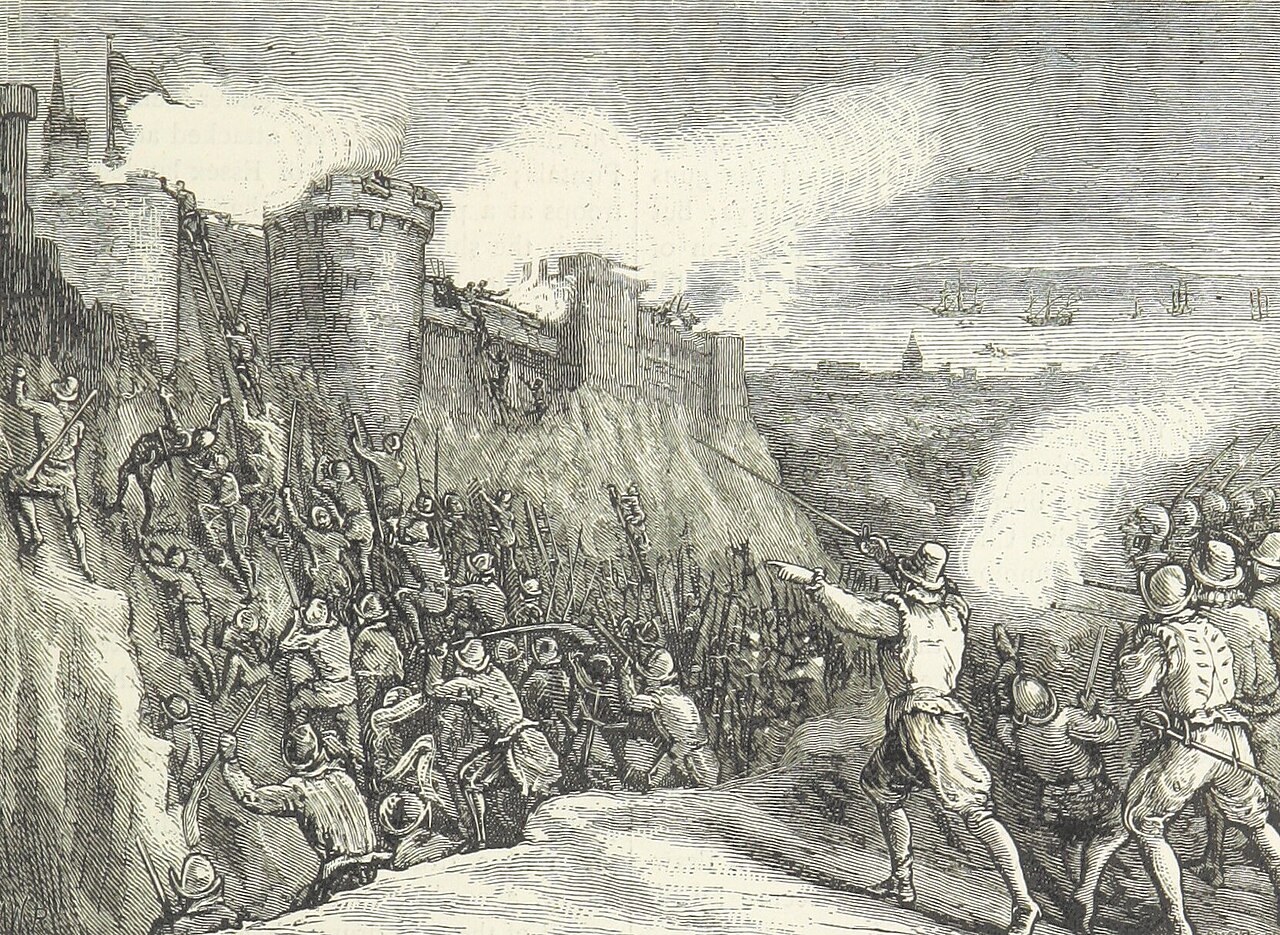
1596 - Capture of Cadiz (All Facts)
Battle in which Robert Devereux, Charles Howard, Francis Vere, Walter Raleigh, and their combined English and Dutch forces defeated Alonzo Perez de Guzman and his forces and raided and captured the namesake Spanish city during the Anglo-Spanish War and Eighty Years’ War
1596 - Triple Alliance (All Facts)
Pact established between England, France, and the Netherlands against Spain
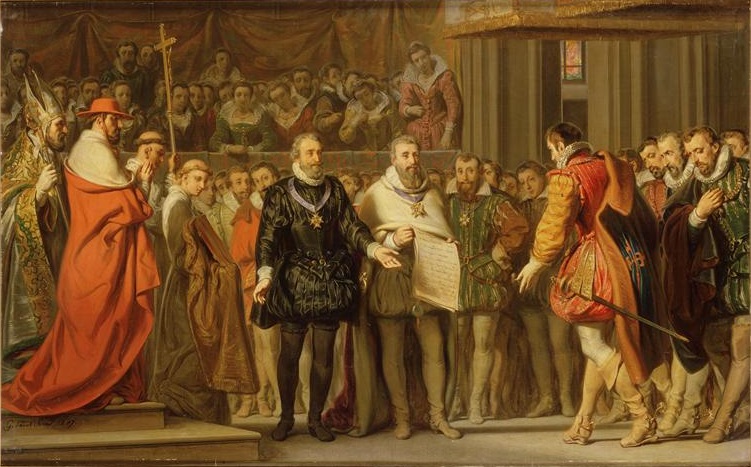
1598 - Peace of Vervins (All Facts)
Peace Treaty signed between King Henry IV of France and King Philip II of Spain, it ended the Franco-Spanish War
Peace Treaty which
made France belong entirely to King Henry IV and the House of Bourbon, ending King Philip II and Spain’s interference in France and attempts to put a Spanish pretender on the French throne
made Spain, particularly the Habsburgs, suffer a major setback in their ambitions
Peace Treaty in which
Spain kept the provinces of Flanders, Artois, and Charolais
France kept the province of Picardy

1600 - Battle of Nieuwpoort (All Facts)
Battle in which Maurice of Nassau and his Dutch forces defeated Albert VII of Austria and his Spanish forces during the Eighty Years’ War / Dutch Revolt
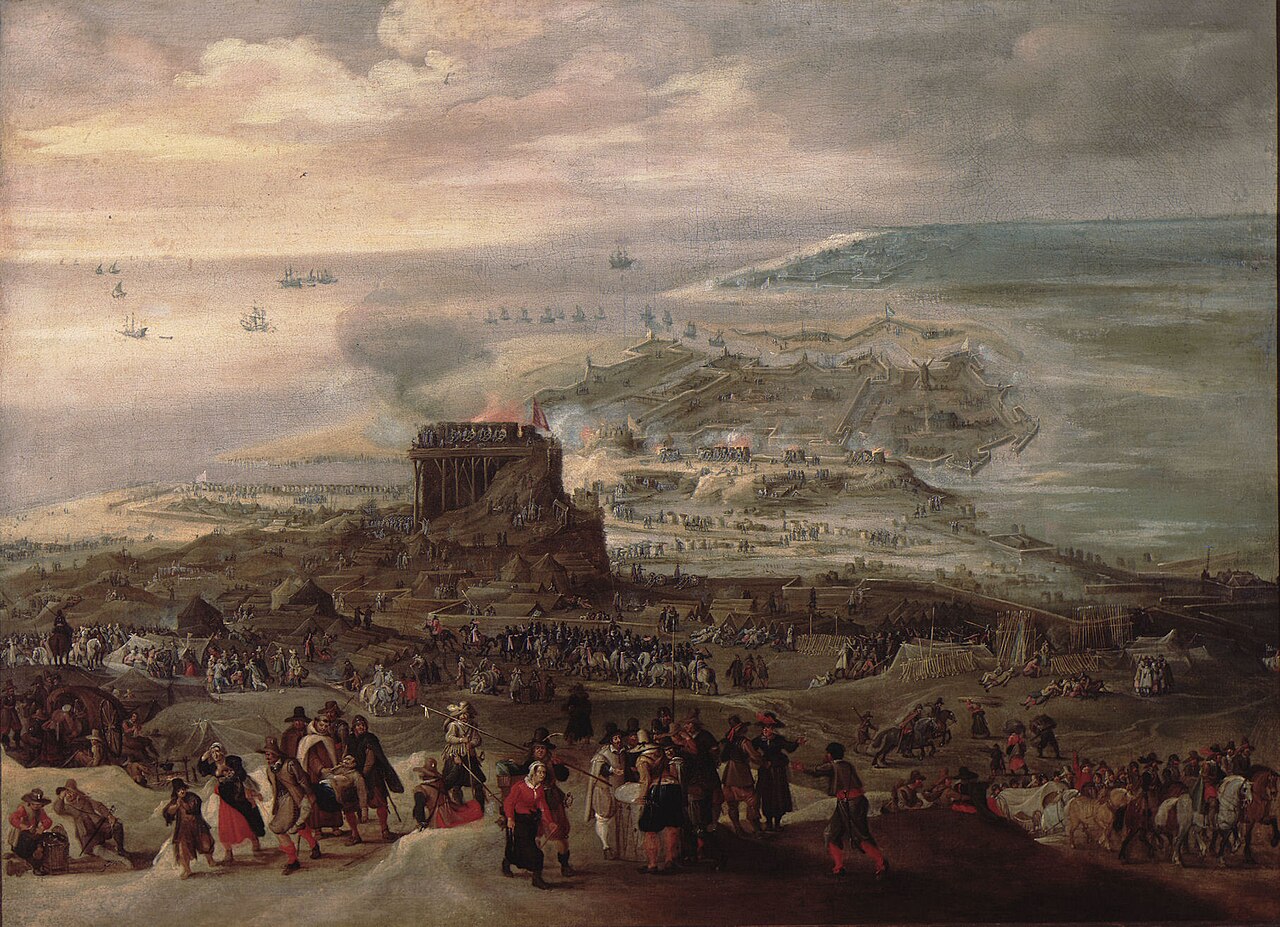
1601 - 1604 - Siege of Ostend (All Facts)
Three-year siege in which the Spanish took the namesake city from the Dutch during the Eighty Years’ War

1606 - Peace of Zsitvatorok (All Facts)
Peace Treaty signed between Holy Roman Emperor Matthias and Sultan Ahmed of the Ottoman Empire, ending the Long Turkish War / Thirteen Years’ War / Fifteen Years’ War / Sixth Habsburg-Ottoman War
Peace Treaty signed between equals (unlike previous treaties which were “graciously accorded by the Sultan” to his “vanquished” rival) in the namesake obscure town on the Hungarian frontier, which promised a new era of stability between the two longstanding foes
Peace Treaty in which Austria was no longer able to pay an annual tribute (to the Ottoman Empire) and a final payment was agreed upon, after which the ambassadors (and rulers) of the two great powers promised to exchange ceremonial gifts every three years
Peace Treaty in which
the Ottoman Empire renounced its claims to Hungary with the exception of two newly-created provinces and the frontier fortresses of Erlau, Gran, and Kanischa
Stephen Bocskai and Transylvania gained considerably autonomy under Ottoman rule
Peace Treaty which would remain in effect (definitively) for the next 20 years
1609 - 1621 - Twelve Years’ Truce (All Facts)
Ceasefire during the Eighty Years War between Archduke Albert VII of Austria and Spain and Maurice Nassau and the Netherlands
Truce that was formally agreed upon after months of negotiation, with envoys from England and (King Henry IV of) France acting as mediators
Lasting for the namesake amount of time, it took effect universally a year into its implementation because of the need to inform troops and ships outside Europe
Truce in which the Archduke tried desperately to secure a guarantee of improvement in conditions for Catholics in the north of the Netherlands
Truce in which the Dutch, pressed for the right to trade with Spain’s colonies
Truce that included a clause that allowed travel and trade between Spain and the Netherlands, but “as for the places, cities, ports, and harbors which King Philip III of Spain holds outside these limits, the States and their subjects cannot engage in any business in them without the permission of King Philip III”
1617 - Treaty of Pavia (All Facts)
Peace Treaty signed between Spain and the Duchy of Savoy, which reinforced Spain’s alliances against France
Peace Treaty signed during the reign of King Philip III

1618 - 1648 - Thirty Years’ War (All Facts)
Conflict
between Catholics and Protestants in Germany following the failure to reconcile them via the Peace of Augsburg
Conflict in which
4.5M-8M people were killed from
the battlefield
plague and disease
the constant maneuvering helped to spread disease
famine
the constant maneuvering laid waste to vast tracts of farmland
Crops were destroyed
German towns lost as many as 50% of their populations from
being razed to the ground by siege and fire
plague borne by countless armies
the European continent was nearly destroyed
Conflict which began
with the Defenestration of Prague and Bohemian Revolt
when Bohemia elected itself a new Protestant as king, Frederick V, previously the elector of Palatine, to replace the Habsburg King Ferdinand II, whom the Bohemian estates had previously “accepted” as king
Conflict during which
The Protestant Union was dissolved
Conflict during which
Johann Tserclaes (Count of Tilly) and his Catholic forces sacked the Heidelberg University Library
Bavaria (as well as Spain and Austria) invaded France with their armies and advance units of the Bavarian cavalry arrived in the Parisian suburbs
These armies invaded France but were driven back
Conflict which saw
The Bohemian Revolt
The Defenestration of Prague
The Battle of White Mountain
The Vatellina War (between Spain and Switzerland)
The Battle of Lutter
The Battle of Dessau Bridge
The Sack of Magdeburg
The Battle of Breitenfeld
The Battle of Lutzen
The Battle of Nordlingen
The Battle of Wittstock
The Battle of Rheinfelden
The Battle of Freiburg
Conflict which involved
The Eighty Years’ War / Dutch Revolt (between Spain and the Netherlands / Dutch Republic)
Conflict which ended with
The Peace of Prague
The Peace of Westphalia
This took three years of negotiation in two cities, Munster and Osnabruck, to bring about the official signing
Just four years prior to the start of the war,
Catholics and Protestants alike in Germany were already preparing for the conflict, which threatened to engulf the whole continent as
battle-lines were already being drawn up by then
fortunes were already being spent equipping private armies throughout Germany
Germany prepared itself to be the battlefield when the war would break out
In the Protestant north of Germany,
whole cities were ringed with star-shaped walls, bastions, and moats
In Catholic Bavaria and in the Rhineland,
great new fortresses pierced the skylines
intense diplomatic activity was taking place, particularly on the part of
Prince Christian of Anhalt-Bernburg
King James of England
Conflict which ended when three successive salvos crashed out from 70 cannons on the walls of Munster to announce that peace came from a war-ravaged Europe after three decades of bitter conflict in which every power became involved both on land and sea
Conflict after which
100K+ mercenaries had to be paid and returned home lest they turn themselves into robber-bands adding even more torment to a war-weary Europe
the high cost of the war caused massive tax demands on both nobles and peasants, both parties of whom threatened revolt

1618 - 1620 - Bohemian Revolt (All Facts)
Revolt of the namesake estates against Ferdinand II and the Habsburgs that were ruling there
Revolt of Bohemians against the pro-Catholic policy of the regents in Prague
Revolt led by Jindřich Thurn (of Bohemia)
Revolt which triggered the Thirty Years’ War
Revolt which began with the Defenestration of Prague

1620 - Battle of White Mountain (All Facts)
Battle in which the Holy Roman Empire and Catholic League of Imperial Princes, with help from Spain, defeated Bohemia and the Electorate of the Palatinate during the Bohemian Revolt during the Thirty Years’ War
Battle during which
King Frederick V of Bohemia and his queen were in high spirits at the dinner table as they entertained the English ambassadors there
the armies of the fanatically Catholic emperor Ferdinand II had invaded Bohemia from Austria
King Frederick V was confident that his enemy’s forces were too weak with hunger or wracked with plague to fight while his own army occupied an unassailable position on the namesake location near Prague
the army of Bohemia had become mutinous during a lengthy artillery barrage and many had refused to fight as they were overwhelmed by Bavarian and Spanish infantry
King Frederick V rode out to encourage his soldiers after his dinner with the English ambassadors, but had not even reached the city gates when he met the first fugitives after his army had been defeated and Holy Roman Emperor Ferdinand II’s banner flew over the namesake location
the citizens of Prague closed the gates against their invaders, and King Frederick V and his wife fled in such haste that they almost forgot their youngest prince, although they did remember most of their crown jewels
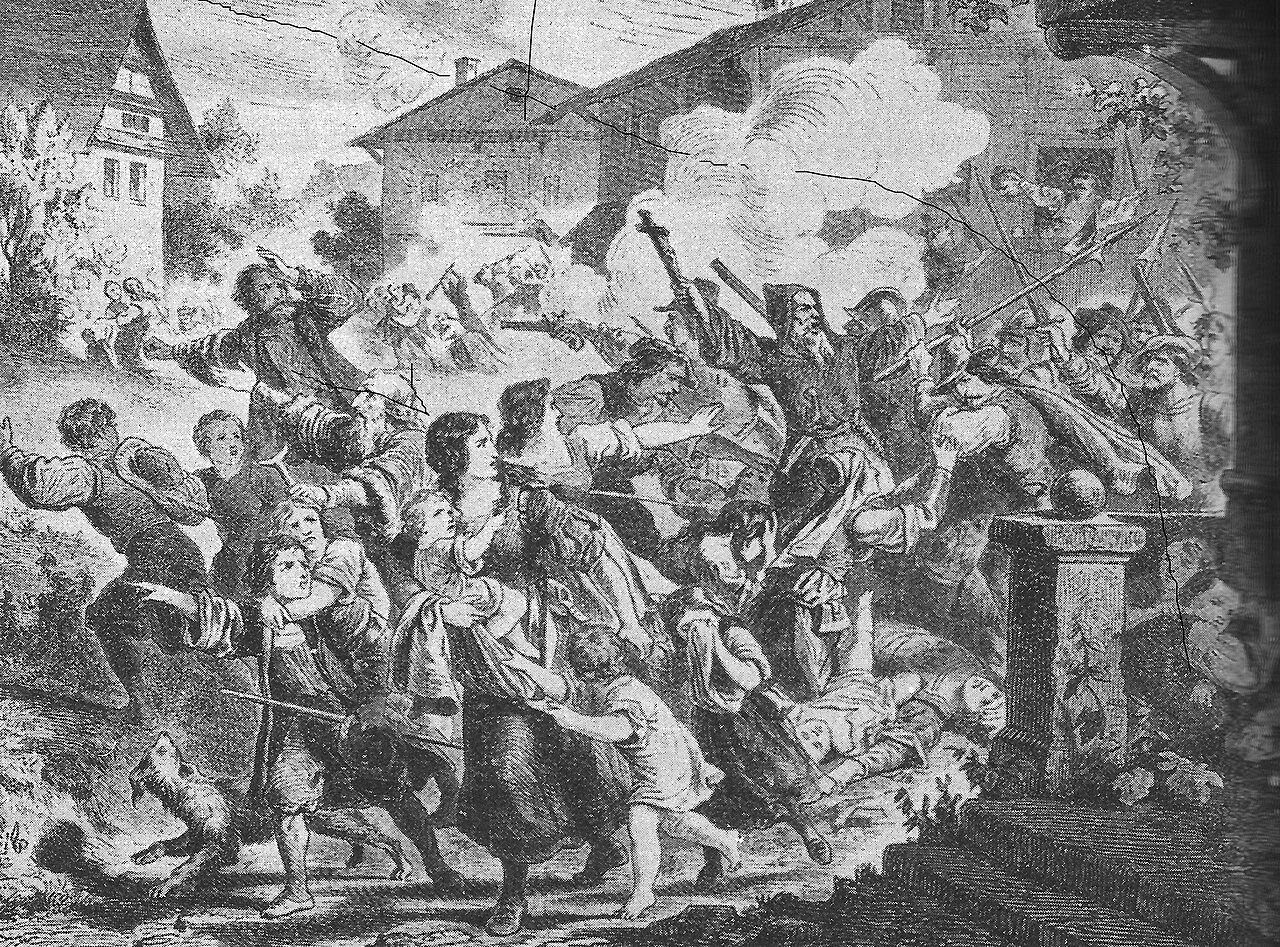
1620 - 1626 - Vatellina War (All Facts)
War between Spain and the Swiss League of Grisons that arose out of competition to control the namesake Alpine valley forming a key part of the Spanish Road; during the Thirty Years War
1622 - Siege of Bergen op Zoom (All Facts)
Battle in which Ambrogio Spinola and his Spanish forces defeated Maurice of Nassau and his Dutch forces and seized the namesake fortress town during the Eighty Years’ War
1623 - Groot Desseyn / Grand Design (All Facts)
Plan devised by the Dutch West India Company to seize the possessions of the Iberian Union (Spain and Portugal) in Africa and the Americas, in order to disrupt the colonial revenue stream the Spanish were using to fund their war against the Netherlands
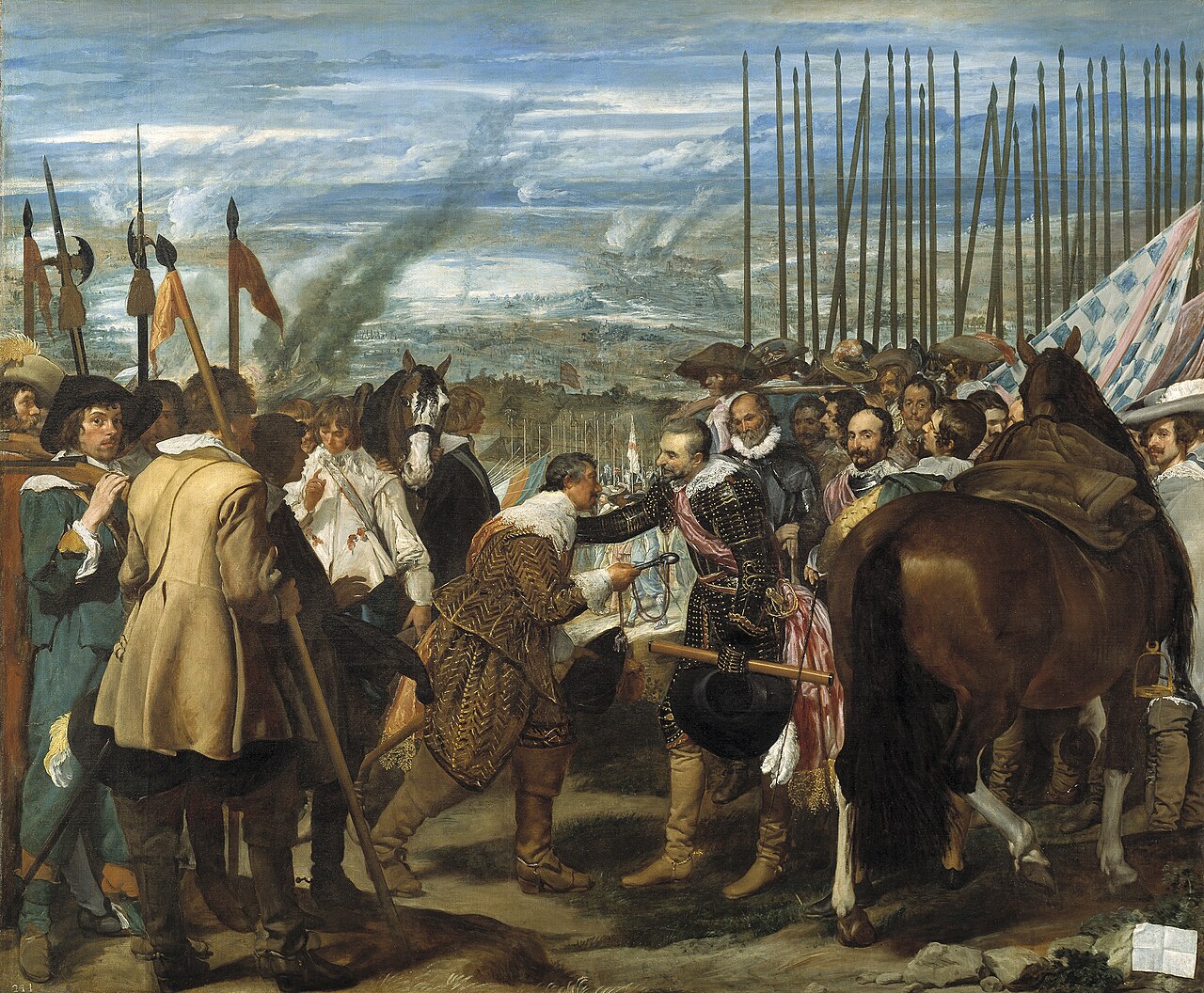
1624 - 1625 - Siege of Breda (All Facts)
Battle in which Ambrogio Spinola and his Spanish forces defeated Maurice of Nassau and his Dutch forces and took the namesake strategically vital town after it had surrendered during the Eighty Years War
Battle in which every attempt by English mercenaries fighting under the banner of the Prince of Orange to break the Spanish siege was foiled
Battle which thus poised Spanish forces to overrun the entire Netherlands
Battle after which the namesake town was recaptured by the Dutch
1624 - Capture of Bahia (All Facts)
Battle in which Dutch forces defeated the Spanish (and Portuguese) forces and took the namesake town from the Spanish (and Portuguese) in (Spanish / Portuguese) Brazil during the Dutch Invasions of Brazil during the Dutch-Portuguese War during the Dutch Revolt / Eighty Years’ War
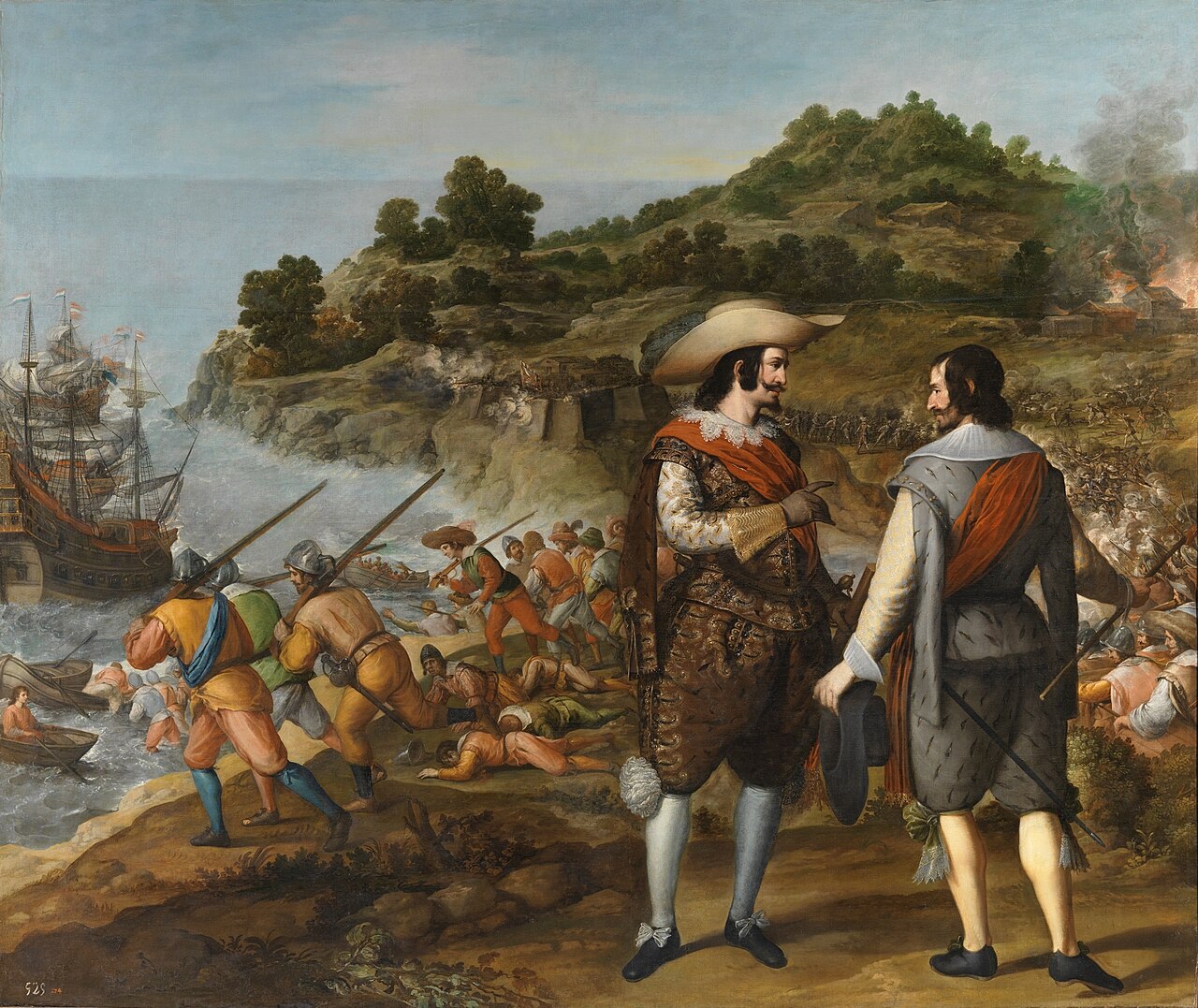
1625 - Battle of San Juan (All Facts)
Battle in which the Spanish forces defeated the Dutch forces despite a two month siege of the namesake Spanish town in (Spanish) Puerto Rico, preventing the Dutch from taking the Spanish colony during the Eighty Years’ War
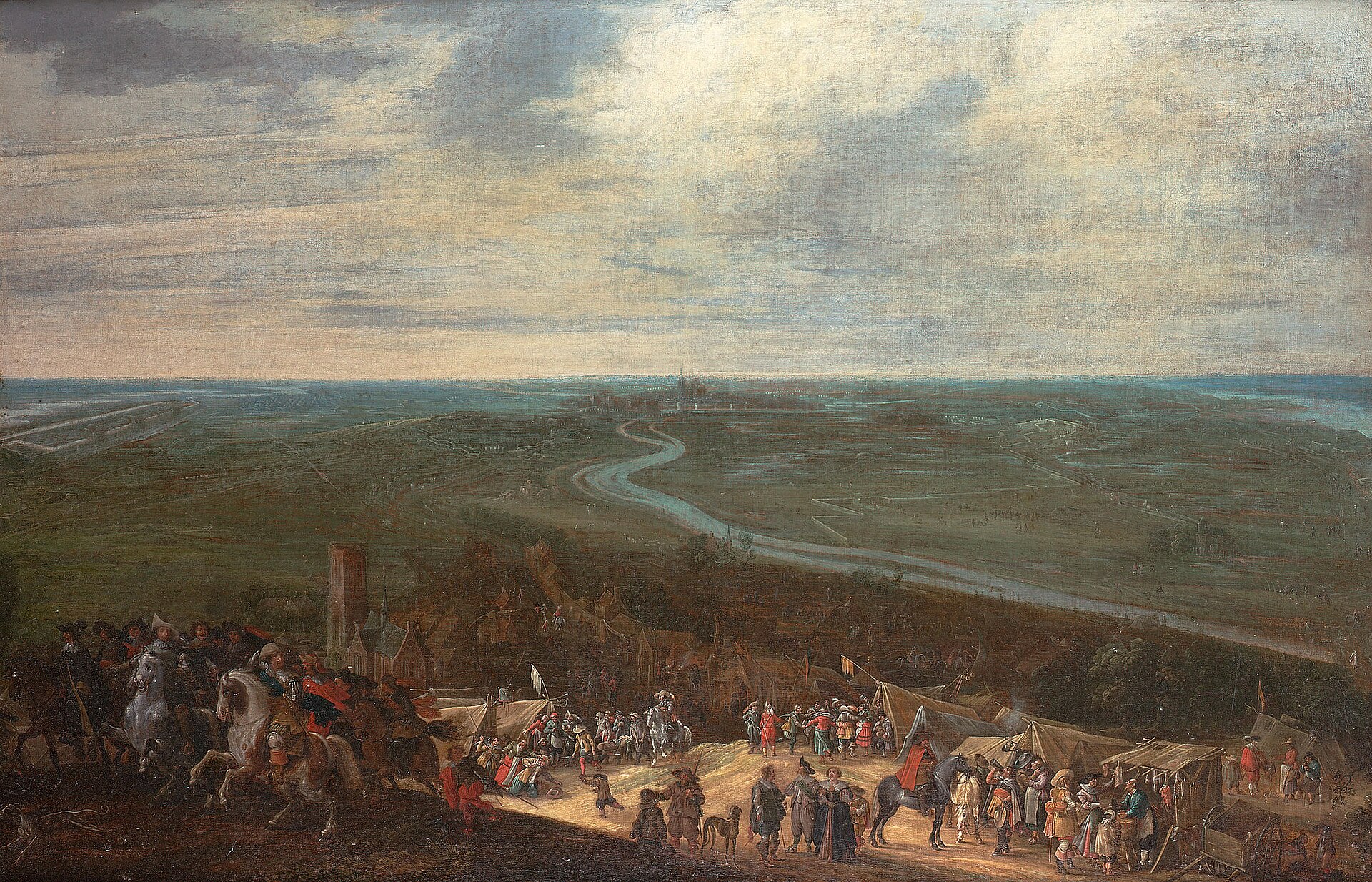
1625 - 1630 - Anglo-Spanish War (All Facts)
War ended by the Treaty of Madrid
War which was disastrous for King Charles and England and which emptied the English treasury
1626 - Treaty of Monzon (All Facts)
Peace Treaty which ended the Valtellina War
Peace Treaty between France, Spain, and the Papacy which restored the status quo of the area of the Alpine Valley
Peace Treaty in which
Spanish forts were to be destroyed
France was to have the use of the passes in and out of Valtellina, to be restored to the leaders of three associations of landlords known as the Grisons
Peace Treaty involving France since France wanted an Alpine route directly into the Habsburg backyard in Italy
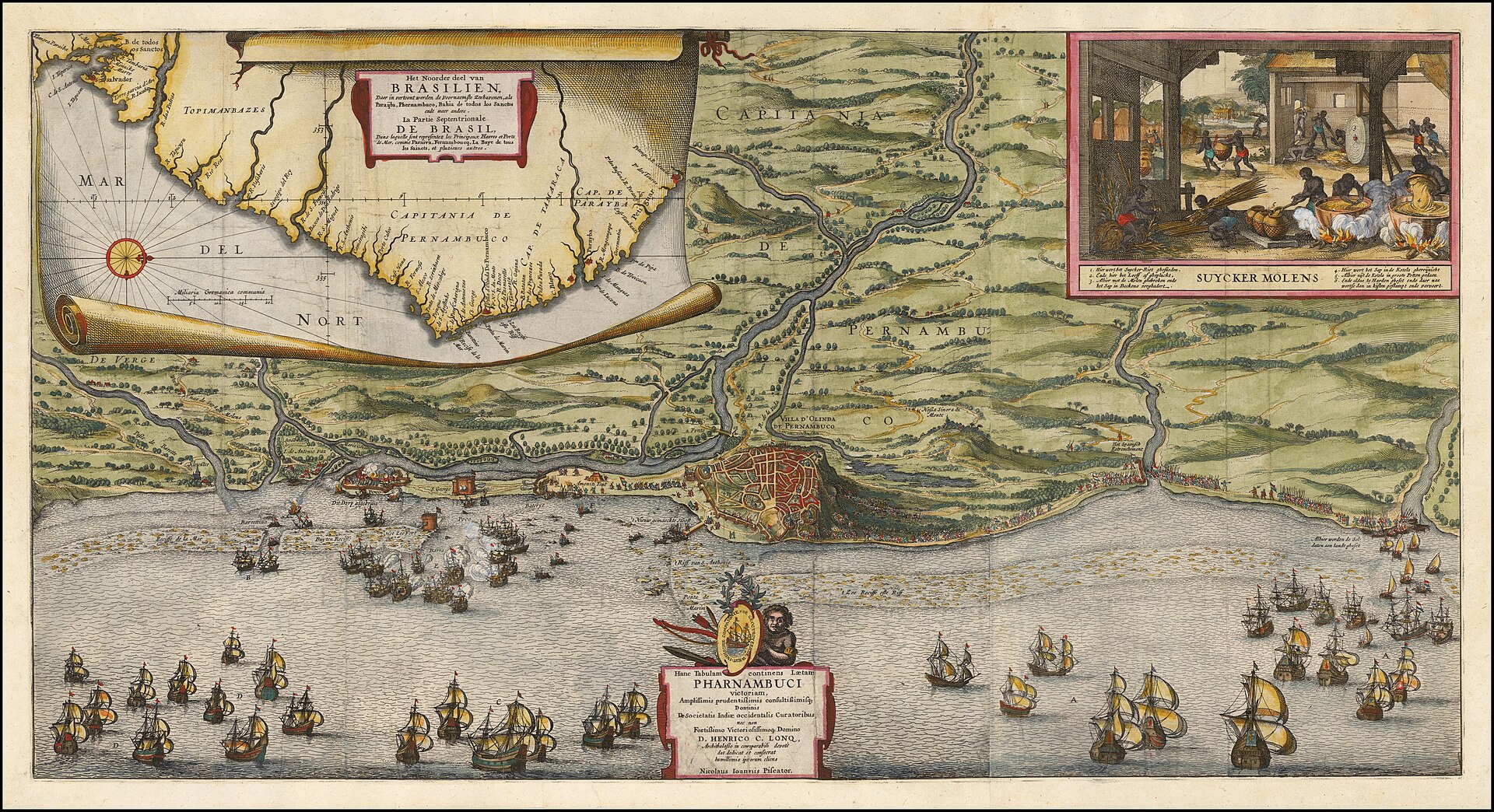
1630 - Siege of Recife (All Facts)
Battle in which the Dutch captured the namesake sugar capital of Brazil from the Portuguese during the Dutch Invasions of Brazil during the Dutch-Portuguese War during the Dutch Revolt / Eighty Years War
After their capture, the Dutch developed the namesake Brazilian city along the lines of Amsterdam,
with canals and tall town houses
in which architects, engineers, and artists all came from Holland to develop it
in which a policy of religious toleration was introduced, allowing Calvinists, Catholics, and Jews to practice their religion without interference