Comprehensive Guide to Long-Term and Home Healthcare for Pharmacists
 Call Kai
 Learn
Learn Practice Test
 Spaced Repetition
 Match
Match Flashcards
 Knowt Play
1/45

There's no tags or description
Looks like no tags are added yet.
Name | Mastery | Learn | Test | Matching | Spaced | Call with Kai | Chat |
|---|
No analytics yet
Send a link to your students to track their progress
46 Terms
What is Long-Term Care (LTC)?
A set of health, personal care, and social services delivered over a sustained period to persons who can no longer perform daily activities without assistance.

What are Activities of Daily Living (ADLs)?
Basic daily tasks such as bathing, grooming, toileting, mobility, transferring, and eating.
What are Instrumental Activities of Daily Living (IADLs)?
More complex daily tasks such as using the phone, driving, shopping, and meal preparation.
How does Long-Term Care differ from acute care?
LTC is sustained over a longer period (months to years), while acute care is typically short-term (90 days or less).
What percentage of LTC recipients were age 65 or older in 2023?
63% of care recipients.
What are some reasons for the decreasing age of LTC recipients?
Younger people are entering LTC due to developmental issues, intellectual disabilities, psychiatric concerns, chronic, or neurological disorders.
What is the largest public funding source for LTC?
Medicaid.
What are some private funding options for LTC?
Personal funds, LTC insurance, life insurance policies, reverse mortgages, annuities, and trusts.
What factors influence entry into Long-Term Care?
Population demographics, economics of health care, life expectancy, health conditions, affordability of care, and availability of informal caregivers.
What are the main risk factors for institutionalization in LTC?
Advanced age, medical conditions (physical and mental), and living alone.
What types of facilities are included in institutional Long-Term Care?
Rehabilitation, LTC and nursing home facilities, mental healthcare facilities, psychiatric inpatient facilities for people under 21, and intermediate care facilities for those with intellectual disabilities.
What is required for nursing homes to admit patients and receive payment from Medicare and Medicaid?
They must be state-licensed and federally certified.
What do federal standards for nursing homes require?
Standardized staffing levels and assessments, verified through annual inspections.
What is the objective of Home and Community-Based Long-Term Care Services (HCBS)?
To allow individuals to remain in their homes and communities instead of going to institutionalized care.

What are some trends affecting the nursing home industry?
Staffing issues, inflation, operational costs, and payer changes (especially Medicaid).
What determines the type of care received in LTC?
Level of disability, availability of informal caregivers, financial circumstances, availability of public programs, and personal circumstances.
What is the expected growth of the population over 85 by 2040?
It is expected to triple.
What role do changing demographics of women play in LTC?
Women often have dual responsibilities of career and caregiving, affecting the availability of informal care.
What is the significance of grandparents raising grandchildren in the context of LTC?
It contributes to the increasing need for long-term care services.
What is the role of Medicaid in LTC?
Medicaid is the largest funder of long-term care services.
What are some government programs that provide funding for LTC?
Medicare, Medicaid, PACE, State Health Insurance Program (SHIP), VA, SSDI, and SSI.
What is the primary goal of long-term care (LTC)?
To deliver LTC in the most economical and least-restrictive setting.
What is the focus of institutional LTC, such as hospice and palliative care?
To maintain quality of life rather than cure.

What are some pharmacist opportunities in long-term care?
Distribution and dispensing management, specialized packaging, dosage form alternatives, delivery services, and on-site counseling.
What does Medication Regimen Review (MRR) aim to achieve?
To evaluate a patient's medication regimen to promote positive outcomes and minimize adverse consequences.
What is Drug Utilization Evaluation (DUE)?
A criteria-based, ongoing, planned, and systematic review of medications and their contributions to outcomes.
What is the purpose of Drug Utilization Review (DUR)?
To review past patterns of medication misuse, monitor current therapy, and offer patient counseling.
What services do consultant pharmacists provide?
Medication regimen review, drug utilization evaluation, monitoring patient outcomes, and medication therapy management.
What is medication reconciliation?
A process to accurately account for medications throughout the care process to avoid adverse drug events.

What are some examples of home health care services?
Patient and caregiver education, IV or nutrition therapy, and monitoring serious illness.
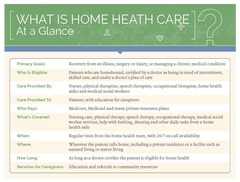
What therapies are covered under Medicare for home health care?
Home infusion therapy, enteral nutrition, anti-infective therapy, pain management, chemotherapy, and hydration therapy.
What major factors influence the home health care industry?
Regulatory issues, staffing shortages, cost considerations, advances in technology, operational shifts, and demographics.
What is the role of pharmacists in patient identification for home health care?
Joint decision-making with nursing and the patient's physician, considering insurance and social factors.
What should be included in a care plan developed by pharmacists?
Clear objectives, selection of therapy, monitoring parameters, desired outcomes, and identification of specific problems.
What factors should be considered in the selection of therapy for home care?
Safety and convenience, with the possibility of administering the first dose in a controlled setting.
What is the importance of compounding in home health care?
Ensures medication safety, adherence monitoring, and effective communication with patients and healthcare professionals.
What educational components should pharmacy schools include for home care?
Courses on sterile product preparation, home care, business management, and reimbursement issues.
What is the expected trend for pharmacists in home care?
The role of pharmacists in home care is expected to grow with advances in technology.
What is 'patient dumping' in the context of long-term care?
When a patient is denied readmission to a nursing home after a hospital visit, leading to adverse outcomes.
What is the significance of the 'patient-centered medical home' (PCMH)?
A model of care that emphasizes coordinated and comprehensive care for patients.
What are some unique practice settings for pharmacists in LTC?
Palliative care, prison inmate care, and substance abuse patients.
What is the goal of medication therapy management (MTM)?
To optimize therapeutic outcomes for patients through comprehensive medication reviews and management.
What are the roles of pharmacists in home health care regarding education?
Educating both patients and healthcare professionals, and providing caregiver support.
What are some challenges faced by the home health care industry?
Reimbursement issues, regulatory requirements, and the need for technological advancements.
What is the role of technology in home health care?
Advances in technology facilitate remote monitoring, telemedicine, and improved patient care.
What is the importance of interprofessional communication in home health care?
To ensure effective collaboration among healthcare providers and improve patient outcomes.