HS 3160 CH.1 Mechanisms of disease, diagnosis, treatment
 Studied by 0 people
 Call Kai
 Learn
Learn Practice Test
 Spaced Repetition
 Match
Match Flashcards
 Knowt Play
1/62

There's no tags or description
Looks like no tags are added yet.
Name | Mastery | Learn | Test | Matching | Spaced | Call with Kai |
|---|
No analytics yet
Send a link to your students to track their progress
63 Terms
Cancer

· Group of diseases characterized by uncontrolled cell production

Tumor

swelling

Mast

lump

Cyst

sac or capsule filled with tissue, fluid, air, or pus

malignant or benign and cell type and tissue of origin
how are tumors characterized?
Carcinoma

cancer of the epithelial cells

Sarcoma

cancer of the supportive tissues like muscle and bone

Lymphoma

cancer of the lymphatic tissues (immune system)

Leukemia

cancer of blood cell precursors

precursors

what helps your blood make the cells

Melanoma

cancer of the melanin producing cells

tumor markers, biopsy, imaging, self-examination
how is cancer screened?
Consume a diet rich in fruits, vegetables, and whole grains, eliminate red and processed meats, eliminate cigarette smoking, limit exposure to sunlight, limit alcohol use, avoid excessive exposure to radiation and radon, increase physical activity, maintain healthy weight, protect against STI’s

cancer prevention strategies
T for tumor
looks at size of the cancer
N for node
looks at the extent of the regional lymph and what is involved
M for metastasis
looks for secondary tumors
stage I
this stage is the best prognosis
stage IV
this stage is the most advanced prognosis
Alceration
cancer grows and breaks through skin and organ surfaces

Gleason scale

used specifically for prostate cancer
Surgery

treatment usually reserved for early stage and a solid cancer

to make signs and symptoms improve

goal of Palliative surgery
solid cancer
involves organs that are not hollow

cycles
how chemotherapy is given
Destroys cancer cells from dividing further (cell division)

how does chemotherapy treat cancer
hair cells, mucosa cells, hematopoietic cells, reproductive cells
normal cells that are destroyed during chemotherapy
DNA synthesis or function
what do antineoplastics affect
Hormone therapy, antitumor, antimetabolites, enzymes
what are the types of antineoplastics
Immunotherapy

stimulate body to fight cancer
Patients are predisposed to other malignancies, Effects are dramatic in children


Consequences of Cancer Therapy

Cognitive impairment and growth delay

cancer therapy effects in children
Preventative vaccines

Given without the person being exposed to the cancer

Hepatitis B vaccine

used to prevent liver cancer

Therapeutic vaccines

Treat cancer after occurring

Genes

Small sections of a DNA molecule situated in a particular sight on a chromosome

Abnormality in genetic code in a single gene, Several abnormal genes produce polygenic diseases, Abnormal presence or absence of an entire chromosome, Change in the structure of chromosomes, Mutations: any changes in the genetic code
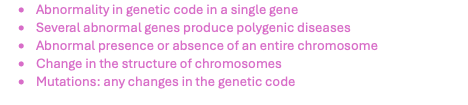
Causes of Genetic Diseases

Autosomal dominant

The mutant phenotype is seen even if a normal gene is present on the other chromosomes

Marphan syndrome

genetic disorder that changes the proteins needed to make connective tissues

Huntington disease

causes nerve cells in the brain to decay over time

Autosomal recessive

Gene is insufficient to produce the mutant phenotype in the presence of a normal gene on the paired chromosome

Cystic fibrosis

stems from a particular protein body needs to keep mucous membranes moist is defective

PKU (phenylketonuria)

body can’t metabolize amino acids so growth and brain development is delayed

X-linked (sex-linked) recessive

Gene is located only on the X chromosome

Genetic Counseling

Communication process that is centered on the occurrence or risk of occurrence of a genetic disorder in a family

Gene Therapy

Experimental intervention repairs or blocks the expression of specific genes to treat disease

Cerebral cortex

responsible for the interpretation of pain

Acute

sudden onset severe intensity, short duration

Chronic

less severe, duration is longer than 6 months

Intractable

nerve damage, debilitating, often depression

Transient

brief duration, comes and goes (migraines)

Superficial

body surfaces

muscular pain, dull and achy

Internal/visceral

in organs

Narcotics or opioid-related drugs; analgesics (alters perception and response to pain by enhancing neurotransmitters agonistic)

pain relief for acute pain
Anticonvulsants

depress motor cortex to avoid seizures

PCA (patient controlled analgesia) pump

dispenses a certain amt of opioids to patient

TENS (transcutaneous electrical stimulation

sends electrical impulses to block nerve transmission to brain

Iatrogenic disorders

disease or condition that is the result of a medical procedure or treatment

Osteopathy

manipulating or massaging bones, joints, or muscles

Chiropractic medicine

focus on body’s nervous system

Massage and reflexology

relieve tension in muscles hands and feet predominately

Integrative medicine

Integrates mainstream medicine and CAM

 Note
Note  Flashcards (276)