social cognition, prosocial behaviour and moral development - psych 200 (module 5)
 Call Kai
 Learn
Learn Practice Test
 Spaced Repetition
 Match
Match Flashcards
 Knowt Play
1/46

There's no tags or description
Looks like no tags are added yet.
Name | Mastery | Learn | Test | Matching | Spaced | Call with Kai | Chat |
|---|
No analytics yet
Send a link to your students to track their progress
47 Terms
what is social cognition?
thinking about others
theory of mind is a key concept
what is theory of mind? (ToM)
the understanding that people’s actions are motivated by internal mental states
what are three types of internal mental states? (ToM)
desires (wants, intentions, likes/dislikes, preferences)
thoguths, knowledge, beliefs
emotions
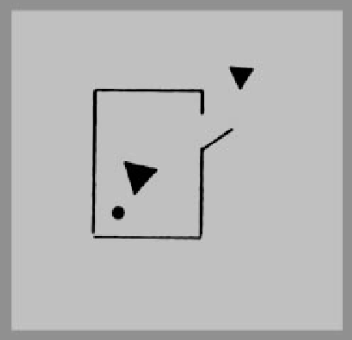
describe the social attribution task (klin, 2000) (social cognition)
multiple shapes on screen
big trangle seems to be the ‘bully’ to the little triangles
we can attribute feelings to non-human things
why do we need ToM?
predicting behaivours
reflecting on others
building connections
communication
what are precursors of ToM?
things that are related to ToM but are not technically considered ToM
they lay foundation for skills that allow children to develop understanding of other people’s mental states
what are the four precursors or ToM?
imitation
joint attention
pretend play
emotion understanding
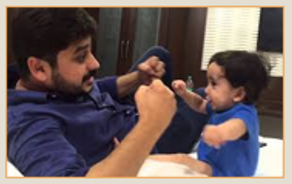
describe imitation (precursors of ToM)
helps build understanding of others’ actions
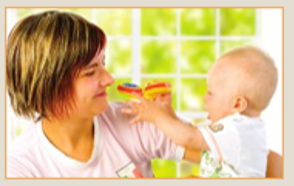
describe joint attention: (precursors of ToM)
awareness of the visual experience
early steps towards perspective taking
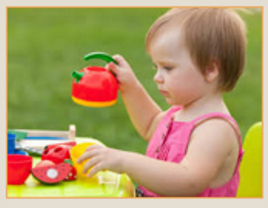
describe pretend play: (precursors of ToM)
start taking others’ perspectives
distinguish between reality and fantasy
emerges around 1-2 years
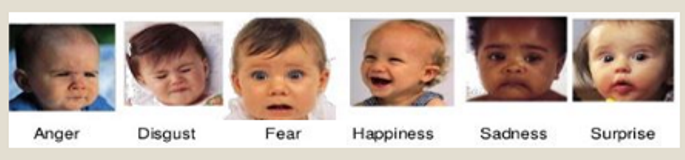
describe emotion understanding: (precursors of ToM)
identifying and understanding causes of basic emotions
emerges around 2 years
what are wellman’s (1990) 5 stages of ToM development?
desire understanding
diverse belief understanding
knowledge access
false belief understanding
hidden emotions
describe desire understanding: (wellman’s 5 stages of ToM dev.)
understanding that people have wants and they like things and that drives their behaviour
describe the task used to measure desire understanding (wellman’s 5 stages of ToM dev.)
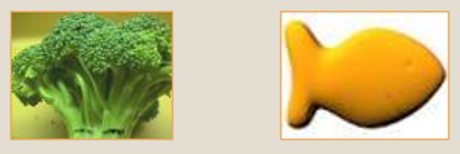
‘diverse desires’ task (repacholi & gopnik, 1997)
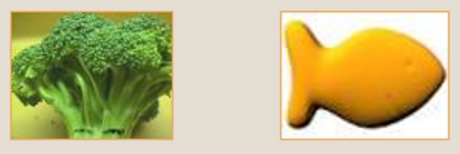
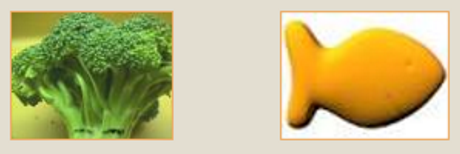
establish which snack child prefers - broccolli or gold fish crackers
experimenter says “ew I do not like goldfish crackers” (shows a different desire)
experimenter then says “can you give me one” (which snack does the child give?)
what were the results of the ‘diverse desires’ task? (wellman’s 5 stages of ToM dev.)
seen as early as 18 months of children passing the task
variation due to differences of methology
what is diverse belief understanding? (wellman’s 5 stages of ToM dev.)
understanding that people can hold different beliefs about the same object or event and they will act in accordance with those beliefs
describe the task used to measure desire beliefs (wellman’s 5 stages of ToM dev.)
‘lost cat’ paradigm
someone lost their cat and child says “child says I think it is in the bedroom”
experimenter says “sally thinks it is in the garage, where do you think sally will look for the cat?”
see if child will demonstrate awareness
what is knowledge access? (wellman’s 5 stages of ToM dev.)
understanding that seeing an object or an event means that someone has the knowledge of that event
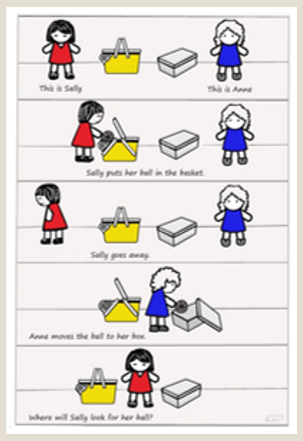
what is false belief understanding (wellman’s 5 stages of ToM dev.)
understanding that beliefs can be false and people will act in accordance with their beliefs
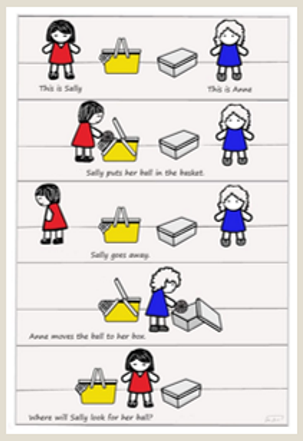
describe an example of a false belief understanding task: (wellman’s 5 stages of ToM dev.)
"‘sally/anne task’
sally puts ball in her basket then leaves
anne moves sally’s ball to the box
sally comes back, where will she look for the ball?
4 year olds would pass the task, but 3 year olds wouldn’t
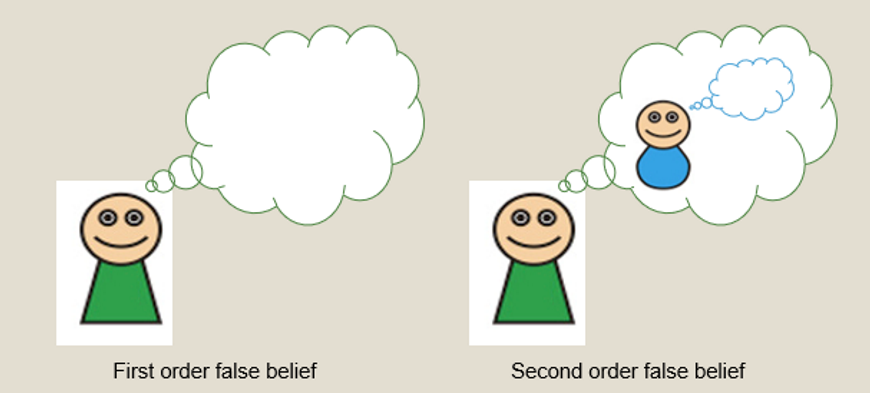
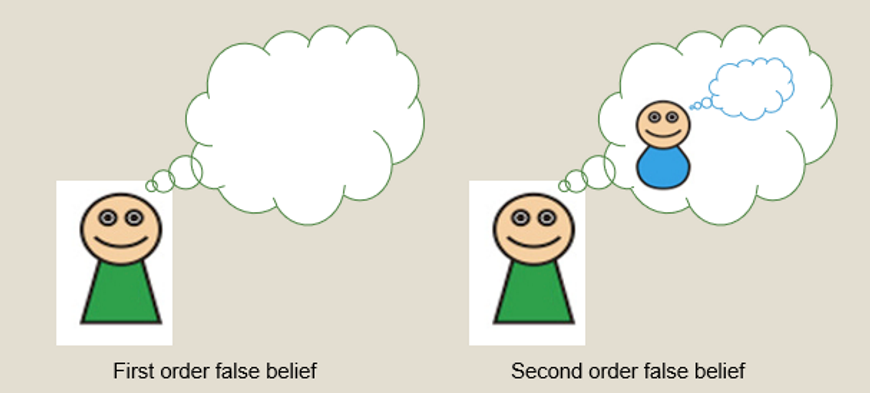
describe a more complex notion of false belief understanding: (wellman’s 5 stages of ToM dev.)
first order: “what does sally think?”
second order: “what does sally think about what mary thinks?”

describe hidden emotions: (wellman’s 5 stages of ToM dev.)
understanding that people can deliberately hide and falsify internal emotional states
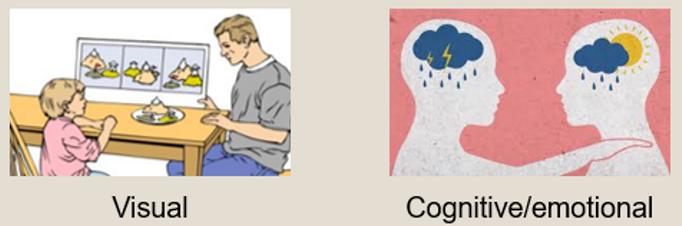
what are two forms of perspective taking? (ToM)
visual and cognitive/emotional
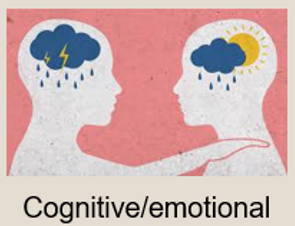
describe cognitive/emotional perspective taking: (ToM)
ability to imagine how others think and feeling
understanding why another person may think or feel as they do
not the same as empathy
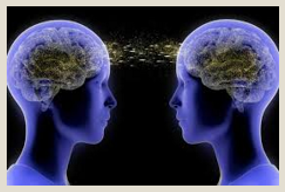
what are two types of influences on the dev. of ToM?
biology (nature) and environment (nurture)
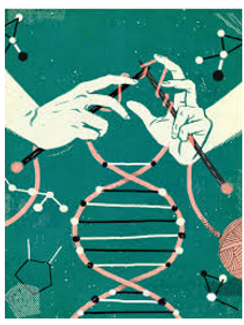
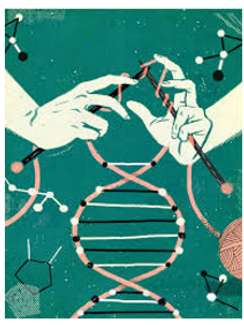
what are the two factors that influence ToM dev. on the nature side?
neurologoical disposition
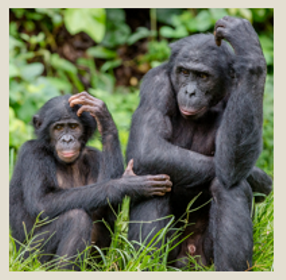
evolutionary basis (natural selection, non-human primates understand intetions and beliefs, but not to the same extent)

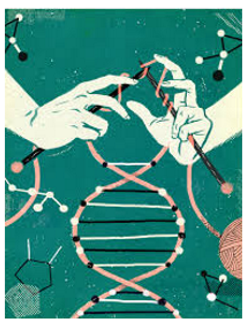
what are the two factors that influence ToM dev. on the nurture side?
experience with language (eg: deaf children with hearing parents have delayed ToM dev., but deaf children with deaf parents do not)
family interactions (parenting styles)
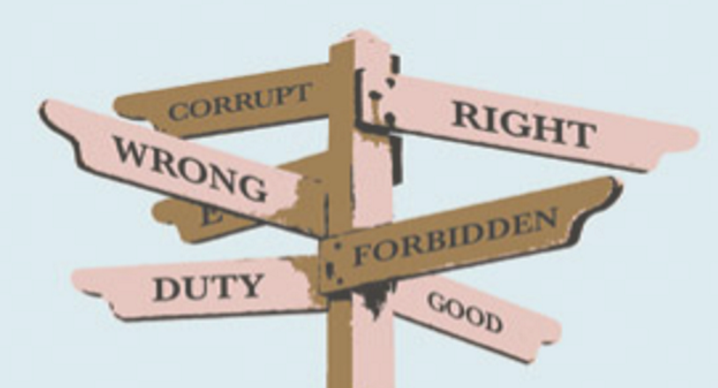
what are three components of morality?
understanding right and wrong, and the reasons that actions are moral and immoral
acting in a moral manner
experiencing the emotions that accompany moral/immoral acts: pride and shame, experiencing empathy
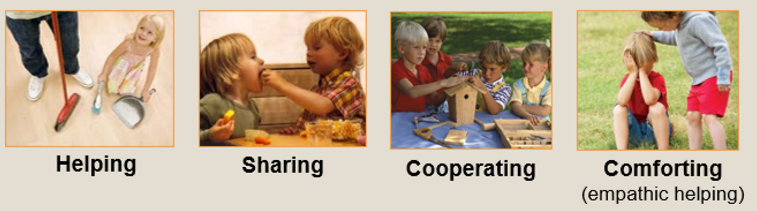
what are four examples of prosocial behaviour (in volunteering to benefit others)?
helping
sharing
cooperating
comforting (empathetically)
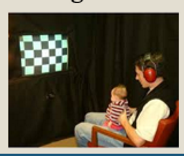
describe prosociality in infancy:
infants’ basic understanding of prosocial behaviour emerges in first two years
understanding joint action is collaborative, emerges between 10-14 months

describe an example of how to measure prosocial behaviour in infancy:
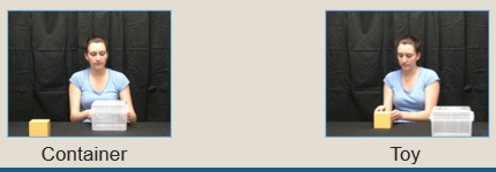
a habituation paradigm to measure infants understanding of cooperation
babies watch a stimulus until they get bored
first stimulus = two people working together to get a toy out of a box
do babies see this as a cooperation?
second & third stimulus (test trials) = one picture girl holding toy, one picture girl holding box
if babies look longer at the box trial, they view this as a cooperation
what are four types of prosocial behaviours in infancy?
helping
sharing
cooperation
comforting
describe helping in infants’ prosocial behaivour:
instrumental helping - assisting others with goal orientated tasks
first emerges at 14 months
by 18 months has developed into more complex goals

describe sharing in infants’ prosocial behaivour:
18-24 months will divide resources with familiar children
more likley to divide if hard previosuly worked together, resources had to same colour

describe cooperation in infants’ prosocial behaviour:
display basic abilitiy in participating in cooperative activities
can coordinate basic actiosn with adult help, but not with peer help at 14 months
aware that cooperative action is depdent on both partners contributing
describe comforting in infants’ prosocial behaviour:
children may start displaying concern for others and comforting familiar people
comforting doesn’t really emerge until around 2.5 years

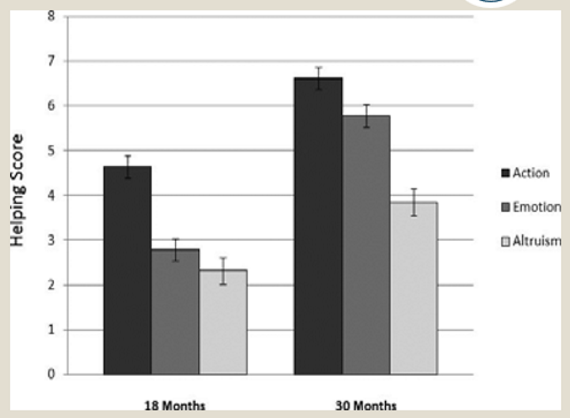
describe a study done by svetlova, nicholas & brownell (2010) that looked at children’s prosocial behaviours:
x32 18 month olds and x33 30 month olds
measured children’s assistance in: instrumental helping, comforting and altruism helping (eg: giving own toy)
describe the results from the study done by svetlova, nicholas & brownell (2010) on children’s prosocial behaviours:
the 30 month olds were more likely to engage in prosocial behaviour than the 18 month olds
both groups were more likely to take action (eg: picking up dropped toy) than show emotion or altruism (eg: giving own toy)
describe prosocial behaviour in childhood:
at school age, helping and comforting measured through vignettes and teacher/parent reports
school aged children more helpful towards same gendered peers
begin to see helping as beneficial to the helper as well as the helpee
sharing becomes more discerning
cooperative abilitiy imrpvoes as motor skills also improve
begin coordinating actions between peers between 2 and 3 years

what is antisocial behaivour in childhood?
despite knowing a lot about morality children do not always act in moral ways
give three examples of callous-unemotional traits in antisocial behaviour:
lack of empathy/guilt, manipulative use of others
poor emotion-regulation for cues of fear and distress
delayed maturation of brain regions linked to morality and empathy

give three examples of conduct disorder traits in antisocial behaviour:
severe and chronic antisocial behaivour
disruptive and violent
refusal to follow rules
what are two big factors that shape prosocial behaviour?
nature and nurture

what are three nature factors that contribute to prosocial behaviour?
evolutionary basis
empathy
cognitive development
what are three nurture factors that contribute to prosocial behaviour?
parenting style
mental state language
sibling interactions
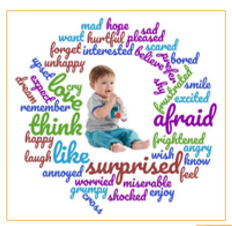
what is mental state language? (prosocial behaviour)
the conversational use of vocab that refers to internal psychological experiences eg: thoughts, desires, intentions etc

what are four factors to the evolutionary basis (nature) of prosocial dev.?
being prosocial is adaptive
cooperation = better survival
benefits for individual success
non-human primates help and cooperate but not at cost to self