MCB U1 Exam
 Call Kai
 Learn
Learn Practice Test
 Spaced Repetition
 Match
Match Flashcards
 Knowt Play
1/104

There's no tags or description
Looks like no tags are added yet.
Name | Mastery | Learn | Test | Matching | Spaced | Call with Kai | Chat |
|---|
No analytics yet
Send a link to your students to track their progress
105 Terms
prokaryotes & main one we talk about in class
lack of nucleus & independent
EX: bacteria
unique features of prokaryotes
free floating DNA
walls are sturdy
no organelles
coccus — bacterial shape
spherical shape

bacillus — bacterial shape
rod/cylindrical shape
wide shape

curved — bacterial shape
comma shaped
spirillum — bacterial shape
spiral & rigid
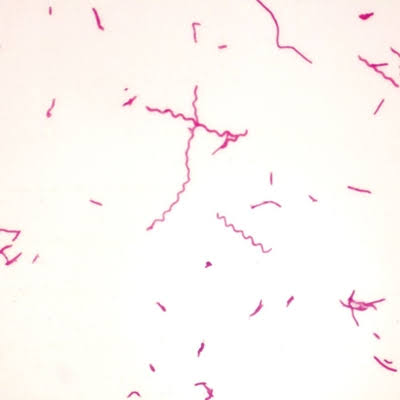
spirochete
spiral & flexible

appendages of bacteria
flagella — tail & used as movement
fimbria — attachement hairs used for attachment & est. infection
pilus — tube structure, used for connection
what is conjugation pili
pilus that has a transfer of DNA from one cell to another by connecting it

2 surface coverings of bacteria
slime layer — loose shield that protects bacteria from loosing water
capsule — thick layer focused on protection from human immune system recognizing it
what are encapsulated bacteria
more likely to cause pathogenesis because capsules protect the bacteria against phagocytosis
bioflim of bacteria
slime layer
mixed community of bacteria & other microbes & makes it difficult to get rid of bacteria
cytoplasmic membrane of bacteria
inner membrane
contains lipid bilayer
transport things in and out
cell wall of bacteria
strong, structural support
keeps their shape (rigid)
protects from LYSIS (cell wall failing & collapsing)
what is bacterias cell wall made up of
peptidoglycan
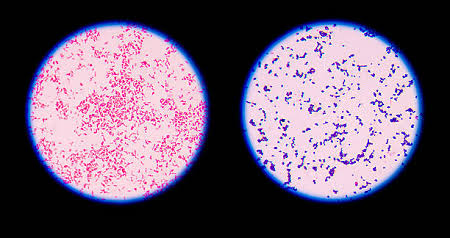
negative gram stain: which one
the one on the left
dyes PINK
3 layers — outer membrane, cytoplasmic membrane, + thin peptidoglycan cell wall washes away
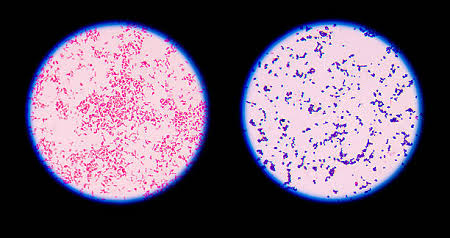
positive gram stain: which one
the one on the right
dyes PURLE
2 layers — membrane + THICK peptidoglycan cell wall that dyes purple
what is LPS & is it located on gram - or gram +
LPS — lippolysaccharide that causes fevers
ON GRAM NEGATIVE
benefits of outer membrane for gram - bacteria
extra barrier
makes them resistant to antibiotics
harder to kill off
exceptions to nontypical cell walls (3)
arent characterized as either gram +/-
dont have a cell wall
are too small for the stain
bacterial chromosomes v. plasmids
bacterial chromosomes — essential pieces of DNA (a single circle strand of DNA)
plasmids — nonessential pieces of DNA
T/F: do prokaryotic and eukaryotic ribosomes differ in size
TRUE: prokaryotic are smaller
bacterial endospores
dormant bodies produced by bacteria
can survive the HARSHEST conditions
sporulation of bacteria
process where bacteria form endospores
not reproduction, only 1 is made
germination of bacteria
endospore is in FAVORABLE environment and bacteria will return to its vegatative state
eukaryotes
has nucleus + organelles
protozoa, fungi, helminths
extracellular matrix — eukaryotes
helps protect, adhere, & receive signals
cell wall
chitin & all fungi have cell walls
structural support + shape
cell membrane
phospholipid bilayer + sterols (proteins)
nucleus
chromatin + nuclear envelope
lysosomes v. vacuole
lysosome — break things DOWN thru phagocytosis
vacuole — stores waster & nutrients
mitochondira
generates ATP
2 types of fungal cells & difference (shape, # cells, colonies)
yeast — round/oval shaped, UNIcellular, colonies = smooth/creamy
mold (hyphae) — long, threadlike cells, MULTIcellular, colonies = soft/hairy

dimorphic
fungi can take on 2 forms and transition between yeast and mold depending on growth conditions
mycelium
mass of hyphea in mold
septate v. nonseptate hyphae
septate hyphae — separate cells/segmented
nonseptate hyphae — no sepraration

morphology of molds (2)
vegetative hyphae — growth phase/phase when it lands on substance
reproductive hyphae — reproduction phase/produces spores
how does yeast reproduce
budding (asexually)

how does yeast reproduce
spores
importance of fungal spores
fungi make spores for a chance to TRAVEL to new places via wind
fungal nutrition
saprobes — eating DEAD substances
parasites — eating LIVING substances
acellular pathogens: viruses & prions
viruses: macromolecules
prions: 1 protein
describe the relative scale of microbes: largest → smallest
helminths > fungi > protozoa > bacteria > viruses > prions
what are the 3 viral components of VIRUS
genome (DNA/RNA)
capsid (protein)
viral attachment proteins
what do viral attachment proteins do & how does it relate to TROPISM
uniquely bind to a specific host receptor proteins for attachment & entry
tropism — which cells can be infected
shapes of capsids & describe what a capsid is
capsid — protect the genome from damage
helicial
icosahedral
complex

what is the purpose of a viral envelope
protection & disguises the virus from host immune system
second layer of virus
not all viruses have this
2 types of viral envelope
naked — no envelope
enveloped
genome of viruses (4)
RNA or DNA
negative sense RNA: cannot be read by ribosomes
positive sense RNA: can be read by ribosomes
single stranded (ss) or double stranded (ds)
linear or circular
RDRP viruses
RNA → RNA copying
“rna dependent rna polymerase”
RT viruses
RNA → DNA
“reverse trasncriptase”
viral life cycle
AERAR —> All Edgars Run Addiction Rings
attachment
entry
replication
assembly
release
how do viruses replicate when in a host
virus uses your cells machinary (nucleic acids/ribosomes) to create viral protein etc.
DNA virus → nucleus
RNA virus → cytoplasm
what is integration in viruses
when viruses insert their DNA into the host’s DNA & stay there
what type of viruses require RT
RNA viruses that INTEGRATE need RT
what type of viruses require RDRP
negative-sense RNA need RDRP
what are prions & how are they transmissable
misfolded proteins
all normal proteins will fold incorrectly due to 1 misfolded one
is it easy or hard to get rid of prions
EXTREMELY difficult to get rid of them
are protozoans unicellular/multicellular?
do they have cell walls?
UNICELLULAR
no cells bc they need to move around
how do protozoa move
cilia
flagella
pseudopods
what are the 2 main life cycles a protozoa goes through & describe them?
which cycle do most infect humans?
trophozoites — feeding/growing stage
CAUSE DISEASE
cyst — dormant/resting stage & able to survive harsh environments
CYST INFECT HUMANS
2 types of helminths
nematodes = flatworms
round worms
cestodes — cylindrical/tape worms
trematodes — flat/FLUKES
scolex in helminth
feeding & attachment
proglottid helminth
reproduction (segments)
ventral sucker
in flukes/trematodes
USED FOR ATTACHMENT
cuticle
used in roundworms
PROTECTION
life cycle of a helminth & which stages do humans get infected?
egg — humans get infected
larva — humans get infected
adult — egg develops into a larva
difference between intermediate & definitive host
intermediate — larva + egg
definitive — adult + sexual reproduction
how do worms reproduce
sexually
what is binary fission
2 daughter cells created from 1 parent cell
cell splits in half
stages of growth curve
lag phase
exponential growth phase
stationary phase
death phase
whats happening in the lag phase
cell is aclimating to the environment
whats happening in the exponential growth phase
growing & reaching max rate of division
whats happening in the stationary phase
nutrients are diminishing
whats happening in the death phase
whole population dies
more death cells > fewer living cells
what is turbidity & how does it relate to population growth
indication of microbial growth
GREATER turbidity = LARGER population
what environmental factors make it impactful to microbes
temp — cannot control own temp
gas conditions
pH — require specific pHs
pressure
symbioses — need other substance to live
what are microbial aerobes (X1)?
can use O2 in metabolism
OBLIGATE AEROBES — cannot grow w/o O2
growth is usually at top of tube
what are microbial anaerobes (X3)?
obligate anerobes — cannot grow in an O2 environment
usually at bottom of tube
facultative anaerobes — use O2 if its there, but can function w/o it
choice
aerotolerant anarobes — don’t use O2, but can process O2
3 major catabolic pathways
aerobic respiration (MOST energy)
anaerobic respiration
fermentation (LEAST energy)
why might a microbe use fermentation
independence from O2
adaptability to many environments
what do polyribosomal complexes do
help bacteria replicate quickly
translation of mRNA can begin while transcription is still occuring
multiple ribosomes read the same mRNA
how do bacteria control which genes are turned into proteins (2)
operons — sequence of genes that are expressed together
phase variation — gene is expresssed in a way to alter the phenotype
expressed v. silenced genes
expressed: translated into protein
silenced: not translated
how does the lactose operon work when silenced/expressed
silenced: aeorbic respiration
expressed: anaerobic respiration
how do bacteria share genes thru conjugation
how does this related to plasmids
2 cells must have direct connection thru a PILUS
resistance plasmids — antibiotic resistance genes that is EASILY shared thru conjugation
how do bacteria share genes thru transduction
viruses can pick up DNA from donor cells and release it into the receiving cell
how can viruses control which genes get turned into protein
gene order — genes at the start of a strand get translated more compared to at the end
overlapping genes — store genetic information efficiently because 1 nucleic acid → per 2 protein messages
how do viruses create genetic diversity (2)
RDRP high mutation rate, RNA viruses mutate rapidly
antigenic DRIFT — small variation overtime, happens to the antigens so that the antibodies cant dectect them
segmented genomes, more than 1 piece
antigenic SHIFT — easily swap genes
3 different types of symbioses & what do they mean
mutualism — both parties benefit
commensalism — microbe benefits, human is not affected
parasitism — microbe benefits, human is harmed
what is antigonism
species compete for resource/habitat
what is a polymicrobial community?
OPTIONAL relationship between +2 species that they both benefit
how do microbes communicate?
communicate thru quorum sensing w/ each other using AI signals
microbe
living thing that is too small to be seen
pathogen
cause of disease
infectious disease
resulting disease from pathogen
difference between prokaryotes v. eukaryotes
prokaryotes — small, no nucleus & organelles, free floating DNA
eukaryotes — bigger, nucleus & organelles, DNA
how do you properly write names in binomial nomenculture
Genus (capitalized) + species name (not capitalized)
louis pasteur
germ theory; that they make you sick