world art history before 1400
 Call Kai
 Learn
Learn Practice Test
 Spaced Repetition
 Match
Match Flashcards
 Knowt Play
1/33

There's no tags or description
Looks like no tags are added yet.
Name | Mastery | Learn | Test | Matching | Spaced | Call with Kai | Chat |
|---|
No analytics yet
Send a link to your students to track their progress
34 Terms
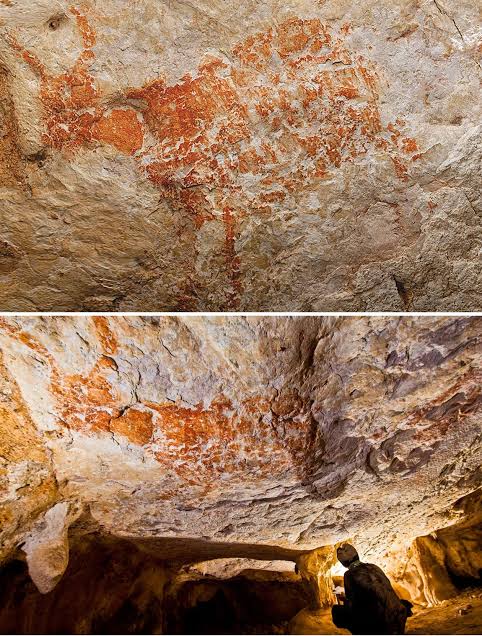
Title, material, location, date, era?
Cow (Ocre) Borneo, Indonesia 40,000 BCE paleolithic

location date era? why are these hands important? what kind of art are they?
Indonesia 37,000 BCE, paleolithic, by 7000 BCE they are found in all inhabited continents. Negative image.
what is representational art
art that represents reality, non abstract

Title, culture id, date, location, medium?
Title: Great Hall of the Bulls
Culture: Paleolithic Europe
Date: c. 15,000 B.C.E.
Location: Lascaux, France
Medium: Rock painting (mineral pigments, charcoal, and ochre on a white calcite limestone wall)

why is it important? what is it a part of?
Bird man, early depiction of abstract and creative art, depicts a narrative (hunting). part of the Hall of Bulls 15,000 BCE Paleolithic France.

what is this, where is it found, how old is it, cultural ID?
Petroglyphs at Winnemucca Lake Nevada USA 14,000 years old, paleolithic

Who is SHE?? where was she found? when? what is she made of?
woman of Hohle Fels, Germany, 40,000 BCE Paleolithic, mammoth ivory

Who is SHE?? where was she found? when? what is she made of?
Woman of Dolní Věstonice, Czech, 25,000 BCE Paleolithic, Ceramic

Who is SHE?? where was she found? when? what is she made of?
Woman of Willendorf, Austria, 24,000 BCE Paleolithic, Limestone and Ocre. ps. she is handheld
what did the europeans used to call the ‘Women Of’? why was it changed?
used to be called Venuses, Venus is the ancient roman goddess of femininity (19th century way of saying its about fertility)
Calling them Venuses placed them in a box of fertility symbols. We have to be really careful about how we limit our interpretation of history.
What years generally cover the Paleolithic era?
from 42,000 BCE to 6500 BCE
What years generally cover the Neolithic era?
6500 BCE to 2000 BCE
What marked the beginning of the neolithic period? 4 points + what marks the end.
development of organized agriculture
domesticated animals
permanent settlements - either year round or seasonal
often pottery - continued use of stone tools
end date - development of metal tools or larger communities form
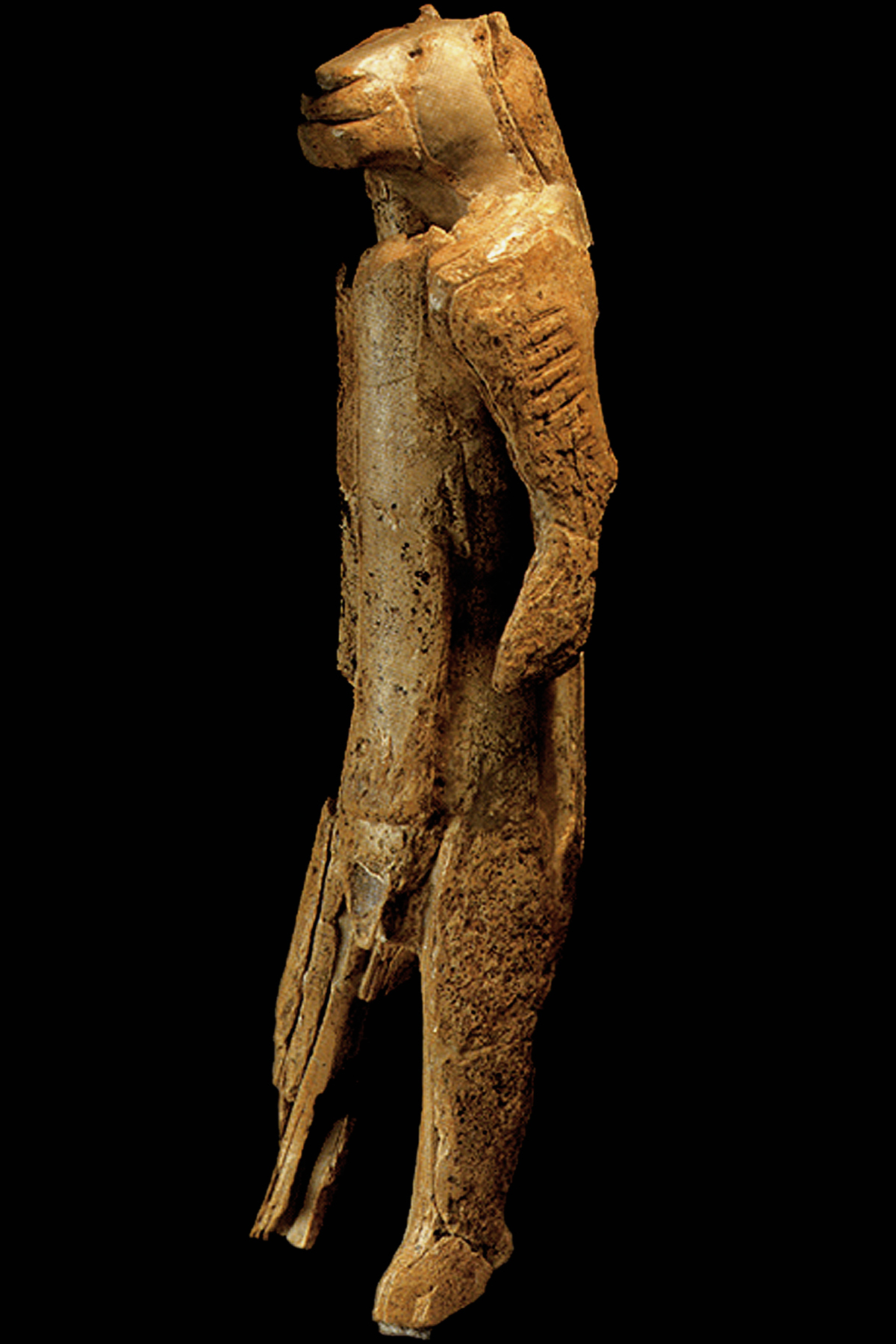
Who is HE?? where was he found? when? what is he made of? what makes him interesting
Lion-headed figure, Germany, 38,000 BCE Paleolithic, mammoth tusk. Depiction of creativity and imagination, carving beyond what one can see.
why do the dates for each time period vary
The paleo and neolithic era are marked by cultural changes not dates.
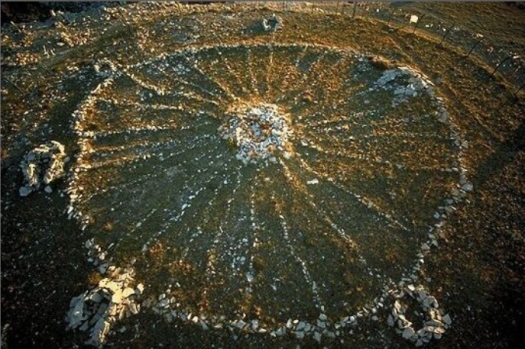
What, when, where, what culture?
iniskim umaapi medicine wheel, 4500-3200 BCE (still in use) Neolithic, Alberta. Sacred blackfoot site
years of Mesopotamia
4000 BCE - 550 BCE

What, when, where?
Stone Henge, 3100 - 1600 BCE Neolithic, England
years of Ancient China? when was their peak?
5000 BCE - 300 BCE, flourish 3500 BCE
What marked the development of Ancient River Valley civilizations? widely known as the bronze age. 4 indicators
most marked by:
Metal tools
writing or symbolic representation system
large scale permenant settlements
specialization of labour (heirarchies)
What years outlined Ancient Egypt
3000 BCE - 332 BCE Ancient River Valley
Years of the Indus Valley Civilization
2600 BCE - 1900 BCE Ancient River Valley
Years of Peru - Caral Civilization
3000 - 1800 BCE Ancient River Valley

What is this an example of? when?
Cylinder seal, they were invented in the 4000 - 3000 BCE. they continue to be made for thousands of years

what is this? where? who is it named after?
Pile of sand. No hahshuifasifhsk its the ruins of Anu Ziggerat (and white temple)! in the city of Uruk. Named after and dedicated to Sky God Anu.
What is a Ziggurat (main features)? how were they developed over time? Purpose?
They’re massive stone structure, function as platforms, usually in flat regions, elevate temple placed on top.
Sloping walls flat platform
Elevated so they can be seen from far away
Staircases, lots of stairs. Supposed to be hard to get in (defensible)
Platforms were expanded (tiered) over time
Temple home of the gods. They believed that the gods lived in the heavenly realm but also in the temples, had to provide for them
Food
Objects

who are these baddies? where did they come from? when?

Role of the Votive Figures? what does votive mean?
Bought by people to leave in their place for prayer. votive means devotion. Also symbols of masculinity
Common themes among Mesopotamian Art
selective distortion:
Big eyes
flat feet even when implied walking
heirarchy
size of figures represent their importance (gods are big and at the top)

what is this called? year range? what God was it for? what did she represent?
Inanna vase, 3300-3000bce,
Sumerian god: goddess of love fertility and war

omg so cute who that? when was he made? what is he made of? what story is his belly depicting? where was he discovered? what era?
Lyre with Bull head, 2500 BCE, Gold and lapis, the epic of Gilgamesh. he was found in a burial. Mesopotamian
Polytheistic Theocracy
when there is a fusion of political and religious authority

Shang Dynasty Ewer
heiratic scale?