Anatomy and Physiology: Chapter 1
 Call Kai
 Learn
Learn Practice Test
 Spaced Repetition
 Match
Match Flashcards
 Knowt Play
1/106

There's no tags or description
Looks like no tags are added yet.
Name | Mastery | Learn | Test | Matching | Spaced | Call with Kai | Chat |
|---|
No analytics yet
Send a link to your students to track their progress
107 Terms
Anatomy
scientific discipline that investigates the body’s structure such as the size and shape of a bone “the what”
Physiology
scientific investigation of the processes or functions of living things “the why and how”
Gross
structures examined without a microscope
ex: regional, systematic, surface
regional
studied area by area
ex: heart
systematic
studied system by system
ex: whole cardiovascular system
surface
external form used to visualize deeper structures
Cytology and Histology
structures so small they require aid of a misroscope to be studied
cytology
cellular anatomy (study of cells)
histology
study of tissues
X-ray
this extremely shortwave electromagnetic radiation moves through the body, exposing a photographic plate to form a radiograph (a flat, 2D image)
ultrasound
this uses high-frequency sound waves, which strike internal organs and bounce back to the receiver on the skin (among other things, it’s used to evaluate the condition of the fetus during pregnancy)
pathology
structural and functional changes caused by disease
Exercise Physiology
changes in structure and function caused by exercise
homeostasis
balance in the body’s internal environment
structural and functional organization in the human body
chemical level, cell level, tissue level, organ level, organ system level, organism level
chemical level
interaction of atoms and molecules
ex: atoms, DNA, protein
cell level
structural and functional unit of living organisms. Combinations of molecules for structures called organelles (ex: mitochondria) that carry out specific functions
ex: animal cell
tissue level
group of similar cells and the material surrounding them “cells put together make this level”
the 4 types of tisse
epithelial, connective, muscular, and nervous
organ level
2 or more tissues functioning together “tissue put together”
organ system level
group of organs functioning together
organism level
any living thing; whether composed if one cell or many
integumentary system function
provides protection, regulates temperature, prevents water loss, and helps produce vitamin D
integumentary system examples
consists of skin (the largest organ in the body), hair, nails, and sweat glands
skeletal system function
provides protection and support, allows body movements, produces blood cells, and stores minerals and fat
skeletal system examples
consists of bones, associated cartilages, ligaments, and joints
muscular system function
produces body movement, maintains posture, and produces body heat
muscular system examples
consists of muscles attached to the skeleton by tendons
nervous system function
a major regulatory system that detects sensations and controls movements, physiological processes, and intellectual functions
nervous system examples
consists of the brain, spinal cord, nerves, and sensory receptors
endocrine system function
a major regulatory system that influences metabolism, growth, reproduction, and many other functions
endocrine system example
consists of glands, such as the pituitary, that secretes hormones
cardiovascular system function
transports nutrients, waste products, gases, and hormones throughout the body; plays a role in the immune response and the regulation of body temperature
cardiovascular system examples
consists of the heart, blood vessels, and blood
lymphatic (immune) system function
removes foreign substances from the blood and lymph, combats disease, maintains tissue fluid balance, and absorbs fats from from the digestive tract
lymphatic (immune) system examples
consists of lymphatic vessels, lymph nodes, and other lymphatic organs
respiratory system functions
exchanges oxygen and carbon dioxide between the blood and the air and regulates blood pH
respiratory system examples
consists of the lungs and respiratory passages
digestive system function
performs the mechanical and chemical processes of digestion, absorbtion of nutrients, and emilination of waste
digestive system examples
consists of the mouth, esophagus, stomach, intestines, and accessory organs
urinary system function
removes waste products from the blood and regulates blood pH, ion balance, and water balance
urinary system examples
consists of the kidneys, urinary bladder, and ducts that carry urine
female reproductive system function
produces oocytes and its the site of fertilization and fetal development; produces milk for the newborn; produces hormones that influence sexual function and behaviors
female productive system examples
consists of the ovaries, vagina, uterus, mammary glands, and associated structures
male reproductive system function
produces and transfers sperm cells to the female and produces hormones that influence sexual functions and behaviors
male reproductive system examples
consists of the testes, assessory structures, ducts, and penis
Characteristics of Life
organization, metabolism, responsiveness, growth, development (differentation and morphogenesis), and reproduction
True
True of False: viruses aren’t alive because they can’t reproduce by themselves
organization
condition in which they are specific interrelationships and functions among the parts of an organism
metabolism
the ability to use energy to perform vital functions; all chemical reactions of the body
responsiveness
ability to sense changes in the interior and exterior environment and adjust; cell-to-cell communication is necessary
growth for characteristics of life
increase in size and/or number of cells
Development
changes in an organism over time
Differentiation (development)
changes from general to specific
ex: create a blastula, cell division creates different layers
morphogenesis (development)
changes in shape of tussues, organs, or the entire organization
reproduction
formation of new cells or new organisms for growth and development; allows organisms to pass on their genes to their offspring
homeostasis
maintenance of relatively constant interval enviornment within the body (98.4-98.8 degrees)
Feedback loops
homeostasis is regulated by ______ that allow for a process to be adjusted by the outcome
Components of a feedback loops
receptor, control center, and the effector
receptor
monitors the value of some variable by detecting a stimulus (a change in the variable)
ex: receptor sees a problem and contacts the brain
contol center
establishes the set point and receives input from the receptor
ex: contacts effector to fix the problem received from the receptor
effector
generates the response which can change the value of the variable
negative feedback
regulates most sytems in the body
dances around the line of homeostasis by going over and under it almost zig-zag like
counteracts a change in a variable (body temperature) by decreasing the change to help maintain homeostasis by returning to the set point
ex: you go outside, so your body sweats to cool your body temp, and you go back inside so your body shivers to warm you up again
positive feedback
when a deviation occurs, the response is to make the deviation greater and will keep increasing until you go back to homeostasis
leads away from homeostasis and can cause death
ex: delivering a baby (increase in oxytocin to squeeze baby), fevers (killing the infection by increasing heat), knicking an artery (pulse will increase to pump blood faster because it isnt reaching your body pasts and will cause death due to blood loss)
anatomical position
body erect, face forward, feet together, palms facing forward
supine
lying face up
prone
lying face downward (prone to attack)
Superior
(cephalic) toward the head
inferior
(caudal) away from the head
medial
toward the midline
lateral
farther away from the middle of the body
proximal
closer to the center of the body or a certain point of attachment where a limb connects
distal
farther away from the center of the body or the certain point of attachment where a limb connects
superficial
closer to the surface
deep
farther from the surface of the body (skin)
anterior
(ventral) toward the front of the body (forward)
posterior
(dorsal) toward the back of the body

Quadrants of the body
Right- upper, Right- lower, Left-upper, Left-lower

Regions of the body
Just study the image please
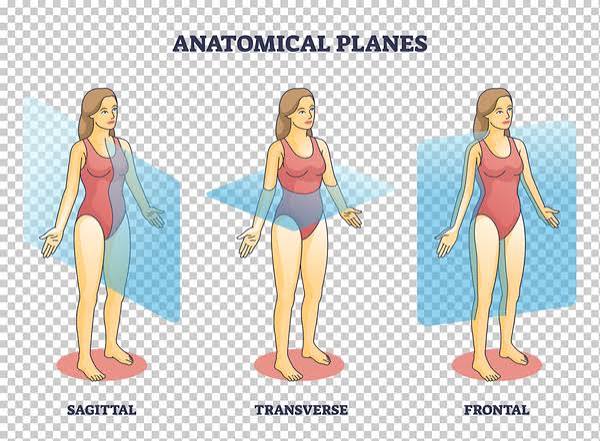
sagittal (medial) plane
divides the body into left and right portions

Frontal (coronal) plane
divides the body into anterior (front)and posterior (back) sections

Transverse (horizontal) plane
divides the body into superior (top) and inferior (bottom) sections
oblique plane
the body cut into anthing but a right 90 degree angle
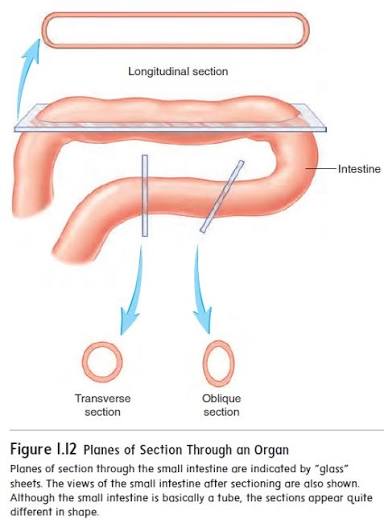
longitudinal plane
cut along the length of an organ

transverse (cross) plane
cut at right angle to the length of an organ

Oblique
cut at any but a right angle
cavities
the body contains dorsal and ventral body ______
Dorsal body cavities
cranial and vertebral cavity

cranial cavity
houses the brain

vertebral cavity
houses the spinal cord
Ventral body cavity
contains the thoracic cavity which contains more cavities, and the abdominopelvic cavities which also contain more cavities of its own

Thoracic cavity
divided into pleural cavities, each cnclosing a lung, and a medical mediastinum, which contains the heart, some major blood vessels, thymus, trachea, and esophagus

abdominopelvic cavity
consisting of the abdominal cavity and the pelvic cavity
abdominal cavity
consists of many digestive organs (stomach, intestines, liver) and the spleen
pelvic cavity
consists of the urinary bladder, urethra, rectum, and reproductive organs
serous membrane
covers the organs of the body cavities and line the cavity (does not directly touch the organ)
job is to cover the organ, contain the fluid, and protect the organ
Pericardium
serous membrane that surrounds the heart and contains pericardial fluid
Pleura
type of serous membrane that covers the lungs and lines the thoracic cavity; contains pleuric fluid
Peritoneum
type of serous membrane that surrounds many abdominal organs and lines the abdominopelvic cavity; containd peritoneal fluid
Ex: heart- made up of inner layer (visceral layer) lays right up on the heart, then a layer of fluid to help w insulation, friction, protection, and an outer layer
mesentery
regions of double-folded visceral peritoneum that is attached to certain points to the posterior abdominopelvic wall
these provide a pathway for nerves and blood vessels to reach the digestive organs