B. Hydrocarbons to I. Esters
 Call Kai
 Learn
Learn Practice Test
 Spaced Repetition
 Match
Match Flashcards
 Knowt Play
1/102

There's no tags or description
Looks like no tags are added yet.
Name | Mastery | Learn | Test | Matching | Spaced | Call with Kai | Chat |
|---|
No analytics yet
Send a link to your students to track their progress
103 Terms
b. Pinus palustris
The scientific name of the plant source of Oil of Turpentine
a. Pinus mugo
b. Pinus palustris
c. Juniperus communis
d. Cinnamomum camphora
c. Pinene
The active constituent of Oil of Turpentine
a. Borneol
b. Menthol
c. Pinene
d. Linalool
b. Distillation and HNO₃
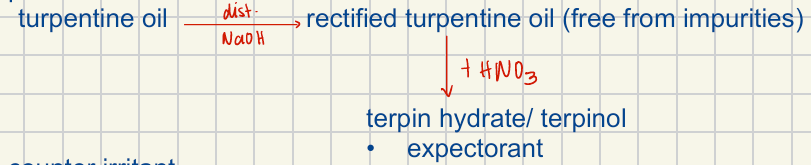
The reagents used to purify turpentine oil into rectified turpentine oil free from impurities
a. HNO₃ and NaOH
b. Distillation and HNO₃
c. Distillation and NaOH
d. HNO₃ only
d. Terpin hydrate or terpinol
The product formed when rectified turpentine oil reacts with HNO₃
a. Pinene
b. Rectified turpentine
c. Borneol
d. Terpin hydrate or terpinol
d. HNO₃ only
The reagents used to react with rectified turpentine, turning it into Terpin hydrate or terpinol
a. HNO₃ and NaOH
b. Distillation and HNO₃
c. Distillation and NaOH
d. HNO₃ only
c. Expectorant
The pharmacological use of terpin hydrate or terpinol
a. Antitussive
b. Carminative
c. Expectorant
d. Counterirritant
c. Counterirritant
The pharmacological use of Oil of Turpentine
a. Expectorant
b. Carminative
c. Counterirritant
d. Antiseptic
d. Mentha piperita
The scientific name of peppermint
a. Rosa gallica
b. Citrus duranthum
c. Mentha spicata
d. Mentha piperita
d. Menthol
The active constituent of peppermint classified as a stereoptene
a. Geraniol
b. Linalool
c. Coriandrol
d. Menthol
c. Flavorant and carminative
The pharmacological uses of menthol from peppermint
a. Counterirritant and expectorant
b. Antiseptic and antitussive
c. Flavorant and carminative
d. Insect repellent and antiseptic
d. Rosa gallica — geraniol
The scientific name of Rose and its active constituent
a. Rosa rubiginosa — linalool
b. Coriandrus sativus — geraniol
c. Mentha piperita — menthol
d. Rosa gallica — geraniol
a. Linalool
The active constituent of Orange flower or Neroli (Citrus duranthum)
a. Linalool
b. Menthol
c. Coriandrol
d. Geraniol
b. Citrus duranthum
The scientific name of neroli
a. Rosa gallica
b. Citrus duranthum
c. Mentha spicata
d. Mentha piperita
c. Coriandrol
The active constituent of Coriander (Coriandrus sativus)
a. Linalool
b. Borneol
c. Coriandrol
d. Cineole
a. Coriandrus sativus
The scientific name of Coriander
a. Coriandrus sativus
b. Citrus duranthum
c. Elettaria cardamomum
d. Juniperus communis
c. Elettaria cardamomum
The scientific name of Cardamom
a. Coriandrus sativus
b. Citrus duranthum
c. Elettaria cardamomum
d. Juniperus communis
d. Cineole
The active constituent of Cardamom (Elettaria cardamomum)
a. Linalool
b. Borneol
c. Coriandrol
d. Cineole
d. Juniperus communis
The scientific name of Juniper
a. Coriandrus sativus
b. Citrus duranthum
c. Elettaria cardamomum
d. Juniperus communis
d. Borneol
The active constituent of Juniper (Juniperus communis)
a. Linalool
b. Cineole
c. Coriandrol
d. Borneol
c. Alpha bisabolol
The active constituent of German Chamomile (Matricaria chamomilia) responsible for its carminative effect
a. Azulene
b. Chamazulene
c. Alpha bisabolol
d. Borneol
c. Azulene and chamazulene
The constituents of German Chamomile responsible for producing dark blue oil
a. Alpha bisabolol and borneol
b. Cineole and linalool
c. Azulene and chamazulene
d. Geraniol and linalool
d. Anthemis nobilis
The scientific name of Roman Chamomile
a. Matricaria chamomilia
b. Cinnamomum camphora
c. Artemisia absinthium
d. Anthemis nobilis
a. Matricaria chamomilia
The scientific name of German Chamomile
a. Matricaria chamomilia
b. Cinnamomum camphora
c. Artemisia absinthium
d. Anthemis nobilis
a. German chamomile
Alpha bisamolol is found in
a. German chamomile
b. Roman chamomile
a. German chamomile
Azulene and chamazulene found in
a. German chamomile
b. Roman chamomile
a. Cinnamomum zeylanicum
c. Cinnamomum loureirii
d. Cinnamomum casia
The scientific names of Cinnamon or Cassia oil (more than 1 answer)
a. Cinnamomum zeylanicum
b. Cinnamomum anisum
c. Cinnamomum loureirii
d. Cinnamomum casia
c. Cinnamaldehyde
The active constituent of Cinnamon or Cassia oil
a. Citral
b. Deconal
c. Cinnamaldehyde
d. Citronellal
c. Flavorant and antiseptic (if high phenol content)
The pharmacological uses of Cinnamon oil
a. Counterirritant and expectorant
b. Insect repellent and carminative
c. Flavorant and antiseptic
d. Antitussive and carminative
d. Citral (mix of neral and geranial)
The active constituent of Lemon (Citrus limon)
a. Cinnamaldehyde
b. Citronellal
c. Deconal
d. Citral
a. Citrus limon
The scientific names of Lemon
a. Citrus limon
b. Cinnamomum casia
c. Juniperus communis
d. Pimpinella anisum
c. Flavorant
Use of citral from lemon
a. Counterirritant
b. Insect repellent
c. Flavorant
d. Antitussive
d. Terebithinate
The term for lemon oil with high terpenes but low quality
a. Terpeneless
b. Terpinol
c. Rectified
d. Terebithinate
c. Terpeneless
The term for lemon oil with low terpenes but high quality and expensive
a. Terebithinate
b. Rectified
c. Terpeneless
d. Terpinol
a. Deconal
The active constituent of Bitter Orange
a. Deconal
b. Citronellal
c. Cinnamaldehyde
d. Citral
a. Cymbopogon winterianus and nardus
The scientific names of Citronella (tanglad/lemon grass)
a. Cymbopogon winterianus and nardus
b. Cinnamomum casia and loureirii
c. Juniperus communis and oxycedrus
d. Pimpinella anisum and Illicium verum
d. Citronellal
The active constituent of Citronella
a. Deconal
b. Citral
c. Cinnamaldehyde
d. Citronellal
a. insect repellent
Citronella pharmacological use
a. insect repellent
b. antiseptic
c. counterirritant
d. flavorant
d. 2-hexanal
The active constituent of Witch hazel as an aldehyde
a. Citronellal
b. Deconal
c. Citral
d. 2-hexanal
a. Cinnamomum camphora
The scientific name of Camphor
a. Cinnamomum camphora
b. Barosma spp.
c. Carum carvi
d. Thujo orientalis
d. (+) dextro — optically active
The optical activity of natural camphor
a. Racemic — not optically active
b. (−) levo — optically active
c. (+/−) racemic — optically active
d. (+) dextro — optically active
c. (+/−) racemic — not optically active
The optical activity of synthetic camphor
a. (+) dextro — optically active
b. (−) levo — optically active
c. (+/−) racemic — not optically active
d. (+) dextro — not optically active
b. Thujo orientalis — thujone
The scientific name of Cedar leaf and its active constituent
a. Artemisia absinthium — thujone
b. Thujo orientalis — thujone
c. Barosma spp. — diosphenol
d. Carum carvi — carvone
c. Counterirritant (Vicks)
na overpower initial na nararamdaman mo
The pharmacological use of thujone from Cedar leaf
a. Urinary antiseptic
b. Expectorant
c. Counterirritant
d. Insect repellent
d. Carum carvi — (+) dextro carvone
“Steering wheel (+) = car”

The scientific name of Caraway oil and its active constituent with optical rotation
a. Mentha spicata — (−) levo carvone
b. Barosma spp. — diosphenol
c. Artemisia absinthium — thujone
d. Carum carvi — (+) dextro carvone
c. Mentha spicata — (−) levo carvone
The scientific name of Spearmint and its active constituent with optical rotation
a. Carum carvi — (+) dextro carvone
b. Mentha piperita — menthol
c. Mentha spicata — (−) levo carvone
d. Thujo orientalis — thujone
d. Barosma spp. — diosphenol
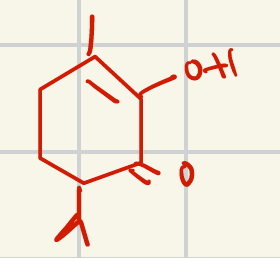
The scientific name of Buchu and its active constituent
a. Artemisia absinthium — thujone
b. Carum carvi — carvone
c. Thujo orientalis — thujone
d. Barosma spp. — diosphenol
A. Urinary antiseptic
The pharmacological use of diosphenol from Buchu (Barosma spp.)
a. Urinary antiseptic
b. Expectorant
c. Insect repellent
d. Counterirritant
d. Artemisia absinthium
The scientific name of Wormwood
a. Barosma spp.
b. Thujo orientalis
c. Carum carvi
d. Artemisia absinthium
b. thujone
Wormwood active constituent
a. diosphenol
b. thujone
c. carvone
d. camphor
b. Old: Eugenia caryophyllis; New: Sizygum aromaticum
The old and new scientific names of Clove
a. Old: Sizygum aromaticum; New: Eugenia caryophyllis
b. Old: Eugenia caryophyllis; New: Sizygum aromaticum
c. Old: Pimenta racemosa; New: Eugenia caryophyllis
d. Old: Origanum racemosa; New: Sizygum aromaticum
d. Eugenol
The active constituent of Clove
a. Thymol
b. Guaiacol
c. Cadinene
d. Eugenol
d. toothache drops and antiseptic
Clove pharmacological use
a. antiseptic
b. expectorant
c. for eczema
d. toothache drops and antiseptic
b. Juniperus oxycedrus
The scientific name of Cade or Juniper tar
a. Juniperus communis
b. Juniperus oxycedrus
c. Fagus grandifolia
d. Origanum racemosa
b. cadinene
Cade or Juniper tar active constituent used for eczema
a. borneol
b. cadinene
c. guaiacol
d. thymol
c. for eczema
Cade or Juniper tar pharmacological use
a. antiseptic
b. expectorant
c. for eczema
d. toothache drops and antiseptic
b. Polytar
The brand name of Cade oil or Juniper tar
a. Vicks
b. Polytar
c. Mucinex
d. Halls
c. Juniper oil — Juniperus communis; Juniper tar — Juniperus oxycedrus
The key difference between Juniper oil and Juniper tar
a. Juniper oil — Juniperus oxycedrus; Juniper tar — Juniperus communis
b. Juniper oil — phenol; Juniper tar — borneol
c. Juniper oil — Juniperus communis; Juniper tar — Juniperus oxycedrus
d. Juniper oil and Juniper tar are the same plant
a. Juniper oil — borneol; Juniper tar — phenol
The key difference between Juniper oil and Juniper tar
a. Juniper oil — borneol; Juniper tar — phenol
b. Juniper oil — phenol; Juniper tar — borneol
c. Juniper oil — Juniperus oxycedrus; Juniper tar — Juniperus communis
d. Juniper oil and Juniper tar are the same plant
b. Fagus grandifolia
The scientific name of Creosote
a. Origanum racemosa
b. Fagus grandifolia
c. Pimenta racemosa
d. Juniperus oxycedrus
c. eugenol and guaiacol
Creosote active constituents
a. thymol and carvacol
b. eugenol and carvacol
c. eugenol and guaiacol
d. cadinene and eugenol
d. Guaiafenesin
The derivative of guaiacol from Creosote used as an expectorant
a. Eugenol
b. Thymol
c. Cadinene
d. Guaiafenesin
c. Origanum racemosa and O. vulgare
The scientific names of Oregano and its active constituents used for cough
a. Thymus vulgaris
b. Pimenta racemosa
c. Origanum racemosa and O. vulgare
d. Fagus grandifolia
a. thymol &
b. carvacol (antiseptic)
Oregano active constituents
a. thymol
b. carvacol
c. guaiacol
d. eugenol
d. cough
Oregano pharmacological use
a. antiseptic
b. expectorant
c. for eczema
d. cough
d. Pimenta racemosa
The scientific name of Myrcia
a. Origanum racemosa
b. Thymus vulgaris
c. Fagus grandifolia
d. Pimenta racemosa
c. eugenol
Myrcia active constituent
a. carvacol
b. thymol
c. eugenol
d. cadinene
c. Thymus vulgaris
The scientific name of Thyme
a. Pimenta racemosa
b. Origanum racemosa
c. Thymus vulgaris
d. Fagus grandifolia
b. thymol &
c. carvacol
Thyme active constituents
a. eugenol
b. thymol
c. carvacol
d. guaiacol
d. Foeniculum vulgare
The scientific name of Fennel
a. Pimpinella anisum
b. Illicium verum
c. Myristica fragrans
d. Foeniculum vulgare
a. fenchone
Fennel active constituent
a. fenchone
b. eucalyptol
c. myristicin
d. trans-anithole
d. Trans-anithole
The active constituent shared by both Anise (Pimpinella anisum) and Star Anise (Illicium verum)
a. Fenchone
b. Elemicin
c. Myristicin
d. Trans-anithole
a. Pimpinella anisum
The scientific name of Anise
a. Pimpinella anisum
b. Illicium verum
c. Myristica fragrans
d. Foeniculum vulgare
b. Illicium verum
The scientific name of Star Anise
a. Pimpinella anisum
b. Illicium verum
c. Myristica fragrans
d. Foeniculum vulgare
c. Myristica fragrans
The scientific name of Nutmeg
a. Pimpinella anisum
b. Illicium verum
c. Myristica fragrans
d. Foeniculum vulgare
b. elemicin
The scientific name of Nutmeg active constituent known to be hallucinogenic
a. trans-anithole
b. elemicin
c. fenchone
d. carvacol
b. elemicin &
d. myristicin
The scientific name of Nutmeg active constituents
a. trans-anithole
b. elemicin
c. fenchone
d. myristicin
c. Eucalyptus globulus
The scientific name of Eucalyptus
a. Pinus mugo
b. Lavandula officinalis
c. Eucalyptus globulus
d. Gaultheria procumbens
b. eucalyptol (aka cineole)
Eucalyptus active constituent
a. boryl acetate
b. eucalyptol
c. linalyl acetate
d. methyl salicylate
d. Flavorant and expectorant
The pharmacological uses of eucalyptol (cineole) from Eucalyptus globulus
a. Counterirritant and rubefacient
b. Insect repellent and antiseptic
c. Urinary antiseptic and carminative
d. Flavorant and expectorant
c. Eugenol — phenol; Eucalyptol — oxide
The chemical classification that distinguishes eugenol from eucalyptol
a. Eugenol — oxide; Eucalyptol — phenol
b. Eugenol — ester; Eucalyptol — oxide
c. Eugenol — phenol; Eucalyptol — oxide
d. Eugenol — aldehyde; Eucalyptol — phenol
c. Lavandula officinalis
The scientific name of Lavender
a. Pinus mugo
b. Gaultheria procumbens
c. Lavandula officinalis
d. Betula lenta
c. linalyl acetate
Lavender active constituent
a. boryl acetate
b. eucalyptol
c. linalyl acetate
d. methyl salicylate
a. Pinus mugo
The scientific name of Dwarf pine
a. Pinus mugo
b. Gaultheria procumbens
c. Lavandula officinalis
d. Betula lenta
a. boryl acetate
Dwarf pine active constituent
a. boryl acetate
b. eucalyptol
c. linalyl acetate
d. methyl salicylate
b. Gaultheria procumbens
The scientific name of Wintergreen
a. Pinus mugo
b. Gaultheria procumbens
c. Lavandula officinalis
d. Betula lenta
d. Betula lenta
Sweet birch SN
a. Pinus mugo
b. Gaultheria procumbens
c. Lavandula officinalis
d. Betula lenta
d. methyl salicylate
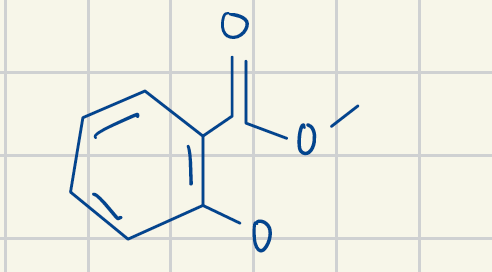
Wintergreen active constituent
a. boryl acetate
b. eucalyptol
c. linalyl acetate
d. methyl salicylate
d. methyl salicylate
Sweet birch active constituent
a. boryl acetate
b. eucalyptol
c. linalyl acetate
d. methyl salicylate
a. Counterirritant and rubefacient
The pharmacological uses of sweet birch
a. Counterirritant and rubefacient
b. Insect repellent and antiseptic
c. Urinary antiseptic and carminative
d. Flavorant and expectorant
a. Fixed oil
Not volatile and not distillable
a. Fixed oil
b. Volatile oil
b. Volatile oil
Volatile and distillable
a. Fixed oil
b. Volatile oil
a. Fixed oil
Limited solubility in organic solvents
a. Fixed oil
b. Volatile oil
b. Volatile oil
Soluble in organic solvents and alcohols
a. Fixed oil
b. Volatile oil
a. Fixed oil
Produces a permanent or fixed stain or grease
a. Fixed oil
b. Volatile oil
b. Volatile oil
Produces only a temporary stain or grease
a. Fixed oil
b. Volatile oil
a. Fixed oil
Upon oxidation, becomes rancid
a. Fixed oil
b. Volatile oil
b. Volatile oil
Upon oxidation, resinifies
a. Fixed oil
b. Volatile oil
a. Fixed oil
Composed of triacyl glycerides (TAGs)
a. Fixed oil
b. Volatile oil
b. Volatile oil
Composed of terpenes and aromatics
a. Fixed oil
b. Volatile oil
a. Fixed oil
Has nutritive value
a. Fixed oil
b. Volatile oil