Environmental Science and Agriculture: Key Concepts and Innovations
 Call Kai
 Learn
Learn Practice Test
 Spaced Repetition
 Match
Match Flashcards
 Knowt Play
1/188

There's no tags or description
Looks like no tags are added yet.
Name | Mastery | Learn | Test | Matching | Spaced | Call with Kai | Chat |
|---|
No analytics yet
Send a link to your students to track their progress
189 Terms
What is the primary focus of Environmental Science?
Investigating systems and being quantitative.
What does ENVR209 focus on?
Agriculture and the Environment.
Define agriculture.
The cultivation and breeding of animals and plants to provide food, fiber, medicinal plants, and other products.
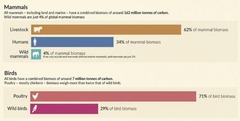
What percentage of mammalian biomass is made up of livestock and poultry?
62%.
What is the economic contribution of tourism to New Zealand's GDP?
Over 6%.
What is the worth of the dairy sector in New Zealand?
$14 billion.
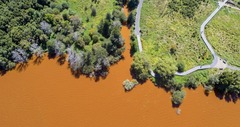
What environmental issue is associated with Lake Waikare?
Algal blooms that make people sick.
What is a negative impact of environmental degradation on agriculture?
Reduced productivity and food quality.
What challenge does New Zealand face in food production?
Producing food for 50 million people using limited resources.
How does wealth influence dietary habits?
Wealthier countries tend to consume more non-food products and have increased meat consumption.
What is biodynamic farming?
A form of alternative farming where the farm is viewed as a living organism that interacts with the environment.
What is the role of fertilisers in agriculture?
To replace nutrients removed from the soil during crop production.
What is the importance of genetic material in agriculture?
It determines the amount of food produced per hectare and is essential for crop improvement.
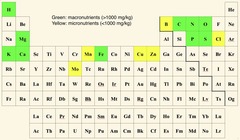
What are essential nutrients for plants?
Macronutrients like Nitrogen and micronutrients like Copper.
What is the formula for calculating efficiency in agriculture?
Efficiency = mass of produce / unit of resource.
What is land use efficiency?
The amount of produce generated per unit of land.
What is the global average wheat production per hectare?
About 3 tonnes per hectare per year.
What factors have contributed to increased wheat production efficiency?
Genetic selection, increased fertiliser use, better machinery, and better agrichemicals.
What is the world record for wheat production efficiency?
Over 17 tonnes per hectare per year, set by a farmer near Ashburton.
What is the significance of nutrient use efficiency?
It measures the amount of produce generated per kilogram of nutrient used.
What is the impact of higher efficiencies in agriculture?
They usually result in less environmental degradation and lower costs.
What is the relationship between agricultural efficiency and environmental sustainability?
Higher efficiencies often correlate with less waste and environmental impact.
What is the current rate of loss of agricultural land?
Over 10 million hectares per year.
What is the role of agrichemicals in modern agriculture?
They are necessary for pest control and cannot be replaced by mechanical methods alone.
What is the importance of labour in agriculture?
It is a limited resource, and much of New Zealand's immigration is driven by the need for farm labor.
What is the significance of the phrase 'Profit is important because it's hard to be green when you're in the red'?
It highlights the importance of economic success in achieving sustainability.
What is a key determinant of food production per unit of land?
Photosynthesis.
What are essential elements required by animals?
Selenium and Iodine.
What is the impact of wealth on agricultural production?
Wealth allows for prioritization of environmental quality and technological advancements in farming.
What are the main factors contributing to increased agricultural efficiency?
Genetic selection, increased fertilizer use, better machinery, and better agrichemicals.
What was the world record of wheat production efficiency set by a farmer near Ashburton?
Over 17 t/ha/yr.
Why is the yield of beef per hectare less than that of wheat?
Adopting a carnivore diet would require significantly more agricultural land than is available.
What is bio-accessibility?
The amount of nutrients in produce that can be accessed by the body.
How does tea affect iron absorption?
Tea inhibits absorption of iron, leading to potential anemia for those who drink it after meals.
What is the consequence of processing wheat?
Processing increases shelf life but reduces nutritional value and produces nutrition-poor material.
What is the impact of anti-nutrients in plants?
They reduce the bio-accessibility of nutrients, such as phytate in bread inhibiting zinc absorption.
What is the relationship between soil quality and agricultural efficiency?
Poorer soil quality leads to more soil erosion and reduced agricultural efficiency.
What has been the trend in antidepressant consumption from 1990 to 2024?
Antidepressant consumption has massively increased worldwide.
What are some environmental parameters that affect meat vs crop production?
Land slope, erosion, water quality, soil composition, methane emissions, and nitrogen leaching.
What is evapotranspiration?
The combined process of evaporation and transpiration, returning nearly 50% of rainfall back to the atmosphere.
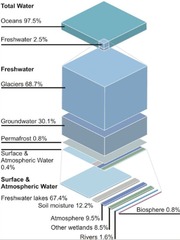
What happens to water availability as population grows?
Renewable freshwater resources per person are decreasing globally.
What irrigation method is considered the most efficient?
Subsurface or 'dripper' irrigation, although it is expensive and fragile.
What is the effect of nutrient deficiencies on agricultural efficiency?
Nutrient deficiencies reduce both land use and water use efficiency.
What are the most important nutrients used in agriculture?
Nitrogen (N), phosphorus (P), and potassium (K).
How does water scarcity drive conflict?
Increased competition for limited water resources can lead to conflicts.
What is the significance of the Aral Sea's drying up?
It illustrates the consequences of diverting rivers for irrigation.
What is the problem with early forms of irrigation like border-**** irrigation?
It is very simple but inefficient, leading to significant water loss.
What are the drawbacks of pivot irrigators?
They require more technology, energy, and can leave gaps of unirrigated space.
What is the role of fertilizers in agriculture?
Fertilizers replace nutrients removed through agricultural products, leaching, runoff, and erosion.
What is the consequence of using fewer nutrients in agriculture?
It leads to the need for clearing more land and decreases water use efficiency.
What is the relationship between agricultural practices and biodiversity?
Animal agriculture often leads to more land use and biodiversity loss, but cropping can also cause extinctions due to chemicals.
What are the potential unknowns in agriculture?
Farmer's political leanings, ecosystem resilience, hidden pathogens, and undiscovered species.
What happens if a plant is not transpiring?
It is dead; transpiration is crucial for plant health.
What is the impact of agricultural practices on water use efficiency?
Irrigation efficiency is critical and depends on the type of irrigator and timing.
How does soil structure affect nutrient use?
Poor soil structure can lead to algal growth instead of intended crop growth, requiring more fertilizers.
What has been the trend in average fertilizer use in New Zealand from 1976 to 2018?
Average fertilizer use has grown from ~70 kg per hectare in 1976 to over 120 kg per hectare in 2018.
What is the estimated worth of the fertilizer industry in New Zealand?
About NZ $1.5 billion.
How much nitrogen and phosphorus does New Zealand import annually?
Approximately 500,000 tonnes of nitrogen and 200,000 tonnes of phosphorus.
What is the primary nitrogen fertilizer used in New Zealand?
Urea.
Why is urea significant for New Zealand's fertilizer supply?
It is manufactured from fossil fuels, which New Zealand must import due to lack of local oil supply.
What is the economic impact of rising oil prices on fertilizer and food costs in New Zealand?
Increased oil prices lead to higher fertilizer costs, which in turn raises food prices.
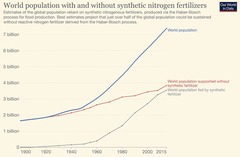
What is the Haber-Bosch process used for?
It is used to manufacture nitrogen fertilizers like urea.
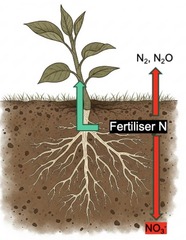
What is the environmental consequence of nitrogen fertilizers in New Zealand?
They can lead to nitrous oxide emissions, which are potent greenhouse gases.
What is a significant issue caused by nitrate leaching in New Zealand?
It contributes to the degradation of waterways and represents a financial loss.
What is the phosphorus application rate in New Zealand?
200,000 tonnes of phosphorus is applied to NZ soil annually.
What happens to plants when they are phosphorus-deficient?
They exhibit purpling on leaves and stunted growth.
What is superphosphate, and how is it used in New Zealand?
Superphosphate is a fertilizer containing about 9% phosphorus, deployed by top-dressing planes.
What environmental issue arises from excess phosphorus use?
It can lead to waterway degradation and algal blooms.
What is the concept of peak phosphorus?
It suggests that phosphorus production will peak and then decline, similar to peak oil.
How does mycorrhizal fungi benefit phosphorus uptake in plants?
They help access phosphorus locked in the soil, expanding the volume of soil the roots can explore.
What is the phosphorus fixation process?
It is when soluble forms of phosphorus in fertilizers become less available to plants.
What is the impact of nitrogen fertilizers on greenhouse gas emissions in New Zealand?
Nitrous oxide emissions from nitrogen fertilizers account for a significant portion of New Zealand's greenhouse gas emissions.
What is the relationship between agricultural efficiencies and environmental impact?
High agricultural efficiencies can sometimes lead to poor nutrient use efficiencies, affecting environmental health.
What is the P use efficiency calculation for a farmer applying superphosphate?
If 500 kg of superphosphate (9% P) is applied, the P use efficiency is 0.89 t of potatoes per kg of P.
What is one way to improve nutrient use efficiency in agriculture?
Reusing agricultural wastes to provide nitrogen instead of importing it.
What are the consequences of nitrogen deficiency in plants?
Yellowing of leaves and stunted growth.
What is the significance of clover in New Zealand agriculture?
Clover can fix nitrogen from the atmosphere, reducing the need for nitrogen fertilizers.
What is the role of legumes in nitrogen management?
Legumes like clovers can fix atmospheric nitrogen, providing a natural source of nutrients.
How does the use of pesticides affect agricultural efficiencies?
Pesticides can increase land use, water use, and nutrient efficiencies.
What is the environmental impact of applying excess phosphorus to soil?
It can lead to rapid degradation of waterways and increased algal blooms.
What is the relationship between fertilizer application rates and crop yield?
Higher fertilizer application rates can increase crop yield but may decrease nutrient use efficiency.
What is the economic loss associated with nitrogen leaching in New Zealand?
200,000 tonnes of nitrogen is lost through nitrate leaching annually.
What are the potential sources of phosphorus for New Zealand in the future?
Deep-sea mining or recovering phosphorus from municipal waste.
When did the first reliable signs of agriculture appear?
About 11,500 years ago.
What significant agricultural development occurred around 1940?
The Green Revolution, which introduced mechanization and chemicals to increase food production.
What are agrochemicals?
Chemicals used in agriculture, including pesticides and animal remedies.
What is the purpose of pesticides?
To kill pests that affect crops and livestock.
Name three types of pesticides.
Insecticides, fungicides, and herbicides.
What is a biocide?
A chemical that kills all living organisms, such as methyl bromide.
Why does New Zealand use more pesticides than other countries?
Because it is a major food-producing nation.
What is pasture renewal?
The process of killing all plants in a field and renewing the pasture, typically done every 3-5 years.
What is the function of rodenticides?
To kill rodents, often using anticoagulants to prevent blood clotting.
What are ecticides?
Pesticides that kill pest fish, such as koi carp.
What does the term 'half-life' refer to in agrochemicals?
The time taken for 50% of a compound to degrade.
What is the environmental impact of Lead Arsenate?
It leaves toxic residues of lead and arsenic in the soil.
Why was DDT banned in many countries?
Due to its accumulation in food chains and long-term environmental toxicity.
What are 2-4-5-T and 2-4-D?
Herbicides that are plant growth hormones but produce toxic byproducts like TCDD.
What are organophosphates?
A class of insecticides that are highly toxic to humans and effective against pests.
What are neonicotinoids known for?
Being potent insecticides that are extremely toxic to bees.
What is glyphosate used for?
As a herbicide in agriculture, particularly in pasture renewal.