AP Biology DNA, RNA and Protein Synthesis
0.0(0)
Studied by 2 people Call Kai
 Learn
Learn Practice Test
 Spaced Repetition
 Match
Match Flashcards
 Knowt Play
Card Sorting
1/51

Earn XP
Description and Tags
Last updated 3:40 AM on 11/18/22
Name | Mastery | Learn | Test | Matching | Spaced | Call with Kai |
|---|
No analytics yet
Send a link to your students to track their progress
52 Terms
1
New cards
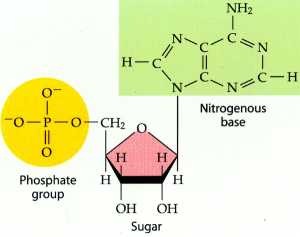
nucleotides
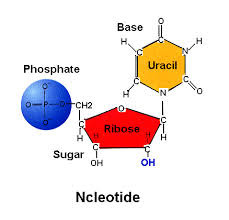
monomers of nucleic acids made up of a 5-carbon sugar, a phosphate group, and a nitrogenous base
2
New cards
RNA
A type of nucleic acid consisting of nucleotide monomers with a ribose sugar and the nitrogenous bases adenine (A), cytosine (C), guanine (G), and uracil (U); usually single-stranded; functions in protein synthesis and as the genome of some viruses.
3
New cards
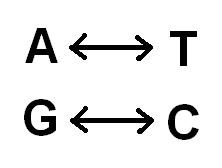
base pairing
Principle that bonds in DNA can form only between adenine and thymine and between guanine and cytosine
4
New cards
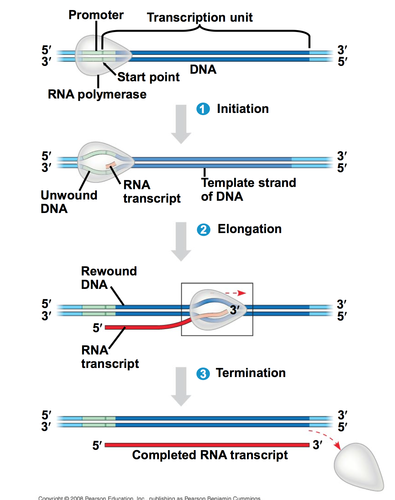
RNA polymerase
An enzyme that links ribonucleotides into a growing RNA chain during transcription, based on complementary binding to nucleotides on a DNA template strand
5
New cards
protein synthesis
Forming proteins using ribosomes (RER) based on information in DNA and carried out by RNA
6
New cards
polypeptide
A polymer (chain) of many amino acids linked together by peptide bonds.
7
New cards
amino acids
Building blocks of protein
8
New cards
chromosomes
contain genetic material and are located in the nucleus
9
New cards
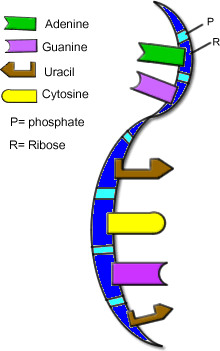
mRNA
RNA that attaches to ribosomes in the cytoplasm and specifies the primary structure of a protein; also called messenger RNA.
10
New cards
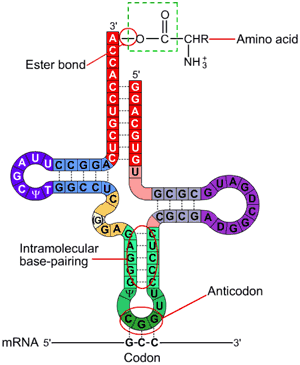
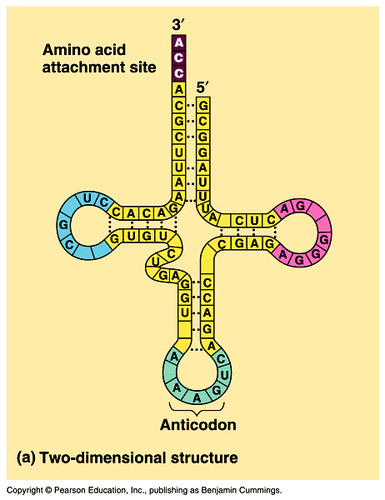
tRNA
RNA molecules that attach the correct amino acid to the protein chain that is being synthesized at the ribosome of the cell
11
New cards
rRNA
RNA molecules that, together with proteins, make up ribosomes
12
New cards
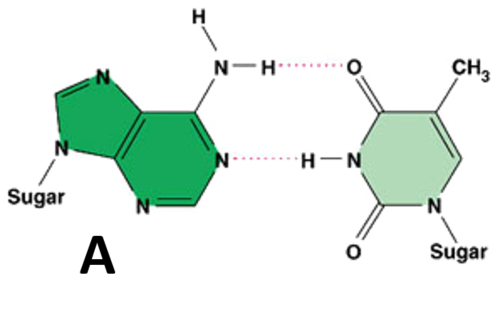
adenine
A double-ring nitrogenous base found in DNA and RNA. Pairs with Thymine.
13
New cards
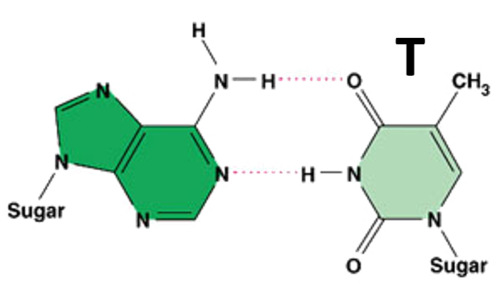
thymine
A single-ring nitrogenous base found only in DNA. Pairs with Adenine.
14
New cards
cytosine
A single-ring nitrogenous base found in DNA and RNA. Pair with guanine
15
New cards
guanine
A double-ring nitrogenous base found in DNA and RNA. Binds with cytosine.
16
New cards
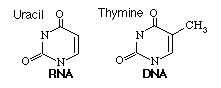
uracil
a nitrogen-containing base found in RNA (but not in DNA) and derived from pyrimidine. Binds with adenine
17
New cards
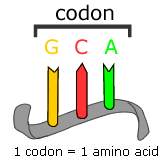
codon
A specific sequence of three adjacent bases on a strand of DNA or RNA that provides genetic code information for a particular amino acid
18
New cards
anticodon
group of three bases on a tRNA molecule that are complementary to an mRNA codon
19
New cards
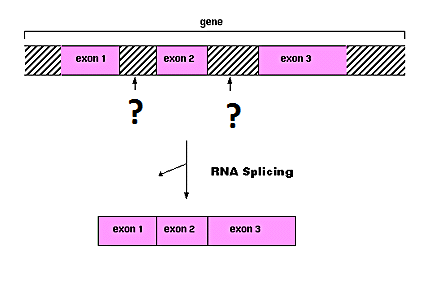
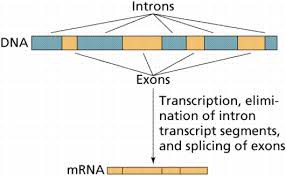
intron
A segment of a gene situated between exons that is removed before translation of messenger RNA and does not function in coding for protein synthesis.
20
New cards
exon
A sequence within a primary transcript that remains in the RNA after RNA processing; also refers to the region of DNA from which this sequence was transcribed
21
New cards
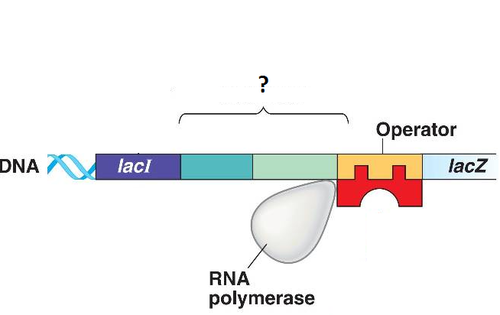
promoter
A specific nucleotide sequence in the DNA of a gene that binds RNA polymerase, positioning it to start transcribing RNA at the appropriate place.
22
New cards
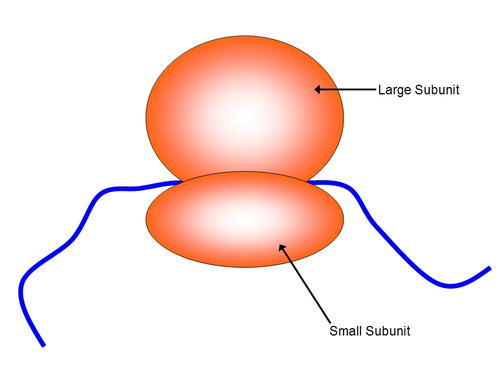
ribosome
rRNA and protein molecules that functions in protein synthesis; consists of a large and a small subunit. In eukaryotic cells, is assembled in the nucleolus
23
New cards
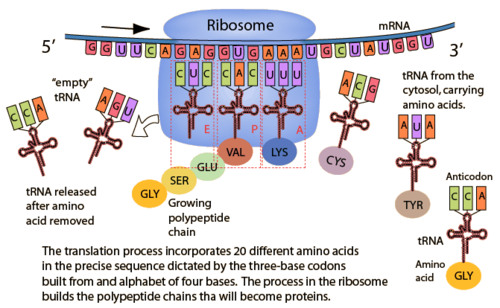
translation
The synthesis of a polypeptide using the genetic information encoded in a mRNA molecule. There is a change of "language" from nucleotides to amino acids.
24
New cards
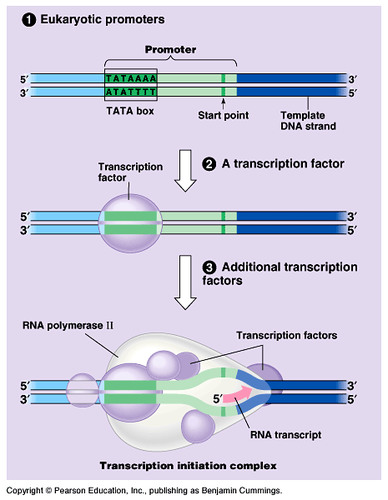
transcription
The synthesis of RNA using a DNA template.
25
New cards
gene mutation
A change in the sequence of the bases in a gene, which changes the structure of the polypeptide that the gene codes for.
26
New cards
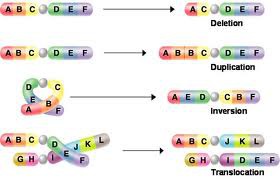
chromosomal mutation
A change in the chromosome structure, resulting defects in meiosis
27
New cards
substitution
A type of point mutation; the replacement of one nucleotide and its partner in the complementary DNA strand by another pair of nucleotides.

28
New cards
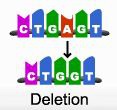
deletion
a type of gene mutation in which a nucleotide is deleted
29
New cards
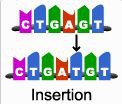
insertion
A mutation involving the addition of one or more nucleotides pairs to a gene.
30
New cards
terminator
In bacteria, a sequence of nucleotides in DNA that marks the end of a gene and signals RNA polymerase to release the newly made RNA molecule and detach from the DNA.
31
New cards
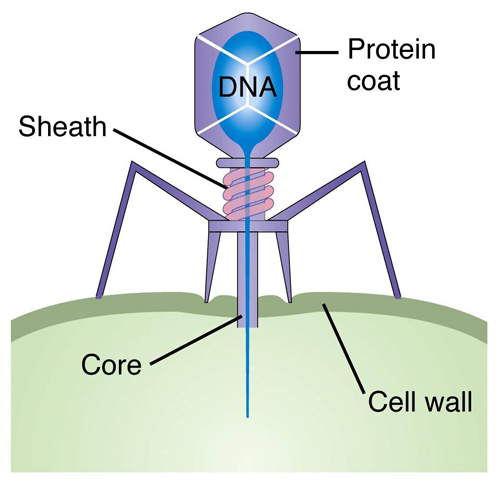
bacteriophage
A virus that infects bacteria; also called a phage.
32
New cards
TATA box
A promoter DNA sequence crucial in forming the transcription initiation complex.
33
New cards
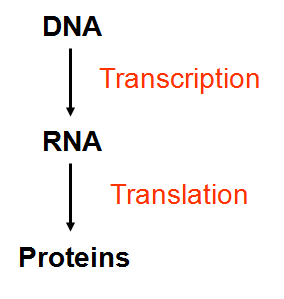
Central dogma
34
New cards
RNA nucleotide
35
New cards
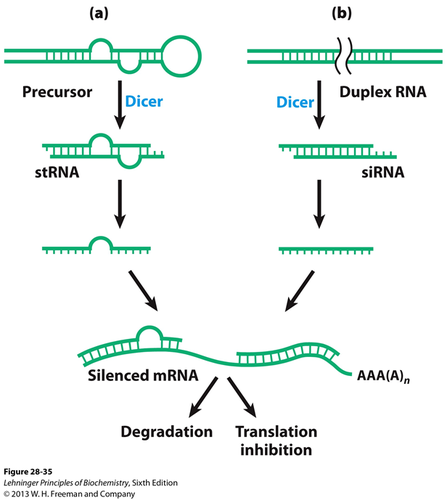
RNAi
process in which RNA molecules inhibit gene expression or translation, by neutralizing targeted mRNA molecules.
36
New cards
poly A tail
makes mRNA more stable, prevents its degradation, allows the mRNA molecule to be exported from the nucleus and translated into a protein by ribosomes in the cytoplasm.
37
New cards
GTP cap
used as a recognition signal for ribosomes to bind to the mRNA.
38
New cards
mRNA processing
Addition of cap and tail to the ends of the transcript &
Removal of introns
Removal of introns
39
New cards
splice
join, bind, attach
40
New cards
spliceosome
complex of enzymes that serves to splice out the introns of a pre-mRNA transcript
41
New cards
Plasmid DNA
A ring of DNA capable of replicating itself. Found in bacteria commonly.
42
New cards
retrovirus
An RNA virus that reproduces by transcribing its RNA into DNA and then inserting the DNA into a cellular chromosome; an important class of cancer-causing viruses.
43
New cards
reverse transcriptase
a polymerase that catalyzes the formation of DNA using RNA as a template
44
New cards
direction of transcription
5' to 3' direction
45
New cards
rRNA (ribosomal RNA)
type of RNA that makes up the major part of ribosomes
46
New cards
tRNA (transfer RNA)
The form of RNA that carries each amino acid to the ribsome to form the polypeptide chain (protein)
47
New cards
mRNA (messenger RNA)
The form of RNA which is created as a blueprint from DNA; carries instructions for making a protein
48
New cards
Translation location in eukaryotes
ribosome (RER)
49
New cards
Translation location in prokaryotes
cytoplasm
50
New cards
In prokaryotes, when does transcription and translation occur?
at the same time
51
New cards
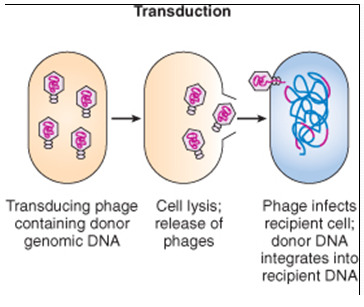
Transduction in bacteria
DNA is transferred from one bacteria to another by a virus
52
New cards
Transduction