Exam 1 (lectures 1-5)
 Call Kai
 Learn
Learn Practice Test
 Spaced Repetition
 Match
Match Flashcards
 Knowt Play
1/83

There's no tags or description
Looks like no tags are added yet.
Name | Mastery | Learn | Test | Matching | Spaced | Call with Kai | Chat |
|---|
No analytics yet
Send a link to your students to track their progress
84 Terms
What are the 6 roles of a PT?
patient/client management
educator
researcher
administrator
advocate
consultant
What are the characteristics of a profession?
distinct and specialized body of knowledge
expertise proved by licensure
autonomy to make altruistic decisions
affective neutrality
enforceable code of ethics
peer-reviewed standards and defined scope of practice
professional organization
PT Code of Ethics
APTA document; sets enforceable standards and aspirational ethical commitments for PTs and PTAs; protects the public, guides difficult decisions, and supports accountability
autonomy
beneficence (do good)
nonmaleficence (do no harm)
justice (fairness)
veracity (truth)
fidelity (loyalty)
professional scope
practice grounded in the profession’s unique body of knowledge, educational preparation, evidence, and existing or emerging frameworks
jurisdictional scope
legal scope established by the State Practice Act, regulations, and licensing-board rules
personal scope
activities for which an individual PT is educated, trained, currently competent, and able to perform safely
In what areas is PT practice emerging?
population health, prevention, promotion
primary care and entry point-provider roles
telehealth, digital health, remote patient monitoring
ordering/interpreting imaging where permitted
emergency department practice and medical screening
dry needling, blood-flow restriction training, concussion management, health life span management
Quintuple Aim
enhancing patient experiences
improving population health
reducing care costs
improving provider well-being
advancing health equity
professionalism
conduct, skills, and qualities expected of someone in a professional role
professional socialization
professional evolution toward doctoral education, direct access, autonomous judgment, specialization, evidence-based practice, and stronger self-regulation
What influences the dynamics/evolution of PT scope of practice?
changes in education, technologies, legislations & regulations
telehealth
use of info and comms tech to provide health-related services at a distance
telemedicine
delivery of a health care service using electronic comms, info tech, or other electronic/tech means to bring services to the distant site of the patient
evidence-based practice
integrates best available evidence, clinician expertise, and patient values/circumstances due to variations in care and lack of outcomes
ex: journals, clinical practice guidelines, clinical prediction rules, standardized outcome measures
clinical practice guidelines
synthesizes evidence and recommends care for a defined condition or population
clinical prediction rules
combines clinical findings to estimate probability or guide decisions
Professional Behaviors Assessment Tool
professional behaviors deemed necessary for success in PT practice
critical thinking
communication skills
problem solving
interpersonal skills
responsibility
professionalism
use of constructive feedback
stress management
commitment to learning
professional development
the ongoing self-assessment, acquisition, and application of knowledge, skills, and abilities for continuing competence
lifelong learning
systematic maintenance and improvement of knowledge, skills, and abilities thru one’s professional career or working life
continuing competence
the ongoing possession and application of contemporary knowledge, skills, and abilities within one’s role and scope of practice
clinical reasoning
interprofessional skills and communication
clinical skills
system based practice
knowledge for practice
critical inquiry skills
movement system
the collection of systems that interact to move the body or its component parts
medical diagnosis
made by a physician using tools (x-rays, MRIs, bld tests) to identify the specific structural pathology of the injure/disease tissue and guide pharm/surgical/overall disease mangement
ex: full-thickness rotator cuff tear
movement system diagnosis
made by a PT thru biomedical analysis, functional observation, and specific movement pattern testing to identify the way a person moves poorly and its system-wide cause to dictate interventions needed to resolve the dysfunction
ex: force production deficit
Guide to Physical Therapist Practice
APTA document; describes PT practice for non-PTs to understand common terminology, patient/client management framework, tests/measures and interventions; supports comms across settings
PT Core Values
APTA document; accountability, altruism, collaboration, compassion and caring, duty, excellence, inclusion, integrity, social responsibility
Minimum Required Skills of PT Graduates at Entry Level
APTA document; describes minimum abilities expected of a new grad entering practice; helps programs and the public understand entry-level expectations of PT practice
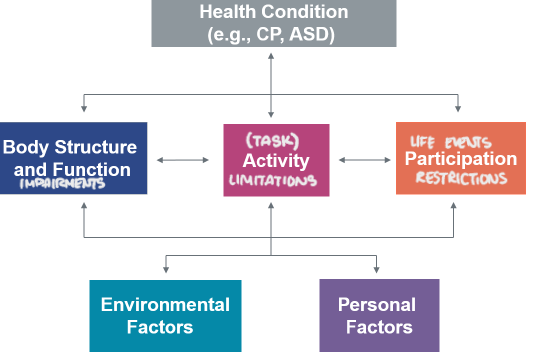
International Classification of Functioning, Disability, and Health (ICF) Model
provides a common language and scientific basis for understanding health and functioning by comparing conditions and settings; views disability and functioning as dynamic interactions among heath condition, body structure/function, activity limitations, participation restrictions, environmental factors, and personal factors
Biomedical Model
focuses on pathology, tissue damage, impairment, and correction of biological abnormalities; health = absence of diseaes
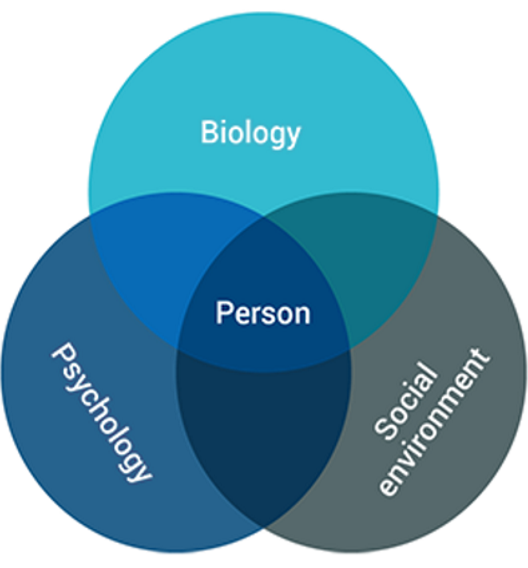
Biopsychosocial Model
supports individualized patient-centered care; that health and disability result from interaction among biological, psychological, and social factors
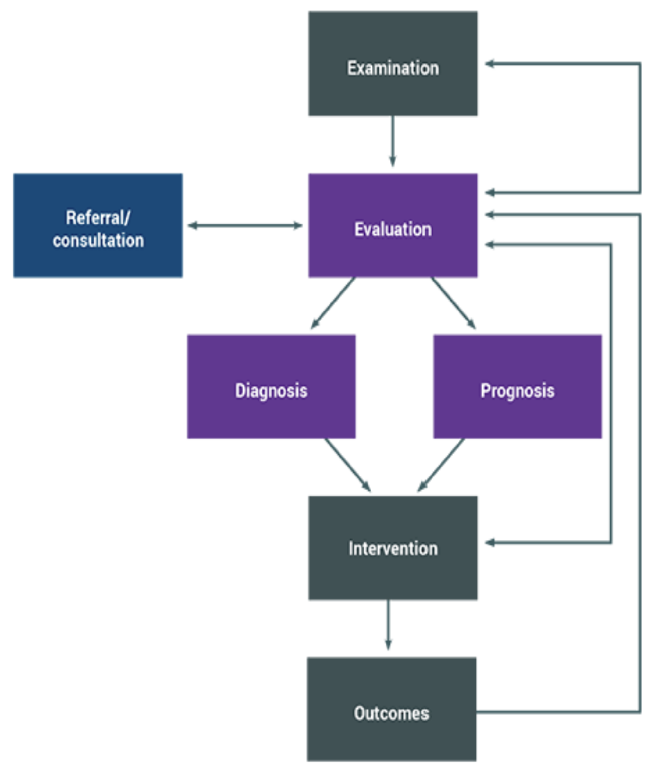
Patient/Client Management Model
examination
evaluation
diagnosis and prognosis
referral/consultation/comanaging
plan of care and intervention
outcomes
reexamination
continuum of care
transitional care; coordinated services across prevention, acute illness/injury, post-acute recovery, rehab, long-term support, community participation, and end-of-life needs
preventive/primary care
risk reduction, screening, wellness, early identification, and health promotion
acute care
inpatient; short-term hospital care for urgent illness, surgery, stabilization, and complex medical needs; most expensive
post-acute care
inpatient services after hospitalization: LTCH, home health, IRF, subacute rehab, LTC
long-term care hospital (LTCH)
ongoing management, supported living, school, workplace, wellness, and community participation
home health
homebound pts with MD-ordered/supervised skilled services
inpatient rehab facility (IRF)
3hrs of therapy/5 days/week or 15 hrs in 7 consecutive day periods
ex pts: CVA, TBI, MS, PD, MD, trauma
subacute rehab
1-2 hrs/day in a skilled nursing facility
long term care (LTC)
residential/custodial/ADLs nursing homes; pt can’t return home
outpatient care
day rehab, private practice, hospital-based outpatient services
transitional care
continuum of care; coordination during movement between settings to reduce gaps, adverse events, and readmission
Improving Medicare Post-Acute Care Transformation (IMPACT) Act
promotes standardized assessment data across post-acute settings
unrestricted direct access
evaluation and treatment without referral restrictions or limitations
direct access with provisions
evaluation and/or treatment allowed with condition limits (time, visits, diagnosis, provider notification, referral requirements)
Disability Rights Movement
reframed disability as a civil-rights and social justice issue rather than a personal medical problem and passed several disability rights legislations
Rehabilitation Act of 1973, Section 504
IDEA
ADA
ADA Amendments Act
Fair Housing Act protections
Air Carrier Access Act
Rehab Act of 1973, Section 504
prohibits disability discrimination in programs or activities receiving federal financial assistance
Individuals with Disabilities Education Act (IDEA)
guarantees eligible children a free appropriate public education and related services in the least restrictive environment
Americans with Disabilities Act (ADA)
broad civil rights law; prohibits discrimination in employment, state/local government, public accommodations, transportation, etc. to level the playing field for PWDs
ADA Amendments Act
broadened interpretation of disability and reinforced inclusivity
Fair Housing Act protections
prohibits disability discrimination in housing and supports reasonable accommodations/mods
Air Carrier Access Act
protects passengers with disabilities from discrimination in air travel
disability
a physical or mental impairment that substantially limits one or more major life activity; 1/5 Americans with disability live in poverty; half of PWDs are of age to work but do not
ableism
systematized discrimination, antagonism, or exclusion of disable people based on the belief that ‘normal’ ability/thought/policy/systems is superior/right
Medical Model
locates disability in the individual’s disease, impairment, or abnormality; emphasizes diagnosis, treatment, cure
Social Model
locates disability in societal and environmental barriers, exclusion, design, attitudes
Political-Relational Model
recognizes embodied impairment experiences and unequal social/political relationships
accessible design
a site, building, facility, or part of these that complies with the minimum accessibility standards set by the Americans with Disabilities Act, architectural barriers act, or building code
universal design
considers wide spectrum of human abilities with aim to exceed minimum standards to meet the needs of the greatest number of people
spread
ability of a single characteristic to evoke inferences about the person as a whole
diagnostic overshadowing
attribution of symptoms to an obvious pre-existing diagnosis rather an a potential other condition → misdiagnosis
PWD health dispariy experiences
less access to preventive/primary care, inaccessible facilities/equipment/transportation/comms, diagnostic overshadowing, delayed treatment, higher rates of chronic conditions, underrepresentation in professional settings, reduced autonomy in comms, barriers (financials, employment, housing, insurance)
health literacy
whether people can find, understand, evaluate, and use health info and services; limited health literacy can impair understanding, informed consent, medication use, appointment follow-through, decision-making; 40% of Americans struggle with health literacy
individual factors in health literacy
education, language, cognition, sensory function, stress, pain, culture, prior health experience, numeracy, digital skills
systemic factors in health literacy
complex forms, jargon, rushed visits, fragmented care, inaccessible materials, unclear websites, poor interpreter access, inconsistent instructions, difficult insurance/referral processes
strategies to improve patient-education materials
5th/6th grade reading level
short sentences with few syllable words
large font & organized info
active voice and plain language
teach-back to check understanding
open-ended questioning
hand signals, visual cues, listening carefully
teach-back method
technique to improve comprehension and reduce chance of misinformation
explain a component of place of care with plain language and mindfulness of amount of info given
assess pt’s understanding by asking them to paraphrase
introduce next component if pt understands or repeat 1 & 2 if they don’t
American Physical Therapy Association (APTA)
national professional membership organization for PTs, PTAs, and SPTs; seeks to improve health and quality of life by advancing PT practice, education, research, advocacy, standards, and public understanding
APTA vision
“Transforming society by optimizing movement to improve the human experience”
guiding principles: identity, quality, collaboration, value, innovation, consumer-centric, access/equity, advocacy
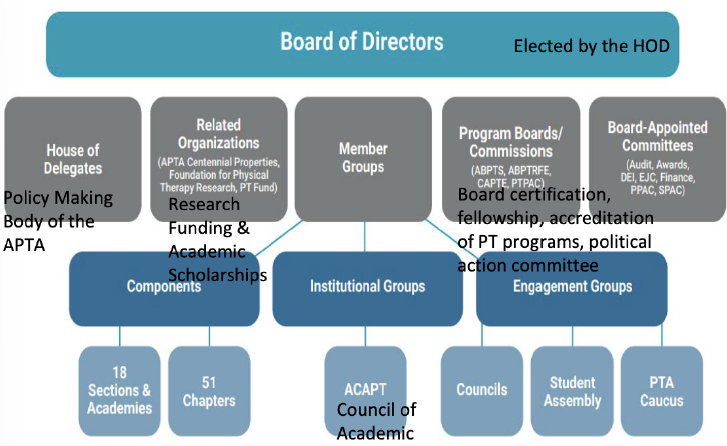
APTA organizational structure
Board of Directors - elected by HOD
HOD - policy makers
related organizations - research funding, academic scholarships
program boards/commissions - board certification, fellowship, program accreditation
board appointed committees
member groups
components (18 sections & academics, 51 chapters)
institutional groups (ACAPT - council of academics)
engagement groups (council, student assembly, PTA caucus)
National APTA
develops national policy, federal advocacy, professional standards, ethical documents, public campaigns, payment resources, research and practice resources, specialty infrastructure, national education, and member services
State chapters
advocate on state practice acts and regulations, comm with state boards and legislators, provide local education/networking, respond to state payment issues, build grassroots advocacy relationships
academics/sections and SIGs
advance specialty knowledge thru journals, guidelines, education, conferences, mentoring, and communities of practice
legislation
bills and laws enacted by legislative bodies
regulation
detailed rules created by authorized agencies to implement and enforce laws
professional advocacy
efforts to influence policy affecting patients, access, payment, quality, scope of practice, education, research, and the profession
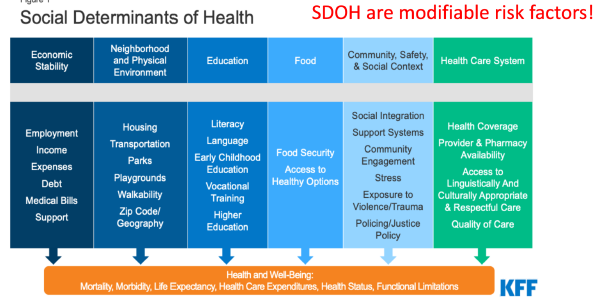
Social Determinants of Health (SDOH)
modifiable risk factors that lead to one’s health and well-being
basic activities of daily living (BADLs)
toileting, feeding/eating, bed mobility, dressing, bathing/showering, transfers, functional mobility, personal device care, personal hygiene, sexuality
instrumental activities of daily living (IADLs)
related to ICF activity limitations; care of others, care of pets, comms management, driving and community mobility, financial management, health management and maintenance, home establishment and management, meal prep and cleanup, religious and spiritual activities, safety and emergency maintenance, shopping, electronic ADLs
___ is the indicator with the highest gap.
Employment
defensive medicine
waste of resources and finances on procedures/exams/extra medicine just in care/to be sure
CAPTE
commission on accreditation of physical therapy education
What are the 4 human movement systems that PTs deal with?
musculoskeletal, neuromuscular, cardiopulmonary, integumentary systems
State Practice Act
laws for direct access
Signs are ___ and symptoms are ___.
objective; subjective (what the pt describes they experience)