Cardiovascular NICU Nutrition
 Call Kai
 Learn
Learn Practice Test
 Spaced Repetition
 Match
Match Flashcards
 Knowt Play
1/39

There's no tags or description
Looks like no tags are added yet.
Name | Mastery | Learn | Test | Matching | Spaced | Call with Kai | Chat |
|---|
No analytics yet
Send a link to your students to track their progress
40 Terms
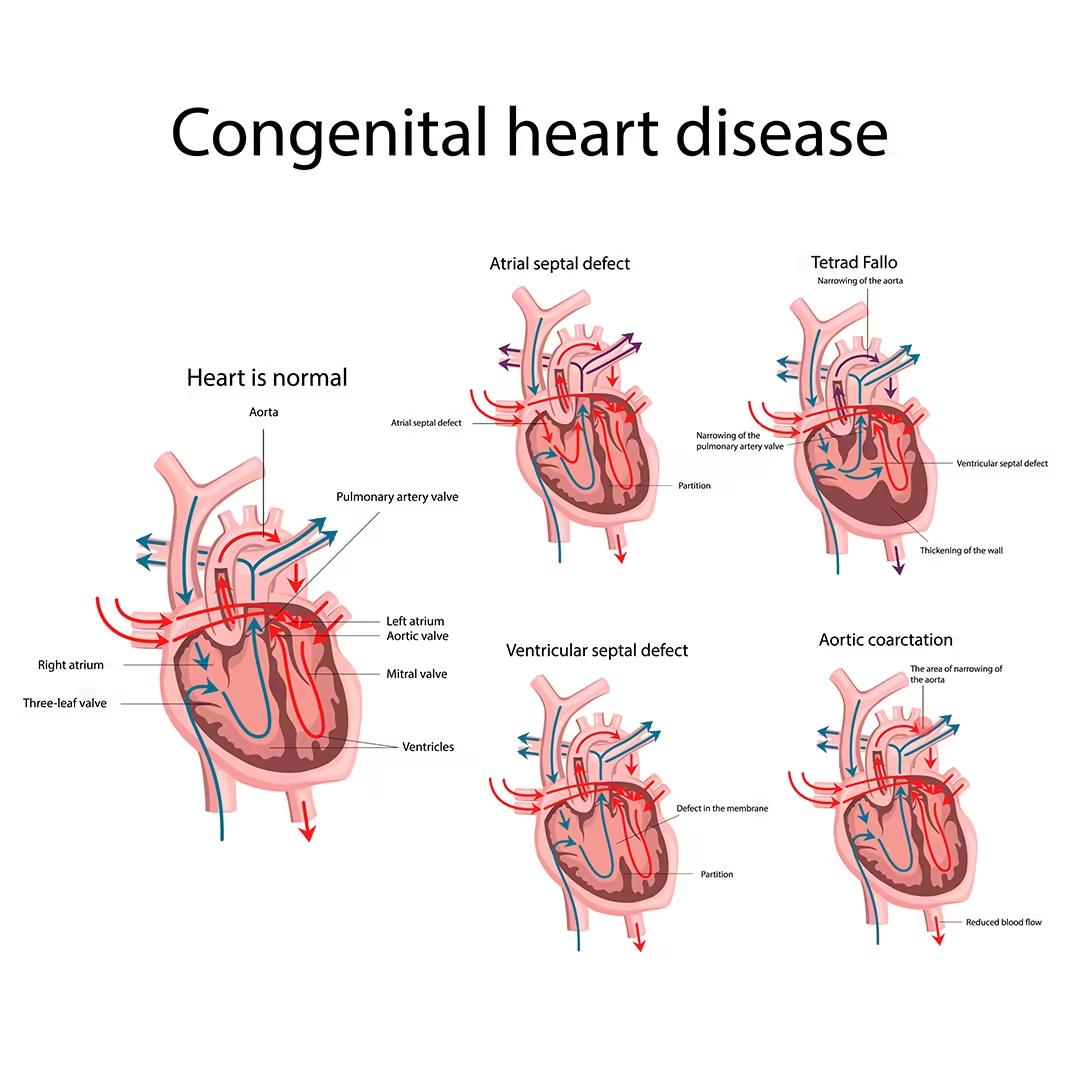
congenital heart disease (CHD)
occurs in utero, first trimester
cause unknown
defects seen soon after birth or first months
ex: hypoplastic left heart (HLHS), truncus arteriosus
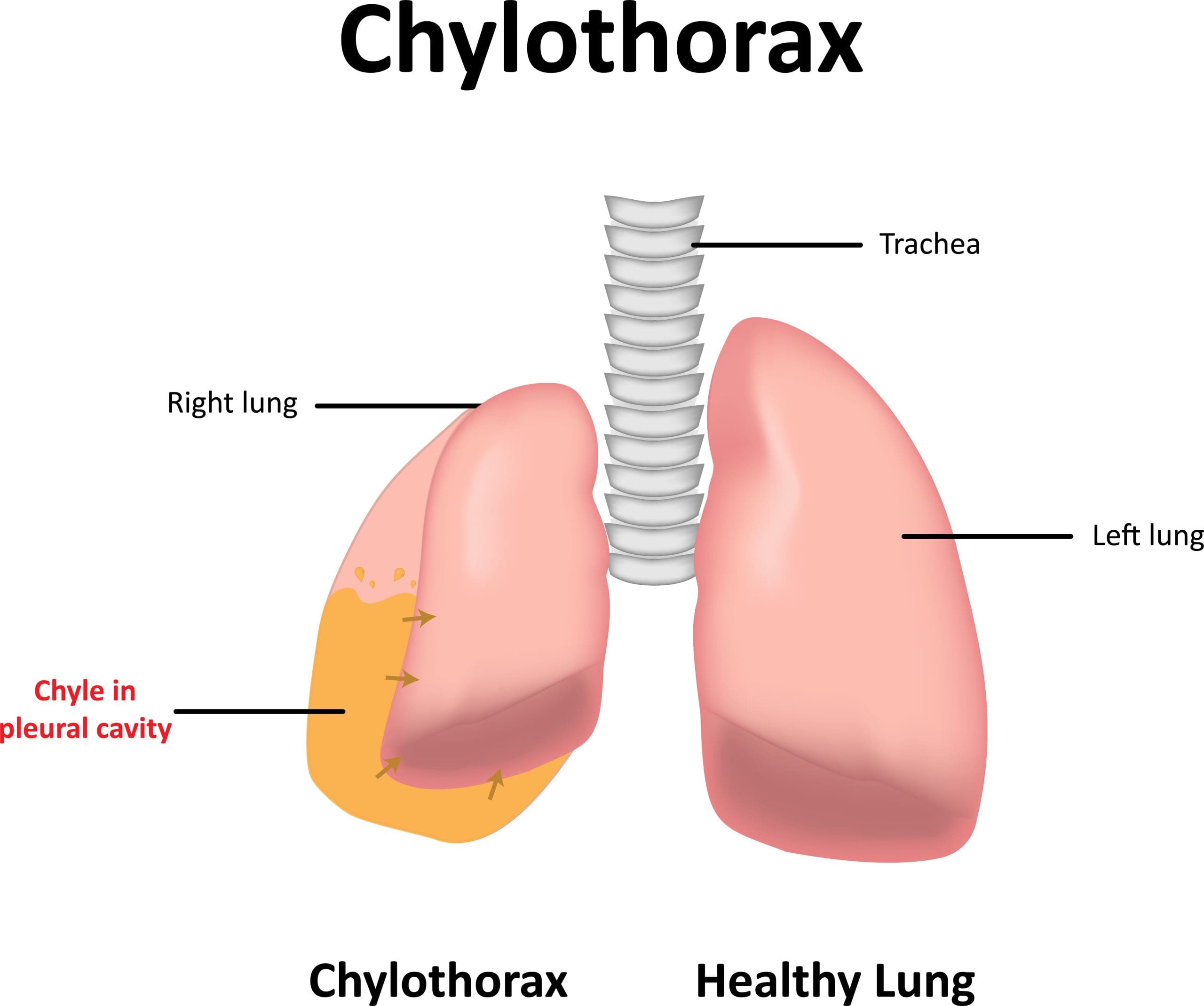
chylothorax
a condition where lymphatic fluid accumulates in the pleural cavity, often a complication in infants with congenital heart defects. It can result from surgical interventions or lymphatic obstruction.
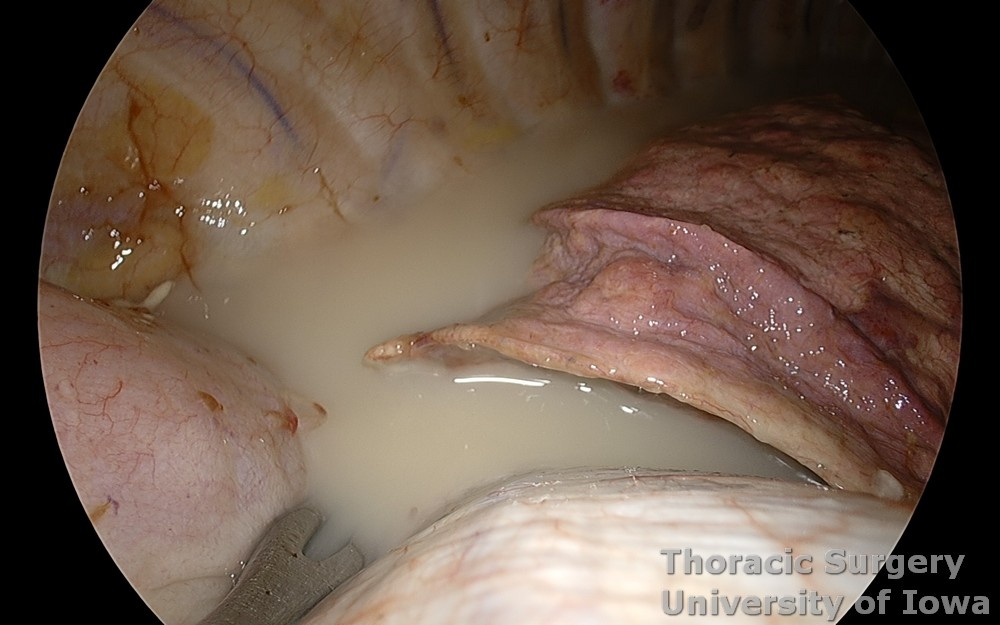
congenital
Congenital refers to a condition, trait, or abnormality that is present at or from birth. Also known as a birth defect, these conditions can develop in the uterus due to genetic factors, environmental exposures (like infections or alcohol), or a combination of both, and are not strictly always inherited from parents
patent ductus arteriosus diverts blood from where to where
diverts blood from pulmonary artery to aorta + placenta, bypassing the lungs and allowing for oxygenation via the placenta
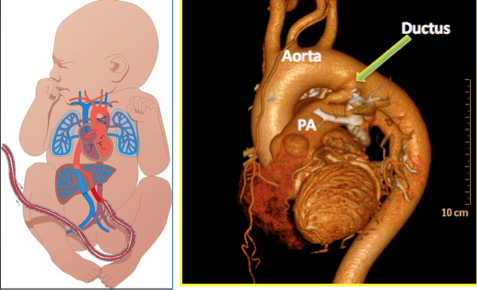
patent ductus arteriosus does what after birth
closes off to prevent blood flow between the aorta and pulmonary artery, typically within the first few days of life.
patent ductus arteriosus
remains open (patent) after birth, which can lead to increased blood flow to the lungs and potential heart failure if not addressed.
it allows oxygen-rich blood to flow from the aorta back into the lungs(left-to-right shunt). This pulmonary overcirculation floods the lungs with excess fluid, while simultaneously "stealing" blood, oxygen, and pressure from the rest of the body.
increased lung strain
loss of systemic blood pressure reduces blood flow to organs (hypoperfusion), intestinal damage, kidney dysfunction
risk factors for PDA
low birth weight and preterm
PDA increases risk of what lung wise
pulmonary edema
pulmonary vascular resistance
BPD
PDA increases risk of what heart wise
CHF
PDA increases risk of what growth wise
FTT
nutrition therapy for PDA, think fluids
fluid restriction < 12 mL/kg/d
fluid restriction in PDA may prevent what
CHF in infants with CHD
for PN in fluid restriction how should drip medications be administered
in concentrated glucose solutions
chylothorax nutrition therapy
limit intake of enteral LCTs in favor of MCTs
IVFE does not need to be limited to prevent complications related to chylothorax.
why doesn’t IVFE need to be limited in chylothorax
Because it does not contribute to lymphatic flow, thus preventing exacerbation of chylothorax. and it provides EFAs helping to prevent EFAD
contraindications for initiation of minimal enteral nutrition (MEN)
cyanosis
gut hypoperfusion
starting rate for MEN
10-20 mL/kg/d
coarctation
of the aorta, a congenital condition where a part of the aorta is narrowed, leading to increased blood pressure before the constriction and decreased blood flow beyond it.
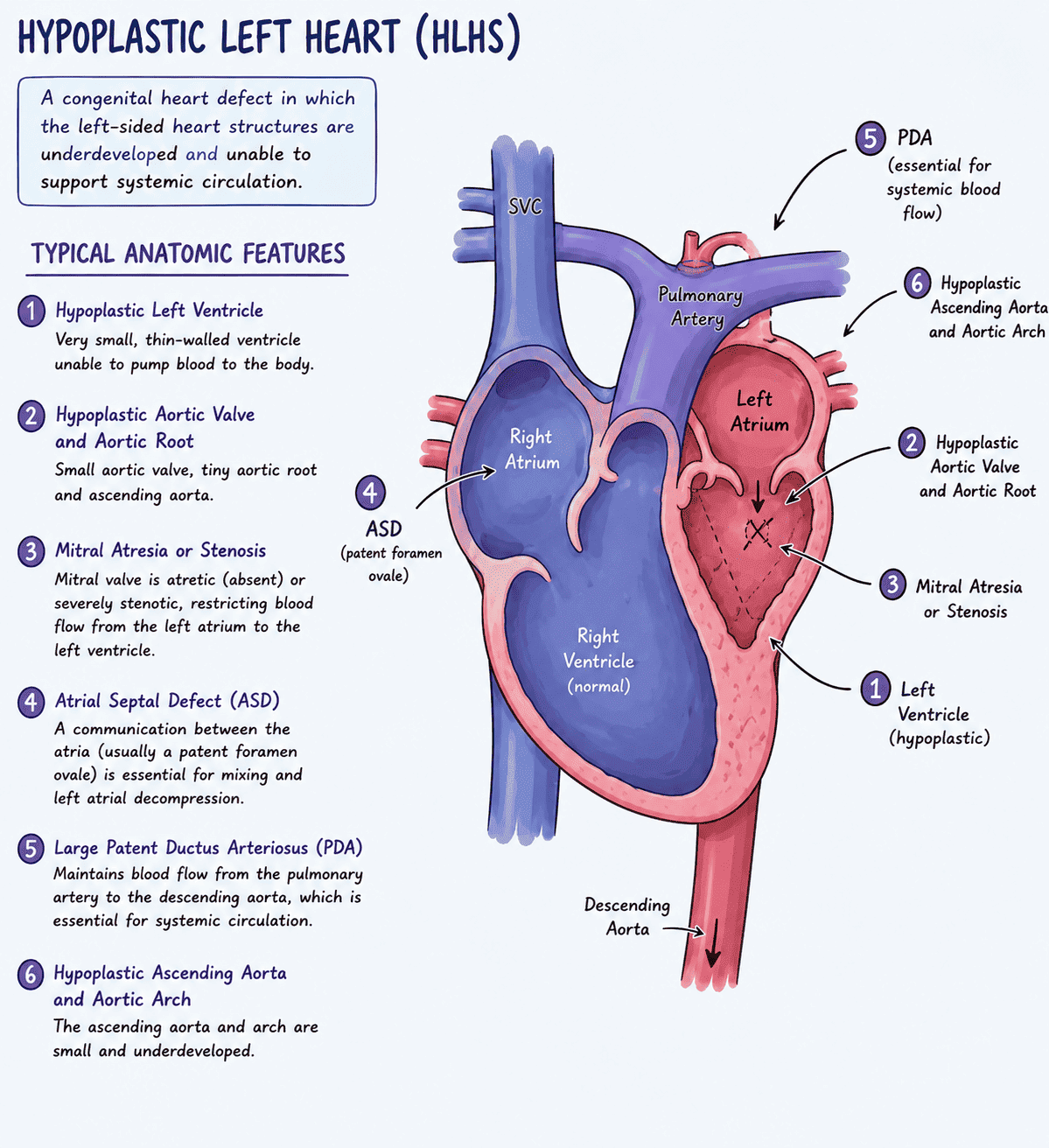
hypoplastic left heart
syndrome, a congenital heart defect characterized by the underdevelopment of the left side of the heart.
transposition of the great vessels
a congenital heart defect where the two main arteries leaving the heart are reversed, resulting in improper oxygenation of blood.
what should be done regarding MEN in cases of large and hemodynamically significant PDA
continue MEN until PDA closed or is not hemodynamically significant
what should be done regarding feeding protocol for small-moderate PDA
EN, standard unit-based
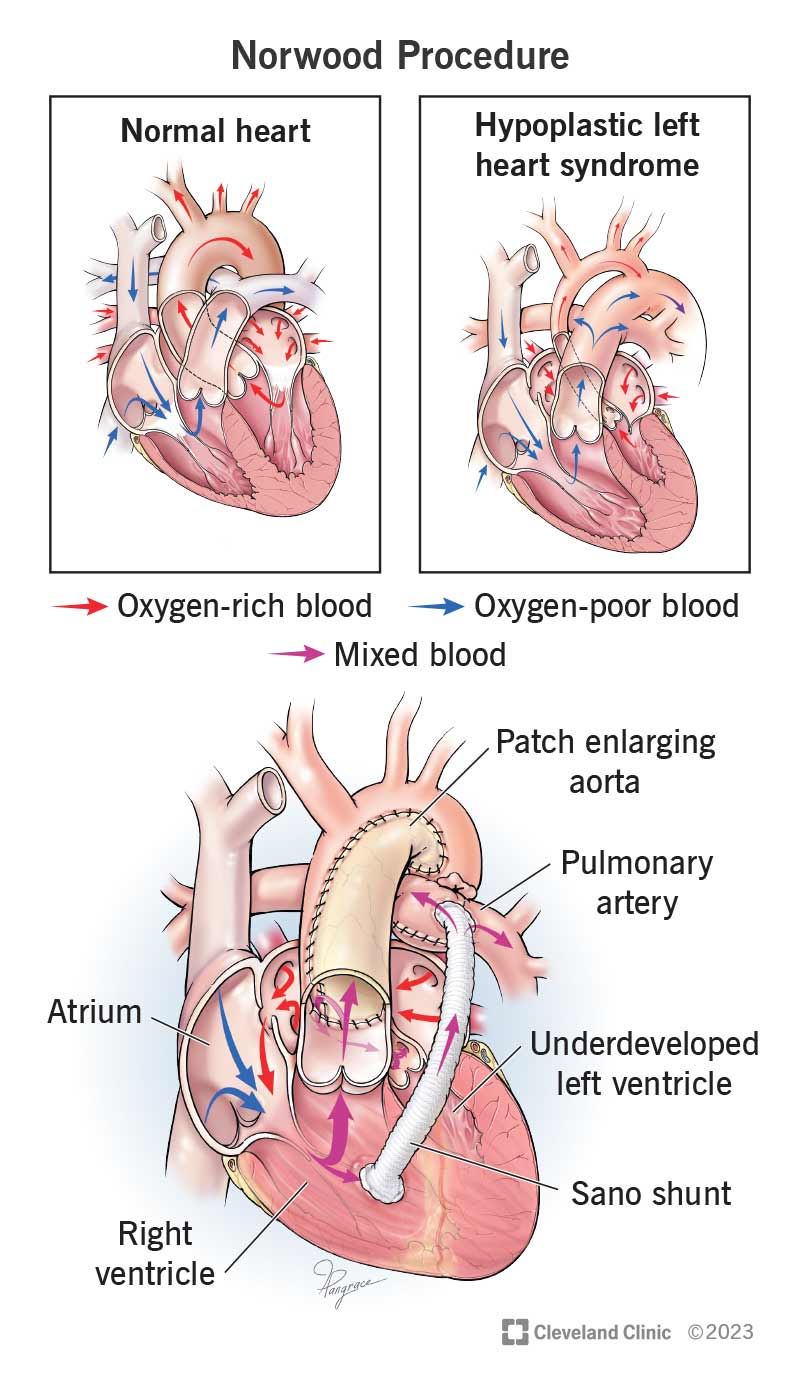
norwood procedure
a surgical procedure performed to treat hypoplastic left heart syndrome and other similar congenital heart defects. It involves creating a new functional pathway for blood to flow from the heart to the rest of the body.
norwood procedure increases risk of what regarding feeding
increased risk of feeding probs 2/2 high rates of laryngopharyngeal dysfunction
postoperative nutrition in CV disorders fluid volume
initially restricted to 50-80 mL/kg/d
postoperative nutrition chylothorax PN vs EN if etiology is operative trauma
PN may be required initially to provide adequate nutrition while bypassing the gastrointestinal tract.
feeding protocol in chylothorax once bowel function returns
MEN 10-20 mL/kg/d
advance by 20 mL/kg/d or as tol
advance calories daily
24-27 - 30 kcal/fl oz well tol, improves energy intake/wgt gain, earlier discharge
what king of feeding tube may conserve energy for growth in infants that had norwood procedure
NG tube
what is the singular formula with high MCT oil designed for infants
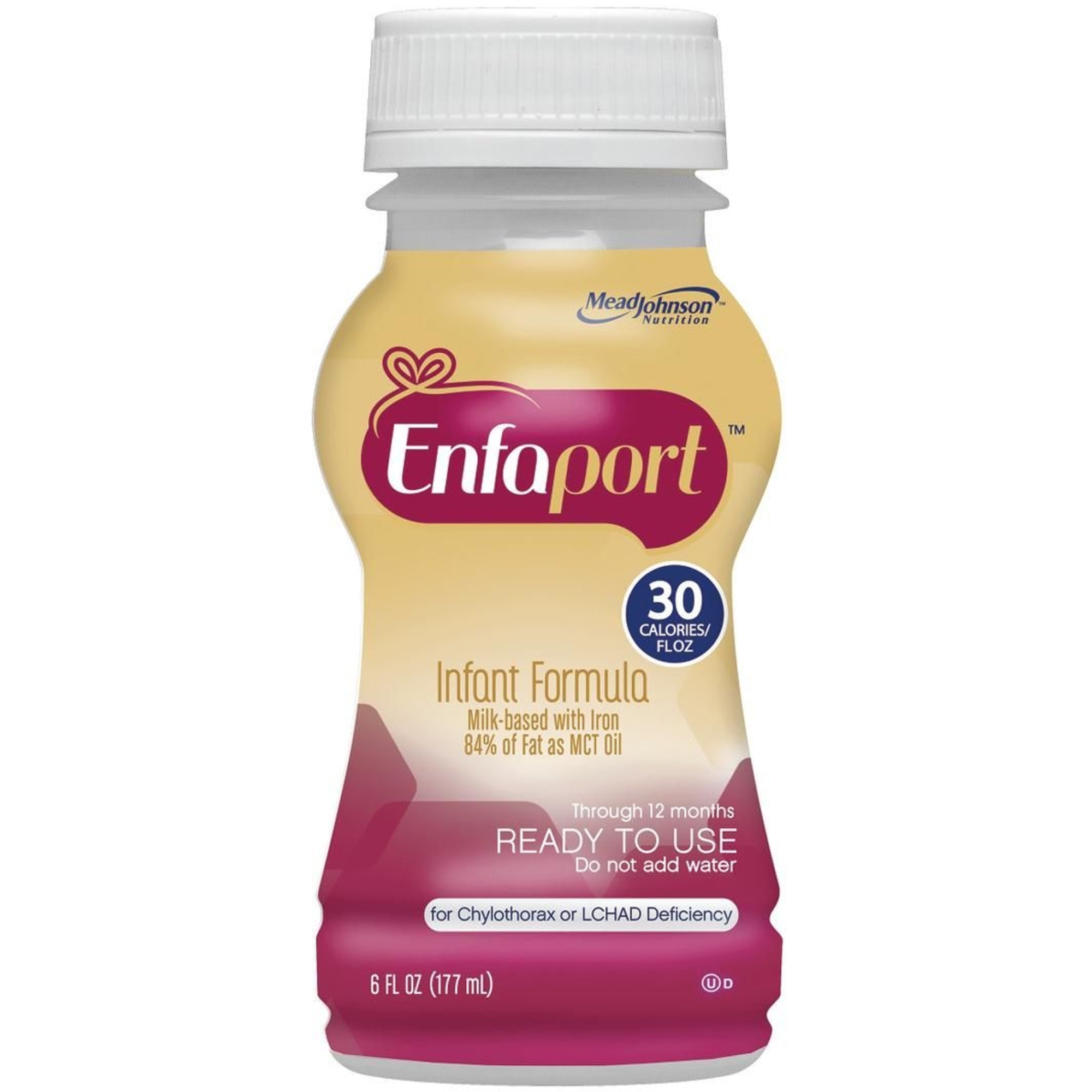
Enfaport!
Its fat composition is approximately:
84% MCT
16% LCT (to provide essential fatty acids)
The reduced LCT content decreases chyle production because LCTs are absorbed into the lymphatic system, whereas MCTs are absorbed directly into the portal circulation.
30 kcal/oz (~1 kcal/mL)
ex: Enfaport at 15 mL/kg/day if breast milk is unavailable or not being used.
or 11.25 mL enfaport + 11.25 mL skimmed breast milk = 22.5 mL/kg/d
chylothorax MEN protocol
skimmed breast milk or products low in LCT oils and high in MCT oil
skimmed milk provides _kcal/oz
10 kcal/oz
what may be added to the formula in chylothorax baby to prevent EFAD
small amounts of soy oil or other oils rich in linoleic acid and linolenic acid such as walnut and flax seed oils
what formula can be considered with MCT oil once chylothorax improves
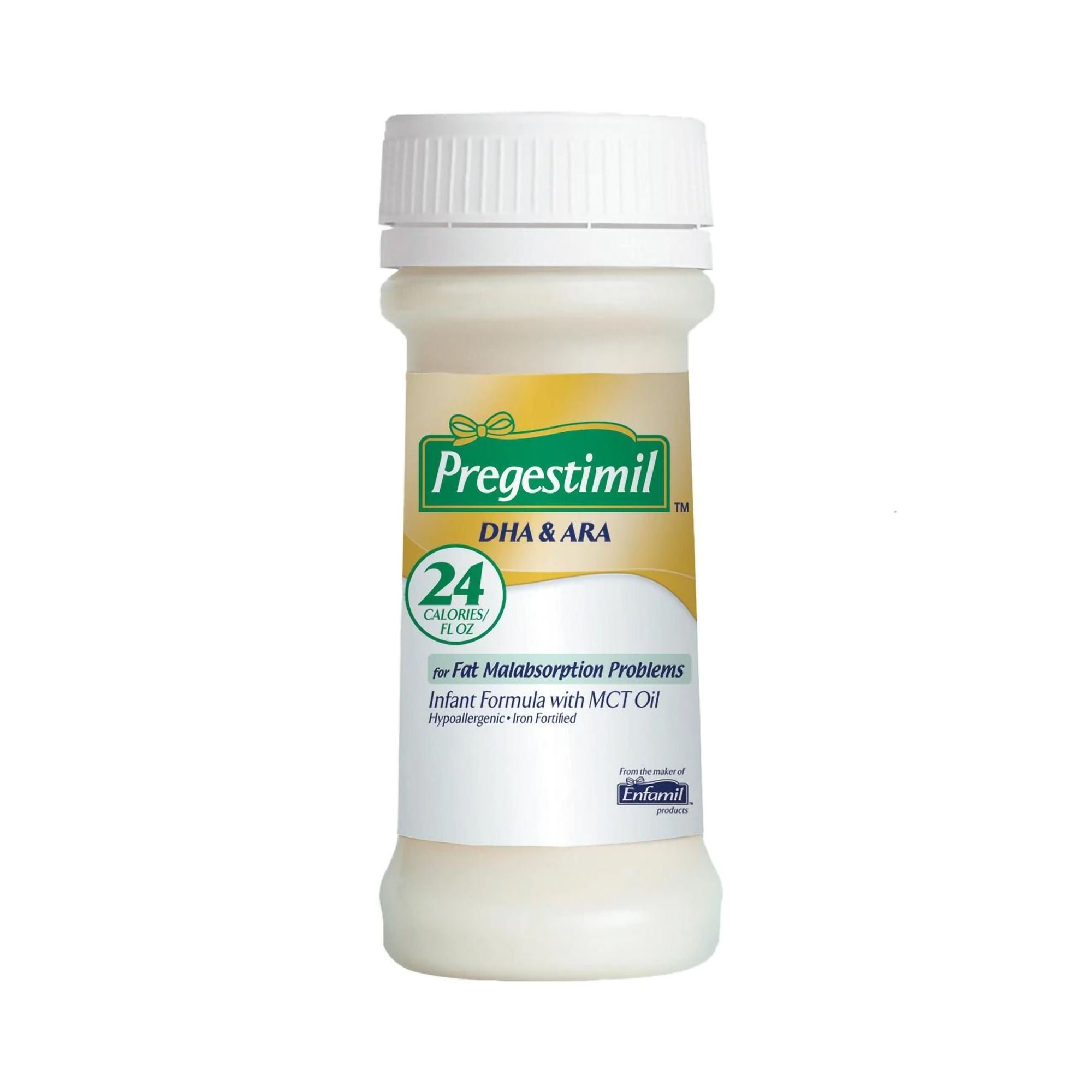
pregestimil (55%MCT/45%LCT) with added MCT oil may be considered as clinical status improves
average enteral energy requirements for preterm and term infants with CHD
130-150 kcal/kg/d or
115 kcal/kg/d for IBW for length
protein needs for preterm infants with CHD
3.5 - 4 g/kg/d
while CRP is elevated immediately after surgery nutrition support should be limited to:
energy: 55-60 kca/kg/d
protein: term: 3-3.5 g/kg/d
3-4 g/kg/d preterm/low BW
in chylothorax nutrition to avoid EFAD LCTs should make up what % range of calories for term infants
2-4%
in chylothorax nutrition what linoleic and linolenic acid intake minimums for preterm infants
linoleic acid: 385-154 mg/kg/d
linolenic acid: 55 mg/kg/d
common nutrition related issues for PDA (think fluid restriction)
fluid restriction(<140 mL/kg/d) → limit nutritional delivery → inadequate intake → poor growth
diuretics → electrolyte imbalance → solution: EN replacement
ibuprofen and indomethacin used to treat PDA may decrease intestinal blood flow and increase risk of NEC
withholding feeding may further decrease mesenteric blood flow
feeding trials show no increased risk of NEC with MEN
monitoring and evaluation for chylothorax
serum triene: tetraene ratio monthly
used to assess EFAD status especially if LCTs limited >3 mths or symptomes noted