M1A: Topic 4 - Biomolecules
 Call Kai
 Learn
Learn Practice Test
 Spaced Repetition
 Match
Match Flashcards
 Knowt Play
1/42

There's no tags or description
Looks like no tags are added yet.
Name | Mastery | Learn | Test | Matching | Spaced | Call with Kai | Chat |
|---|
No analytics yet
Send a link to your students to track their progress
43 Terms
Examples of Carbohydrates:
Sugar
Starch
Glycogen
Cellulose
Chitin
Examples of Lipids:
Fats
Sterols/Steroids
Phospholipids
Examples of Proteins:
Enzymes
Muscle
Transport
Receptors
Examples of Nucleic Acids
DNA
RNA
All about the Biomolecule structure:
Carbon
Carbohydrates, proteins, and nucleic acids can form polymers from monomers
Lipids are assembled from smaller components but are not true polymers
Carbohydrates are..
saccharides (sugar)
What are monomers?
Monosaccharides
What are polymers?
Polysaccharides
What bond is held between carbohydrates?
Glycosidic bond
What are the three common monosaccharides?
Glucose: sugar found in blood
Galactose: part of lactose found in milk
Fructose: sugar found in honey or fruit
A disaccharide is..
Two monosaccharides joined together
Common disaccharides are..
Lactose
Sucrose
Maltose
Scenario 1: You just ate a big meal, and you need energy NOW!
(Describe the process carbs undergo)
1. Ate some carbohydrates
2. digestive enzymes break many
carbohydrates into monosaccharides
3. Cells can use glucose to produce
energy (ATP)
Scenario 2: You just ate a big meal, and you want to take a nap and save the energy for later!
(Describe the process carbs undergo)
1. Ate some carbohydrates
2. Digestive enzymes break many
carbohydrates into monosaccharides
3. Some glucose is used
4. Some glucose is stored as the
polysaccharide glycogen
• excess energy can also be stored
as fat
What is starch?
Amylose + amylopectin
• Amylose = linear chains
• amylopectin = branched chains
Plants make glucose through photosynthesis and then store it as starch
Animals consume plants, digest starch into glucose, which cells can use for energy
What is Glycogen?
Storage form of glucose in animals and fungi
Glucose is mainly stored in the liver and skeletal muscles for humans
Glycogen is more highly branched
Branching allows glucose to be released rapidly when energy is needed
What is Cellulose?
Made up of glucose monomers
• Most abundant organic biopolymer on Earth
• Humans lack enzyme that digest its bonds (dietary fiber)
Examples of Cellulose are..
Plant cell walls
Wood
Paper
What is Chitin?
Chitin provides structural support
• Found in arthropod exoskeletons
• Insects
• Spiders
• Crabs
• Found in fungal cell walls
• Function: protection and support
Fats
long-term energy storage and insulation
Sterols
Regulate growth and development
Phospholipids
Form cellular membranes
True or False? Unsaturated fats are tightly packed fatty acids
False; They are crooked fatty acids and essentially and cannot be packed tightly because they are liquid at room temperature
True or False? Saturated fats are tightly packed fatty acids
True; This is because they are solid at room temperature
Steroids
Steroids have four fused carbon rings, a structure that distinguishes them from fats and phospholipids
Cholesterol
Part of animal cell membranes and helps maintain membrane fluidity
Phospholipids
Amphipathic
• Hydrophilic phosphate head –
interacts with water
• Hydrophobic fatty-acid tails –
avoids water
• Form the basic bilayer structure of
cell membranes
What are proteins?
Proteins are long chains of amino acids (a.a.) that are linked together by covalent bonds
What is the bond that holds the Amino Acids together?
Peptide bond
Amino acids that are linked together are called..
Polypeptides
Levels of a protein structure
1° (Primary)
• sequence of amino acids
• 2° (Secondary)
• repeating patterns
• 3° (Tertiary)
• three-dimensional folded structure
• 4° (Quaternary)
• Multiple polypeptides (Not every protein has 4° structure)
Denaturation
Disrupts a protein’s three-dimensional shape and often its function
Common causes:
• High temperature
• Extreme pH
• Certain chemicals
Ex: cooked egg
Examples of functions that proteins perform:
Hemoglobin transports oxygen in blood
Antibodies contribute to immune defense
Collagen supports connective tissues
What’s the monomer of Nucleic Acids?
Nucleotide
A nucleotide consists of:
Phosphate
• Sugar
• Nitrogenous base
The polymer of Nucleic Acids are..
Nucleic Acid
What is DNA?
Deoxyribonucleic acid (DNA)
• usually double stranded
• stores hereditary information
What is RNA?
Ribonucleic acid (RNA)
• usually single-stranded
• can fold into varied shapes
• helps express and regulate genetic information
DNA vs. RNA
DNA = C, G, A, U
RNA = C, G, A, T

What is this structure?
Carbohydrate

What is this structure?
Lipid structure
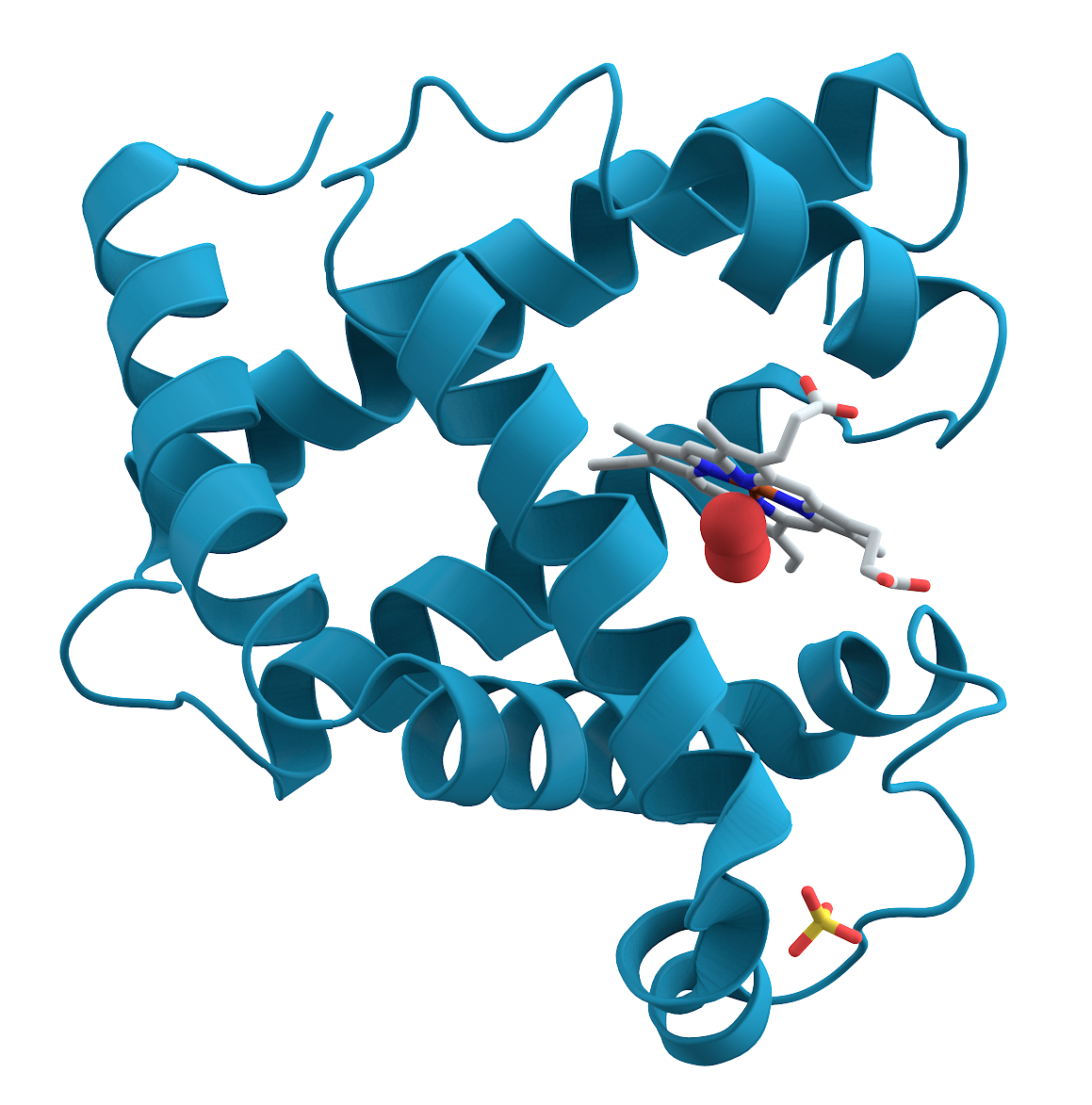
What is this structure?
Protein structure

What is this structure?
Nucleic Acid structure (Used to form DNA and RNA)