Cells Vocabulary
 Call Kai
 Learn
Learn Practice Test
 Spaced Repetition
 Match
Match Flashcards
1/19

There's no tags or description
Looks like no tags are added yet.
Name | Mastery | Learn | Test | Matching | Spaced | Call with Kai | Chat |
|---|

20 Terms
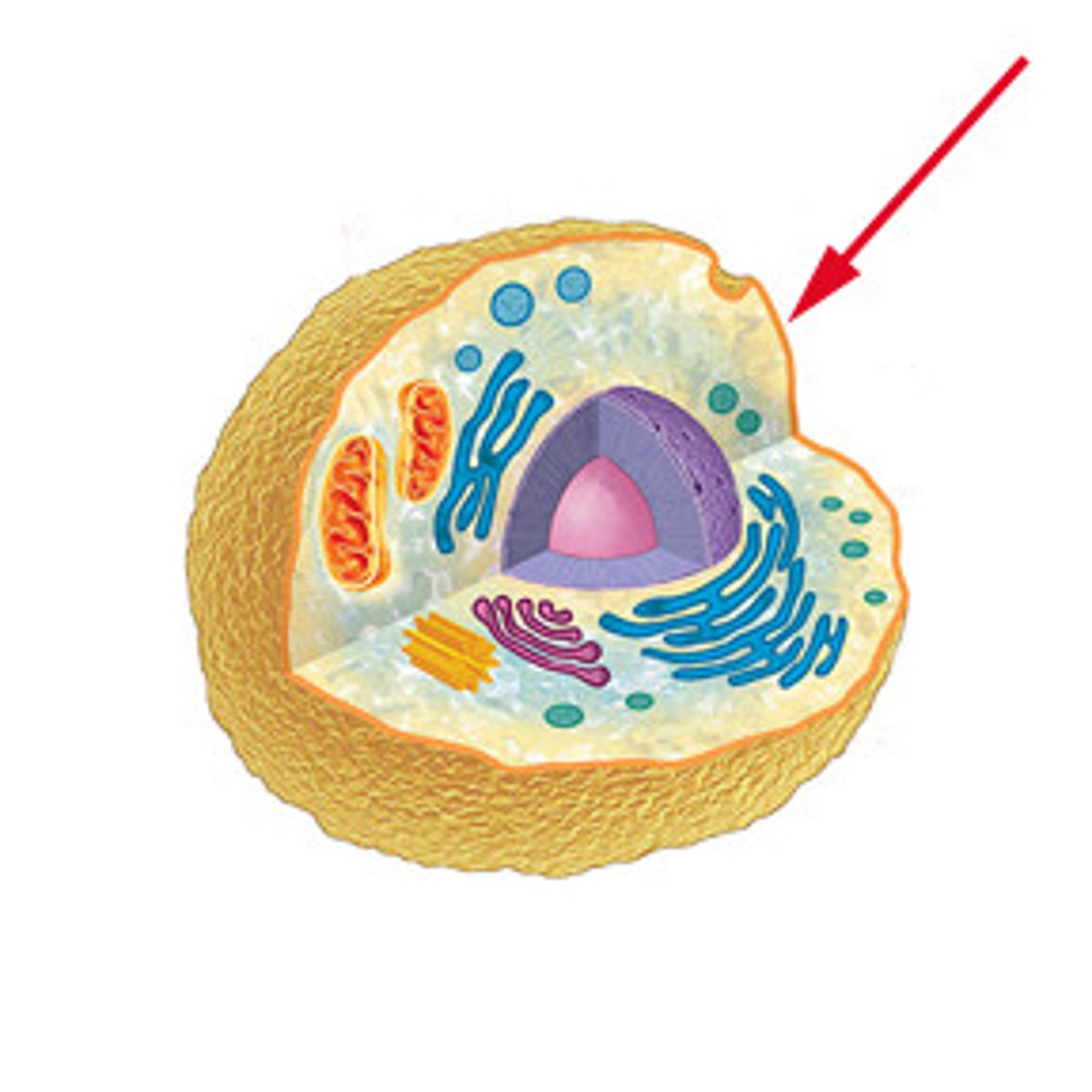
Cell Membrane
Covers the cell, keeps cytoplasm in, semi-permeable. Controls movement into and out of cell.
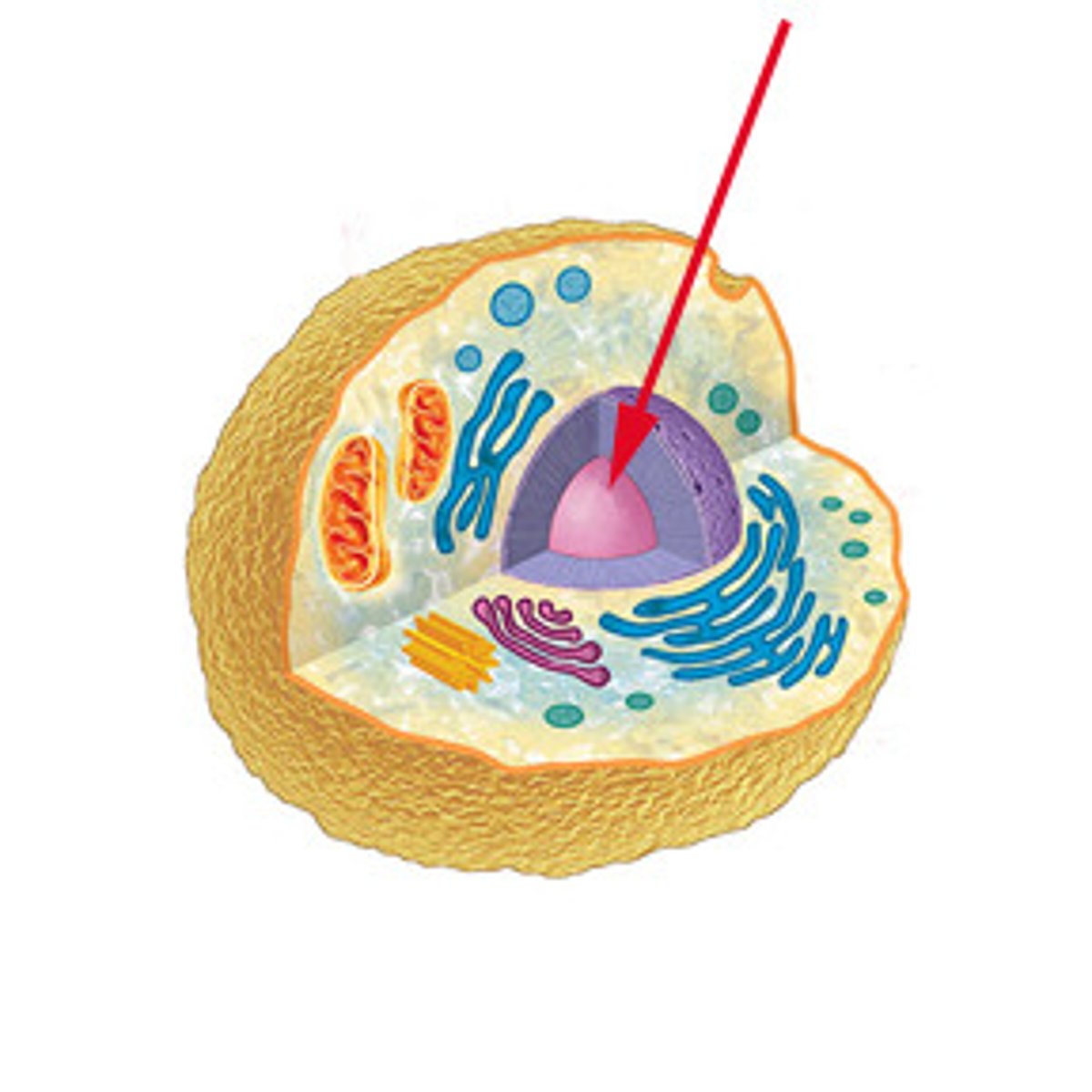
Nucleus
Control center: stores DNA, largest and most visible organelle.
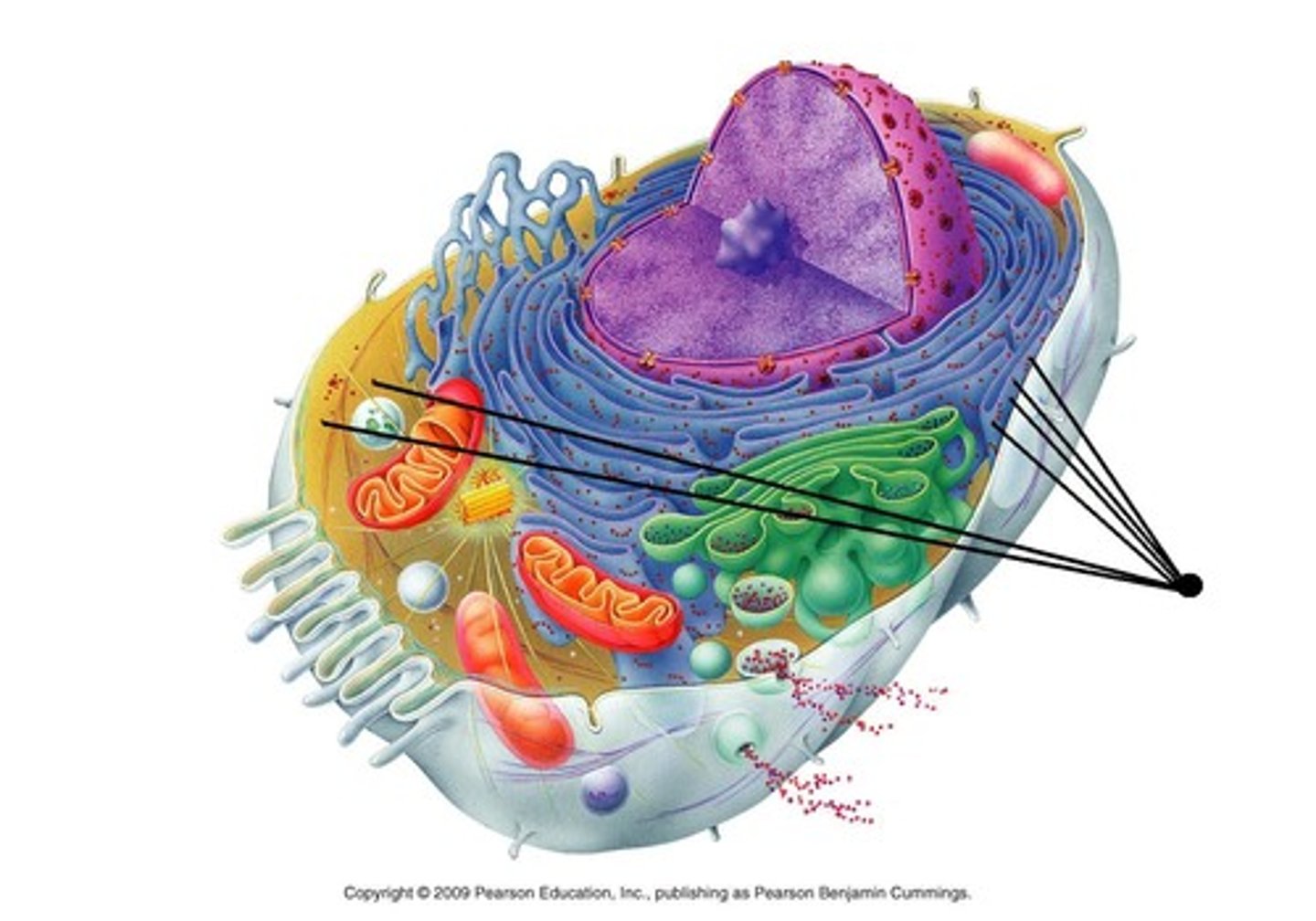
Ribosomes
Read genetic material to make proteins.
Endoplasmic Reticulum
Makes lipids and other materials, breaks down hazardous materials, delivery system
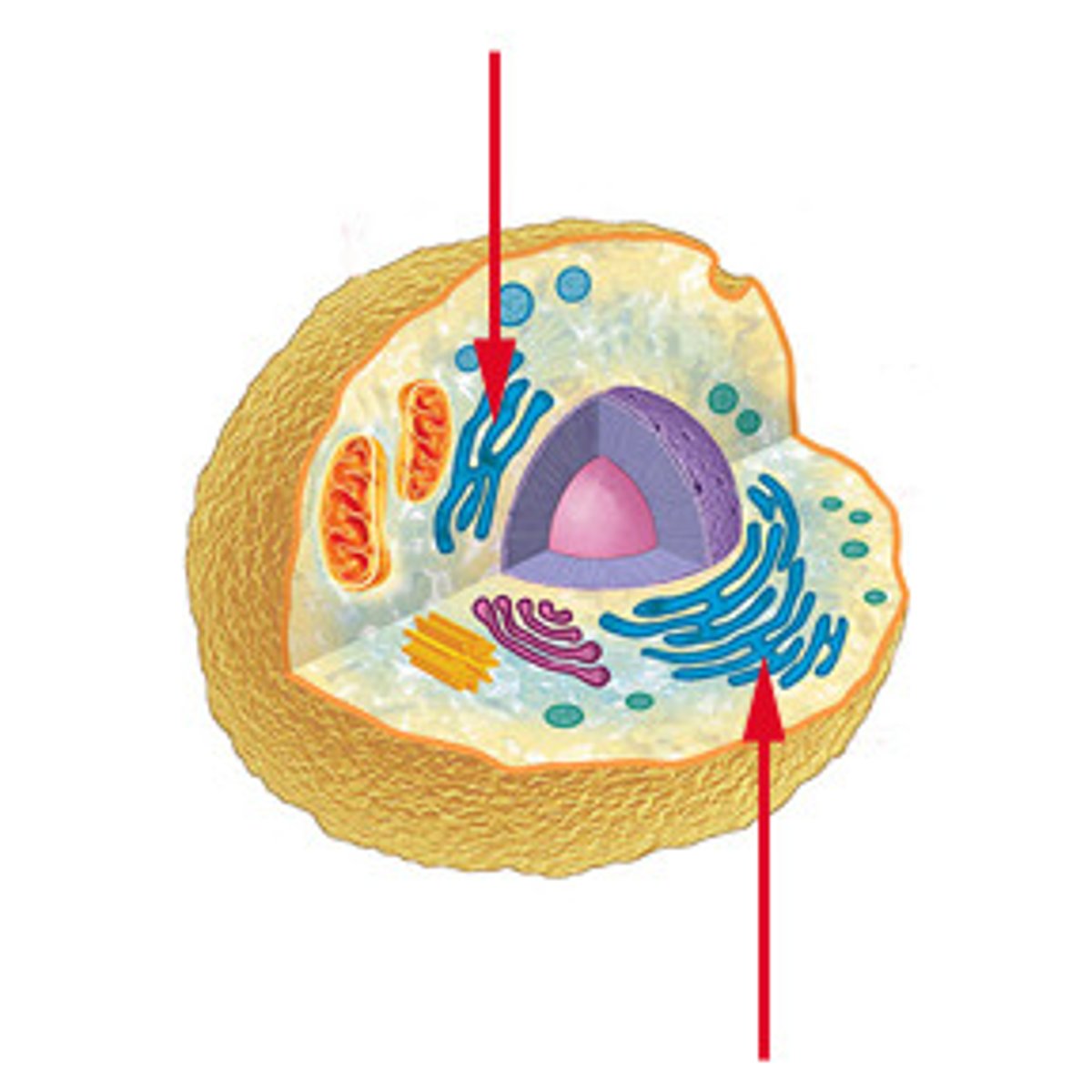
Golgi Apparatus
Packages proteins for shipment within the cell and out of the cell
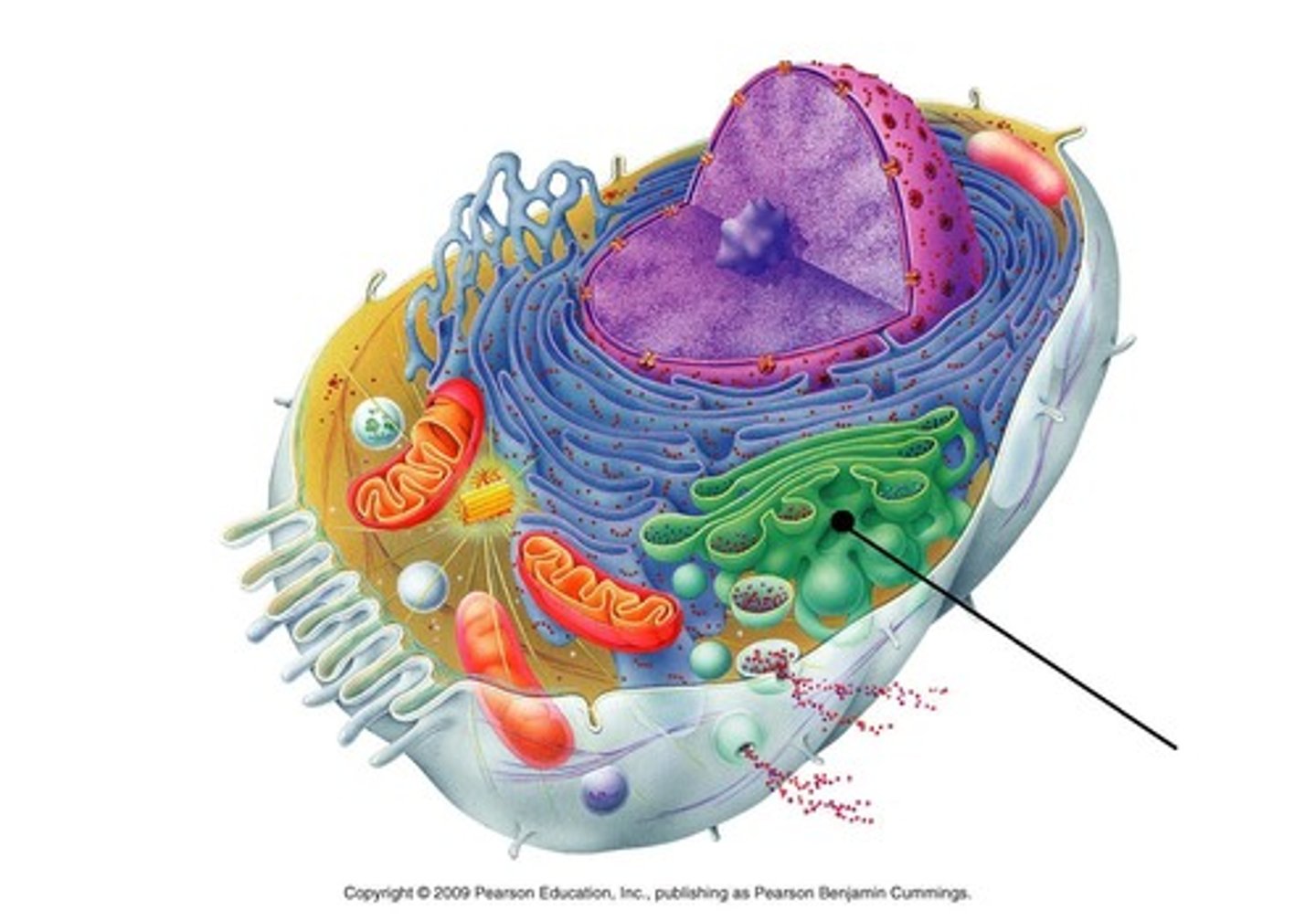
Lysosomes
Breaks down and disposes of waste. Commonly found in animal cells, but rare in plant cells.
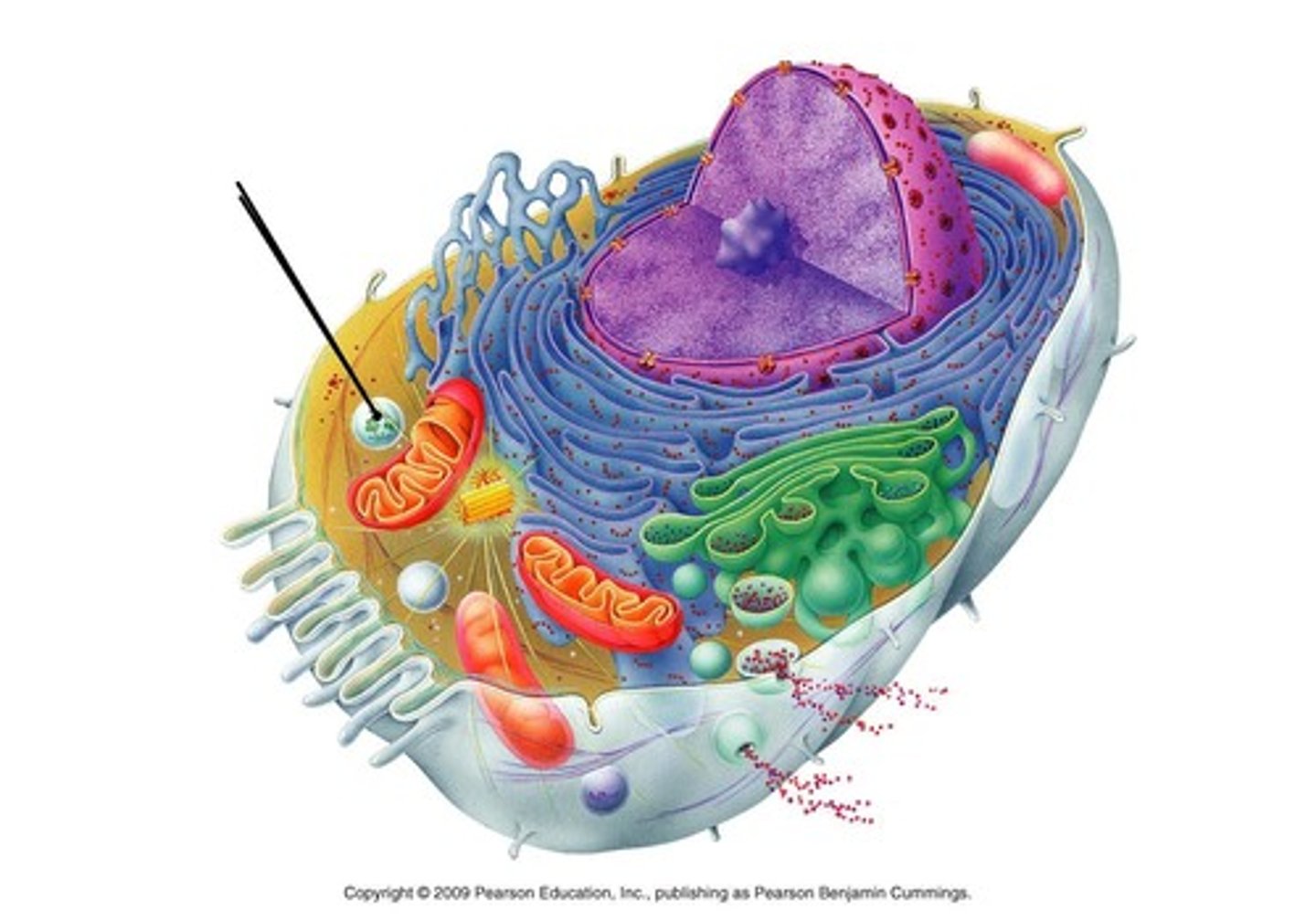
Mitochondria
Makes ATP for cell from sugar, ATP is the cell's energy
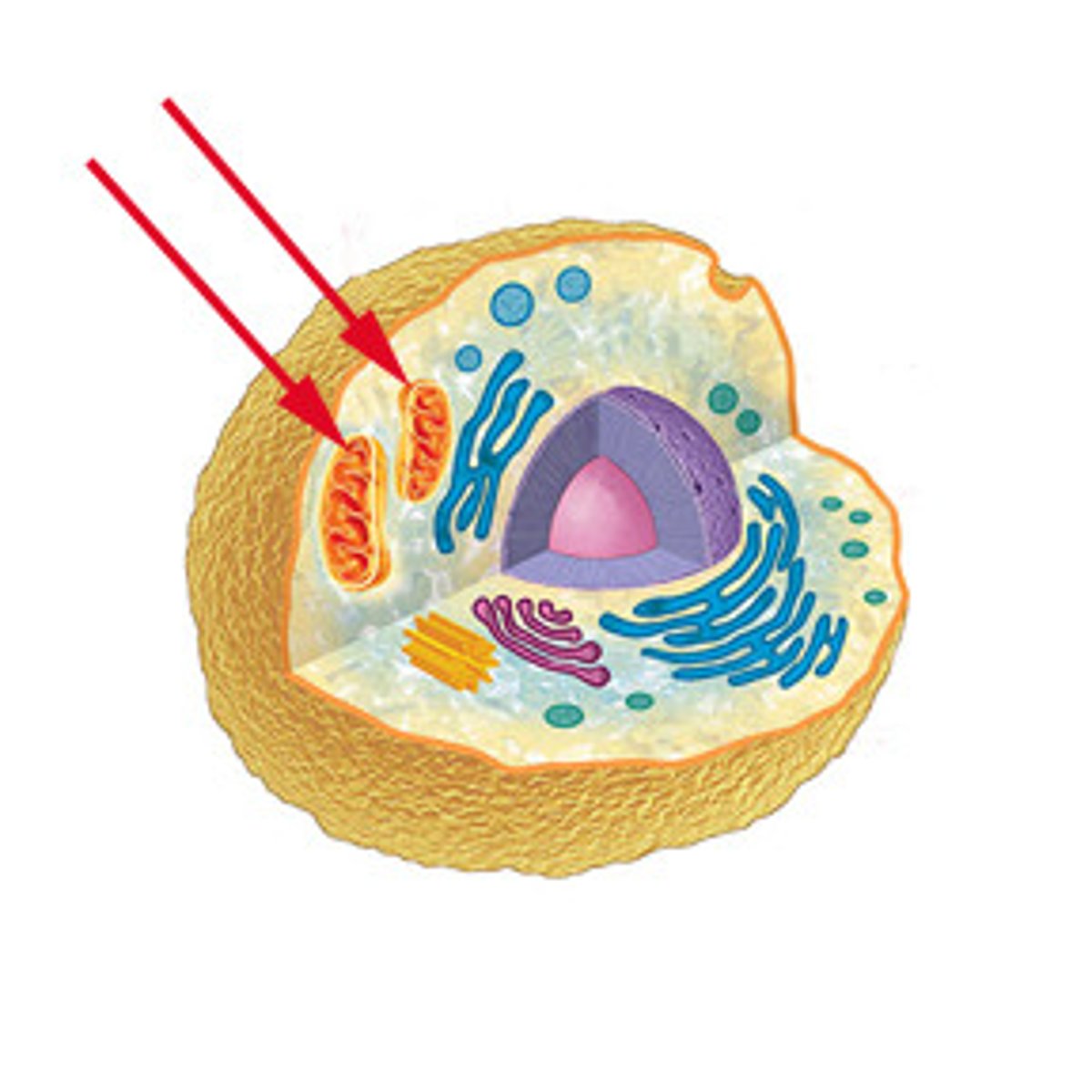
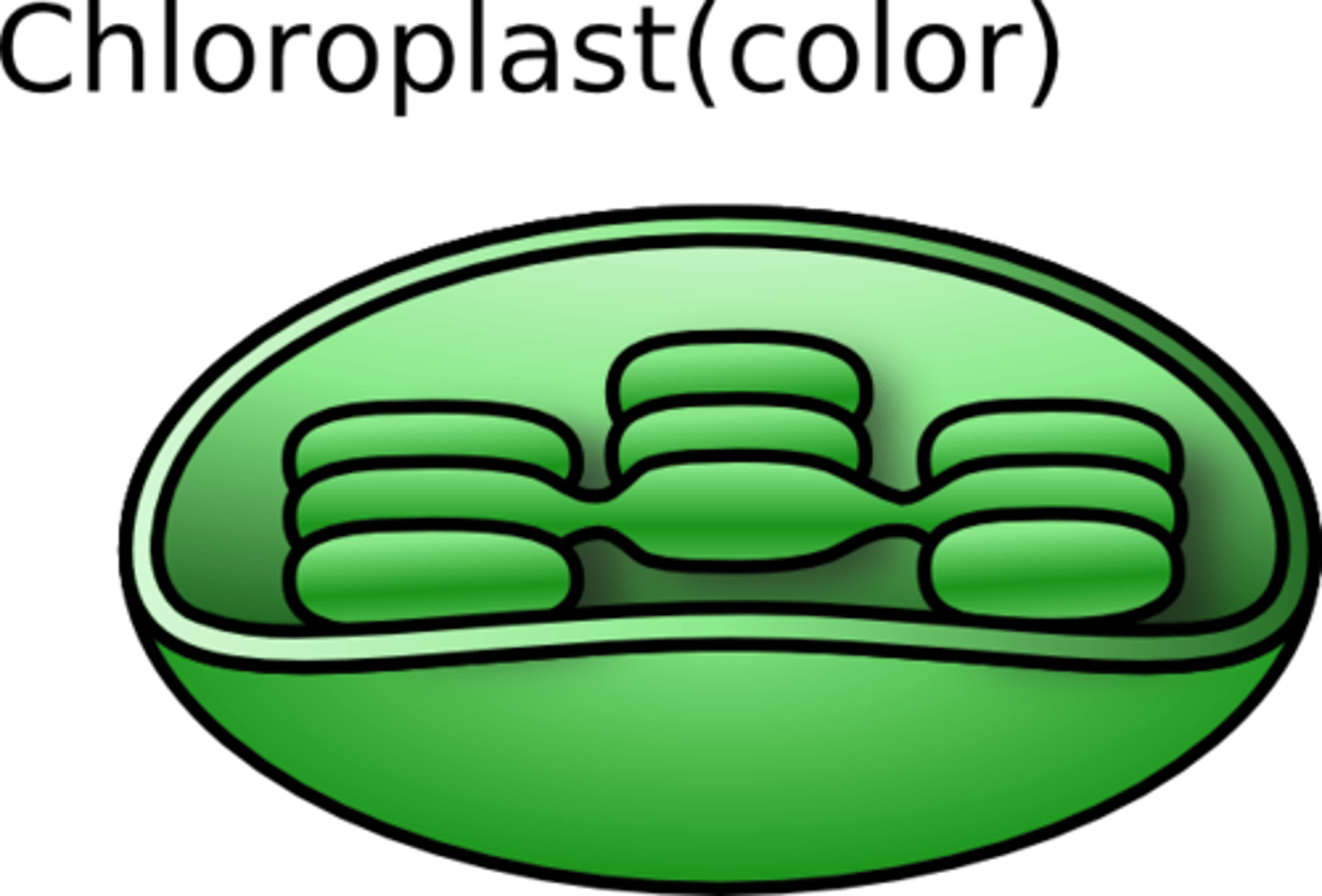
Chloroplast
Contains chlorophyll, uses sunlight to make sugar through photosynthesis. Found in plant cells.
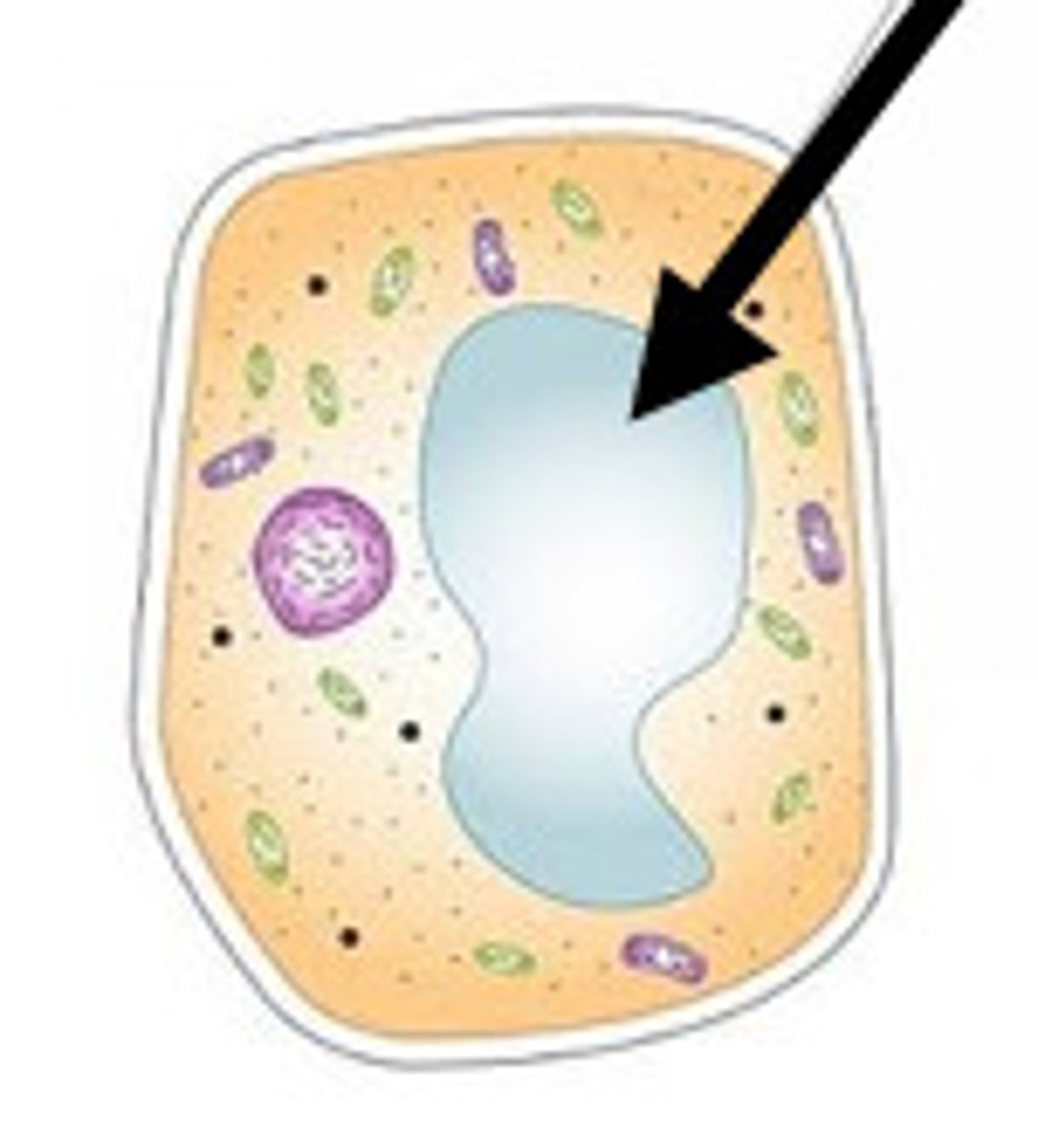
Vacuole
Stores water and other liquids, plants have large vacuoles
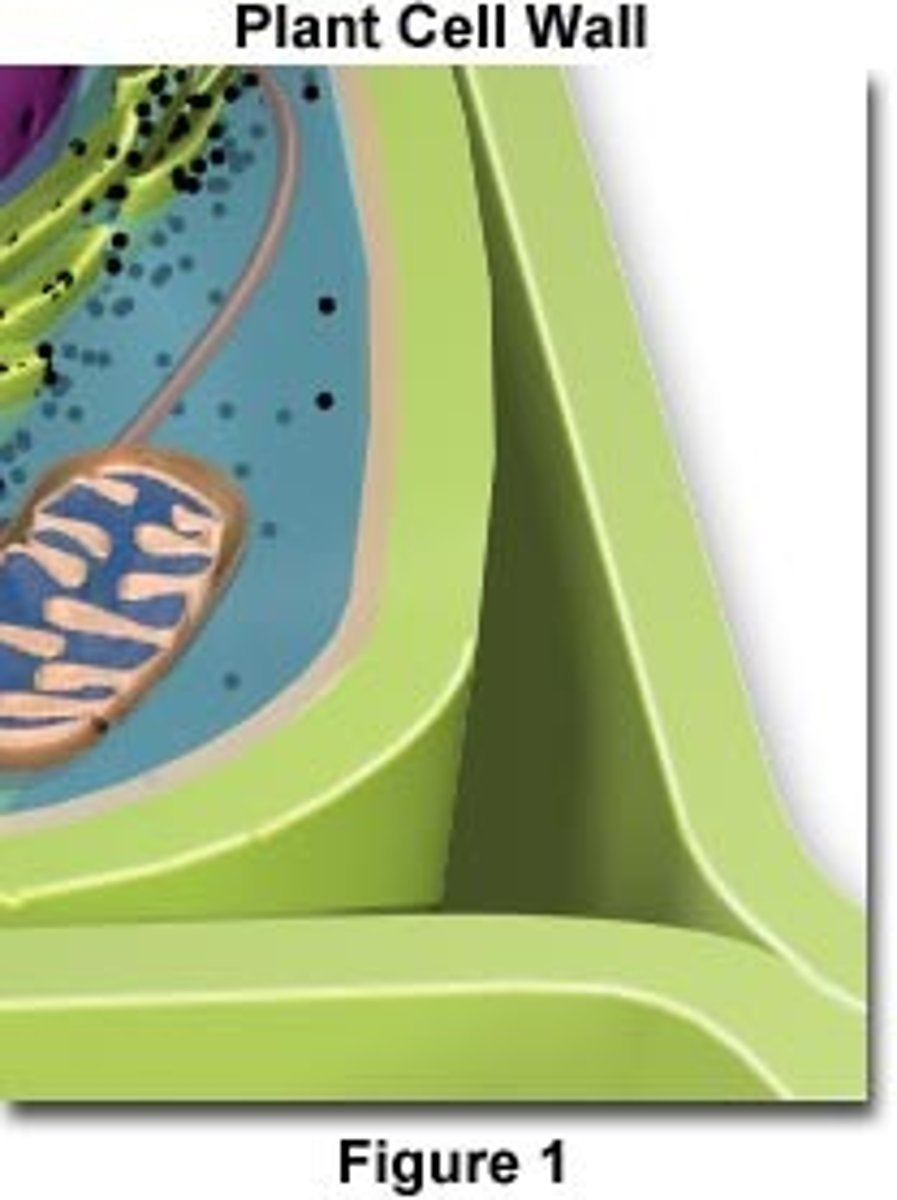
Cell Wall
Hard outer-covering, provides strength and support to cell membrane. Found in prokaryotes, plants, fungi, and come protists. Not found in animal cells.
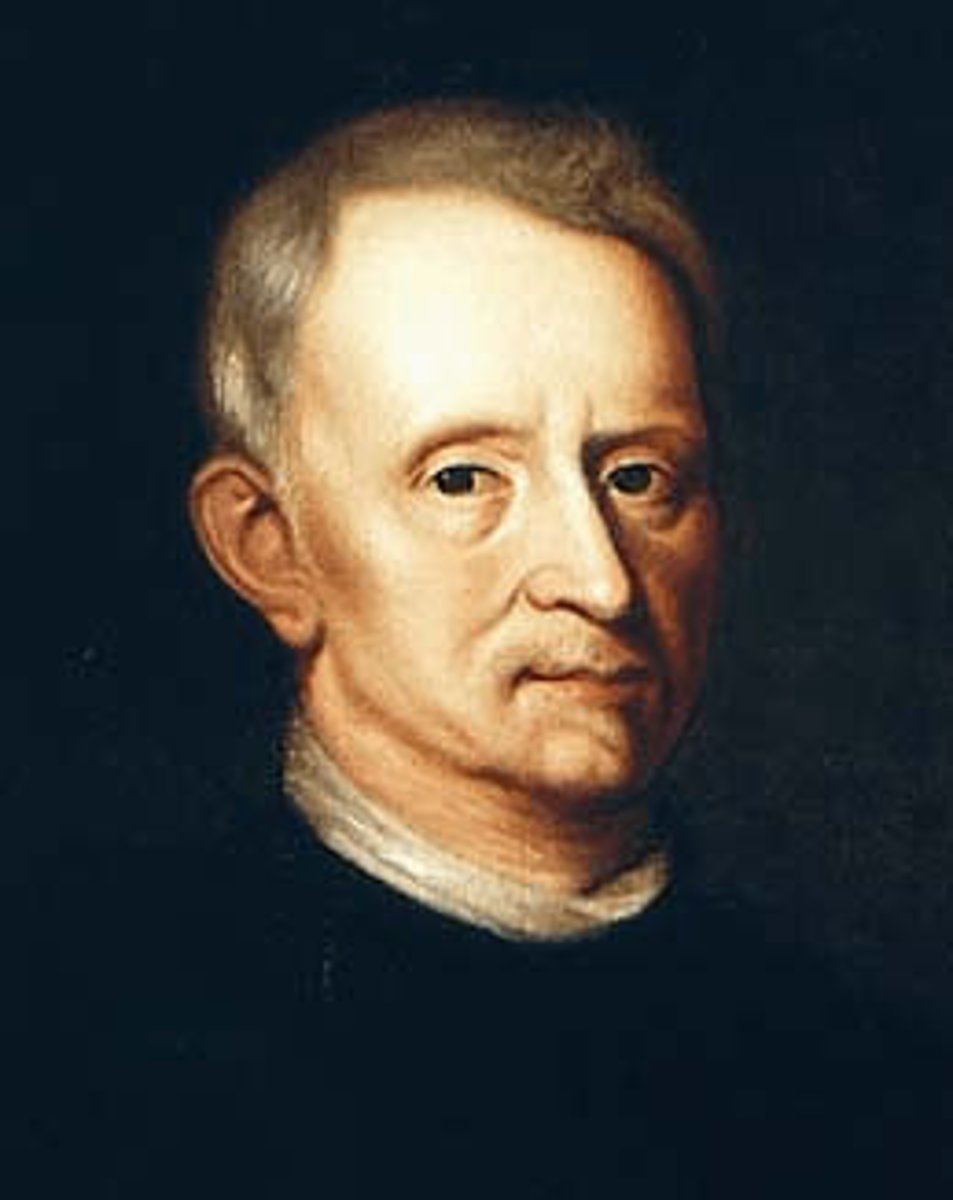
Robert Hooke
(1665) built a microscope and looked at cork from a plant. He described the cork as looking like hundreds of boxes, and named these boxes as cells
Anton van Leeuwenhoek
(1675) built a microscope to look at pond water. He saw many small creatures swimming around and name them animalcules, which means little animals. He was likely the first person to see living cells. He also was the first person to see bacteria.
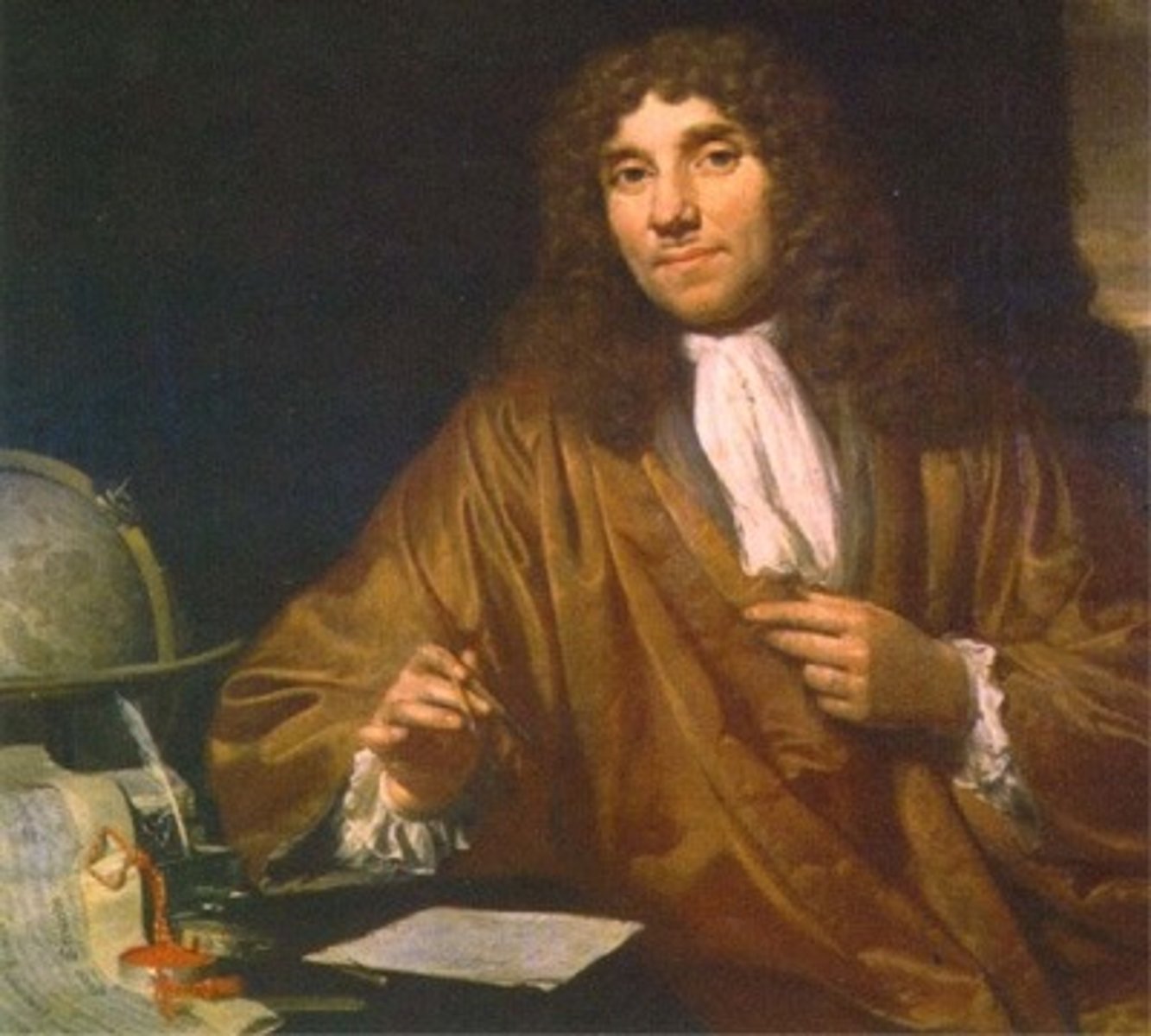
Matthias Schleiden
(1838) Bontanist who made the observation and conclusion that all plant parts are made of cells. He came to this conclusion after looking at thousands of plant slides and reading about other scientists' research.
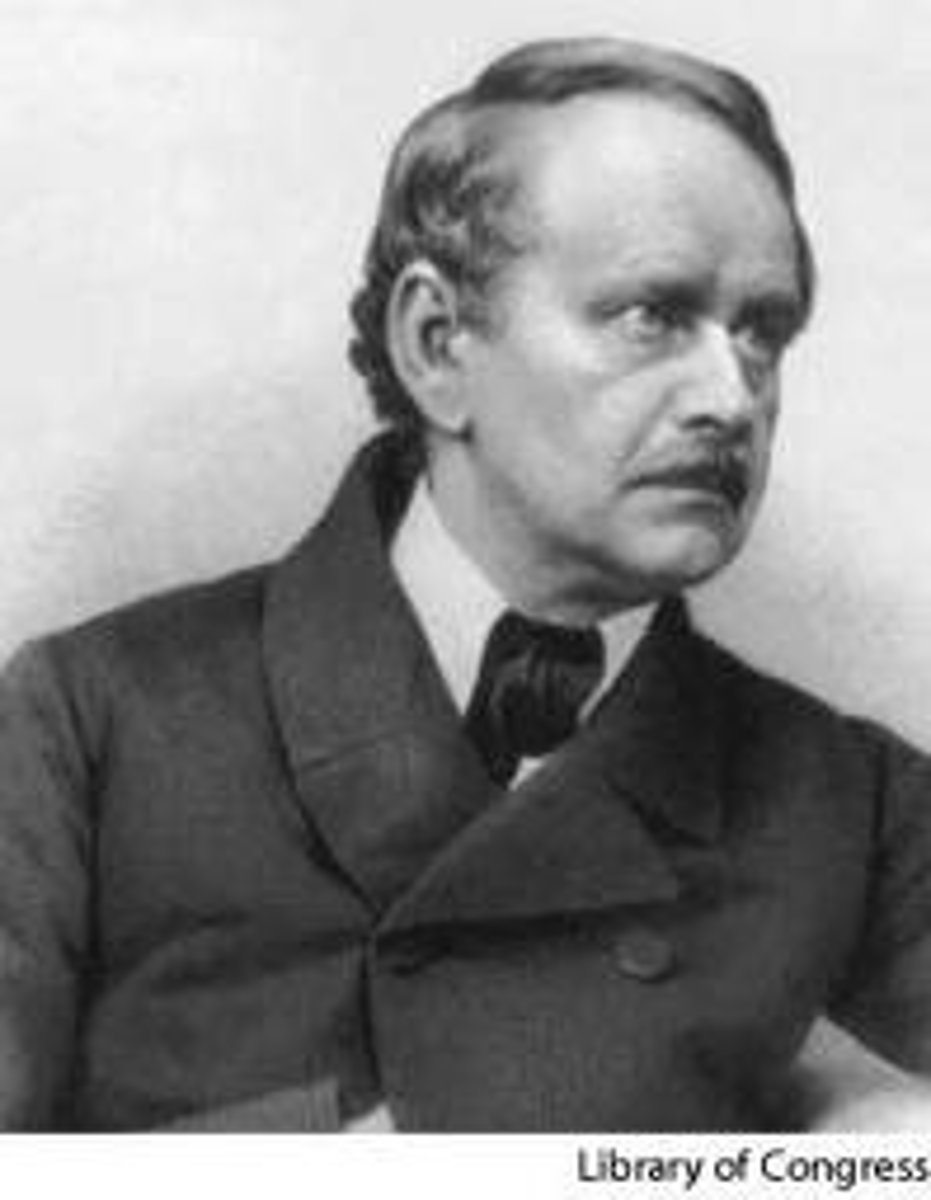
Theodor Schwann
(1839) Zoologist who stated that all animal tissues are made of cells. He concluded this after studying numerous animals under the microscope.
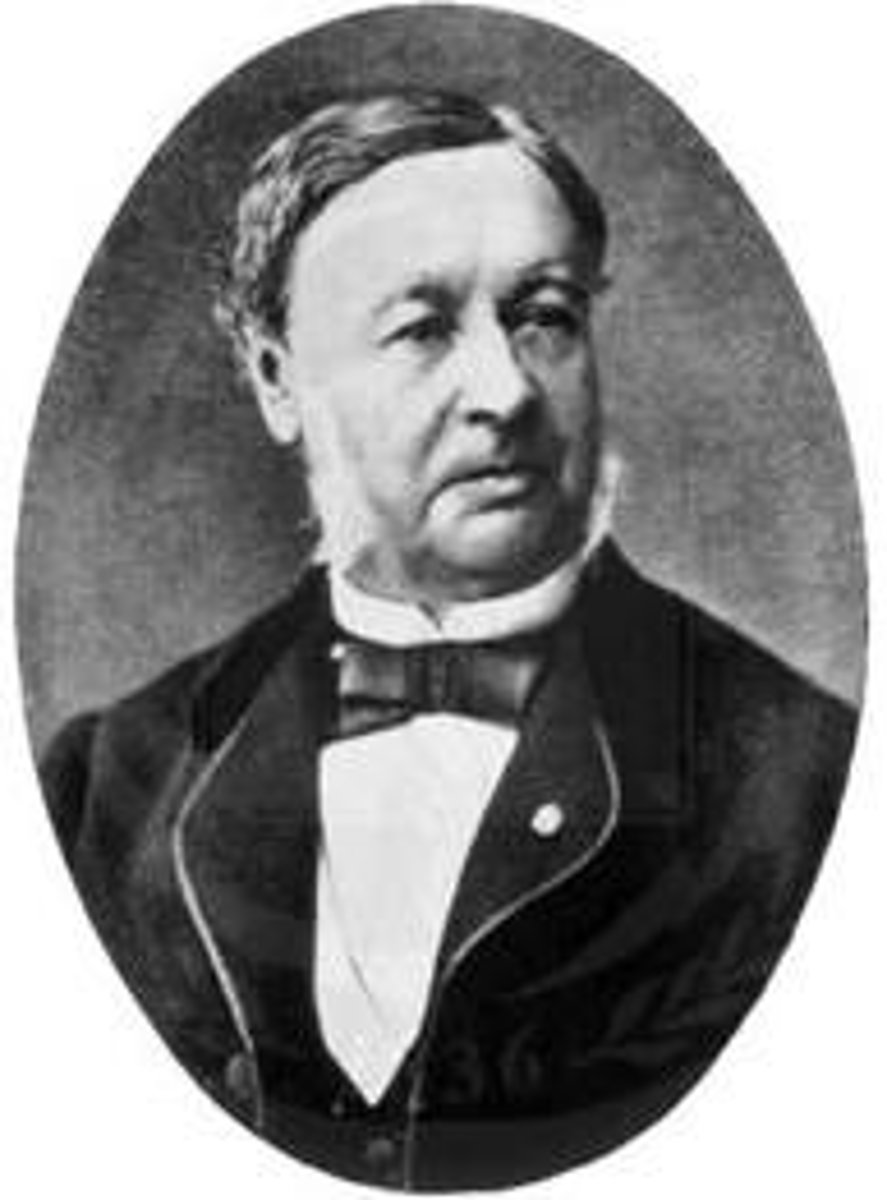
Rudolf Virchow
(1858) pathologist saw that cells could not develop from anything except other cells. "Cells come from existing cells"
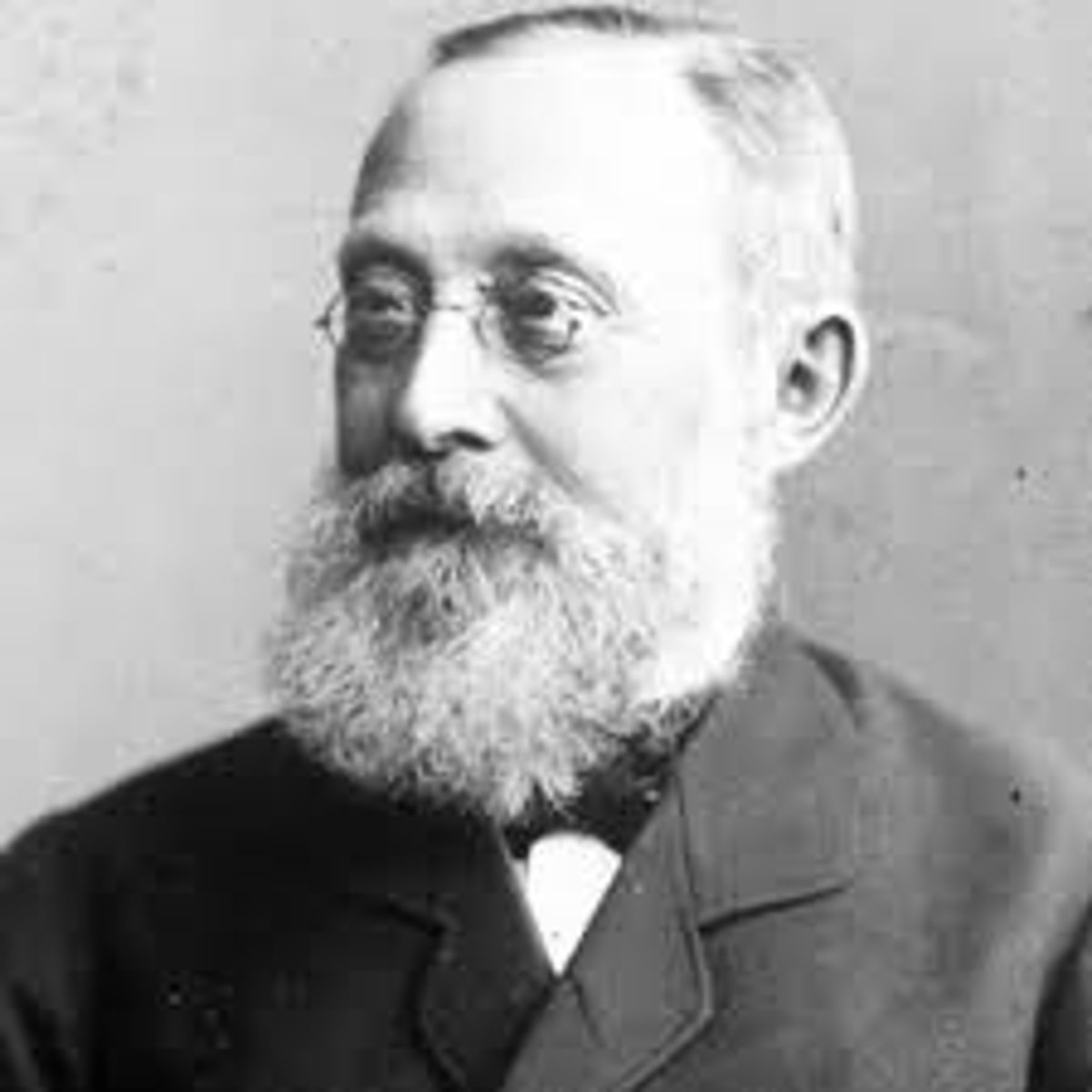
Cell Theory
A. Organisms are composed of one or more cells. (Schwann & Schleiden)
B. Cells are living thing's most basic unit of structure and function. (Schwann & Schleiden)
C. All cells come from cells. (Virchow)
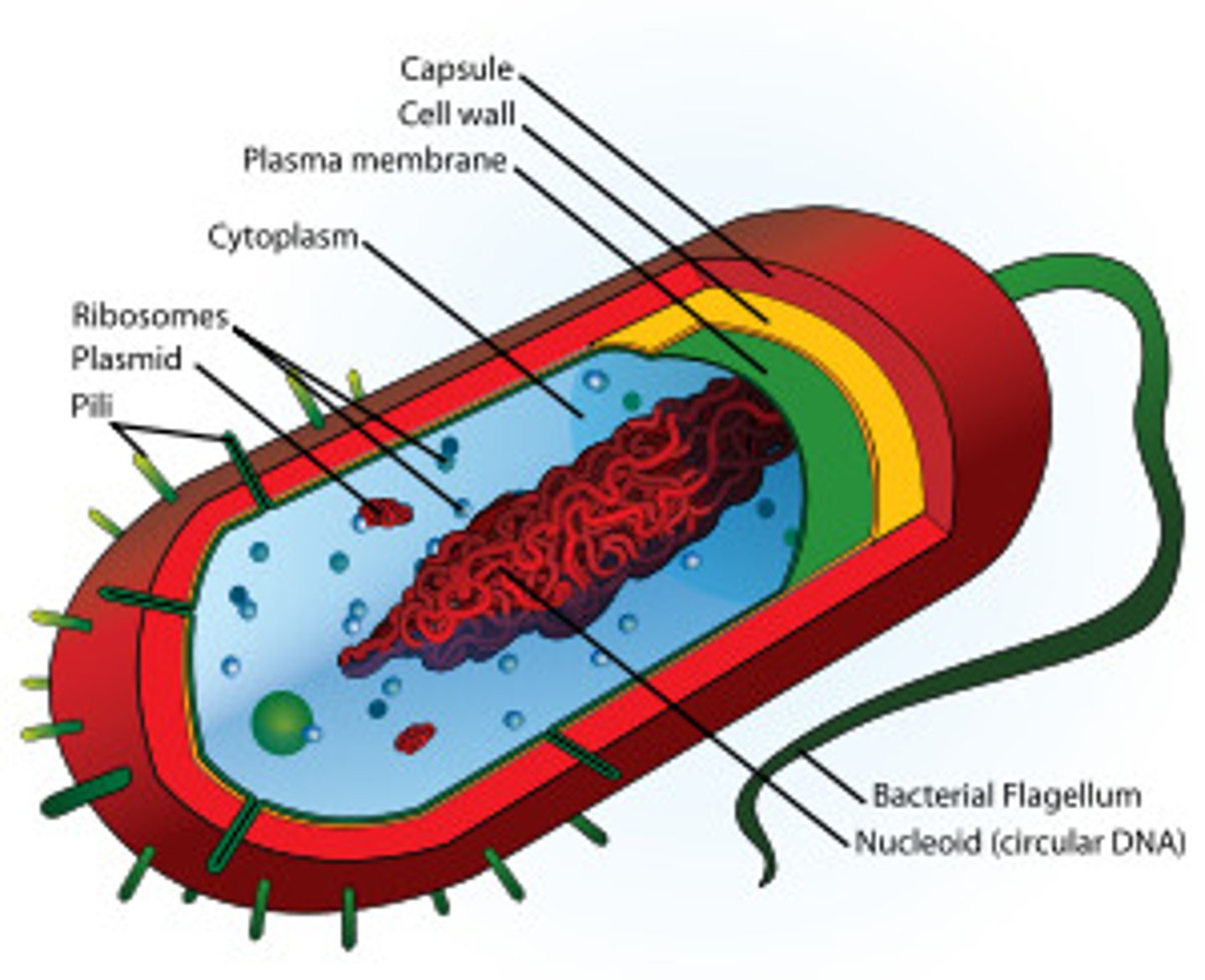
Prokaryotic Cell
Simple cells (bacteria). Have no nucleus, no membrane covered organelles, and circular DNA.
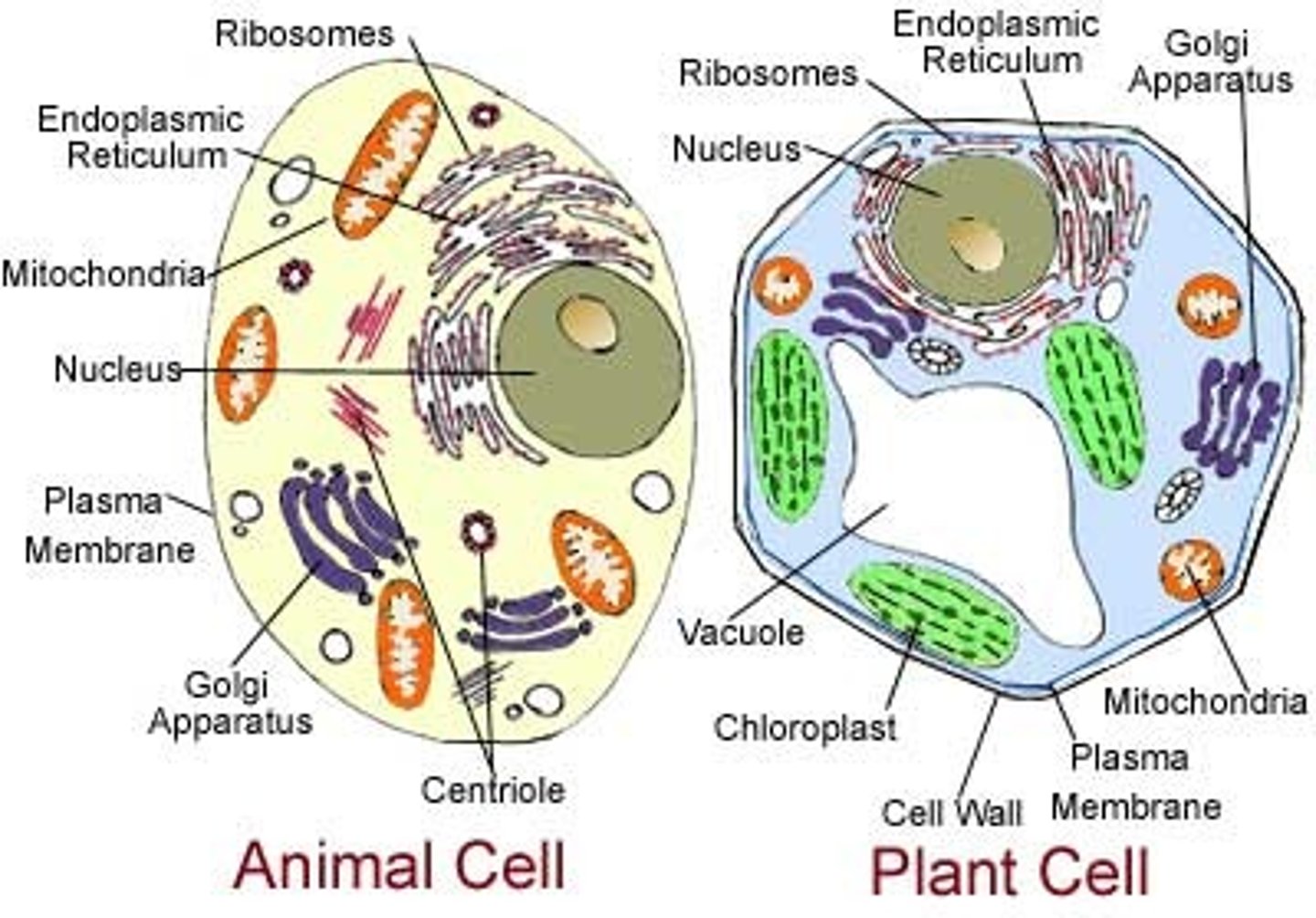
Eukaryotic Cell
Complex cells (plants, animals, fungi, and protists). Have a nucleus, membrane covered organelles, and linear DNA.
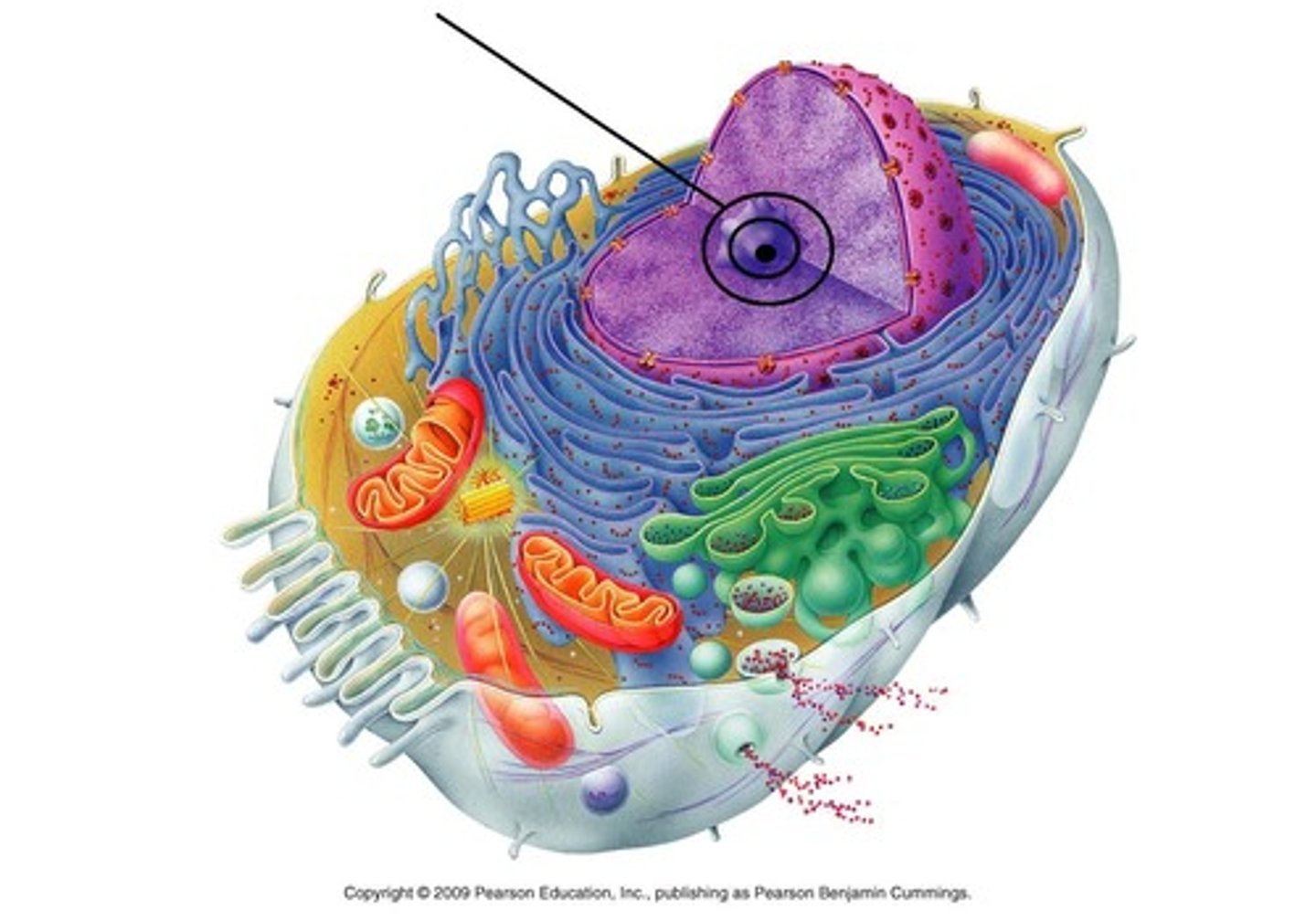
Nucleolus
Found inside the nucleus and has information for producing ribosomes
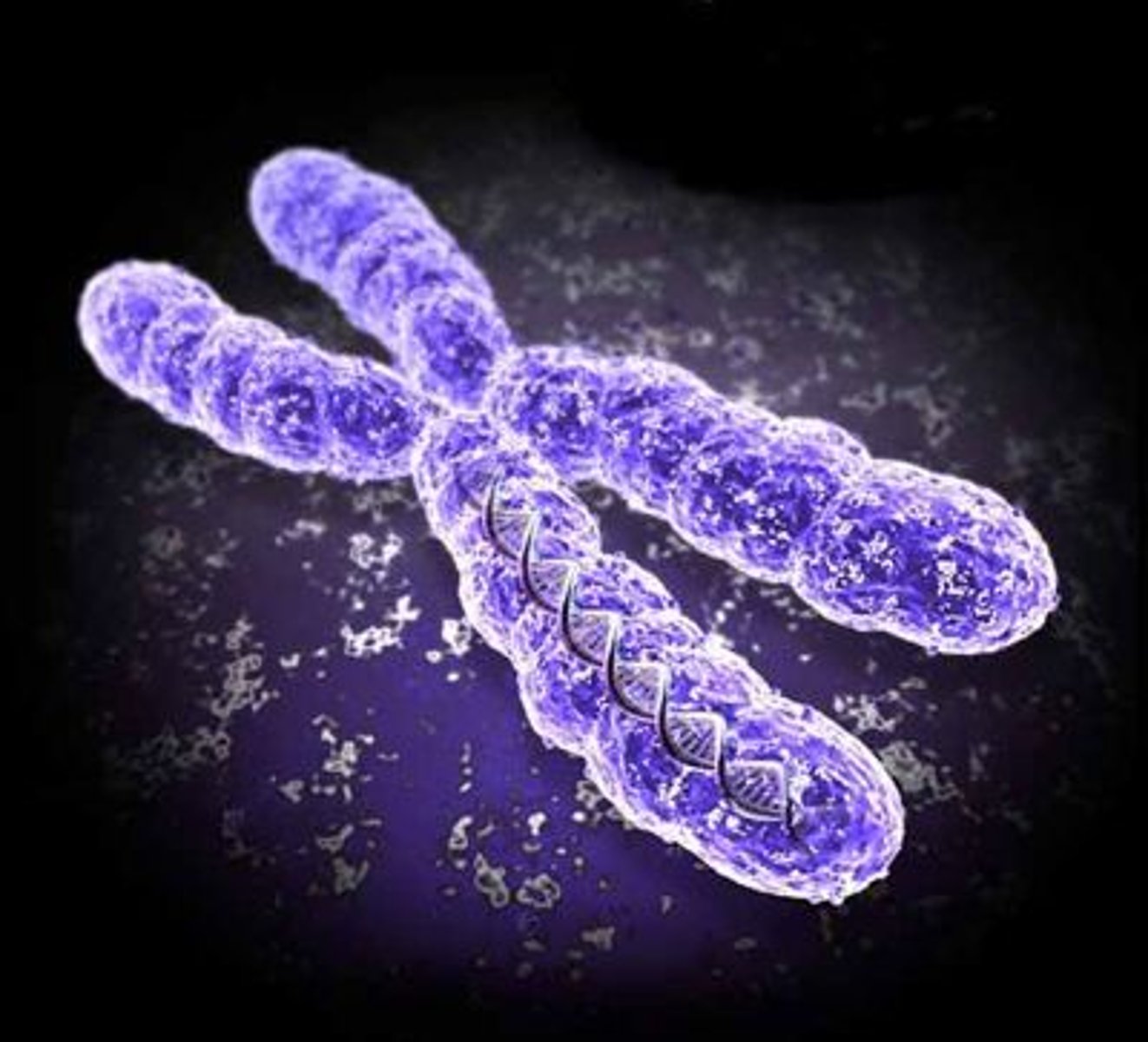
Chromosomes
Bundles of linear DNA and proteins, found within the nucleus of eukaryotic cells.