Science Safety lab quiz
 Call Kai
 Learn
Learn Practice Test
 Spaced Repetition
 Match
Match Flashcards
 Knowt Play
1/49

There's no tags or description
Looks like no tags are added yet.
Name | Mastery | Learn | Test | Matching | Spaced | Call with Kai | Chat |
|---|
No analytics yet
Send a link to your students to track their progress
50 Terms
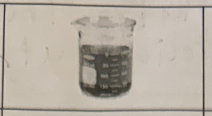
Beaker
Used to hold and our liquids
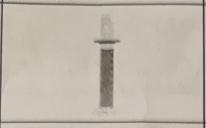
Graduated Cylinder
Used. to measure volume (usually liquids)
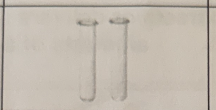
Test Tube
Tests or holds small amounts of liquids
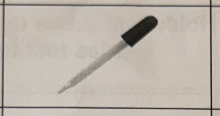
Eyedropper
Extracts or delivers small amounts of liquid
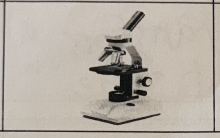
microscope
used to observe microscopic objects
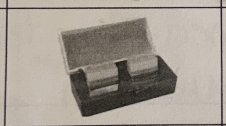
Glass slides
used as a platform for viewing objects under the microscope
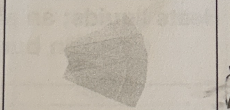
cover slip
serves as a barrier between the object and the microscope’s objective lens
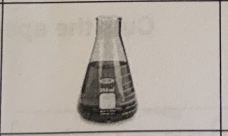
Erlenmeyer Flask
Hold and store liquids with little or no spillage
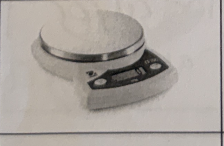
Digital scale
Measures the mass of an object
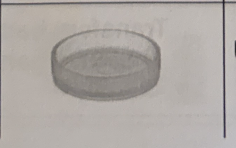
Petri Dish
Used to grow (culture) bacteria and other microorganisms
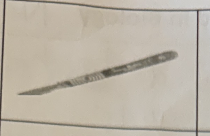
Scalpel
makes incisions or precise cuts
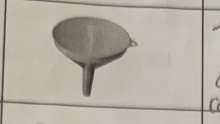
funnel
transfers materials from one container to another container
Pipette
extracts or delivers small or exact amounts of liquid
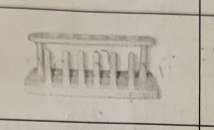
Test tube rack
Holds test tube upright and/or dries test tubes
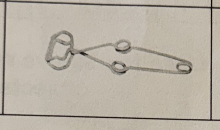
Test Tube Holder
Transfers a heated test tube
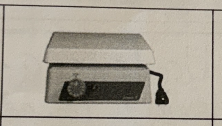
Hot Plate
Heats liquids; an alternative to Bunsen burners
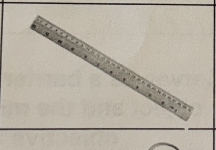
Metric Rulers
measures length in cm and mm
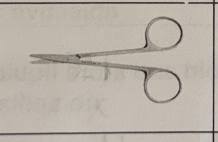
Dissection scissord
cuts the specimen
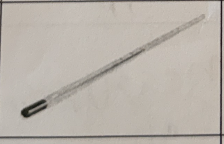
Thermometer
Measures the temperature of an object
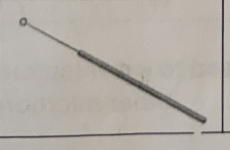
Inoculating loop
Transfers bacteria to microorganisms
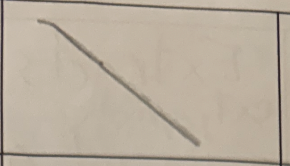
Probe
moves or manipulates specimen
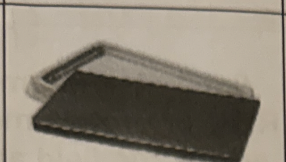
dissection tray
Holds or contains specimen for dissection
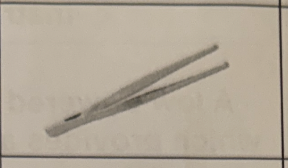
forceps
Holds or grasps small objects
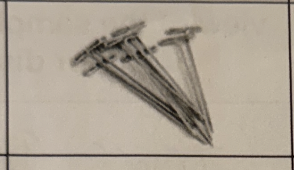
dissection pins
holds down specimen or labels parts of a specimen
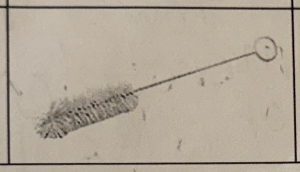
test tube brush
cleans test tubes
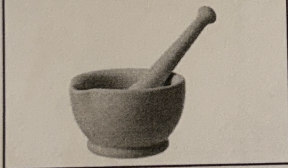
Mortar and Pestle
grinds or crushes solids into powder
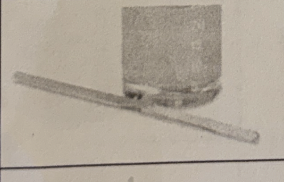
Stirring rod
stirs or mixes chemicals
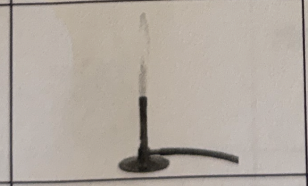
Bunsen Burner
Produces a flame for heating, sterilization, or combustion
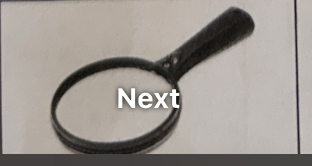
Hand lens
Magnifies objects
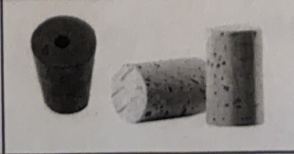
Stopper
Seals test tubes or flasks
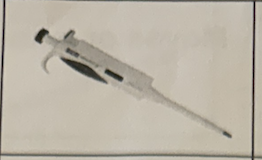
Micropipette
Extracts or delivers extremely small amounts of liquid (microliters)
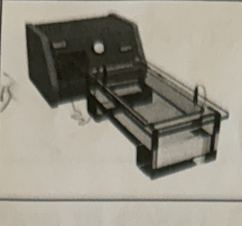
gel electrophoresis apparatus
separates fragments of DNA, RNA, or protein molecules using an electric field applied to a gel matrix
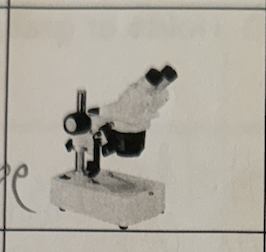
stereomicroscope
a low powered microscope which provides a stereoscopic view of the sample, commonly used for dissection
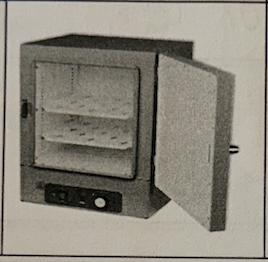
Incubator
Grows and maintains microbiological cultures or cell cultures
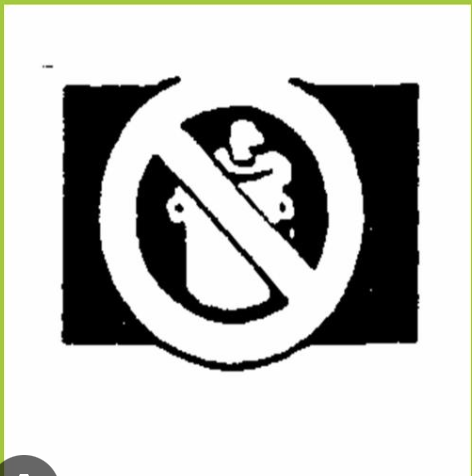
Disposal Alert - This symbol appears when care must be taken to dispose of materials properly.
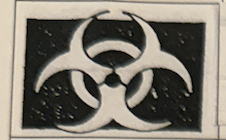
Biological safety- when there is danger involving bacteria, fungi, or protists
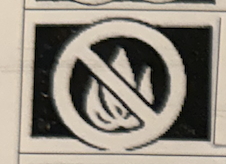
Open Flame Alert - use of an open flame could cause fire or an explosion
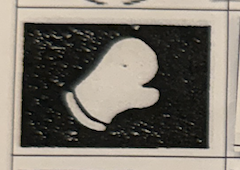
Thermal Safety - reminder to use caution when handling hot objects
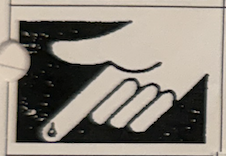
Sharp object safety - danger of cuts or punctures from the use of sharp objects
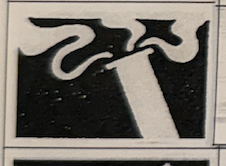
Fume safety- chemicals or chemical reactions could cause dangerous fumes
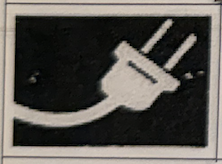
Electrical Safety - care should be taken when using electrical equipment
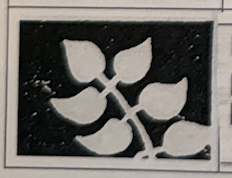
Plant safety - poisonous plants or plants with thorns are handled
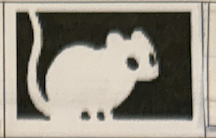
Animal safety- live animals are studied. The safety of the animals and students are ensured.
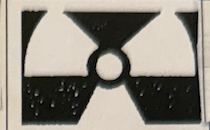
Radioactive Safety- Radio active materials is used
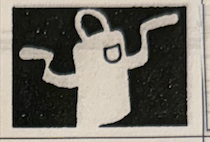
Clothing protection Safety - substances could stain or burn clothing
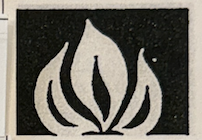
Fire Safety- care should be taken around open flames
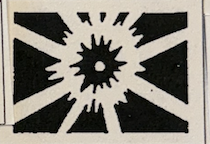
Explosion safety - misuse of chemicals could cause an explosion
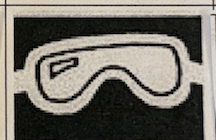
Eye Safety - danger to the eye exists
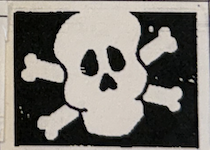
Poison Safety - when poisonous substances are used.
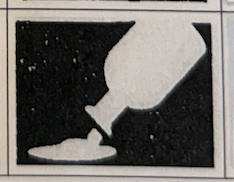
Chemical Safety - chemicals used can cause burns or are poisonous if absorbed through the skin.