PAVEMENT MARKING & SIGNALS
 Call Kai
 Learn
Learn Practice Test
 Spaced Repetition
 Match
Match Flashcards
 Knowt Play
1/42

Earn XP
Description and Tags
Name | Mastery | Learn | Test | Matching | Spaced | Call with Kai | Chat |
|---|
No analytics yet
Send a link to your students to track their progress
43 Terms
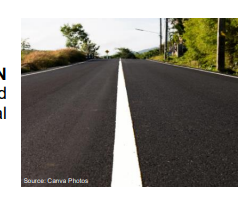
Center Line
Separates traffic flowing in opposite directions; crossing is allowed but discouraged.
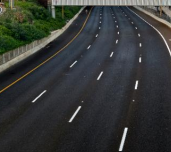
Lane Line
Divides lanes moving in the same direction, allowing safe lane changes.
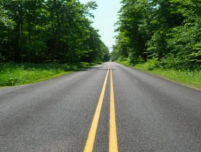
Double Solid Yellow Line
No overtaking and no crossing allowed from either direction.
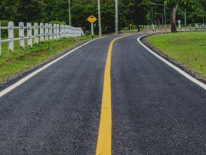
Single Solid Yellow Line
Crossing is allowed but overtaking is prohibited.
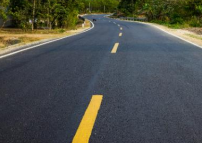
Broken Yellow Line
Crossing and overtaking are allowed with necessary precaution.
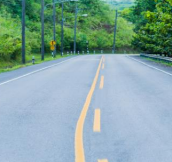
Broken and Solid Yellow Line
Crossing and overtaking are allowed only on the side of the broken line.
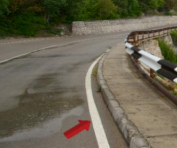
Edge Line
Separates the outside edge of the road from the shoulder, prohibiting driving beyond it.
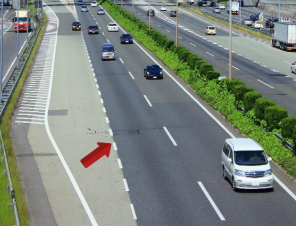
Continuity Line (Left)
Indicates the lane is ending or exiting, requiring drivers to change lanes to continue forward.
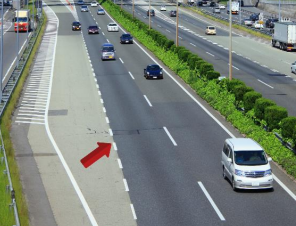
Continuity Line (Right)
Indicates the lane will continue unaffected or safely lead to an exit. | exit ramp lines
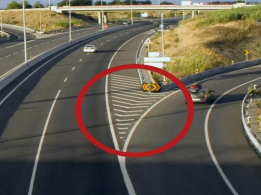
Transition Lines
Guides traffic safely past roadway obstructions or indicates changes in road width.
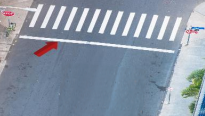
Stop Line
Requires vehicles to stop completely before the horizontal white line at intersections.
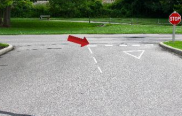
Give Way / Holding Lines
Two adjacent broken white lines indicating drivers must yield to all main road traffic.
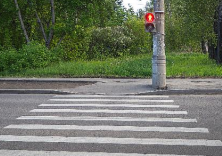
Signalized Pedestrian Intersection
Uses traffic lights to give vehicles priority, allowing pedestrians to cross only on signal.
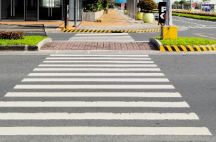
Non-Signalized Pedestrian Intersection
Lacks traffic lights, requiring vehicles to yield to pedestrians and stop before the line.
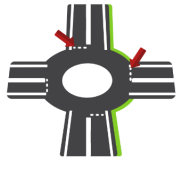
Roundabout Holding Lines
Marks where vehicles must stop before entering, yielding to traffic already inside the rotunda.
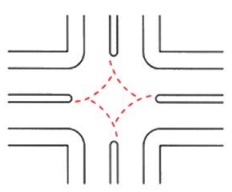
Turn Line
Guides vehicles through a turning movement at intersections to prevent entering the opposite lane.
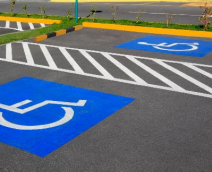
Parking Bay
Designates specific parking spaces for smooth and efficient use of the area.
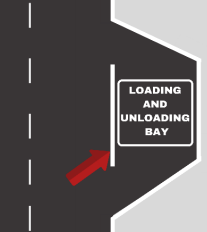
Loading and Unloading Bay Line
A solid white or yellow line indicating where public utility vehicles can properly drop off or pick up passengers.
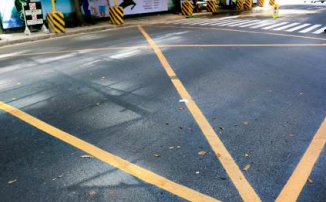
Yellow Box (Do Not Block)
An intersection marked with a yellow box and "X" where vehicles must not stay to avoid obstruction.
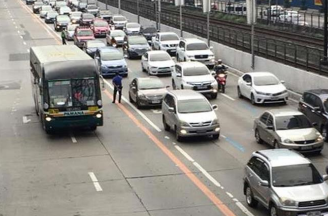
Bus and PUJ Lane Line
A solid yellow line separating designated bus and public utility jeepney lanes from other traffic.
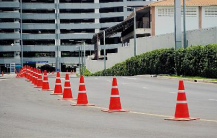
Traffic Cones
Temporary objects used to separate lanes and guide traffic in one direction. | traffic cones road
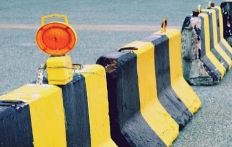
Concrete Barriers
Physical structures used as a substitute for lane lines to separate lanes and guide traffic.
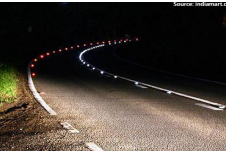
Cat's Eye (Raised Pavement Marker)
Reflectorized safety devices placed on the road replacing lane lines for nighttime visibility.
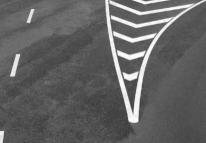
Approach Markings to Islands
Oblique lines that guide vehicles to their desired paths to safely avoid obstructions.
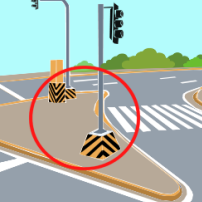
Chevron Markings
Diagonal lines used to guide traffic into right turning lanes separated by a corner island.
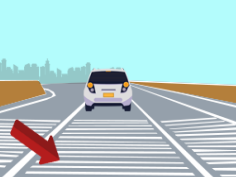
Rumble Strips
Raised horizontal white lines that vibrate the vehicle to warn drivers of upcoming hazards.
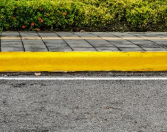
Yellow Curb Painting
Prohibits parking, though temporary stops for loading/unloading are allowed if the driver remains inside.
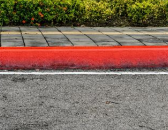
Red Curb Painting
Strictly prohibits parking, loading, and unloading, and is often used for designated fire lanes.
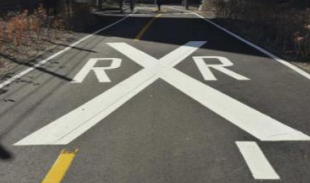
Railroad Crossing Ahead
A white "X" sign with "RR" letters warning drivers of an approaching train crossing.
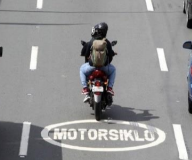
Motorcycle Lane
Designated lane for motorcycle riders, requiring a turn signal within 100 meters before exiting the lane.
Bus Lane
Dedicated lane exclusively for buses unless turning at an intersection or instructed by an enforcer.
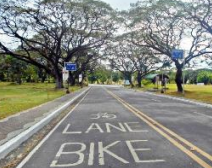
Bicycle Lane
Solid white line designating a lane strictly for bicycles, prohibiting motor vehicle use.
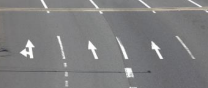
Pavement Arrows
White arrows painted on the road dictating the mandatory lane control direction for vehicles.
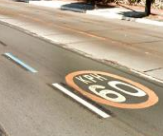
Speed Limit Marking
Pavement numbers supplementing roadside signs to indicate the maximum allowed speed in the area.
Green Signal
Vehicles may proceed, ensuring no pedestrians or other road users are crossing.
Flashing Green Signal / Arrow
Vehicles may proceed straight, turn right, or turn left with caution.
Yellow Signal
Warns that the red light is imminent; vehicles must safely stop or slow down if not yet in the intersection.
Flashing Yellow Signal
Reminds motorists they may continue to drive through the intersection, but with caution.
Red Signal
Requires vehicles to come to a complete stop at the clearly marked line.
Flashing Red Signal
Vehicles must come to a full stop and may only proceed when it is safe and allowed.
Left Turn Hand Signal
Extend your left arm straight out the driver's window.
Right Turn Hand Signal
Extend your arm out the window with the elbow bent and hand pointing upward.
Stop Hand Signal
Extend your arm out the window and point it down with fingers extended.