Music - everything
 Studied by 0 people
 Call Kai
 Learn
Learn Practice Test
 Spaced Repetition
 Match
Match Flashcards
 Knowt Play
1/46

There's no tags or description
Looks like no tags are added yet.
Name | Mastery | Learn | Test | Matching | Spaced | Call with Kai |
|---|
No analytics yet
Send a link to your students to track their progress
47 Terms
Features of EDM
Simple and repetitive
REVERB/DELAY
Extreme build and drops
Thick layers, loops, samples
POLYPHONIC
Minor key
Synths, samplers, drum machine
FOUR ON THE FLOOR, syncopated hi-hats
120/132bpm
Features of salsa music
Cuba
Call and response
Accented brass
POLYPHONIC
Western chords, major key
Clave, congas, bongos, timbales, trumpet, piano, brass, vocals
Clave pattern, SYNCOPATED
160bpm
Features of Tango music
Argentina
MINOR key, stepwise, call and response
Accented, staccato, SYNCOPATED HABANERA RHYTHM
contrasts
Homophonic
Binary/ternary form
Regular phrasing
Bandoneon, violin, piano, double bass, guitar
Difference between tango and salsa
Salsa is faster and has and percussion
Film
BRASS FANFARE for heroic
Minor key for evil
Baroque composers
Bach
Vivaldi
Handel
Baroque orchestral instrumentation
Small
No clarinet
Sometimes recorder
Organ
oboe
harpsichord
Baroque features
Basso continuo - cello and harpsichord (usually)
Clear articulation
Terraced dynamics
Polyphonic and contrapuntal
Binary (AB), ternary(ABA), ritornello(ABACADA)
Functional harmony
Absolute music
Ornamentation
Contrapuntal
Common features in the opening of the ritornello section
Played by the entire orchestra
In the tonic key
Return (A) played in different keys
Concertos baroque
Solo concerto - 1 soloist
Concerto grosso - Group of soloists (concertino) and an accompanying orchestra (ripieno)
Classical composers
Mozart, Haydn, Beethoven
Classical instrumentation
Larger than baroque
Clarinets
Percussion
Timpani
piano
Bass drum, snare drum, triangle, cymbals
Classical features
Balanced 4 or 8 bar phrases
Question and answer (antiphony)
Imitation
Homophonic
Sonata form
Minuet and trio
Theme and variations
FUNCTIONAL HARMONY
regular patterns
Diatonic
ALBERTI BASS
Sonata form
(Introduction)
Exposition
First subject (a,b)
Second subject (a,b) - Relative major/minor or dominant
Development
Based on existing key - any key
Recapitulation
Goes over exposition (home key)
Second subject (home key)
Finishes in tonic
(coda)
Ending
Romantic composers
Chopin, Tchaikovsky, Brahms, Liszt, Schumann
Romantic instrumentation
Large
Cor anglais, bass clarinet, piccolo
Tuba
Valves
Tuned percussion
Features of romantic music
Rubato, lyrical and expressive, extreme range, thick texture (sometimes polyphony) free, chromatic and dissonance, large orchestra, mostly homophonic
Choral music choirs
Mixed voice choir (soprano, alto, tenor, bass)
Male voice choir
Female voice choir
Children’s choir
Features of choral music
Homophony, polyphony
Humming, atonality, dissonance, functional harmony
Features of art songs
Voice and accompaniment ONLY
VOCALISING - singing without words
Rubato
Dissonance
Word painting
Melody dominated homophony
Forms of art songs
Strophic: verse only
Through composed: no repetition
Features of musical theatre
Singsprechen - sing talking
Dance breaks
Word setting
BRASS/band and classical instruments
Small orchestra
Features of pop
Hook and catchy melody
Verse-chorus structure
4/4 metre
Intro and outro
What does the pre-chorus do?
Builds tension and anticipation before main chorus and acts as a bridge between verse and chorus
Features of Indian muisic
Raga scale
Texture: melody and DRONE
What are the sections of Indian music?
Alap - when the solo instrument plays the notes of the raga. Improvised and metrically free. No tabla. Only raga and drone
gat- some fixed phrases but improvisation still present. Fixed sense of pulse. lots of improvisation. tabla also enters
jhala- tala framework/rhythmic cycle. most exciting section of the piece
Describe the sitar
Melodic instrument
Sympathetic vibrations
Pitch bends
Plucked guitar looking intstrument
Moveable frets
Moveable strings for pitch bends
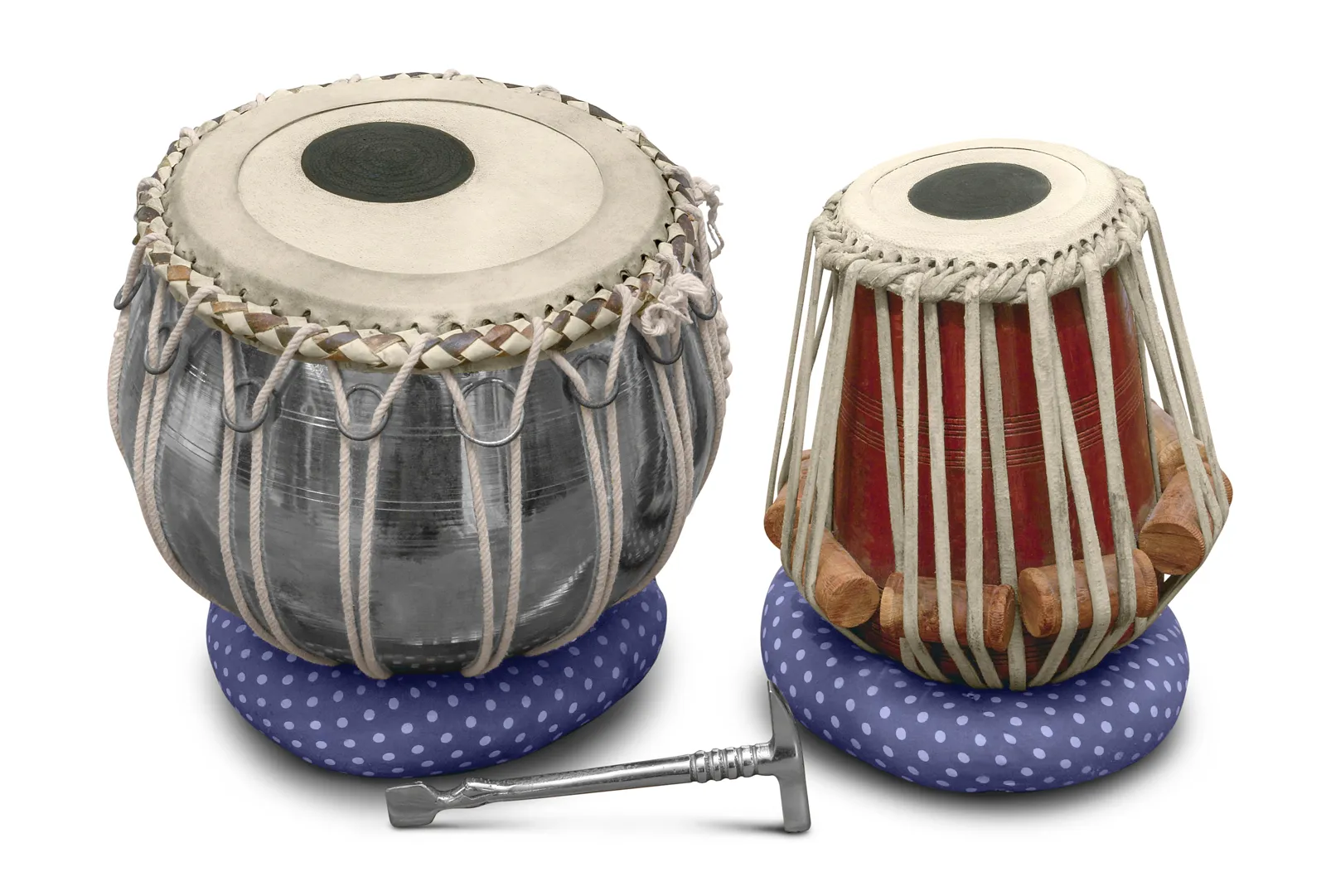
Describe the tabla
Percussion
Fixed composition of rhythm
Pair of drums
Describe the bansuri
Melodic instrument
Flute like (blown)
Mellow/wholesome tone and reedy

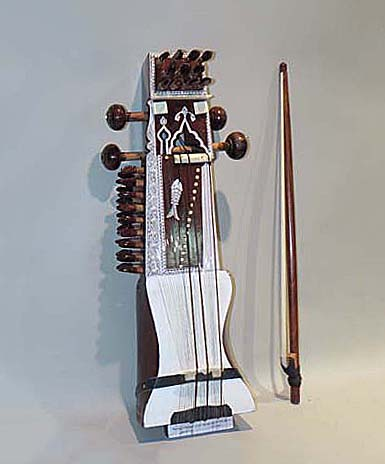
Describe the sarangi
Bowed instrument
Short neck
Sympathetic strings
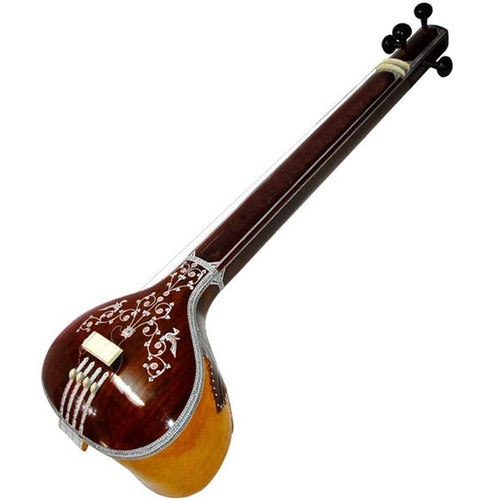
Describe the tanpura
Looks like a sitar
Drone
Gourd
Describe the sruti box
Drone
Features of the silk and bamboo ensemble
Heptatonic scale: pentatonic
Heterophonic texture
Banyan metrical structure (duple or quadruble)
Two types: Jiangnan Sizu, Guangdong
Where is silk and bamboo played?
Tea shops
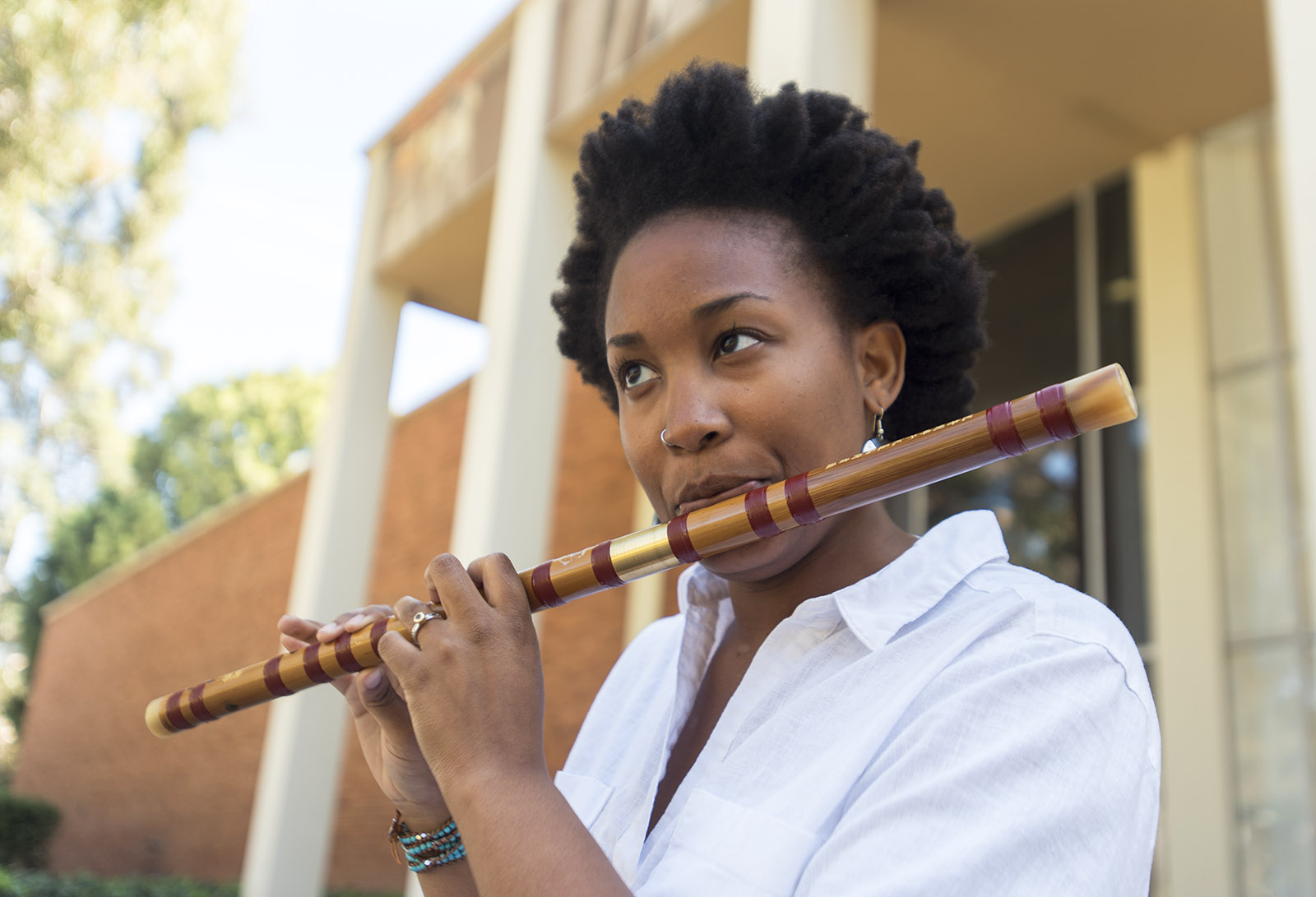
Describe the dizi
Bamboo flute
Blown over instead of into
Holes instead of keys
Airy sound (tss tss)
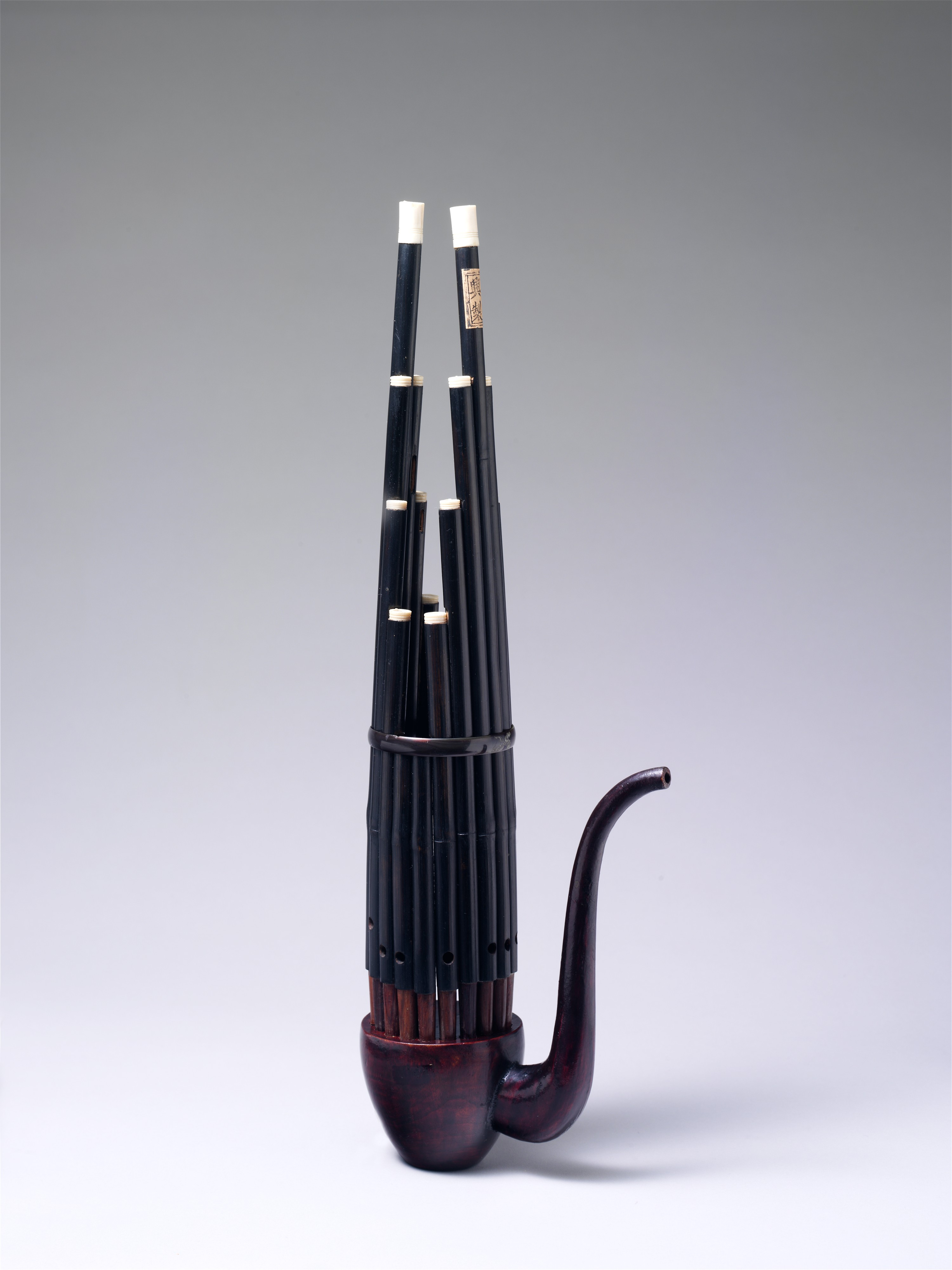
Describe the sheng
Mouth organ
Gourd
Pitchy/sharp noice
More than one note at a time
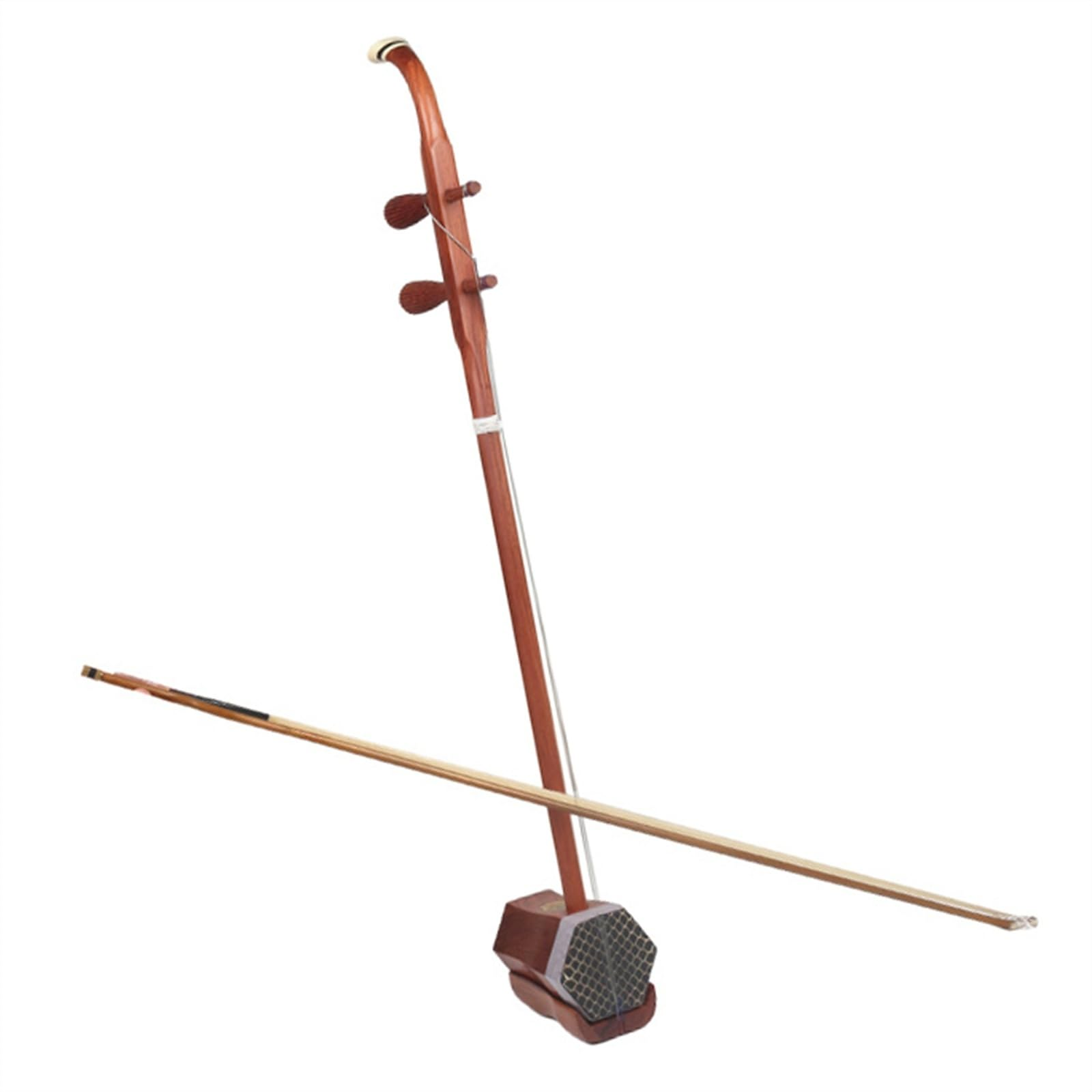
Describe the erhu
Two stringed bowed fiddle
Fretless
Played vertically
Mellow sound
Describe the pipa
Pear shaped lute
Fretted
Plucked

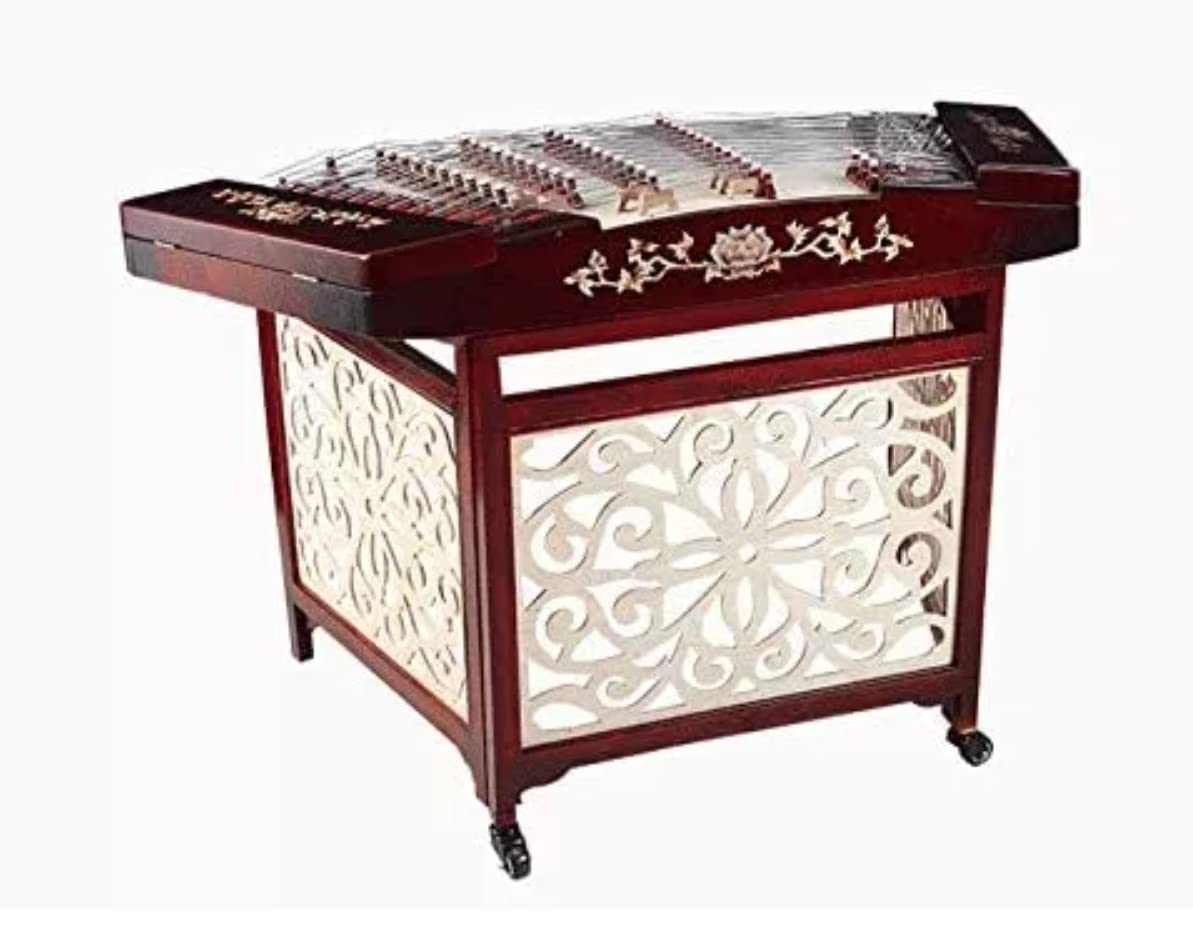
Describe the yangqin
Trapezoidal shaped hammer dulcimer
Hit with two bamboo beaters
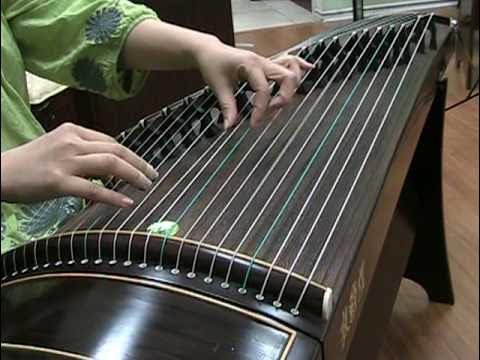
Describe the guzheng
Chinese zither
Plucked with finger picks
Pitch bends
Describe the Arab Takt Ensemble
Maqam scale
Secular
Four melodic instruments and percussion instrument
Accompaniment or on its own
Monophonic OR heterophonic
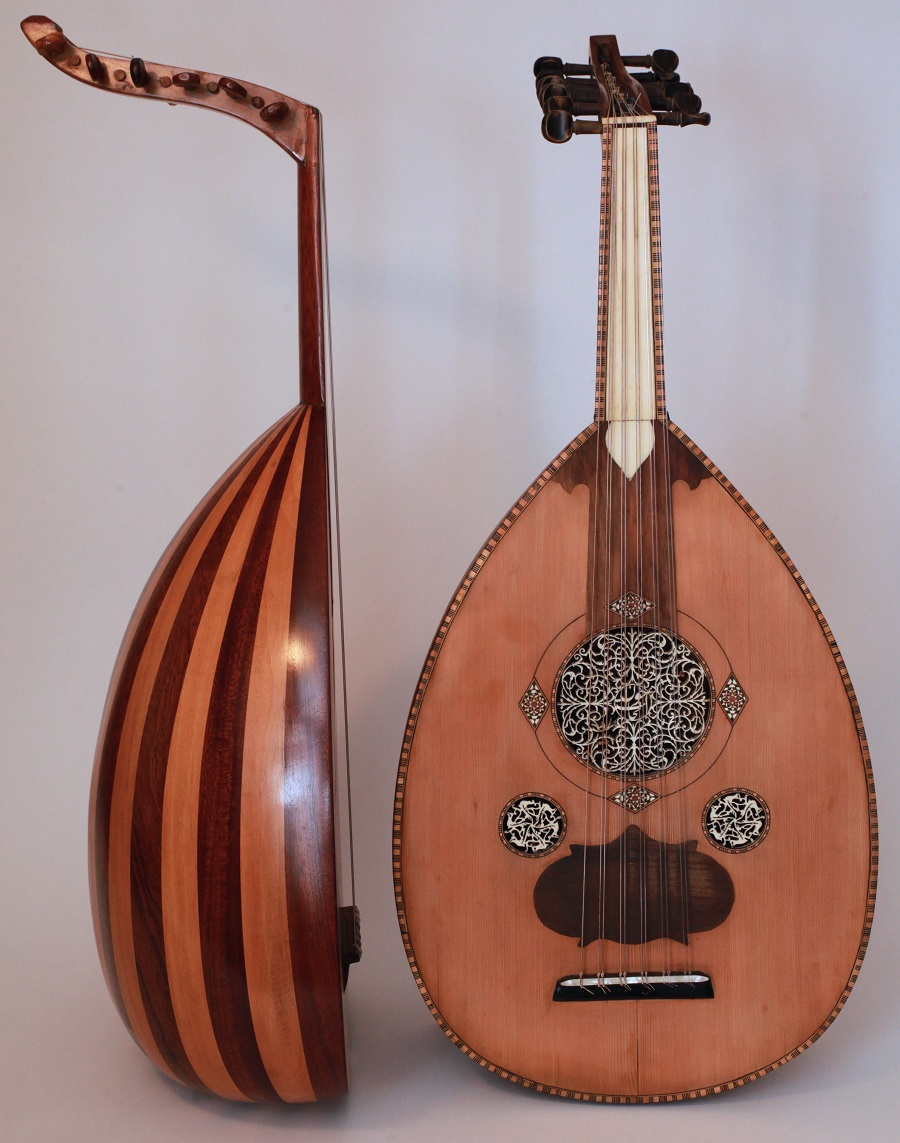
Describe the ud
Pear shaped lute with unfretted neck
Played with plectrum
Rounded back and flat face
Pitch bends
Chords
Funny guitar sound
Describe the violin in the Arab takht ensemble
Replaced the Kaman
Pitch bends
Frequent ornamentation
Articulation is legato
Uses entire bow
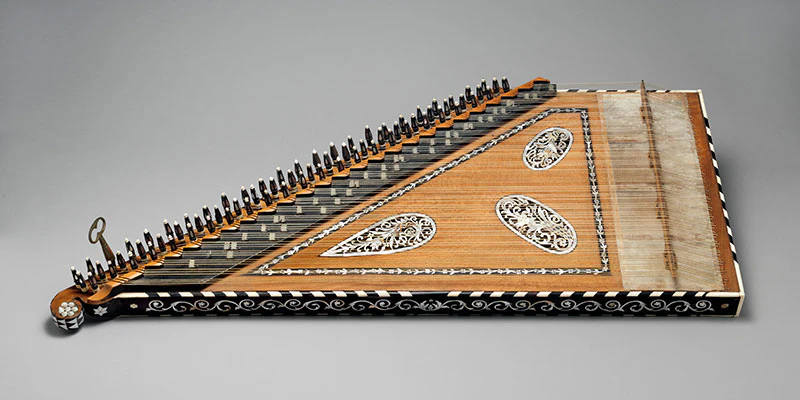
Describe the Qanun
Trapezoidal zither
Placed on performers lap
Plucked by plectrum
Sounds like a harsh harp and harpsichord hybrid
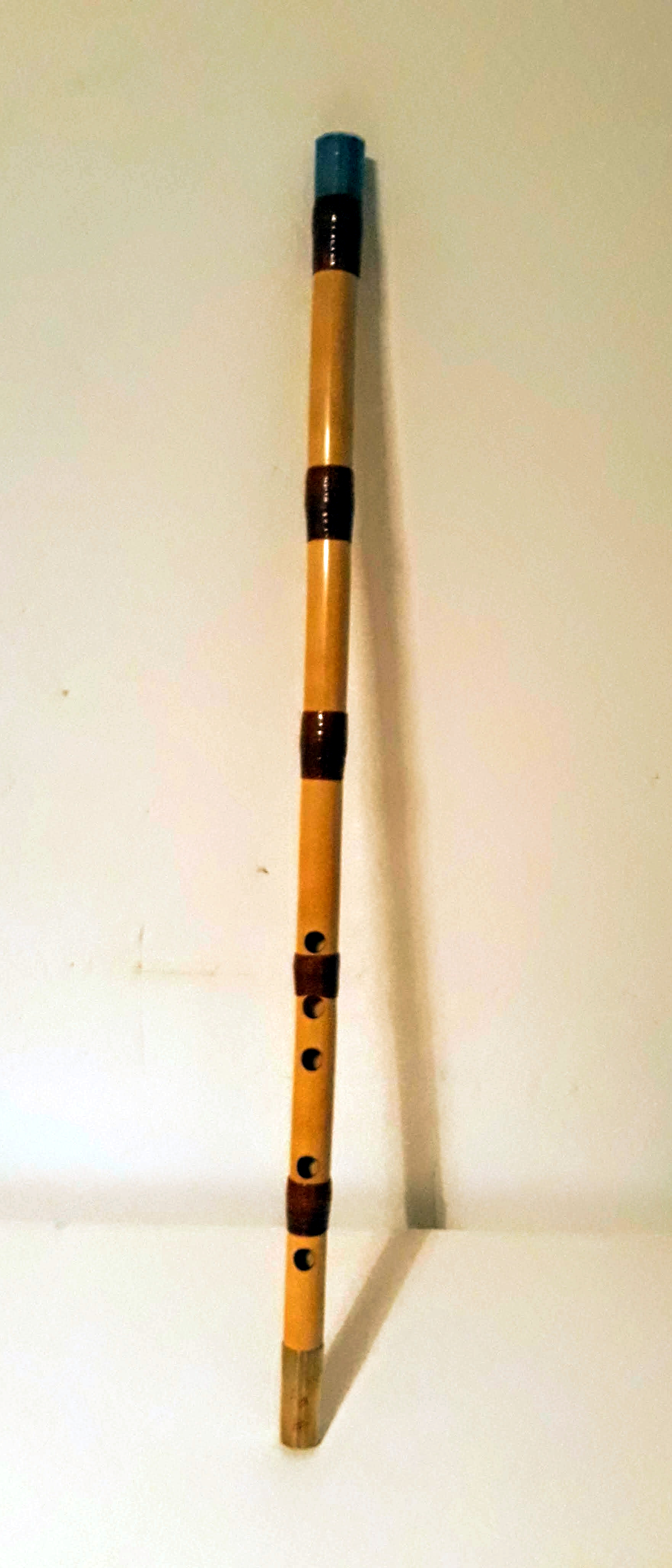
Describe the Nay
End blown flute
Sounds like recorder
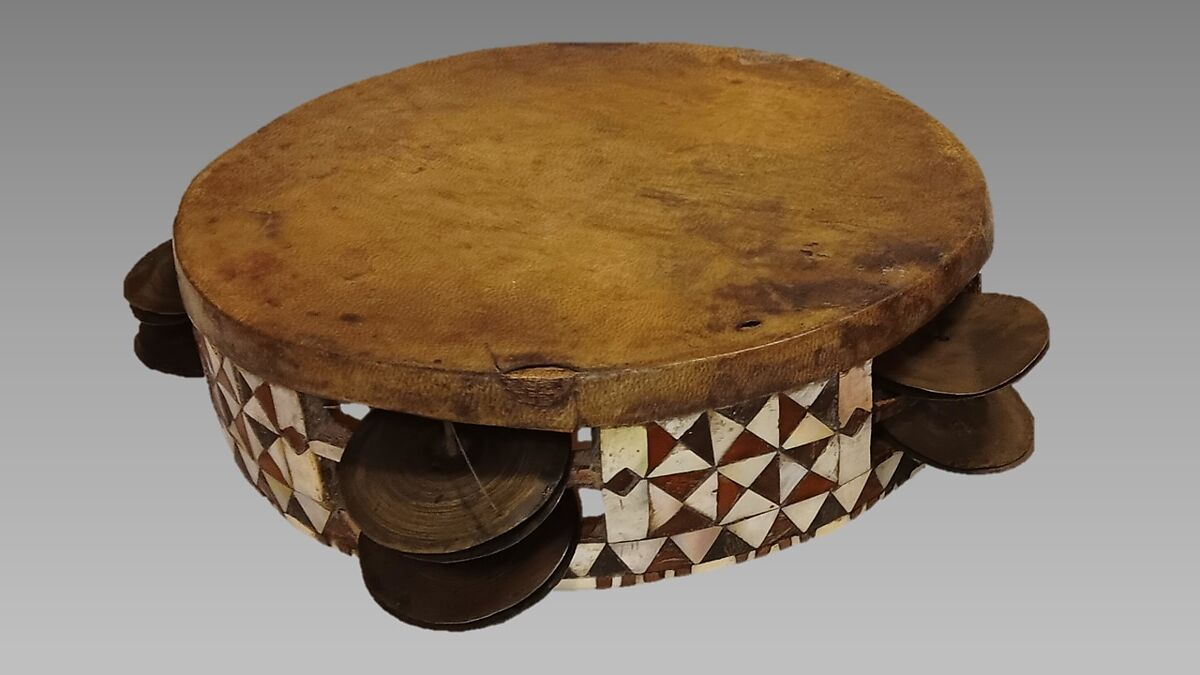
Describe the Riqq
Tambourine with 5 sets of cymbals
What is the rhythm of the Arab Takht ensemble?
Iqa
 Note
Note  Flashcards (57)