NPTE Rehab Protocols
 Studied by 0 people
 Call with Kai
 Learn
Learn Practice Test
 Spaced Repetition
 Match
Match Flashcards
 Knowt Play
1/26

There's no tags or description
Looks like no tags are added yet.
Name | Mastery | Learn | Test | Matching | Spaced | Call with Kai |
|---|
No study sessions yet.
27 Terms
Anterior/Anterolateral Total Hip Arthroplasty Precautions
Precautions
-No hip >90 deg
-No extension, ADD and ER past neutral
-No figure four position in sitting
These reduce risk of posterior dislocation
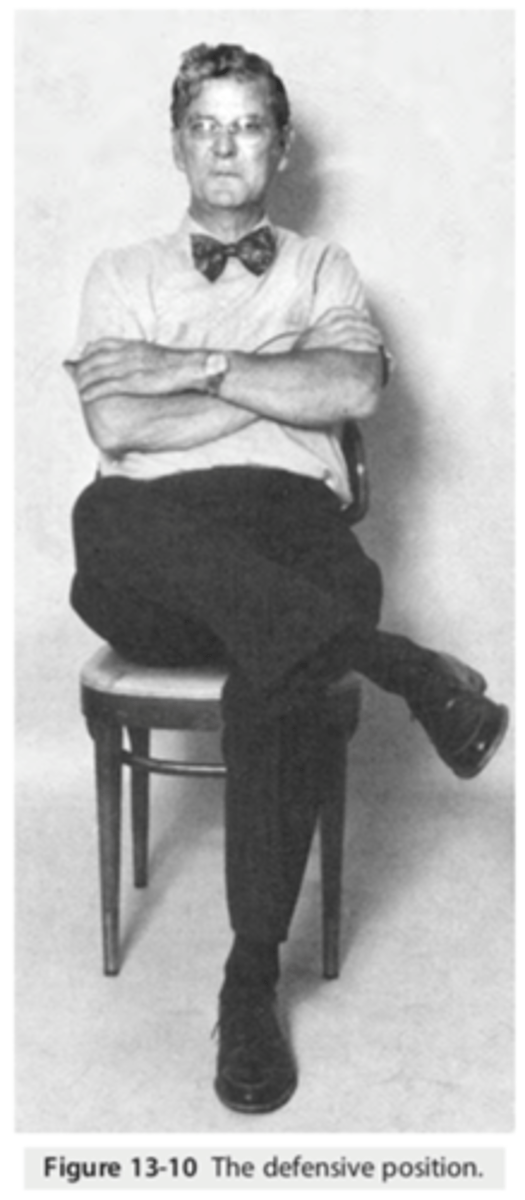
Posterior/Posterolateral Total Hip Arthroplasty Precautions
-No ADD or IR past neutral
-No flexion past 90 deg
-*approach has better outcomes on gait pattern restoration but highest risk for dislocation"

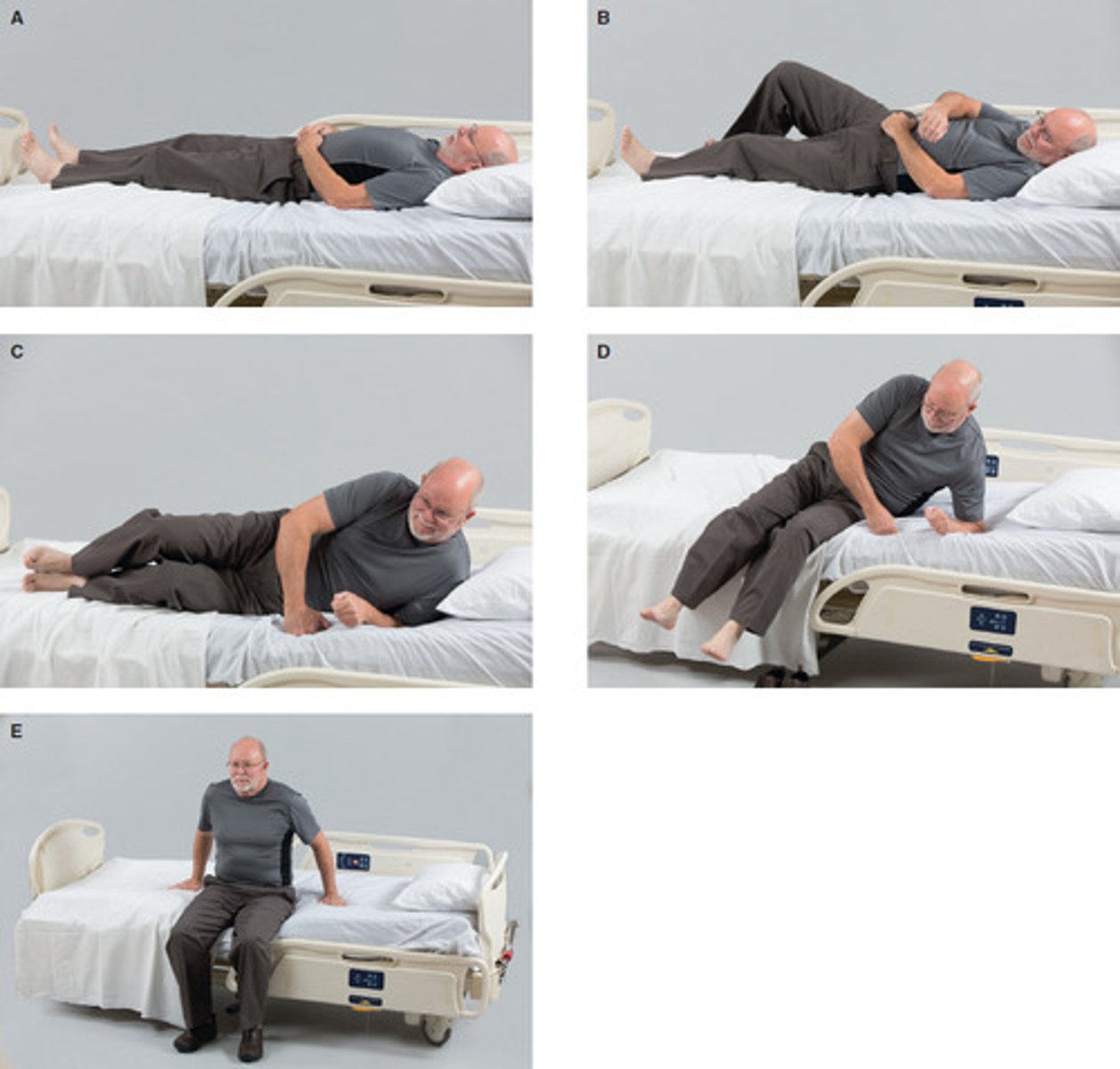
Protocol for THA: Phase 1
0-4 weeks
-precautions
-WBAT
-functional mobility
-avoid hip flexion contracture
Protocol for THA: Phase 2
4-6 weeks
-regain strength and endurance
-Restore ROM
-Hip ABD and ERs
-Gait, balance, stability
Protocol for THA: Phase 3
12 weeks
-Good ABD and ER strength
-Return to sport and higher level activities
TKA: Phase 1
1-4 weeks
-ROM 0-90 deg (EXTENSION PRIORITY)
-Control DVT, pain, swelling
-Ambulate
-3/5 to 4/5 quad strength
interventions:
-ankle pumps
-isometrics
-gait
-patellar mobs
TKA: Phase 2
4-8 weeks
-reduce swelling
-ROM 0-110
-4/5 to 5/5 strength
-unrestricted ADL function
-improve balance
Interventions:
-patellar mobs
-LE stretching
-closed chain strengthening
-tibiofemoral joint mobs as needed
-proprioceptive training
-aerobic exercise
TKA: Phase 3
8+ weeks
-maintenance program
-community ambulation
Interventions
-same as phase 2
-exercises sport specific or higher level activity
Total Shoulder Arthroplasty (TSA) with Intact Cuff: Phase 1
0-4 weeks
-<120 degrees elevation
-ER <30 degrees
-no active IR till 6 weeks
-grade 1-2 joint oscillation
-AROM scapula and elbow
-PROM and AAROM
(1-3 weeks supine -> AAROM sitting/standing week 4)
-light NWB iso shoulder muscles
-pendulums
Total Shoulder Arthroplasty (TSA) with Intact Cuff: Phase 2
4-12 weeks
-continue AROM
-No GH extension past neutral up to 6 weeks
-gradually increase GH rotation
-gentle stretching after 6-8 weeks
-Improve RTC stability and scap stabilizers
-submax isos and light WB through UE
-Delayed resisted rotation if RTC not intact
Total Shoulder Arthroplasty (TSA) with Intact Cuff: Phase 3
12+ weeks
-combined ADD/IR and Ext permitted
-progress end range self stretch
-progressive resistance exercises in functional patterns
-Closed chain stabilization
Reverse Total Shoulder Arthroplasty (rTSA): Phase 1
0-6 weeks
-ABD splint 24 hrs/day for 3-6 weeks
-no GH extension or IR
-ROM allowed: 0-20 ER and up to 90-120 elevation in scap plane
-after immobilizer: 1-2 oscillations, AROM scapular and elbow, pendulums, PROM only of GH joint, light NWB isos of scap and deltoid
Reverse Total Shoulder Arthroplasty (rTSA): Phase 2
6-12 weeks
-no GH extension or IR past neutral
-ROM allowed: 0-20 ER and up to 90-120 elevation in scap plane
-AAROM in supine --> sitting
-NWB isos submax
-delay resisted rotation for several weeks
-deltoid and scap stabilizers
-progress to low-resistance, dynamic strengthening of elbow and wrist
Reverse Total Shoulder Arthroplasty (rTSA): Phase 3
12+ weeks
-Gentle stretching within motions
-CKC
-UE functional patterns
RTC Repair Basics
-PROM or AAROM within SAFE and PAIN-FREE ranges based on surgeon
-Only PROM, non-assisted ROM for 6-8weeks after repair
-Minimize superior/anterior translation of humeral head
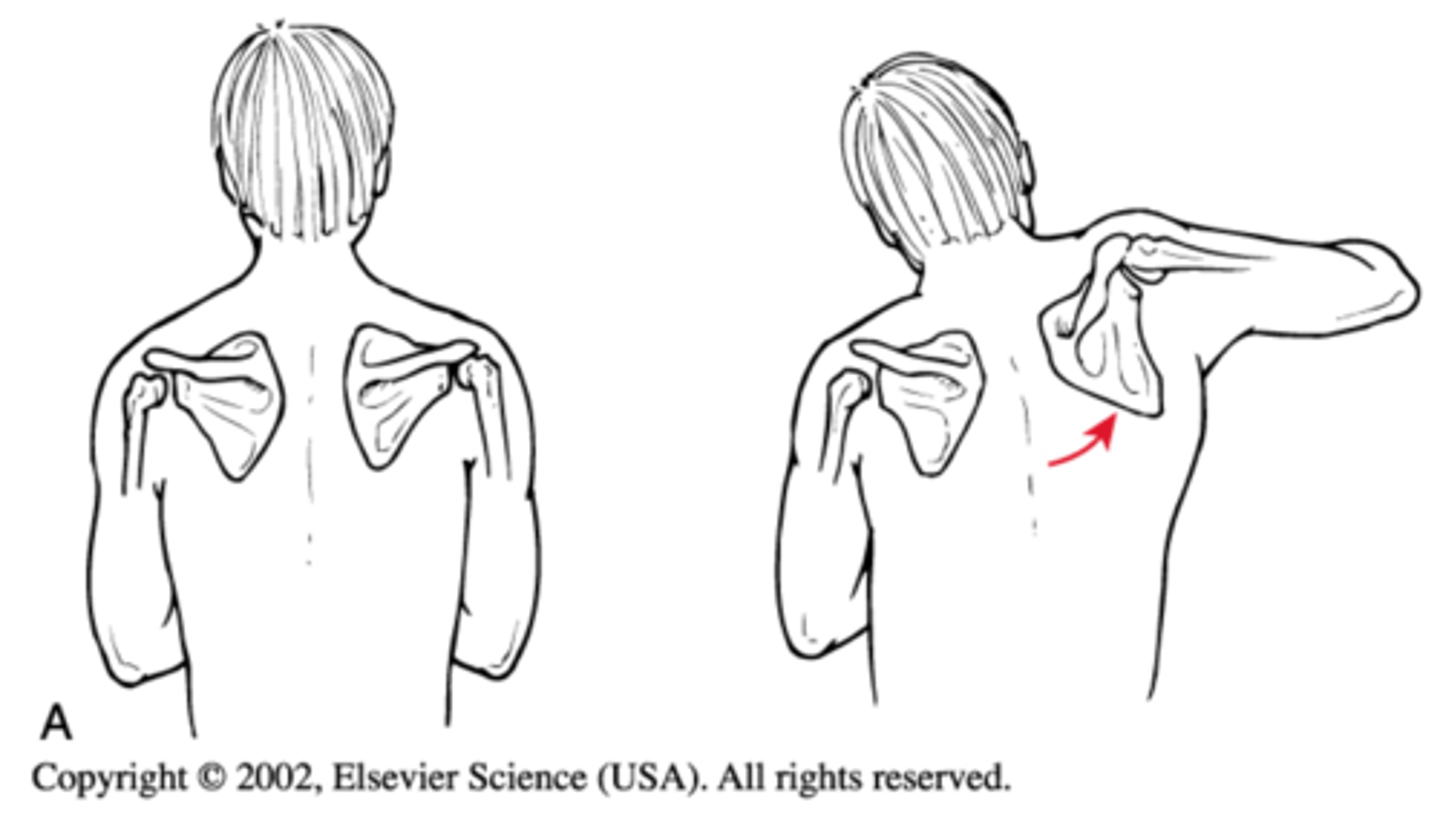
-do not allow active shoulder flex/ABD until patient can lift arm without hiking shoulder
RTC Repair Strengthening
-iso scap stabilizers with arm supported
-NWB for 6 weeks
-Delay dynamic strengthening for minimum of 8 weeks
-Avoid ER if supra and infra repairs OR
-Avoid IR if subscap repairs
RTC Repair Stretching
-avoid vigorous stretching, contract-relax or grade 3+ mobs for 6 weeks
-for supra/infra avoid IR
-for subscap avoid ER
SLAP Repair
-Limited PROM or AAROM elevation of arm to 60 deg for 0-2 weeks --> up to 90 deg at 3-4 weeks
-ER to neutral and IR to 45
-Avoid tensioning biceps (elbow ext with shoulder ext) for 4-6 weeks
-No active elbow flexion for 6 weeks and resisted biceps until 8-12 weeks
-No ABD and ER combined
Wrist-flexor Tendon Repair basics
-Wrist is immobilized after surgery for up to 5 days, unless
prolonged immobilization is necessary
-Zone I,II,III repair immobilization- 10° to 45° of wrist flexion
and from 40° to 70° of MCP flexion with the IP joints in full but
comfortable extension
-Exercises approaches to maintain tendon-gliding and prevent
adhesions :
Early controlled passive motion
Early controlled active motion
Wrist-Flexor Tendon Repair: Phase 1
0-3/5 weeks
-EALRY motion as much as possible but can be limited based on the splint used or if there has to be delayed mobility
-Movement should occur within first 5 days
-passive MCP, PIP, DIP flexion and extension
-Place and hold exercises
-minimum-tension, short arc motion
Wrist-Flexor Tendon Repair: Phase 2
4-8 weeks
-aim: *safely increase stress on repair tendon and achieve full active flexion/extension of wrist and glides of tendon
-place and hold exercises with gradual increase in tension
-AROM
-tendon gliding and blocking exercises 5-6 weeks
Wrist-Flexor Tendon Repair: Phase 3
8+ weeks
-resistance exercises
-dexterity exercises
-use of hand for light functional activities
Extensor Tendon Repair
-end of 4 weeks, achieve 70-80 deg active flexion and full extension of PIP joint
-Composite MCP, PIP, DIP flexion @ 4 weeks when splints discontinued
-by 6-8 weeks = low intensity exercises, gradual use of hand functional activities
Delayed mobilization: depends on extensor zone and no resisted exercises until 8-12 weeks
Achilles Tendon Repair WB
Conventional approach= 6 weeks immobilization and NWB
Early remobilization approach= immediate WB or after 1-2 weeks
Achilles Tendon Repair: Phase 1
0-4/6 weeks
-Active ROM of non-immobilized joints
-Muscle setting exercises (isos at 2 weeks)
-Weight shifting
Achilles Tendon Repair: Phase 2
4/6 -12 weeks
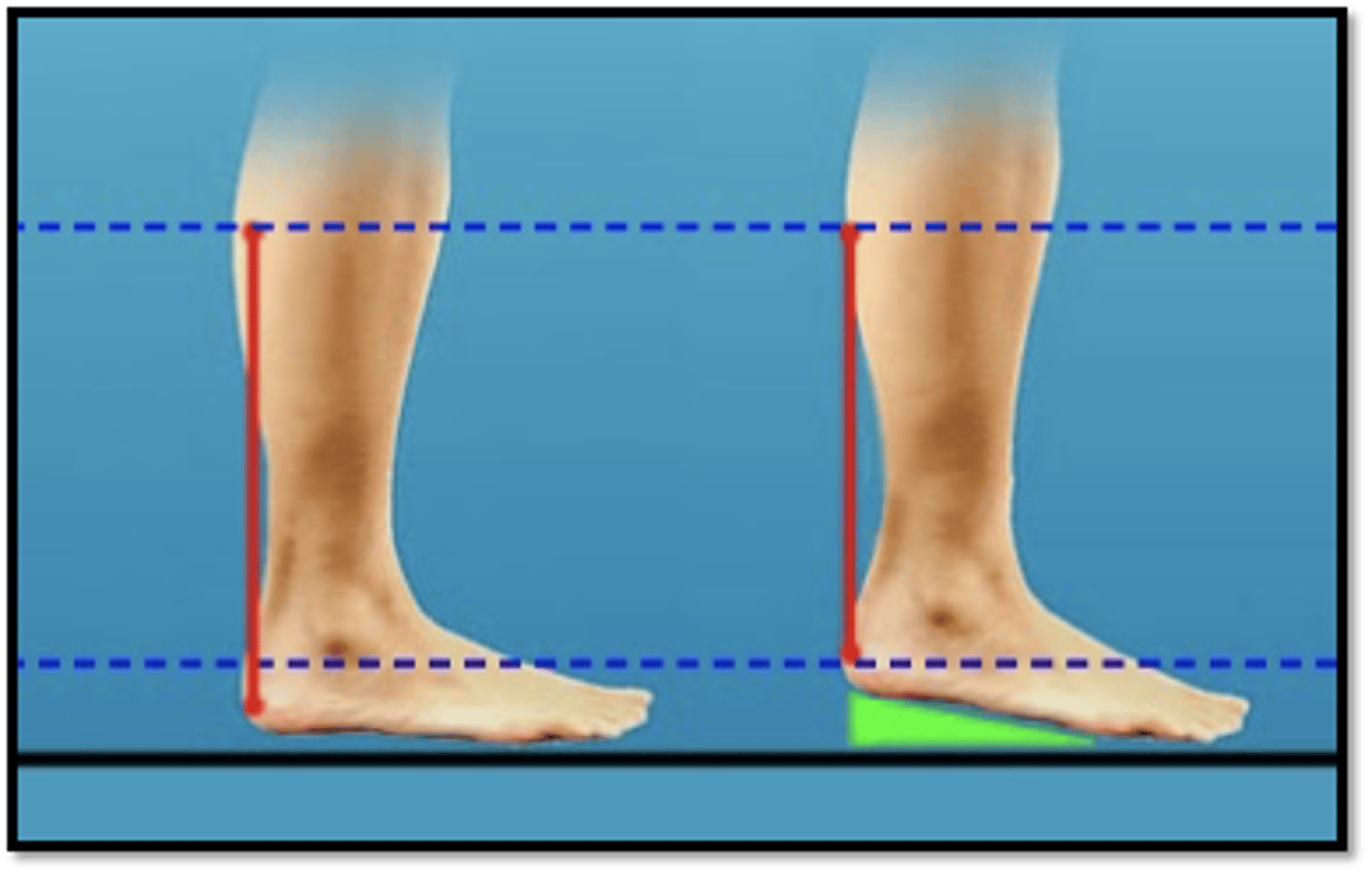
-weaning orthosis but add 1-1.5 cm heel lift in shoe at 6-8 week mark to transition into normal foot wear again
-Grade 3 mobs
-Self-stretch and AROM
-OKC strengthening of hip, knee, ankle and CKC heel raises
-balance and gait
Achilles Tendon Repair: Phase 3
12-16 weeks
-return to pre-injury level
-strengthening and endurance
-plyometric training and treadmill walking on incline, advance training