human biology 2026 notebook set
 Call Kai
 Learn
Learn Practice Test
 Spaced Repetition
 Match
Match Flashcards
 Knowt Play
1/83

There's no tags or description
Looks like no tags are added yet.
Name | Mastery | Learn | Test | Matching | Spaced | Call with Kai | Chat |
|---|
No analytics yet
Send a link to your students to track their progress
84 Terms
DNA
Deoxyribonucleic acid. It is the gentic material found in the nuclues of the cell. It carries the genetic codes. It determines all the characteristics of the living organism.
what is dnas structure
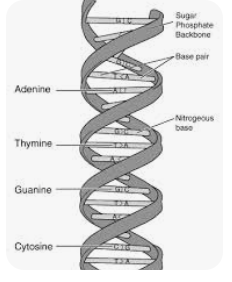
double helix structure
nucleotide
the units dna is composed of. DNA is nucleotides joined together. the nucleotides are antiparallel, so the other side will be the opposite.
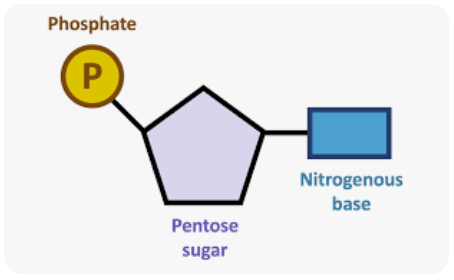
what are nucleotides made out of
phosphate, sugar, nitrogenous base
DNA nitrogenous bases
thymine - adenine guanine - cytosine. different bases in different orders codes for different hair/eye colours
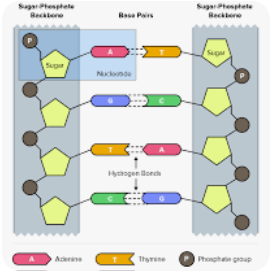
how are bases connected other
they are paired together with a hydrogen bond
cell division
new cells are constantly needed for growth and replacement of damaged and worn out cells
What are chromosomes made up of?
Tightly coiled up DNA
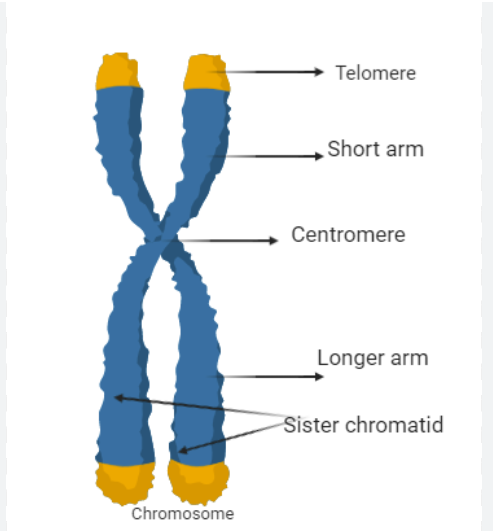
Where are chromosomes located?
In the nucleus of cells
What do different segments of DNA in chromosomes code for?
Different traits, such as eye colors
Can chromosomes be single stranded?
Yes, chromosomes can be single stranded
What is a double stranded chromosome?
A duplicate of the single chromosome
how many chromosomes are in each human cell
23 pairs of chromosomes, which is 46 single chromosomes. 22 pairs of chromosomes are autosomal and the 23rd pair is what determine what gender you are.
female chromosomes
XX
male chromosomes
XY
homologous chromosomes
the pair carry the same types of genes. They are placed in pairs due to their matching bands and size.
cell cycle
different phases cells go through to create new cells and do their jobs.
why is dna replication so important in the life of cells in your body
if no dna is made your body will not be able to make proteins. you need dna in cells, cells would be useless without dna.
somatic cells
the body cells in humans. arranged by 23 pairs of chromosomes and 46 single chromosomes
diploid cells
23 pairs of dna and 46 single strandes of dna
diploid number in humans
23 pairs of chromosomes and 46 single strands
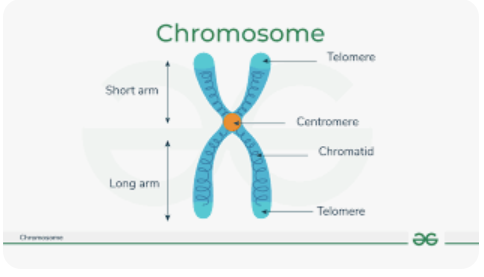
chromosome
2 identical chromatids, centrometre and dna molecule
haploid cells
half the number of chromosomes 23 individual chromosomes
what cells are haploid
gametes sex cells
why do gametes need to be haploid
you get half of your chromosomes from your mum and the other half from your dad, 2 haploid cells equals one cell
haploid number in humans
23
mitosis
cell production for growth matenince and repair of the body
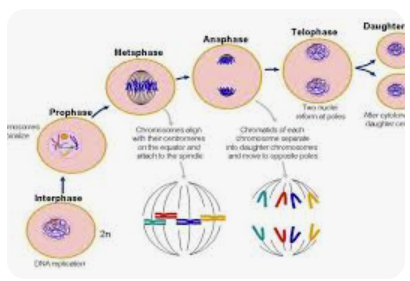
mitosis phases
(interphase)
prophase
metaphase
anaphase
telophase
PMAT
interphase
dna replication occurs, cell grows
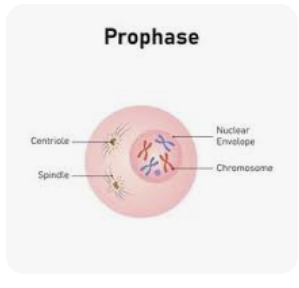
prophase
chromosomes coil up, nuclues membrane breaks down, centroles migrate to opposite poles/sides
metaphase
chromosomes aline in the centre of the equator/middle, centrioles create spindles and join up with centromeres in chromosomes
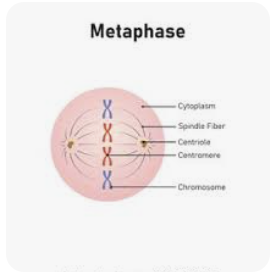
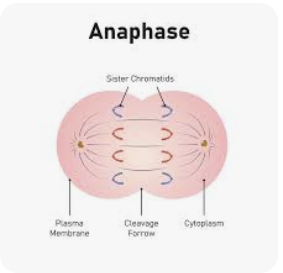
anaphase
chromatids separte at centromeres, spindle reals them in to opposite poles
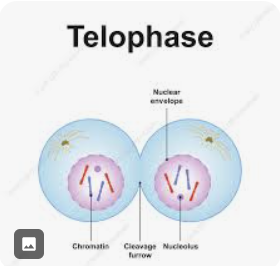
telophase
nuclear membrane reforms, spindles disappear, chromosomes unravel, but cells are still joined up
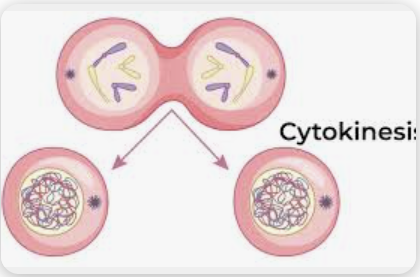
cytokinesis
division of the cells
what are the cells now created after mitosis
diploid, daugther, somatic, identical cells
meiosis
makes gametes with only 23 chromosomes, they are haploid. they do not make identical daughter cells
1st part of meiosis
diploid parent cell goes through interphase, then through PMAT and during metaphase the chromosomes line up differently to mitosis.
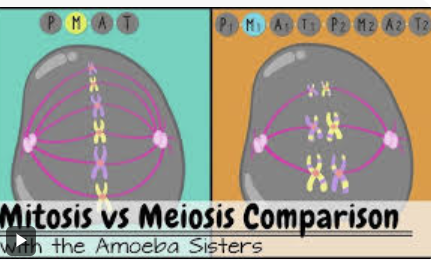
2nd part of meiosis
now there are 2 cells these cells now go through PMAT, without interphase and dna replication.
3rd part of meiosis
4 cells are now produced with 23 single chromosomes haploid cells.
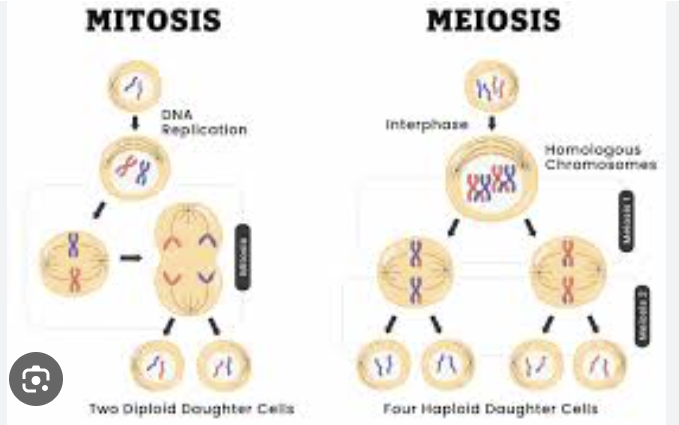
cells created from meiosis
non identical daughter cells that are gametes
stages in dna replication
helicase
polyermase
ligase
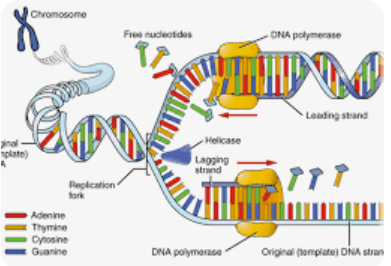
helicase
separates the dna bases
polyermase
new nucleotides added to the bases glued bases together
ligase
joins new strands of dna together, glued phosphate on nuclotides together
What is epigenetics?
The changes in gene expression resulting from factors other than changes to the genes. genes can come in a switched on or switched off form.
What determines when, where, and which genes are switched on or off?
Epigenetics.
Can trauma affect gene expression?
Yes, trauma can cause certain genes to be switched off or on
protein synthesis
the creation of protein, transcription to translation
in protein sythesis what bases change
tymine has been switched with uracil. A now goes with U
transcription in protein synthesis
helicase separtes dna, bases join up in the middle with a copy of dna with polymerase. now there is a copy of dna. the message molecule leaves the nucleus. the dna then joins back together.
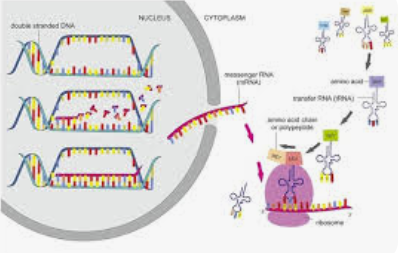
what is the copy of DNA in protein sythensis called
messenger RNA (MRNA)
where does translation happen in protein synthesis
in the ribosome in the cell
translation in protein synthesis phase 1
ribosome reads MRNA 3 nitrogenes bases at a time.
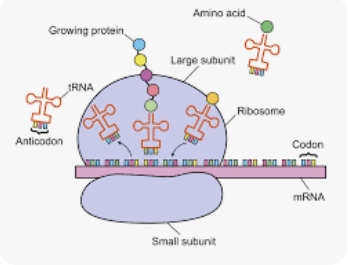
what is 3 nitrogenes bases on a MRNA called during protein synthesis
codon
what is a transfer RNA, TRNA
they have 3 bases they are called an anticodon, shapes on anticodon are different amino acids
translation in protein sythesis phase 2
3 bases on codon match with 3 bases on anticodon with complementary bases. then next 3 bases get read.
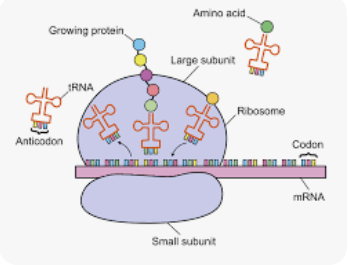
translation in protein sythesis phase 3
amino acids on anticodons then bond together with a peptide bond, then a protein is made with a chain of amino acids
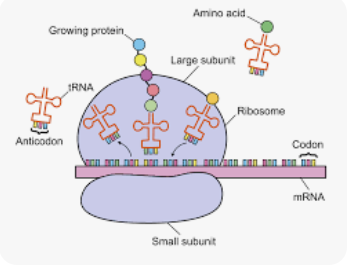
allele
different versions of a gene, we have two alleles
dominant allele
an allele that is expressed in the phenotype
recessive allele
an allele that is only expressed when there is two of them. the 'weaker' allele
genotype
the combination of alleles. it is your genes
phenotype
the physical feature that is expressed
how to assigne the alleles
a capital letter is for the dominant trait and a lowercase letter is for the recessive trait
homozygous
2 of the same alleles
heterozygous
2 different alleles
what would Bb be
hetrozygous
what would BB be
homozygous dominant
what would bb be
homozygous recessive
punnent square
a chart that shows the possible outcomes of alleles from parents
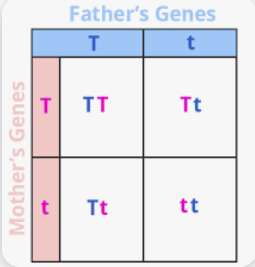
what is the chance of being a boy or a girl
it is always a 50% chance, the sperm cell determines what gender you are.
what chromosome is bigger x or y
x chromosome
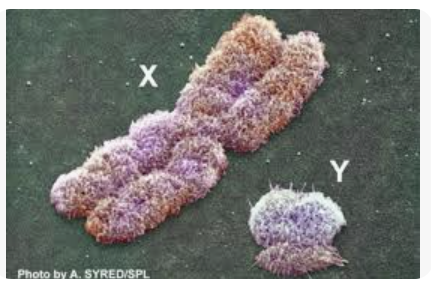
what is special about females and their chromosomes
if you are female you get a second oppotunity as the 2 x chromosomes both contain the same allele
what is special about male chromosomes
if you are male you dont have a second opputunity as the y chromosome is much smaller and cannot contain the same chromosomes.
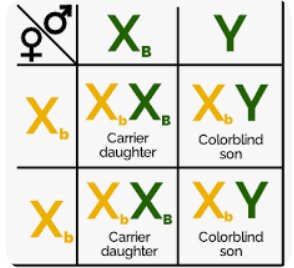
what is a sex linked trait
the fact that women have a second chance as they have 2 alleles but males dont as the y chromosome is much smaller. this is found on chromosome 23.
punnent squares for sex linked traits
always use x and y chromosomes with the allele above it, for males only put the letter above the x chromosome and not the y
square
normal male
coloured in square
affected male
circle
normal female
coloured in circle
affected female
circle and square linked together
marraige
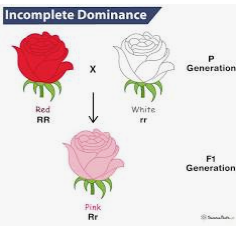
incomplete dominance
when both alleles are equal, with neither being dominant or recessive to each other. the allele will blend together
incomplete dominace example
a red flower is breded with a white flower, it creates a pink flower as the alleles blend together
codominance
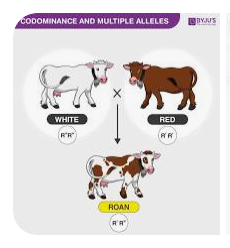
traits are both equally dominat and both are equally expressed neither is recessive or dominant
codominace example
a red cow and a white cow are bred together, it creates a roan cow, a cow with an equal amount of white fur and red fur expressed, it does not make a pink cow.