teas human anatomy and physiology
 Call Kai
 Learn
Learn Practice Test
 Spaced Repetition
 Match
Match Flashcards
 Knowt Play
1/502

There's no tags or description
Looks like no tags are added yet.
Name | Mastery | Learn | Test | Matching | Spaced | Call with Kai | Chat |
|---|
No analytics yet
Send a link to your students to track their progress
503 Terms
Blood Pressure
the amount of force your blood uses to get through your arteries
Alkalosis
excess base in body fluids
Acidosis
excess acid in body fluids
Testosterone is an _
androgen (male sex hormone)
Active Immunity
immune system makes antibodies after it sees a germ
Passive Immunity
short-term protection against a disease provided by administration of antibodies

Eccrine Gland
sweat gland (cools body, regulates temp, excretes water fluid)
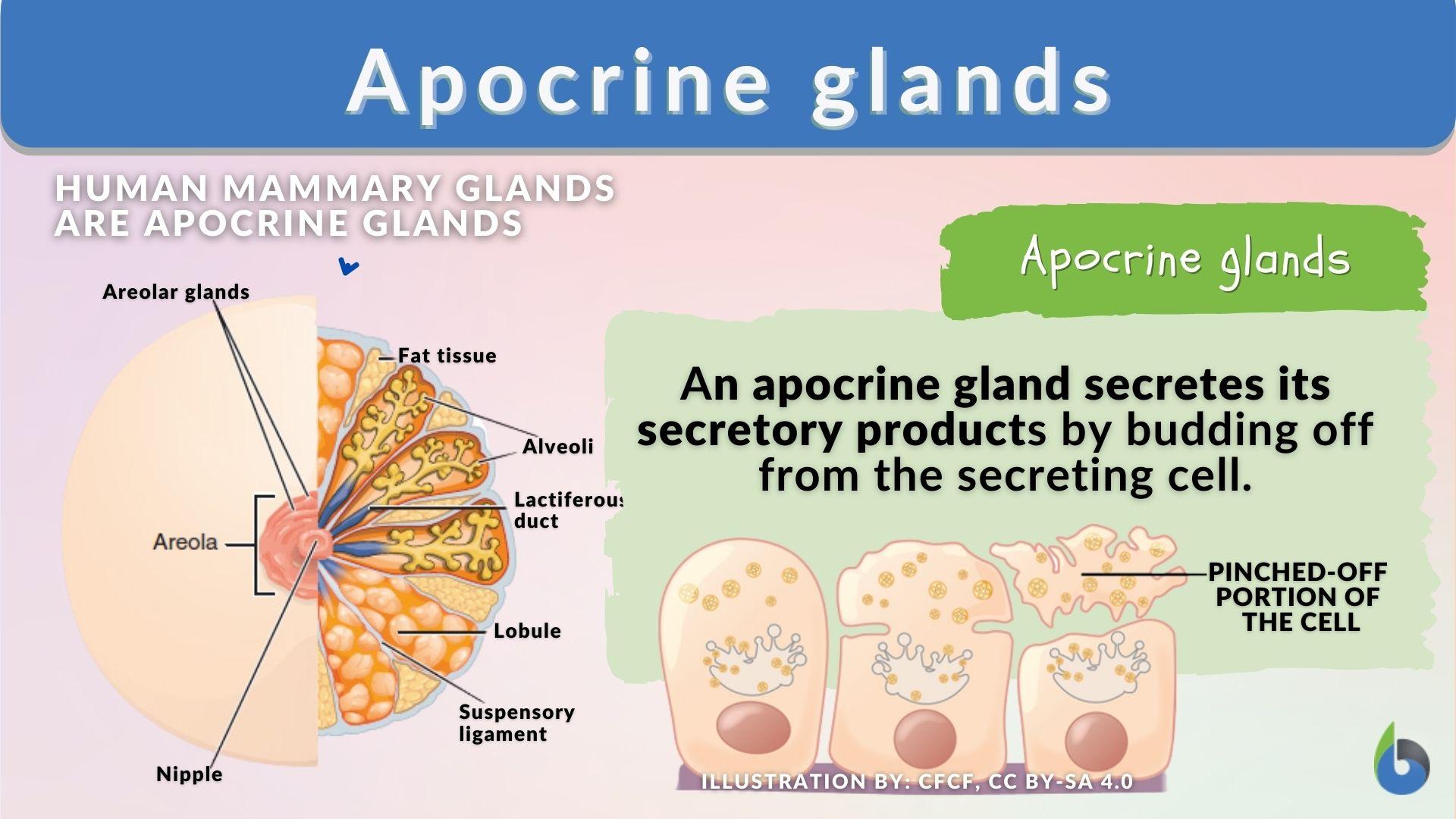
Apocrine Gland
secretes thick oily fluid into hair follicles(produces body odor and activate during stress)

Sebaceous Gland
secrete sebum (waterproofs and lubricates skin)

Long Bones
longer than they are wide

Short Bones
cube shape (provides stability and support for motion)

Irregular Bones
complex and unusual shape(protections attachment, support)
The Suffix -clast Means?
broken or to break
The Suffix -blast Means?
immature, growing, or formative
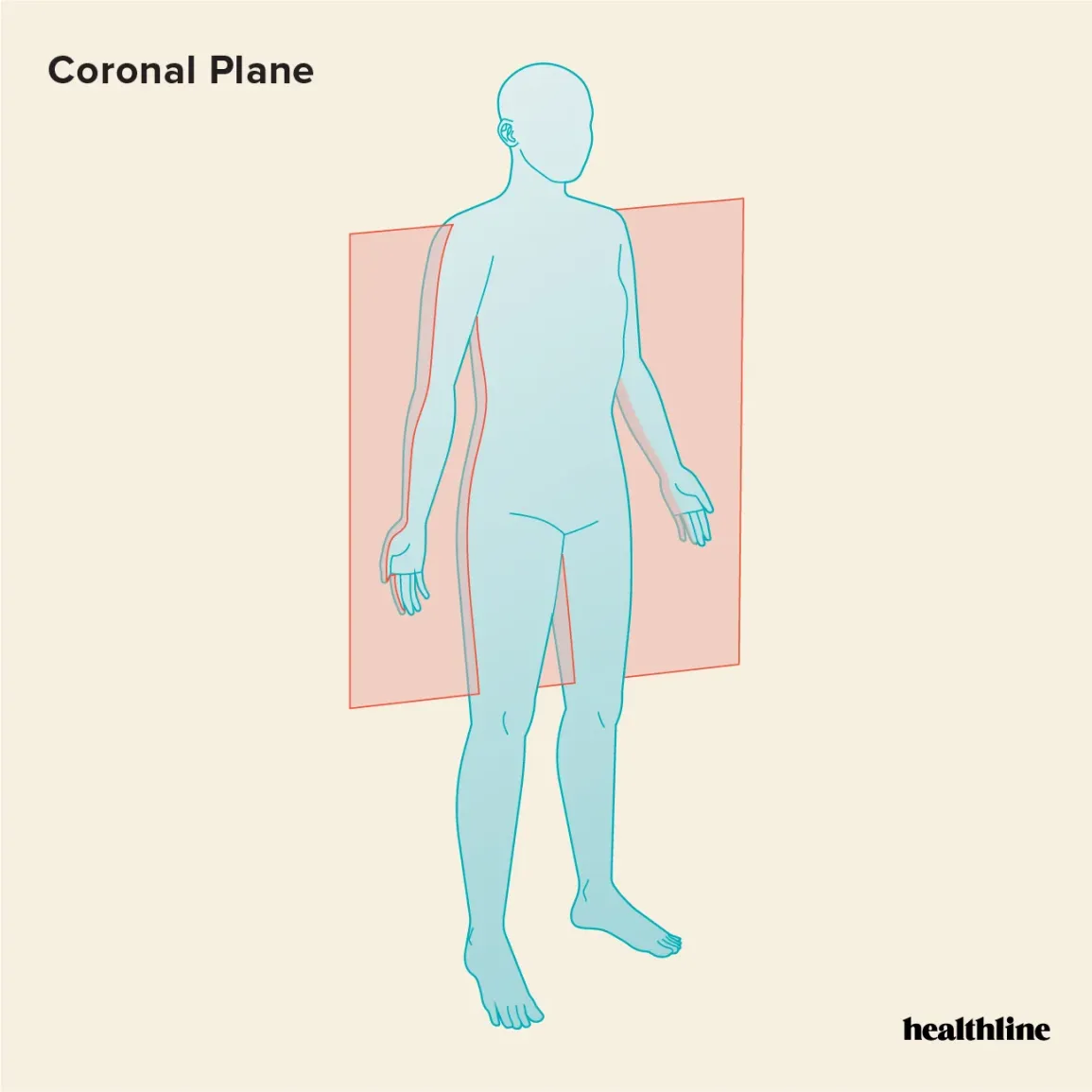
Coronal Plane
divides body into front and back

Sagittal Plane
divides body into left and right
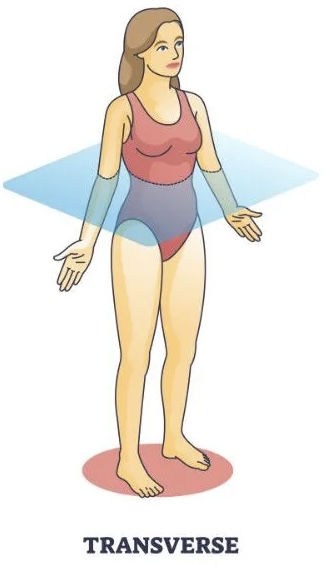
Transverse Plane
line that divides the body into upper and lower sections

Anatomical Planes
Imaginary divisions of the body

Central Nervous System(CNS)
main control center for the body (processing and homeostasis)

Peripheral Nervous System(PNS)
communication highway for movement and senses

Cerebrum
largest part of brain. controls thinking,memory,speech, and movement

Brain
the control center of body

Brainstem
connects brain to spinal cord

Cerebellum
"little brain" (movement, coordination, balance, motor learning)

Midbrain
controls visual and auditory reflexes, eye movements, motor coordination

Pons
A brain structure that relays information from the cerebellum to the rest of the brain

Medulla
the base of the brainstem; controls heartbeat and breathing

Spinal Cord
Sends signals between brain and rest of body

Meninges
three protective membrane layers (protect brain and
spinal cord)

Dura Mater
tough outer layer of the meninges

Arachnoid Mater
weblike middle layer of the three meninges

Pia Mater
thin, delicate inner membrane of the meninges
Autonomic
controls self-regulated action of internal organs and glands (involuntary)

Somatic
pertaining to the body
Unconscious Processes
Mental activities outside of conscious awareness.

Sensory
senes and how nervous system sends and receives messages from sense organs
Motor
movement

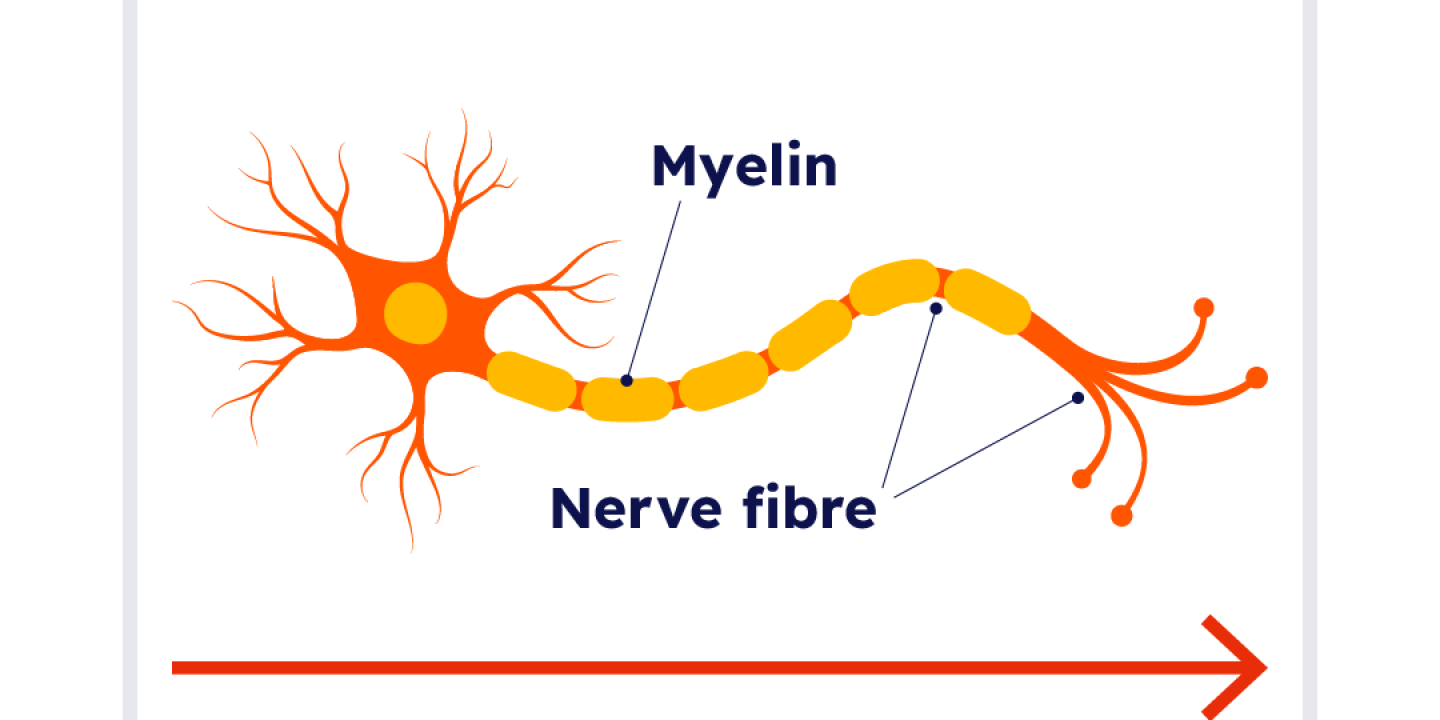
Axon
long, thin fiber that extends from a nerve cell (neuron)

Dendrites
branched extension of a neuron that receives and transmits signals to cell body
Myelin
a fatty substance that helps insulate neurons and speeds the transmission of nerve impulses

Glial Cells
cells in the nervous system that support, nourish, and protect neurons

Astrocytes(central)
form blood brain barrier

Oligodendrocytes(central)
produce myelin in CNS

Microglia(central)
immune surveillance, eliminates weak synapse, phagocytosis

Ependymal cells(central)
produce cerebrospinal fluid

Schwann Cells(peripheral)
insulate axons in PNS

Satellite Cells(peripheral)
protect neuron cell bodies
ADH is secreted from _
posterior pituitary gland

Path Of Blood Flow Through The Heart
moves oxygen-poor blood to the lungs and pumps oxygen-rich blood to the rest of the body
Steroid Hormone
fat-soluble chemical messenger synthesized from cholesterol
Non Steroid Hormone
water soluble chemical messengers made from amino acids
Antagonistic Pairs
groups of muscle that work in opposite directions
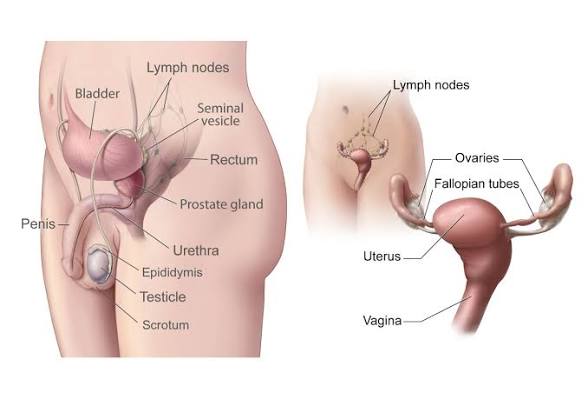
Gonads
sex glands
Adrenal Medulla
secretes epinephrine and norepinephrine
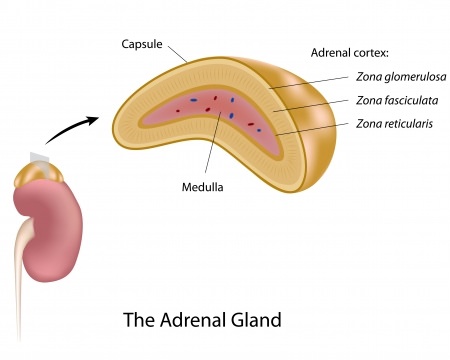
Adrenal Cortex
outer section of each adrenal gland; secretes cortisol, aldosterone, and sex hormones


Pancreas
An organs in the abdominal cavity with two roles (exo= digest. endo=release hormones)
Parathyroid
in the neck; controls the calcium levels in your body


Thyroid
secretes hormones that regulate growth, metabolism, and appetite
(back)Posterior Pituitary
stores and releases oxytocin and antidiuretic
(front)Anterior Pituitary
makes and releases hormones under regulation of the hypothalamus
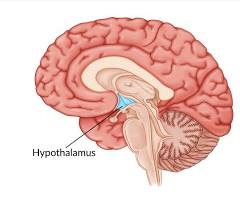
Hypothalamus
body's main control center (homeostasis,body temp, hormone release)
Peptide Hormone
made of small chains of amino acids
Protein Hormone
long chains of linked amino acids that act as messengers
Oxygenated Blood Flows Through The _Vein
Pulmonary

Osteoblasts
bone forming cells

Osteoclasts
Bone-destroying cells

Osteocytes
mature bone cells

Osteon
bone

Long Bones
longer than they are wide

Short Bones
cube shaped bones of the wrist and ankle
Flat Bones
thin, broad, and often curved. for protection


Irregular Bones
vertebrae,sacrum, facial bones
Axial Skeleton
the central core of the body (80 bones)


Skull
cranium
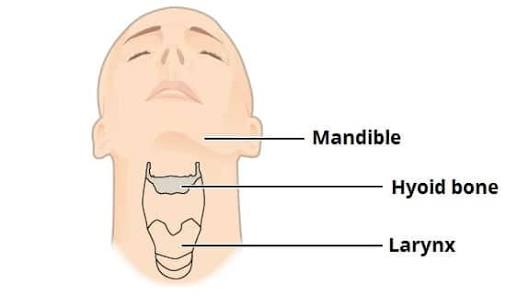
Hyoid Bone
a U-shaped bone in the neck that supports the tongue.
Auditory Ossicles
malleus (hammer), incus (anvil), stapes (stirrup) located in middle ear

Rib Cage
protects the heart and lungs

Vertebral Column
the flexible bony structure that houses the spinal cord and consists of a series of bones called vertebrae

Appendicular Skeleton
126 bones that form the upper limbs, lower limbs, and the girdles connecting them to the rest of the body

Pectoral Girdles
clavicle(collarbone) and scapula(shoulder blade)

Upper Limbs
arms

Pelvic Girdle
two hip bones and sacrum

Lower Limbs
legs

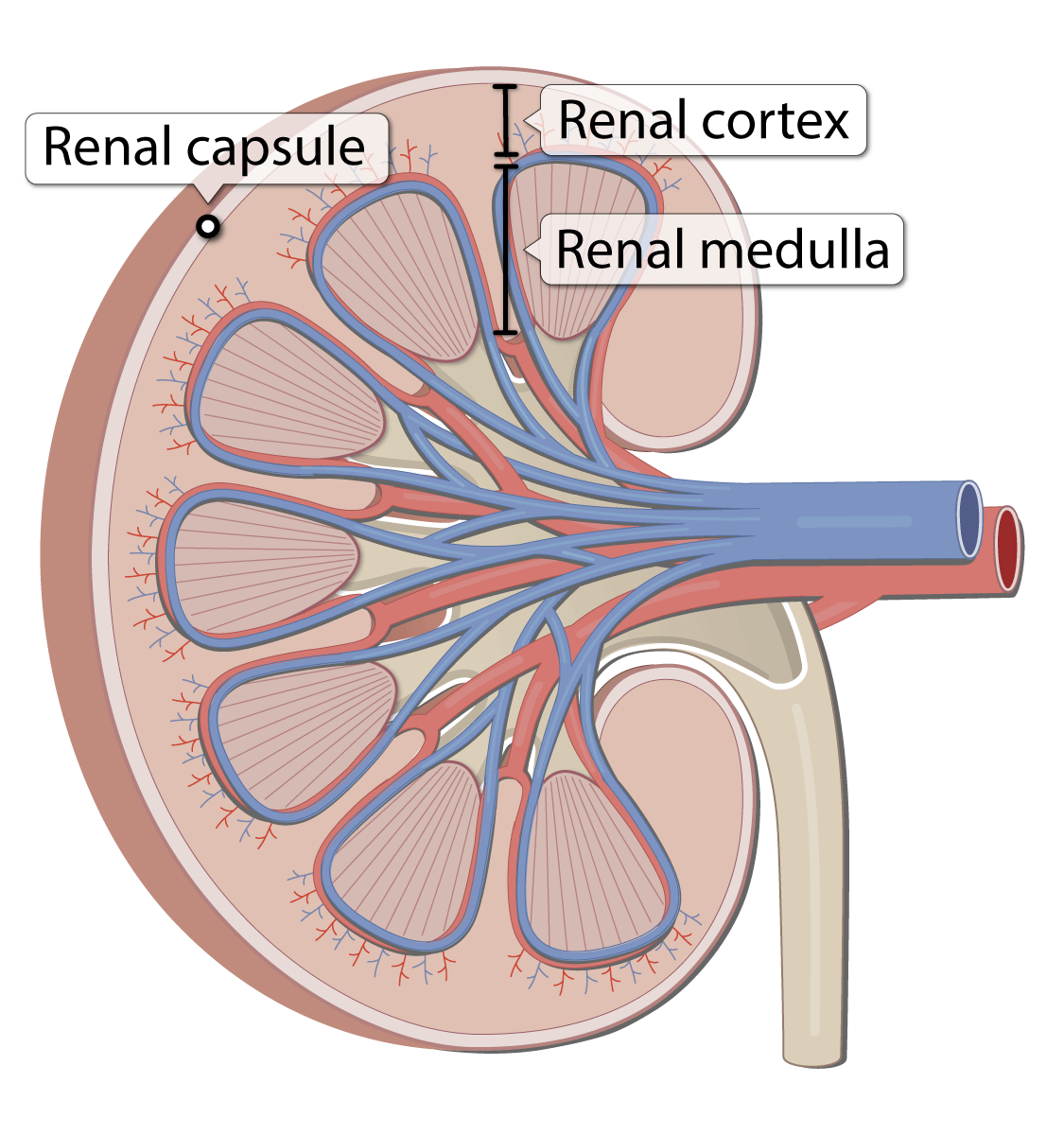
Renal Cortex
outer region of the kidney
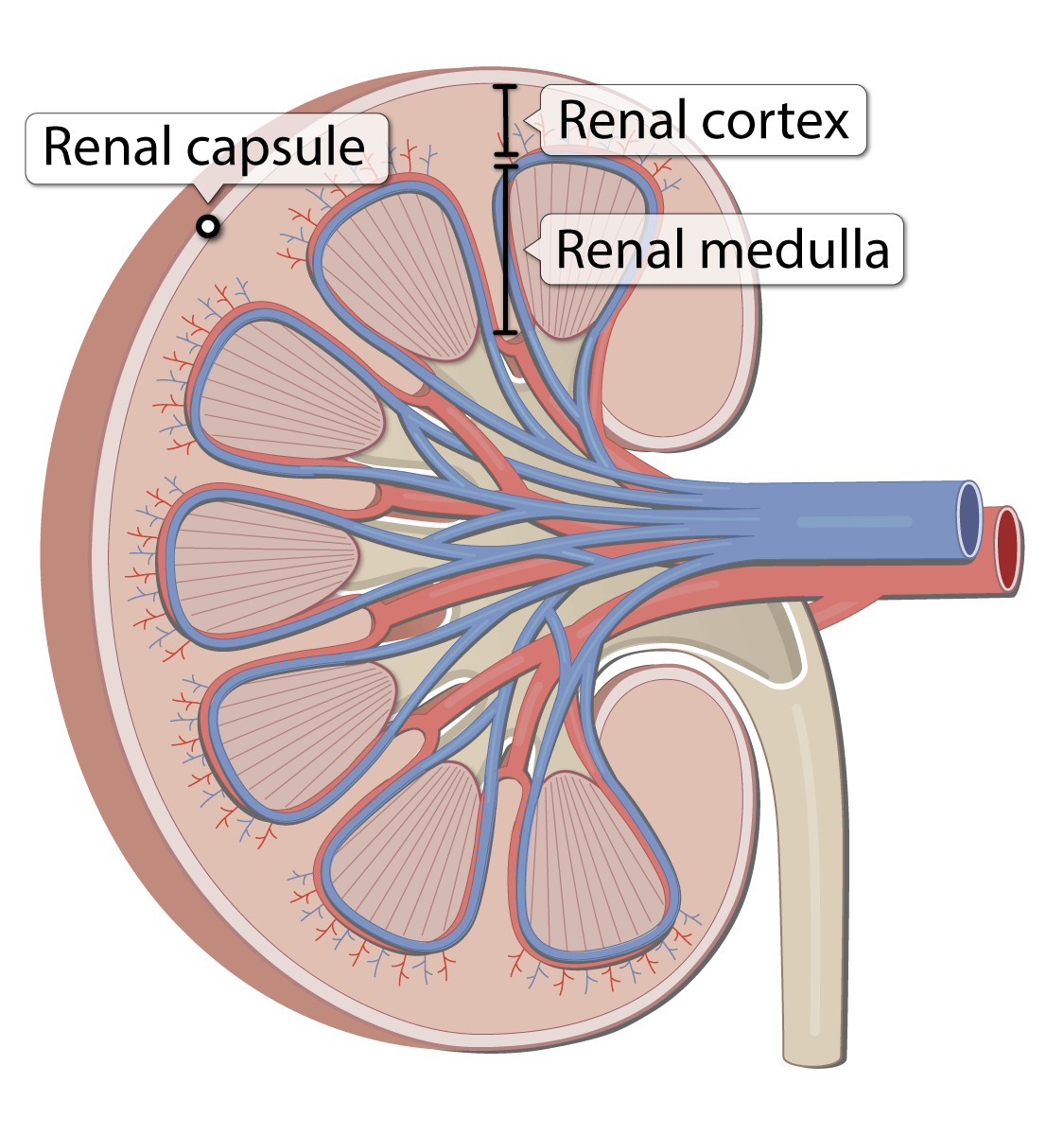
Renal Medulla
inner portion of the kidney
Renal Artery
carries blood to the kidney
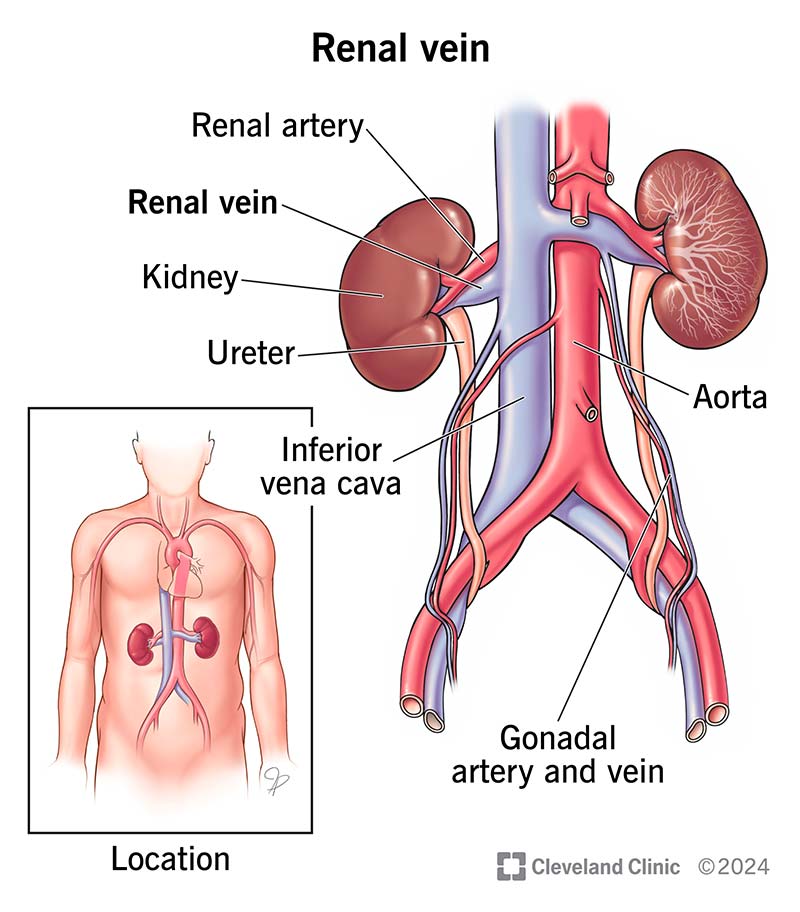
Renal Vein
blood vessel that carries blood away from the kidney and toward the heart

Excretion/Urine Production
urine is excreted from the body
Homeostasis
A tendency to maintain a balanced or constant internal state; the regulation of any aspect of body chemistry, such as blood glucose, around a particular level
Capsule
A sticky layer that surrounds the cell walls of some bacteria, protecting the cell surface and sometimes helping to glue the cell to surfaces.
Ureter
A duct leading from the kidney to the urinary bladder.

Cortical Blood Vessels
supply and drain outer layers of organs
Interlobar Blood Vessels
vessels that extend from the arcuate artery into the renal cortex
Renal Nerve
network of nerve fibers connecting kidneys to the brain, controlling blood pressure, fluid balance, and kidney filtration

Kidneys
filter blood and produce urine

Ureters
The tubes that carry urine from the kidneys to the bladder.
Bladder
stores urine


Prostate
a gland surrounding the neck of the bladder in male mammals and releasing prostatic fluid.

Urethra
tube leading from the urinary bladder to the outside of the body

Mouth And Mouth Cavity
first part of digestive tract