When a patient is placed on a long backboard, which of the following areas is secured first?
 Call Kai
 Learn
Learn Practice Test
 Spaced Repetition
 Match
Match Flashcards
 Knowt Play
 Podcast
1/465

There's no tags or description
Looks like no tags are added yet.
Name | Mastery | Learn | Test | Matching | Spaced | Call with Kai | Chat |
|---|
No analytics yet
Send a link to your students to track their progress
466 Terms
ICS roles:
Incident Commander
Triage Officer
Staging Officer
Incident Commander = command role
Triage Officer = patient care role
Staging Officer = support/logistics role
Common LOWER airway pediatric infections
Pneumonia
Bronchiolitis
RSV
RSV: classic patient
Infant or young child
Bronchiolitis
Wheezing
Increased work of breathing
Copious secretions
Renal calculi signs
KIDNEY STONES
severe flank pain
radiates to groin
restless patient
hematuria possible
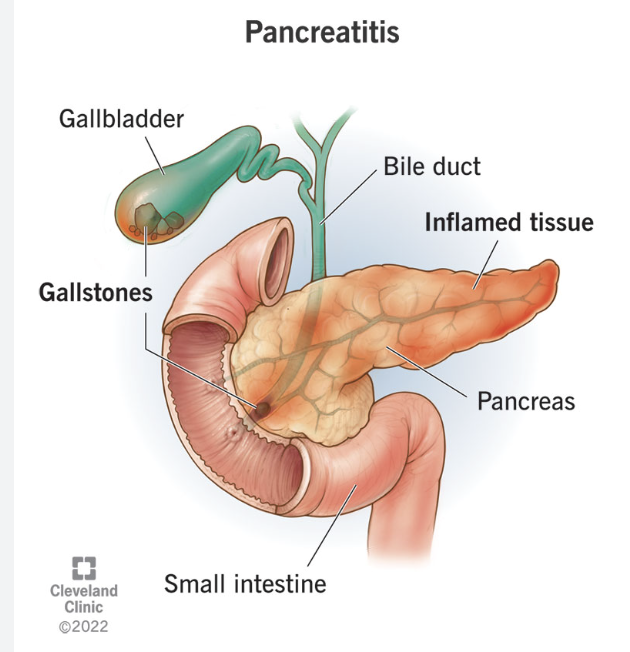
Pancreatitis signs
epigastric pain radiating to back
nausea/vomiting
worse after eating/alcohol
CPAP indications
COPD exacerbation
pulmonary edema/CHF
pneumonia with respiratory distress
compartment syndrome symptoms
tenderness
pain
numbness
Liver/gallbladder referred pain location?
Right shoulder
Diaphragm irritation can cause pain where?
Shoulders (referred pain)
Treatments for a patient with pulmonary edema from Congestive Heart Failure (CHF)?
nitro
CPAP
supplemental oxygen
Liver vs spleen referred pain
Liver → right shoulder
Spleen → left shoulder
Stable seated MVC patient needing SMR (Spinal Motion Restriction) extrication?
Short backboard/KED for vehicle extrication
Unresponsive patient with severe foreign body airway obstruction → treatment?
Start CPR/compressions
How to prevent gastric distention during bag-valve mask ventilation?
Deliver each breath slowly over 1 second with only enough volume for visible chest rise
Chemical suicide commonly releases what gases?
Hydrogen sulfide
Hydrogen cyanide
Acute myocardial infarction vs pulmonary embolism
Acute myocardial infarction:
crushing/radiating pain
diaphoresis
nausea
Pulmonary embolism:
pleuritic pain
clear lungs
hemoptysis
sudden dyspnea
Systemic vascular resistance
The resistance blood encounters as it flows through blood vessels.
Vasoconstriction ↑ SVR
Vasodilation ↓ SVR
organophosphate poisoning
Found in:
Pesticides
Nerve agents
Think: SLUDGEM + Miosis + Wheezing
organophosphate poisoning signs
Vomiting
Diaphoresis
Excessive urination
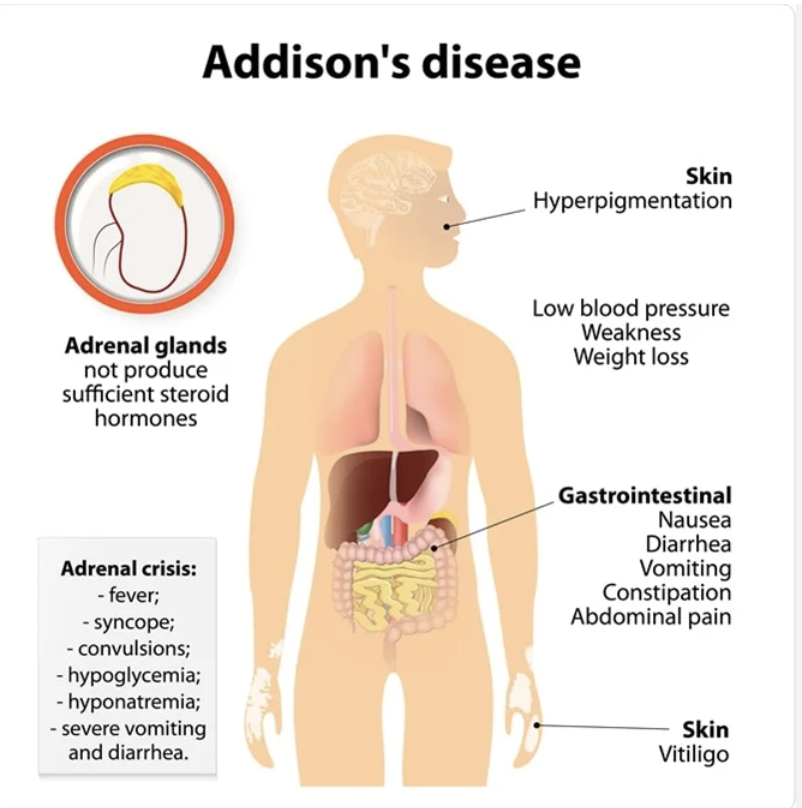
Addison's disease
Endocrine disorder in which the adrenal glands do not produce enough hormones: weakness, weight loss, low blood pressure
Thyroid storm
Endocrine emergency—extreme overactivity of the thyroid gland
fever
rapid heart rate
hypertension,
agitation
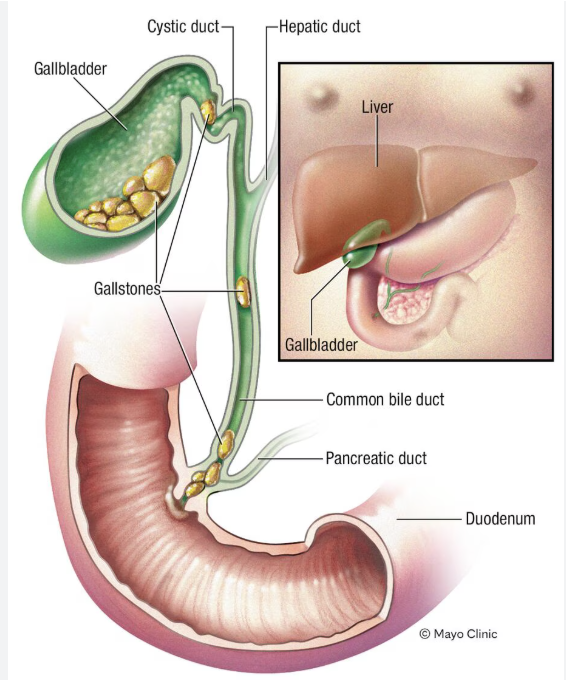
Cholelithiasis
Gallstones, which are hardened deposits that form in the gallbladder or bile ducts
EMS provider levels in order
First Responder/EMR → EMT → Advanced EMT → Paramedic
Upper GI bleed: Most common causes?
Ulcer → Erodes a blood vessel
Varices → Ruptured esophageal veins
Mallory-Weiss → Tear after forceful vomiting
Lower gastrointestinal bleed causes
hemorrhoids (Swollen veins in rectum/anus)
ulcerative colitis (Inflammation of colon lining)
diverticulosis (Small pouches in colon wall)
APGAR — Appearance scoring
0 = blue/pale all over
1 = body pink, hands/feet blue
2 = completely pink
By which route is an auto-injectable syringe of epinephrine administered?
Parental (via injection or infusion)
Amphetamine/stimulant overdose signs
hypertension
tachycardia
agitation
dilated pupils
Semi-Fowler position is used for?
Breathing difficulty/respiratory distress
Effects of positive pressure ventilation
Increases intrathoracic pressure and decreases blood return to the heart (preload)
Lower airway lung sounds
Crackles (rales), wheezing, rhonchi
Upper airway sounds
Snoring respirations and stridor
Abruptio placentae vs uterine rupture
Abruptio placentae = painful bleeding/rigid abdomen
Uterine rupture = tearing pain and contractions suddenly stop
Dirty bomb vs biological agent
Dirty bomb = radiation exposure
Biological agent = infectious disease exposure
Activated charcoal is NOT used for?
Acids, alkalis/corrosives, inhaled poisons
SLUDGEM
Used to recognize organophosphate (cholinergic) poisoning
Salivation
Lacrimation
Urination
Defecation
Gastric upset
Emesis
Miosis (pinpoint pupils)
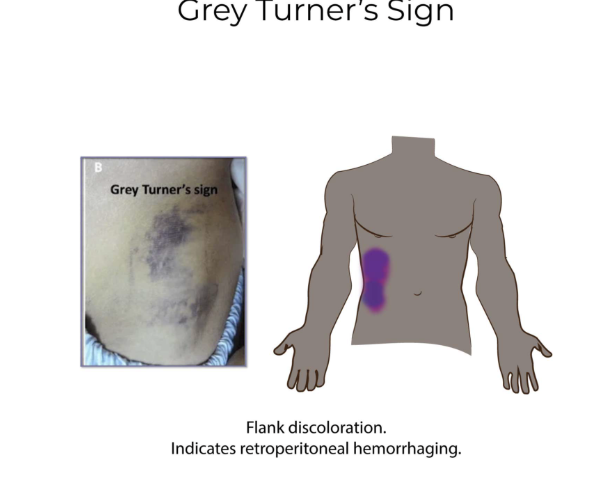
Grey-Turner sign
Bruising/flank discoloration from internal abdominal bleeding or pancreatitis
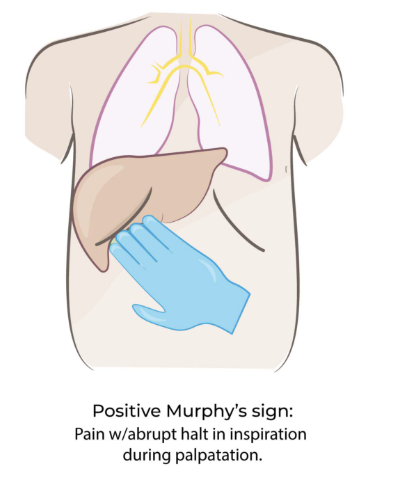
Murphy’s sign
Pain when breathing in during RUQ palpation → gallbladder inflammation (cholecystitis)
Neurogenic shock signs
Warm flushed skin, bradycardia, hypotension
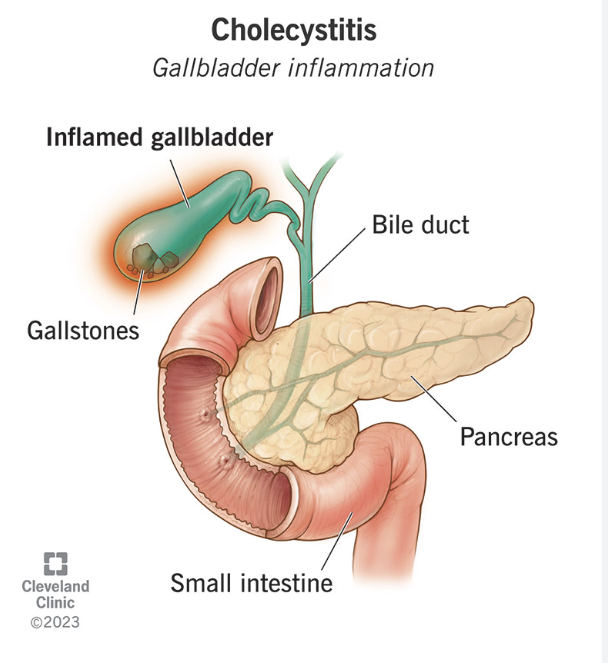
cholecystitis
Inflammation of the gallbladder, usually associated with gallstones, causing abdominal pain and potential infection.
Cholecystitis signs
Right upper quadrant pain
right shoulder pain
bloating/indigestion
pain after fatty foods
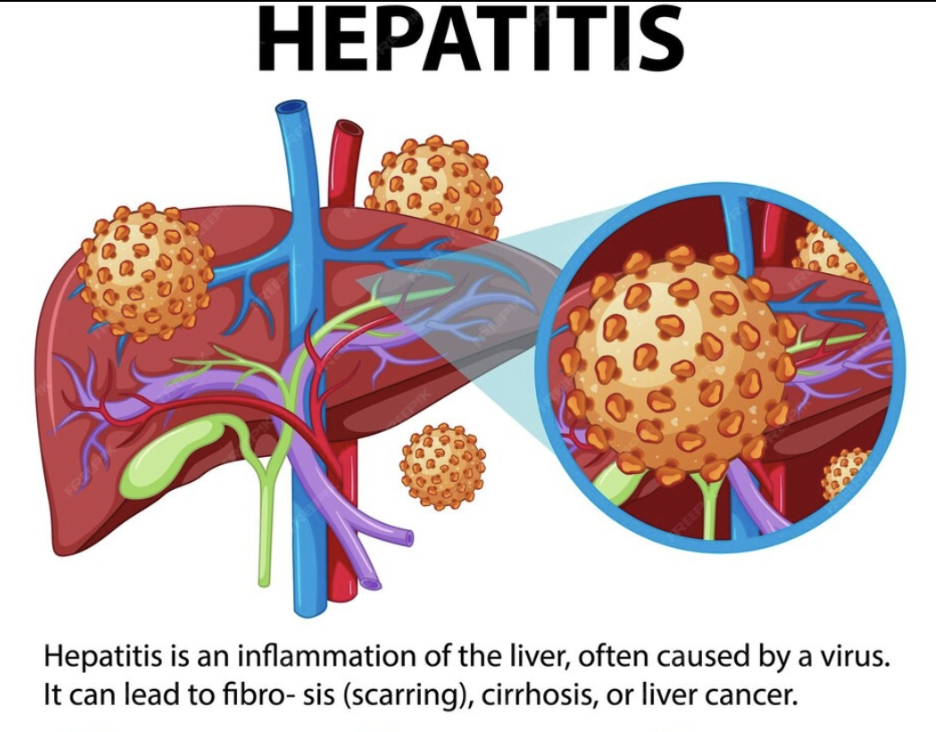
Hepatitis signs
Right upper quadrant pain, jaundice/yellow skin, fatigue, nausea, decreased appetite
Signs of increased work of breathing in pediatrics
Head bobbing, tachypnea, nasal flaring
Hypovolemic shock positioning
Supine position
A 72-year-old patient complains of right upper quadrant abdominal pain and general malaise. On examination, you observe yellowing of the skin and sclera. What is the most likely cause of these symptoms?
Hepatitis (an inflammation of the liver)
Peripheral capillary cellular exchange
O₂ leaves capillaries → enters cells
CO₂ leaves cells → enters capillaries
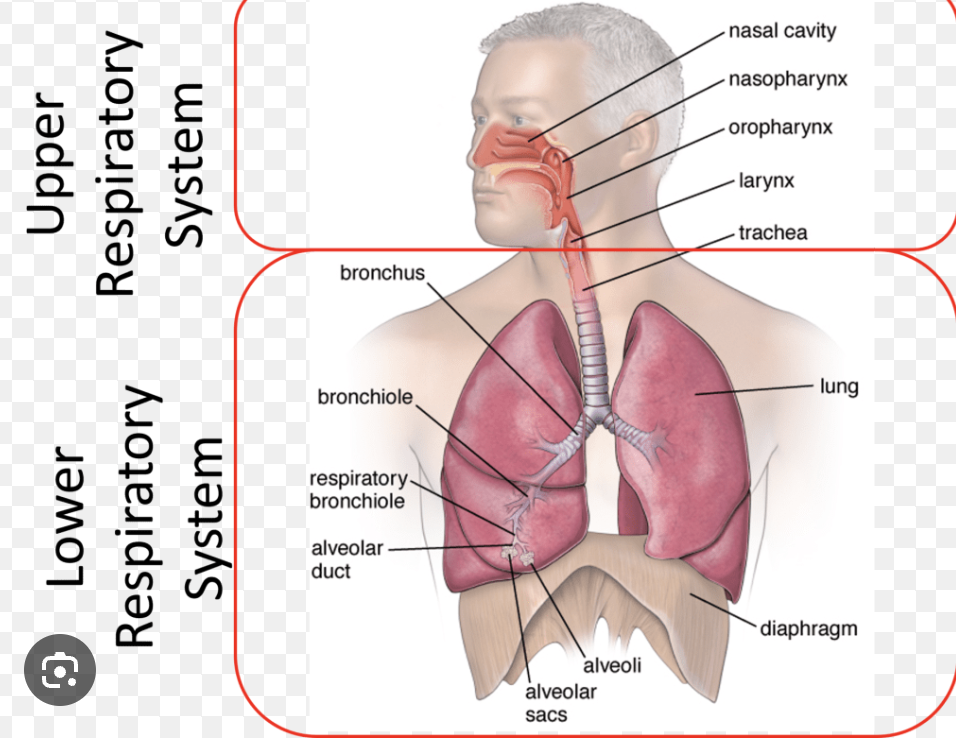
Which anatomical structure marks the end of the upper airway and the beginning of the lower airway?
Larynx
Opioids vs stimulants overdose
Opioids (fentanyl, heroin):
Pinpoint pupils
Respiratory depression
Decreased LOC
Stimulants (cocaine, meth, MDMA):
Dilated pupils
Tachycardia
Hypertension
Agitation
General impression: no pulse patient
No pulse = cardiac arrest
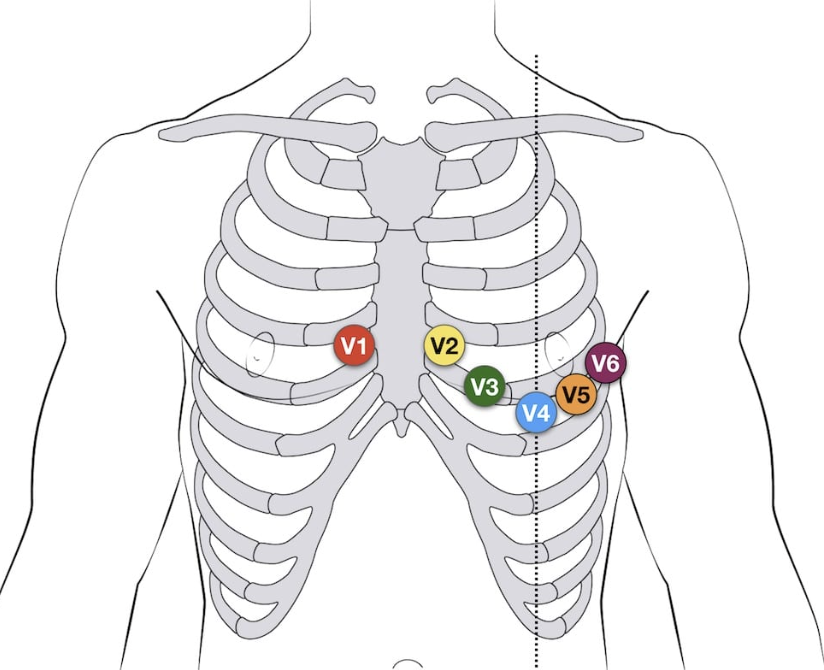
Which is the correct anatomic placement for lead V1?
fourth intercoastal space at the right sternal border
JumpSTART: Apneic child after airway repositioning but pulse present?
Give 5 rescue breaths → reassess breathing → assign category
ICS Command Staff positions
P-I-S
Public Information Officer
I Liaison Officer (Interagency liaison)
Safety Officer
ICS General Staff positions
Operations
Planning
Logistics
Finance/Administration
ICS Sections
Operations
Planning
Logistics
Finance
Operations = Do
Planning = Think
Logistics = Supply
Finance = Pay
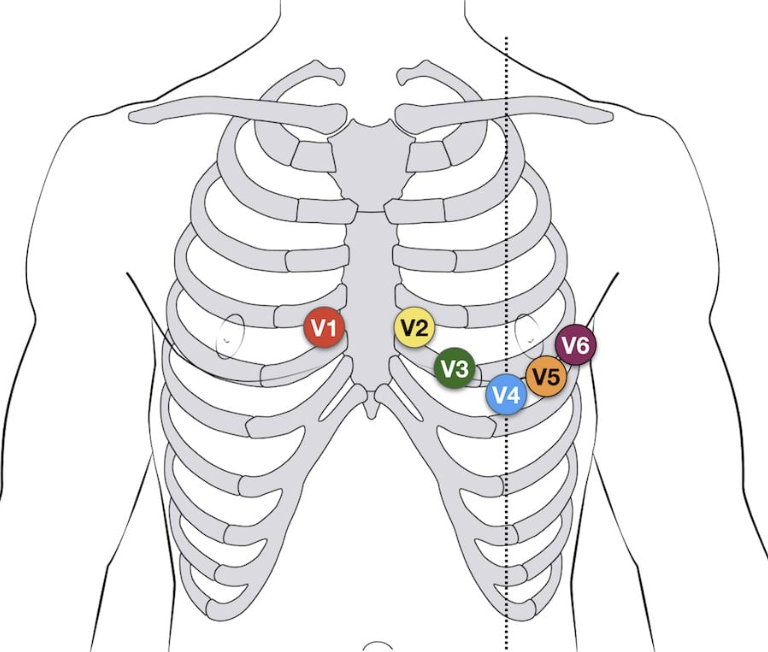
12-lead ECG chest lead placement
V1 = 4th ICS, RIGHT sternal border
V2 = 4th ICS, LEFT sternal border
V3 = between V2 and V4
V4 = 5th ICS, midclavicular line
V5 = anterior axillary line, level with V4
V6 = midaxillary line, level with V4
Vesicular breath sounds
considered normal and do not indicate any form of respiratory inadequacy, distress, or failure
Nitroglycerin action
_____
dilates ______
increases _____
decreases _____
Vasodilator
Dilates coronary arteries
Increases blood flow to heart
Decreases workload of heart
Nitro vs Albuterol vs Epinephrine vs Aspirin
Nitro = vasodilator
Albuterol = bronchodilator
Epinephrine = vasoconstrictor + bronchodilator
Aspirin = antiplatelet
Which are components of blood?
Red blood cells, white blood cells, platelets, plasma, erthrocytes
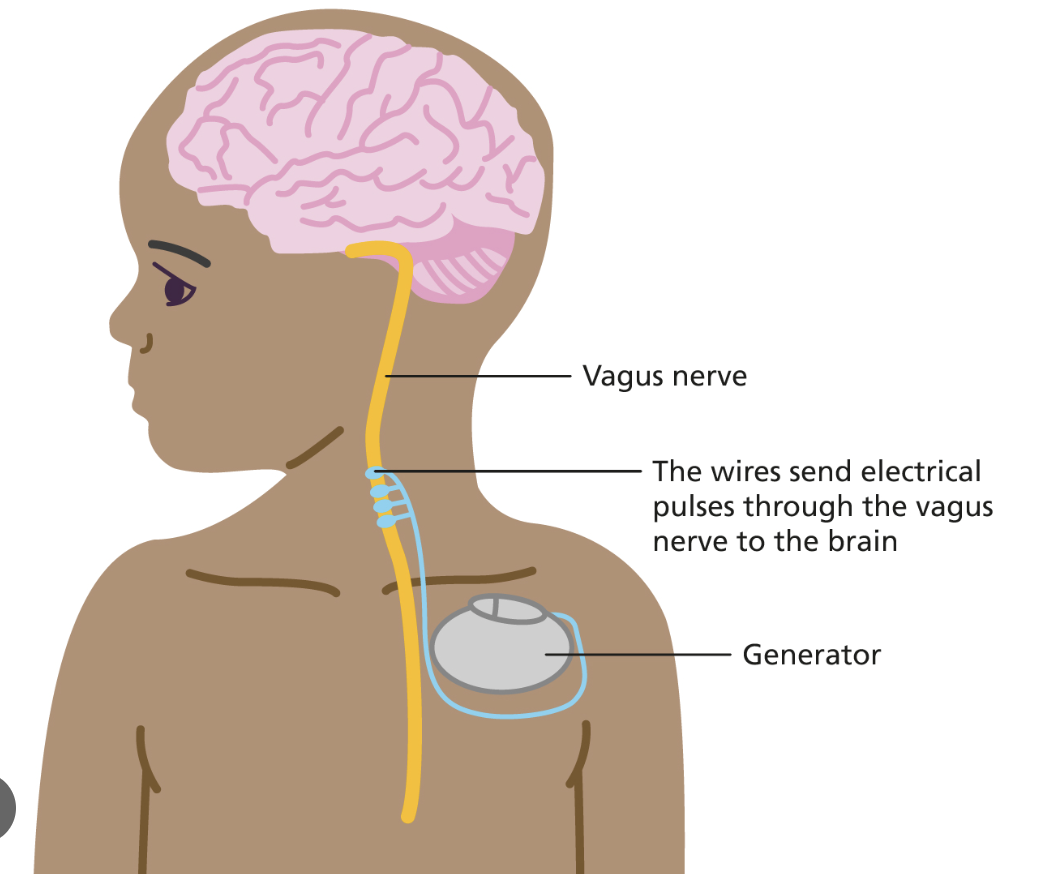
Vagus Nerve Stimulation (VNS) is to…
to break episodes of Supraventricular Tachycardia (SVT) or to stop active epileptic seizures in patients with a history of implanted devices.
Common OTC medications
Aspirin
Ibuprofen (Advil, Motrin)
Acetaminophen (Tylenol)
Diphenhydramine (Benadryl)
Sphygmomanometer sizing
(BP cuff)
1–1.5 arm circumferences
2/3 length from armpit to elbow
Abruptio placentae vs placenta previa
Abruptio placentae
= Painful bleeding
= Rigid/tender abdomen
= Severe abdominal pain
Placenta previa
= Painless bleeding
= Soft abdomen
CPAP complications
Less venous return → Hypotension
Air enters stomach → Gastric distention
Tight mask → Claustrophobia/intolerance
CHF vs COPD
CHF:
Crackles
JVD
Peripheral edema
Pink frothy sputum
Orthopnea
COPD:
Wheezing, rhonchi
Barrel chest, thin, "pink puffers”
Prolonged exhalation
Accessory muscle use
Definitive signs of a fracture
Deformity
Crepitus
False motion
Exposed bone (open fracture)
What do you reassess after every intervention?
ABCs
Chief complaint
Response to treatment
Vital signs
Which biological toxin is easily produced and can cause severe respiratory failure and pulmonary edema when inhaled?
Ricin
Derived from castor beans
Highly toxic
Can be aerosolized as a powder
Causes respiratory failure and pulmonary edema
What systolic blood pressure is needed to palpate major pulses?
Carotid pulse
Femoral pulse
Radial pulse
Femoral pulse ≈ 70 mmHg
Radial pulse ≈ 80–90 mmHg
Carotid pulse ≈ 60–70 mmHg
AMI vs Aortic Dissection?
AMI: Crushing chest pain + irregular rhythm
Aortic Dissection: Tearing chest pain → back + unequal/absent pulses
signs/symptoms of preeclampsia?
Protein in urine
swelling of the hands and feet
headaches
What findings suggest a possible cervical spine injury?
Altered mental status
Loss of movement/sensation in extremities
Neck pain, tenderness, deformity, or spasm
Abandonment vs Negligence
Abandonment
Ending care without transferring care to someone with equal or higher training.
Example: EMT leaves a patient before another provider takes over.
Negligence
Failure to provide the standard of care, causing harm.
Example: Failing to give oxygen when it is clearly indicated.
Cardiac compromise
any condition that prevents the heart from pumping blood and oxygen adequately to the rest of the body
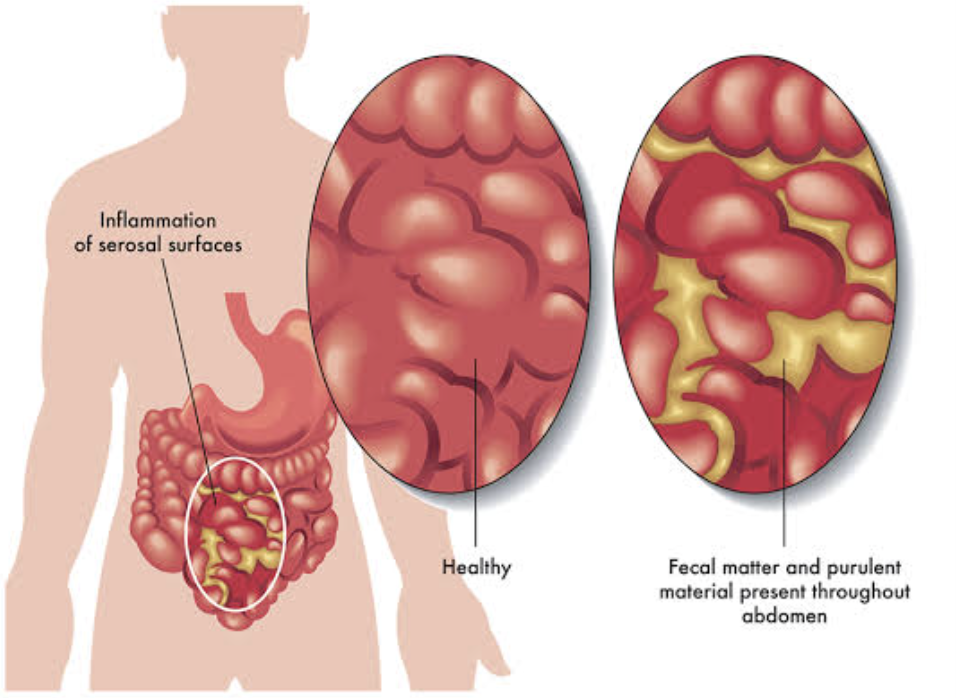
Acute peritonitis symptoms
Fever
Rebound tenderness
Rigid abdomen
Findings suggesting worsening splenic rupture/internal abdominal bleeding?
Increasing left shoulder pain (Kehr's sign)
Increasing abdominal distention
Rigid abdomen
Signs of shock (tachycardia, hypotension)
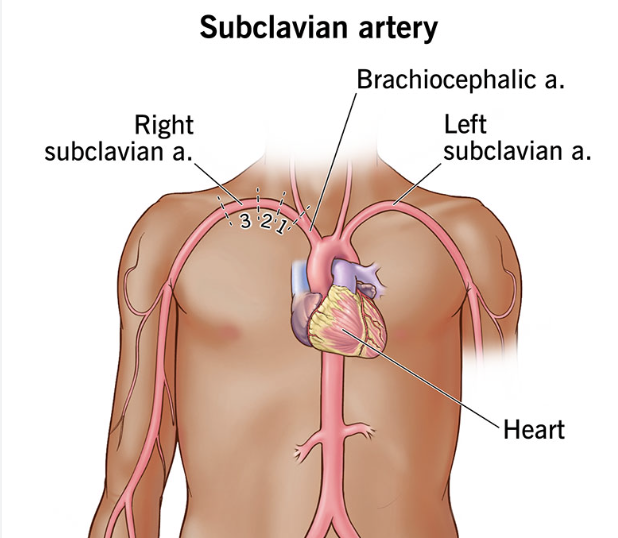
Which arteries supply the upper extremities?
Subclavian arteries
What is Crew Resource Management (CRM)?
Improves:
Team communication
Team coordination
Situational awareness
Decision-making
tuberculosis
airborn infection primarily affecting the lungs
What is urticaria?
Hives:
Raised wheals
Itchy (pruritic)
Blanching
Allergic reaction finding
tPA for ischemic stroke: strongest evidence for symptom reversal within what timeframe?
Within 3 hours of symptom onset
GHB overdose: What are the key findings?
GHB = CNS depressant
↓
Brain slows down
↓
Respiratory drive decreases
General CPAP candidate criteria?
Moderate to severe respiratory distress
SpO₂ < 90%
Able to tolerate and maintain mask
Signs of ectopic pregnancy?
Early pregnancy (1st trimester)
Vaginal bleeding
Unilateral lower abdominal pain
Signs of shock (tachycardia, hypotension, pallor)
By age 80, approximately what percentage of vital capacity remains?
~50% of a young adult's vital capacity
What does National Highway Traffic Safety Administration (NHTSA) provide for EMS?
EMS Education Standards
What is cardiac automaticity?
The ability of cardiac cells to generate electrical impulses without nervous stimulation.
Automaticity = heart beats on its own
How is a suspected hip fracture immobilized for transport?
Scoop stretcher with pillows/padding
Classic signs of preeclampsia?
• Hypertension
• Severe headache
• Blurred vision
• Proteinuria
• Edema (hands/face)
High-speed deceleration → Think?
Traumatic aortic rupture
Primary vs Secondary vs Tertiary vs Quaternary Blast Injuries
Primary = Pressure (ears, lungs)
Secondary = Shrapnel (penetrating trauma)
Tertiary = Thrown (blunt trauma)
Quaternary = Burns/toxins/crush injuries
______________________________
Primary = Pressure → Air-filled organs
Secondary = Shrapnel → Penetrating trauma
Tertiary = Thrown → Blunt trauma/fractures
Quaternary = Quite everything else → Burns, inhalation, crush
hypertensive emergency symptoms
“worst headache,”
altered mental status
Ringing in ears
epistaxis
Primary Blast Injury (pressure wave) most affected organs
Lungs
Middle ear
GI tract
What is anisocoria?
Unequal pupil size
perfusion triangle three components:
heart (pump), blood vessels (container), and blood volume (fluid).
Opioid overdose: causes Hyperventilation or Hypoventilation
Hypoventilation
Pulmonary embolism: breathing pattern
Tachypnea (hyperventilation)
Why?
Less oxygen from blocked pulmonary blood flow
↓
Patient breathes faster to compensate
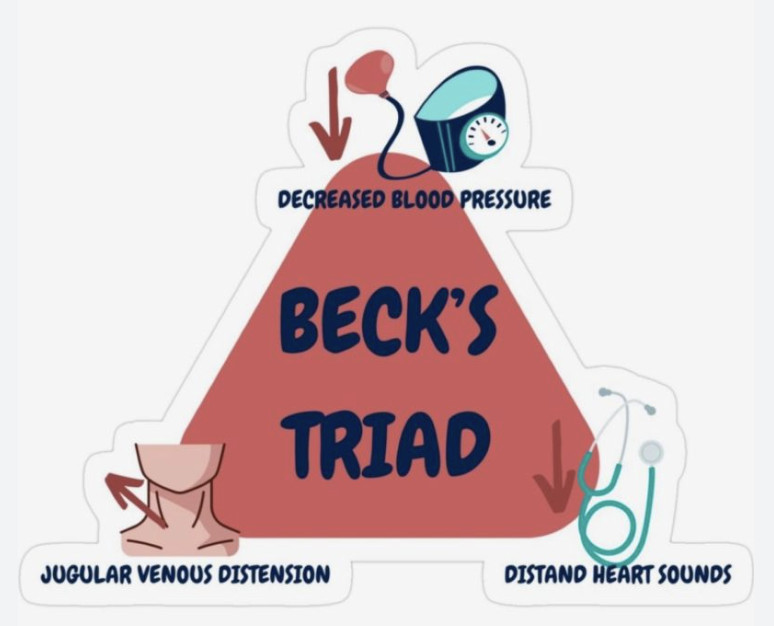
Beck’s triad
hypotension, jugular vein distension, and muffled heart sounds.
Abdominal quadrants and associated organs?
RUQ → Liver, Gallbladder, kidney, pancreas
LUQ → Spleen, liver, stomach, pancreas, kidney
RLQ → Appendix, small intenstines
LLQ → Sigmoid colon, small intestines
Intrinsic vs Extrinsic airway obstruction
Intrinsic (inside airway)
Tongue obstruction
Airway swelling (allergic reaction)
Airway swelling (infection)
Extrinsic (outside airway)
Foreign body (food)
Facial/mandible trauma