Intro Film & Media Studies Final
 Studied by 0 people
 Call Kai
 Learn
Learn Practice Test
 Spaced Repetition
 Match
Match Flashcards
 Knowt Play
1/33

There's no tags or description
Looks like no tags are added yet.
Name | Mastery | Learn | Test | Matching | Spaced |
|---|
No study sessions yet.
34 Terms
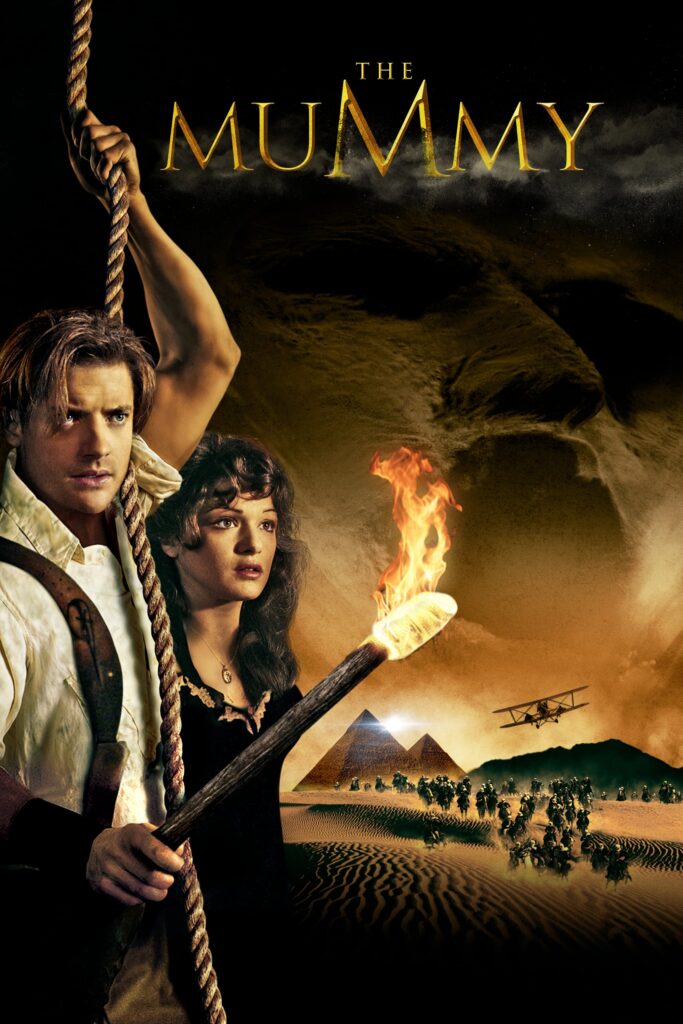
Mummy complex
Andre Bazin’s film concept describing humanity’s desire to preserve life and cheat death through images.
Tradition of quality
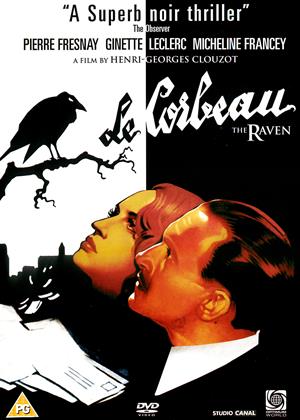
A French style of filmmaking in the 40s and 50s characterized by literary adaptations, polished production, and renowned actors.
Body genres
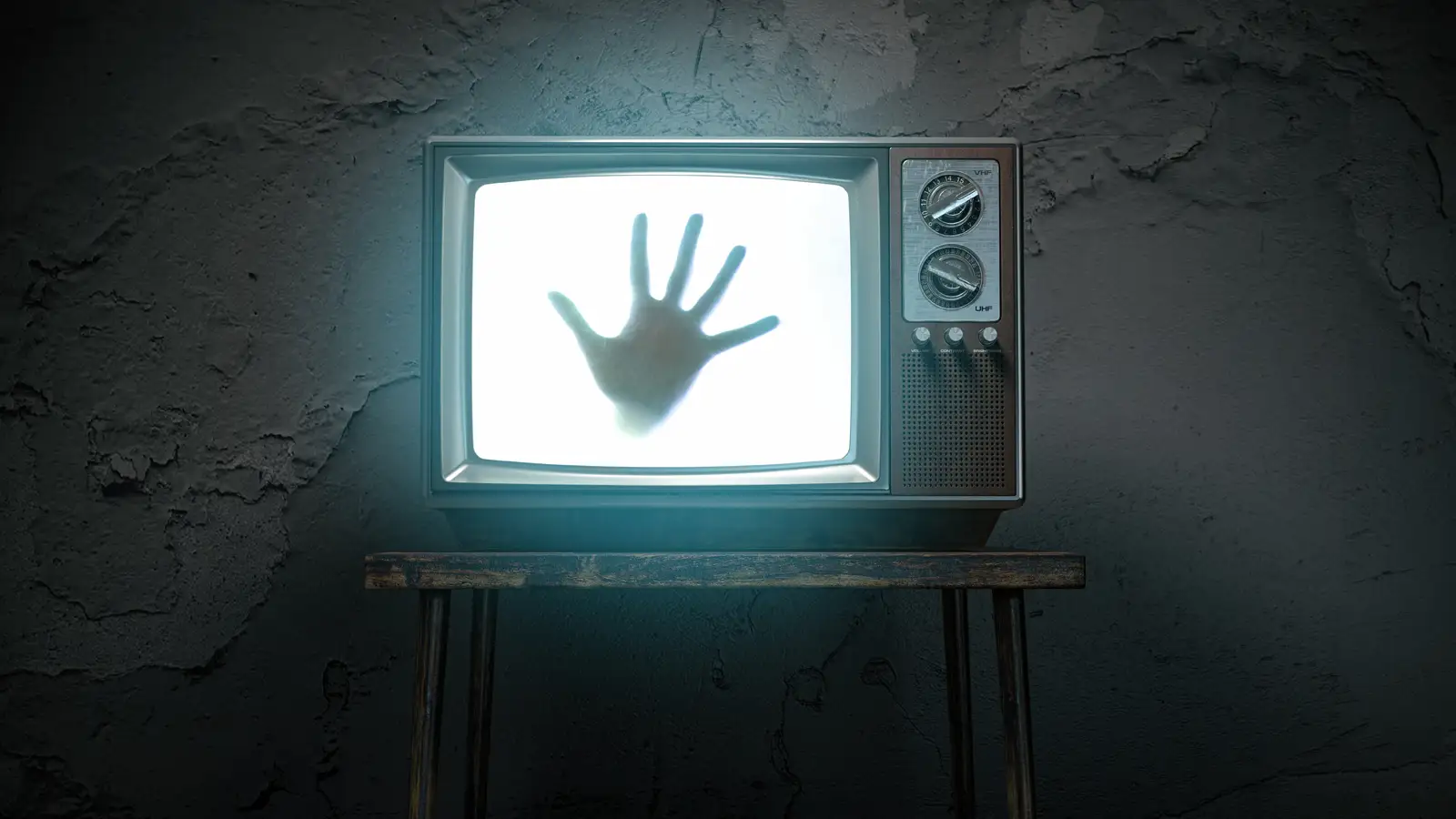
Linda William’s term to refer to genres defined by their stimulation of physical responses (arousal, fear, tears).
Iconography
Recurring visual symbols that signal a movie’s genre, themes, or cultural meaning. (e.g tumbleweed = western, flickering lights = horror)

Melodrama
A genre characterized by heightened emotions, sensational plots, and clear moral conflicts (e.g All that Heaven Allows)
New Hollywood
An American film movement from the 1960s-80s that emphasized director-driven creativity and experimentation
Indexicality
The direct, physical connection between an image and the reality it represents. It is the “show, don’t tell” way for a film director to create meaning. (e.g smoke = fire, sweat = exercise, apperance = wealth)
Male gaze
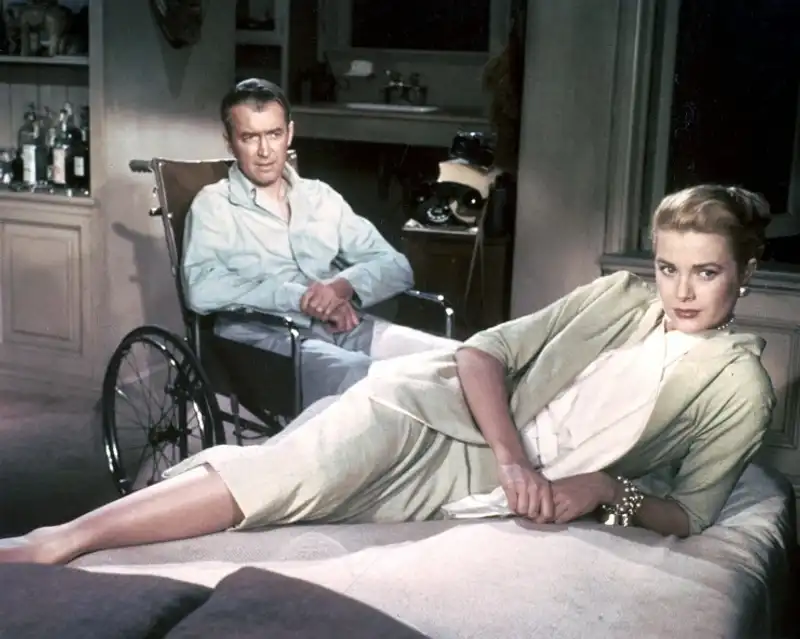
Laura Mulvey’s feminist theory that states that women are portrayed in cinema in objectifying and limited ways in order to normalize and perpetuate patriarchal society
Closure vs. Aperture
Closure offers complete narratives with resolved plots.
Aperture describes experimental films that use fragmentation, allusions, and open-endedness to challenge viewers. (Wollen’s Counter Cinema)
Closure satisfies the audience while Aperture questions them.
Revisionist stage
Films that purposefully challenge traditional narratives. They present more complex, morally ambiguous characters and critical views. This is done to make themes less black-and-white for audiences and reveal more realistic aspects of history or fiction.
Identification vs. estrangement
Identification is when viewers emotionally connect with characters.
Estrangement uses techniques to distance the audience emotionally, used in Peter Wollen’s Counter Cinema.
Identification promotes passive viewing while Estrangement aims for an active, questioning audience
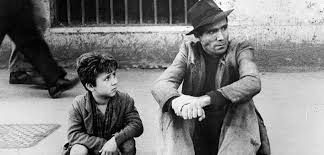
Italian neo-realism
A post-WWII film movement focused on the harsh realities of working-class Italian life using real locations and non-professional actors. It was similar to documentaries.
Myth of total cinema
Andre Bazin’s idea that cinema’s ultimate, futile goal is to create a perfect, immersive illusion of reality
Principle of “informed consent”
The ethical process where individuals understand a film’s nature and potential risks/benefits, and how their image will be used. They agree prior to filming.
Scopophilia
The pleasure derived from looking tied to voyeurism, desire, and power (Mulvey’s male gaze)
Voyeurism
A filmmaking technique where the audience is positioned as a secret observer of private moments
Narcissism
Films portraying characters with excessive self-admiration and lack of empathy. (e.g Joan Crawford from Mommie Dearest/Kuzco from the Emporer’s New Groove)
Direct cinema
A documentary style focusing on observing reality as it unfolds with minimal interference. Creates fly-on-the-wall perspective.
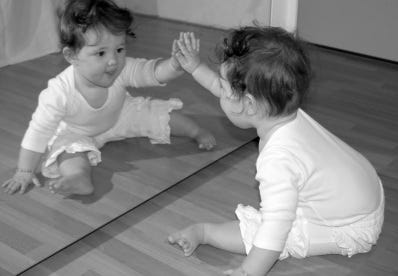
Mirror stage
Applies Lacan’s concept of infant self-recognition to the concept that audiences identify with film characters as idealized reflections of themselves
Synthetic image
A visual representation that is created using computer-generated graphics or AI
Auteur theory
asserts that the director is the primary creative force, the auteur, of a film whose distinct style shines through their work
Cinecittà Studios
Italy’s largest film studio complex established in 1937, a historic hub for production services from sets to post-production
Resolution
Refers to pixel density that determines image clarity. More pixels = sharper resolution
Compositing
The process of combining various separate visual elements into a seamless image or sequence
Animation
Creating the illusion of movement via static images composted into a rapid sequence
Fly on the wall
A filmmaking style in documentaries or reality TV where cameras capture events as they naturally unfold
The Cinema of Attractions: Author and Argument
Tom Gunning, film scholar
Don’t view early films as mere precursors to story-driven cinema. They function effectively on their own terms.
Early films loved visual thrills, novelty, and “the attraction” over complex stories
The attraction = anything that shocks or amazes the audience like performances or exhibitionism
Audiences were willing, engaged participants
Film Bodies: Gender, Genre, Excess: Author and Argument
Linda Williams, film scholar
Elements like sex, violence, and intense emotion in body genres aren’t just sensational
Systems that reveal societal anxieties on gender, sexuality, and the body
They challenge traditional film norms by stimulating intense audience responses like ecstasy, terror, or tears.
Visual Pleasure and Narrative Cinema: Author and Argument
Laura Mulvey, film theorist and feminist
Argues that classical Hollywood cinema perpetuates a patriarchal “male gaze”
Objectifies women as passive spectacles for the active, male viewer
Pleasure comes from Scopophilia and mirror stage with male protagonist
Cinema should break these ingrained patterns
The Ontology of the Photographic Image: Author and Argument
Andre Bazin, film theorist and critic
Humans have an innate desire to cheat death and preserve life that is fulfilled by art, especially photography
Photography is a reproduction of reality, giving it more credibility than paintings (subjective)
Photos share the “being” of the model
Painting no longer had to be realistic, it could be creative
Cinema is an extended photography
The Myth of Total Cinema: Author and Argument
Andre Bazin, film theorist and critic
“Total Cinema” is the ultimate, futile desire of cinema to create a perfect, immersive illusion of reality
This desire existed before cinema was invented, pushing its creation
Technological advancements, like sound and color, brought us closer
The essence of cinema lies in its ability to preserve traces of reality
The Evolution of the Language of Cinema: Author and Argument
Andre Bazin
Image vs Montage (Physical or post-production manipulation of reality)
Image and realism is better, like Italian neorealism
The Art Cinema as a Mode of Film Practice: Author and Argument
D Bordwell
Society can usefully consider the "art cinema" as a distinct mode of film practice, possessing a definite historical existence, a set of formal conventions, and implicit viewing procedures.
The Language of New Media: Author and Argument
Lev Manovich, digital culture theorist
All new media is code/data, making it mathematically describable and algorithmically manipulable
Users no longer have to manually manipulate media, algorithms can
A single media object can exist in many versions like websites
New media’s human-readable layer is liked to its computer-readable layer, allowing for transformation between them