Pipetting
 Call Kai
 Learn
Learn Practice Test
 Spaced Repetition
 Match
Match Flashcards
 Knowt Play
1/19

There's no tags or description
Looks like no tags are added yet.
Name | Mastery | Learn | Test | Matching | Spaced | Call with Kai | Chat |
|---|
No analytics yet
Send a link to your students to track their progress
20 Terms
Adjustment
Adjustment means altering the pipette settings so that the dispensed volume is within the specifications, dispensing the desired volume.
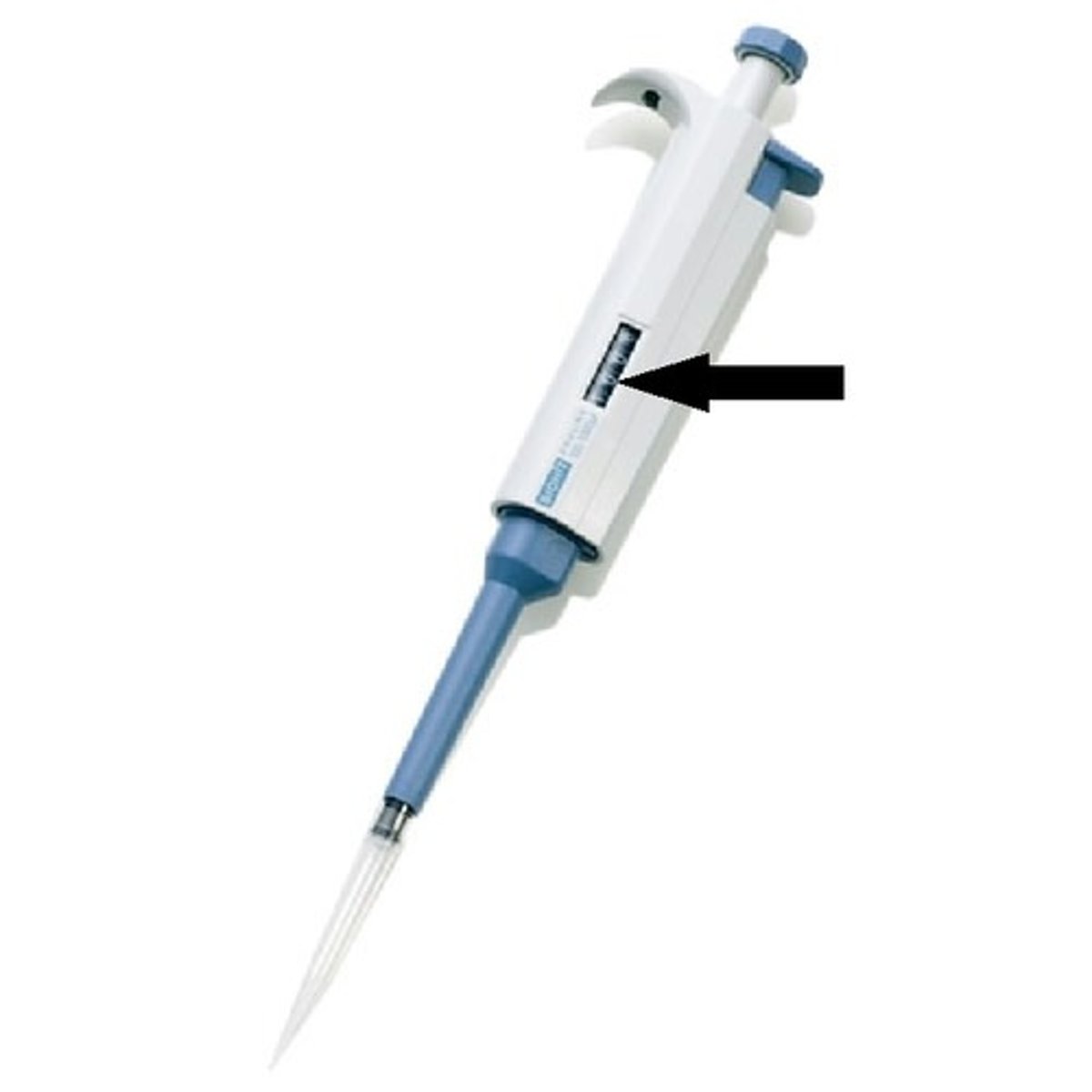
Aspirate
To draw liquid up into the pipette tip
Blow-out
To empty the tip completely
Calibration check
Checking the difference between the dispensed volume and the selected volume
Dispense
To deliver the sample
Ejector
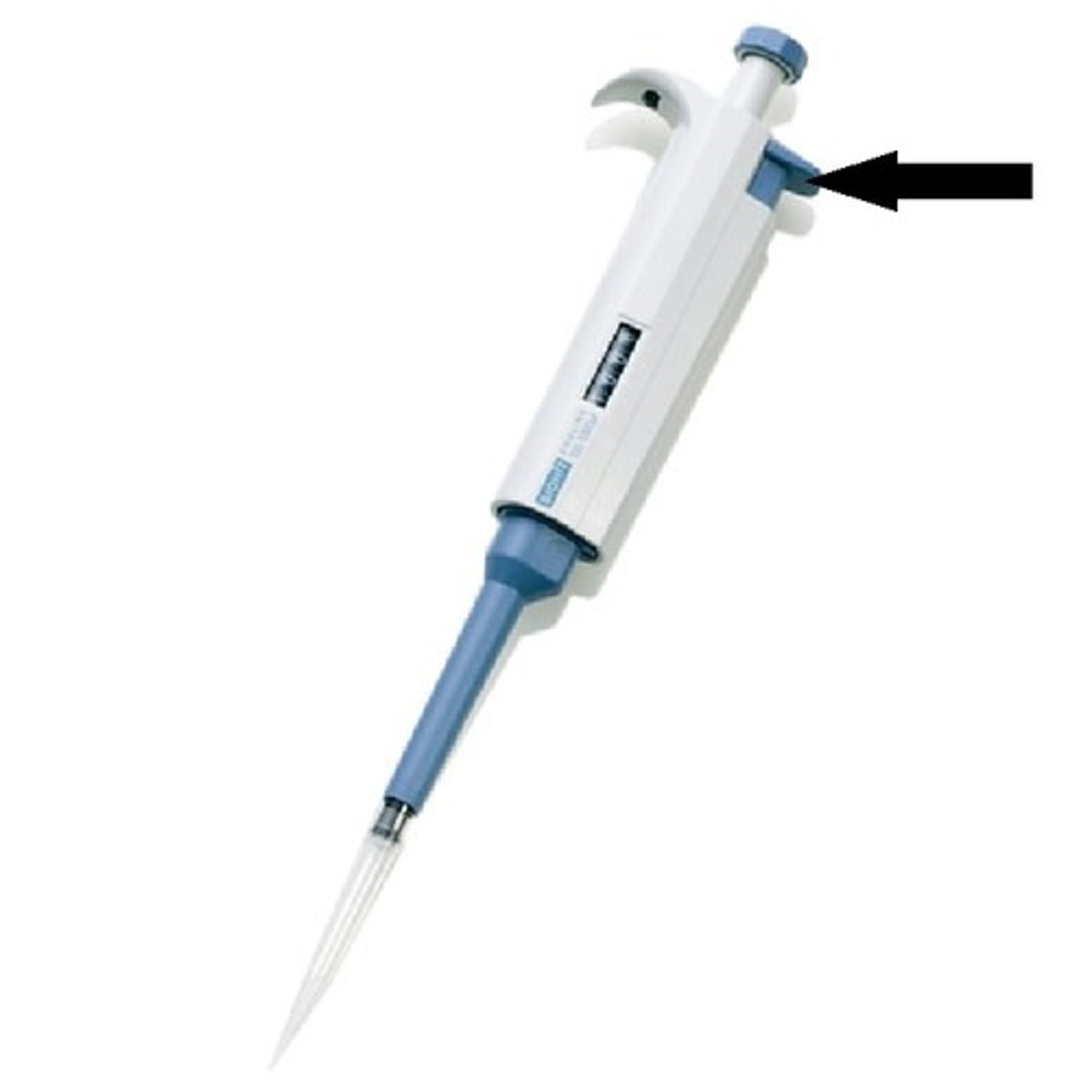
The tip ejector releases the pipette tip.
Plunger
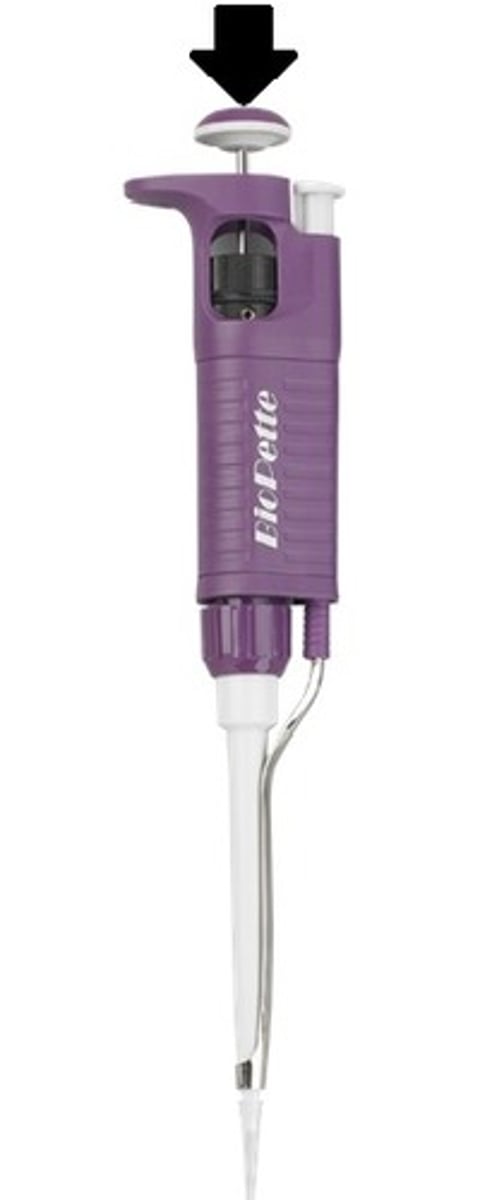
Plunger is depressed and raised to create partial vacuum and draw or dispense liquid.
Precise
Precision refers to the repeatability of the pipettings. It is expressed as standard deviation (s).
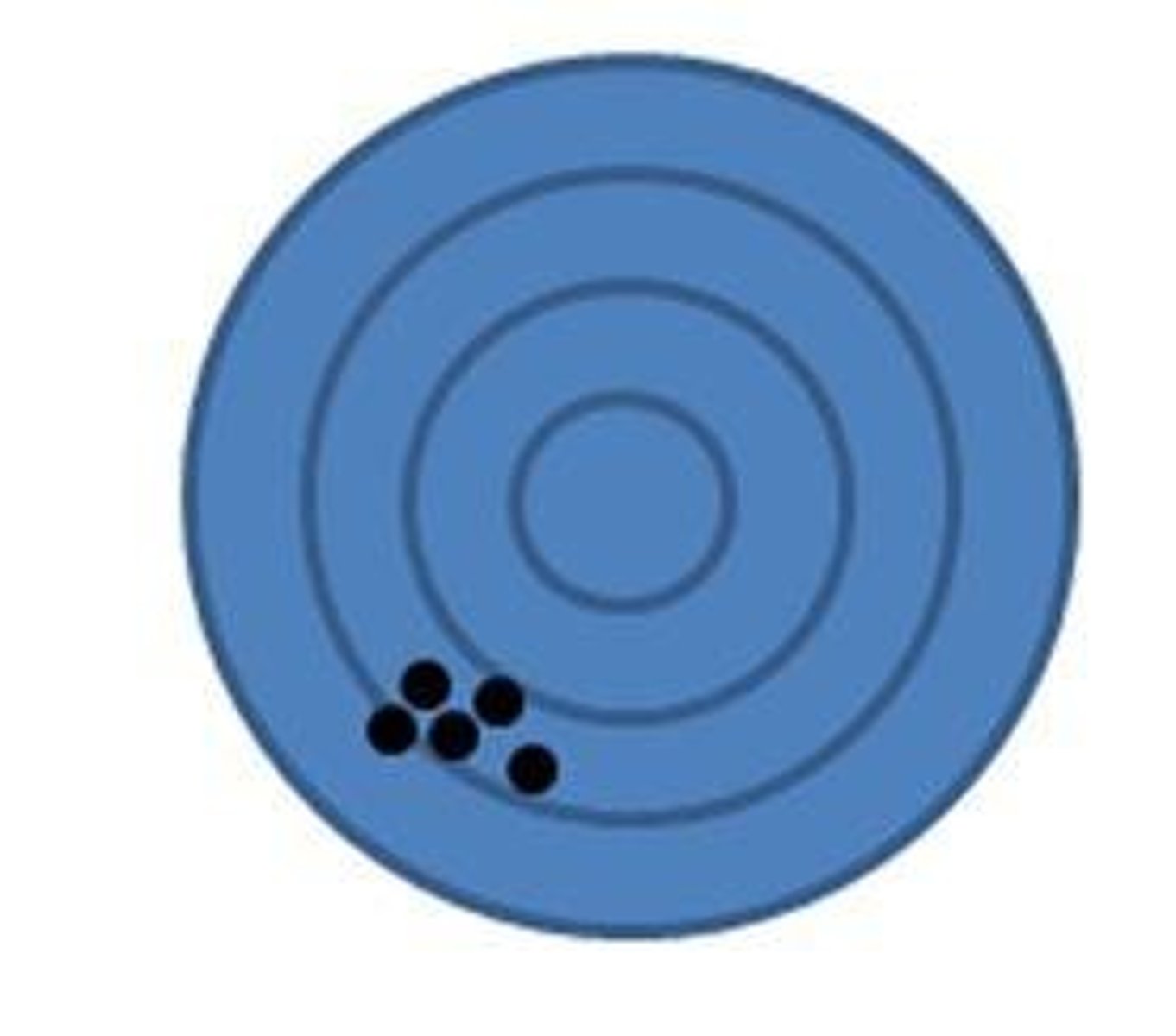
Calibration
Determining the difference between the dispensed volume and the selected volume.
P20, P200, P1000
The classes of pipettes. The numbers refer to the maximum volume (in microliters) that can be pipetted by that instrument.
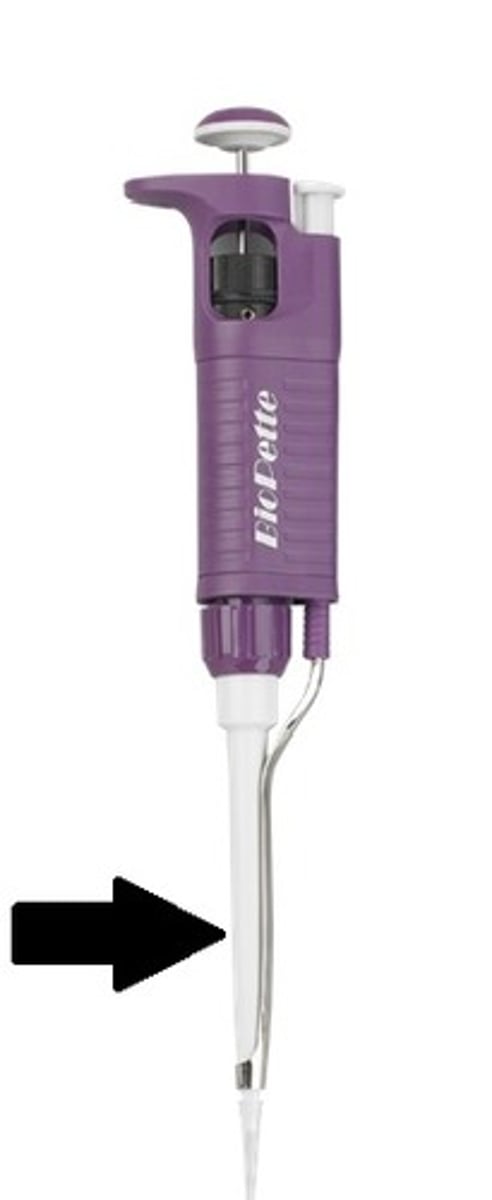
Shaft
Attachment point for a disposable tip.
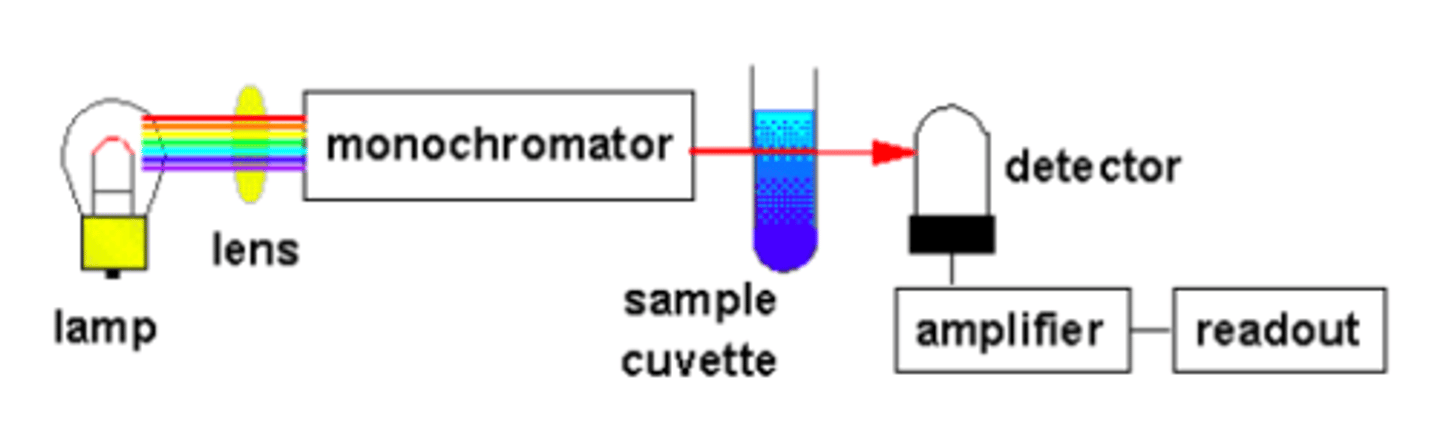
Spectrophotometer
The spectrophotometer is an instrument which measures the amount of light of a specificed wavelength which passes through a medium. According to Beer's law, the amount of light absorbed by a medium is proportional to the concentration of the absorbing material or solute present.
Optical density (OD)
Optical density is a measure of the amount of light that can travel through a medium. For example, increased optical density relates directly to increased concentration.
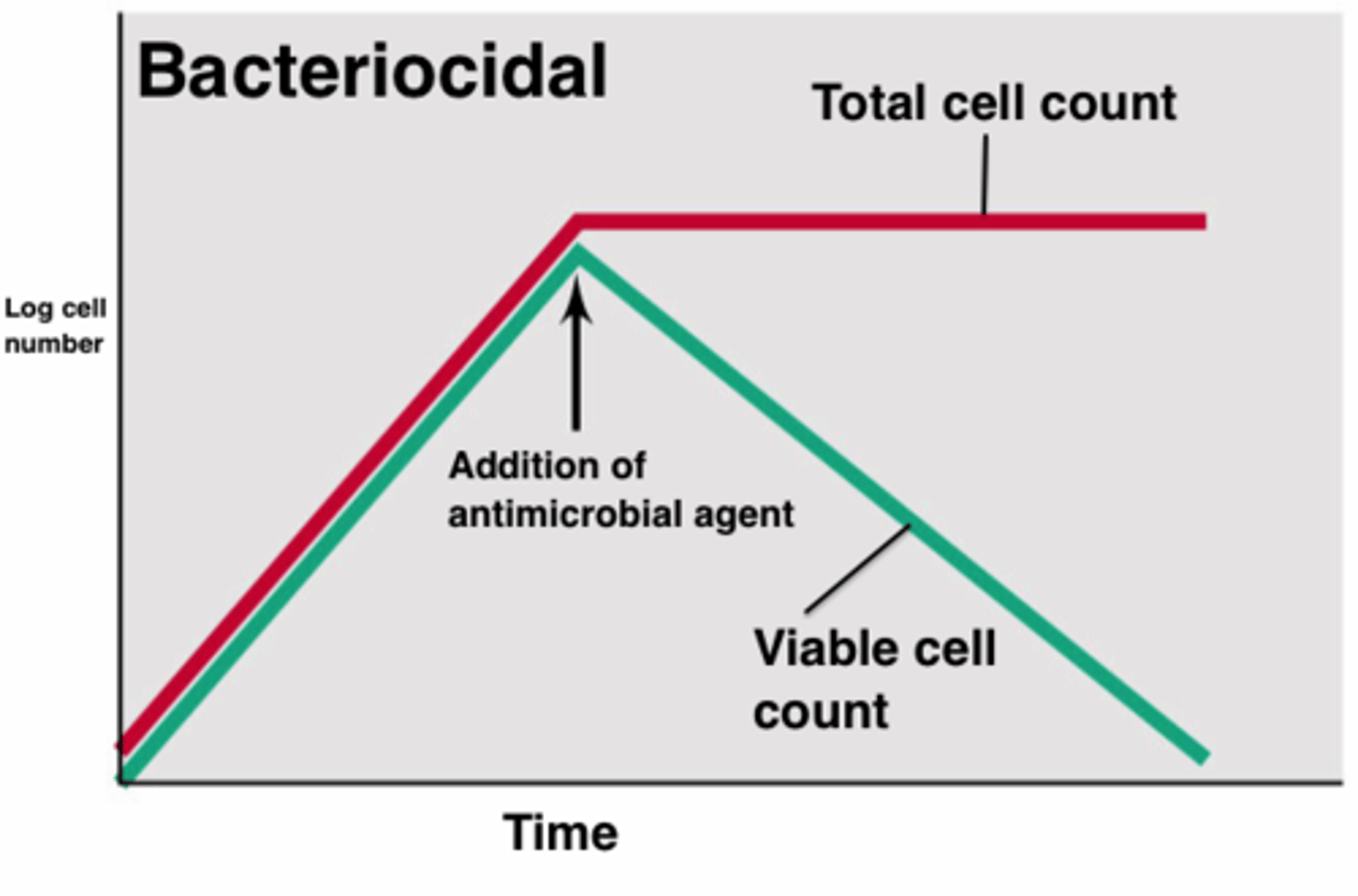
Minimum volume
Minimum volume = 10% of the max volume of pipette (microliters, uL).
Ex: P200 minimum volume = (10%)(200) = 20uL
Maximum volume
Maximum volume = number listed on the pipette (microliters, uL).
Ex: P200 maximum volume = 200uL
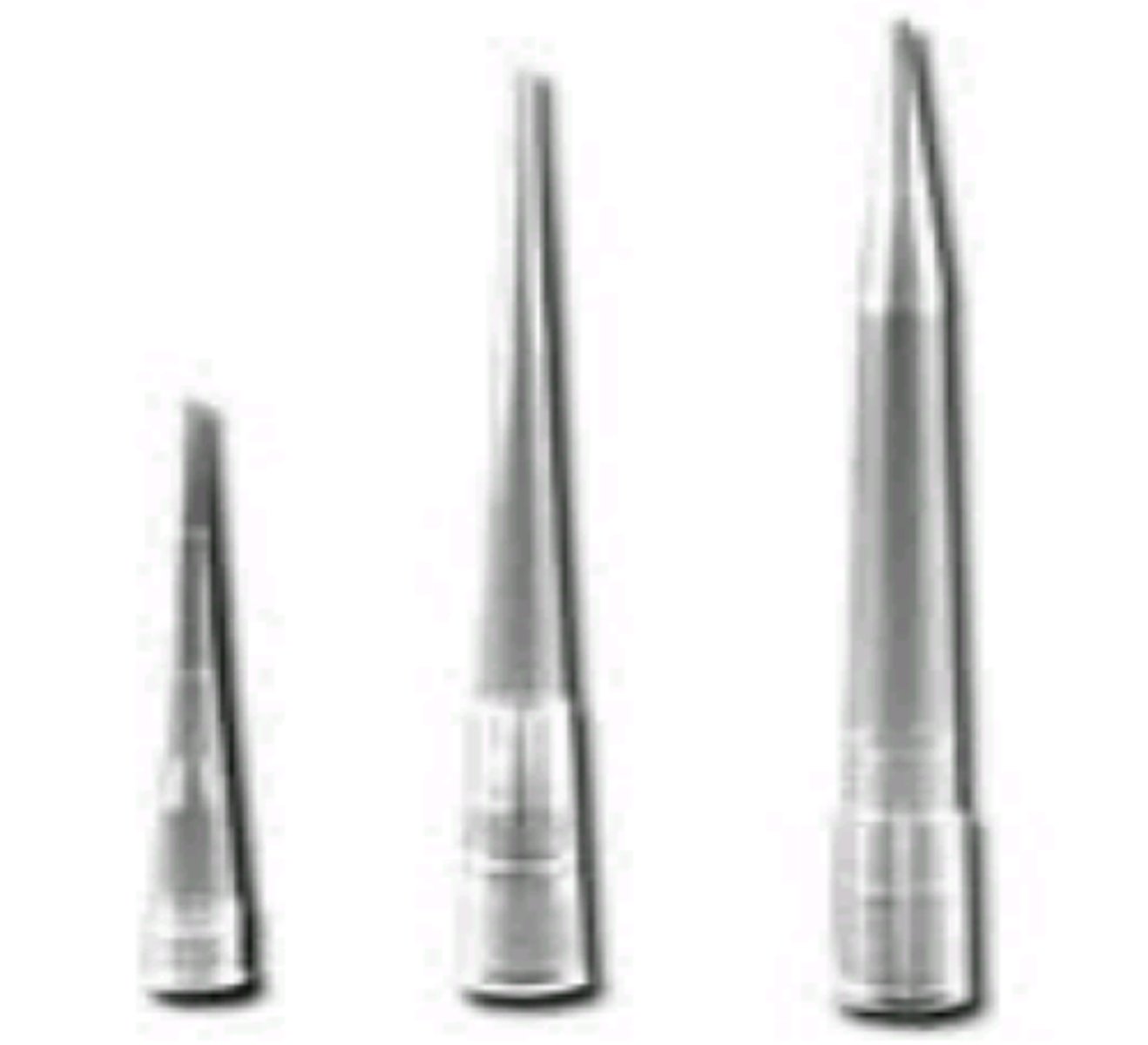
Pipette tip
The tip is where the liquid is drawn up. The color of the pipette plunger (blue or yellow) corresponds to the tip size to use (blue or yellow box). NEVER use your pipette without a tip.
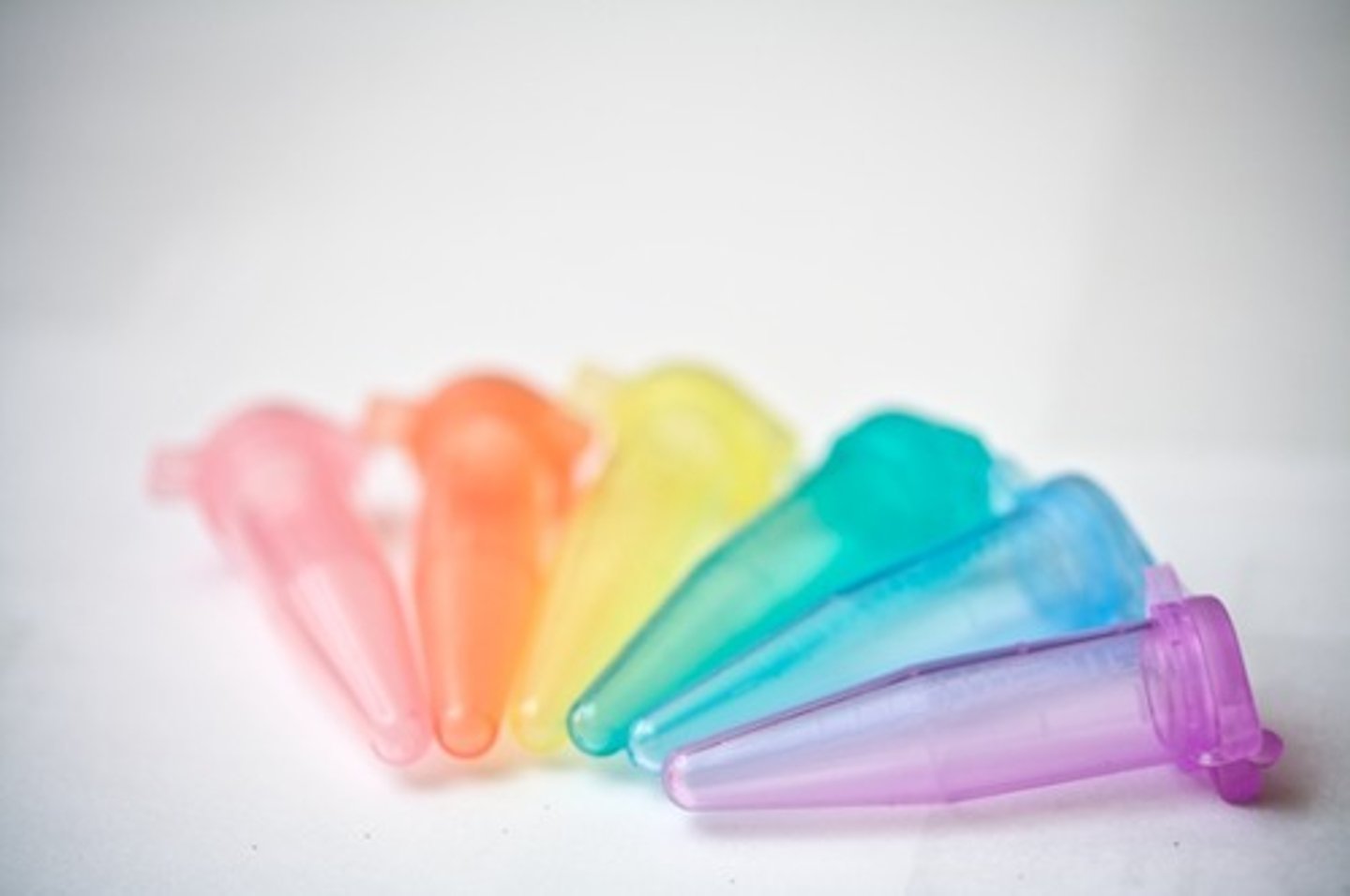
Eppendorf tube
Tapered plastic vessel with cap, holds 1-2mL. Usually calibrates on the side
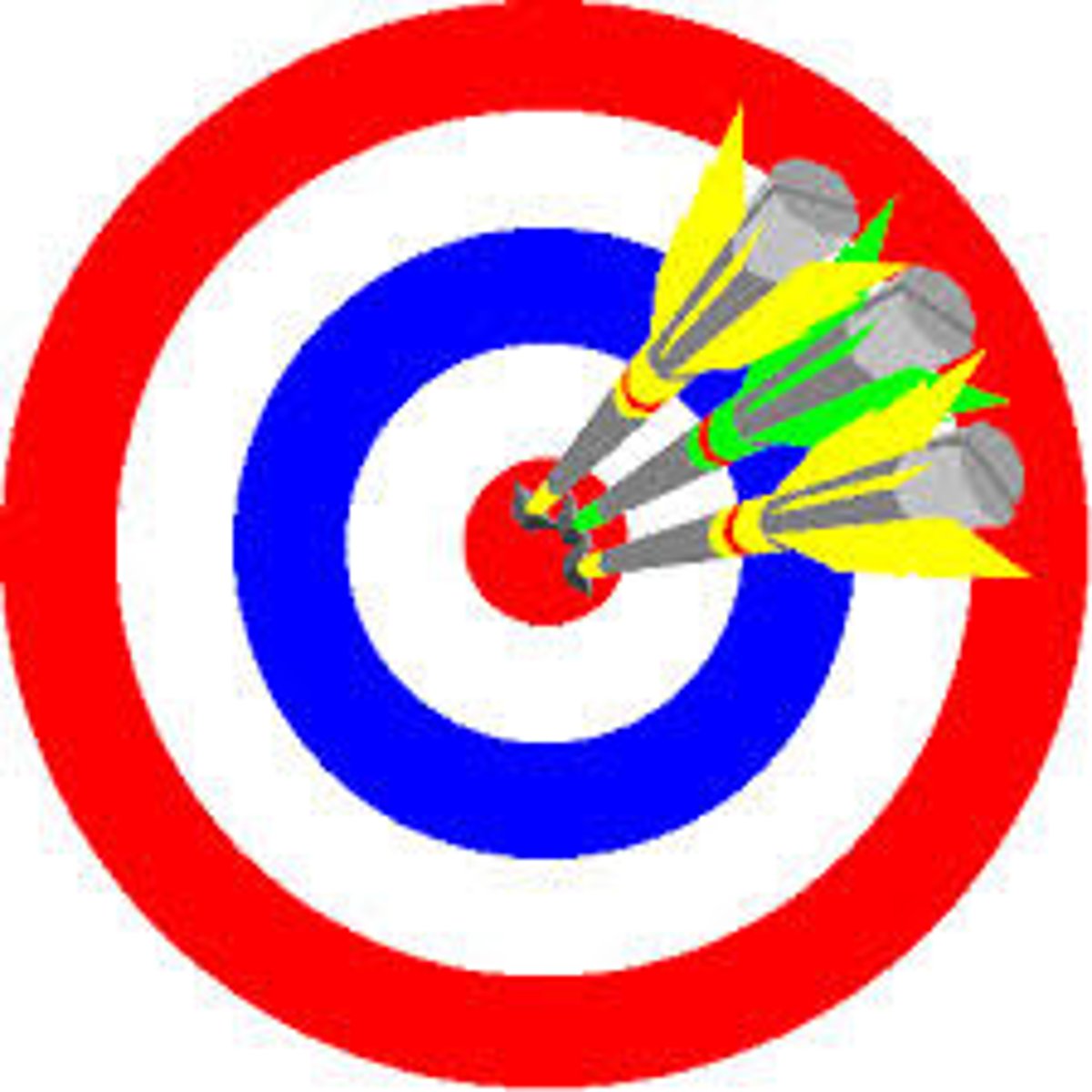
Accurate
Free from error or defect; consistent with a standard, rule, or model; precise; exact.
Dilution
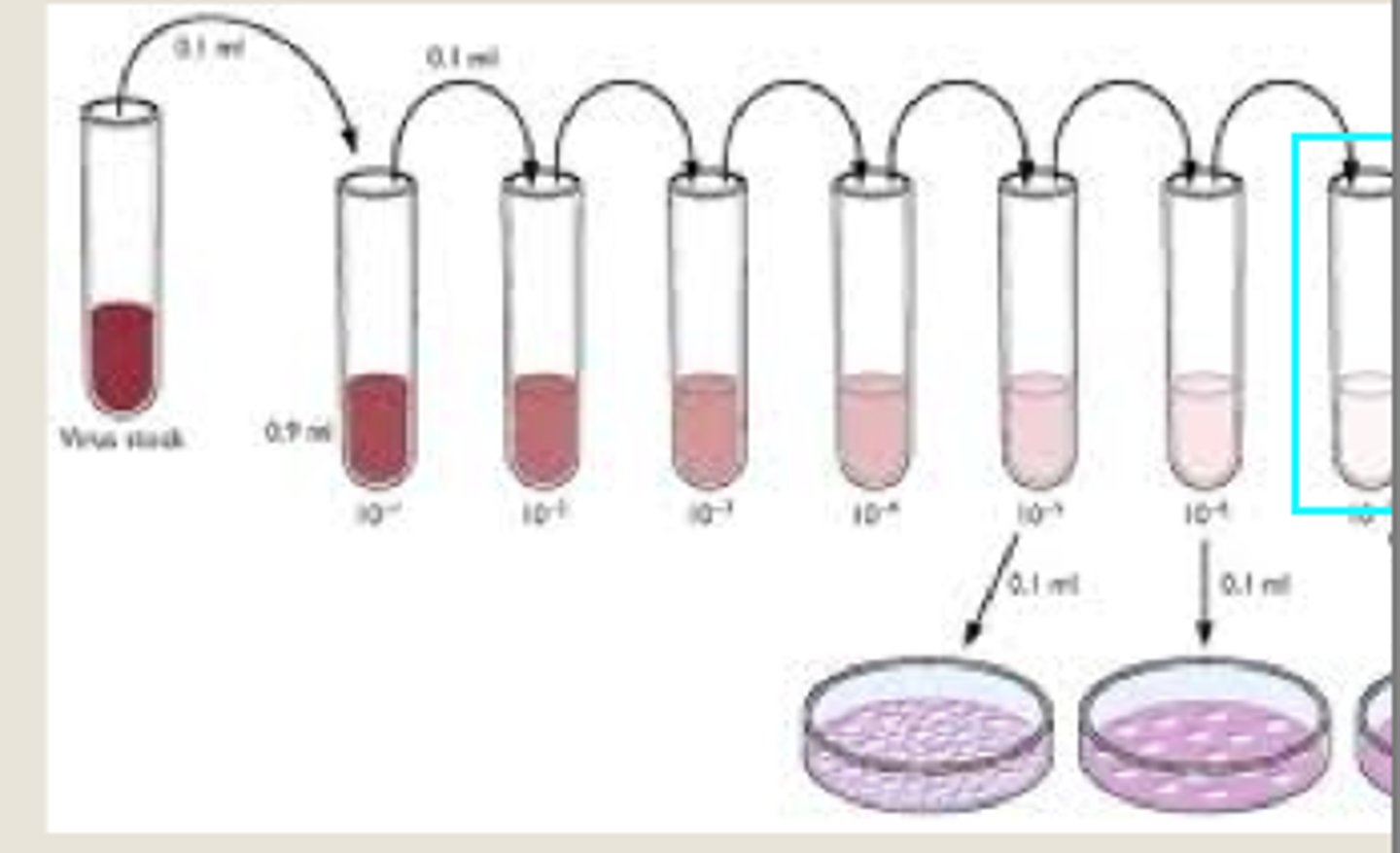
A reduction of concentration by dilution the original substance with diluent in a certain ration. A 1:10 dilution is 1 part of the original and 9 parts diluent.
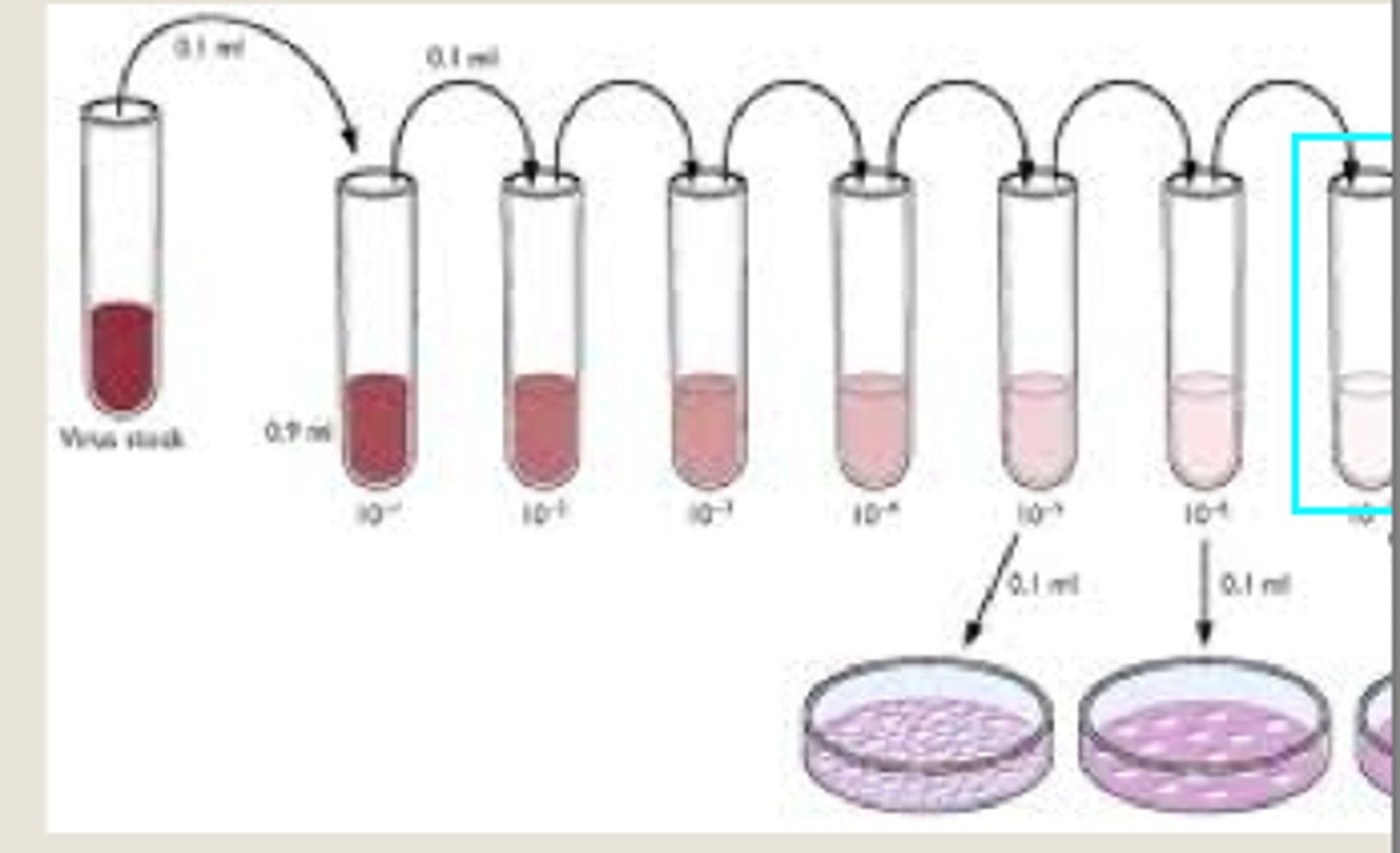
Serial Dilution
Dilution of a substance several times by the same amount each time. Each new dilution serves as the 'stock' for the next dilution. The original sample is only used for the first dilution.