Lecture 31 (Bonus Lecture): CTSIB and Perceptual Disorders
 Call Kai
 Learn
Learn Practice Test
 Spaced Repetition
 Match
Match Flashcards
 Knowt Play
1/35

There's no tags or description
Looks like no tags are added yet.
Name | Mastery | Learn | Test | Matching | Spaced | Call with Kai | Chat |
|---|
No analytics yet
Send a link to your students to track their progress
36 Terms
What are the three sensory inputs for balance and postural control
Vision (60%)
Somatosensory (30%)
Vestibular (10%)
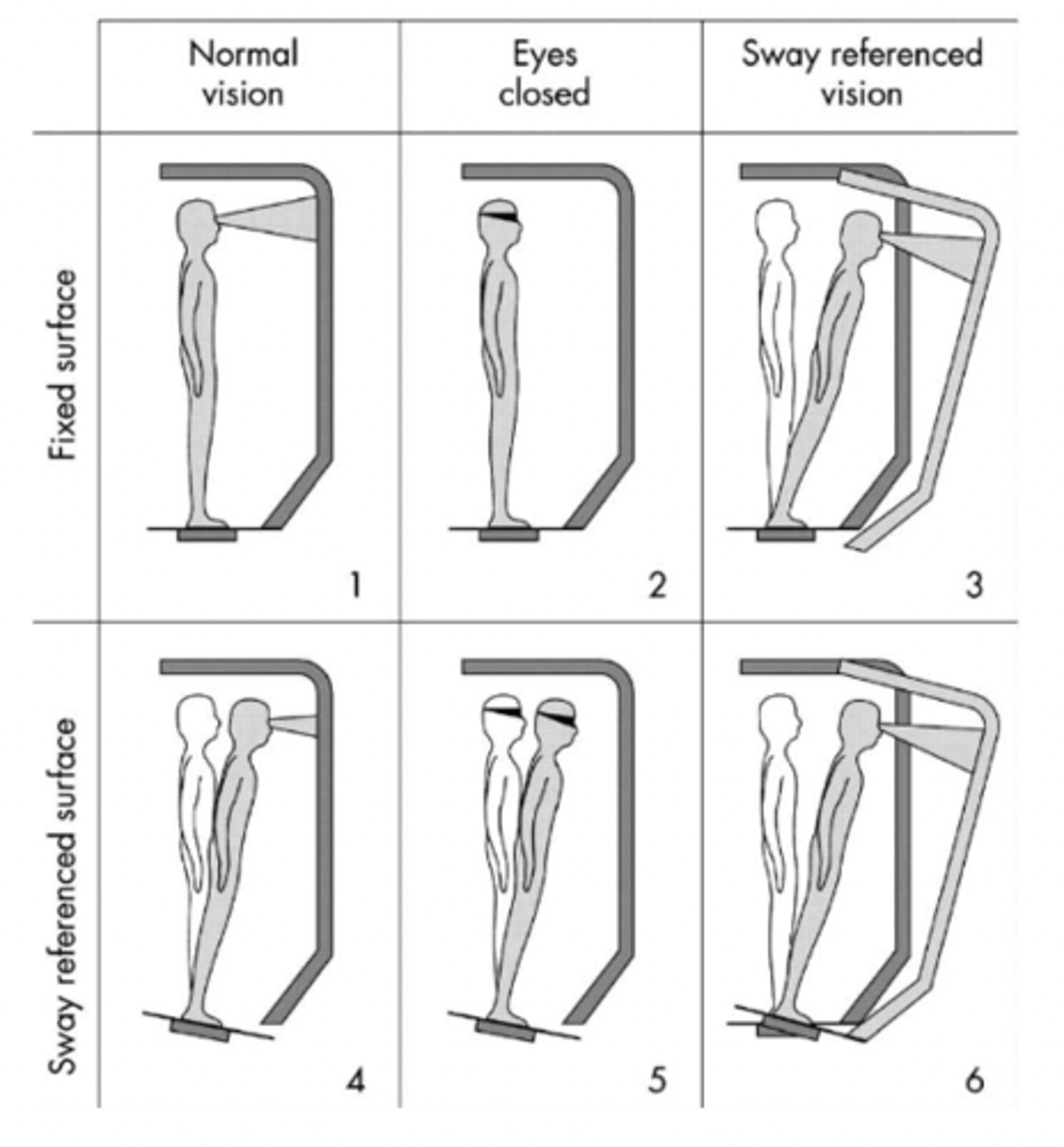
CTSIB Conditions
Condition 1: Stable surface with eyes open
Condition 2: Stable surface with eyes closed
Condition 3: Stable surface with visual conflict
Condition 4: Unstable surface with eyes open
Condition 5: Unstable surface with eyes closed
Condition 6: Unstable surface with visual conflict
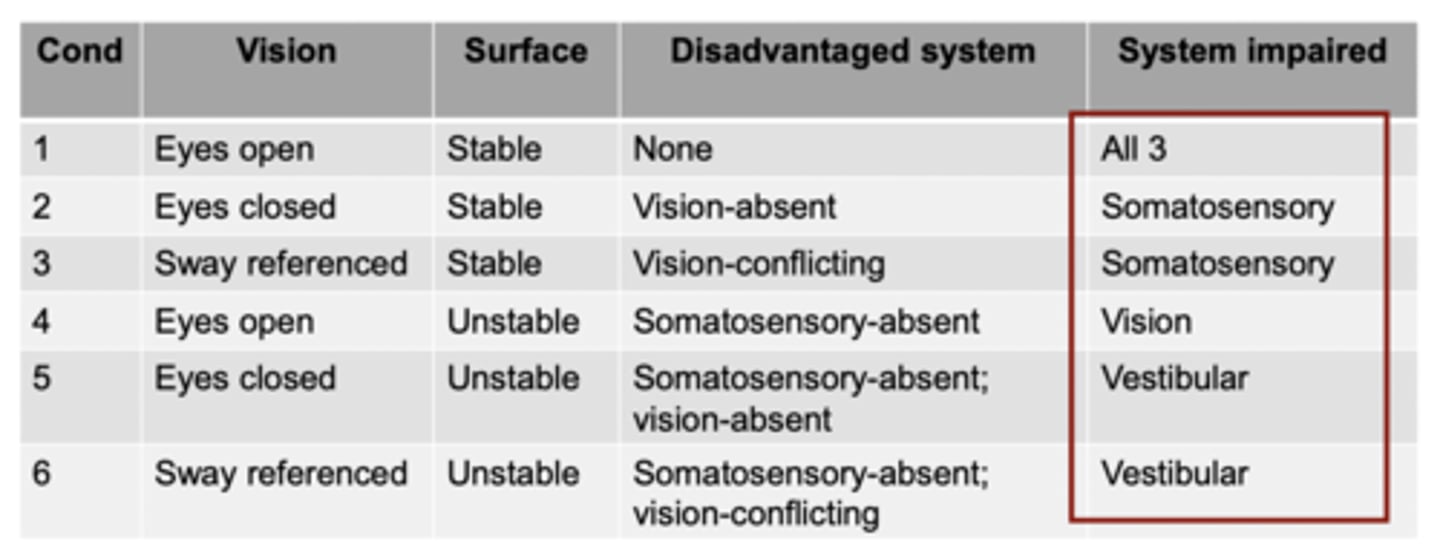
LOB with condition 1 indicates what system is impaired
All 3 systems
LOB with condition 2 indicates what system is impaired
Somatosensory
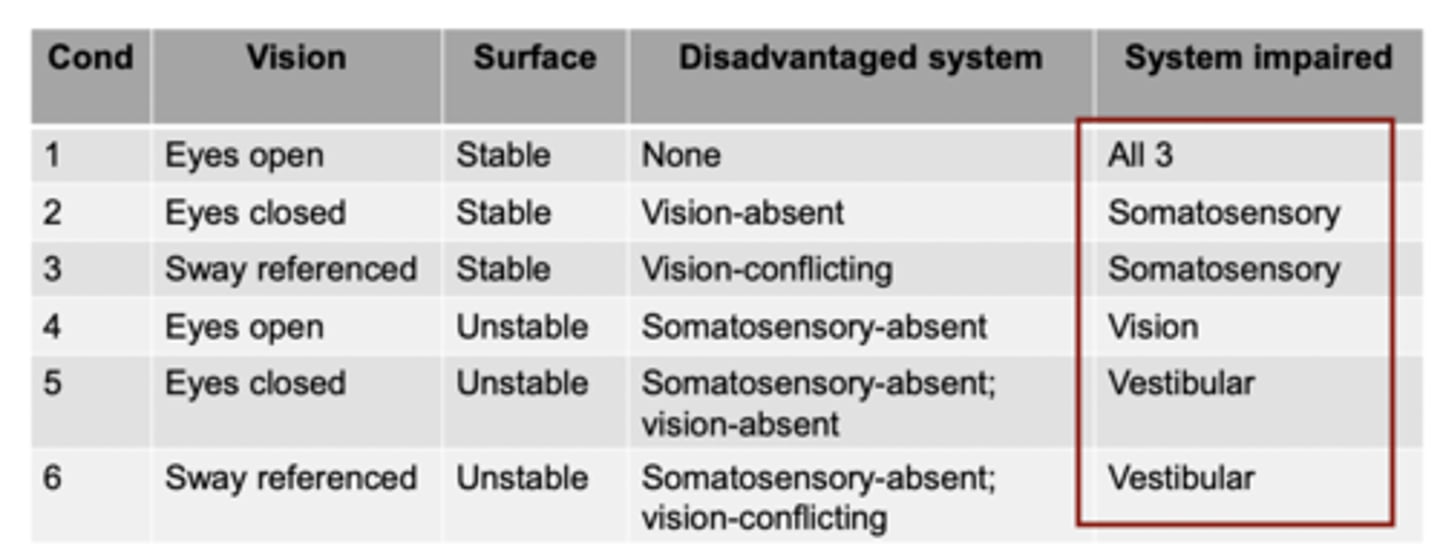
LOB with condition 3 indicates what system is impaired
Somatosensory
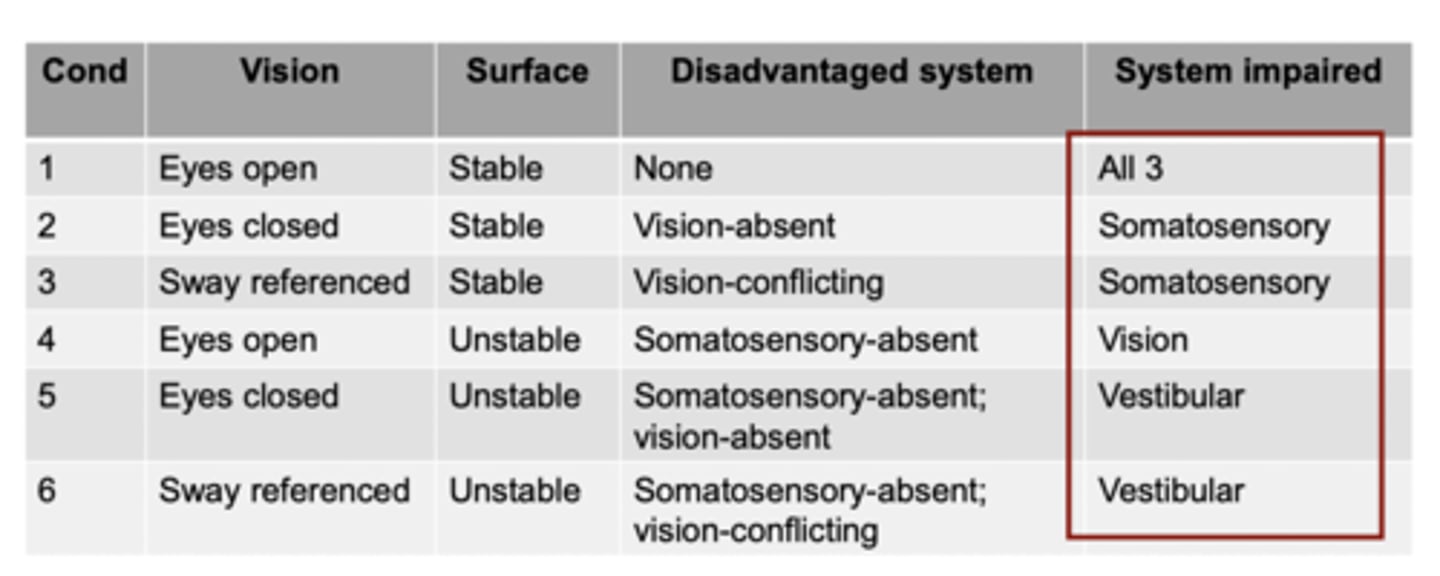
LOB with condition 4 indicates what system is impaired
Vision
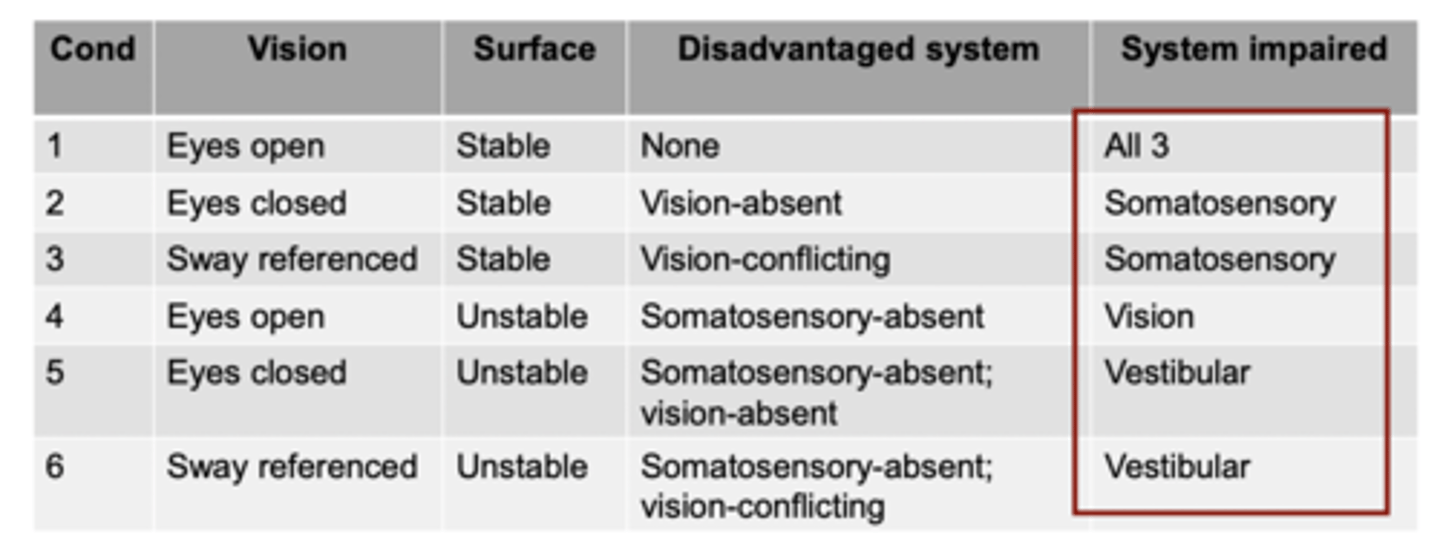
LOB with condition 5 indicates what system is impaired
Vestibular
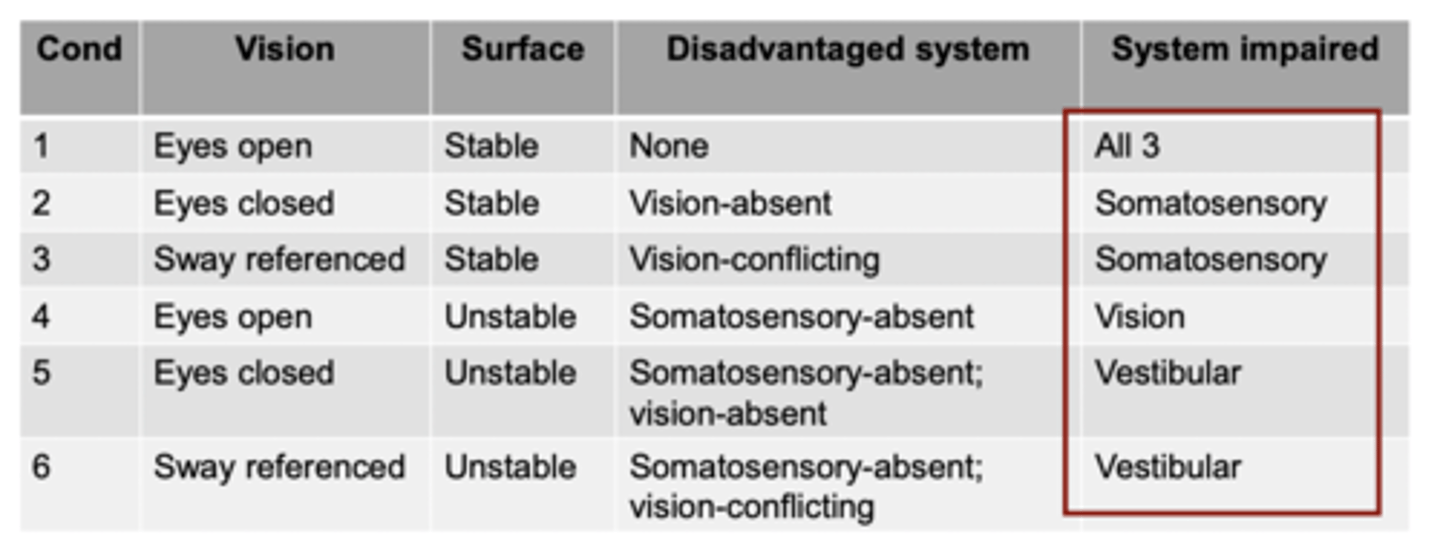
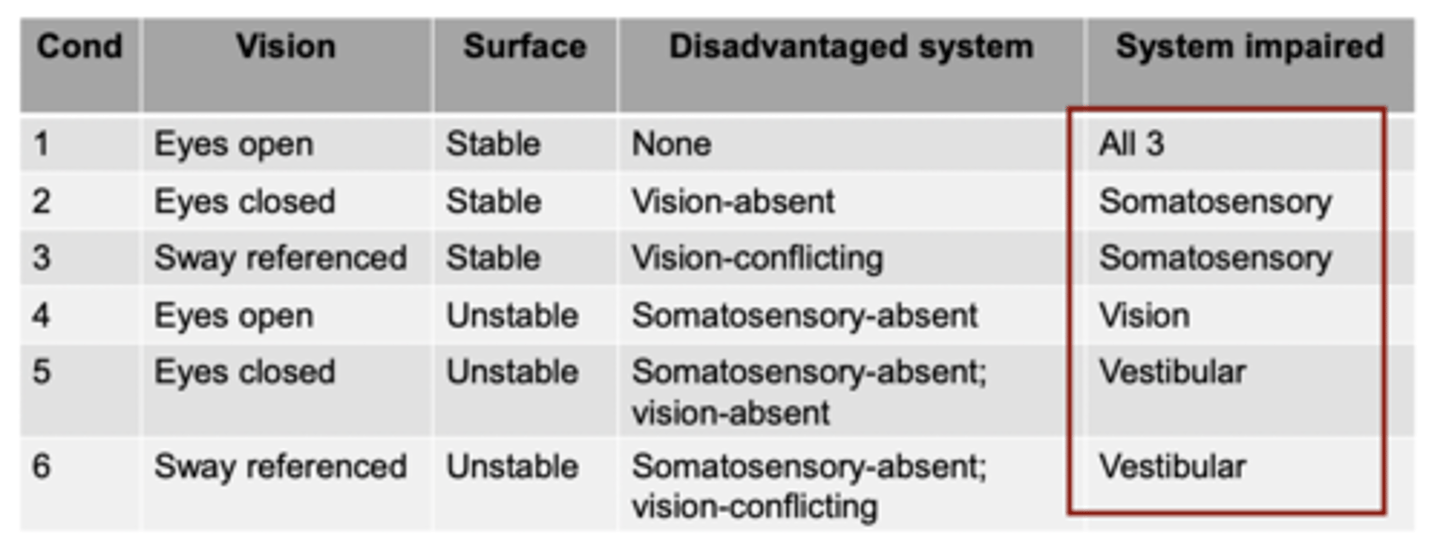
LOB with condition 6 indicates what system is impaired
Vestibular
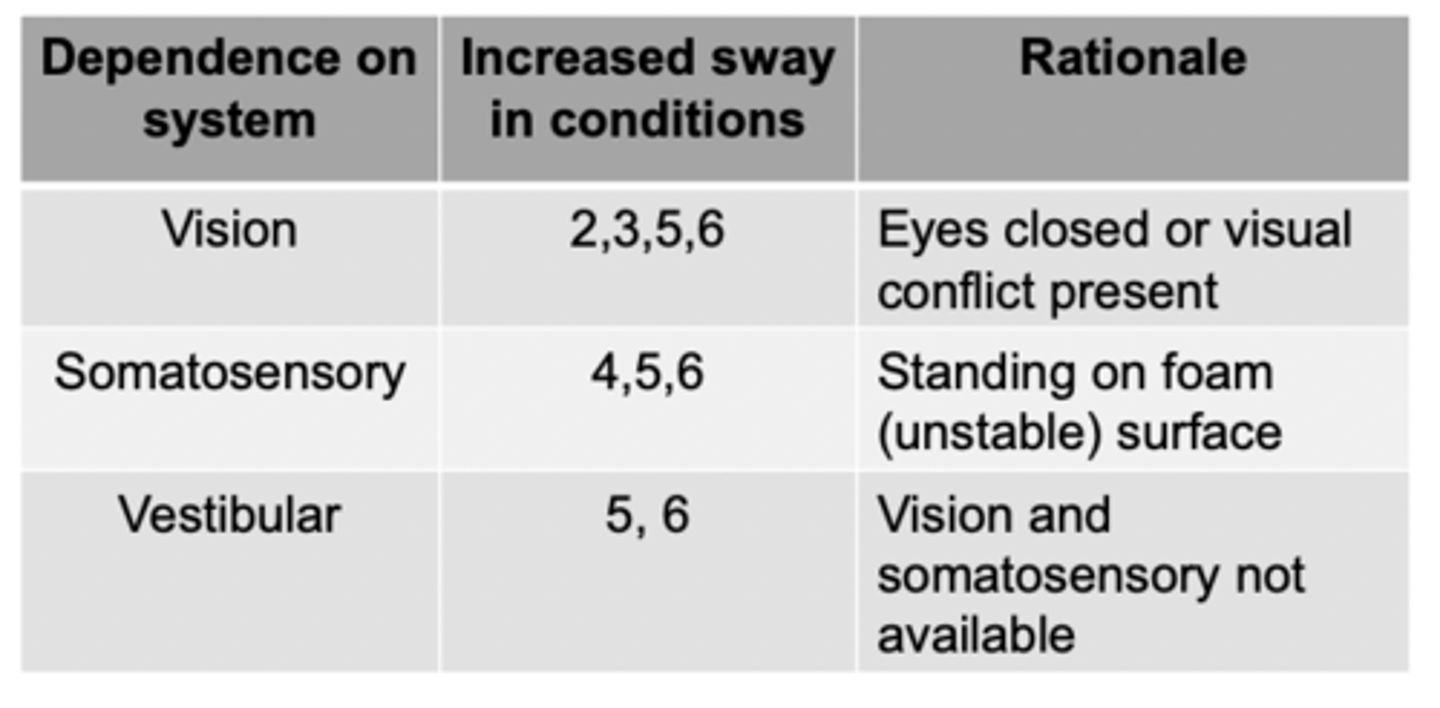
Dependence on vision for balance will demonstrate increased sway with what conditions
2, 3, 5, 6
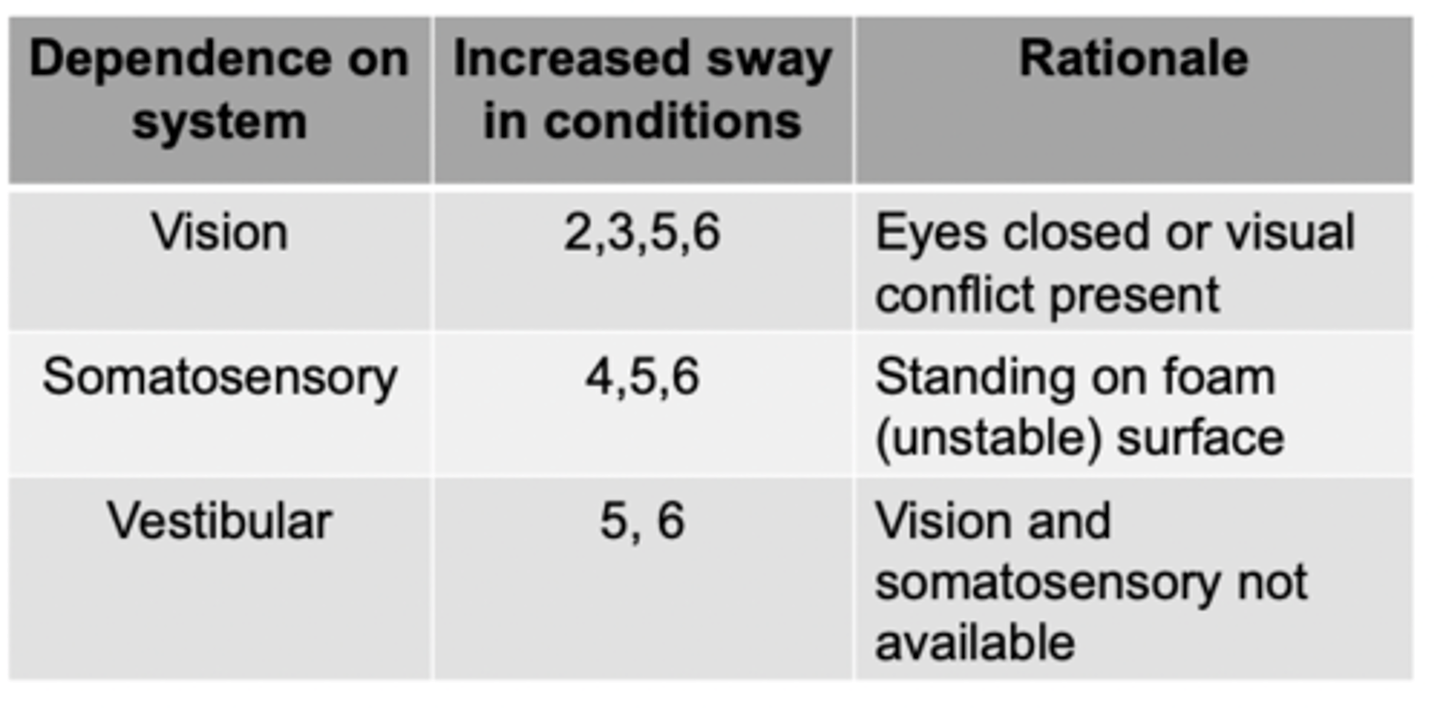
Dependence on somatosensory for balance will demonstrate increased sway with what conditions
4, 5, 6
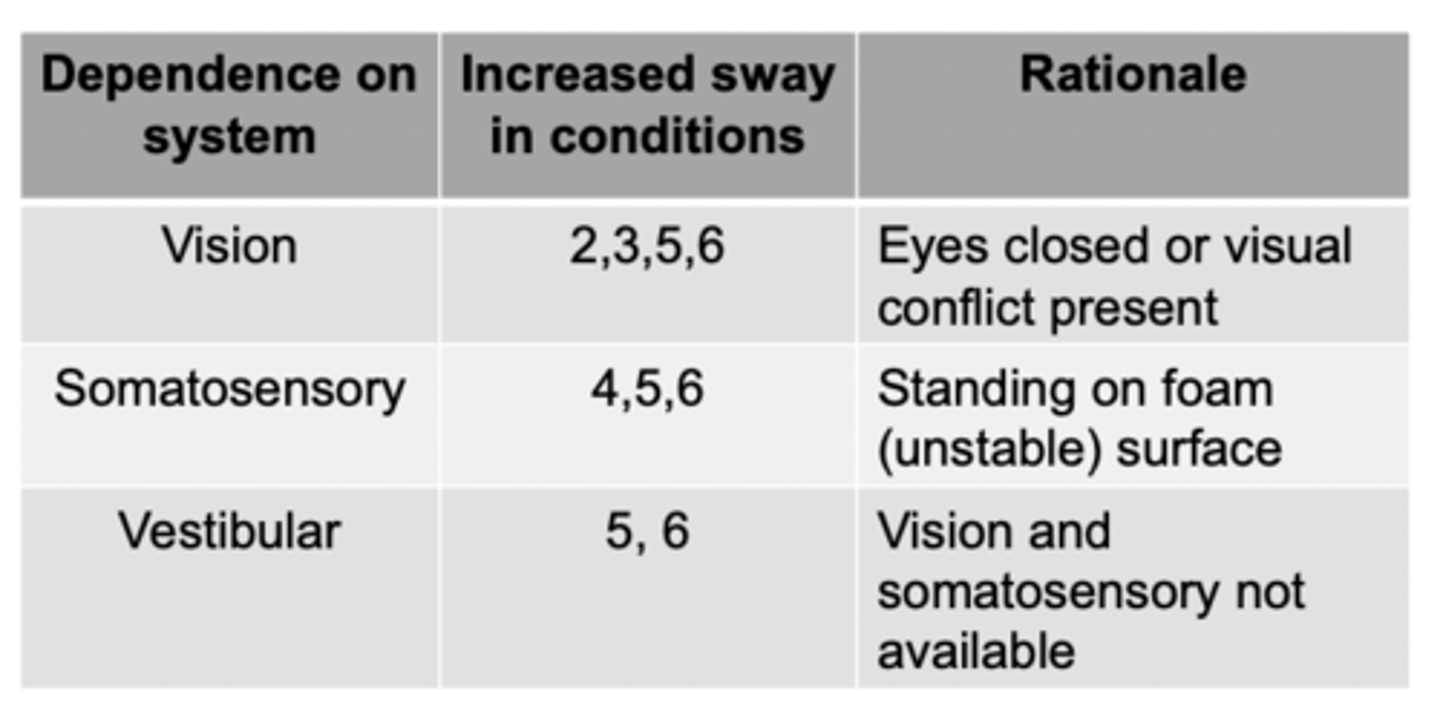
Dependence on vestibular for balance will demonstrate increased sway with what conditions
5, 6
A 66-year-old patient complains of loss of balance while walking on a thickly carpeted floor in the middle of the night when its completely dark. Which condition on the CTSIB would the patient present with increased body sway?
A. Condition 2
B. Condition 3
C. Condition 4
D. Condition 5
D
A PT uses CTSIB to test standing balance of a patient. The patient demonstrates increased sway and experiences a fall during condition 4. Which sensory input system could the PT suspect to be impaired?
A. Vision
B. Somatosensory
C. Vestibular
D. Somatosensory and vision
A
What are the four types of perceptual disorders
- Spatial
- Apraxia
- Agnosia
- Body Scheme Disorders
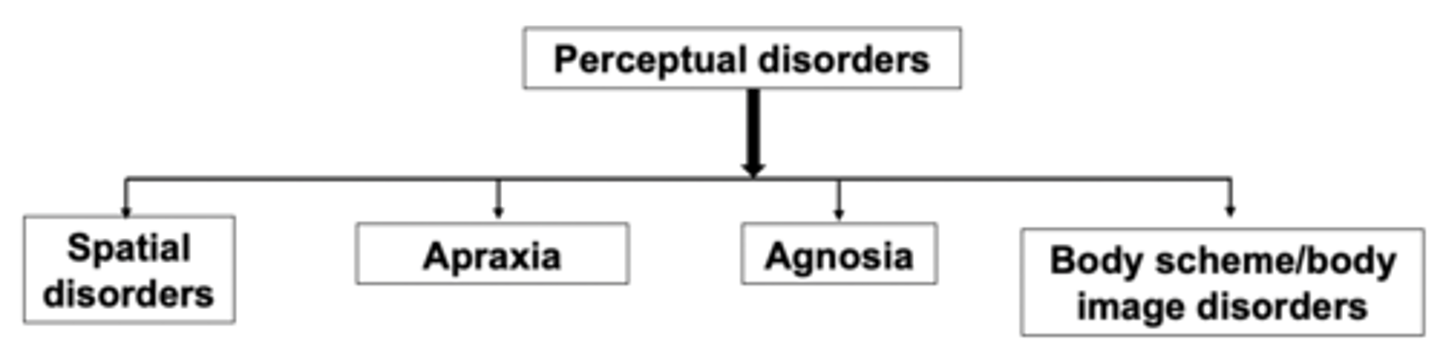
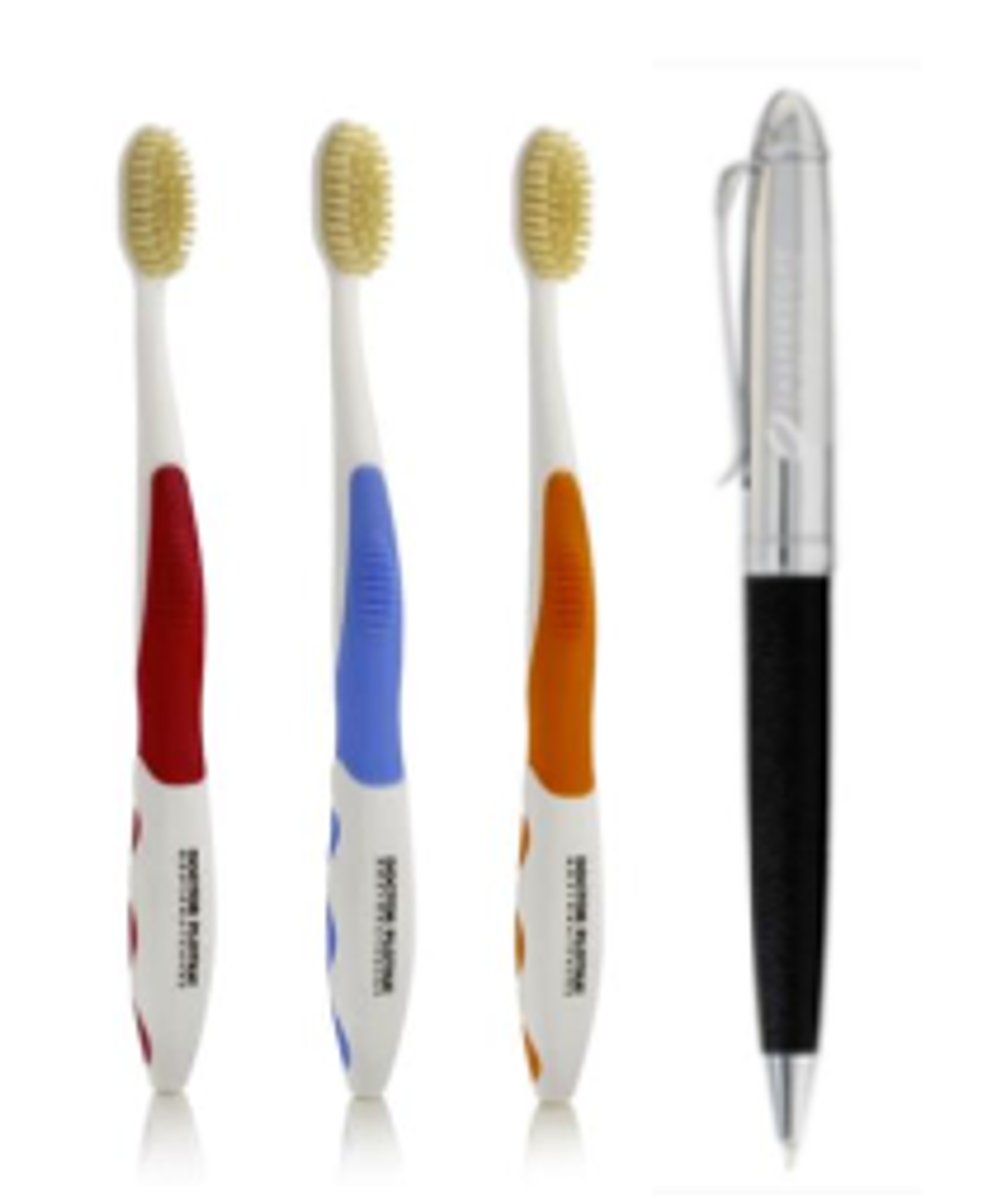
What is figure ground discrimination
Inability to visually distinguish and object from background
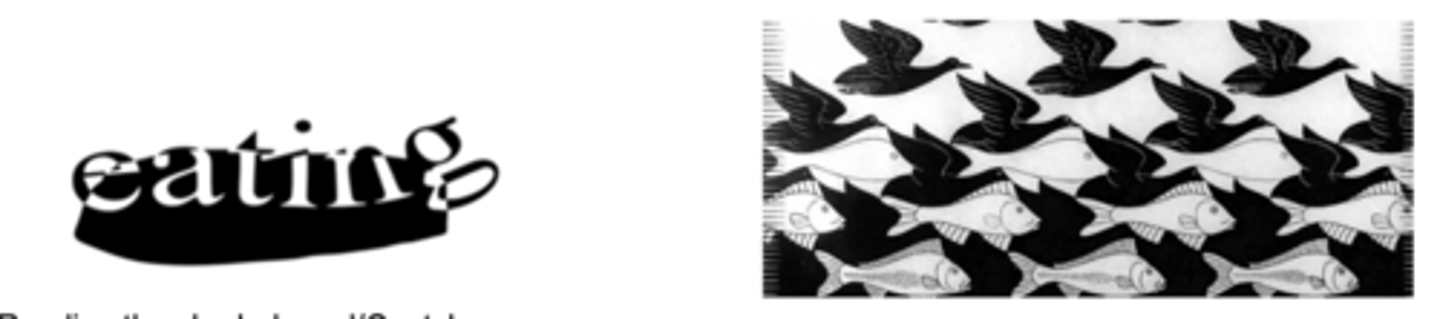
What is form discrimination
Inability to perceive or attend to subtle differences in form and shape
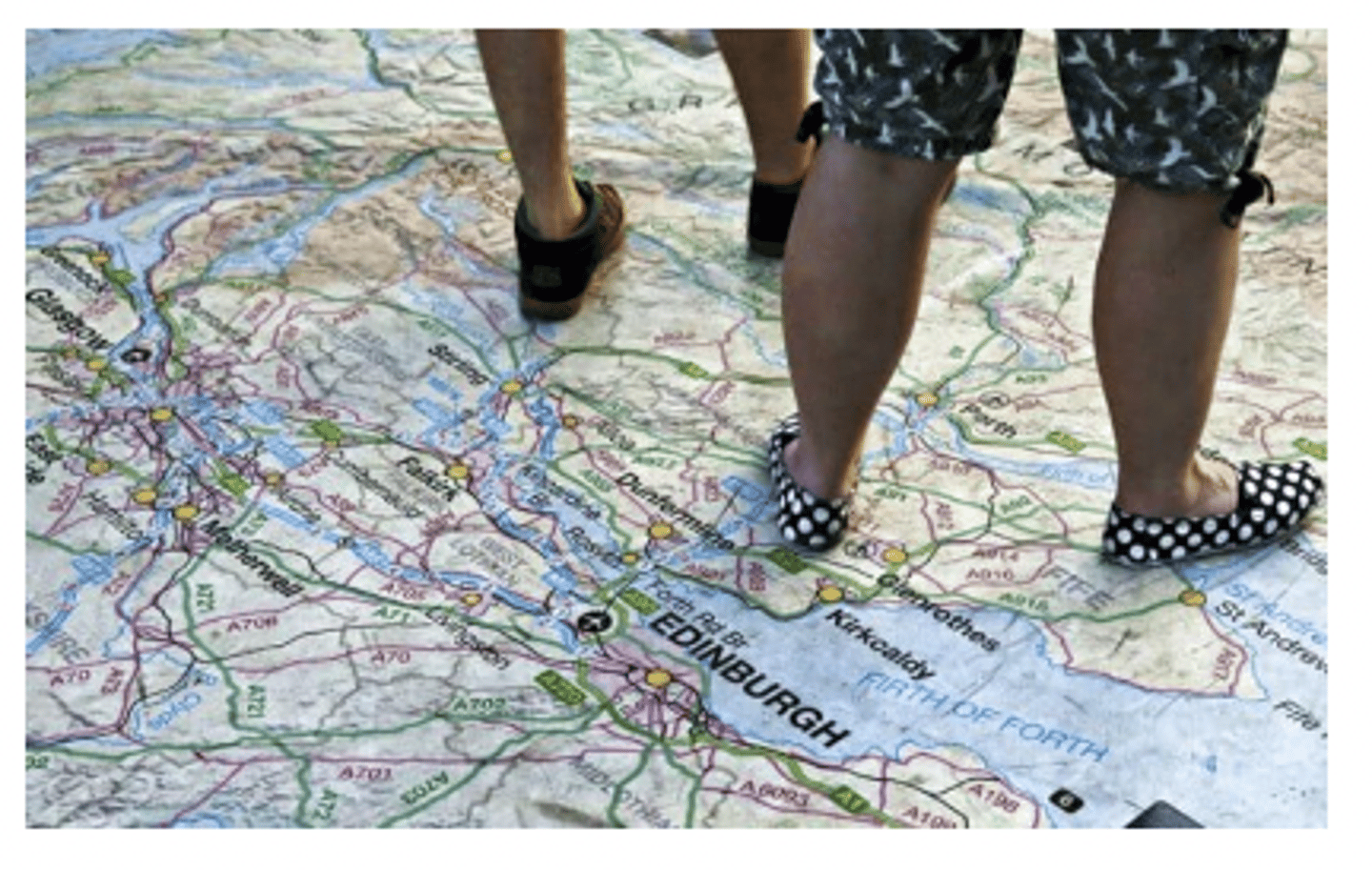
What is topographical disorientation
Difficulty comprehending the relationship of one location to another
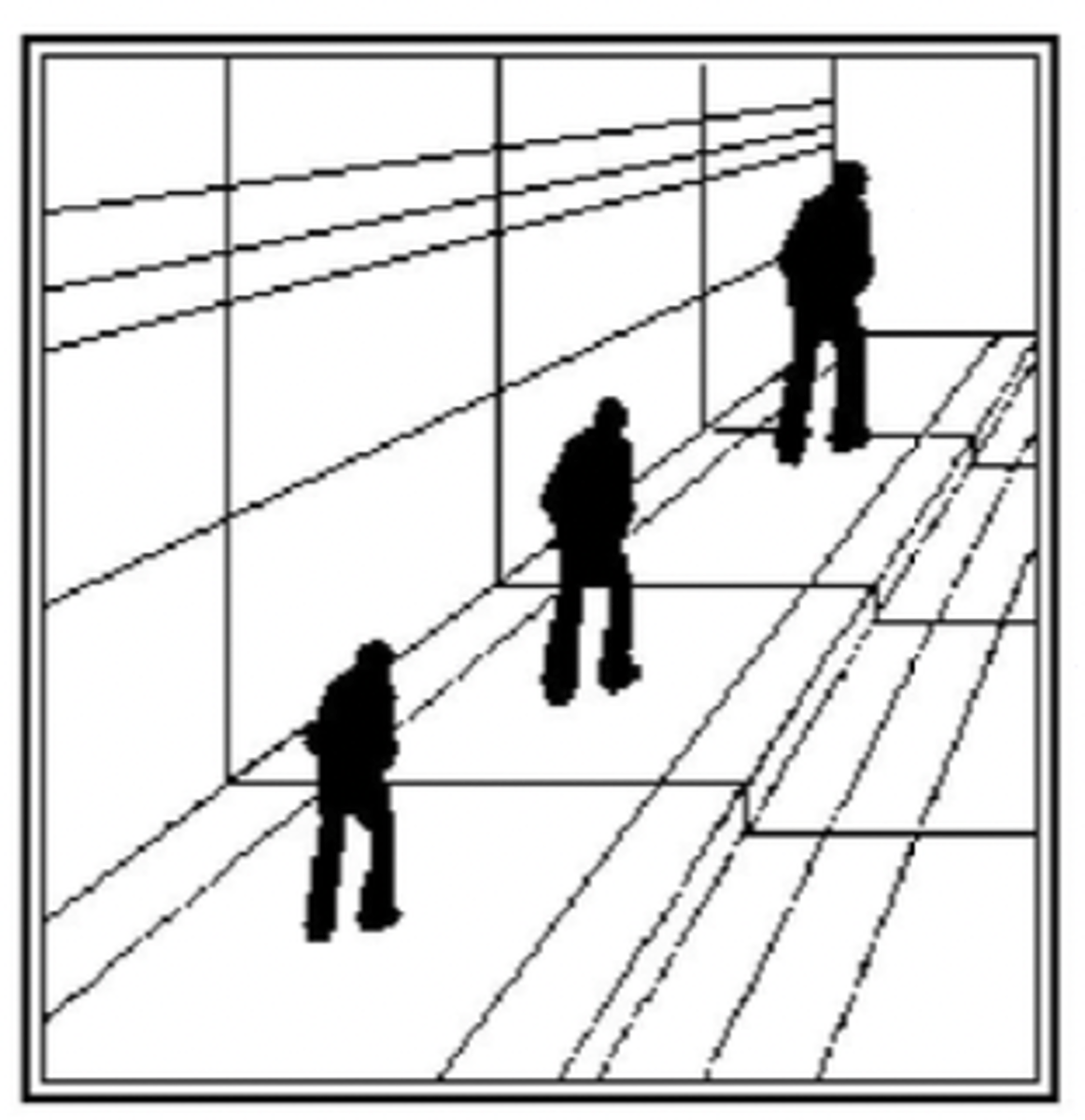
What is depth and distance perception
inaccurate judgement of direction, distance, and depth
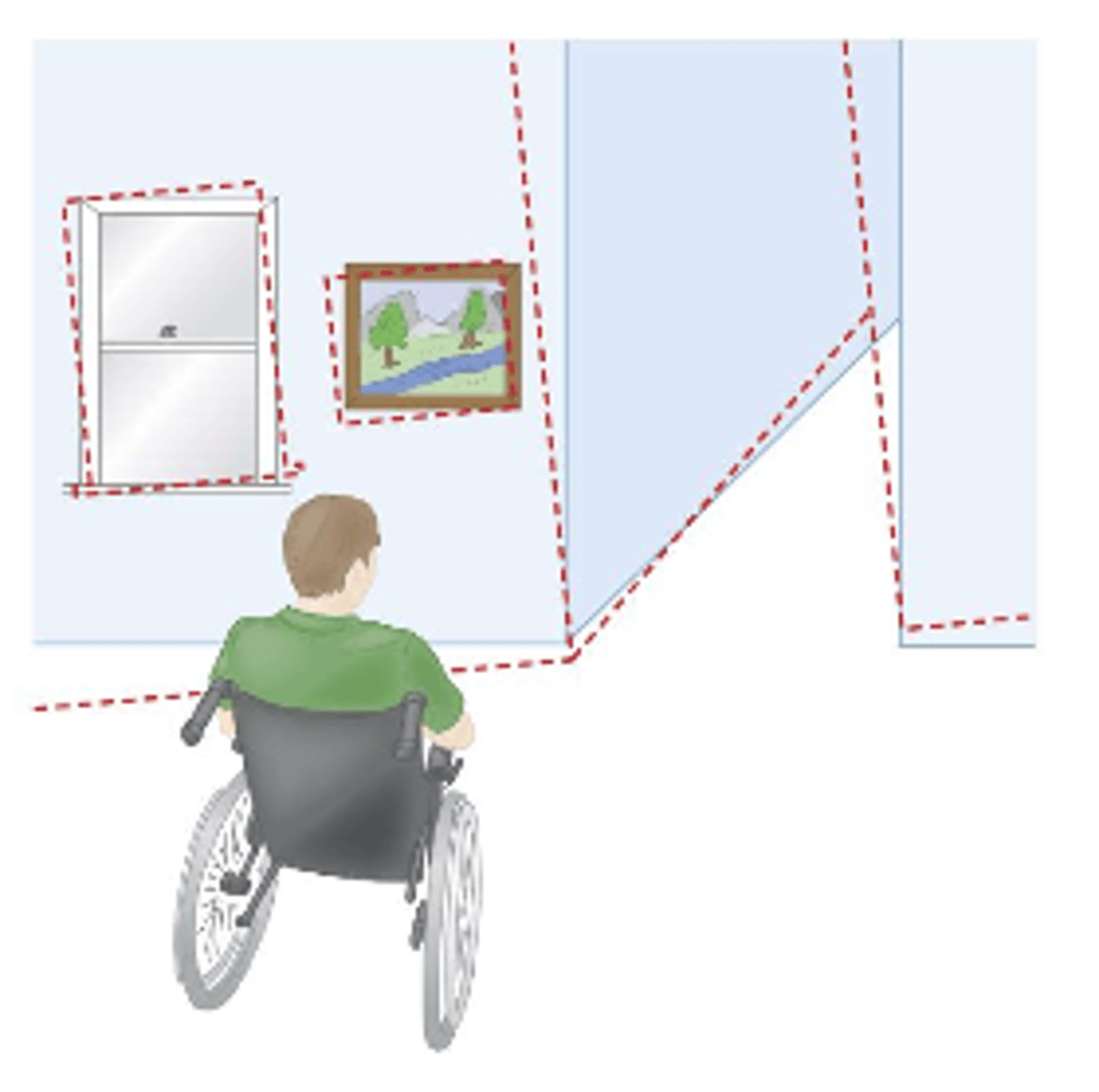
What is vertical disorientation
Distorted perception of vertical (affects upright posture)
What is apraxia
Loss of the ability to execute or carry out learned (familiar) movements, despite having the desire and the physical ability to perform the movements
What is ideomotor apraxia
Ideomotor apraxia the patient is unable to produce a movement on command but is able to move automatically.
What is ideational apraxia
inability to produce movement on command or automatically
What is agnosia
inability to recognize objects
What is visual agnosia
Inability to recognize familiar objects
What is simultanagnosia
The inability to combine elements of a scene into a coherent whole
What is prosopagnosia
inability to recognize faces
What is color agnosia
inability to recognize colors
What is auditory agnosia
Inability to recognize sounds, words and non-words.
What is tactile agnosia / astereognosis
Inability to recognize forms by handling them
What is unilateral neglect
Inability to register and integrate stimuli and perceptions from one side of the body and environment
What is anosognosia
Lack of awareness, or denial, of a paretic extremity as belonging to the person, or a lack of insight concerning, or denial of, paralysis and disability
What is somatoagnosia
Impaired body scheme, lack of awareness of the body structure and the relationship of body parts to oneself or to others.
In PT session, the therapist commands the patient to wear a shirt, but the patient is unable to complete the task due to inability to find buttons on his shirt. Which of the following is the MOST APPROPRIATE diagnosis for this deficit?
A. Form discrimination
B. Figure-ground discrimination
C. Vertical disorientation
D. Topographical disorientation
B
A PT examines a 59-year-old patient with sub-acute stroke. She cannot drink from the bottle on command and automatically. What sort of perceptual disorder does this patient have?
A. Ideomotor apraxia
B. Ideational apraxia
C. Form discrimination
D. Topographical disorientation
B
A PT is treating a patient and is working on weight shifts and reaching activities. The PT asks the patient to place the L hand on his L thigh and use the R hand to reach diagonally across the body and touch the target. The patient has difficulty following the instructions and performs the task incorrectly. Which of the following is the MOST probable diagnosis in this case?
A. Somatoagnosia
B. Prosopagnosia
C. Depth perception disorder
D. Tactile Agnosia
A
A therapist is treating a patient with right parietal lobe lesion. He holds a cane vertically in front of the patient then turns it sideways horizontally and gives to the patient to turn it back to the original position. The patient takes the cane and places it at an angle and informs the therapist he has successfully completed the task. Which of the following MOST appropriate regarding this presentation?
A. Depth perception disorder
B. Visual agnosia
C. Vertical disorientation
D. Ideomotor apraxia
C