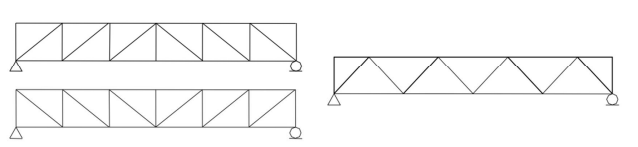
fonctionnement des structures, typologies des treillis standard et non- standard
 Studied by 0 people
 Call Kai
 Learn
Learn Practice Test
 Spaced Repetition
 Match
Match Flashcards
 Knowt Play
1/14

There's no tags or description
Looks like no tags are added yet.
Name | Mastery | Learn | Test | Matching | Spaced |
|---|
No study sessions yet.
15 Terms
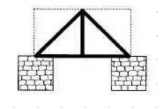
poinçon simple
used during antiquité —> 15th
2 mailles where the length of the bar is a bit shorter than the length a franchir
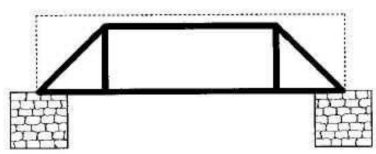
poincon double:
deux maille triangulaires and one maille quadrangulaire
membrane inferieure isnt a poutre en flexion but a tirant en traction (more resistant)
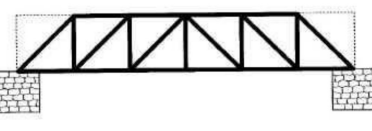
poincons multiples
palladio 1570
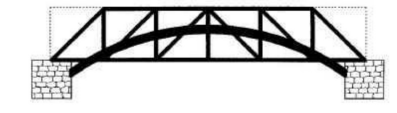
burr 1802
treillis+ arc aka combination d’ancien et nouveaux methode as a precaution
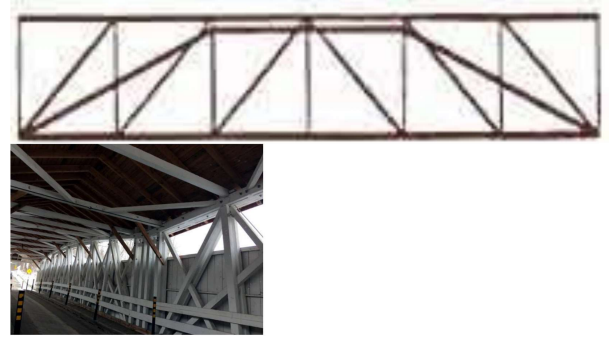
mc callum 1851
= polyganistion (imatation of curve via straigth lines aka poligon) de Burr
travaille par bar et triangulation = plus rigide

town 1820
system petites lattes sous forme de treillis/ réseau dans 2 directions
pieces plus mines + facile a produire/ trouver/ manipuler et assembler
material from wood to acier later on
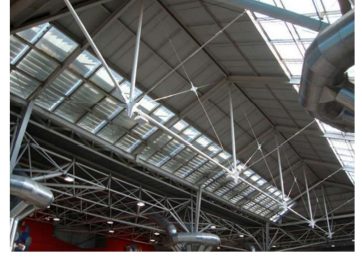
long 1830
squared maille with croissement inside
system hyperstatique (everything made with bars) → some bars replaced with cables and verticles par des tyrans
can also précontrainte la structure = plus leger
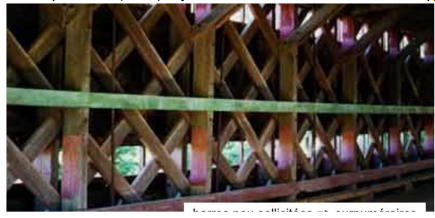
town québécois 1905
add bars dans les croisments → too many not used → hyperstatique

Howe 1840
recherche structure isostatique> hyperstatique
diagonales en compression and verticales en traction
barre en compression thicker than traction

Pratt 1844
= diagonales en traction and verticale en compression
which one is better, pratt or howe?
pratt → howe has longer bars that are in compression (the diagonals) and qui dit compression dit flambement. we chose whoever has the least pieces en compression
EXCEPT for natural wood as il contient de noeuds = not good for traction. for wook howe’s system is better as the length of the bars in traction are shorter (as they are verticle)
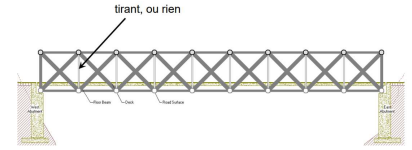
brown 1857
verticle bars are removed or replaced with des tirants
croisement dans les diagonales = moins de flambements = plus fins
moisage= doubleling the diagonals aka plus de charge
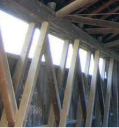
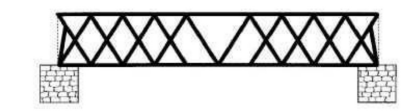
smith 1869
same system as brown but the effort tranchant is zero in the center —> remove diagonales in the center = plus de vue

neuville 1846 and Warren 1848
thick bars for compression and thin for traction
tech + facile to install thanks to larger mailles
if mailles are too long= add des suspentes (tirants maybe idk) verticale pour dimnuer ses portées

howe-pratt vs warren
poids comparable
warren: plus flexibles a dessiner (aka more freedom in design) (due to proportions being optimales, well see that later in the chapter)
ouvertures de mailles plus large vs howe-pratt: presence de barres verticales