Psychology and Sociology
 Call Kai
 Learn
Learn Practice Test
 Spaced Repetition
 Match
Match Flashcards
 Knowt Play
1/97

There's no tags or description
Looks like no tags are added yet.
Name | Mastery | Learn | Test | Matching | Spaced | Call with Kai | Chat |
|---|
No analytics yet
Send a link to your students to track their progress
98 Terms
Franz Gall
had the gall to know the size and shape of our heads and what mental abilities are where (phrenology)
Pierre Flourens
investigated functions of major brain sections
William James
How people think in order to adapt (functionalism)
John Dewey
experience is important in learning and behavior (Functionalism and pragmatism)
Paul Broca
studied people with holes in specific parts of the brain
Hermann von Helmholtz
Speed of impulse and now psychology is a science
Sir Charles Sherrington
sssynapses
Sigmund Freud
Psychoanalytic
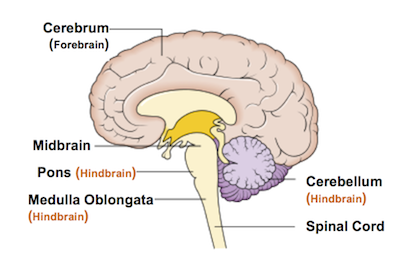
Hindbrain
cerebellum, medulla oblongata, reticular formation
Midbrain
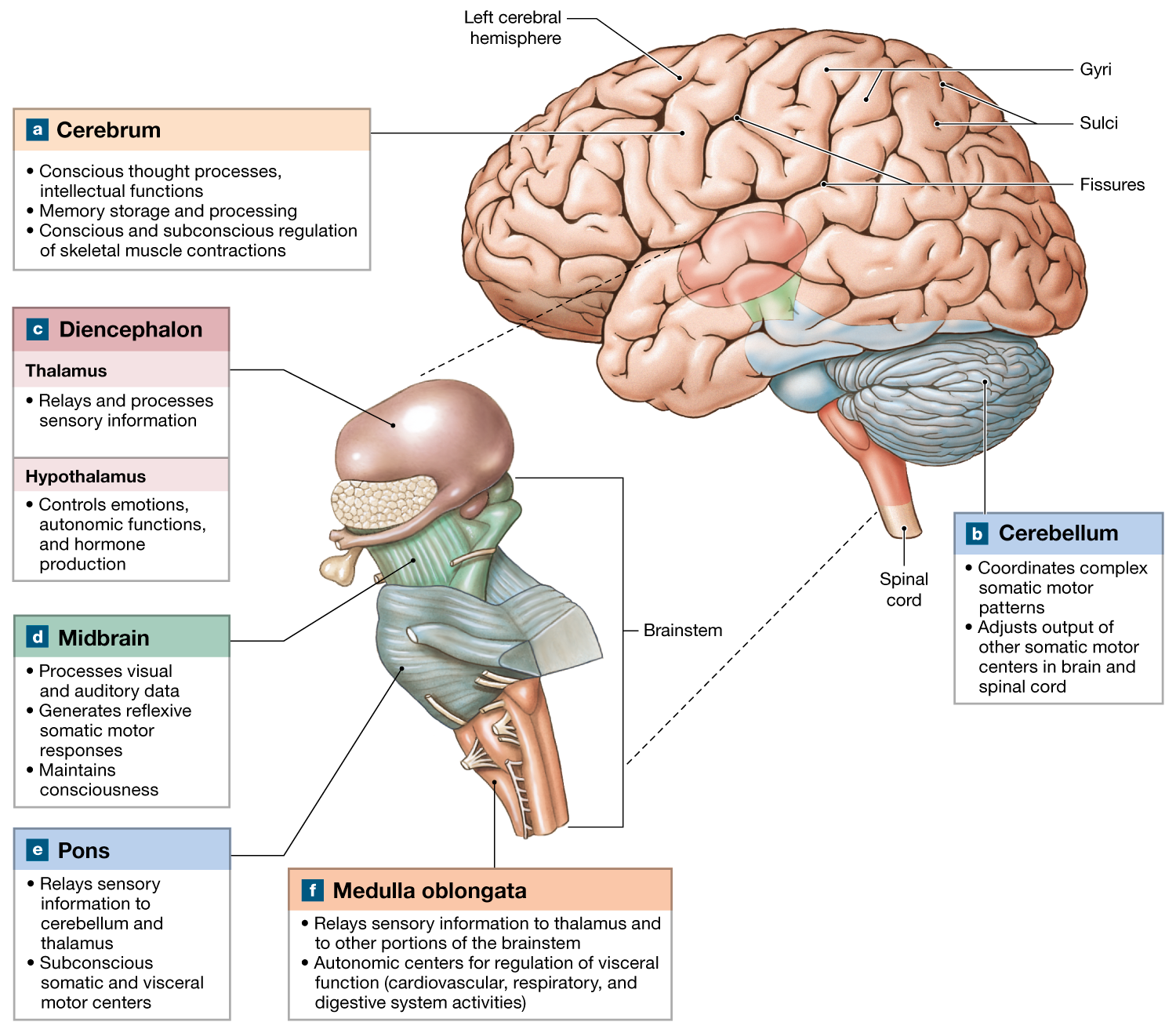
inferior and superior colliculi
Forebrain
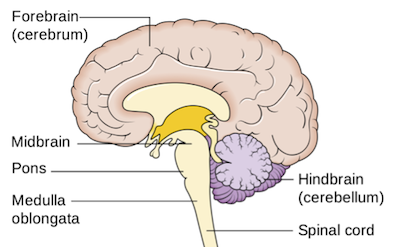
thalamus, hypothalamus, basal ganglia, limbic system, cerebral cortex
Methods of Study
Electroencephalography (EEG), Regional cerebral blood flow
Sensory Neurons
Afferent: ascend to the brain from the receptors
Interneurons
between others mainly in CNS
Motor Neurons
Efferent: exit the CNS to the receptors in muscles/glands
Reflex arcs
interneurons in spinal cord send info to receptors AND SAME TIME relay info to the brain
CNS
brain and spinal cord
PNS
nervous tissue and everything else
PNS somatic
voluntary
PNS autonomic
sympathetic: flight/fight
parasympathetic: rest/digest
Thalamus
relay station for sensory info
Hypothalamus
controls homeostasis, flight, fight, food, fuck
Basal ganglia
stable posture, smooth movements
Limbic system
septal nuclei: pleasure/addiction
amygdala: fear/aggression
hippocampus: emotion/memory
Frontal Cerebral Cortex
executive function, impulse control, speech, motor
Parietal Cerebral Cortex
touch, pressure, temperature, pain, spatial awareness
Occipital Cerebral Cortex
visual
Temporal Cerebral Cortex
sound, speech perception, memory, emotion
left brain
analytic, language, logic, math
right brain
intuition, creativity, spatial processing
neurotransmitter
released by neurons to carry signal
acetylcholine
used to move muscles
dopamine
maintains smooth movements and steady posture
endorphins and enkephalins
pain killers
epinephrine and norepinephrine
epinephrine acts like hormone, norepinephrine acts like neurotransmitter
controls wakefulness and flight/fright response
GABA (gamma-aminobutyric acid)
inhibitor neurotransmitter, brain stabilizer
glutmate
excitatory neurotransmitters
serotonin
influences sleep, mood, eat, dreaming
cortisol
stress hormone released by adrenal cortex
testosterone and estrogen
influence sex drive, made in gonads released by adrenal cortex
neural tube becomes
CNS
Neural crest cells become
many diff tissues bc they spread throughout the body
primitive reflexes
seen in infants but disappear with age
Rooting Reflex: Turns head toward stimulus.
Moro Reflex: Extends arms, response to falling sensation.
Babinski Reflex: Big toe is extended and other toes fan
out in response to brushing on sole of foot.
Grasping Reflex: Grabs anything put into hands.
Sensory receptors
sensory nerves that respond to a stimulus
Sensory ganglia
cell bodies outside the central nervous system
Projection areas
areas in brain that decipher sensory input
Absolute threshold
minimum energy that will activate a sensory system
Threshold of conscious perception
minimum stimulus energy that creates a signal large enough (size & duration) to be aware of it
Difference threshold
minimum diff in magnitude in two stimuli before a difference can be perceived
Weber’s law
(just noticeable difference for a stimulus) is a constant ratio of the og stimulus
Signal detection theory
effects of factors like experiences, motives, and expectations on the perception of stimuli
Adaptation
increase or decrease in sensitivity to stimulus
outer ear
Pinna
External auditory canal
Tympanic membrane
middle ear
Ossicles:
Maelleus- hammer
Incus- Anvil
Stapes- Stirrup
inner ear
bony labyrinth: filled with perilymph
membranous labyrinth: filled with endolymph (this and peril are what controls balance)
*membranous has cochlea (sound) and utricle & saccule (linear acceleration) and semicircular canals (rotational acceleration and balance)
Projection areas (superior and inferior)
Superior olive: localizes sound (in brain stem)
Inferior colliculus: startle reflex also used by eyes and ears
*vestibulo-ocular reflex keeps eyes on a point as head rotates
Purpose of the cornea
gather and filter light coming into the eye
iris
controls size of the pupil
divides eye into ant and post chamber
muscles involved are dilator and constrictor
lens
refracts light to focus it on the retina
aqueous humor
nourishes eye and gives it shape
(made by ciliary body)
parts of retina
rods: light/dark
cones: color in wavelength
retina pathway
rods/cones → bipolar cells → ganglion cells → optic nerve
retinal disparity
space between eyes
horizontal & amacrine cells
integrate signals from ganglion cells and sharpens edges
what supports the eye
inside: vitreous
outside: sclera and choroid
vision processing
parallel: color, form motion at once
magnocellular cells: motion (temporal)
parvocelluar cells: shape (spatial)
vision pathway
eye → optic nerves → optic chasm → optic tracts → lateral geniculate nucleus → visual radiations → visual cortex
smell
detecting chemicals in the air by the olfactory chemoreceptors in the olfactory epithelium
pheromones
chemicals given off by animals that have effect on social and sexual behavior
taste
detection of dissolved compounds by the taste buds in papillae
somatosensation
refers to touch: pressure, vibration, pain, temperature
two point threshold
min distance between 2 points of stimulation on the skin such that the points will be felt as two different stimuli
physiological zero
normal temp of skin which objects are compared to
nociceptors
pain
kinesthetic sense
ability to sense the bodys position and movement (proprioception)
top down processing
recognition of something by memories and expectations
(background knowledge)
bottom up processing
details → whole. recognition of objects by features
(not influenced by prior knowledge)
gestalt principles
proximity, similarity, continuity, closure
habituation
getting used to a stimulus
dishabituation
2nd stimulus interrupts and causing a resensitization of the og stimulus
associative learning
pairing stimuli/responses or behaviors/consequences
ex. using stars to reinforce positive behavior in classroom
operant conditioning
changing behavior based on consequences
reinforcement (yay), punishment (boo), positive (addition) or negative (removal)
define reinforcement and give example of positive and negative
something that increases likelihood of behavior.
+ tell dog to sit → dog sits → give treat = dog will sit on command
- dog pulling on leash (uncomfy) → dog stops pulling on leash (comfy) = dog will walk politely
define punishment and give example of positive and negative
decreases likelihood of behavior
+ dog jumps on people → spray with water = dog will stop jumping to avoid being sprayed
- dog barking too much → removing attention = dog will stop barking
extinction in behavior
when a reinforced behavior is no longer reinforced
shaping in behavior
when reinforcements are given to behaviors closer to the target behavior
classical conditioning
the connection of stimuli that occur together i.e pavlov dogs with bells
observational learning
learning behaviors by watching others
encoding
process of putting new info into memory
sensory & short term memory
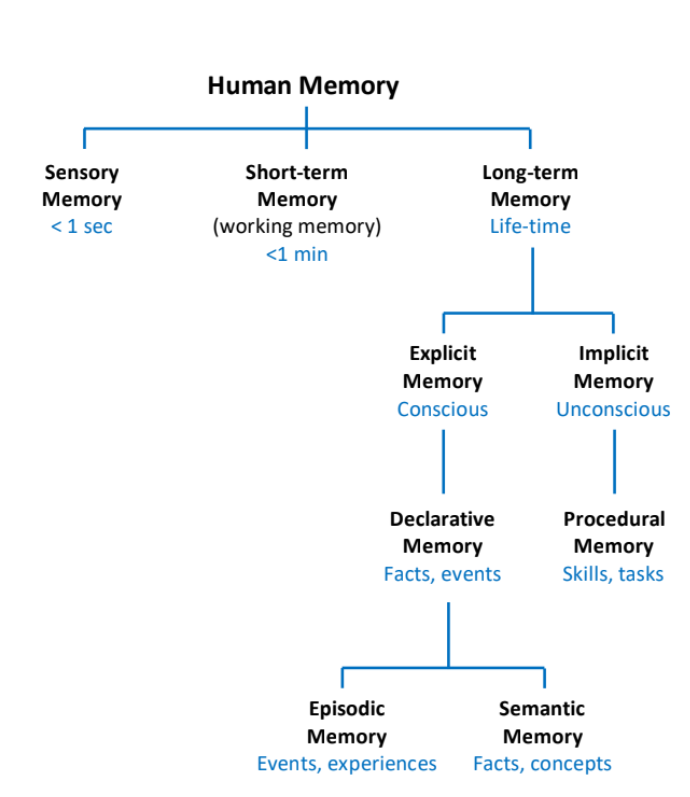
like a bubble rising thru waters, transitory and works off of neurotransmitter activity
working memory
uses short term memory, attention, and executive functioning to manipulate info
used to
respond accordingly in convo
follow recipe
taking notes during lecture
remember phone # enough to dial
long term memory
needs rehearsal and comes about by high neuronal connectivity
explicit: memories that must be consciously recalled (mom’s bday, knowing DC is capital of USA, vacation plans)
implicit: skills and conditioned responses we obtain (driving a car, typing on laptop)
semantic networks
stores facts and links concepts based on similar meanings
memories can be triggered
retrieval
works by priming interconnected nodes of semantic network
(*recognition > recall, think abt test when u dont know the answer but remember learning it)
alzheimer’s
loss of acetylcholine in neurons that link hippocampus
korsakoff’s syndrome
thiamine deficiency in brain can cause amnesia and fake memories
agnosia
loss of ability to recognize things
interference
retroactive: new replaces old memories
proactive: old prevents new memories