Muscular System Flashcards SET 2
 Call Kai
 Learn
Learn Practice Test
 Spaced Repetition
 Match
Match Flashcards
 Knowt Play
1/39

Earn XP
Description and Tags
This set of 50 vocabulary flashcards covers major muscles, muscle groups, and their anatomical functions as discussed in the lecture transcript.
Name | Mastery | Learn | Test | Matching | Spaced | Call with Kai | Chat |
|---|
No analytics yet
Send a link to your students to track their progress
40 Terms
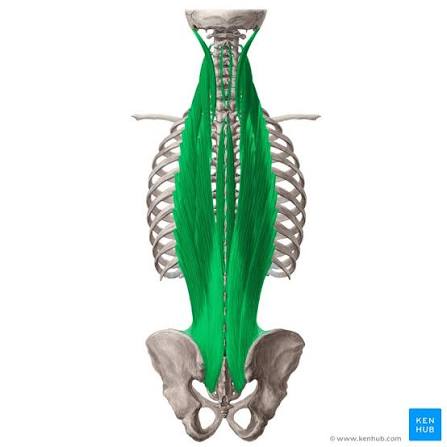
Erector spinae muscles
A group consisting of the iliocostalis, longissmus, and spinalis that functions to extend the vertebral column.
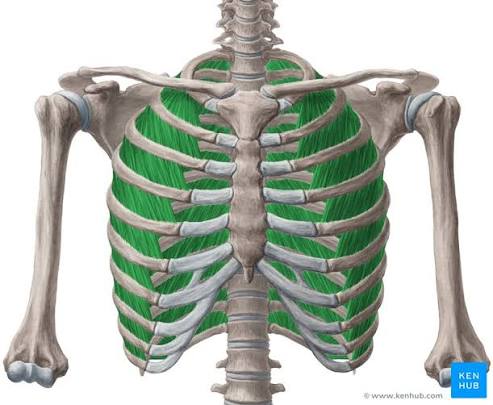
External intercostalis
Muscles used for inhalation that elevate the ribs for inspiration; the fibers point up and out.
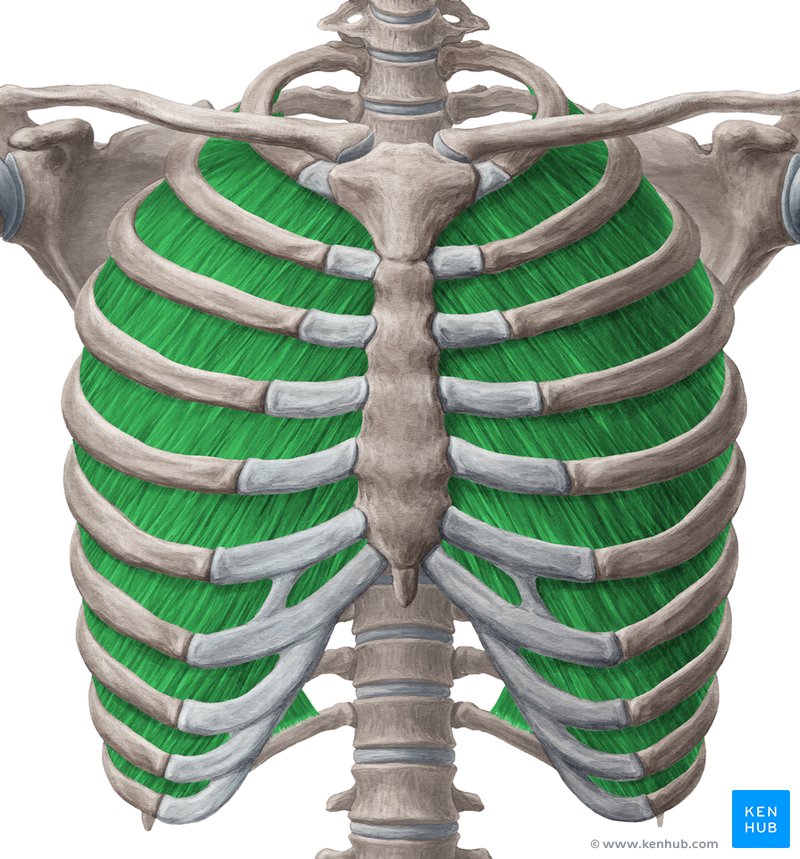
Internal intercostalis
Muscles used for exhalation that depress the ribs for expiration; the fibers point downward and out.
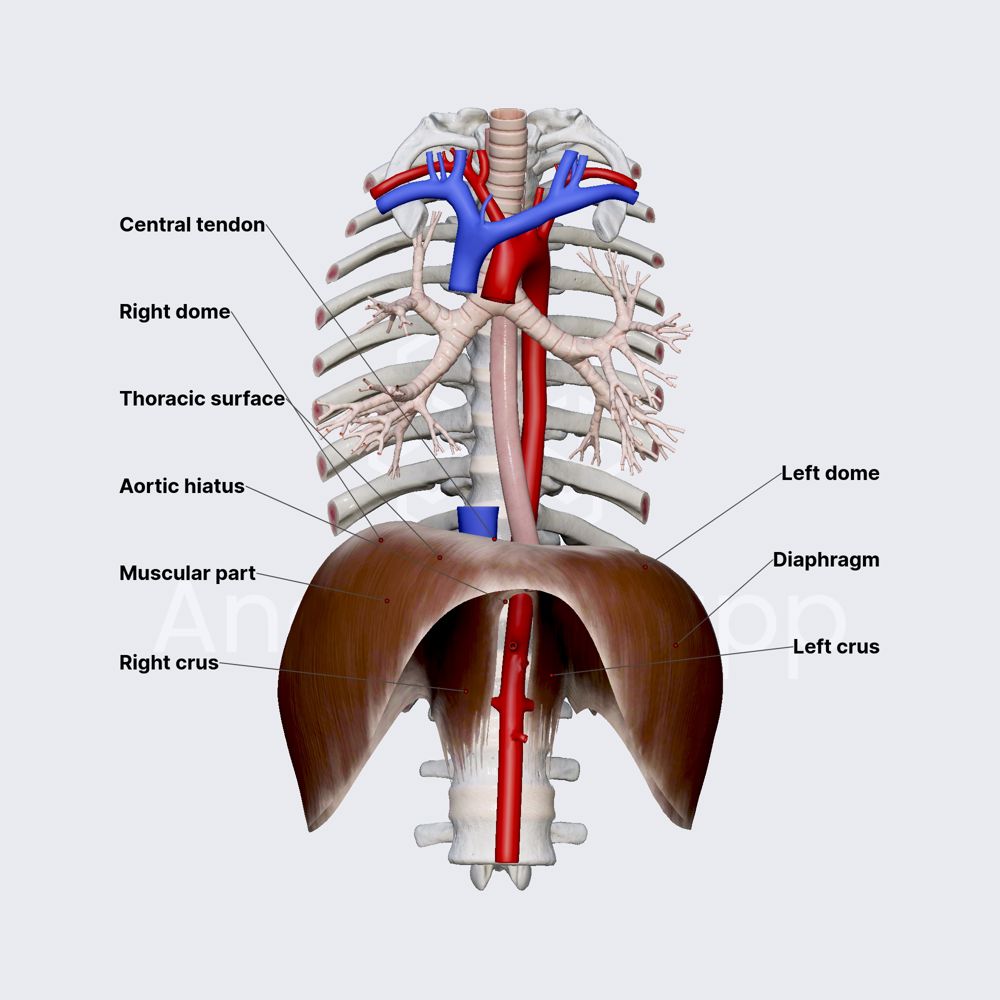
Diaphragm
A dome-like structure that contracts to increase the size of the thoracic cavity for inhalation.
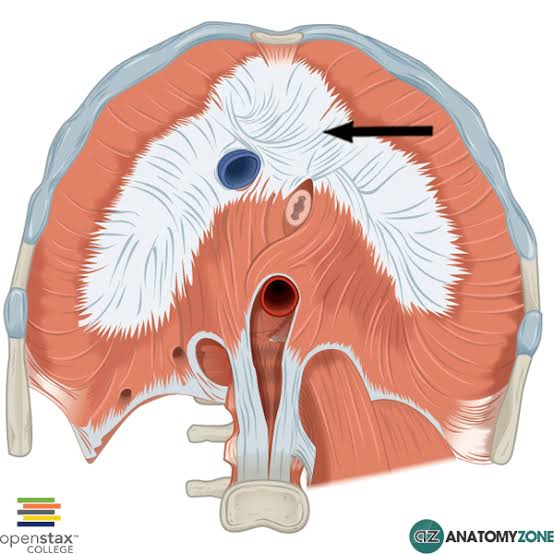
Central tendon
The insertion point for the diaphragm muscle.
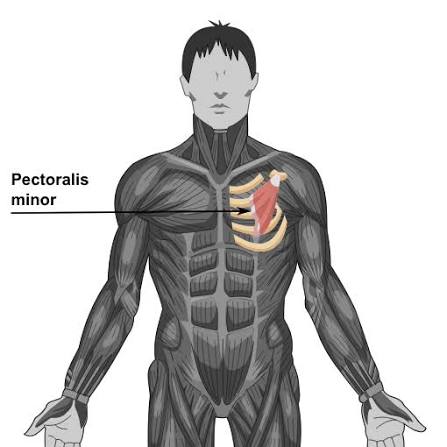
Pectoralis minor
Muscle originating on ribs 2 through 5 that abducts or pulls the scapula anterior and downward.
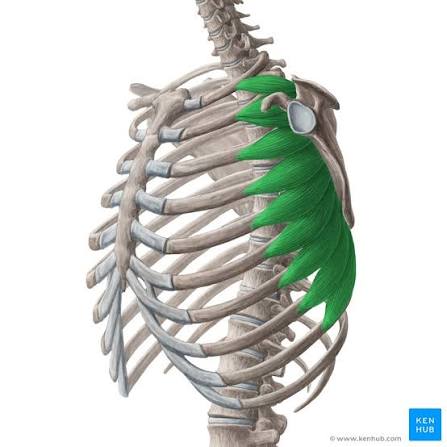
Serratus anterior
A sawtooth-like muscle originating on ribs 1 through 9 that abducts the scapula anterior and upward.
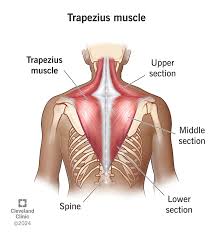
Trapezius
A large diamond-shaped muscle that elevates, depresses, or adducts the scapula and extends the neck.
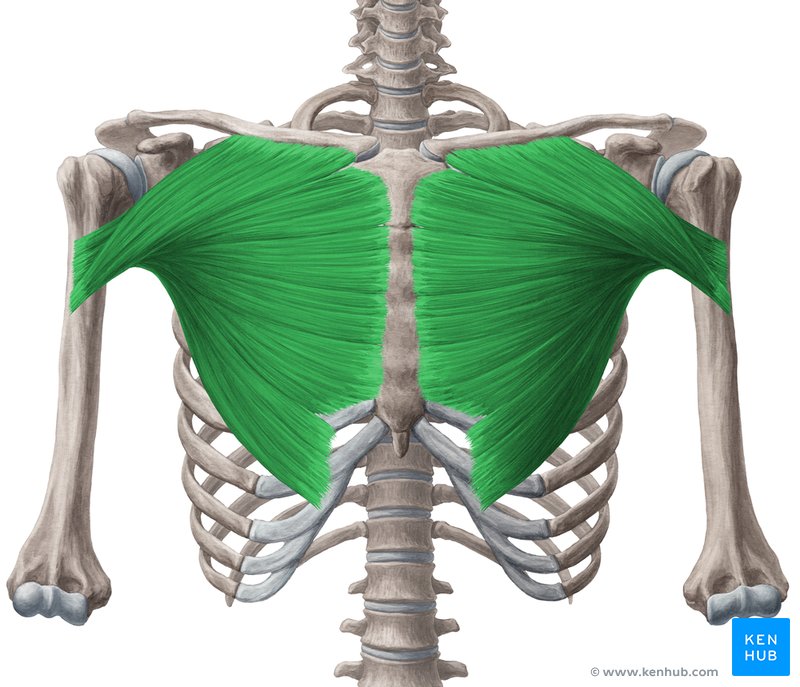
Pectoralis major
A big chest muscle originating from the clavicle, sternum, and costal cartilages 1 through 7 that flexes and adducts the arm. Inserting into the greater tubercle
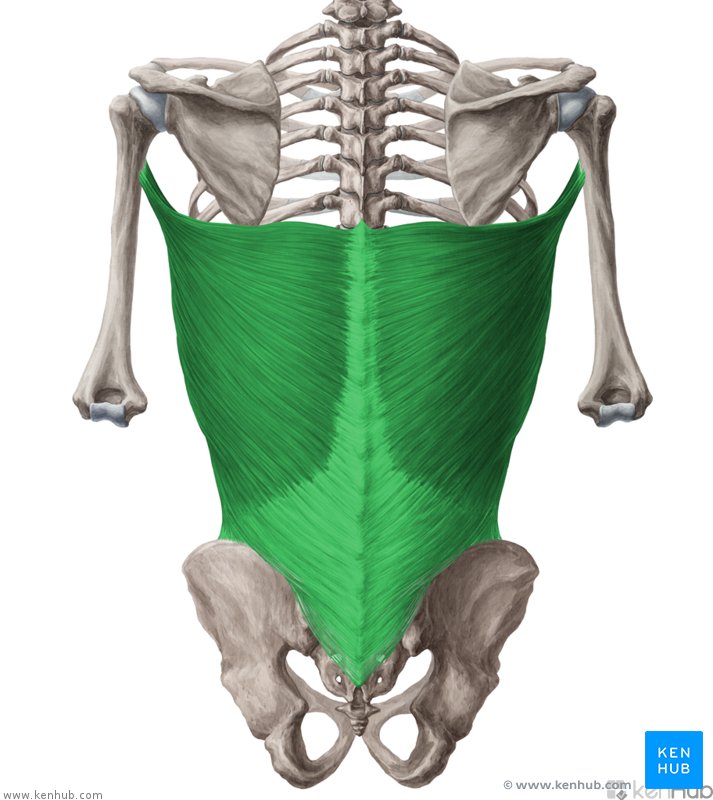
Latissimus dorsi
A large flat muscle on the dorsal side that extends, adducts, and depresses the shoulder.
Deltoid
A shoulder muscle that flexes, extends, and abducts the arm at the shoulder. Inserts at deltoid tuberosity
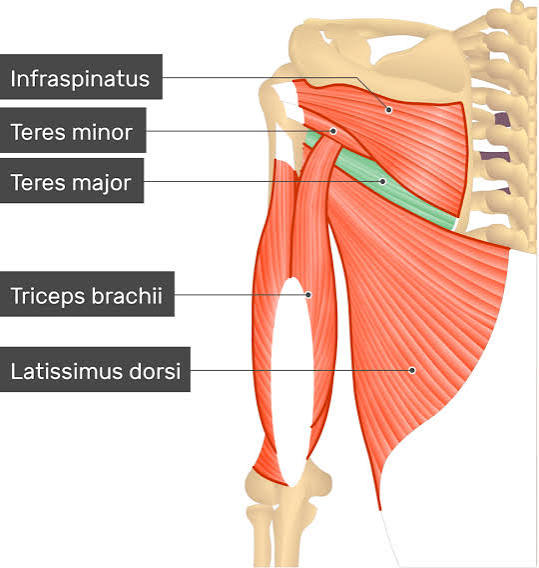
Teres major
Muscle originating at the inferior angle of the scapula that extends and adducts the arm at the shoulder.
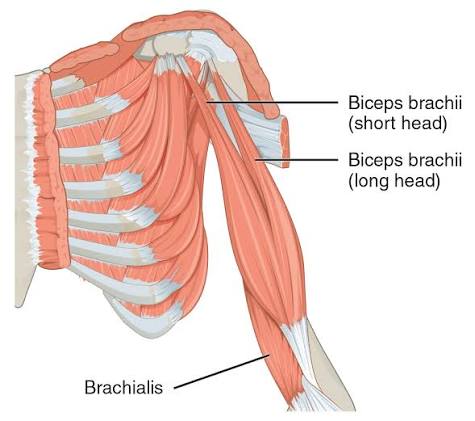
Biceps brachii
A muscle with two heads on the scapula (long head on supraglenoid tubercle & short on coracoid process) that flexes and supinates the arm at the elbow. Insertion point at radical tuberosity
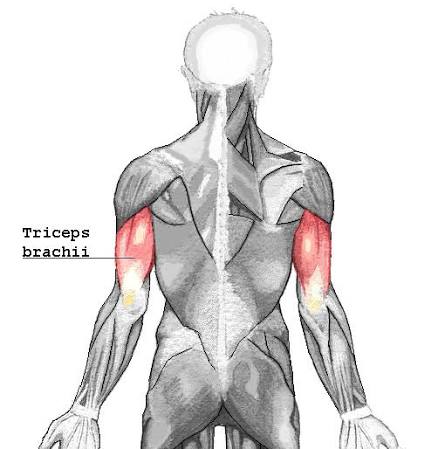
Triceps brachii
A muscle with three heads that extends the forearm at the elbow. Long head at infraglenoid tubercle, lateral head at posterior humerus, and medial head at posterior humerus.
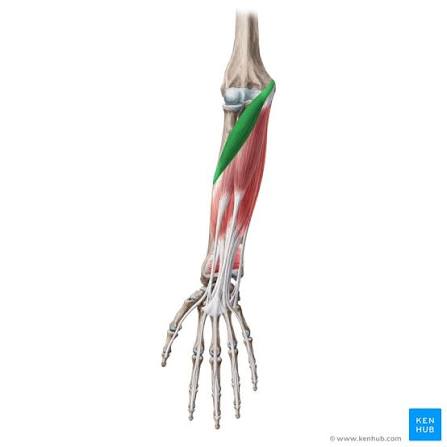
Pronator teres
A muscle that wraps from the medial epicondyle to the radius to pronate the arm.
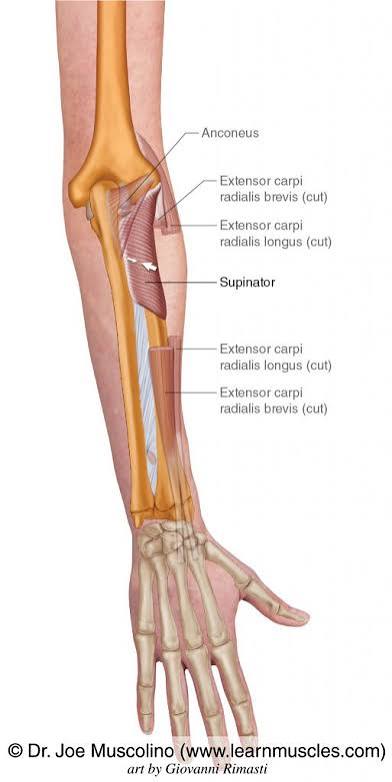
Supinator
A muscle that supinates the forearm, often associated with the phrase 'more soup please'.
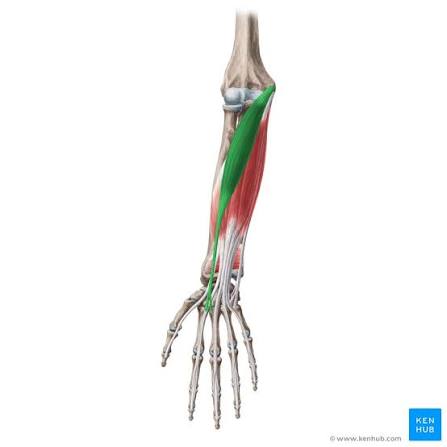
Flexor carpi radialis
An anterior muscle that flexes and abducts the wrist, remembered by the abbreviation 'FR' for 'father'.
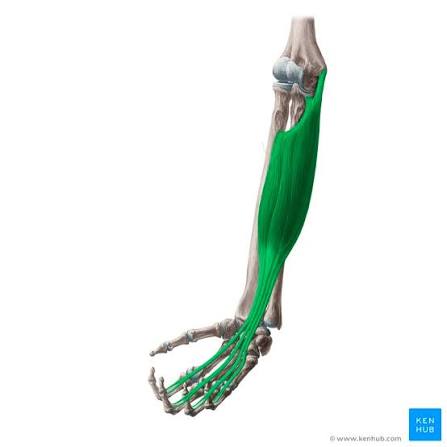
Flexor digitorum superficialis
A muscle used to flex the fingers and make a fist, located deep to the flexor carpi radialis.
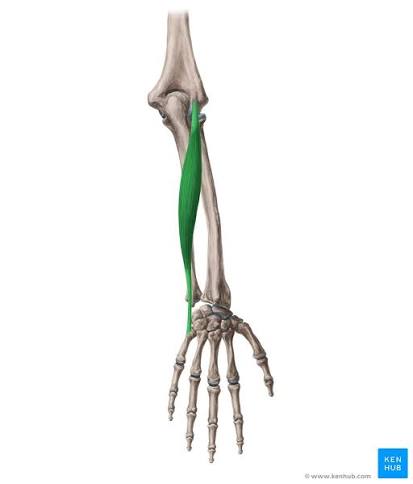
Extensor carpi ulnaris
A posterior muscle that extends and adducts the wrist, remembered by the abbreviation 'EU'.
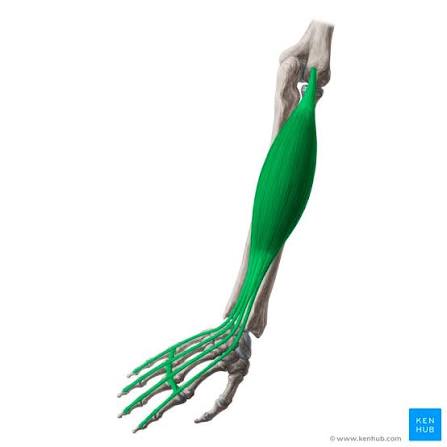
Extensor digitorum
A muscle on the posterior arm that extends the fingers and is used for 'jazz fingers'.
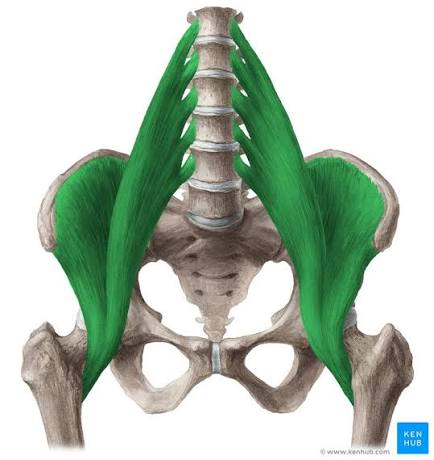
Iliopsoas
A muscle group made of the iliacus and the psoas major used to flex the hip and vertebral column.
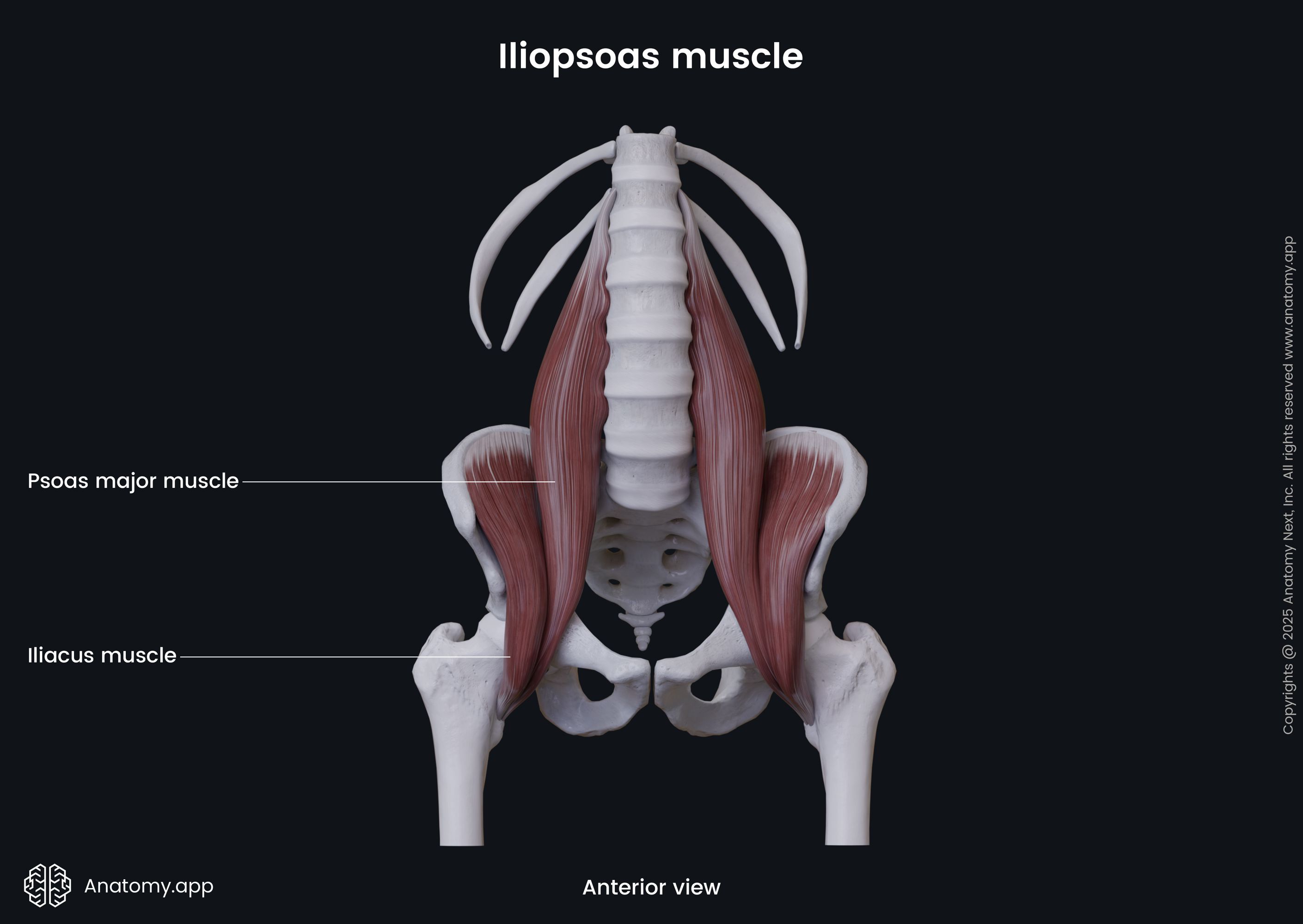
Iliacus
A part of the iliopsoas originating on the iliac fossa and sacrum. Insertion point at lesser trochanter
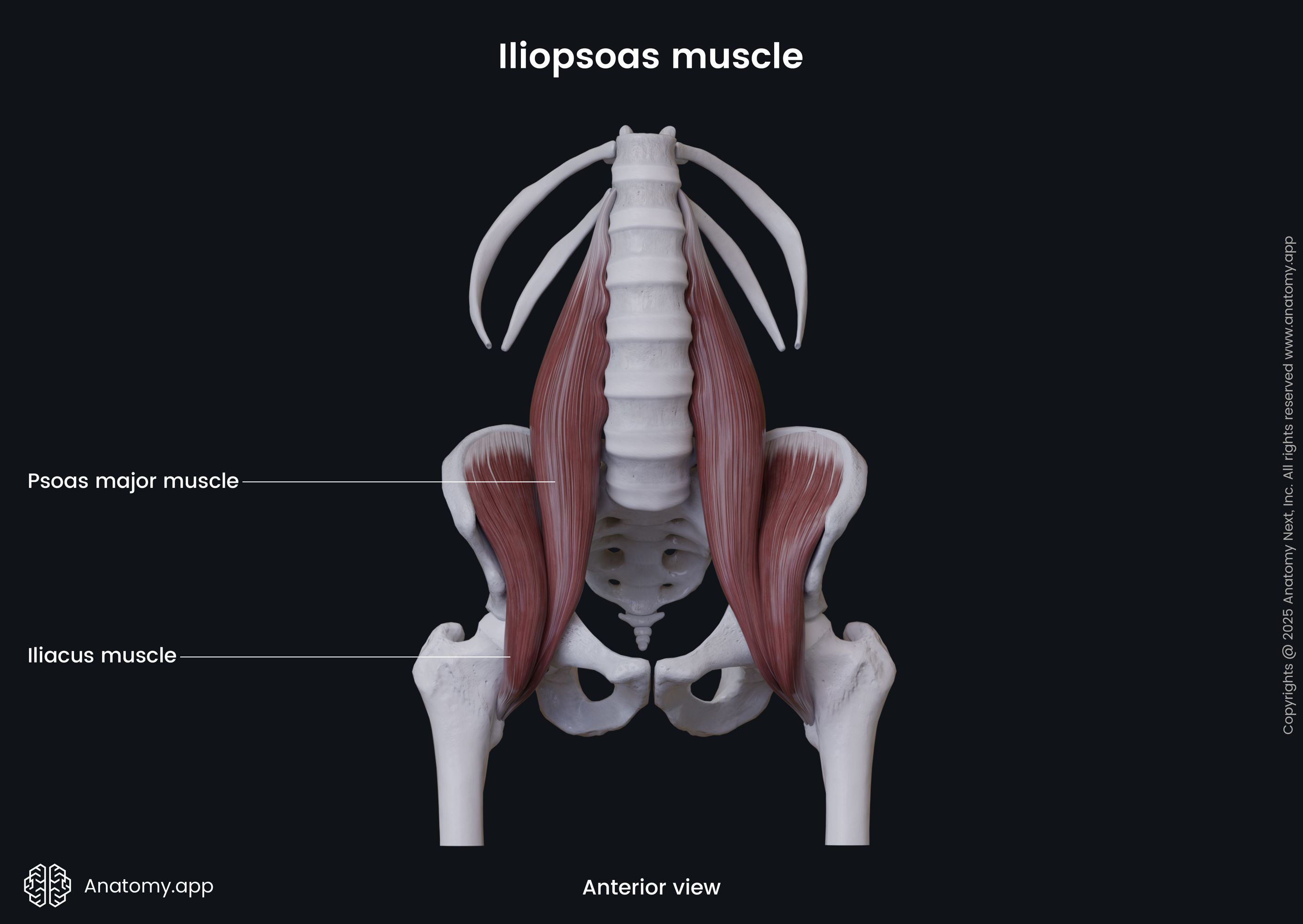
Psoas major
A part of the iliopsoas originating on the lumbar vertebrae. Insertion point of lesser trochanter
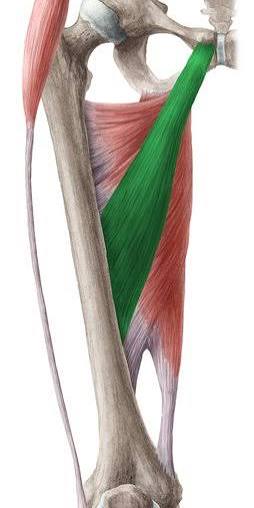
Adductor longus
Muscle originating on the pubis and inserting into the posterior femur that flexes and adducts the hip.
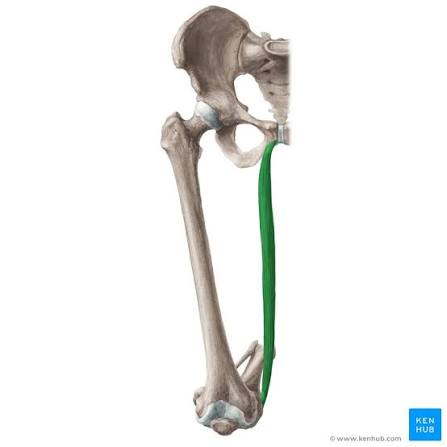
Gracilis
A thin or slender muscle, often called the groin muscle, that adducts the hip and flexes the knee.
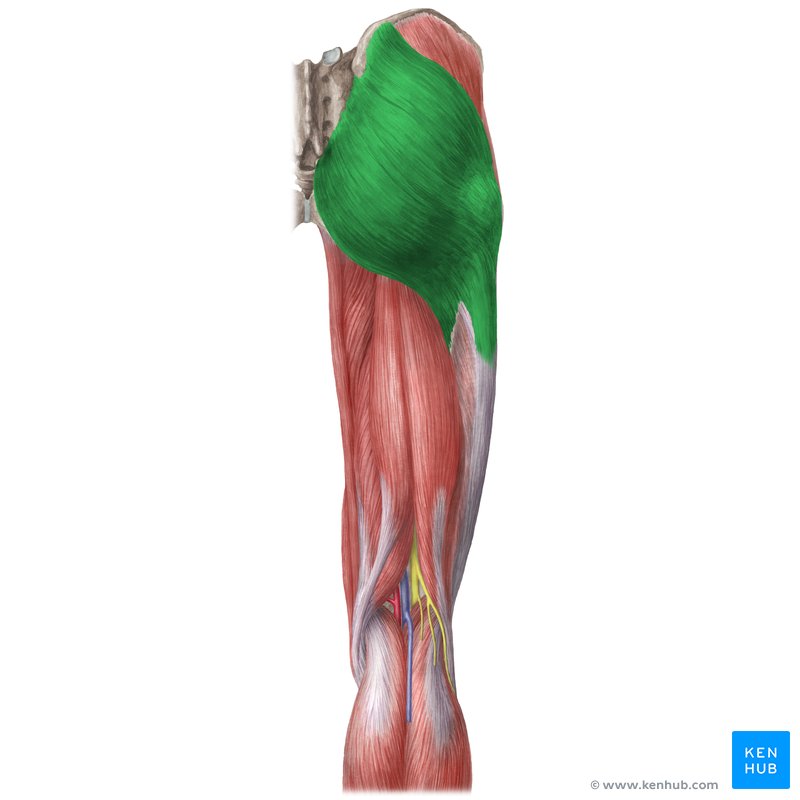
Gluteus maximus
A large butt muscle that extends the hip.
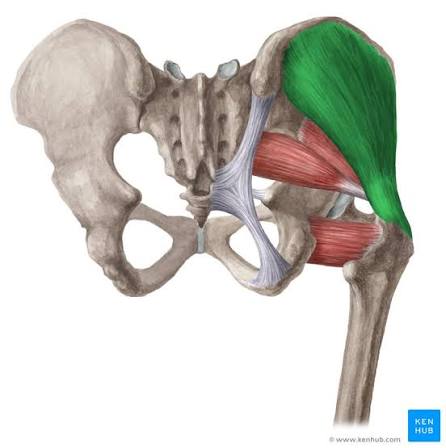
Gluteus medius
A muscle above the gluteus maximus that appears clam-shaped from a lateral view.
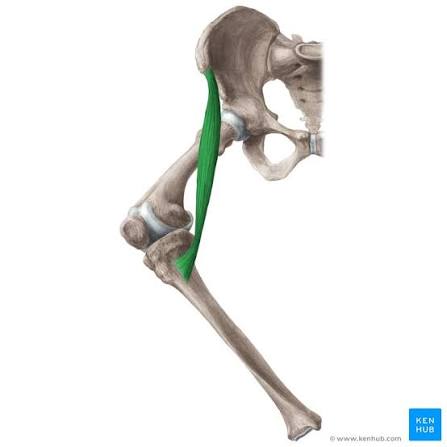
Sartorius
A rope-like muscle that wraps from the anterior ilium to the medial tibia and separates the quadriceps from the gracilis.
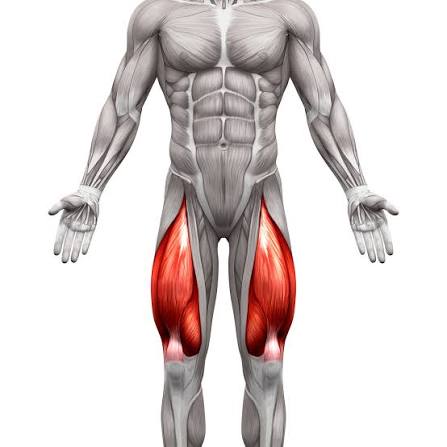
Quadriceps
A group of four muscles that work together to extend the knee.
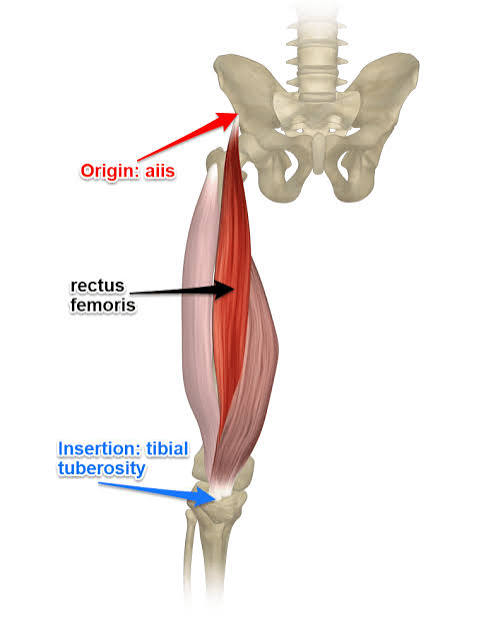
Rectus femoris
A quadriceps muscle originating on the anterior ilium and inserting into the tibial tuberosity.
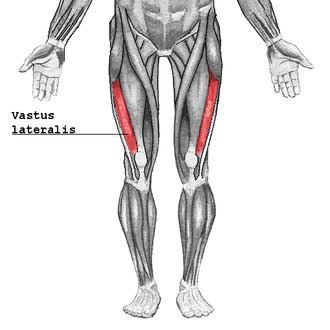
Vastus lateralis
The lateral-most muscle of the quadriceps group.
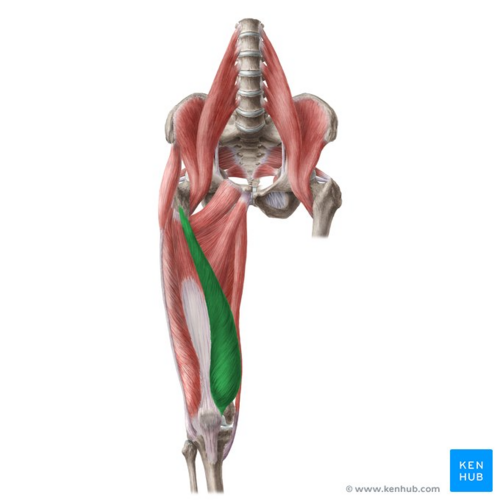
Vastus medialis
The medial-most muscle of the quadriceps group.
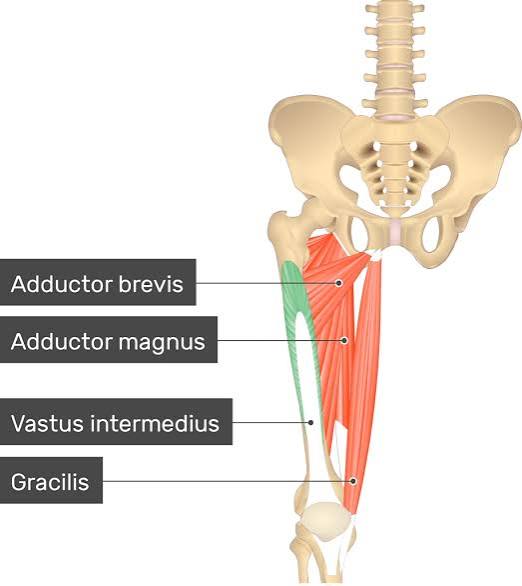
Vastus intermedius
The quadriceps muscle that is deep and hidden by the rectus femoris.
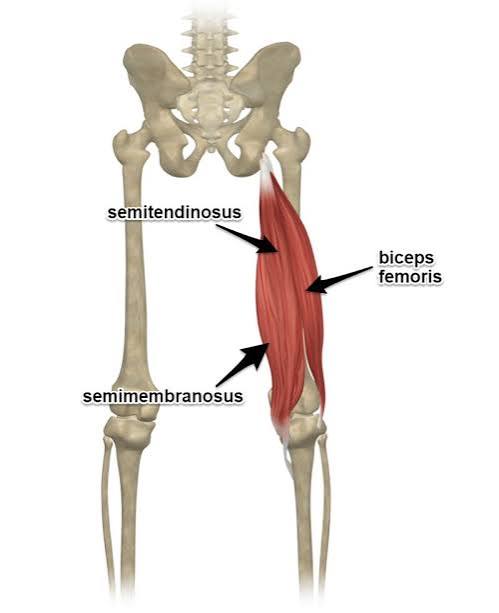
Hamstrings
A group of three muscles on the posterior leg that flex the knee and extend the hip.
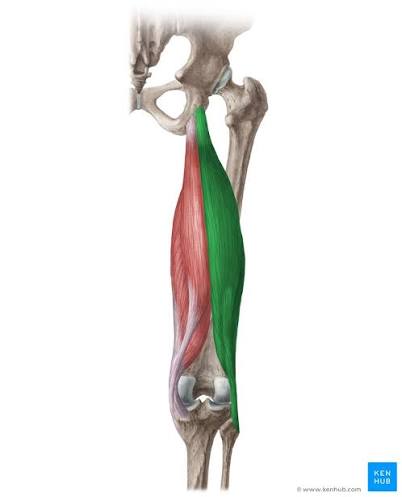
Biceps femoris
The lateral muscle of the hamstrings group characterized by two heads.
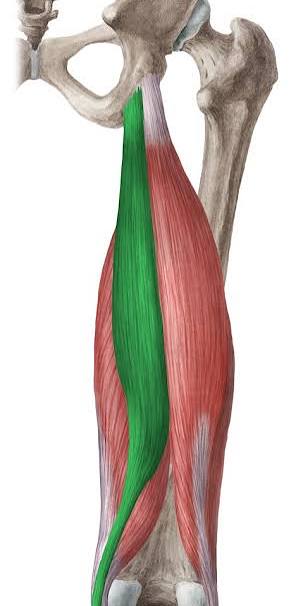
Semitendinosus
A medial hamstring muscle identified as having one 'm' in its name.
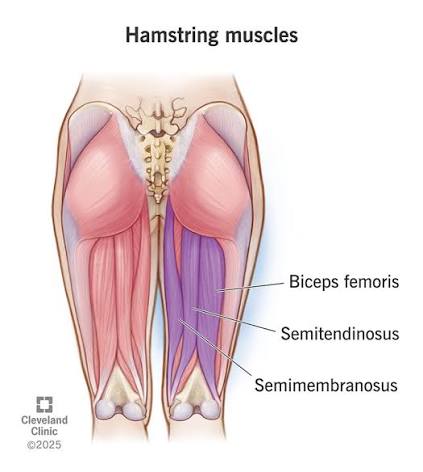
Semimembranosus
The most medial hamstring muscle, origin in ischial tuberosityand insertion on the tibia and femur. It plays a role in flexing the knee and extending the hip.
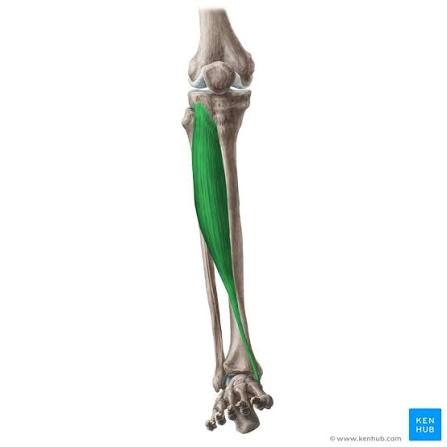
Tibialis anterior
A muscle on the anterior side of the tibia used for dorsiflexion of the foot. Origin in lateral condyle of tibia & insertion in medial tarsal and metatarsal
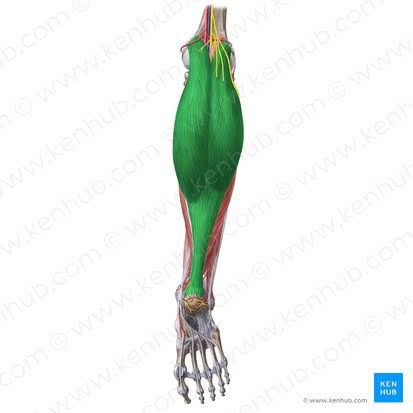
Gastrocnemius
The calf muscle used for plantar flexion, allowing one to stand on their tippy toes. Origin in lateral & medial condyle of the femur. Insertion at the calcaneus
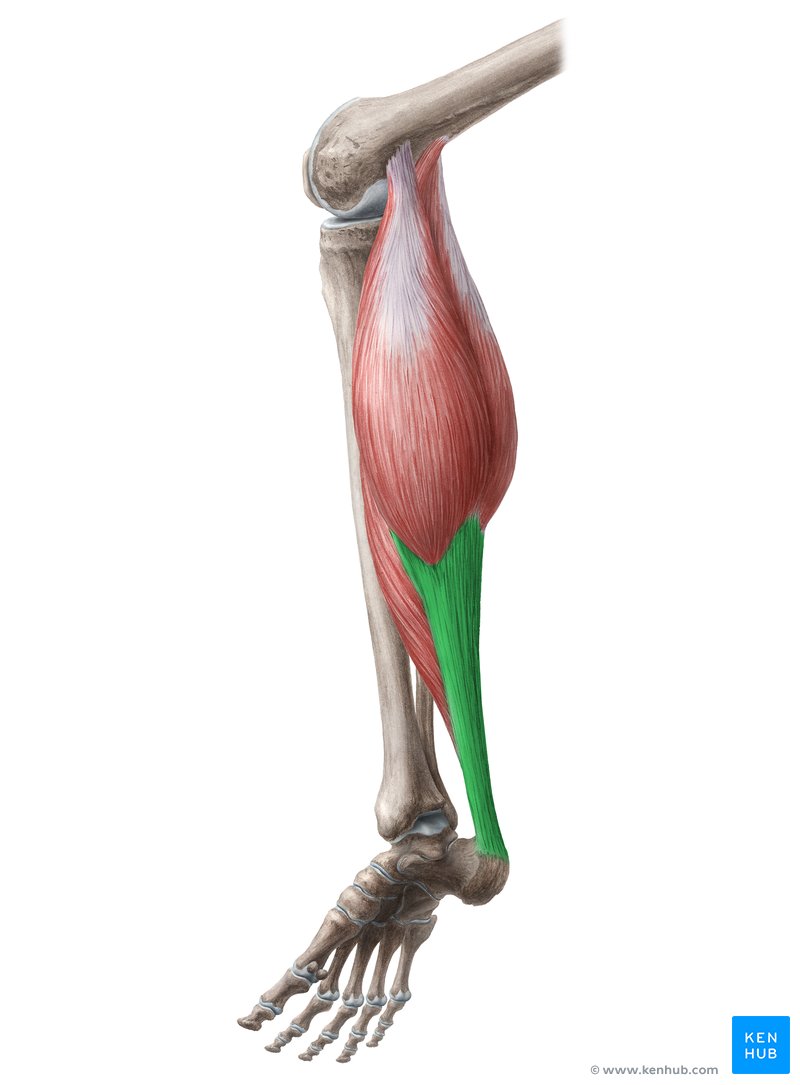
Calcaneal tendon
Also known as the Achilles tendon, it is the insertion point for the gastrocnemius into the heel bone.