Cardiovascular general
 Call Kai
 Learn
Learn Practice Test
 Spaced Repetition
 Match
Match Flashcards
 Knowt Play
1/27

There's no tags or description
Looks like no tags are added yet.
Name | Mastery | Learn | Test | Matching | Spaced | Call with Kai | Chat |
|---|
No analytics yet
Send a link to your students to track their progress
28 Terms
systemic circulation
moves oxygen-rich blood from the heart to the rest of the body.
pulmonary circulation
movement of blood between the heart and the lungs
arteries and arterioles
nourish organs with blood and nutrients. high pressure, low volumen.
tunica interna of arteries
endothelium, elastic membrane
tunica media of arteries
thickest, most variable and muscular
tunica adventitia of arteries
fibrous, prevents rupture.
elastic artery
nearest to heart, more elastic tissue = maintain a constant pp
muscular artery
more smooth muscle
capillary beds
single layer of smooth muscle cells, arranged around endothelium, reduced adventitia.
capillaries
thin-walled, single endothelial layer
exchange of nutrients and metabolites via diffusion.
sinusoids
found in certain organs like liver, wider and fenestrated
venules and veins
thinner walled, less elastic
low pressure, high volume.
no musuclar tissue in the TM.
tunica interna of veins
forms valves, always thin and lacks elastic membrane
tunica media of veins
relatively weak, partially muscular and partially elastic
tunica adventitia of veins
elastic fibers are more plentiful
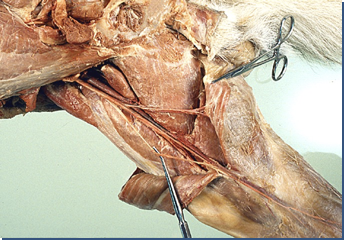
satellite veins
deep veins that run in parallel with an artery
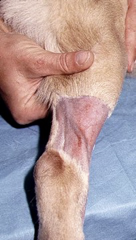
superficial veins
lie in the subcutaneous tissue just beneath the skin and away from major arteries
anastomoses
direct connections between vessels, can bypass capillary beds and shunt blood.
temp regulation (digits, ears, nose)
vasoconstriction
smaller lumen, more pressure
vasodilation
bigger lumen, less pressure
collateral circulation
extra BV coming from other directions, branching arterial supply.
end arteries
have essential patency, no collateral circulation so if i tie, the tissue will die ie. infarct.
functional
blood supply fpr the organ to perform its core role ie gas exchange in lungs
nutritive
delivers nutrients and oxygen directly to the tissues so it can survive.
right heart
deoxygenated blood
left heart
oxygenated blood
cardiovascular clinical procedures
•Venipuncture
•Arteriopuncture (for Arterial Blood Gas analysis)
•Joint injections or arthrocentesis
•Auscultation
•Pulse palpation
•Cardiac US/Echo
•Doppler (not just heart!)
•Blood Pressure
lymphatic system
drains excess ECF from capillaries.