Lecture 12: 19th Century Europe (Romanticism to Impressionism)
 Studied by 18 people
 Call Kai
 Learn
Learn Practice Test
 Spaced Repetition
 Match
Match Flashcards
 Knowt Play
1/15

There's no tags or description
Looks like no tags are added yet.
Name | Mastery | Learn | Test | Matching | Spaced |
|---|
No study sessions yet.
16 Terms
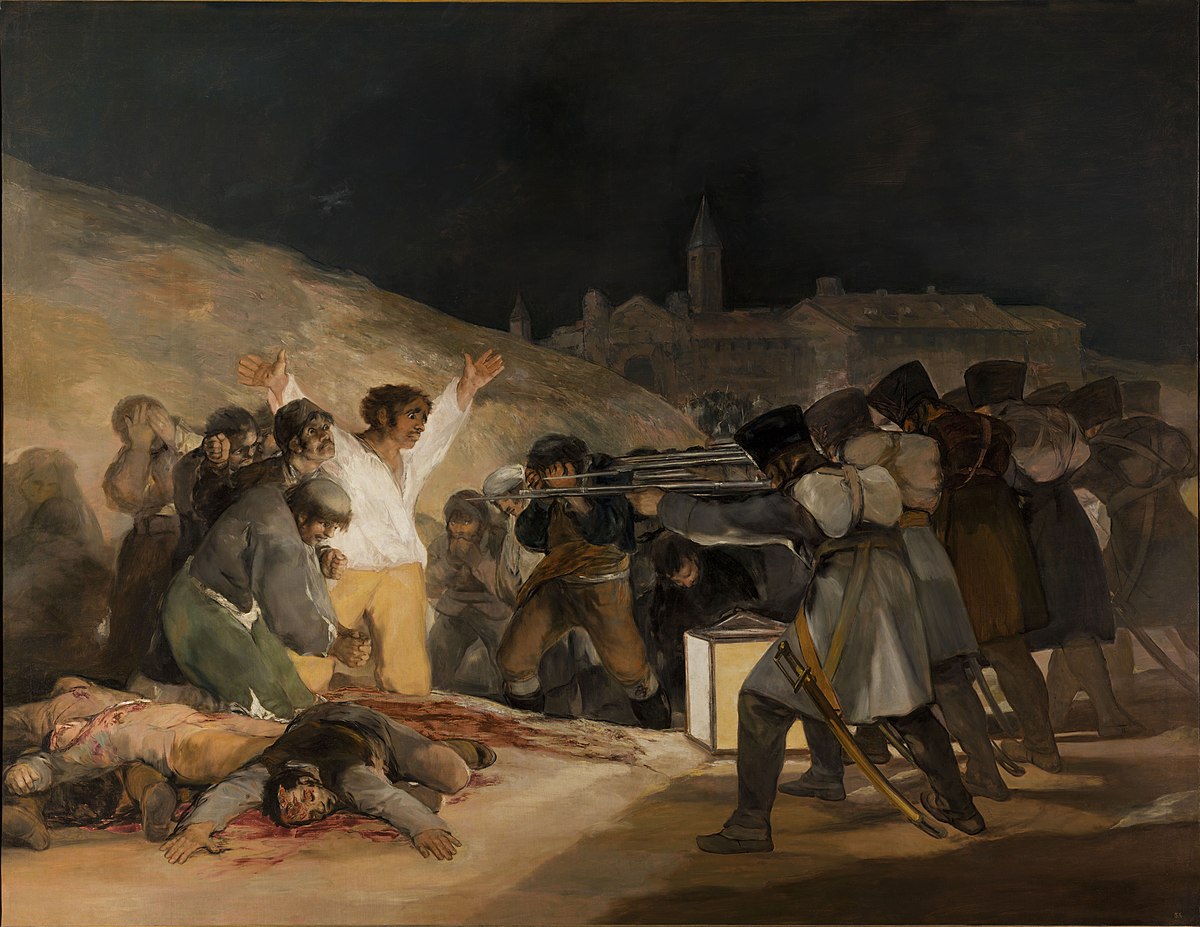
The Third of May 1808
Francisco Goya
Oil on canvas
1814 (Romanticism)
Showcases what happened after the uprising where Spanish commoners rebelled against making Napoleon’s brother (French) as king of Spain. People were arressted and later killed. Takes place at night, French were killing anyone that went against Napoleon and his brother.
Supposed to make viewers feel outrage, sympathy, disgust. Dramatic lighting on the commoners that are terriffed. Dark, somber colors used and brushwork is very loose & frantic giving a sense of tension
Romanticism
Emotional paintings, loose brushwork, dramatic
Impressionism
Depicting what the middle class were doing in their free time. People are painting outside due to the invention of paint in tubes (en plain air). Very fluffy, soft brushworks, think Monet
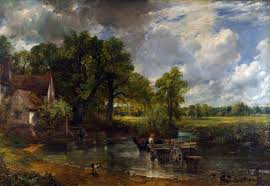
The Hay Wain
John Constable
Oil on canvas
1821 (Romanticism)
Landscape painting showing the classic English countryside where a cottage and people working on the field, fluffy clouds are realistic as he’s the first artist to actually study how clouds look like. Tranquil feeling that recalls a quieter & simpler time compared to a souless industrial place.
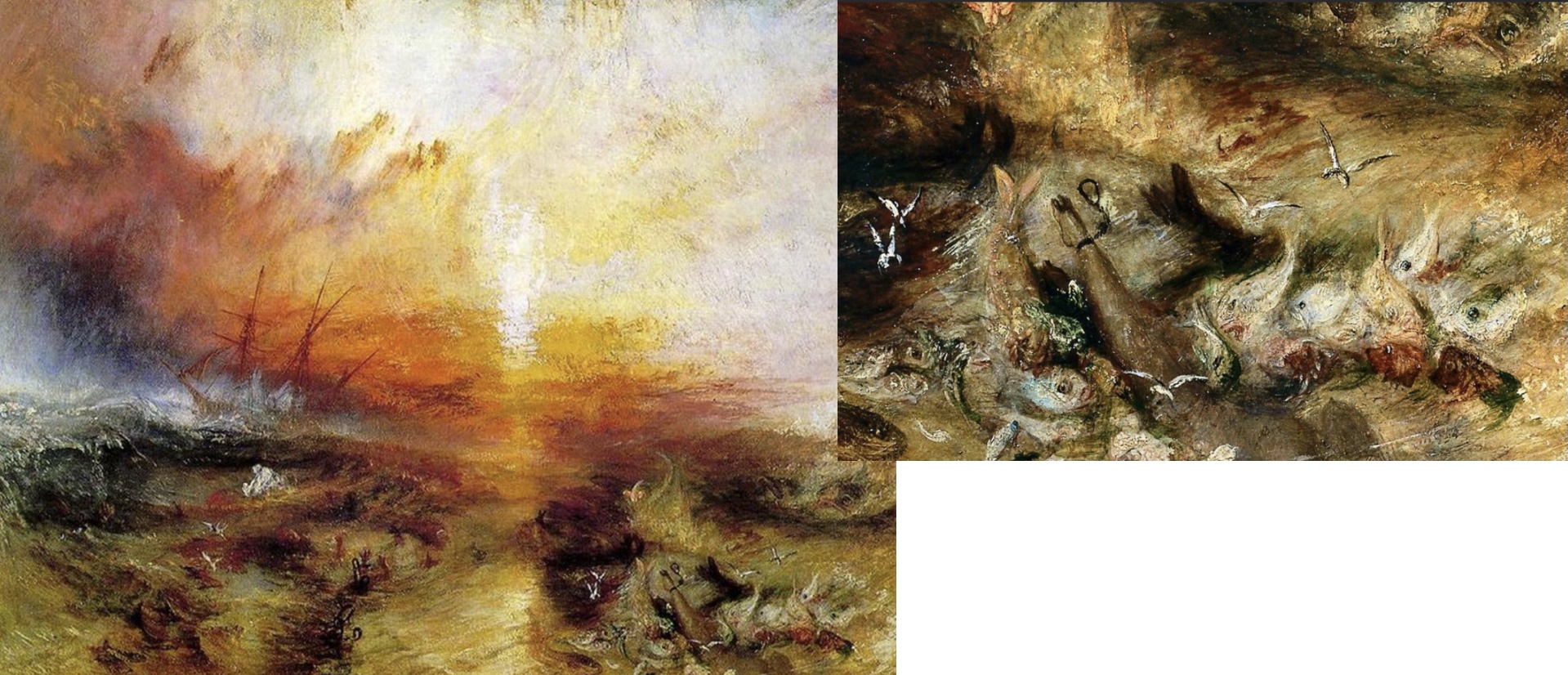
The Slave Ship
J.M.W. Turner
Oil on canvas
1840 (Romanticism)
Shows the ocean filled with blood and dead bodies as this happened during the start of the abolitionist movement when the slave trade from Africa to the New World was still happening. If the journey was getting too long, ship captains would throw slaves (considered cargo) into the ocean and say they lost their slaves (cargo) because of a storm and in return ship captains would get reimbursement/insurance.
Loose brushwork, sun in background indicating sunrise/sunset. Romantic approach=convey feelings through ocean, clouds, sky, bright colors, and swirl movement indicating the size and power of nature can’t be compared to.
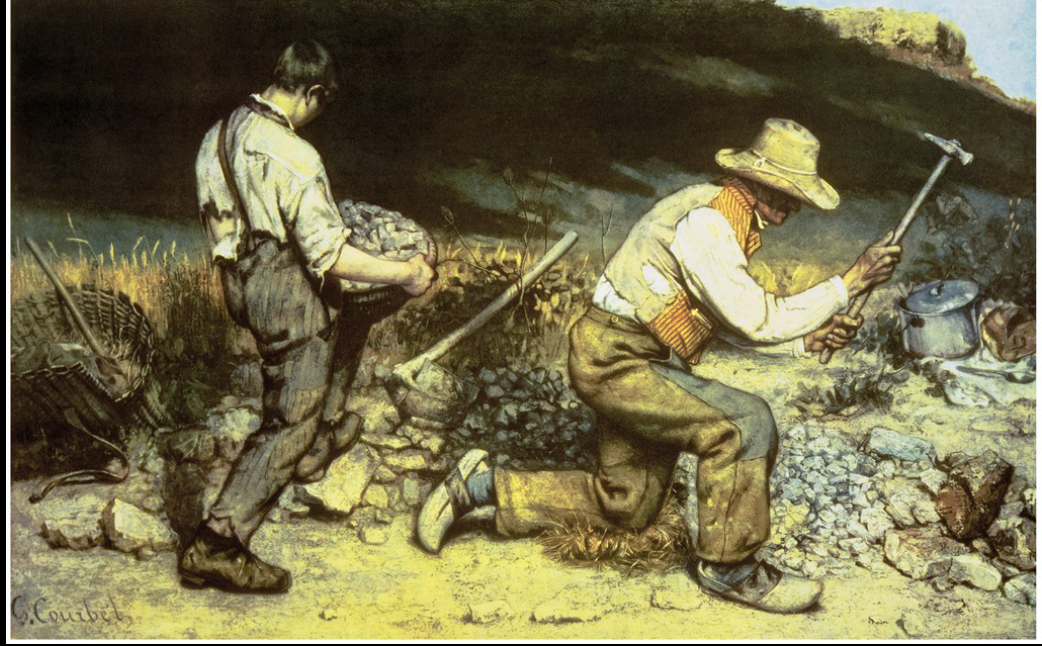
The Stone Breakers
Gustave Courbet
Oil on canvas
1849 (Realism)
Want to show real life and what real people are doing in the real world (hard work) instead of sugarcoating like rich people doing rich things. Uses the same shades of colors.
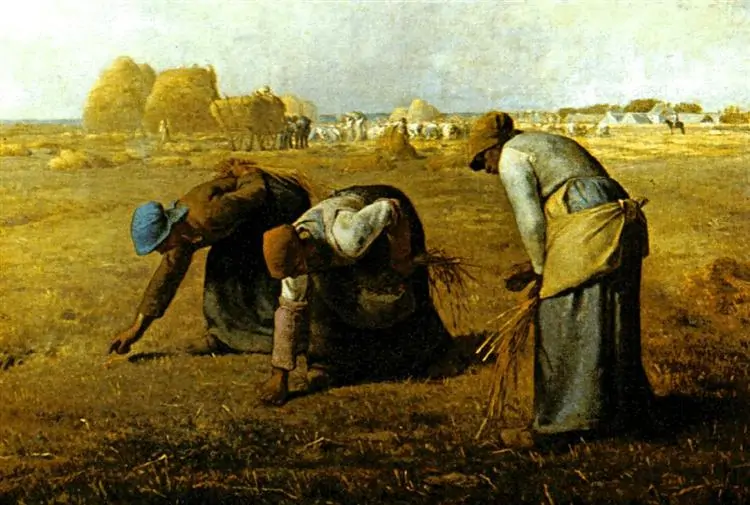
The Gleaners
Jean-Francois Millet
Oil on canvas
1857 (Realism)
Shows elgantly curved figures representing realism against a beautiful background, as there is something in the beauty in the world. Showing peasant woman as they are allowed to pick up scraps after fields are harvested to feed for their family.
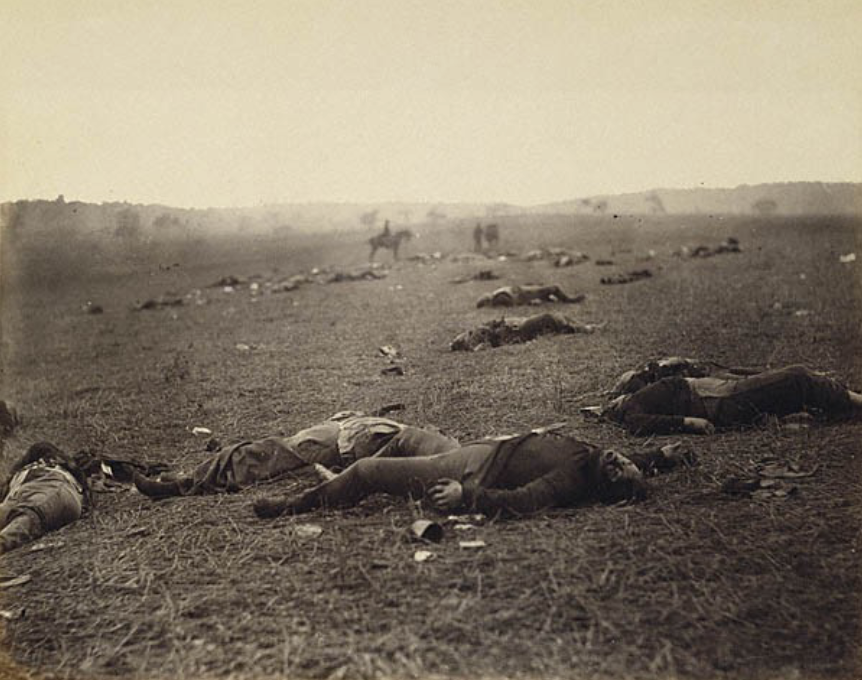
A Harvest of Death
Timothy O’ Sullivan
Gettysburg, Pennsylvania
1863
Artist took photos of civil war. Artist dragged dead bodies around the battlefield to frame this photo aiming to create a more dramatic image.
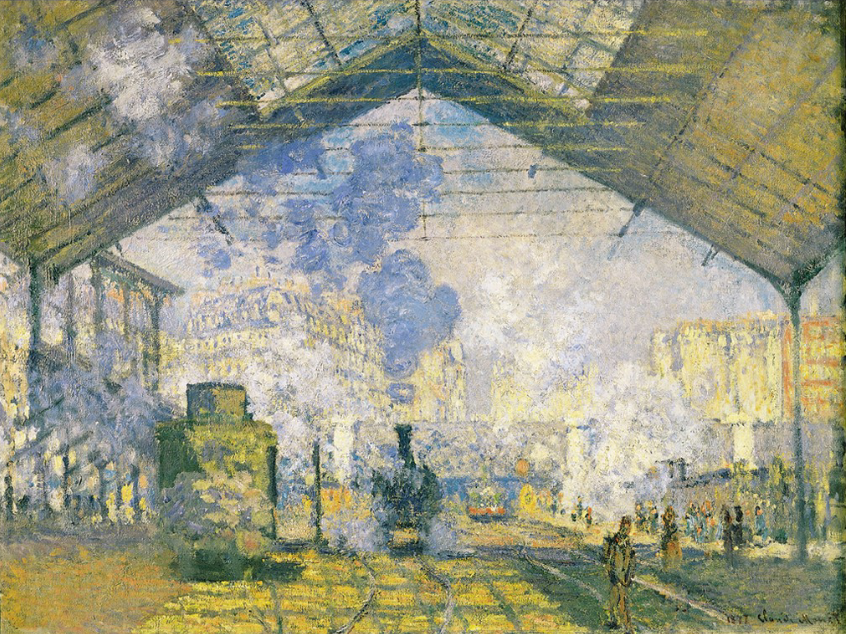
Saint-Lazare Train Station
Claude Monet
Oil on Canvas
1877 (Impressionism)
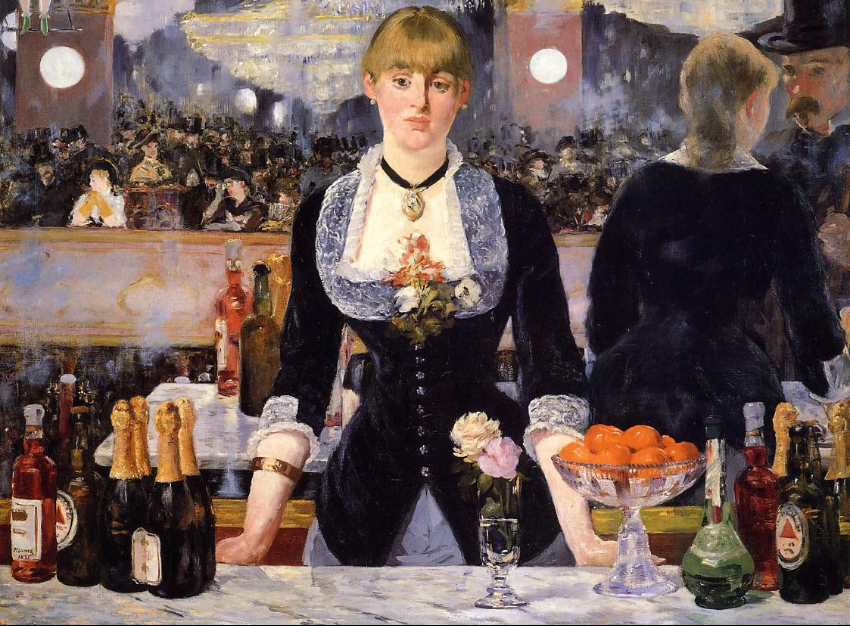
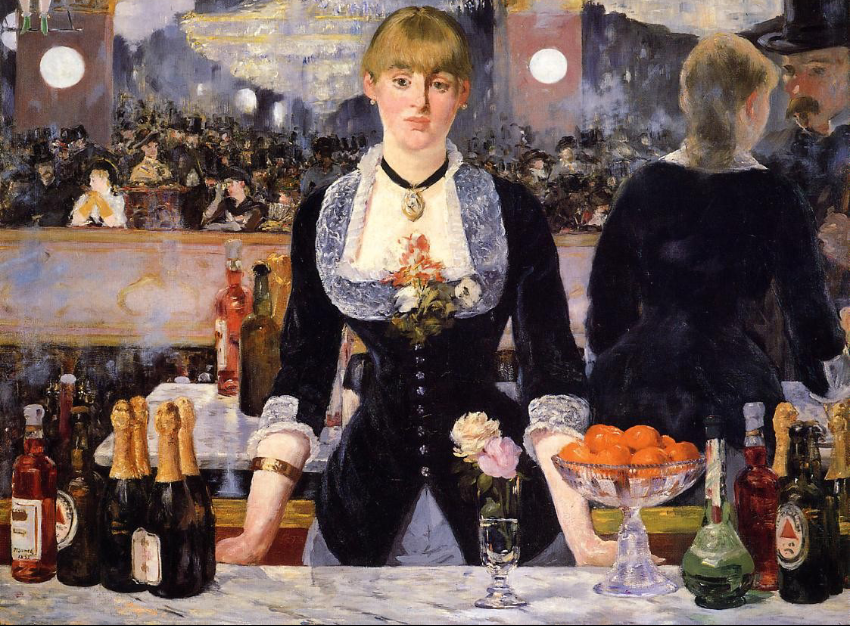
Bar at the Folies-Bergère
Édouard Manet
Oil on Canvas
1882 (Impressionism)
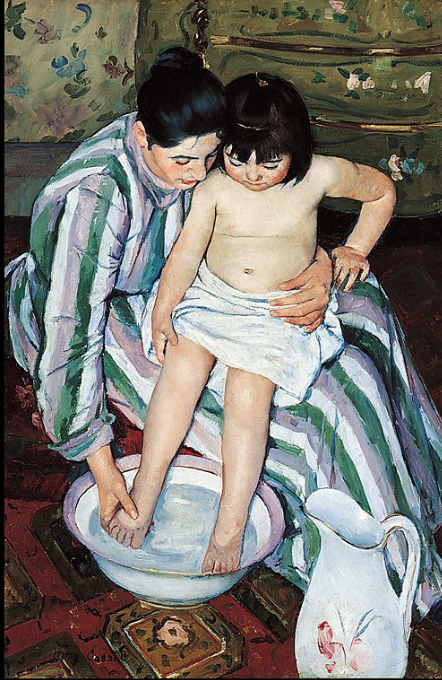
The Bath
Mary Cassatt
Oil on Canvas
1892 (Impressionism)
Industrial Revolution
Starts in England, a transformative period that began in the late 18th century, marked by a shift from agrarian economies to industrialized ones, driven by advancements in technology and manufacturing processes. This movement significantly altered social, economic, and cultural landscapes, paving the way for modernity. It brought about urbanization, new labor dynamics, and changing artistic expressions that challenged traditional ways of seeing the world.
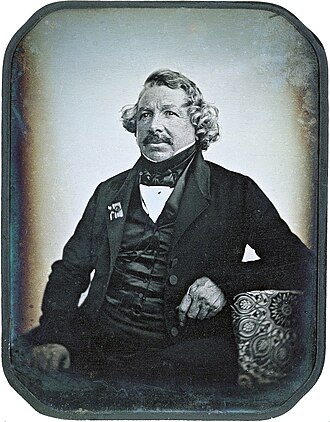
Daguerreotype
An early photographic process developed in the 1830s that created a single, detailed image on a polished metal plate coated with silver iodide. This revolutionary technology marked a significant advancement in the field of photography, allowing for the capturing of lifelike images and changing how society viewed itself and its surroundings, especially during the period of industrialization and cultural transformation.
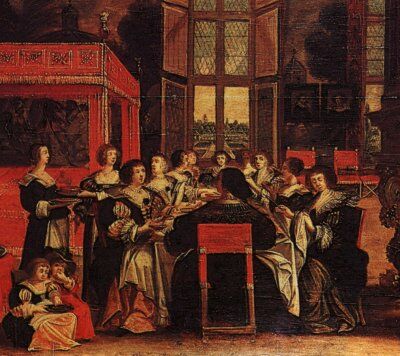
Salon
Refers to the gatherings held in private homes where intellectuals, artists, and influential figures came together to discuss and debate ideas during the Enlightenment. These salons played a crucial role in the dissemination of Enlightenment thought, as they provided a space for free expression, the exchange of ideas, and the promotion of social and political reform, often challenging traditional norms and authorities.
Modern
Art from the 1860s to the 1970s, a period marked by artists breaking from traditional academic rules to embrace experimentation, abstraction, and new ways of seeing, driven by rapid industrialization, societal shifts, and the rise of photography, focusing on individual perspective and emotional expression over realistic depiction. Heavy emphasis of the artists’s inner emotions and perceptions and a departure from conventional rules of perspective and composition.
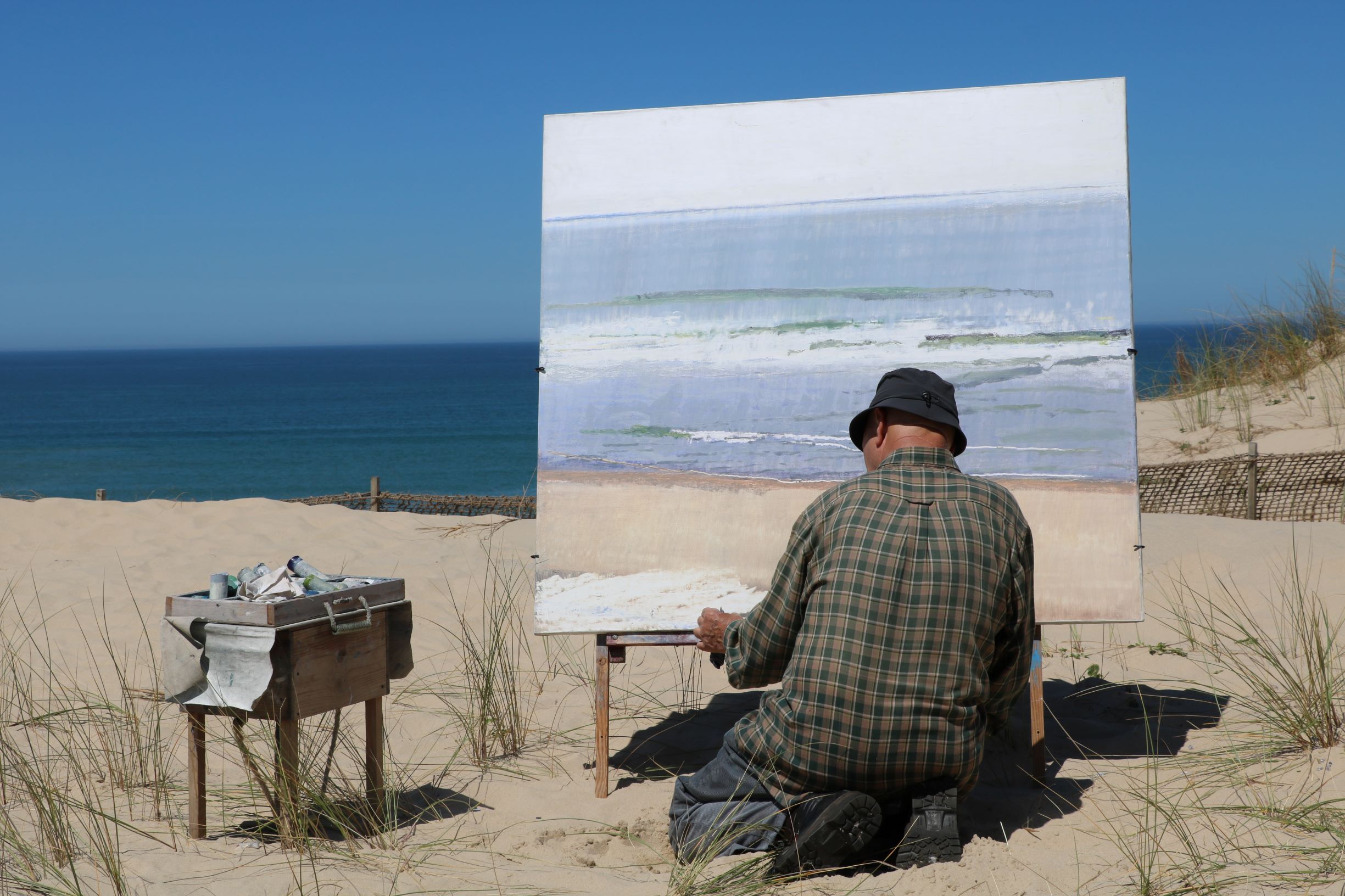
En plein air
French term meaning “in the open air”. Refers to the practice of painting outdoors with the subject in full view. This method allows artists to capture the fleeting effects of natural light, color, and atmosphere directly from observation, often resulting in more spontaneous and vibrant works.