bio exam 2
 Call Kai
 Learn
Learn Practice Test
 Spaced Repetition
 Match
Match Flashcards
 Knowt Play
1/328

There's no tags or description
Looks like no tags are added yet.
Name | Mastery | Learn | Test | Matching | Spaced | Call with Kai | Chat |
|---|
No analytics yet
Send a link to your students to track their progress
329 Terms
horizontal transmission of plant viruses
transfer of virus from one plant to another typically through damaged plant tissue (cant just inject bc plants have a cell wall); may come from pollen, another plant, or vectors like insects
vertical transmission of plant viruses
virus is transmitted from the parent plant
symptoms of plant viruses
hyperplasia (abnormal cell proliferation), hypoplasia (decreased growth/vigor), necrosis of plant or tissue (death of cells)
plant viruses
most are ssRNA, but not all; due to hosts cell wall, the virus needs a mechanism for entry (damage, insects, vectors); causes devastating crop loss, affecting food supply; plum pox, tomato spotted wilt virus, zucchini yellow mosaic virus
animal viruses
dont have to penetrate a cell wall to gain access to host cell; associated with a variety of human diseases; causes: acute disease, chronic infections, oncogenic viruses, intermittent symptoms, asymptomatic infection
acute disease
type of animal virus; flu and cold; symptoms get increasingly worse for a short period followed by the elimination of the virus from the body by the immune system
chronic infections
type of animal virus; long term viral infections and can hid from immune systems; hep C
oncogenic viruses
type of animal virus; have the ability to cause cancer; hep C, HPV
intermittent symptoms
type of animal virus; stay in nervous system/brain tissue for months or even years; herpes
asymptomatic infection
type of animal virus; cause productive infections without causing any symptoms; herpes 6 and 7
vaccines
primary method of controlling viral disease; antibiotics aren’t helpful (designed to kill bacteria, not virus); designed to boost immunity; may be prepared using live viruses(attenuation/weakening), killed viruses, or molecular subunits
variola virus
smallpox
antiviral drugs for treatment
designed to kill bacteria, so will not eliminate viruses; sometimes these drugs can be used to treat diseases caused by viruses; can inhibit a virus by blocking the actions of one or more of its proteins- targeted proteins must be encoded by viral genes and these molecules must not be present in a healthy host cell; tamiflu drug
tamiflu
antiviral drug; reduces the duration of flu symptoms by 1 or 2 days but it doesn’t prevent symptoms entirely; inhibits neuraminidase and prevents visions from exiting the cell, so now it cant leave and go infect another cell; prevents virus from detaching from host cell
prions
proteinaceous infectious particles for animals; smaller than viruses; contain neither RNA nor DNA- only proteins; cause fatal neurogenerative diseases: mad cow, creutzfeldt-jakob, scrapie, chronic wasting; not destroyed by cooking
how do prions work
abnormal PrP converts normal PrP into abnormal PrP; normal prions found in brain (PrPc) interact with abnormal (PrPsc- misfolded normal proteins) and all convert into PrPsc ; causes holes in brain tissue
viroids
smaller than prions; smallest; only infects plants; can reproduce only within a host cell; dont manufacture proteins; causes crop failures; potato spindle tuber viroid (PSTV) was the first identified one- infected knives cut healthy potatoes
prokaryotes
first organisms on earth; live on and in every other living organism; most are benign and essential to life; first observed by Leeuwenhoek
who discovered the techniques for pure culture and staining using agar
Robert koch
culture medium
contains all the nutrients needed by the target microorganism; can be liquid (broth) or solid; after incubation time at the right temperature, there should be evidence of microbial growth here
pure culture
a lab culture containing a single species of microorganism
blood agar plates
used to diagnose streptococcus infections
Robert kauch
proposed 4 postulates to prove a causal relationship between a microorganism and an individual; used a diseased animal with suspected pathogen and healthy animal and used a culture sample from both then inoculated (inject) healthy animal with pathogen and it became diseased
koch’s 4 postulates
microorganism must be found in abundance in all organisms suffering from the disease, but shouldn’t be found in healthy organisms ; microorganism must be isolated from a diseased organism and grown in pure culture; cultured microorganism should cause disease when introduced to healthy organism ; microorganism must be reisolated from the inoculated diseased experimental host and be identical to the original specific causative agent
prokaryotic cell size
0.1-5 micrometer in diameter; much smaller than eukaryotes; the predominant organisms of bacteria and archaea
prokaryote shapes
cocci (round), bacilli (rod), spirilli (spiral- syphillis); often occur in pairs, chains, tetras, clusters, etc
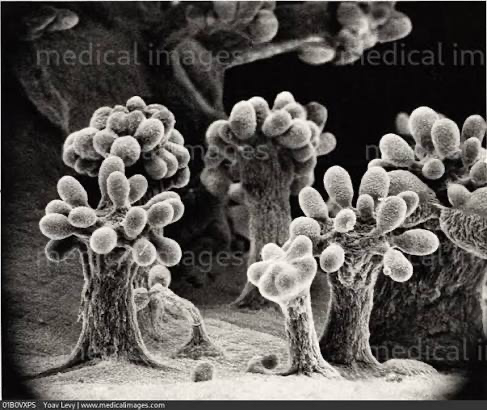
chondromyces crocatus- prokaryote
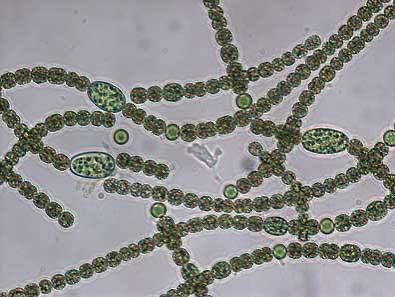
anabaena (cyanobacteria); engulfed by ancestral prokaryotic cell to become chloroplast; prokaryote
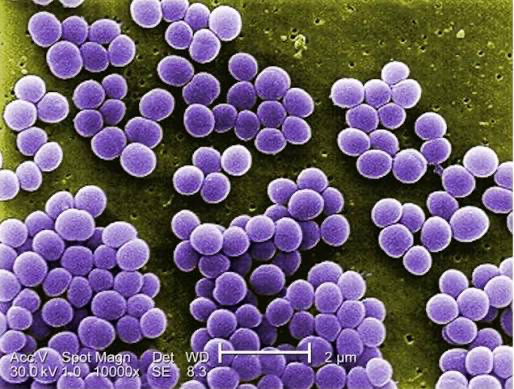
staphylococcus; grape like cluster; spherical shape
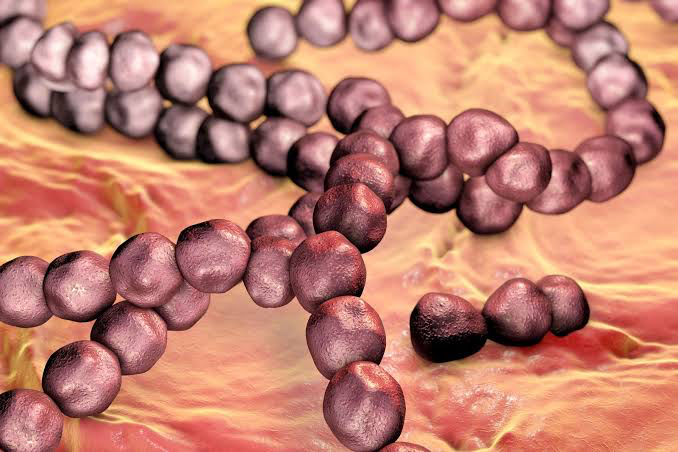
streptococcus; long chains; spherical; prokaryote
prokaryote structure
all of these types of cells have 4 common structures: plasma membrane, cytoplasm, double-stranded DNA genome, ribosome (no nucleus or microtubules)
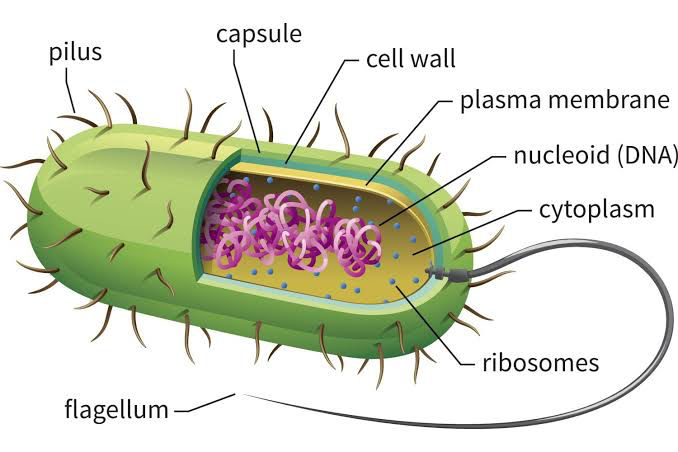
plasma membrane in prokaryote structure
found in all prokaryotes; functions as a barrier for the cell and separates the cell from its environment
cytoplasm in prokaryote structure
found in all prokaryotes; complex solution of organic molecules and salts inside the cell
double-stranded DNA genome in prokaryote structure
found in all prokaryotes; the informational archive of the cell
ribosomes in prokaryote structure
found in all prokaryotes; sites of protein synthesis
pilus
found in some prokaryotes; bacteria use this to attach to surfaces; can form sex pilus (bridge) and cause conjugation
capsule
found in some prokaryotes; resists attack from host immune system, making it more pathogenic; outermost of cell wall/plasma membrane; made up of sticky carbs and proteins; glues cells together or to surface
flagellum
found in some prokaryotes; mobility
cell wall in prokaryotes
almost all have this; lies outside plasma membrane; protects and prevents lysis; bacteria has it with peptidoglycan and archaea uses other structural polysaccharides (no PG)
mycoplasma
smallest bacteria that lacks a cell wall
gram positive bacteria
bacteria with thick (90%) PG layer; found by Hans christian gram; stains purple in gram stain
gram stain
reflects cell wall type
gram negative bacteria
bacteria with thinner PG layer AND an outer lipid bilayer membrane; turns pink bc outer lipopolysaccharide layer is often toxic and resists drugs and immune system
nostoc filaments
thread-like chains of photosynthetic cyanobacteria; held together by capsules
taxis in prokaryotes
movement towards or away from stimulus
chemotaxis
movement towards/away from chemical/nutrients
phototaxis
bacteria move towards/away from light source
geo/magneto taxis
movement towards/away from gravity or magnetic field
plasmids
many prokaryotes have this; extra tiny DNA rings with few genes; replicate independently; separate from the bacterial chromosome; not essential for life but add diversity; drug resistance genes
5 key differences between bacteria and archaea
plasma membranes, cell walls, DNA replication, gene expression, 16S rRNA sequence
archaea plasma membrane
has tetra ether polymer which allows extremophiles to withstand high temps; uses ether linkage; formed on glycerol skeleton
bacteria plasma membrane
unbranched; use ester bonds
extremophile
type of prokaryote; bacteria and archaea that are adapted to grow under extreme conditions
acidophile
extremophile; survive acidic conditions
alkaliphiles
extremophile; survive basic conditions
thermophiles
extremophile; survive high temp
hyperthermophile
extremophile; survive extremely high temp
psychrophiles
extremophile; survive icy temps
halophile
extremophile; survive high salt
osmophile
extremophile; survive high sugar concentration
deinococcus radioduran
a prokaryote that can tolerate very high doses of ionizing radiation
polyextremophile
extremophile; survive radiation
prokaryote metabolism
nutrients and energy sources
prokaryote metabolism- macronutrients
nutrients that are needed in large amounts (Carbon, Hydrogen, Oxygen, Nitrogen, Phosphorus, and Sulfur)
prokaryote metabolism- micronutrients
nutrients that are needed in small amounts (iron- needed for cytochromes which help with electron transport reactions)
prokaryote metabolism- light
energy source; photoautotrophs and photoheterotrophs
prokaryote metabolism- chemical
energy source; chemoheterotrophs and chemolithoautotrophs; can get it from organic or inorganic chemicals (chemo-organo(humans) and chemolitho trophs respectively)
prokaryote ecology
interactions among organisms and roles in ecosystem
prokaryote ecology(relations)- interactions among organisms
symbiosis (2 species living in close relationship), which has 3 types: parasitism, commensalism, mutualism
prokaryote ecology- roles in ecosystem
decomposers, produces O2 (Cyanobacteria), role in carbon cycle, nitrogen cycle
parasitism
symbiosis; prokaryote ecology; getting nutrients from host, making the host sick; includes pathogens which cause disease; anthrax and cholera bacteria
commensalism
symbiosis; prokaryote ecology; one species benefits without any impact on other species; like bacteria living on our skin
mutualism
symbiosis; prokaryote ecology; both organisms benefit from eachother; rhibozium in legume roots get sugar, and provide fixed N for plant
photoautotrophs
type of prokaryote that gets its energy from sunlight and carbon from CO2 (prokaryote metabolism)
photoheterotrophs
type of prokaryote that gets its energy from light, but carbon from organic compounds (prokaryote metabolism)
chemoheterotrophs
type of prokaryote that obtains energy and carbon from chemical sources (prokaryote metabolism); most important decomposers on earth (secreted enzymes hydrolyze dead material/waste); absorptive
chemolithoautotrophs
type of prokaryote that obtain their energy from inorganic compounds and build complex molecules from CO2
free-living prokaryote
not living in symbiosis; not dependent
how old is the earth
4.5 billion years old
ancient atmosphere
anoxic (no molecular oxygen), only anaerobic organisms were able to live
autotrophs
self-feeders that make their own food; primary producers; carbon fixation (CO2 converted to organic molecules) meaning they go through the carbon cycle
heterotroph
must consume other organisms for sustenance
phototrophs
autotrophic; convert solar energy into chemical energy; appeared within 1B years of the earths formation
cyanobacteria
aka blue-green algae; ancestral versions of this began oxygenation of the atmosphere- increase in O2 concentration allowed the evolution of other life forms; evolved from phototrophs; prochlorococcus (marine) is the most abundant photosynthetic organism
carbon cycle
used by many prokaryotes; continuous process by which carbon moves through the Earth’s atmosphere, land, oceans, and living organisms; carbon enters the soil, and microbial respiration and decomposition happens
nitrogen cycle
used by many prokaryotes; nitrogen gas is useless for plants but nitrogen itself is necessary, so nitrogen-fixing bacteria does its job which leads to ammonification
ammonification
used during nitrogen cycle; process by which ammonia is released during the decomposition of nitrogen containing organic compounds
prokaryote reproduction
aesexual via binary fission which doesn’t provide an opportunity for genetic recombination or genetic diversity; 1n results in 2 1n cells
if prokaryote reproduction is aesexual, where does its diversity come from
high rate of cell division allows for many mutations; short generation spans allows for rapid evolution; horizontal gene transfer (transformation, transduction, conjugation)
transformation
cell takes up prokaryotic DNA directly from environment; may remain as a plasmid or incorporated into genome; 2 types: natural and artificial
transduction
bacteriophage injects DNA into the cell; bacterial DNA is inserted into donor cell, enzymes break up the bacterial DNA, then one viral phage capsid houses the bacterial DNA, and it is inserted into the recipient cell
conjugation
DNA is transferred via sex pills that connects the 2 cells; requires presence of F factor in donor (F+ , meaning the cell contains the plasmid), resulting in 2 F+ cells; e coli
natural transformation
DNA is released from a dead cell and picked up by another live cell; proteins involved in transformation are encoded by bacterial chromosome (Griffiths capsule experiment)
artificial transformation
accomplished in the lab; used to transform e.coli for molecular cloning
endospores
some bacteria produce these under stress; survive heat and drought for years; bacillus anthraces (anthrax), clostridium tetanus (tetanus)
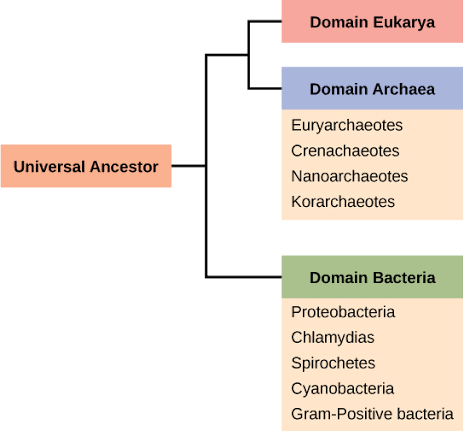
domain archaea
major group of prokaryotes; more closely related to eukarya than bacteria; includes extremophiles and methanogens(produce methane) but can also live in normal conditions; no human-disease causing
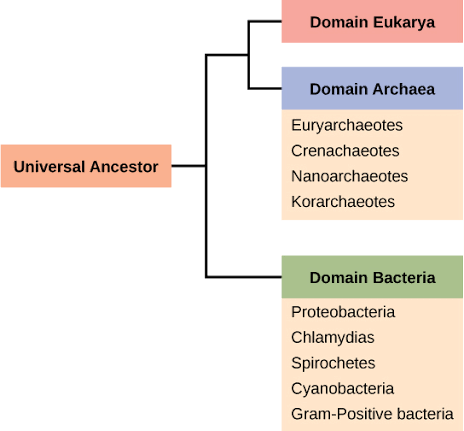
domain bacteria
5 types: proteobacteria, chlamydias, spirochetes, cyanobacteria, gram + bacteria
domain bacteria: proteobacteria
gram negative; diverse array of metabolism/nutrition; includes many n-fixing and common gastrointestinal pathogens; e coli, salmonella (food poisoning), rhizobium, vibrio cholerae
rhizobium
type of proteobacteria; nitrogen-fixing; found in legume group
domain bacteria: chlamydias
gram negative; all are parasites within animal cells; chlamydia trachomatis