ARCH 307 Exam #1 Slide IDs
0.0(0)
Studied by 5 people Call Kai
 Learn
Learn Practice Test
 Spaced Repetition
 Match
Match Flashcards
 Knowt Play
Card Sorting
1/18

Earn XP
Description and Tags
Last updated 6:46 AM on 2/14/23
Name | Mastery | Learn | Test | Matching | Spaced | Call with Kai | Chat |
|---|
No analytics yet
Send a link to your students to track their progress
19 Terms
1
New cards
\
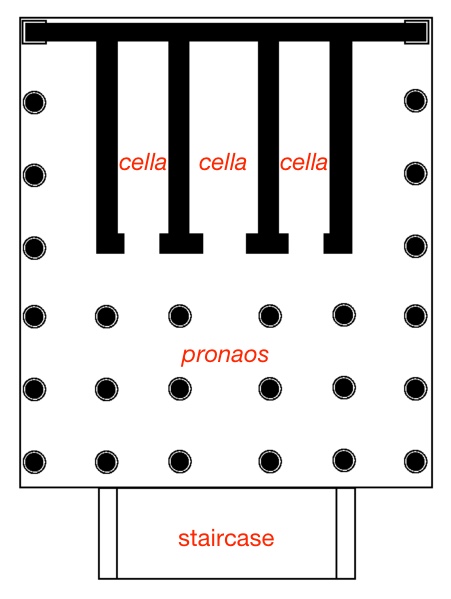
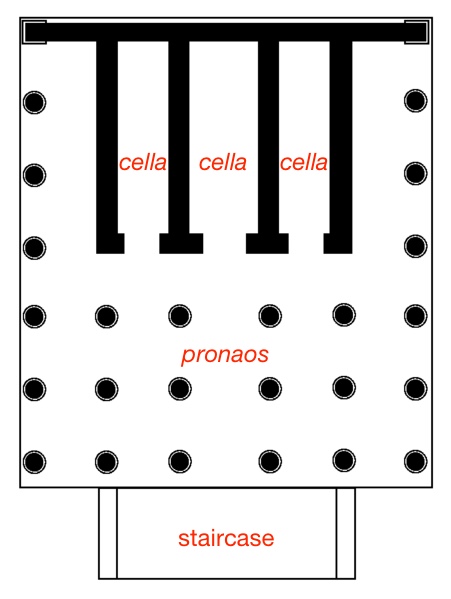
\- Temple of Jupiter Capitolinus
\- 509 BCE
\- Rome
\- Fully Etruscan style temple with 3 naves
\- Largest and furthest south Etruscan temple in Italy
\- Republican architecture although its construction began during the Regal Period
\- 509 BCE
\- Rome
\- Fully Etruscan style temple with 3 naves
\- Largest and furthest south Etruscan temple in Italy
\- Republican architecture although its construction began during the Regal Period
2
New cards
\
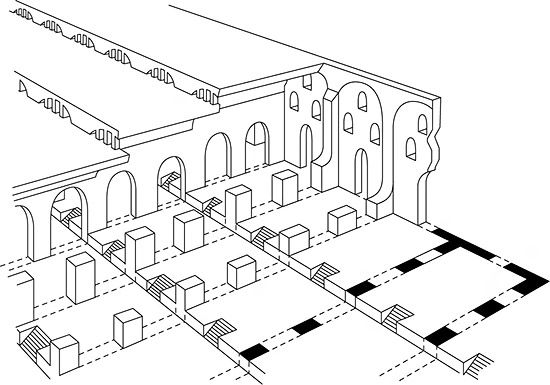
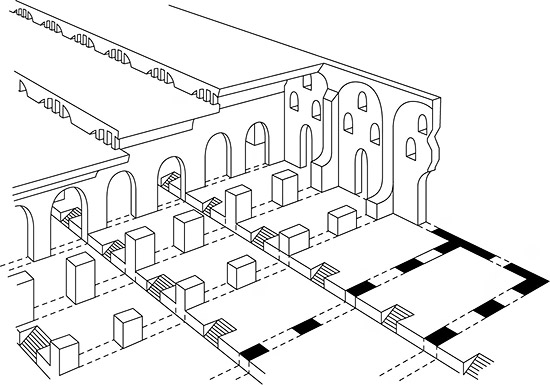
\- Porticus Aemilia
\- 193 BCE, restored in 174 BCE
\- Rome
\- Warehouse made entirely of concrete and arches
\- Arches and concrete were Greek inventions that allowed the Romans to build cheaper and quicker
\- Republican architecture
\- 193 BCE, restored in 174 BCE
\- Rome
\- Warehouse made entirely of concrete and arches
\- Arches and concrete were Greek inventions that allowed the Romans to build cheaper and quicker
\- Republican architecture
3
New cards
\
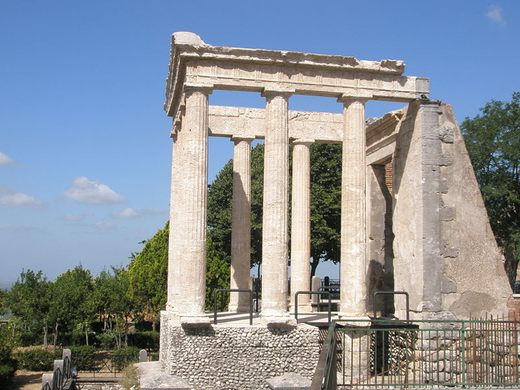
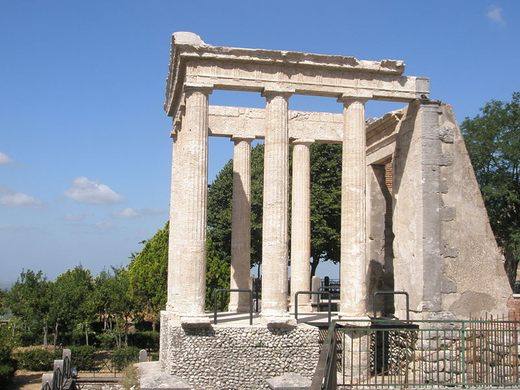
\- Temple of Hercules
\- 100 BCE
\- Cori
\- Roman temple that mixes Etruscan and Greek elements into one building
\- Example of Romans borrowing building styles from other Mediterranean cultures
\- Republican architecture
\- 100 BCE
\- Cori
\- Roman temple that mixes Etruscan and Greek elements into one building
\- Example of Romans borrowing building styles from other Mediterranean cultures
\- Republican architecture
4
New cards
\
\- Sanctuary of Fortuna Primigenia
\- late 2nd to early 1st century BCE
\- Palestrina
\- Roman temple complex made of concrete and arches that emphasizes verticality on an artificial hill
\- Example of Roman ingenuity in using architecture to create a message (e.g. sacred to normal space)
\- Republican architecture
\- late 2nd to early 1st century BCE
\- Palestrina
\- Roman temple complex made of concrete and arches that emphasizes verticality on an artificial hill
\- Example of Roman ingenuity in using architecture to create a message (e.g. sacred to normal space)
\- Republican architecture
5
New cards
\
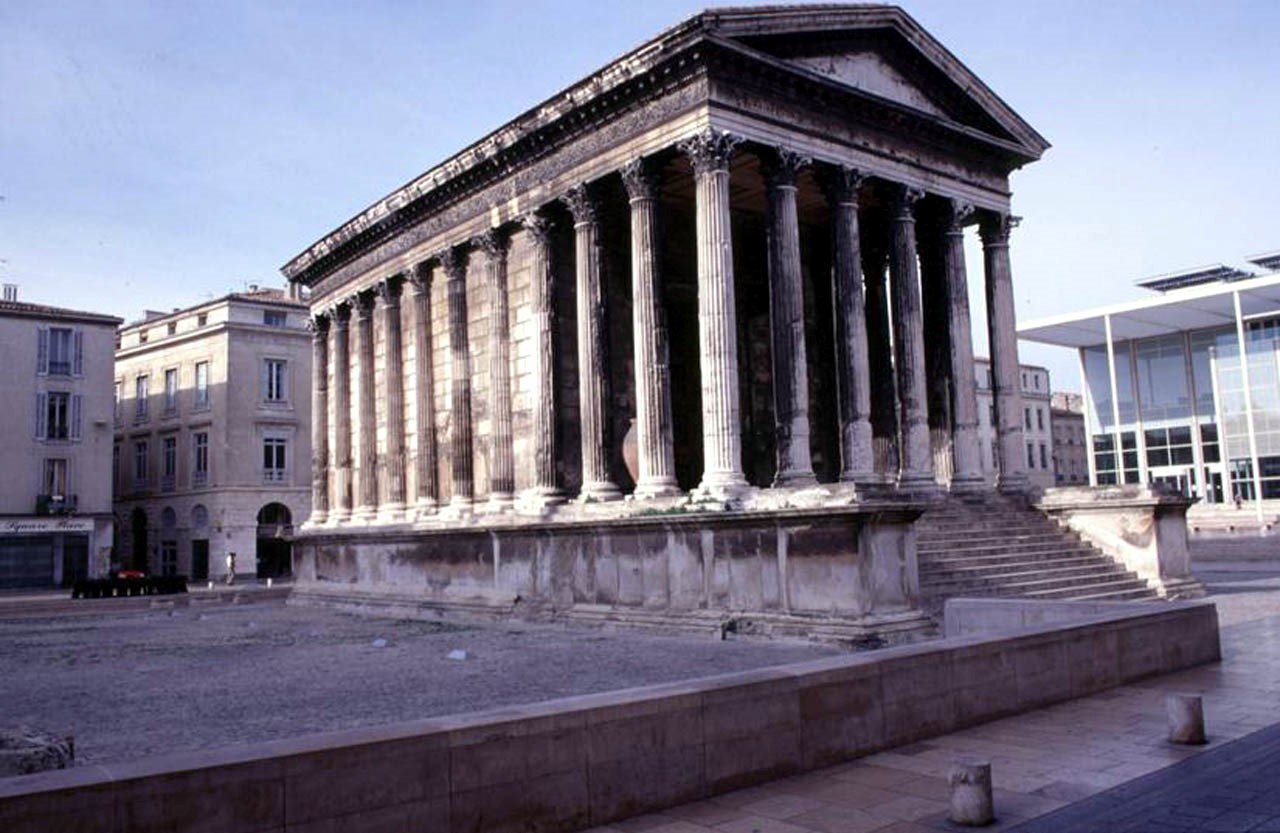
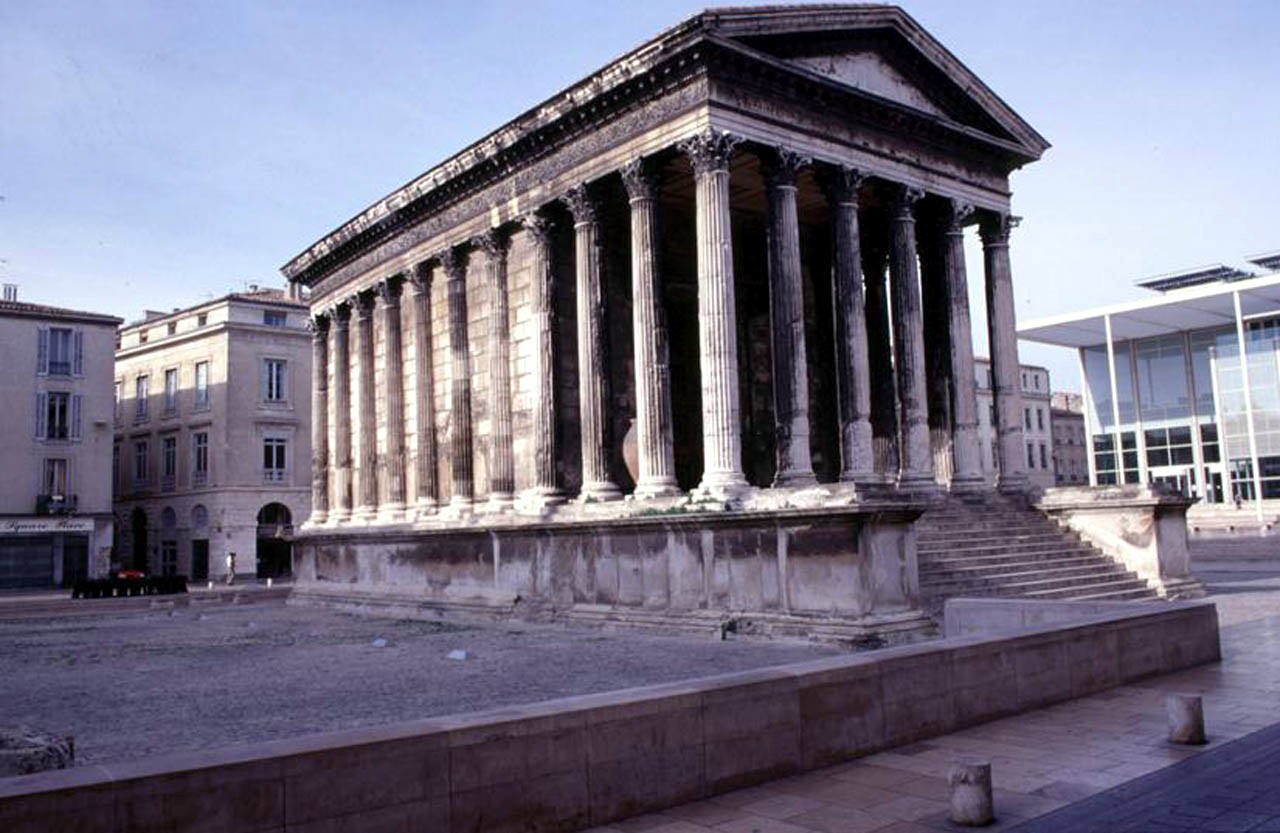
\- Masion Carree
\- 19 BCE
\- Nimes
\- Corinthian order temple with pseudo-peripteral columns and large stereobate/podium that leads to a prostyle pronaos and singular nave
\- Example of the standard Roman order for building a temple
\- Augustan architecture
\- 19 BCE
\- Nimes
\- Corinthian order temple with pseudo-peripteral columns and large stereobate/podium that leads to a prostyle pronaos and singular nave
\- Example of the standard Roman order for building a temple
\- Augustan architecture
6
New cards
\
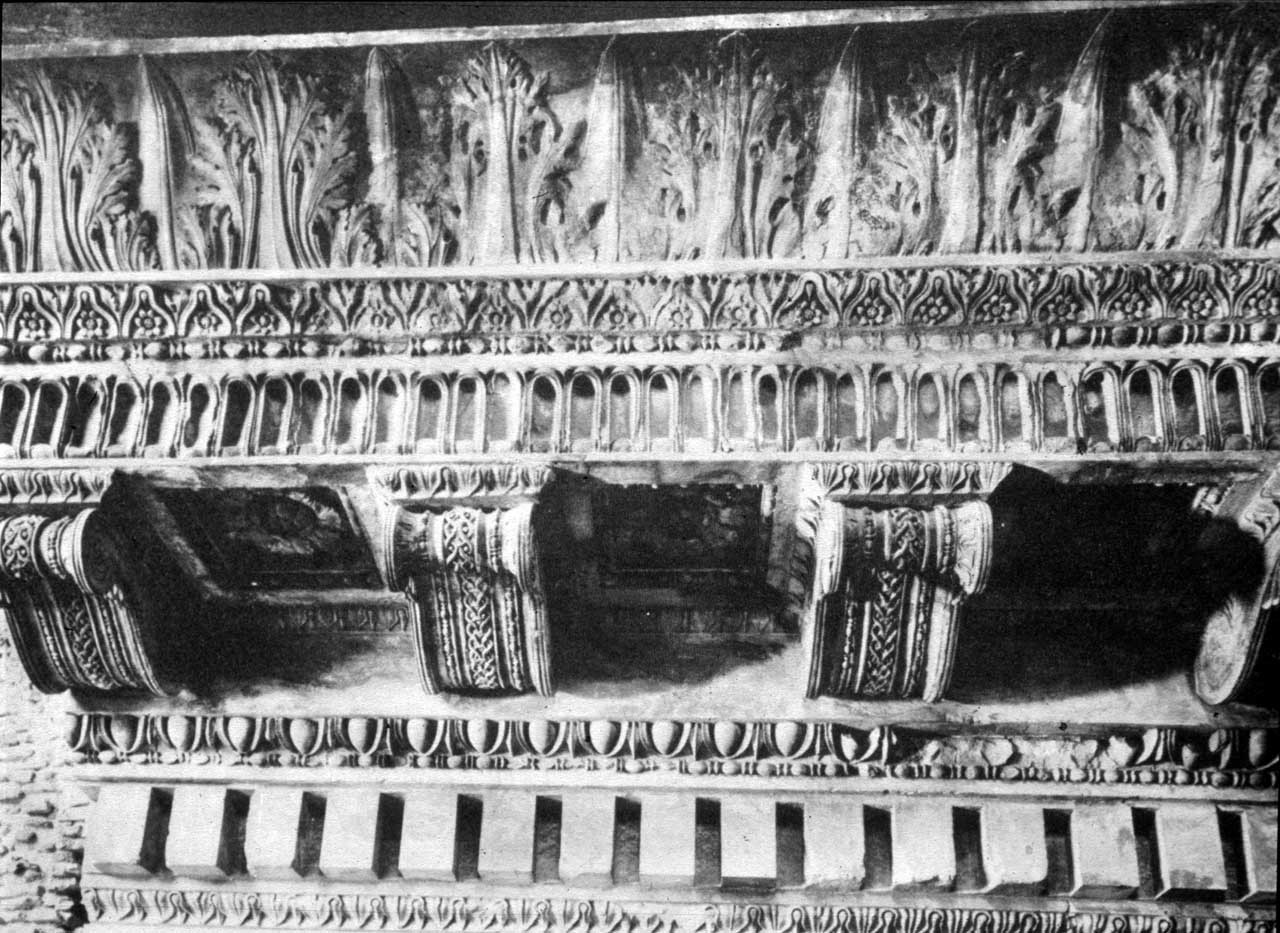
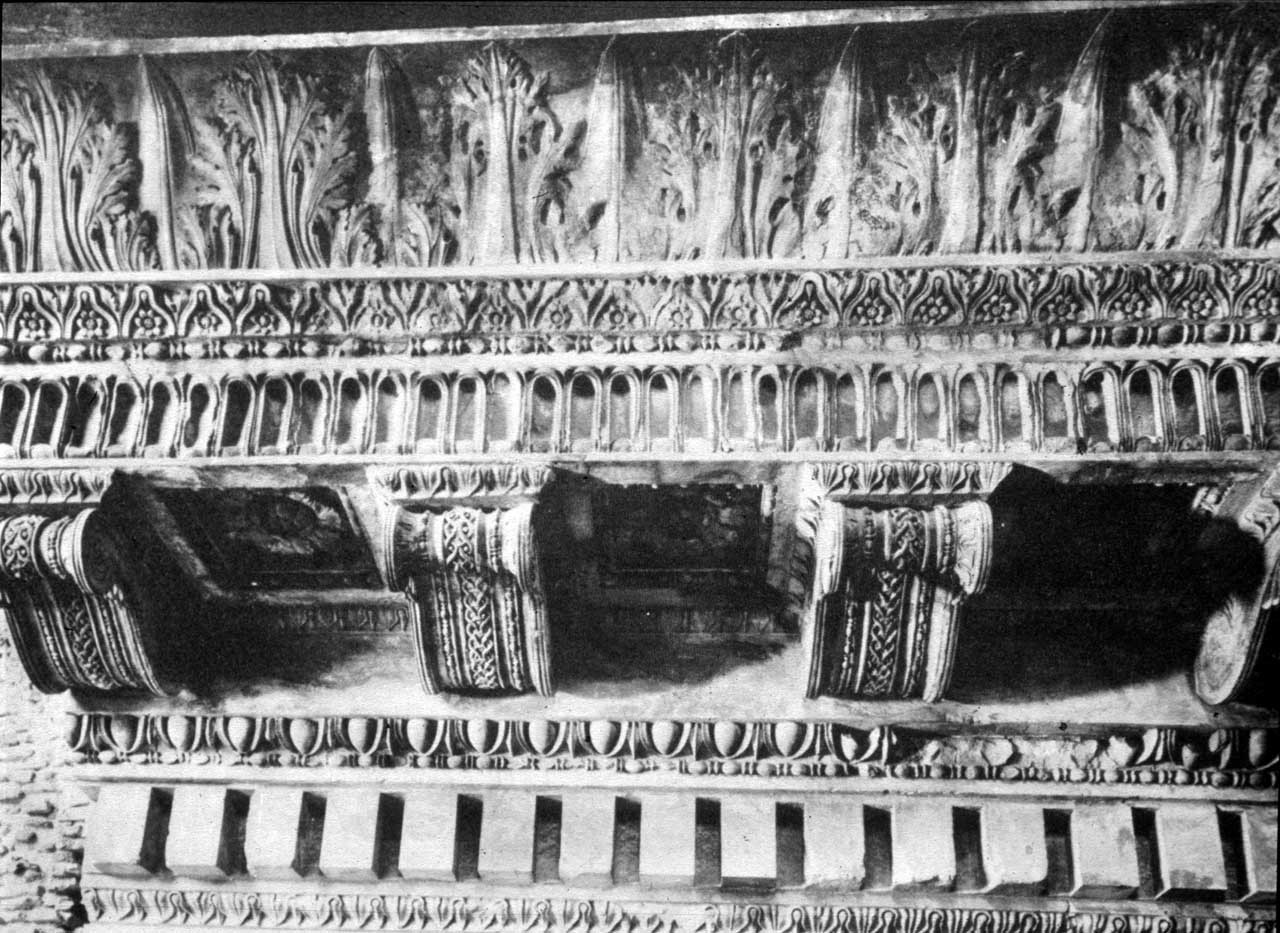
\- Cornice from the Temple of Concord
\- 10 BCE
\- Rome
\- Cornice piece which contains modillion and dentil decorations from a temple
\- Example of elaborate detail put into temple architecture; one of the only surviving pieces of the temple
\- Augustan architecture
\- 10 BCE
\- Rome
\- Cornice piece which contains modillion and dentil decorations from a temple
\- Example of elaborate detail put into temple architecture; one of the only surviving pieces of the temple
\- Augustan architecture
7
New cards
\
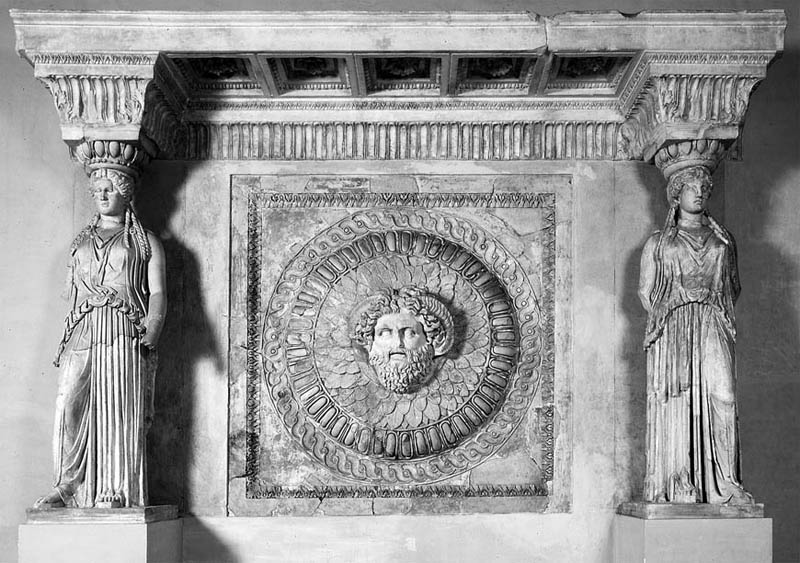
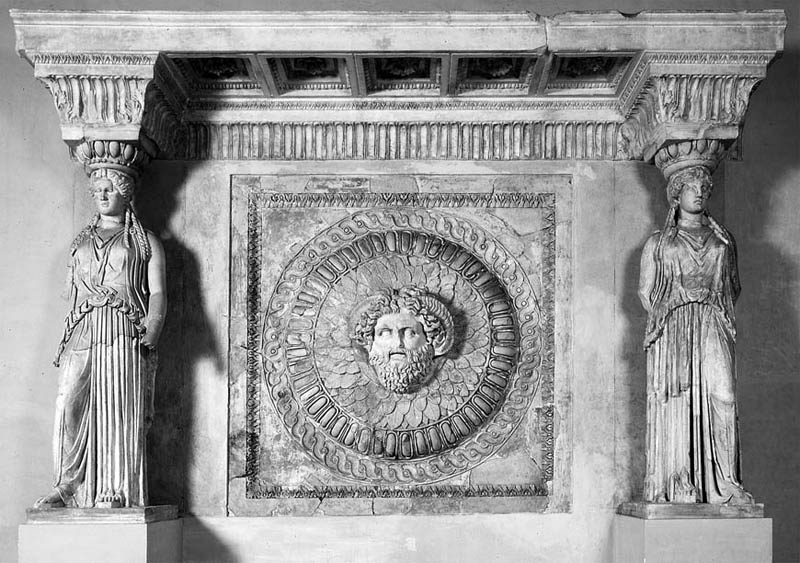
\- Caryatid
\- 2 BCE
\- Rome
\- Greek inspired column from the Erechtheion that decorates the interior frieze of Augustus’ Forum
\- Example of Greek inspired architecture
\- Augustan architecture
\
\- 2 BCE
\- Rome
\- Greek inspired column from the Erechtheion that decorates the interior frieze of Augustus’ Forum
\- Example of Greek inspired architecture
\- Augustan architecture
\
8
New cards
\
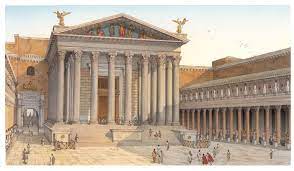
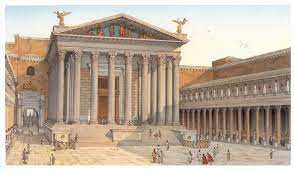
\- Temple of Mars Ultor
\- 2 BCE
\- Rome
\- Typical Roman temple as the centerpiece of Augustus’ Forum
\- Mimics Caesar’s Forum and the Temple of Venus Genetrix and acts as propaganda of the gods’ favor
\- Augustan architecture
\- 2 BCE
\- Rome
\- Typical Roman temple as the centerpiece of Augustus’ Forum
\- Mimics Caesar’s Forum and the Temple of Venus Genetrix and acts as propaganda of the gods’ favor
\- Augustan architecture
9
New cards
\
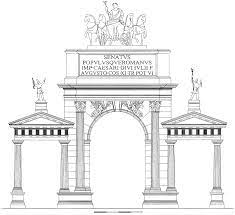
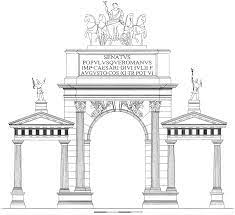
\- Parthian Arch
\- 19 BCE
\- Rome
\- Arched entrance into the old Roman Forum to commemorate the returning of standards lost in Parthia and Augustus’ victory in Actium
\- Example of Augustus’ propaganda
\- Augustan architecture
\- 19 BCE
\- Rome
\- Arched entrance into the old Roman Forum to commemorate the returning of standards lost in Parthia and Augustus’ victory in Actium
\- Example of Augustus’ propaganda
\- Augustan architecture
10
New cards
\
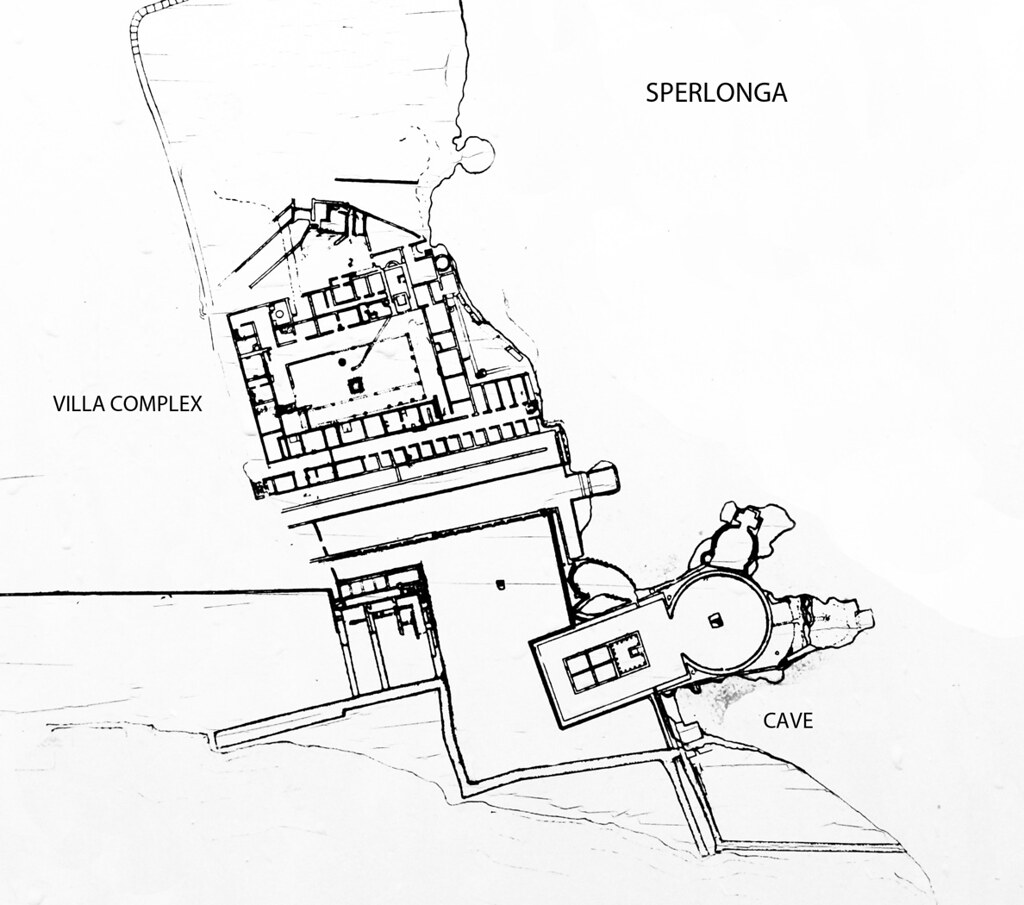
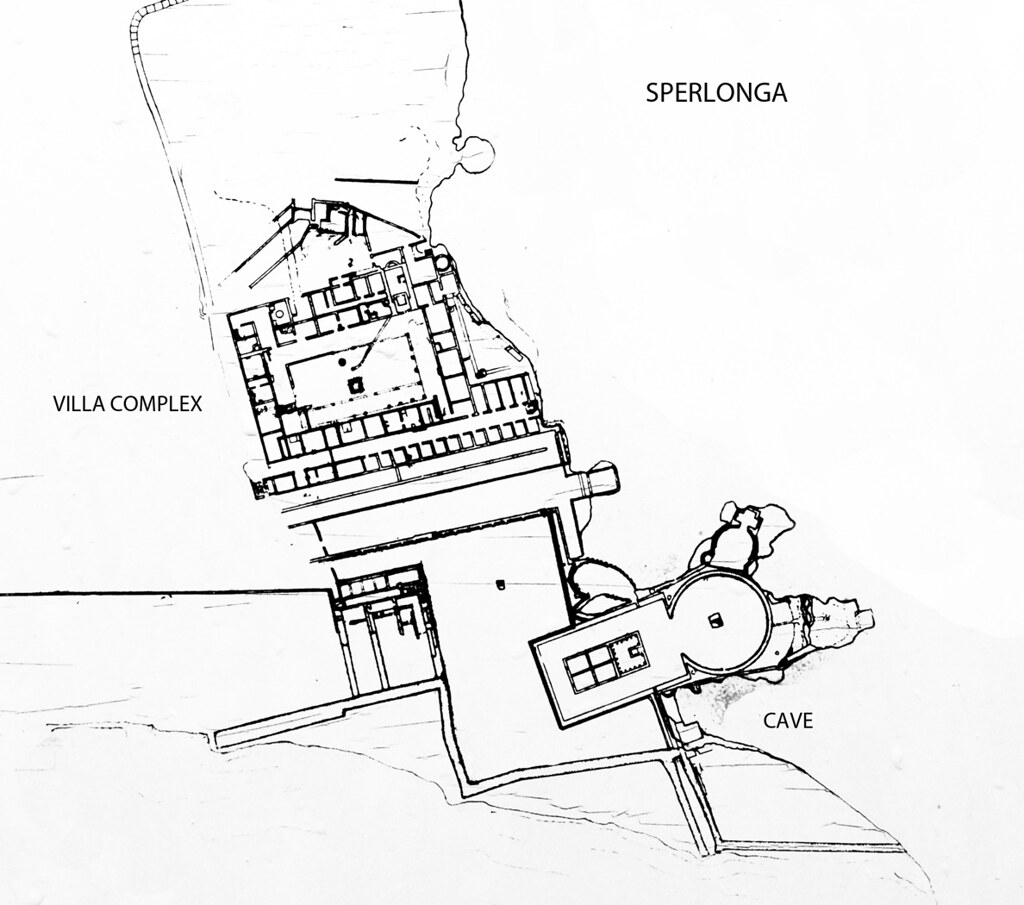
\- Sperlonga
\- 14-37 CE
\- Campaignia
\- Triclinium within a cave along the coast that included mythological sculptures of the Odyssey and a fishing pond
\- Example of Romans focusing on form over function and Tiberius’ isolated lifestyle
\- Tiberian architecture
\- 14-37 CE
\- Campaignia
\- Triclinium within a cave along the coast that included mythological sculptures of the Odyssey and a fishing pond
\- Example of Romans focusing on form over function and Tiberius’ isolated lifestyle
\- Tiberian architecture
11
New cards
\
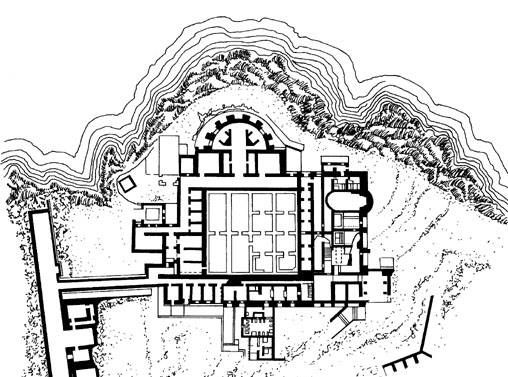
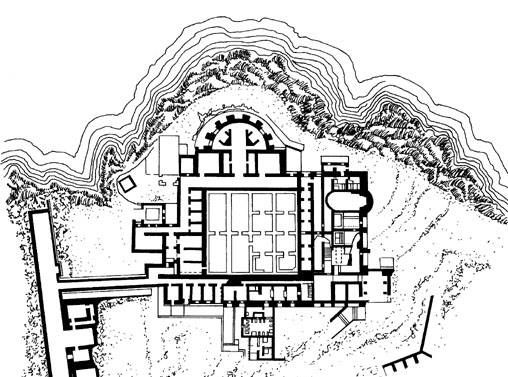
\- Villa Jovis
\- 14-37 BCE
\- Capri
\- Tiberius’ cliffside palace for the last years of his reign which included a sophisticated vaulting system that held the structure up; contained an audience hall and Tiberius’ personal loggia
\- Example of Romans’ mastery over the environment and Tiberius’ isolated lifestyle
\- Tiberian architecture
\- 14-37 BCE
\- Capri
\- Tiberius’ cliffside palace for the last years of his reign which included a sophisticated vaulting system that held the structure up; contained an audience hall and Tiberius’ personal loggia
\- Example of Romans’ mastery over the environment and Tiberius’ isolated lifestyle
\- Tiberian architecture
12
New cards
\
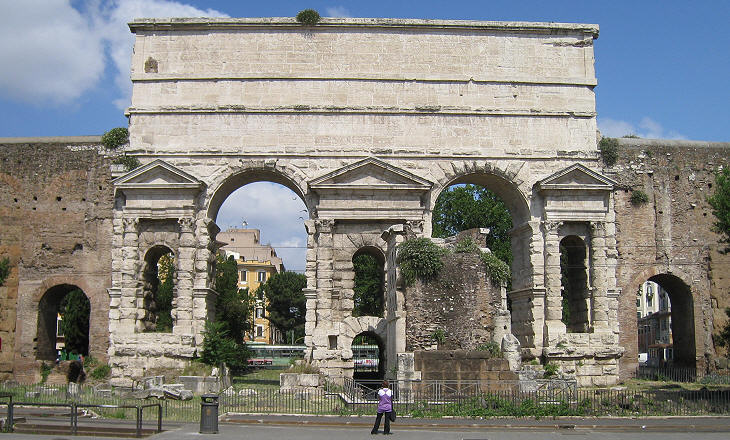
\- Porta Maggiore
\- 41-54 CE
\- Rome
\- Triumphal arch structure where the Aqua Claudia and Aqua Anio Novus aqueducts combined to provide water to Rome
\- Example of Roman emperors’ public work projects and Claudius’ “rustic” style
\- Claudian architecture
\- 41-54 CE
\- Rome
\- Triumphal arch structure where the Aqua Claudia and Aqua Anio Novus aqueducts combined to provide water to Rome
\- Example of Roman emperors’ public work projects and Claudius’ “rustic” style
\- Claudian architecture
13
New cards
\
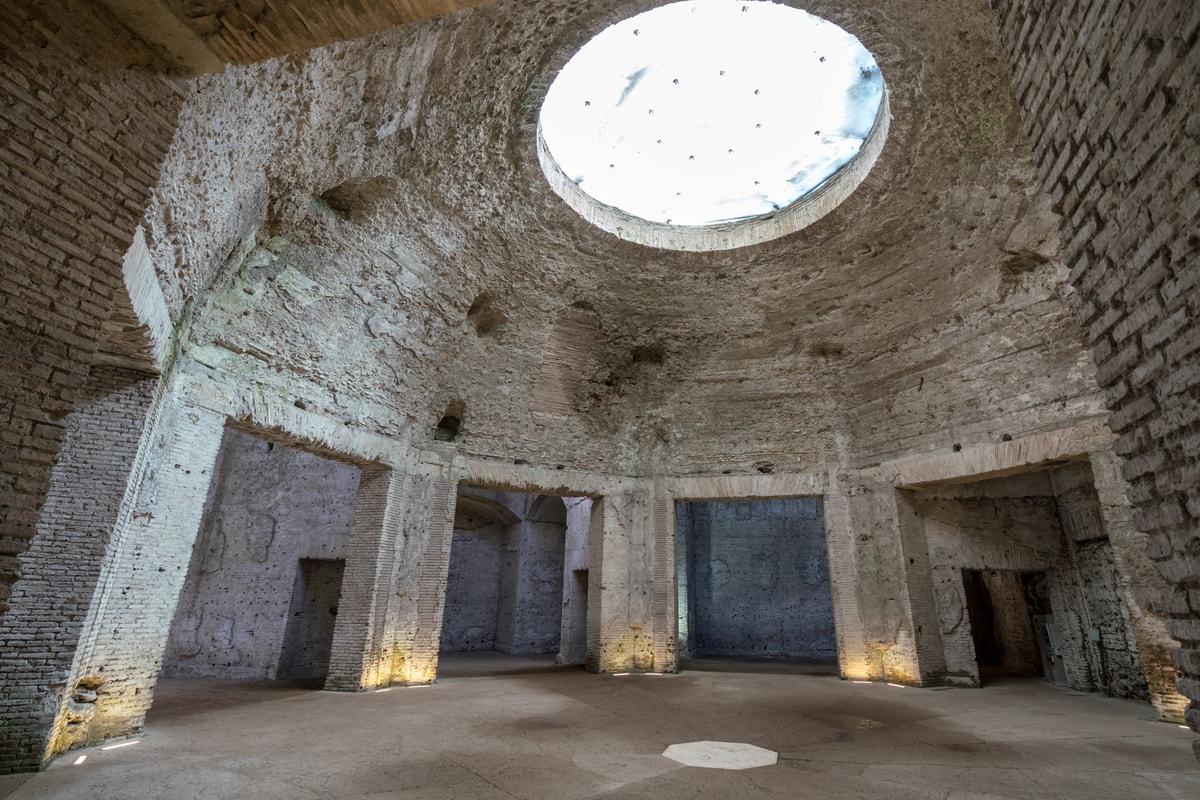
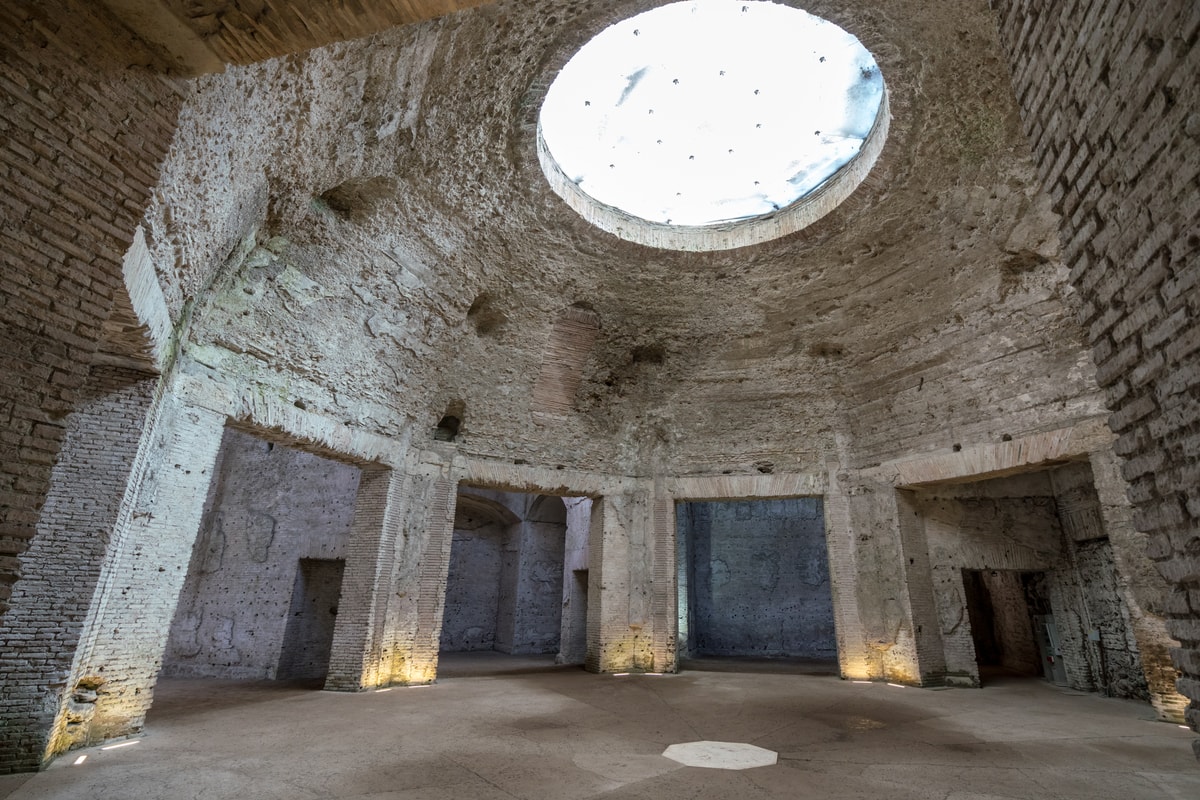
\- Octagonal Hall
\- 64-68 CE
\- Rome
\- Experimental hallway section with a domed roof designed by architects Severus and Celer for Nero’s Domus Aurea
\- Example of one of the few successful experimental building styles taking place within the Domus Aurea
\- Neronian architecture
\- 64-68 CE
\- Rome
\- Experimental hallway section with a domed roof designed by architects Severus and Celer for Nero’s Domus Aurea
\- Example of one of the few successful experimental building styles taking place within the Domus Aurea
\- Neronian architecture
14
New cards
\
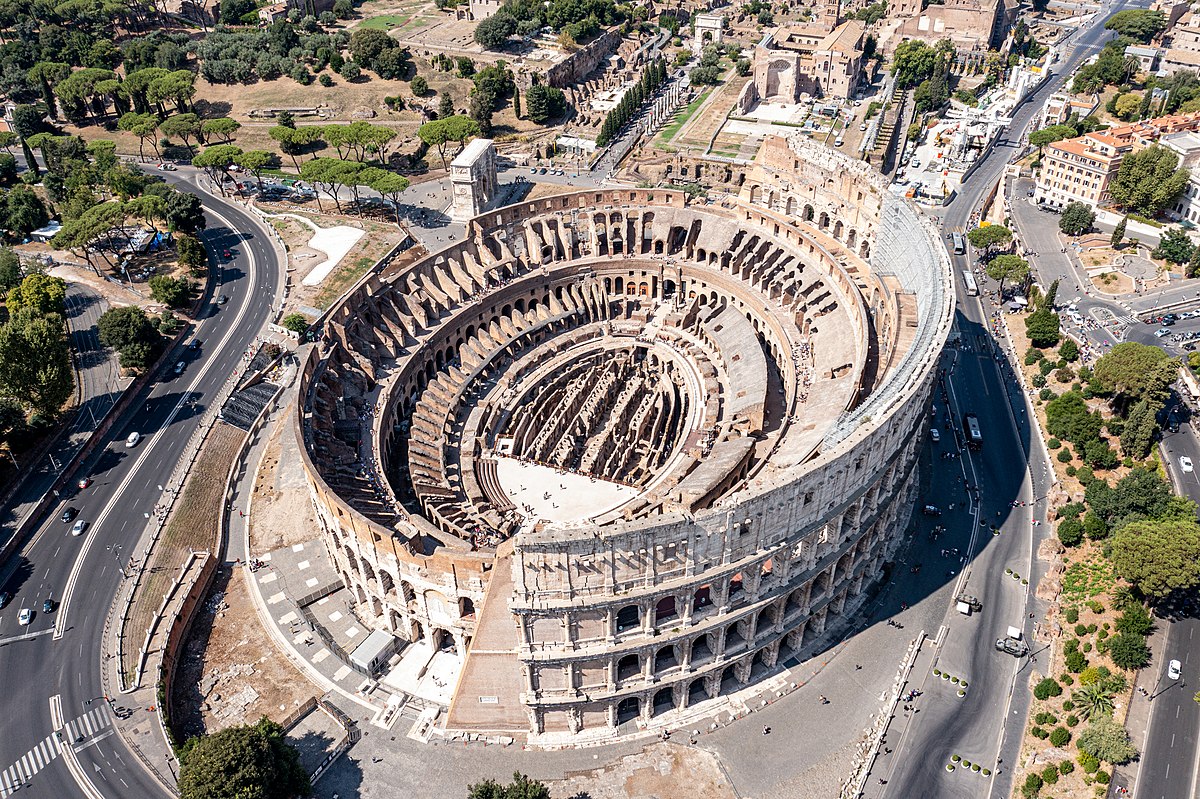
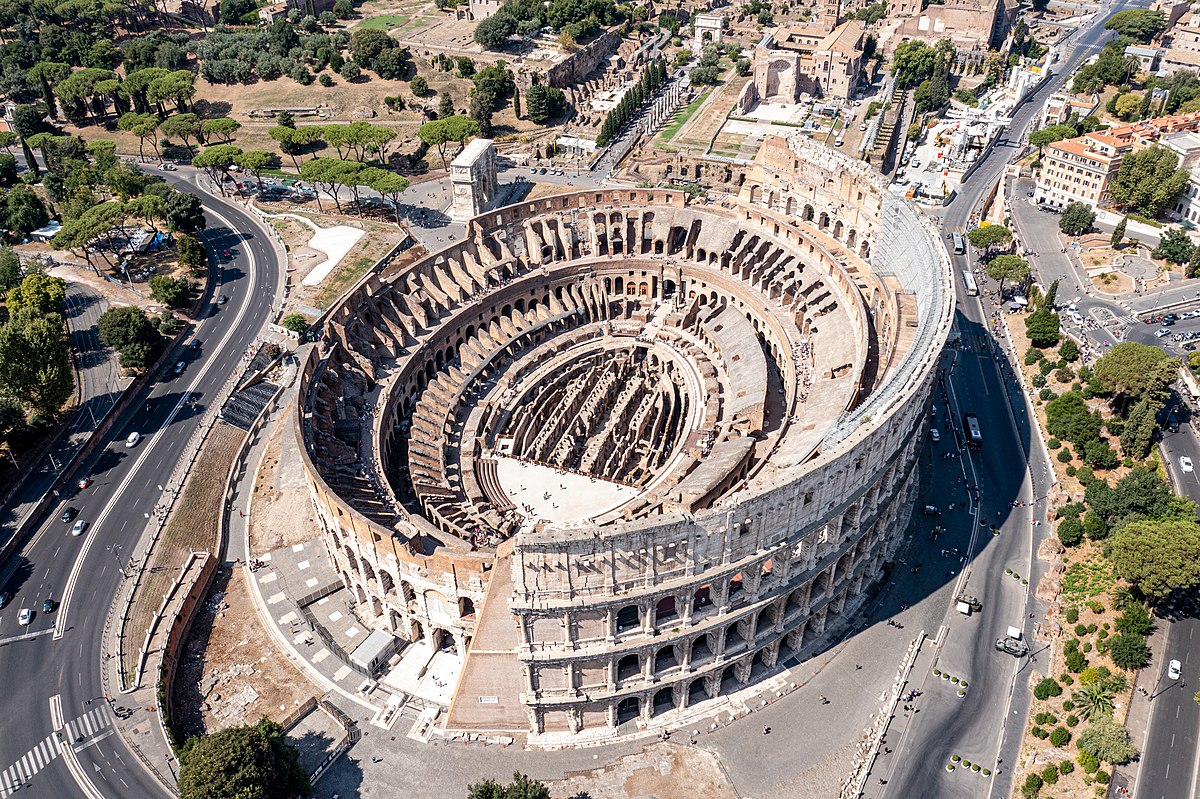
\- Colosseum
\- 76-81 CE
\- Rome
\- Amphitheater that began construction under Vespasian and finished under Domitian; built over the lake in Nero’s Domus Aurea
\- Example of Roman ingenuity (e.g. underground passages, seating, and size); largest amphitheater in the Roman Empire
\- Flavian architecture
\- 76-81 CE
\- Rome
\- Amphitheater that began construction under Vespasian and finished under Domitian; built over the lake in Nero’s Domus Aurea
\- Example of Roman ingenuity (e.g. underground passages, seating, and size); largest amphitheater in the Roman Empire
\- Flavian architecture
15
New cards
\
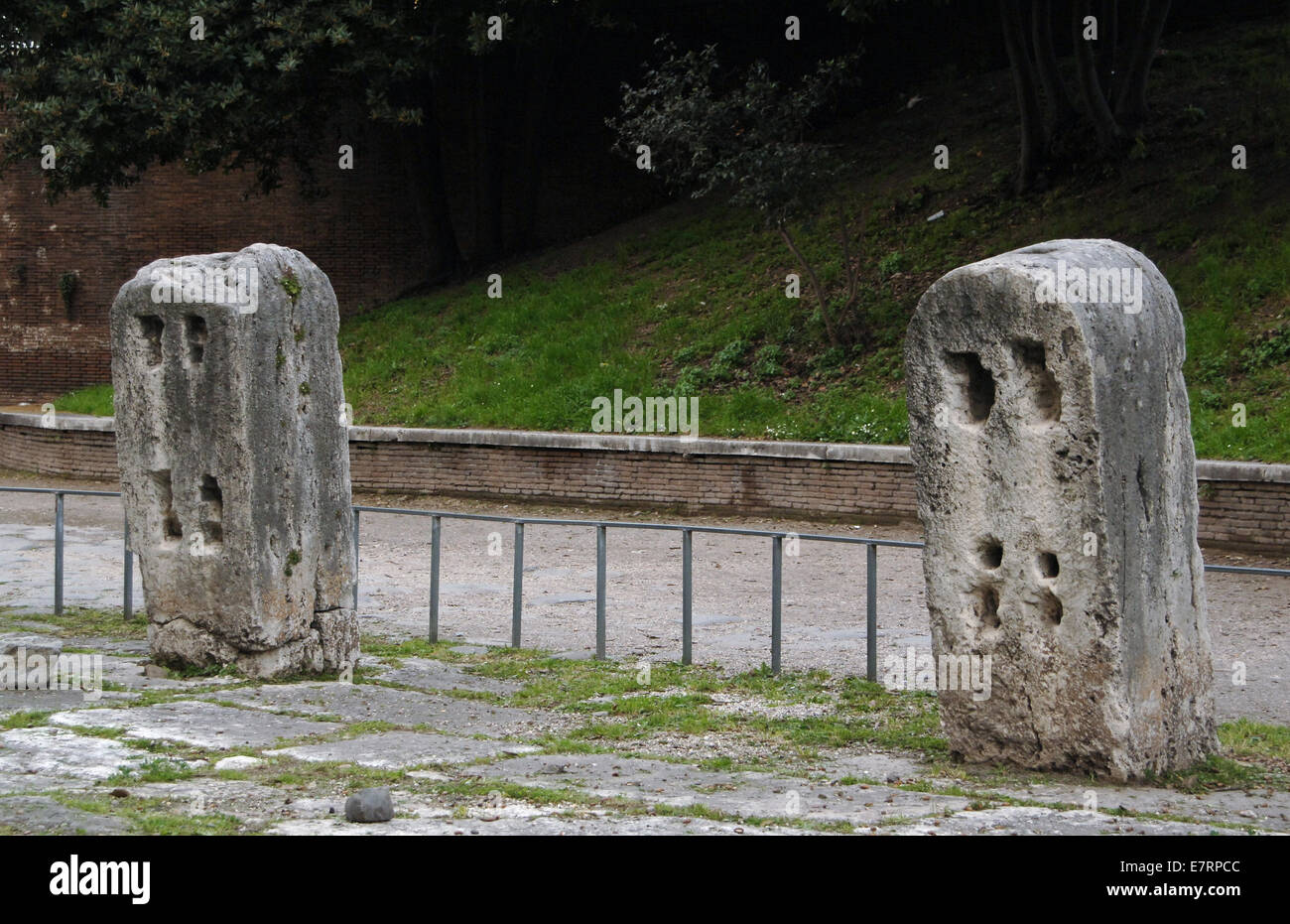
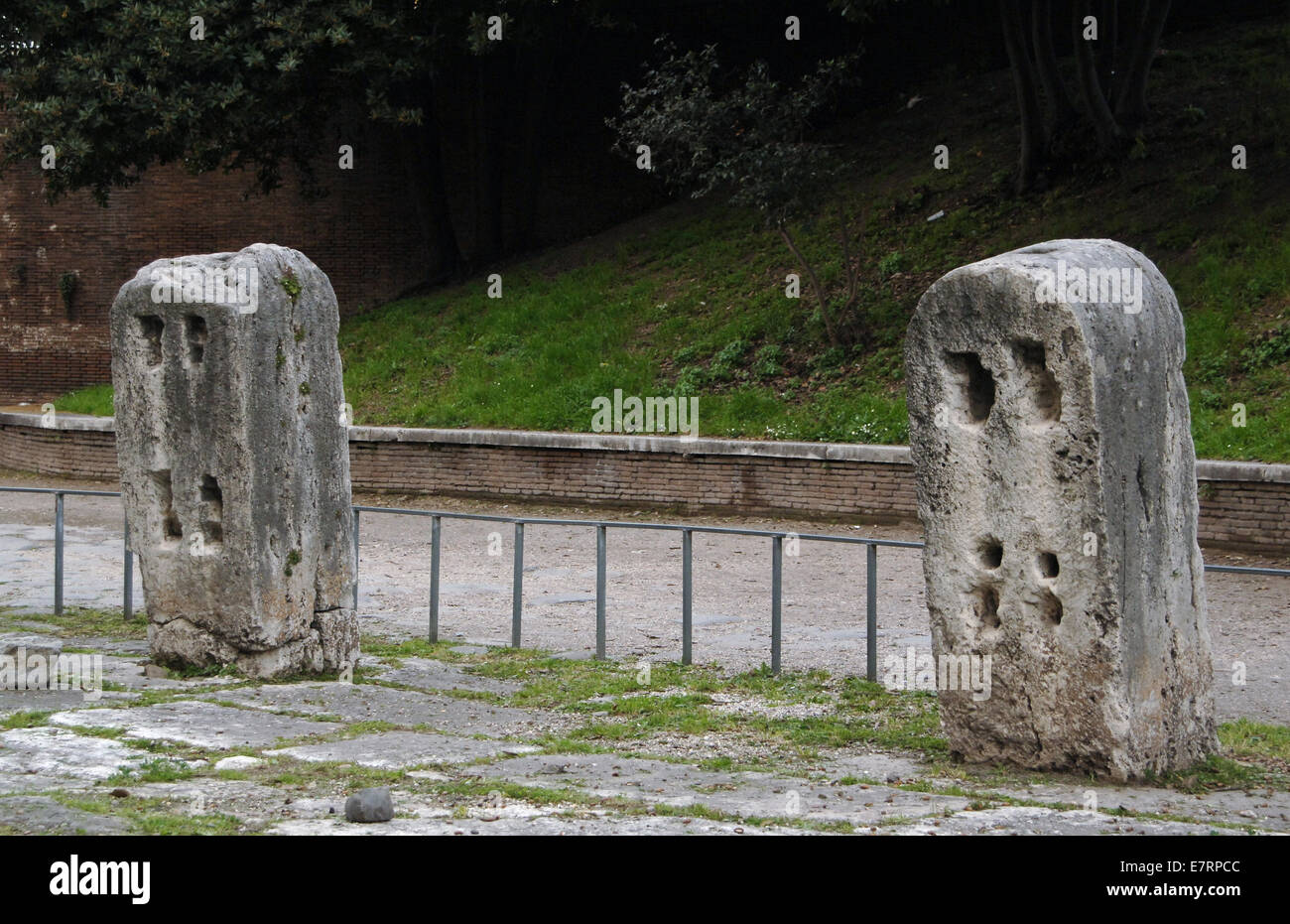
\- Bollard
\- 76-81 CE
\- Rome
\- Mechanism used to pull the velarium over the Colosseum on especially sunny days to provide shade; held the ropes that would then be strung along brackets towards the top of the Colosseum
\- A very likely theory to how the velarium was held up (which is currently unknown for certain)
\- Flavian architecture
\- 76-81 CE
\- Rome
\- Mechanism used to pull the velarium over the Colosseum on especially sunny days to provide shade; held the ropes that would then be strung along brackets towards the top of the Colosseum
\- A very likely theory to how the velarium was held up (which is currently unknown for certain)
\- Flavian architecture
16
New cards
\
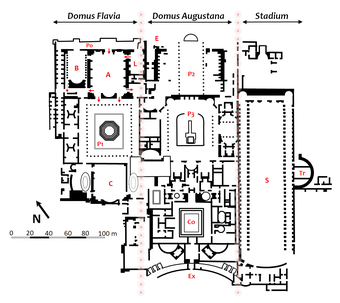
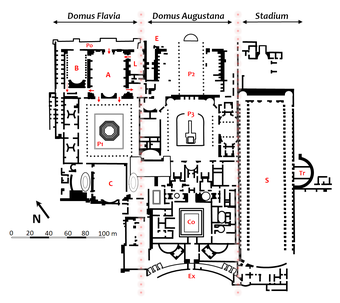
\- Flavian Palace
\- 92 CE
\- Rome
\- Palace built upon an extremely steep hill that divided itself into a public and private area; contained courtyards, an audience room, triclinia, and gardens
\- Palace continued to act as the residence for future emperors throughout the empire
\- Flavian architecture
\- 92 CE
\- Rome
\- Palace built upon an extremely steep hill that divided itself into a public and private area; contained courtyards, an audience room, triclinia, and gardens
\- Palace continued to act as the residence for future emperors throughout the empire
\- Flavian architecture
17
New cards
\
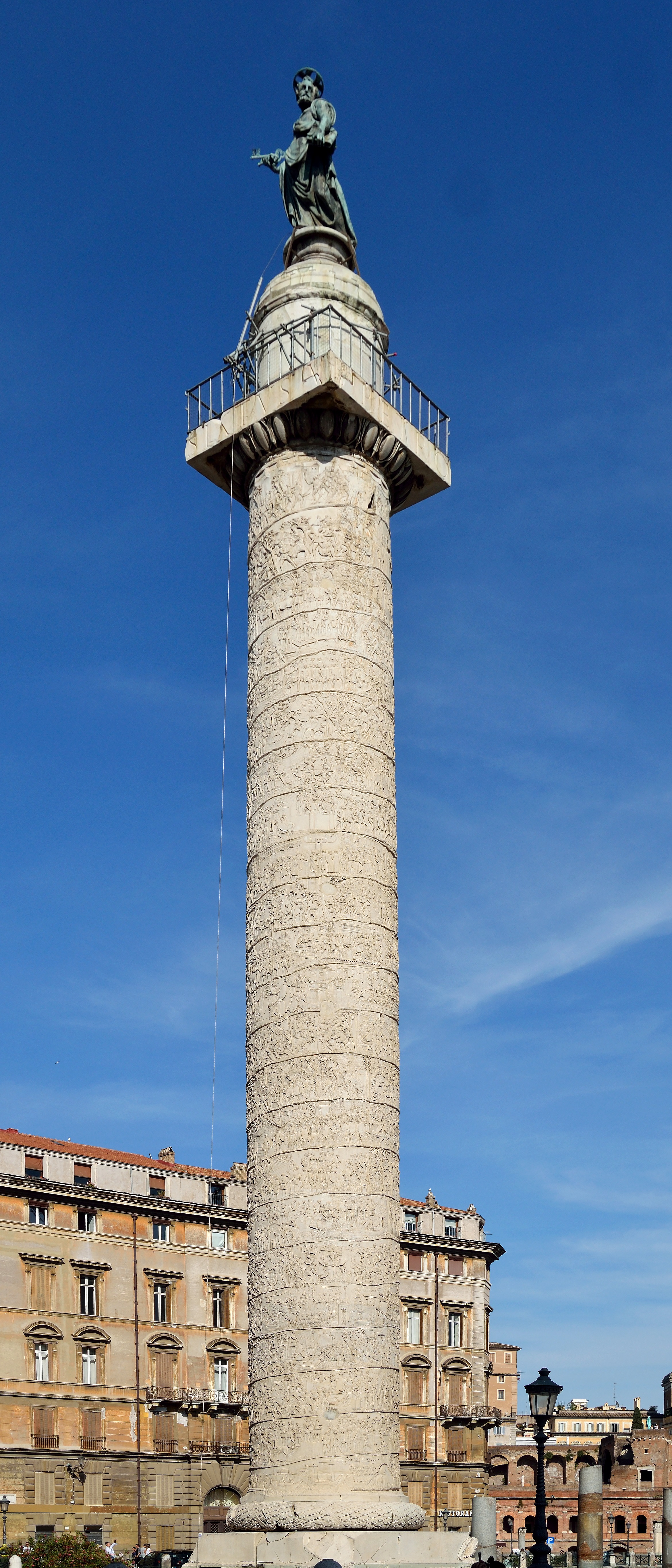
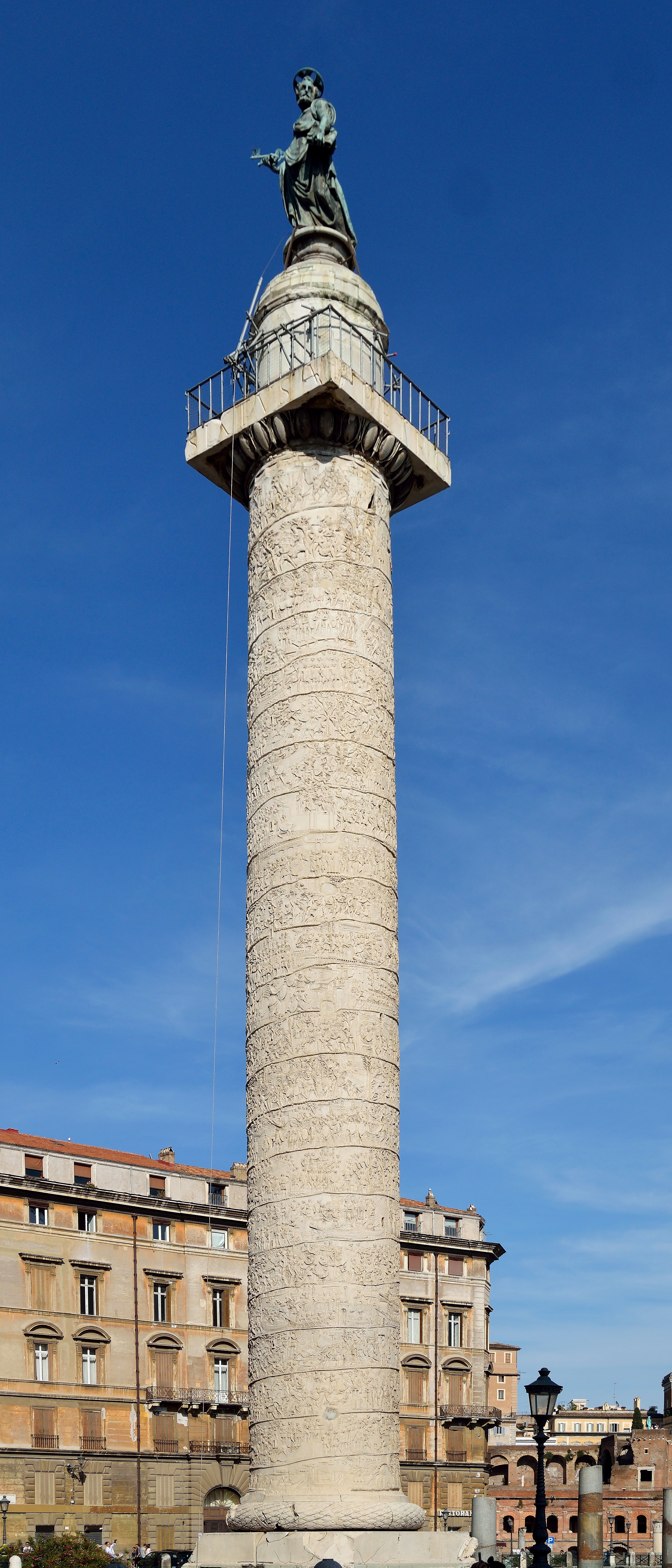
\- Trajan’s Column
\- 98-117 CE
\- Rome
\- 30 meter tall column located in the back of Trajan’s Forum that commemorates his victories over the Dacians; decorated in a continual frieze that depicts the Dacian campaigns; place of Trajan’s burial
\- Example and evidence of Trajan’s Dacian campaigns that supplied him with almost unlimited gold; includes depictions of otherwise unspoken activities during Roman campaigns
\- Trajanic architecture
\- 98-117 CE
\- Rome
\- 30 meter tall column located in the back of Trajan’s Forum that commemorates his victories over the Dacians; decorated in a continual frieze that depicts the Dacian campaigns; place of Trajan’s burial
\- Example and evidence of Trajan’s Dacian campaigns that supplied him with almost unlimited gold; includes depictions of otherwise unspoken activities during Roman campaigns
\- Trajanic architecture
18
New cards
\
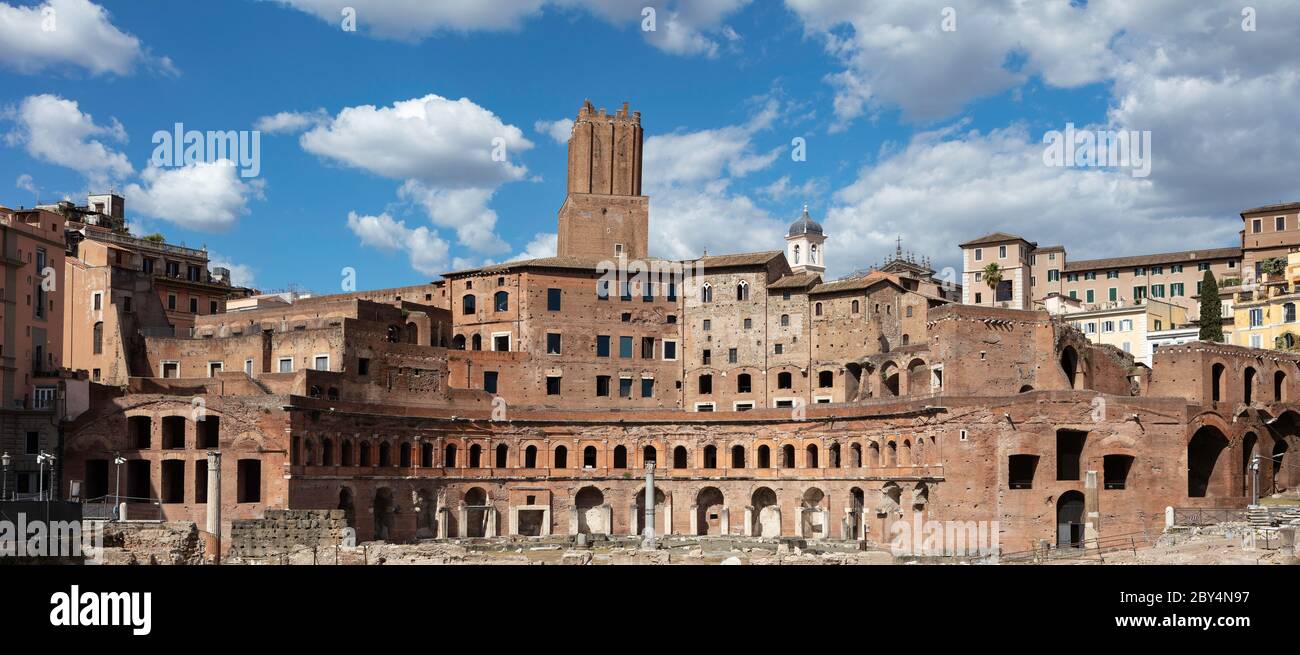
\- Markets of Trajan (Hemicycle building)
\- 100-112 CE
\- Rome
\- 1 section of Trajan’s markets that mirrors the shape of the northern hemicycle; contained shops that were separated from Trajan’s Forum
\- Broke the traditional forum style of including stores within the forum; example of cross vaulting that added extra support and natural light
\- Trajanic architecture
\- 100-112 CE
\- Rome
\- 1 section of Trajan’s markets that mirrors the shape of the northern hemicycle; contained shops that were separated from Trajan’s Forum
\- Broke the traditional forum style of including stores within the forum; example of cross vaulting that added extra support and natural light
\- Trajanic architecture
19
New cards
\
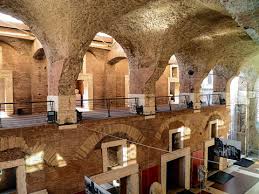
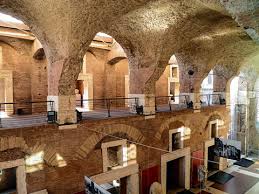
\- Markets of Trajan (Main market building)\`
\- 100-112 CE
\- Rome
\- 1 section of Trajan’s markets unconnected to his forum; contained shops that were separated from Trajan’s Forum
\- Broke the traditional forum style of including stores within the forum; example of cross vaulting that added extra support and natural light
\- Trajanic architecture
\- 100-112 CE
\- Rome
\- 1 section of Trajan’s markets unconnected to his forum; contained shops that were separated from Trajan’s Forum
\- Broke the traditional forum style of including stores within the forum; example of cross vaulting that added extra support and natural light
\- Trajanic architecture