Learn: Honors Chemistry: Safety, Lab Equipment & Measurement | Quizlet
 Call Kai
 Learn
Learn Practice Test
 Spaced Repetition
 Match
Match Flashcards
 Knowt Play
1/55

There's no tags or description
Looks like no tags are added yet.
Name | Mastery | Learn | Test | Matching | Spaced | Call with Kai | Chat |
|---|
No analytics yet
Send a link to your students to track their progress
56 Terms
SDS Section 1
Identifies the chemical
SDS Section 2
Identifies hazards (Signal words, Pictograms, Hazard statements)
SDS Section 3
Formula/molecular weight of the chemical
SDS Section 4
First aid measures (Exposure)
SDS Sections 5-6
Reference info for emergency personnel
SDS Section 7
How to store/handle chemicals
SDS Section 8
Personal Protective Equipment
SDS Section 9
Physical/Chemical properties
SDS Section 10
Stability/Reactivity of chemical
SDS Section 11
Toxicology of chemicals (How they can hurt you)
SDS Section 12
Ecological effects
SDS Sections 13-16
How to dispose/transport/industrial use
Chemical Label Contents
Product Identification, Signal Words, Hazard/Precautionary Statements, and GHS Pictograms
Signal Words on Labels
Warning or Danger
Harmful, not deadly if dose is not too big
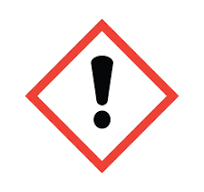
Burns, Eye damage, etc.

Can cause explosion

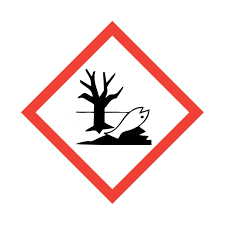
Aquatic Toxicity
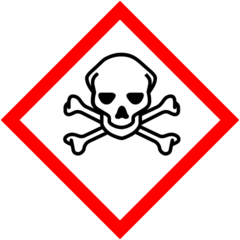
Fatal/Toxic (Immediate)
Graduated cylinder
Measure the accurate volume of a liquid
Medicine dropper
Transfer small amounts of liquid
Beaker
Hold and heat liquids; used to measure approximate volumes
Rubber stoppers
Close container to avoid liquid loss; never place on a heated container
Erlenmeyer Flask
Heat, hold, and store liquids; narrow neck protects from hot splatters
Ring stands
Safe way to store/attach things
Florence Flask
Also known as a bubble flask, used to heat liquids
Test tube clamp
Holds a test tube
Watch glass
Holds small amounts of solids; do not heat; could be used as a cap
Iron ring
Connects to a ring stand as a platform
Test tubes
Heat, store, and mix small amounts of chemicals
Iron gauze
Attaches to the iron ring
Test tube brushes
Clean test tubes and graduated cylinders
Bunsen burner
Used for heating liquids and solids
Test tube holder
Holding a test tube that is hot
Striker
Lights Bunsen burner
Test tube rack
Holds and organizes test tubes
Wash bottle
Delivers wash solution, specifically distilled water
Evaporating dish
Used to separate solids dissolved in a solution from the liquid
Weighing boats/paper
Place chemical on it and then weigh
Well plate
Used to perform many small scale reactions at one time
Crucible
Used to heat solids to very high temperatures
Forceps
Tweezers used to pick up small objects
Crucible tong
Used to grab a crucible
Spatulas/scoopulas
Dispense solid chemicals from container; used for measurement
Clay triangle
Used as support for a crucible
Glass stir rod
Manually stir solutions; transfer a single drop
Burets
Measures the volume of gas
Funnel
Transfer liquids to another container
Meniscus
The curve at the top when measuring liquids
Reading a Meniscus
Read from the bottom of the meniscus at eye level to avoid parallax error
Reading Measurements
Read volume using all certain digits and one estimated uncertain digit
Thermometer placement rule
Do not touch the bottom of a flask being heated so you measure solution temperature, not glass temperature
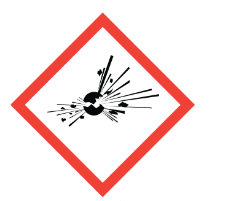
Explosives, self-reactives, and organic peroxides
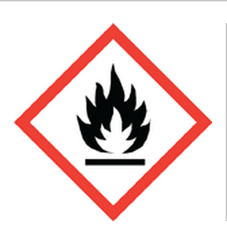
Flammables, pyrophorics, self-heating, and emits flammable gas
Gases under pressure

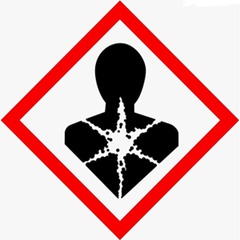
Carcinogens, respiratory sensitizers, and reproductive toxicity