Endocrinology: Hormones, Glands, and Regulation Mechanisms
 Call Kai
 Learn
Learn Practice Test
 Spaced Repetition
 Match
Match Flashcards
 Knowt Play
1/100

There's no tags or description
Looks like no tags are added yet.
Name | Mastery | Learn | Test | Matching | Spaced | Call with Kai | Chat |
|---|
No analytics yet
Send a link to your students to track their progress
101 Terms
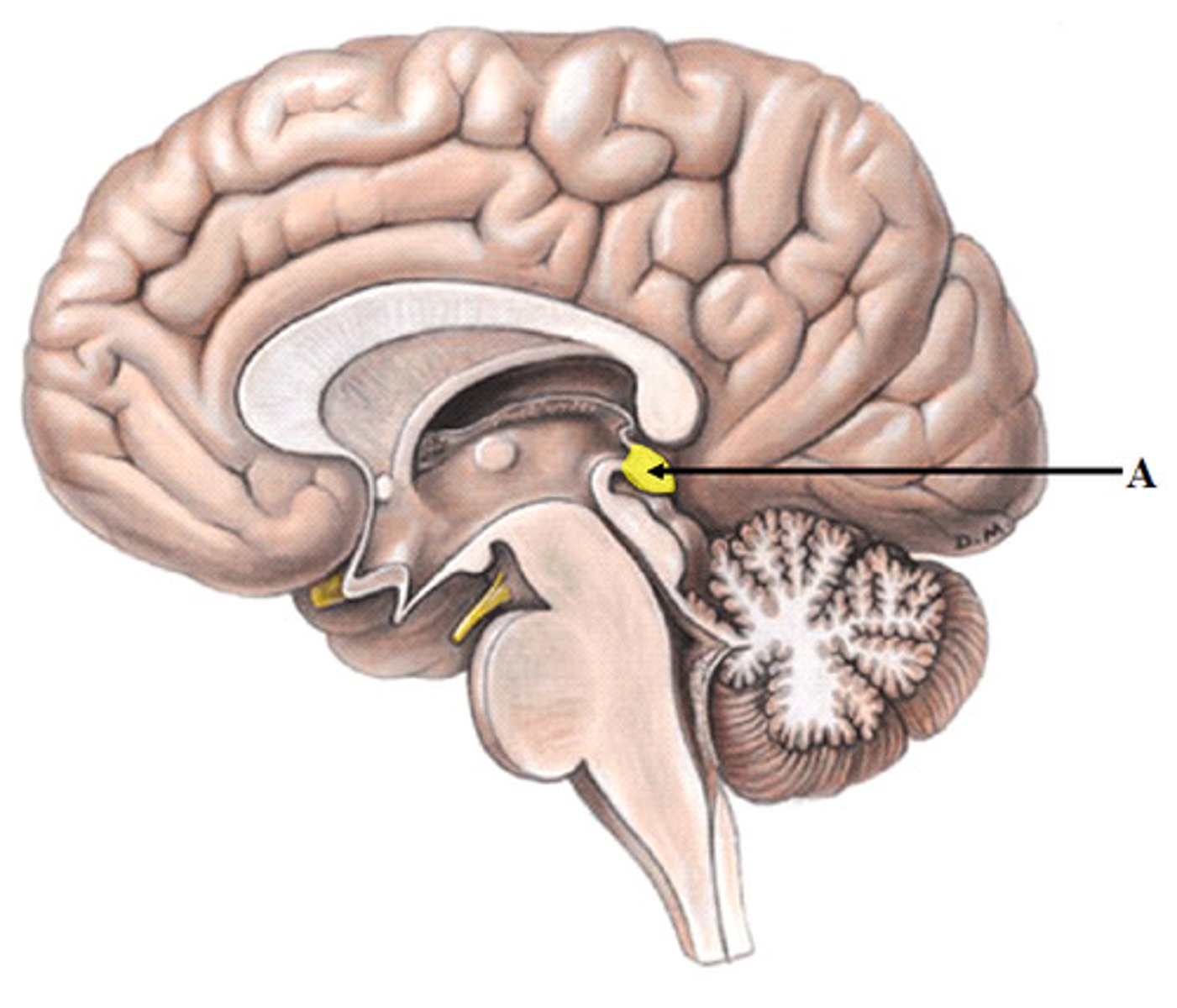
pineal gland
located in epithalamus, produces melatonin
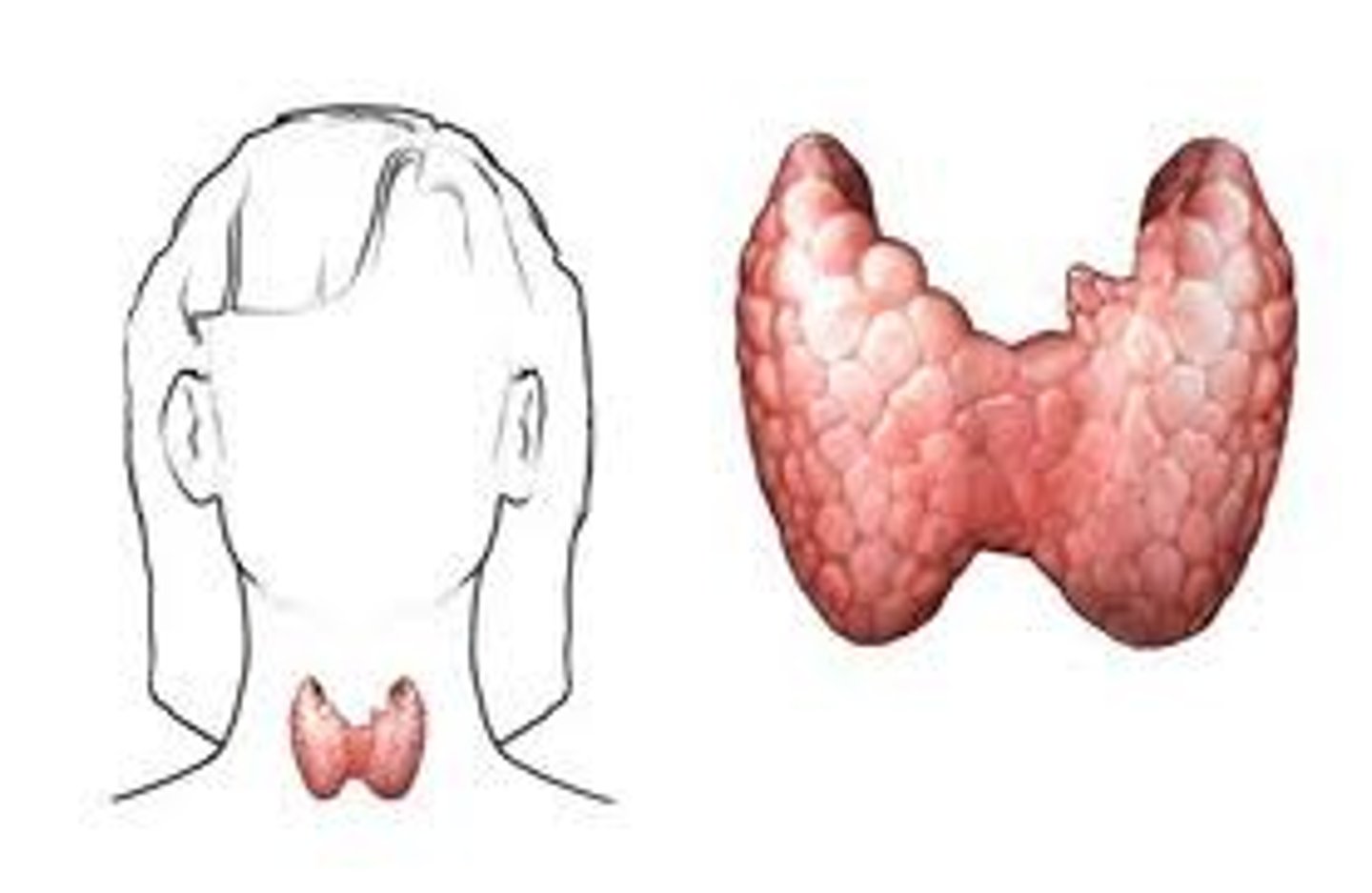
thyroid
establishes metabolic rate
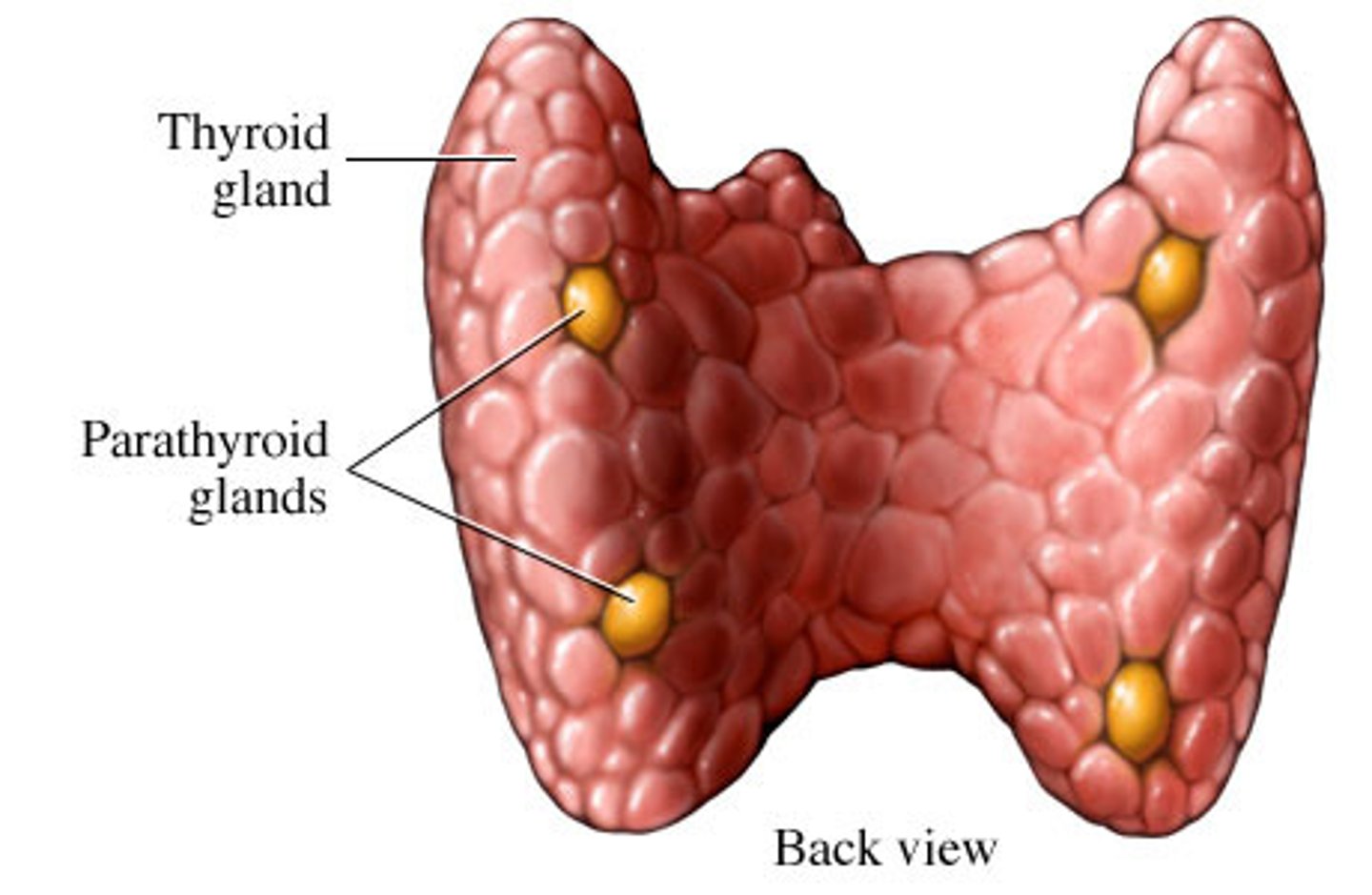
parathyroid
calcium regulation
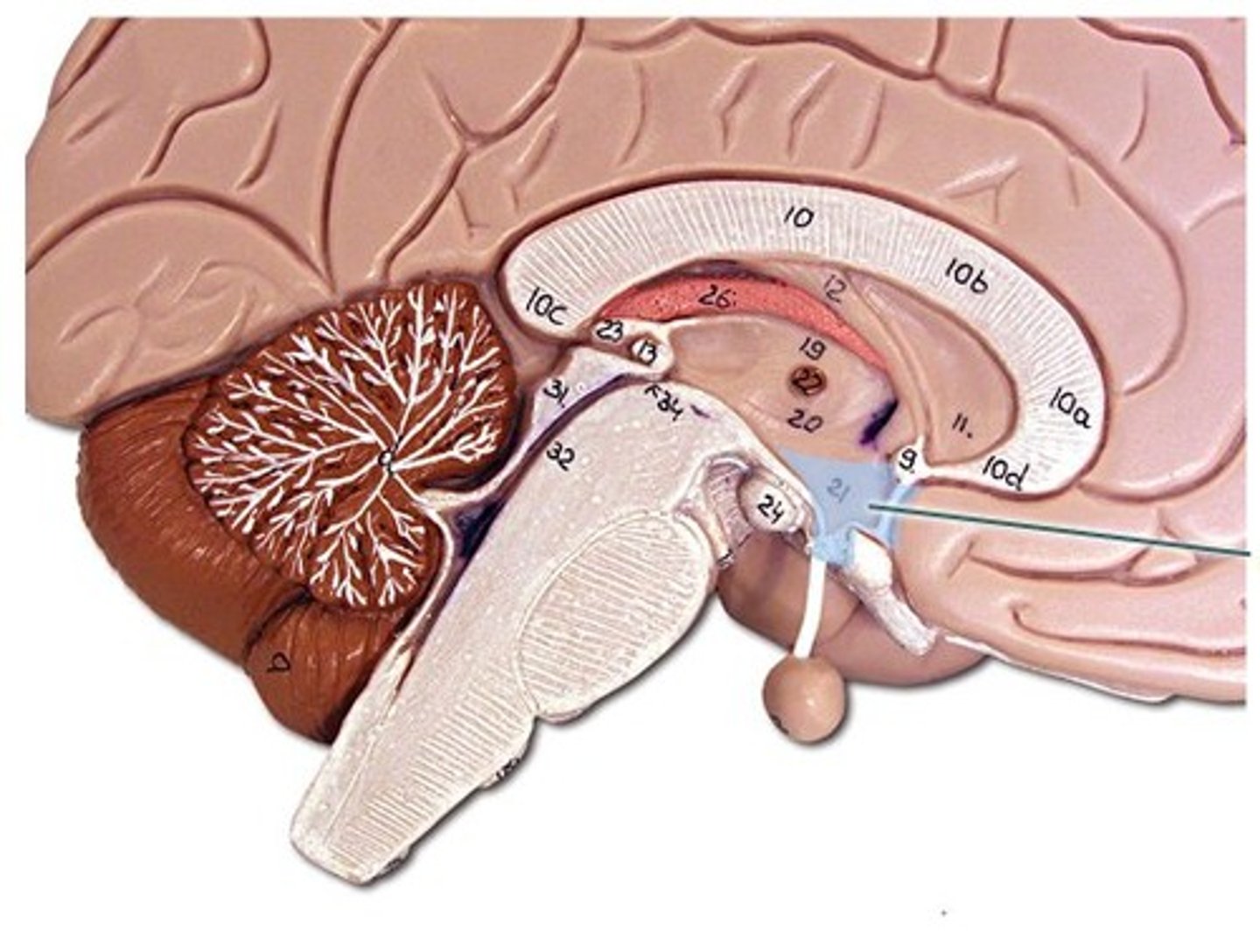
hypothalamus
temperature regulation and hormonal regulation, regulates the pituitary gland
pituitary gland
master gland, regulates many glands in endocrine
suprarenal glands
adrenals, produce epi and neuroepi (adrenaline). at middula inner part, and cortex has three layers
overies and testes
sex hormone
pancrease
Insulin production, glucose level regulation, and reduces blood sugar. Insulin is secreted by the pancreas, then glucose enters muscle, less glucose in blood.
glycogen
increases blood sugar
what happens if you do not produce insulin
diabetes no insulin production
how are hormones regulated
by checking blood variables, nervous system, and tropic hormones
tropic hormones
hormones that drive prodction of other hormones
hypothalamic pituitary axes
hypothalamus excretes thyroid regulating hormone stimulating the release of thyroid stimulating hormone from the anteior pituitary gland which flows in the blood to the thyroid in the follicle the thyroglobin then binds to one (MIT) or two (DIT) iodines to then add up and make t3 or t4
endocrinology
study of hormones and endocrine organs
which is faster nervours or endocrine system
nervous
main function of endocrine
control and integration of processes like reproduction, growth, electrolytes, cellular metabolism and body defense
anatamoical structure of endocrine
ductless glands, no tubes. expel into circulation or cardiovascular through apical membrane
endocrine organ list that produces hormones
pituitary gland, thyroid gland, parathyroid gland, adrenal gland, pineal gland, hypothalamus
structures that are borth exocrine or endocrine
pancreas, gonads, and placenta
other hormone-producing tissues
adipose, thymus, small intestines, stomach, kidneys and heart
what type of signalling mechanisms are used ?
localized or delocalized
autocrine
signaling effects on the same cells that secrete them. ex. t-cells
paracrines
effects cells other than those that secrete them, less localized. ex. GHIH
hormones effect radius?
Effect far beyond the site of secretion. two main classes 1. amino acid based hormones 2. steroids. both travel through blood stream and cause effects on cells that have the receptor for them.
difference between steroids and amino acids?
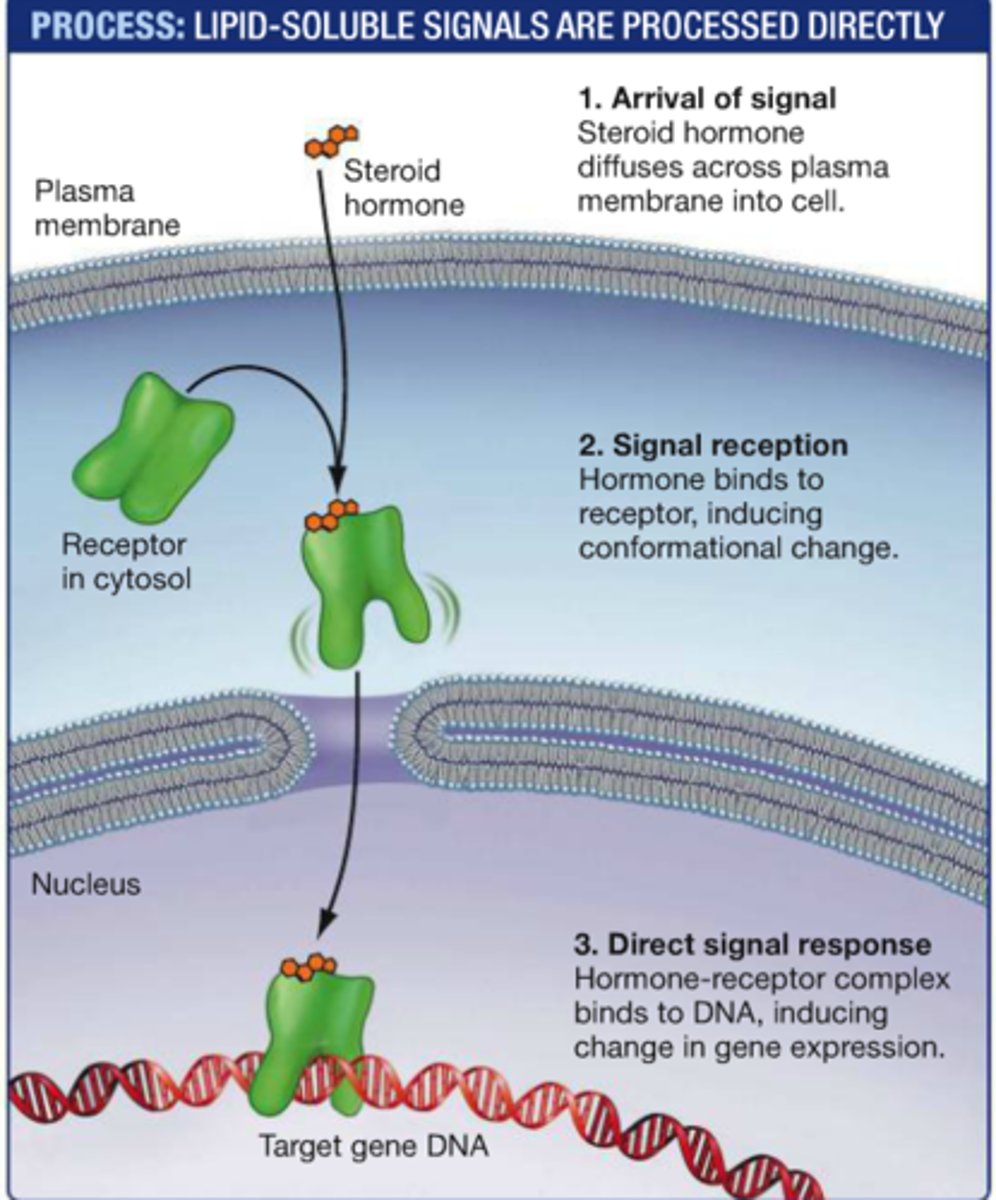
steroids are fatty and can penetrate plasma membrane becasue it is made of phospholipids. amino acids can not blast through.
how do aminoa acids enter the plasma membrane ?
hormone uses receptors on the plasma membrane and then second messanger by G proteins relay hormone cannot get in to enzyme ATP becomes cAMP as second messanger. if no plasma membrane receptors needed then intracellular receptors.
effects of one little hormone and ATP
makes a lot of cAMP and activates a lot of kinase
if hormone has entry without plasama membrane receptors
hormone enters and activates specific dna, mRNA transcribed and specific protein is made
what is needed for cell activation
number of receptors and blood levels affinity
cells with low hormone levels
cells make more receptors for up regulation
cells with high hormone levels
cells break down receptors, down regulation
can hormones impact receptors of another hormone
yes, like human uterus. when progesteron down it regulates estrogen receptors and when estrogen is up it regulates progesterone receptors
what controls blood levels of a hormone
negative feedback, negating out of homeostatic levels
negative feedback
if hormone levels rise it feeds back to inhibit hormone secretion
three types of hormone secretion control
humeral, neral stimulus and hormonal stimulus
humeral hormone secertion
blood, yellow bile, black bile, phlegm. hormones secretes in response to blood levels. PTH bc of calcium
neural stimulus
hormone released caused by neural input. ex. CNS spinal cord to medulla of adrenal gland releases NE or EPI to cause a response
hormonal stimulus
hormone a to hormone b. tropic hormone. TRH to TSH
pituitary
hypopysis, two major lobes. anterior and posterior.
pituitary anterior lobe
adenohyophosis, glandular tissue (gland) produces it's own hormone. produces 6 hormones; Adrenocorticotropic hormone (ACTH)
Thyroid-stimulating hormone (TSH)
Luteinising hormone (LH)
Follicle-stimulating hormone (FSH)
Prolactin (PRL)
Growth hormone (GH)
Melanocyte-stimulating hormone (MSH)
hypophyseal portal system
blood circulation of tropic hormones, blood circulates capillary to capillary instead of to heart
posterior lobe of pituirary
not glandular, neural tissue. connected to hypothalamus. hormones: ADH (antidiretic hormone) and oxytocin
oxytocine
small, uterine contraction, trigger milk injection and neurotransmiter in brain
adh (antidiretic hormone)
Small, inhibits urine formation, regulates water balance, and causes kidneys to reabsorb H2O by making holes, inhibited by alcohols and diuretics. high concentrations lead to vasoconstriction
diabetes indipidus
adh deficincy, not sugat but instead polyuria keeps peeing hypothalamus damage
anterior pituitary hormones characteristics
all proteins, larger than posterior hormones. all us cAMP but GH
what 4 anteiror pituitary gland are tropic
TSH, ACTH, FSH and LH
GH
growth hormone or somatotropin (40%) of pitutary makeing. increase fatty acids, use of fatty acids and protein synthesis. breaks down glycogen to glucose. promotes growth with insulin. regulated by hypothalamys GHRH and GHIH
imbalances of GH
hypersecretion in child, gigantism (willard 8'11" in adult, acromegaly (lumps in forehead). hyposecretion, pituitary dwarf
adrenocorticotropic hormone
ACTH, corticotropin. 20% production. stimulates release of cotricosteroids (adrenal cortex) triggered by sugar levels and corticotropin releasing hormone in hypo, fever or stresss
gonadotropins
FSH: follicular stimulating hormone (gamete production) and LH: leutonizing hormone (gonadal hormone production)
what triggers gonadotropins?
triggered by puberty
What suppressed gonadotropin
Leutinising causes a lot of testosterone, causing negative feedback
prolactin
production of milk (20% production), regulated by dopamine and increased by suckling
thyrotopin
thyroid stimulating hormone (5% production) stimulates thyroid activity, triggered by thyrotropin-releasing hormone, inhibited by increased blood levels of t3 in thyroid negative feedback
colloid-filled follicles
high in protein, storing thyroid hormone
parafollicular cells
larger than colloid filled follicles and produce caalcitonin which decreases calcium when too high
isthmus
connects thyroid tissue, filled with colloid follicles
thyroid hormone effects
increases metabolic rate, produces heat by proteins, promotes skeletal development and nervous system, reproduction
two hormones of thyroid
t3 and t4
how do we get iodine
from diet
what does iodine bind to
thyroglobin in colloid
which is more common t3 or t4
t3 and if low on t3, it can be converted to t4. increased th levels inhibit tsh bt trh can override during pregnancy
what causes a goiter
lack of iodine and nonfunctional, no negative feedback because colloid keeps building and not being released in blood
adrenal cortec
pyramid glands superior to kidneys, deepest layer is medulla and produces NE
three layers of adrenal cortex
zona glomerulosa (outer), zona fasciculata (middle), zona reticularis (deepest)
what does zone glomerulosa produce
mineralocorticoids
what does zona fasciculata make
gucocorticoids
what does zona reticularis make
glonadocorticoids
mineralcorticoids
regulate sodium and potassium, patissup important for repolarization for AP. NA important for blood fluid
aldesterone
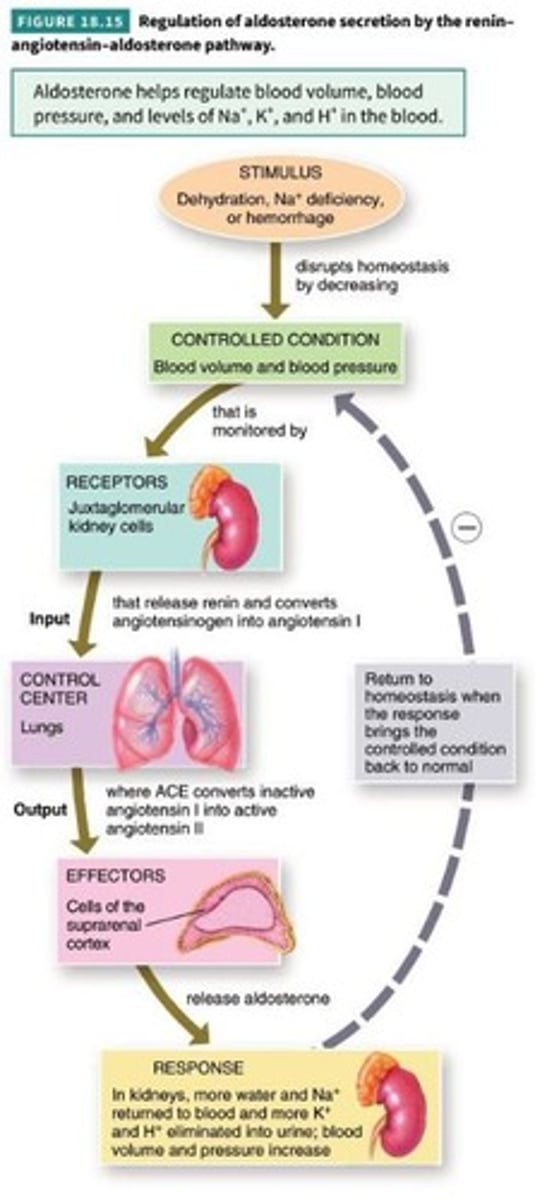
mineralcorticoid, most important, stimulates sodium reabsorption and water retention by kidneys and eliminates potassium
what regulates aldosterone
renin angiotensin axis
low bp renin angiotensin
kidney releases renin, goes to lungs and angiotensin 1 becomes two by ACE which activates aldosterone so sodium is reabsorbed and water follows then BP is increased
high bp renin angiotensin
load of blood to heart, aorta then produces atrial natriuretic peptide, atrial sodium output in urine then blocks aldosterone and not absorbing as much salt
functions of blood
circulates circular vasculat system to transport nutrients from SI to liver. regulates pH and ions , restriction of fluid loss, defense, stabalized blood temp
blood composition
flid connective tissue, plasma (matrix), eythrocytes (RBCs), leukocytes (WBC), platelets. (not cells)
centrifuge blood
55% plasmsa, buffy coat (leukocytes WBC and platelets), 45% erythrocytes RBC heavier
physical characteristics of blood
5-6L for males and 4-5L of females. high o2 scarlet, low o2 dark red. 7.35-7.45. below acidosis and above alkalosis.
blood plasma
90 % water, if dehydrates lose a lot of water and bp drops, more than 100 dissolved solutes
solutes in blood plasma
albumins, globulins - antiboides, fibrinogen - coagulation
albumin
60 % of plasma protein. major function is to generate plasma osmotic pressure, reabsorbs fluid into capilarry system and avoids edema
cells in blood
erythrocytes, platelets and wbcs
erythrocytes
rbc, bioconcave, size of capillary but flexibly pass through, can stack, no nucleus reduced to organelles inside, FUNCTION: carry CO2 and O2
why is it important for RBC to not have mitochondria to transport oxygen
to maximize available space for hemoglobin and to ensure they do not consume the oxygen they are designed to deliver to the rest of the body
how do erythrocytes transport gases
hemeglobin, made up of 4 proteins with beta and alpha globin chains, each eith a heme group and uses iron
oxyhemoglobin
oxygen loading in lungs
deoxyhemoglobin
oxygen unloading in tissues
carbainohemoglobin
carbon dioxide loading in tissues, carbon dioxide must be released so we aren't acidic but only 20% by hemoglobin 80% turned into bicarbonate from carbonic acid for liver
erthropoliesis
process of making RBC
hemocytoblast
all formed elements in blood start here, sem cell in marrow
reticulocyte
immature erythrocyte when it loses it's nucleus day 4/5
how do we make more RBCs
RBC's take up space but not too many otherwide blood is too thick and hard to pump, controlled hormonally
what organ checks oxygen
kidney capillary system around nephron, blood comes into capsule and is filtered back out and peritubular capillary checks o2 levels
what does liver do if low oxygen
peritubular capillary secrete erythropoletin make reticular sites to mature faster, make repid maturation 1-2 days
if erythropoietin is abused ?
blood doping lance armstrong more access to RBCs
hypoxia
low levels of oxygen from hemorrhage, insufficient hemoglobin per RBCs, maybe from a weird shape like sickle cell anemia
needs for RBC production
hemeglobin, 4 heme, iron, vitamin b12 and folic acid
hemosiderin
bound iron in kidney 35%
lifespan of rbcs
100-120 days
after 120 days what happens
rbcs break down, 10% eliminated in urine other is recaptured to save nutrient