Unit 1: Intro to Anatomical Terms
 Call Kai
 Learn
Learn Practice Test
 Spaced Repetition
 Match
Match Flashcards
 Knowt Play
1/49

There's no tags or description
Looks like no tags are added yet.
Name | Mastery | Learn | Test | Matching | Spaced | Call with Kai | Chat |
|---|
No analytics yet
Send a link to your students to track their progress
50 Terms
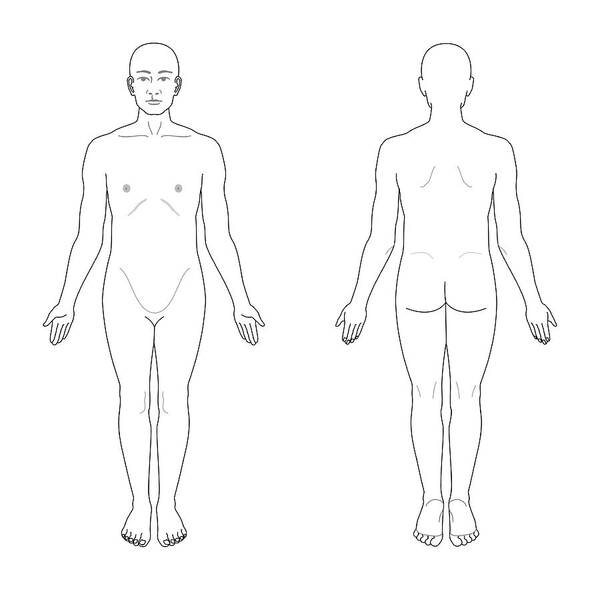
Anatomical Position
standard anatomical reference position with hands at sides, palms forward and thumbs pointing away from body, feet together
Anatomical Directions
terms that are used to describe the relative location of body regions and structures
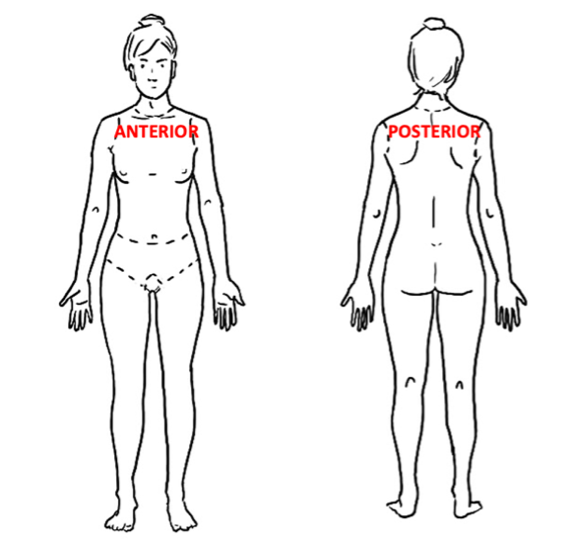
Anterior and Posterior
Anterior: Front
Posterior: Back
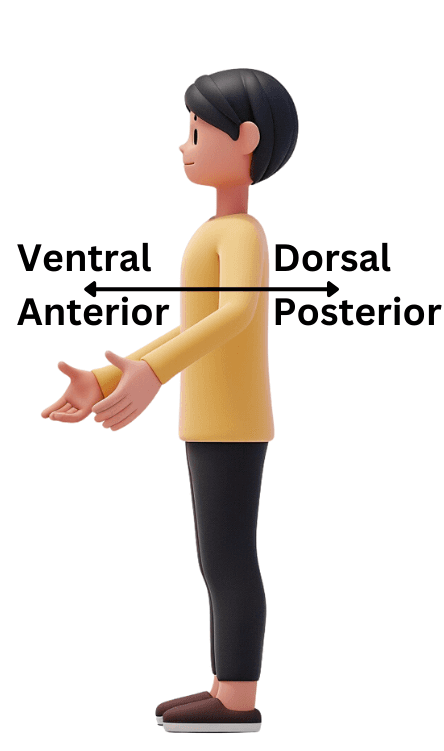
Dorsal and Ventral
Dorsal: Toward the back
Ventral: Toward the belly or front
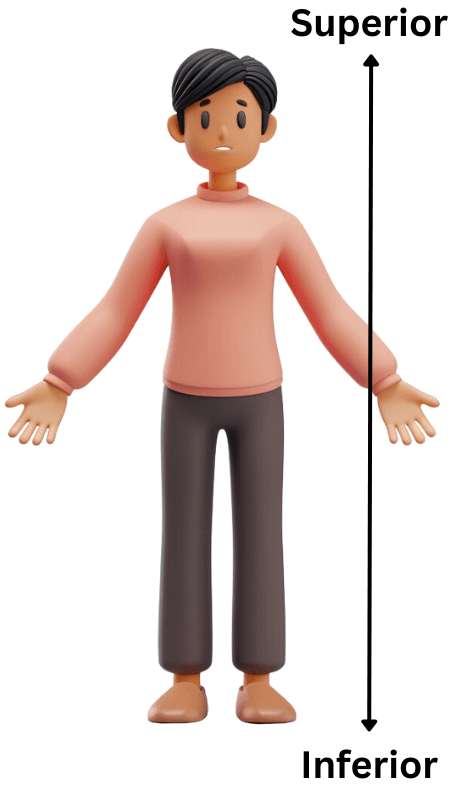
Superior and Inferior
Superior: Toward the head/upper part
Inferior: Away from the head/toward lower part
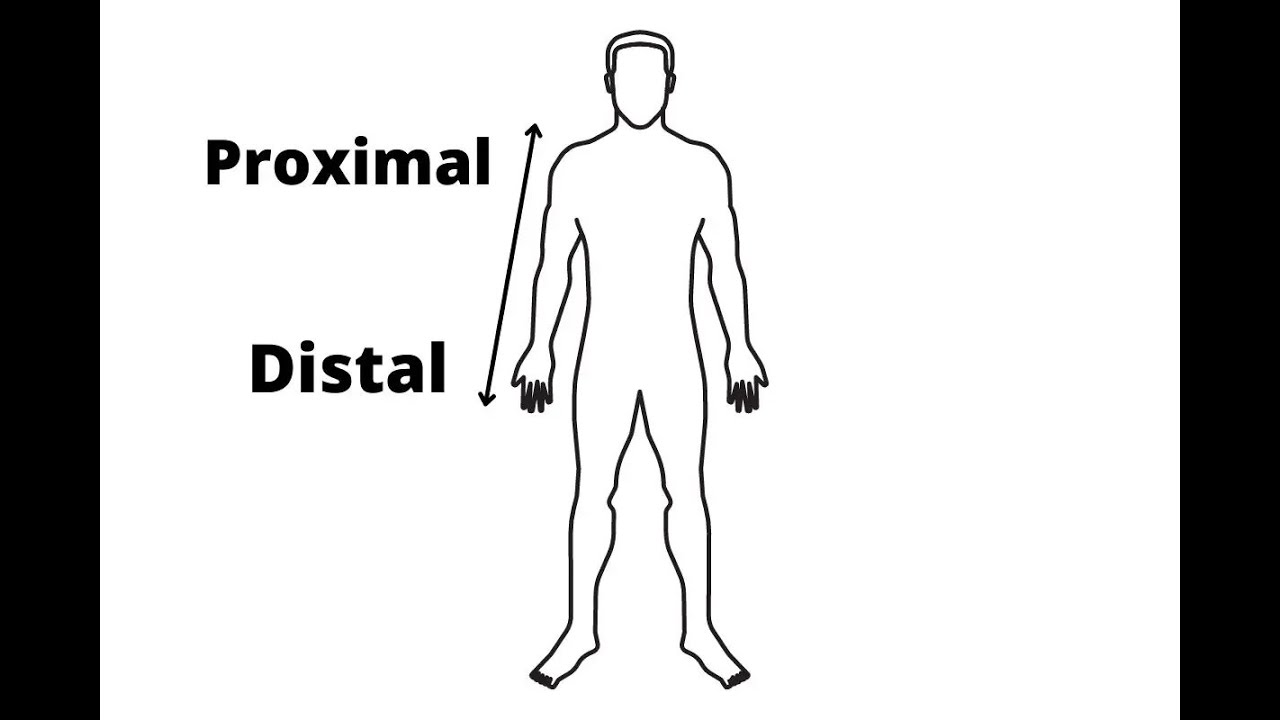
Proximal and Distal
Proximal: closer to center of body or where limb attaches
Distal: farther away from that point
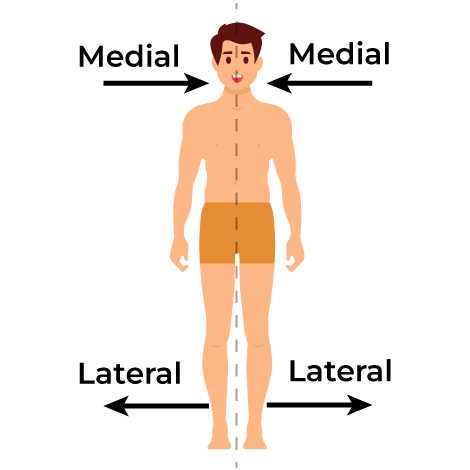
Medial and Lateral
Medial: closer to the middle/center line of the body
Lateral: farther from middle/toward the side
Superficial and Deep
Superficial: closer to surface of body
Deep: farther inside body

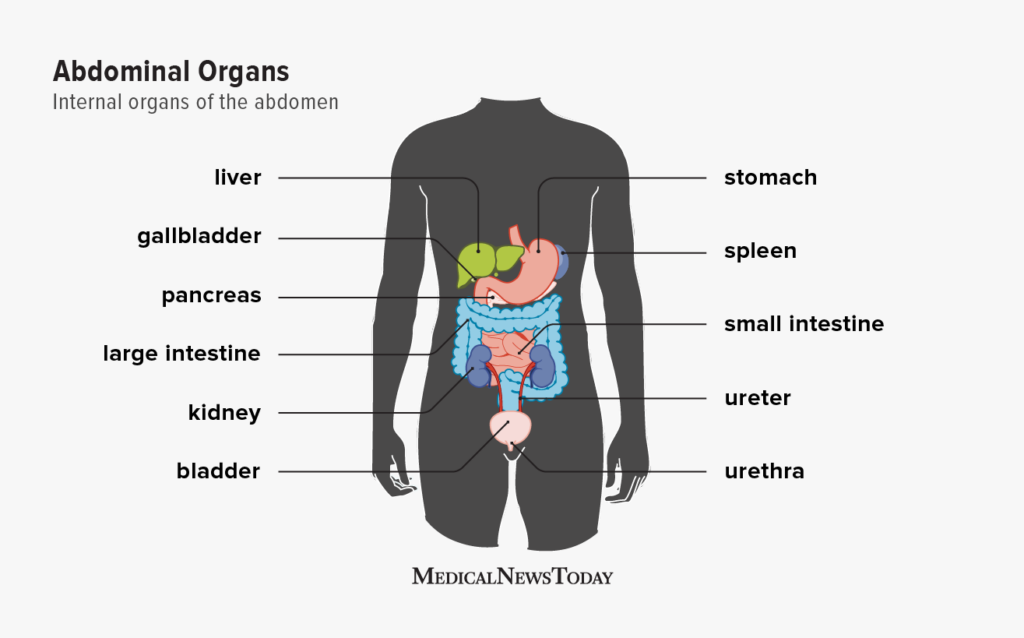
Abdominal Region
body space between chest and pelvis
Major organs: stomach, small and large intestines, liver, gallbladder, pancreas, kidneys, spleen, bladder
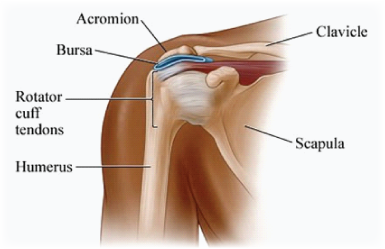
Acromial Region
highest point of shoulder, sits on acromion
Antebrachial Region
forearm

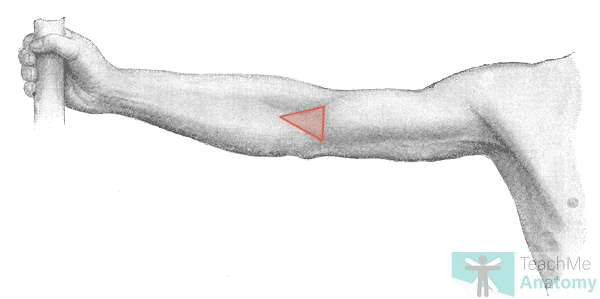
Antecubital Region
anterior surface of elbow joint
Axillary Region
the armpit

Brachial Region
the upper arm

Buccal Region
the cheek

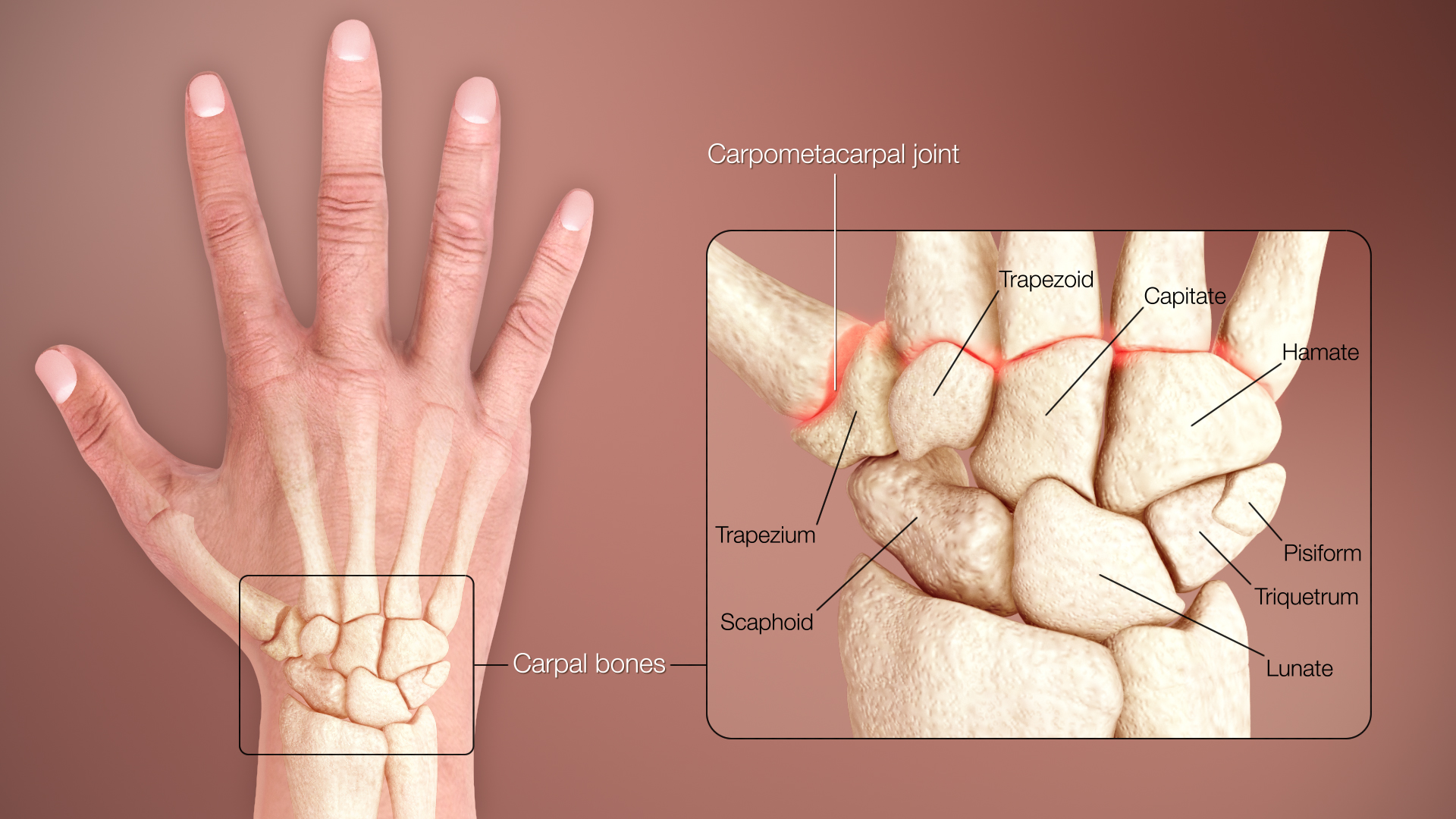
Carpal Region
the wrist
Cephalic Region
the entire head
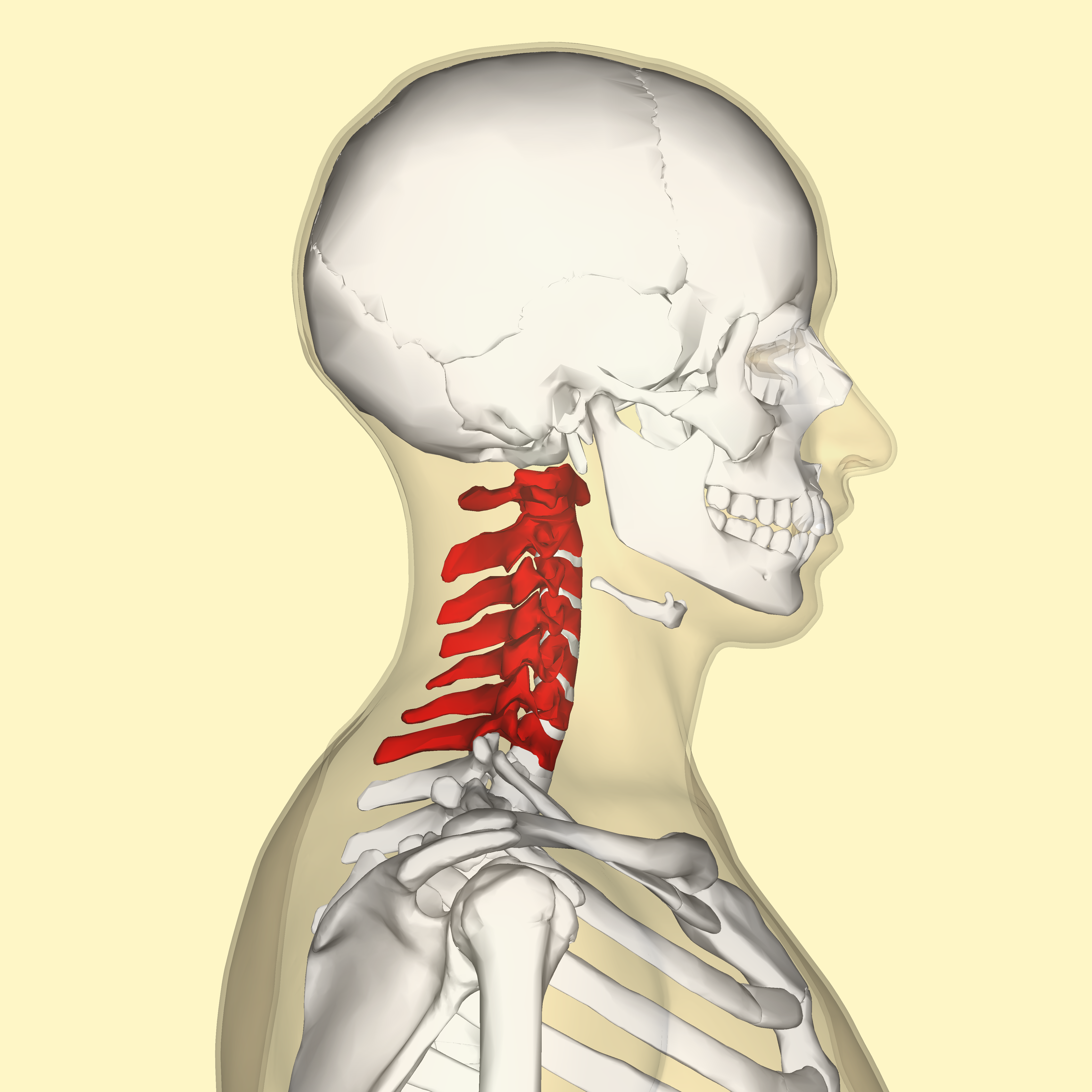
Cervical Region
the neck segment of spine
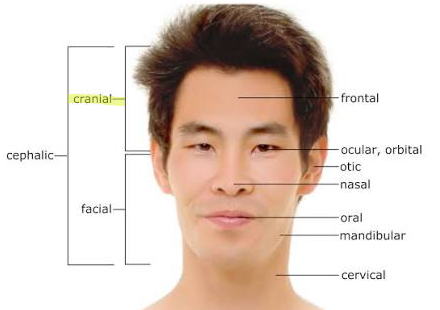
Cranial Region
upper part of head/skull that holds brain
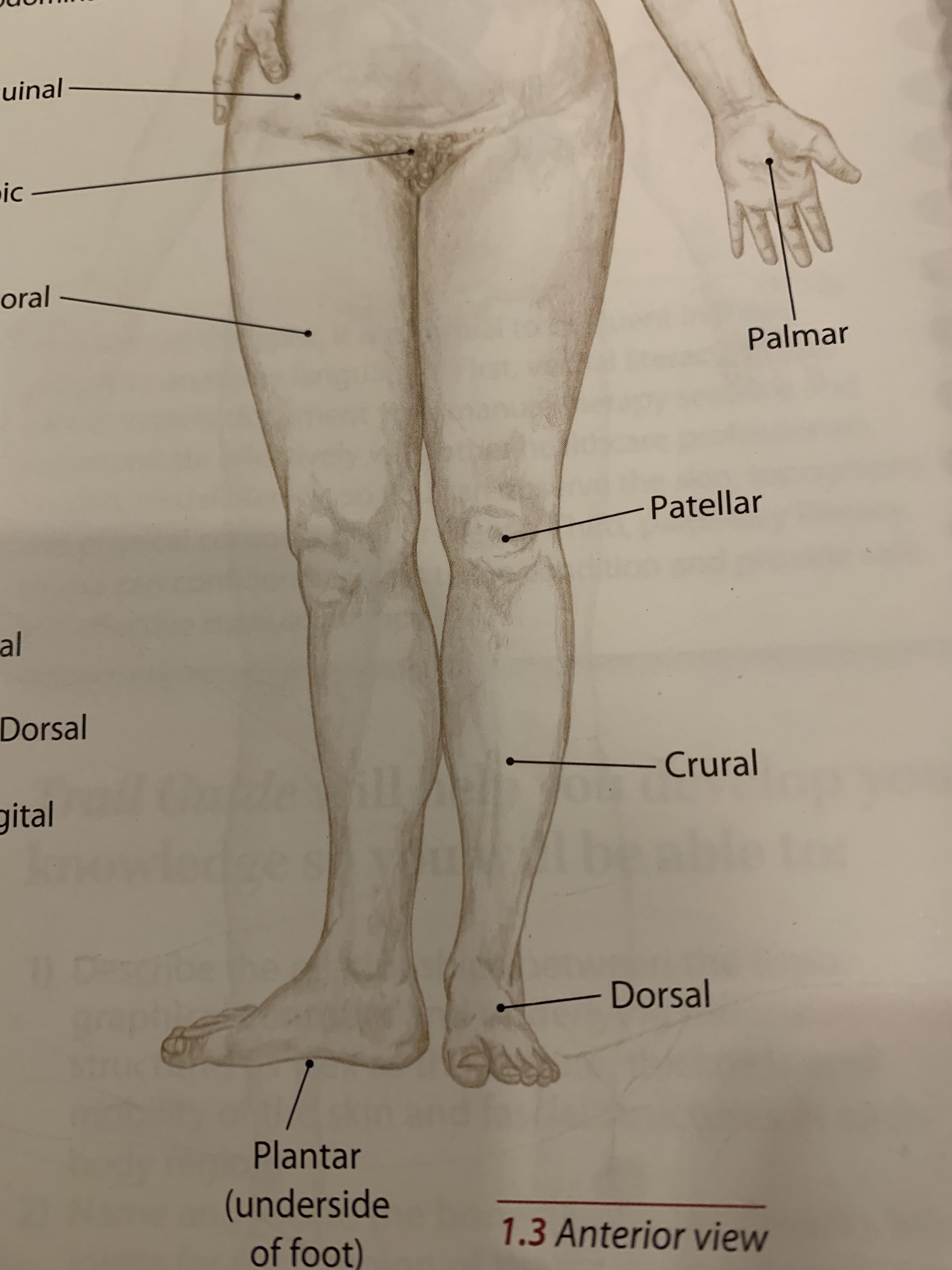
Crural Region
lower leg, between knee and ankle
Digital Region
fingers and toes
Femoral Region
the thigh

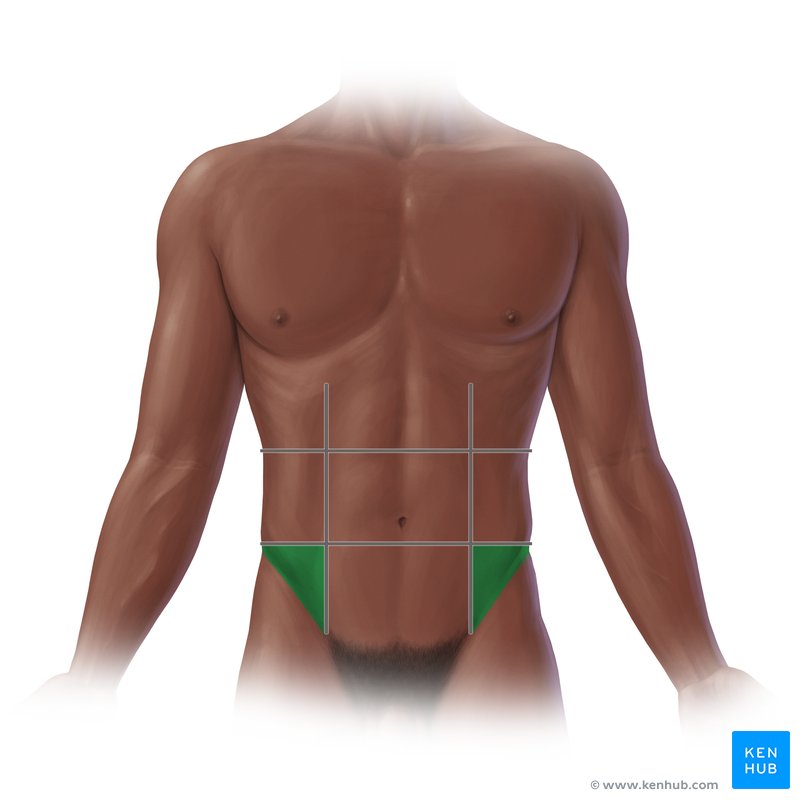
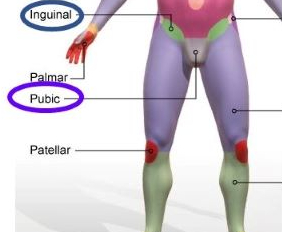
Inguinal Region
the groin
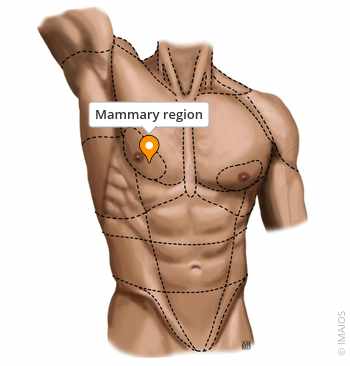
Mammary Region
the breast
Nasal Region
the nose
Oral Region
the mouth
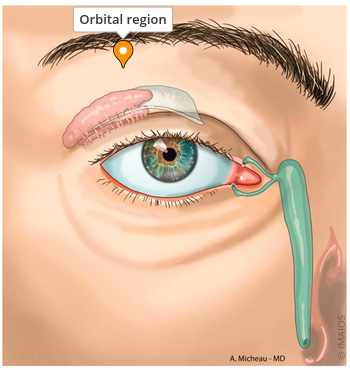
Orbital Region
the bony eye socket
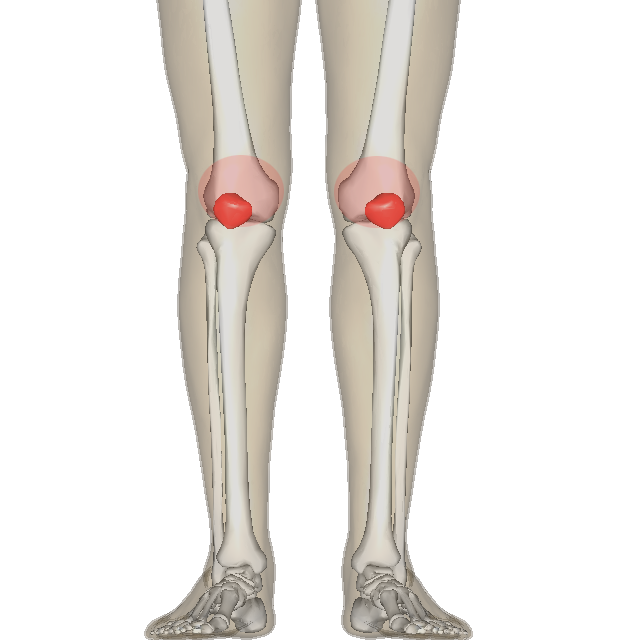
Patellar Region
the anterior knee region (kneecap)
Pedal Region
the foot
Pelvic Region
the pelvis region

Plantar Region
sole of foot

Pubic Region
the genital region
Sternal Region
the breastbone region

Tarsal Region
the ankle
Thoracic Region
the chest
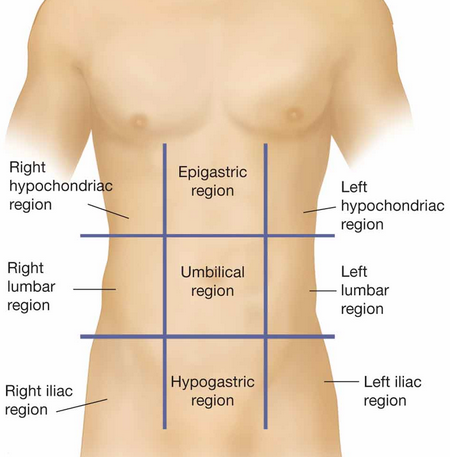
Umbilical Region
the navel, center of abdomen
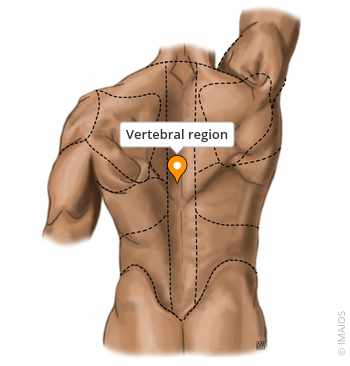
Vertebral Region
the area of spinal column
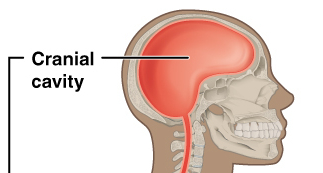
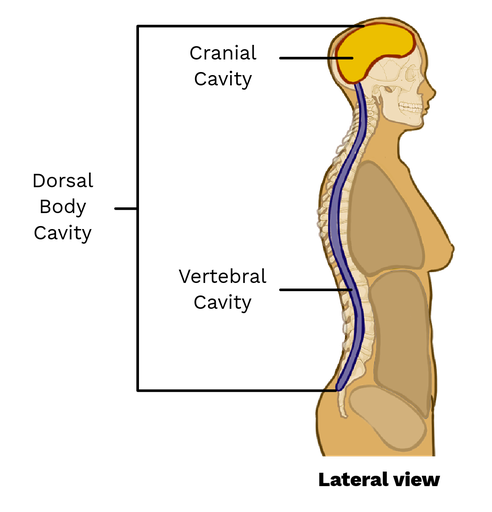
Cranial Cavity
fluid filled space inside skull that houses and protects brain
Vertebral Cavity
long hollow channel inside spinal column that houses and protects spinal cord
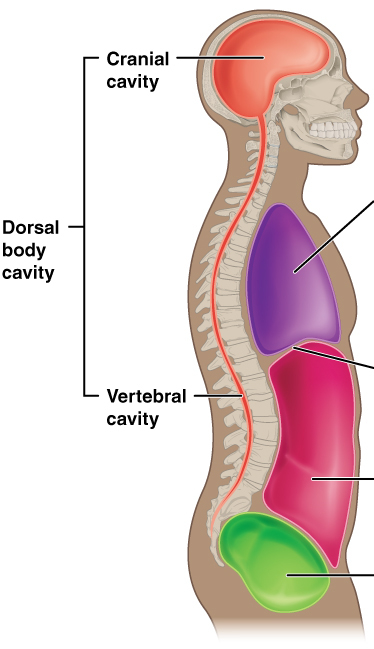
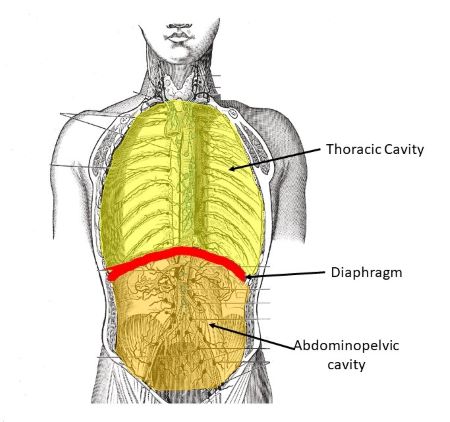
Thoracic Cavity
hollow space in chest enclosed by rib cage, spine, and breastbone that protects vital organs

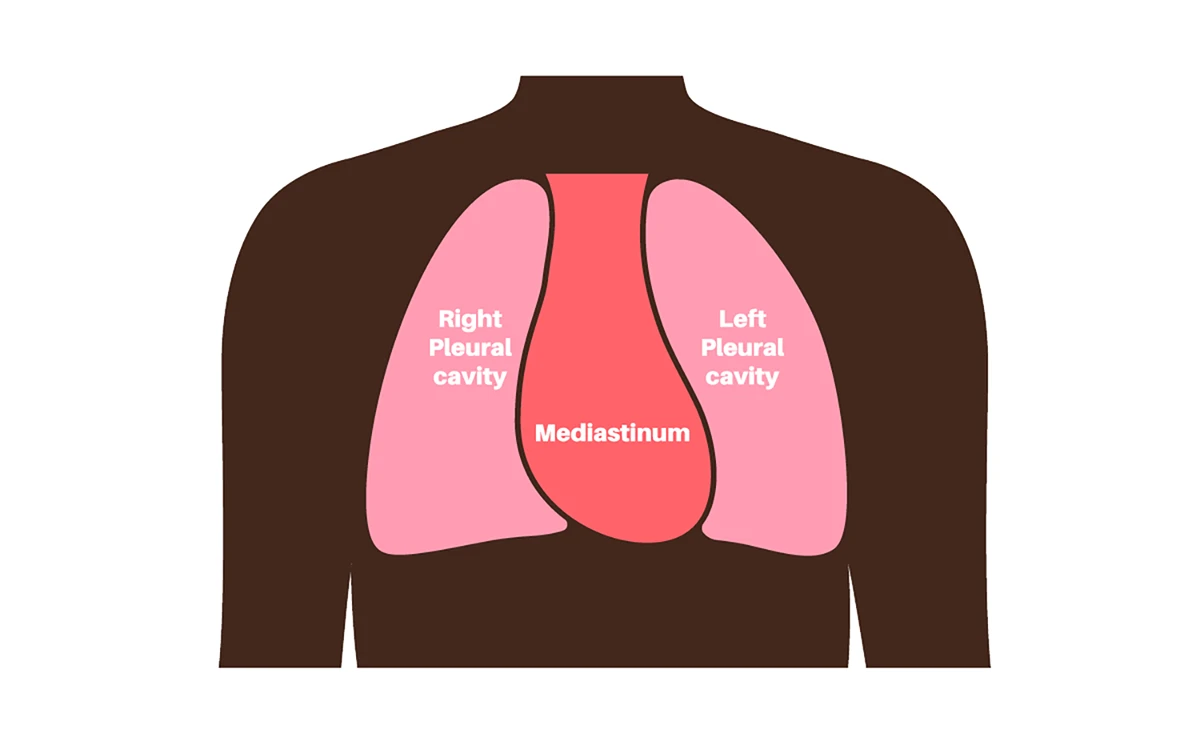
Pleural Cavity
part of thoracic cavity; a small, fluid filled space between the two thin membranes that cover lungs and line inside of chest wall

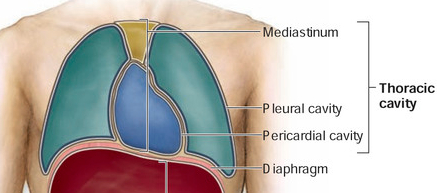
Mediastinum Cavity
middle of thoracic cavity; mass of connective tissue that stabilizes the trachea, esophagus, thymus, and largest vessels of the heart. Also contains pericardial cavity
Pericardial Cavity
inside the mediastinum; small fluid filled space that surrounds the heart
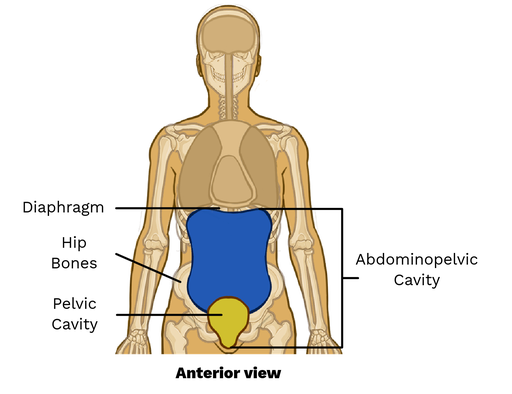
Abdominal Cavity
extends from diaphragm to top of pelvic bones
contains digestive and urinary organs
largest hollow space in human body
Pelvic Cavity
medial to pelvic bones
contains reproductive organs, rectum and urinary bladder
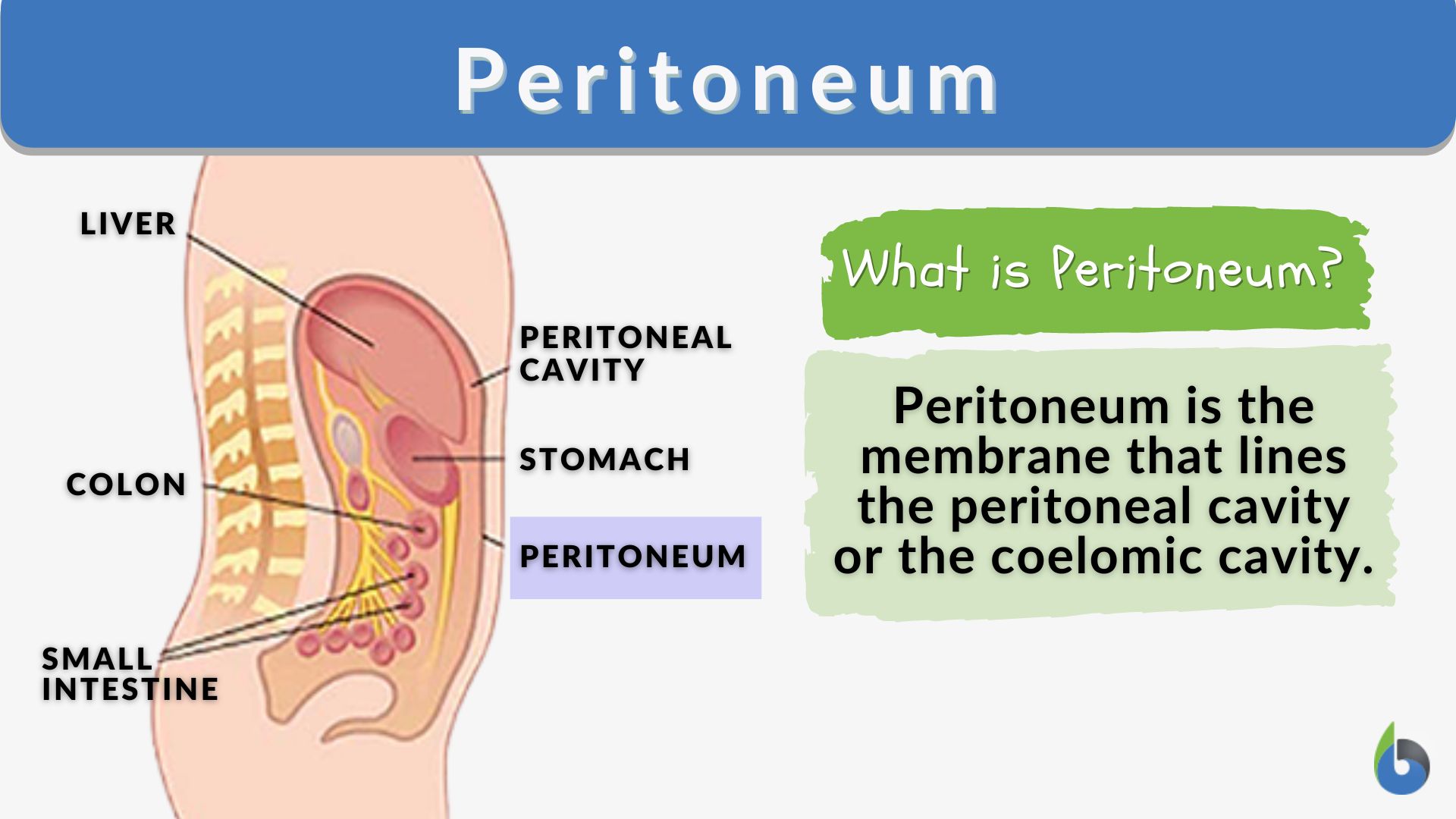
contains inferior portion of peritoneal cavity
Peritoneal Cavity
fluid filled space in abdomen between the inner lining of abdominal wall and organs within
Posterior/Dorsal Cavity
cavity on the back side of the human body
contains the cranial cavity and vertebral cavity
Anterior/Ventral Cavity
cavity on the front side of the human body
contains the thoracic cavity and abdominopelvic cavity
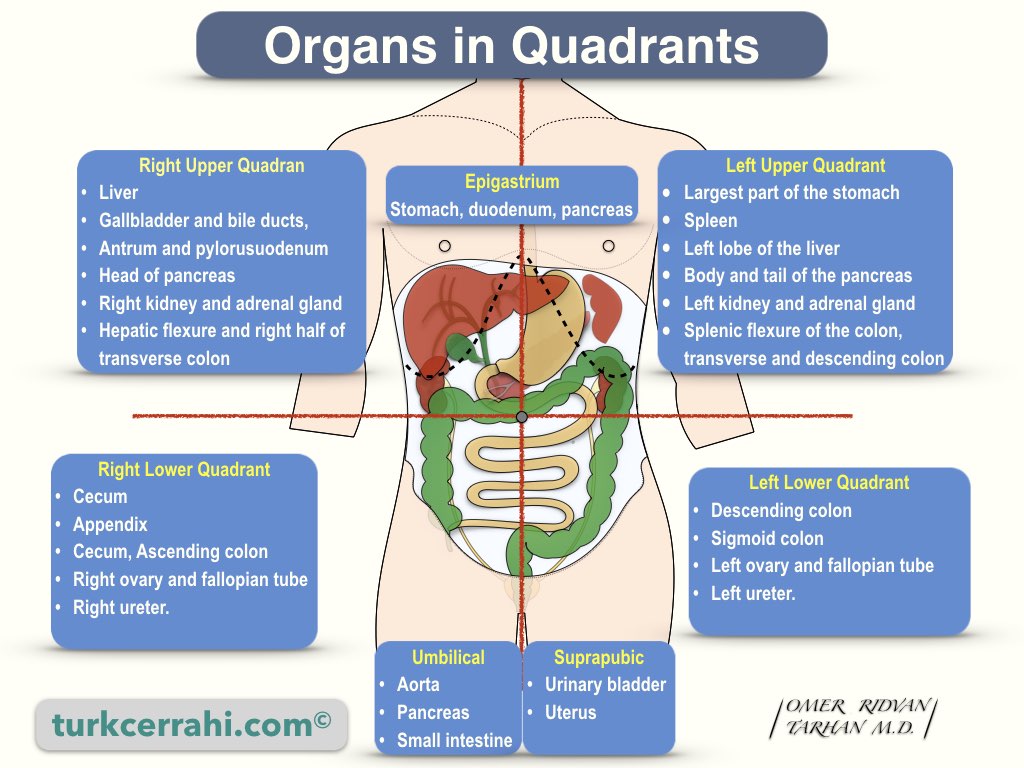
Abdominopelvic Quadrants
divide abdominopelvic region in four quadrants
formed by two perpendicular lines that intersect at navel
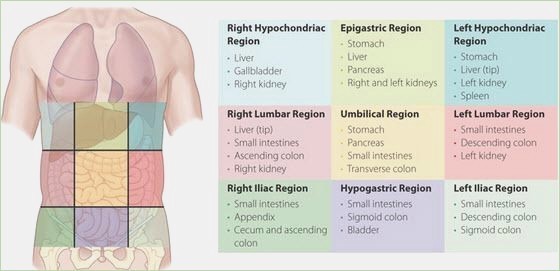
Abdominopelvic Regions
divide abdominopelvic nine specific regions