Chapter 4 Lesson 4: Ocean Ecosystems

call kaiCall Kai
learnLearn
examPractice Test
spaced repetitionSpaced Repetition
heart puzzleMatch
flashcardsFlashcards
Card Sorting

1/49

encourage image

There's no tags or description

Looks like no tags are added yet.

Last updated 6:45 AM on 8/15/26
Name
Mastery
Learn
Test
Matching
Spaced
Call with Kai
Chat
Add student to class section state
Add studentsNo students in these sections. Invite them to track progress!

50 Terms

1
New cards

freshwater

Water that does not contain salt or is very low in salt content.
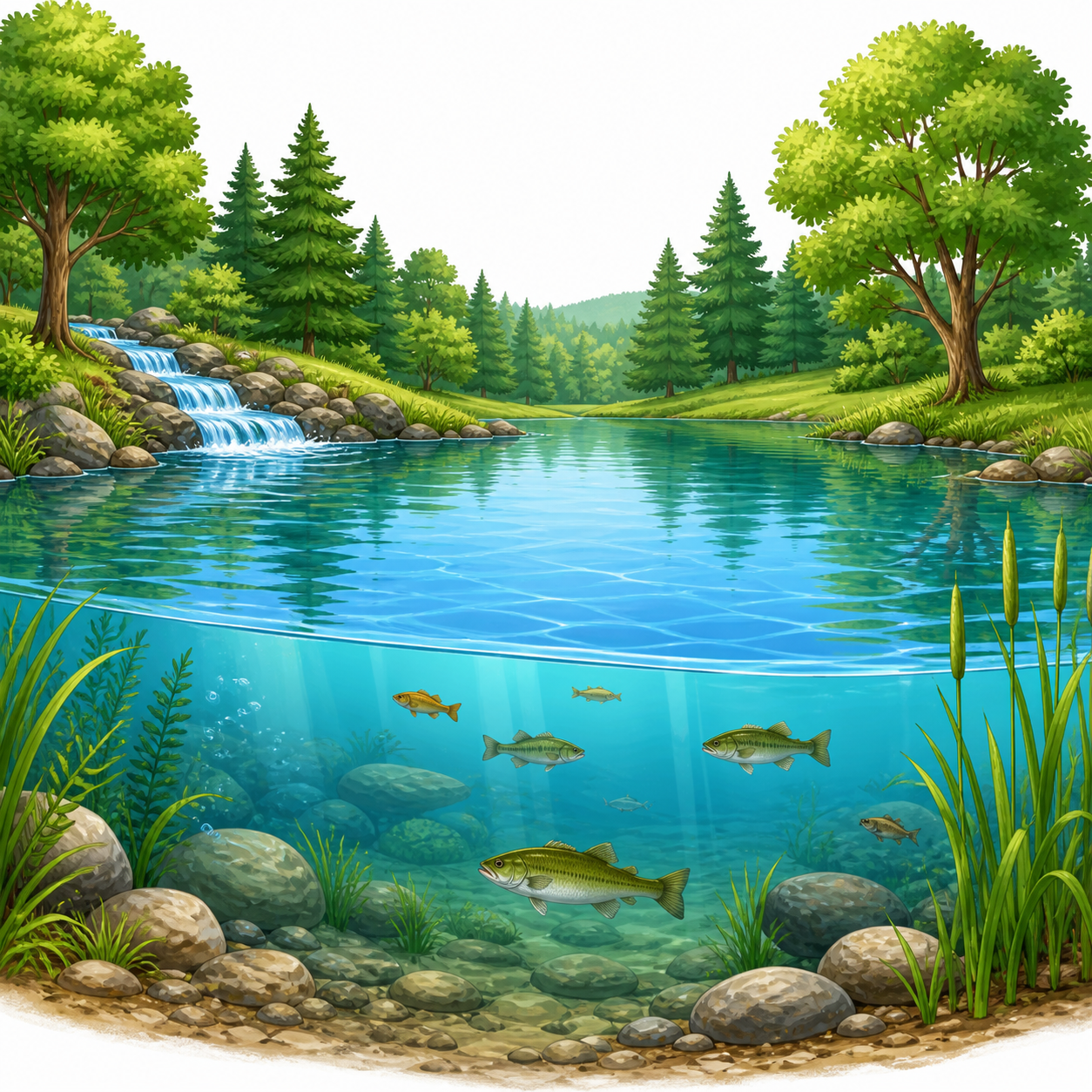
<p>Water that does not contain salt or is very low in salt content.</p>
2
New cards

plankton

Small organisms that drift freely in the water and are unable to swim.
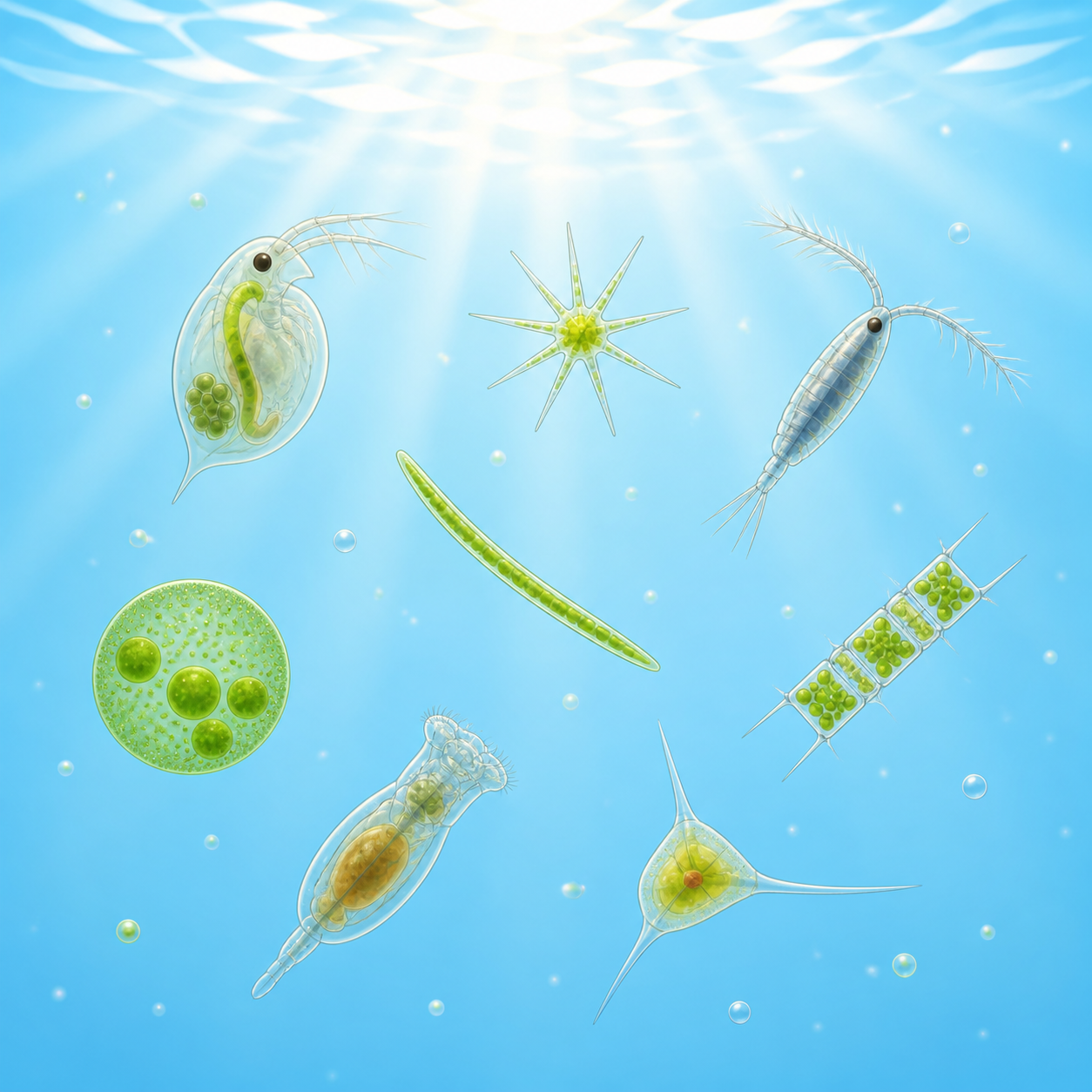
<p>Small organisms that drift freely in the water and are unable to swim.</p>
3
New cards

nekton

Larger organisms that are active swimmers in a body of water, such as fish.
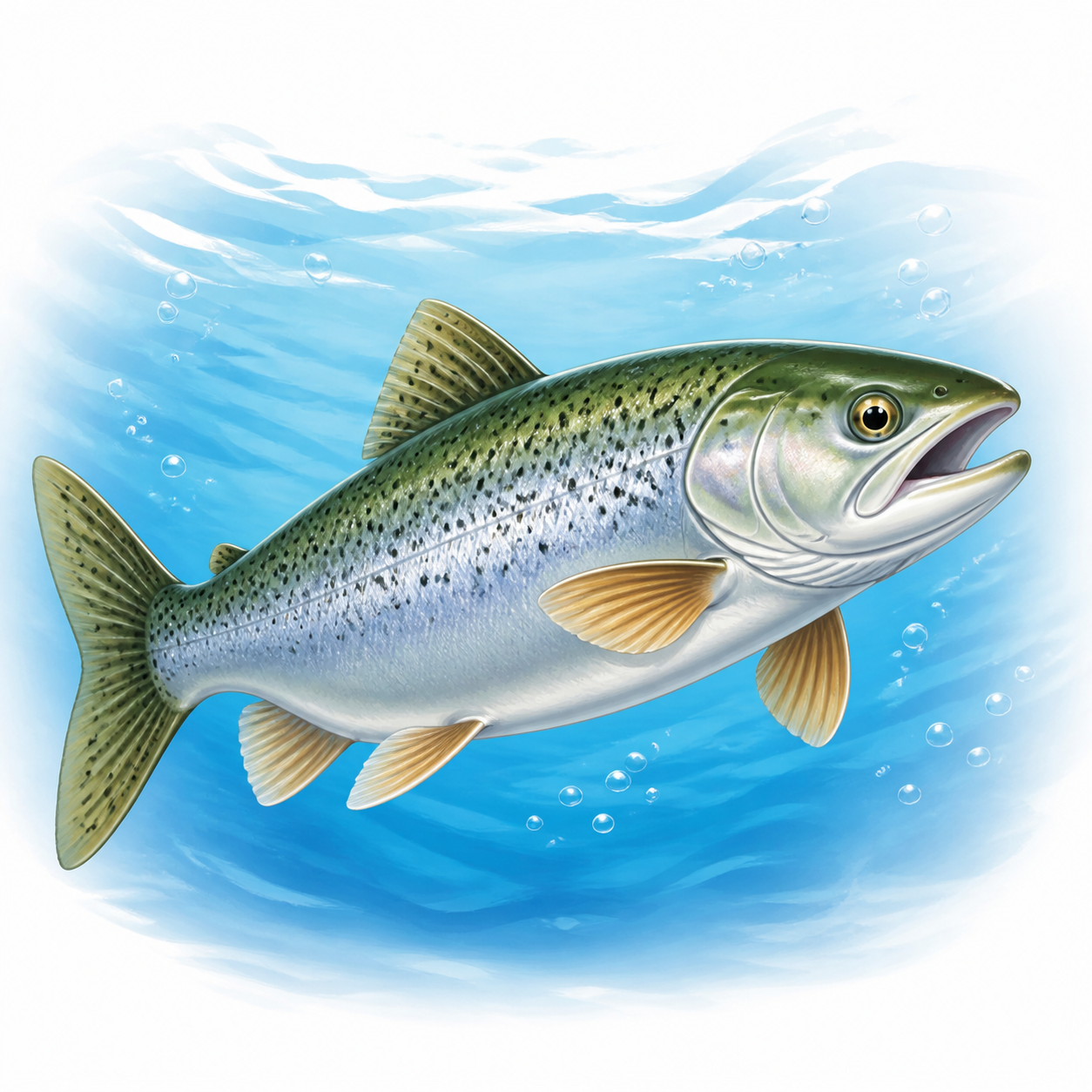
<p>Larger organisms that are active swimmers in a body of water, such as fish.</p>
4
New cards

benthos

Organisms that live on the bottom of a body of water, such as oysters.
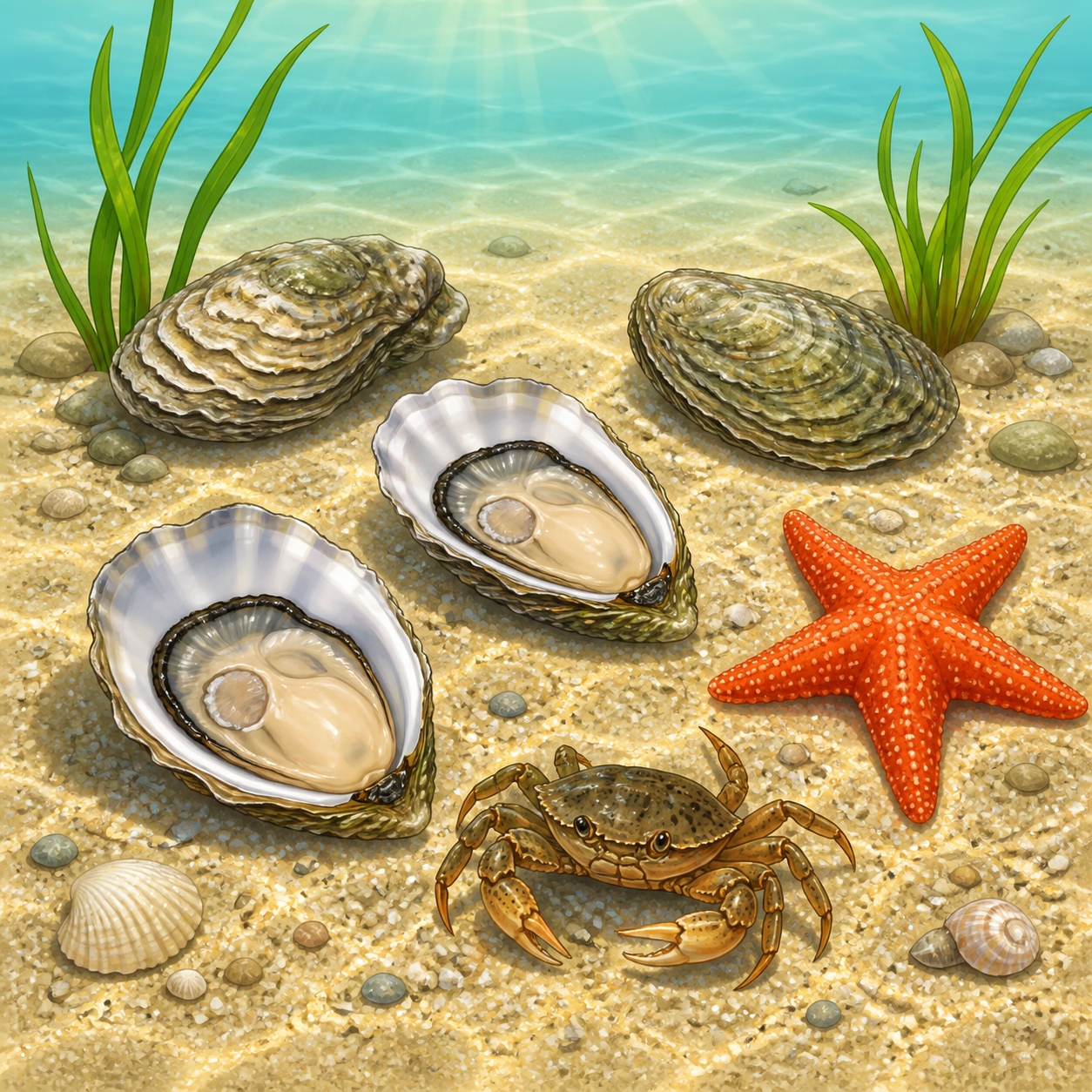
<p>Organisms that live on the bottom of a body of water, such as oysters.</p>
5
New cards

running-water ecosystem

A freshwater ecosystem with moving water, such as a river, stream, or brook.
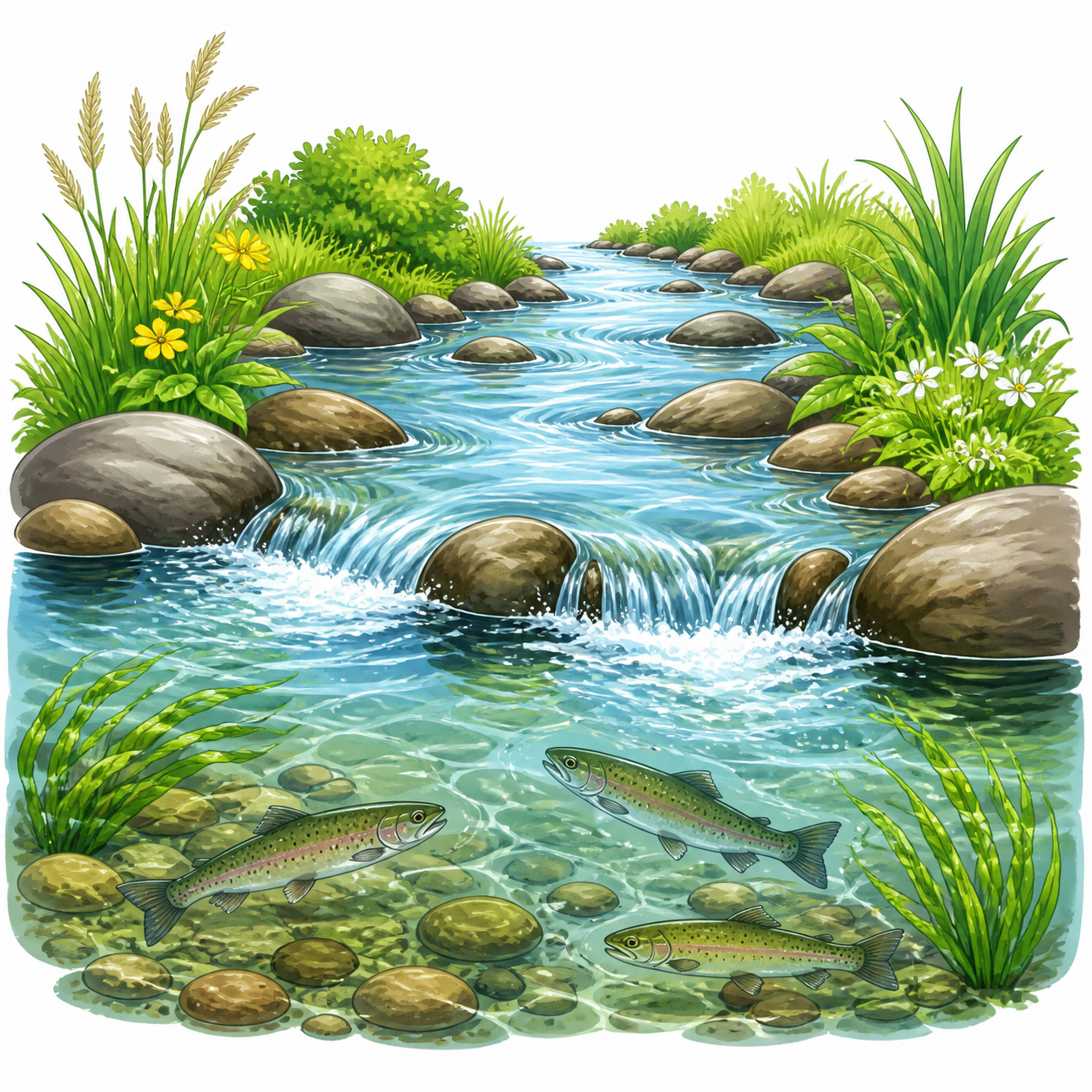
<p>A freshwater ecosystem with moving water, such as a river, stream, or brook.</p>
6
New cards

standing-water ecosystem

A freshwater ecosystem with still water, such as a lake or a pond.
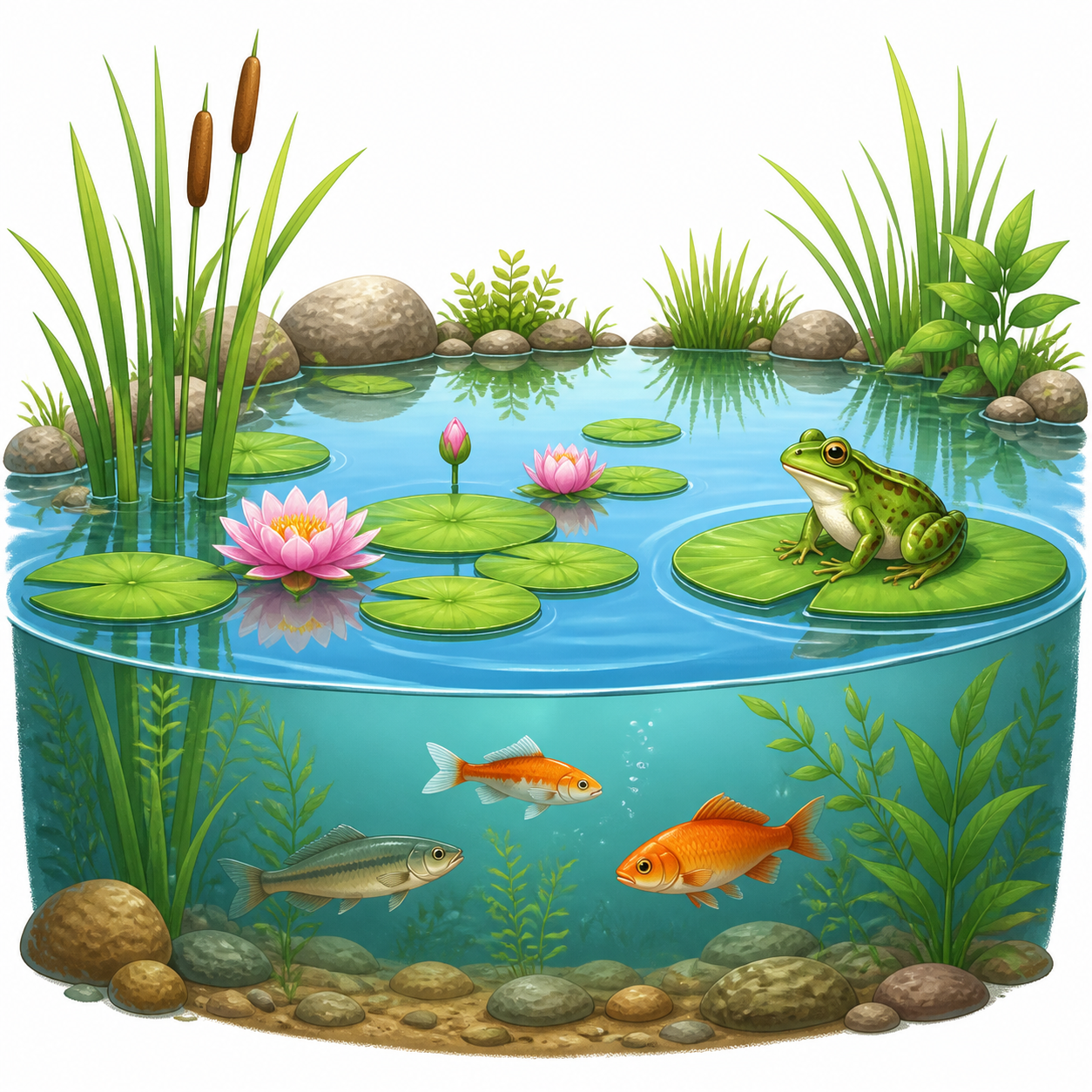
<p>A freshwater ecosystem with still water, such as a lake or a pond.</p>
7
New cards

freshwater wetlands

Regions that are wet for most of the year and found between land and water.
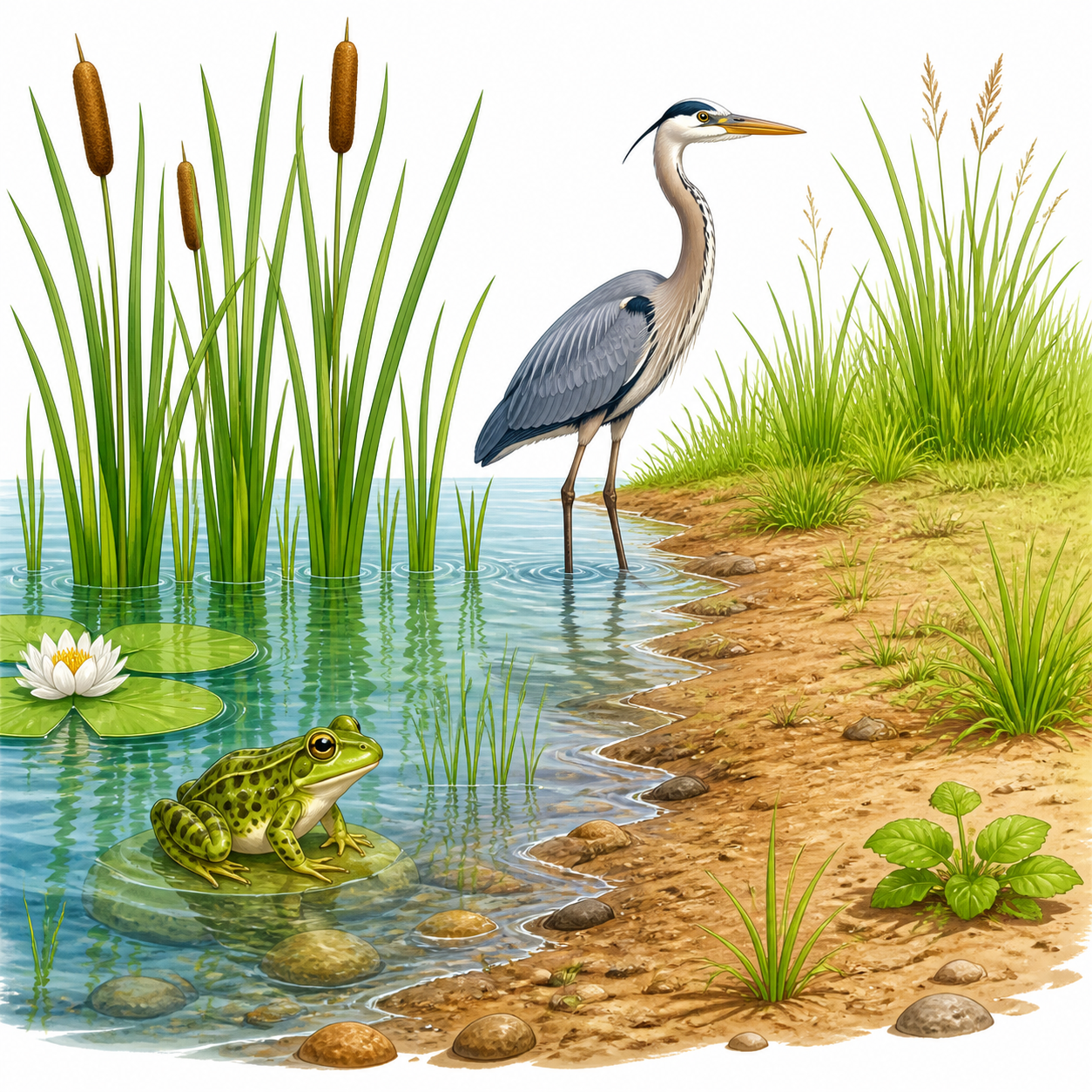
<p>Regions that are wet for most of the year and found between land and water.</p>
8
New cards

shallow-water zone

The area along the shore of a lake where most of the organisms live.
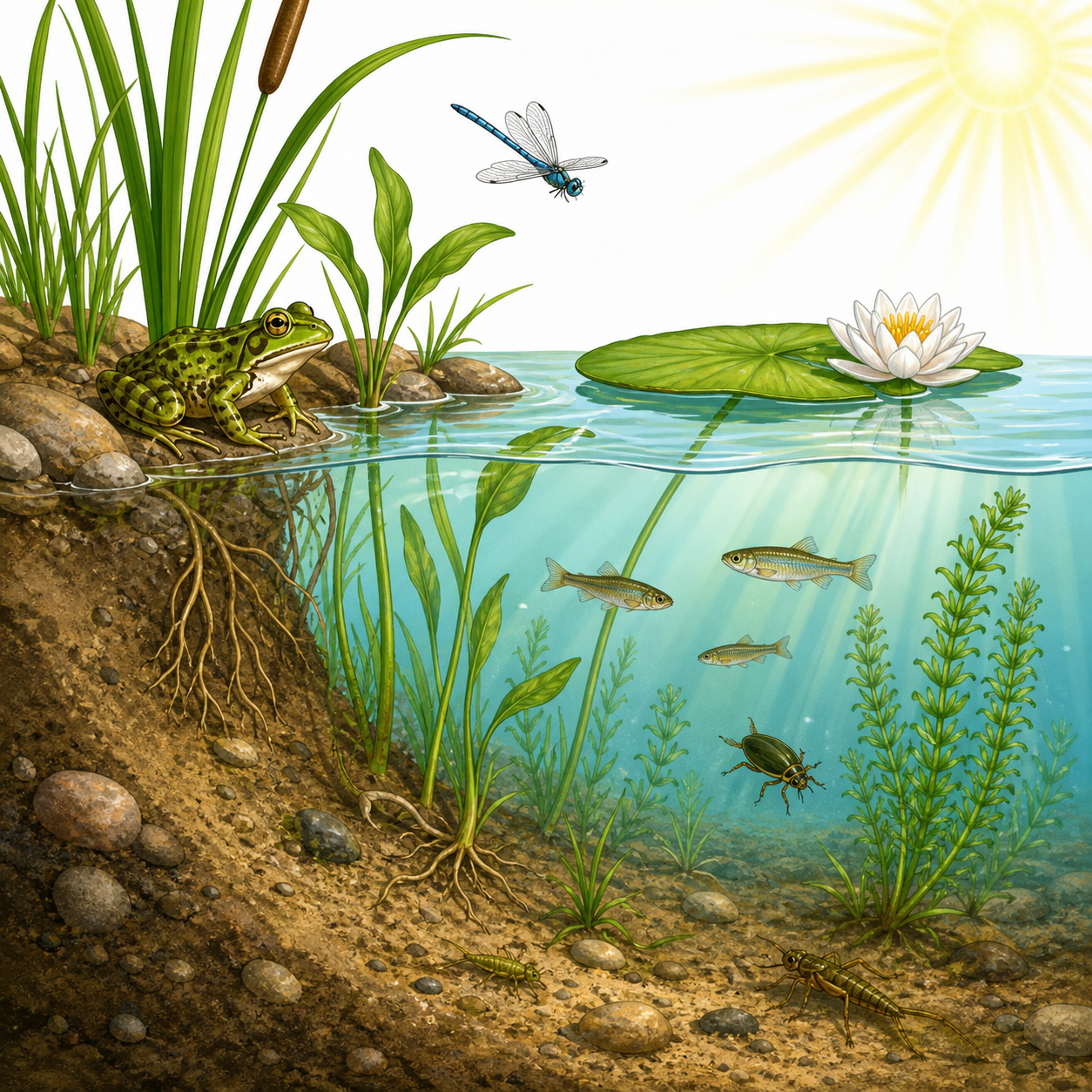
<p>The area along the shore of a lake where most of the organisms live.</p>
9
New cards

open-water zone

The area of a lake away from the shore where plankton float near the surface.
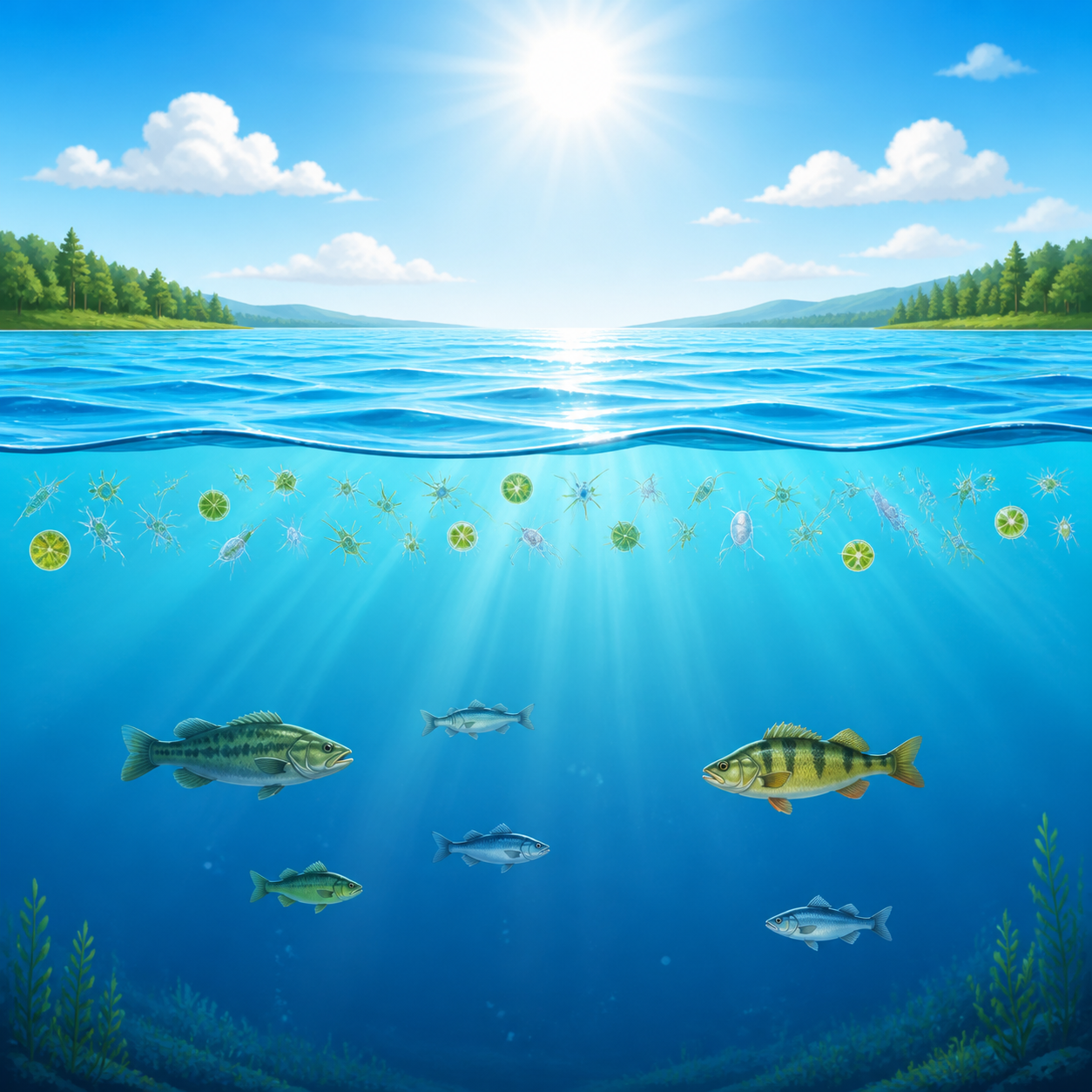
<p>The area of a lake away from the shore where plankton float near the surface.</p>
10
New cards

bottom zone

The deep area of a lake that has very little light and little oxygen.
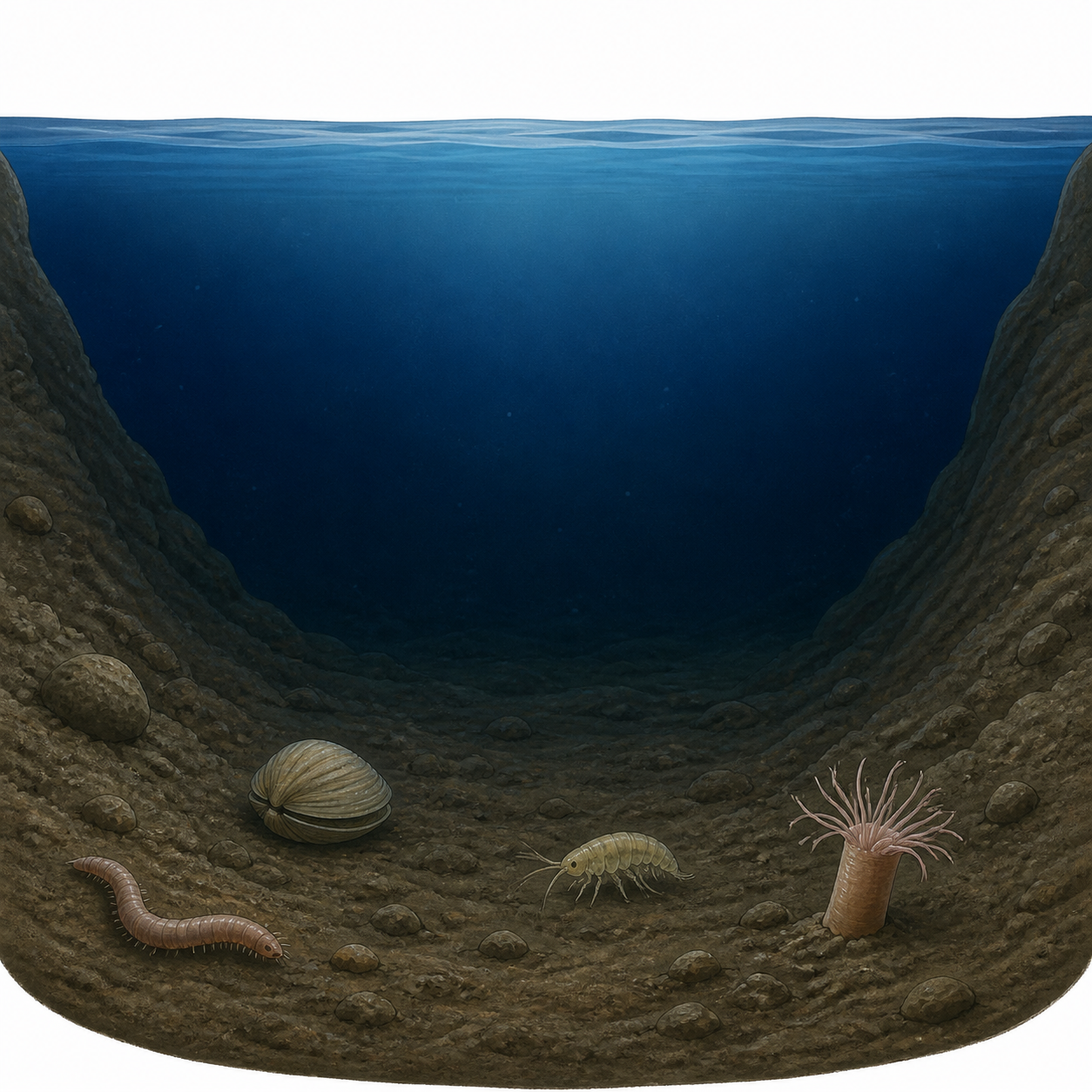
<p>The deep area of a lake that has very little light and little oxygen.</p>
11
New cards

intertidal zone

The shallowest part of the ocean that is covered and uncovered by the tides.
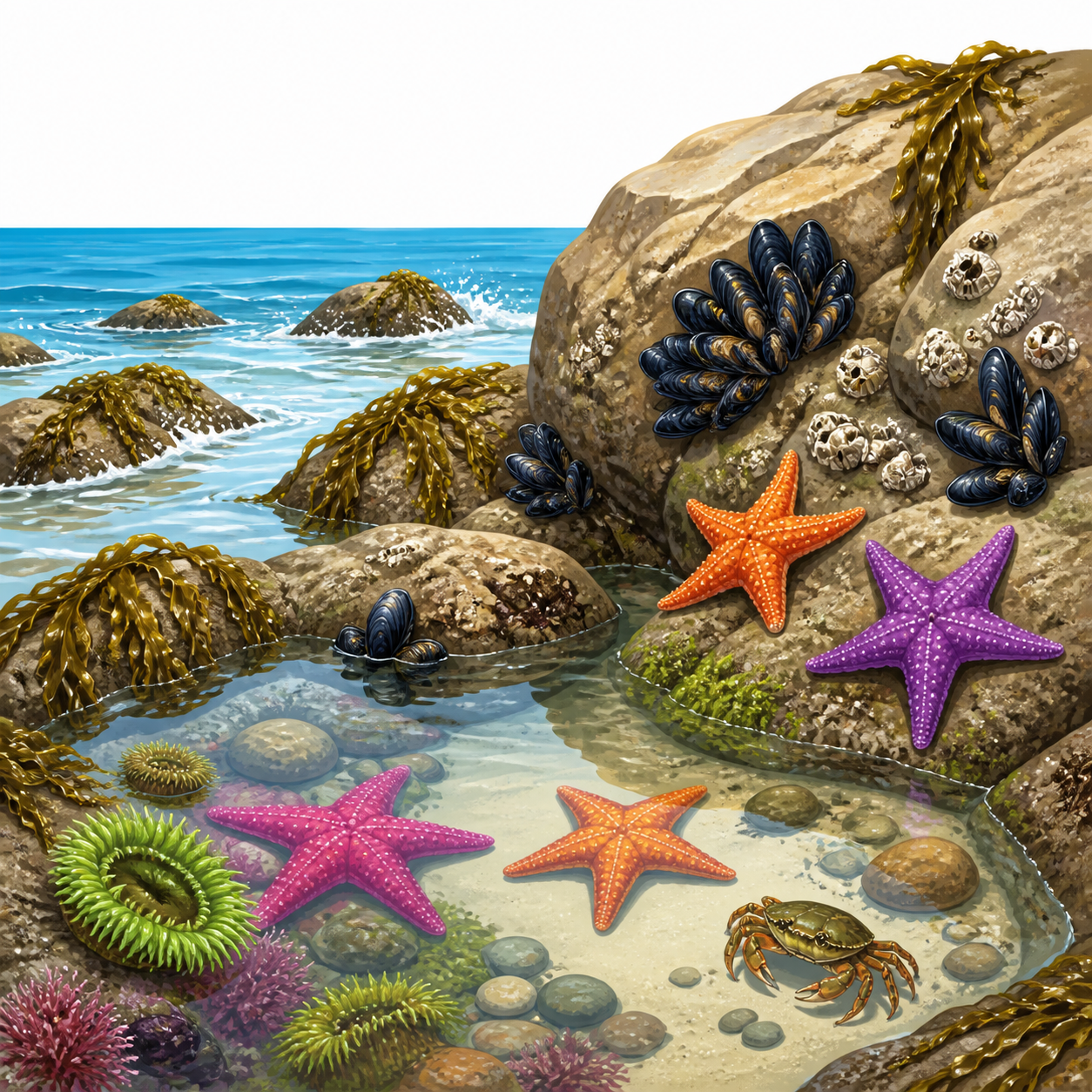
<p>The shallowest part of the ocean that is covered and uncovered by the tides.</p>
12
New cards

neritic zone

The part of the ocean where sunlight reaches the bottom and many producers grow.
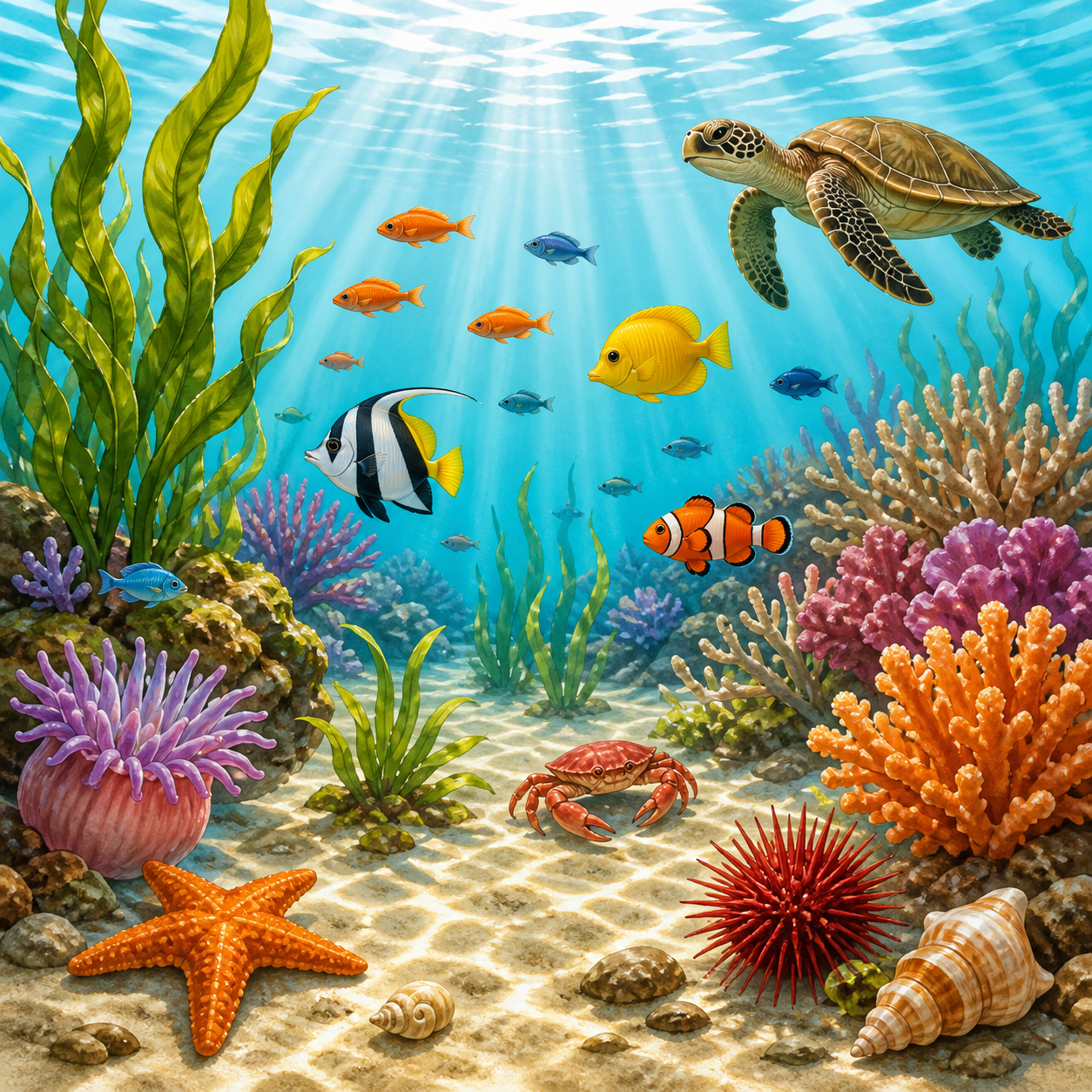
<p>The part of the ocean where sunlight reaches the bottom and many producers grow.</p>
13
New cards

bathyal zone

The ocean zone that is home to many consumers but very few producers.
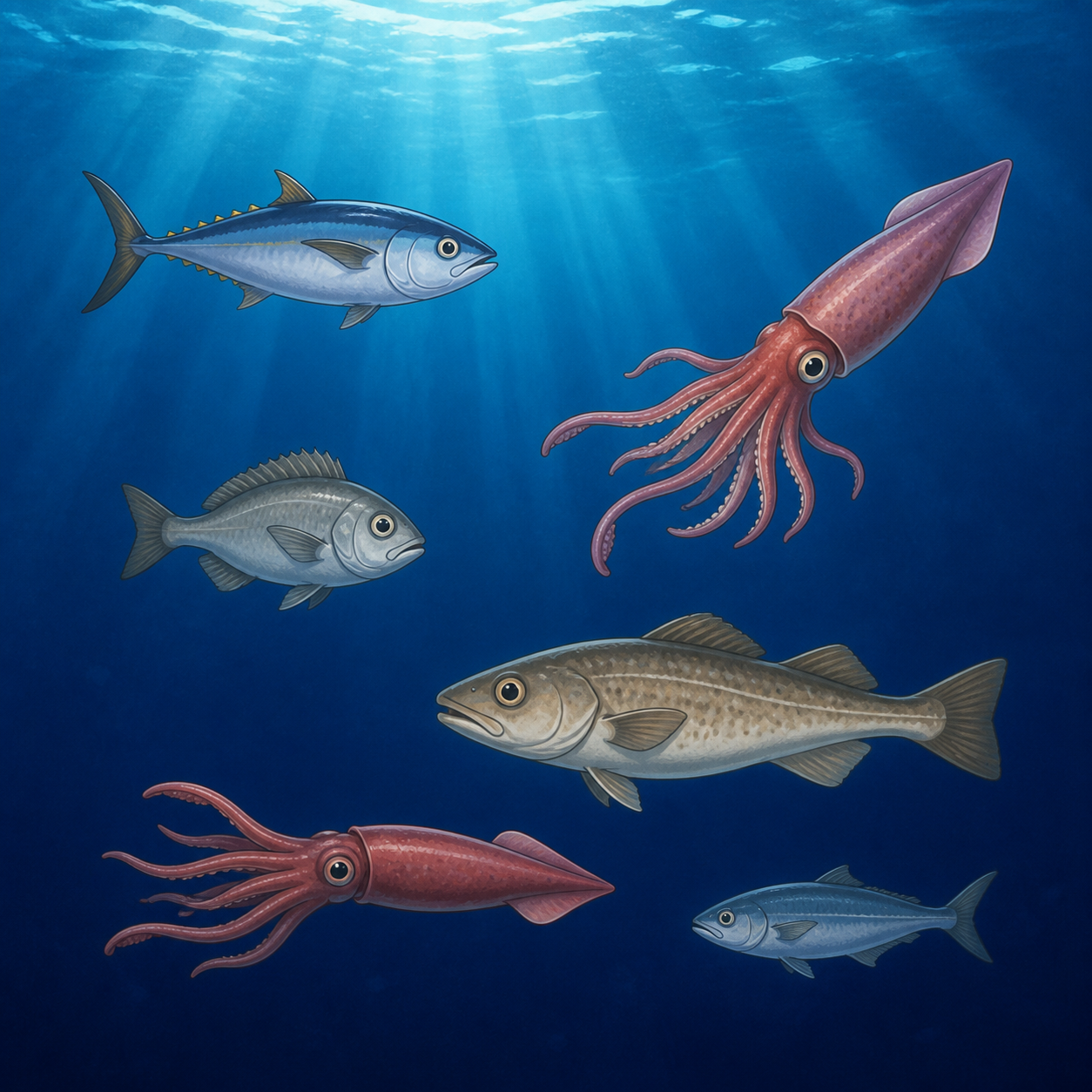
<p>The ocean zone that is home to many consumers but very few producers.</p>
14
New cards

abyssal zone

The deepest part of the ocean that is very cold and completely dark.
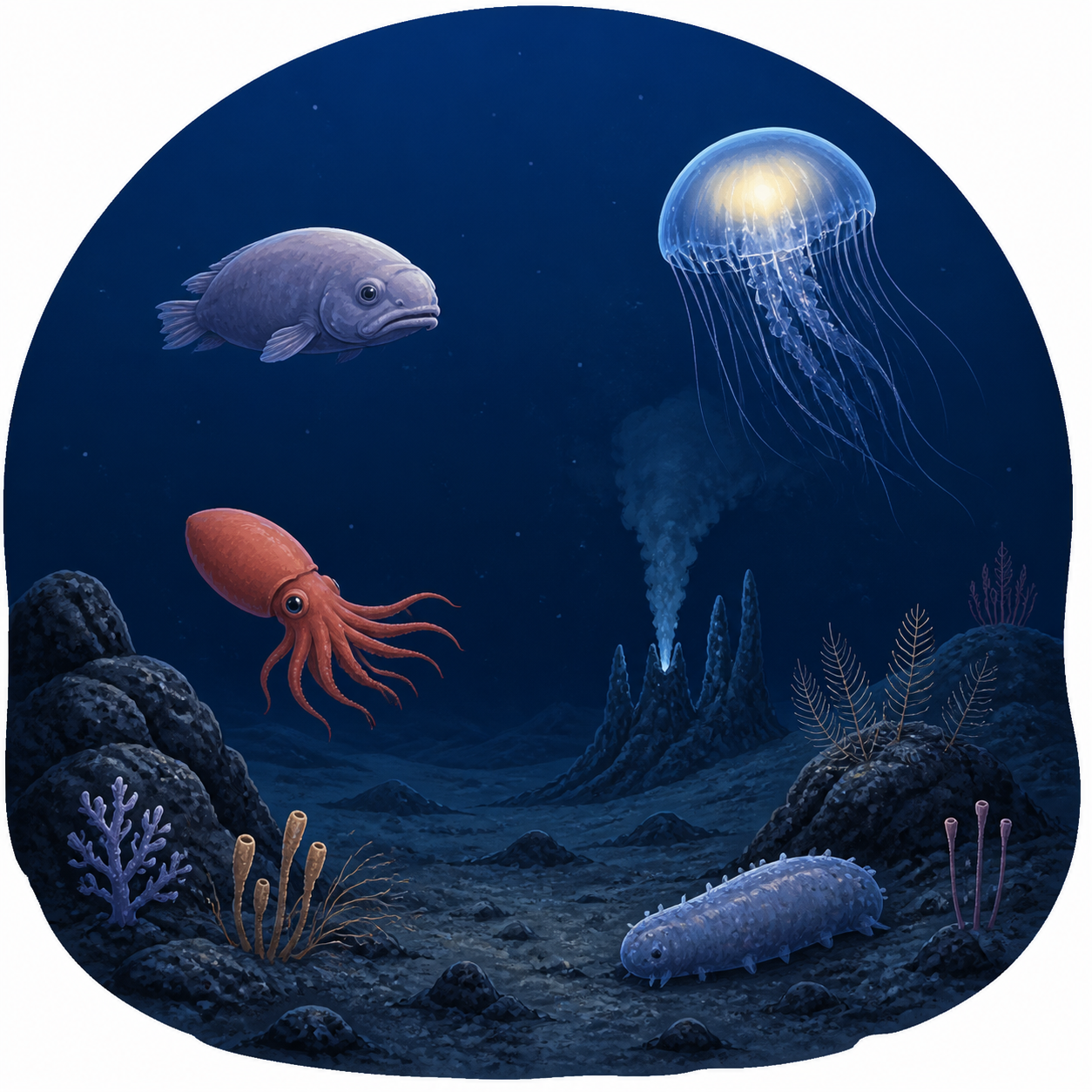
<p>The deepest part of the ocean that is very cold and completely dark.</p>
15
New cards

estuary

The unique ecosystem where freshwater from a river feeds into salt water.
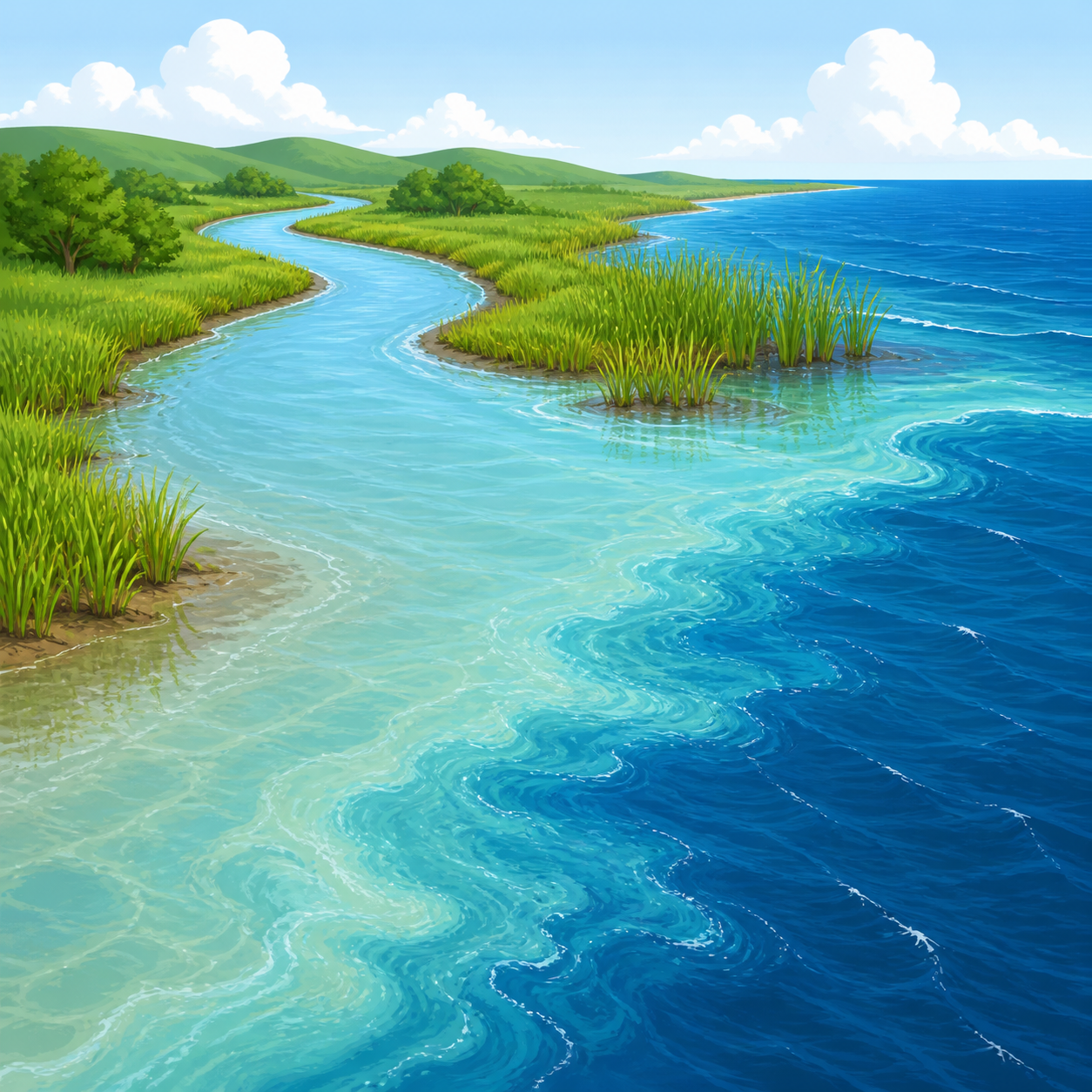
<p>The unique ecosystem where freshwater from a river feeds into salt water.</p>
16
New cards

salt marshes

Boggy areas in estuaries that help filter water and soak up excess storm water.
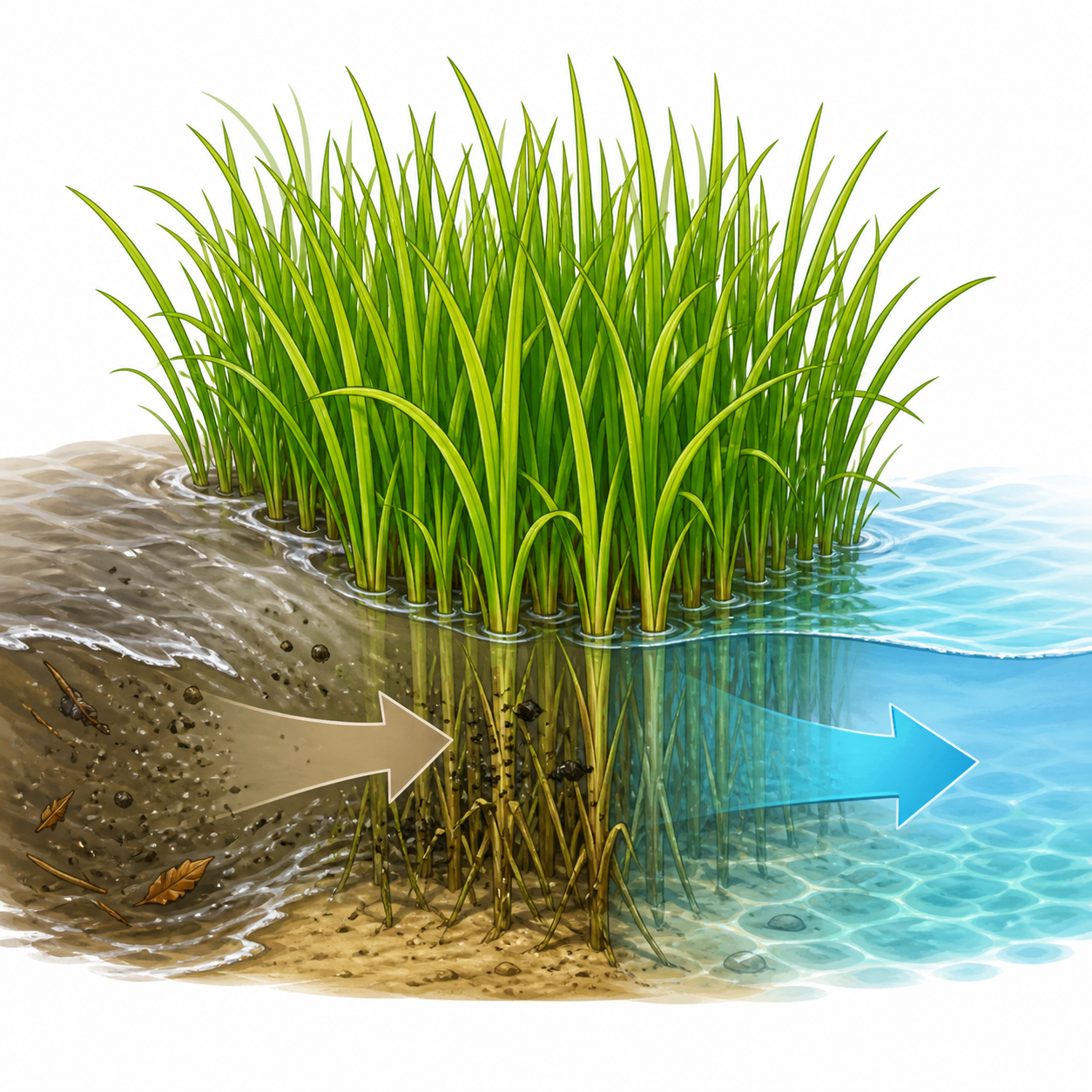
<p>Boggy areas in estuaries that help filter water and soak up excess storm water.</p>
17
New cards

abiotic factors

Nonliving things like light and salt that affect which organisms survive in water.
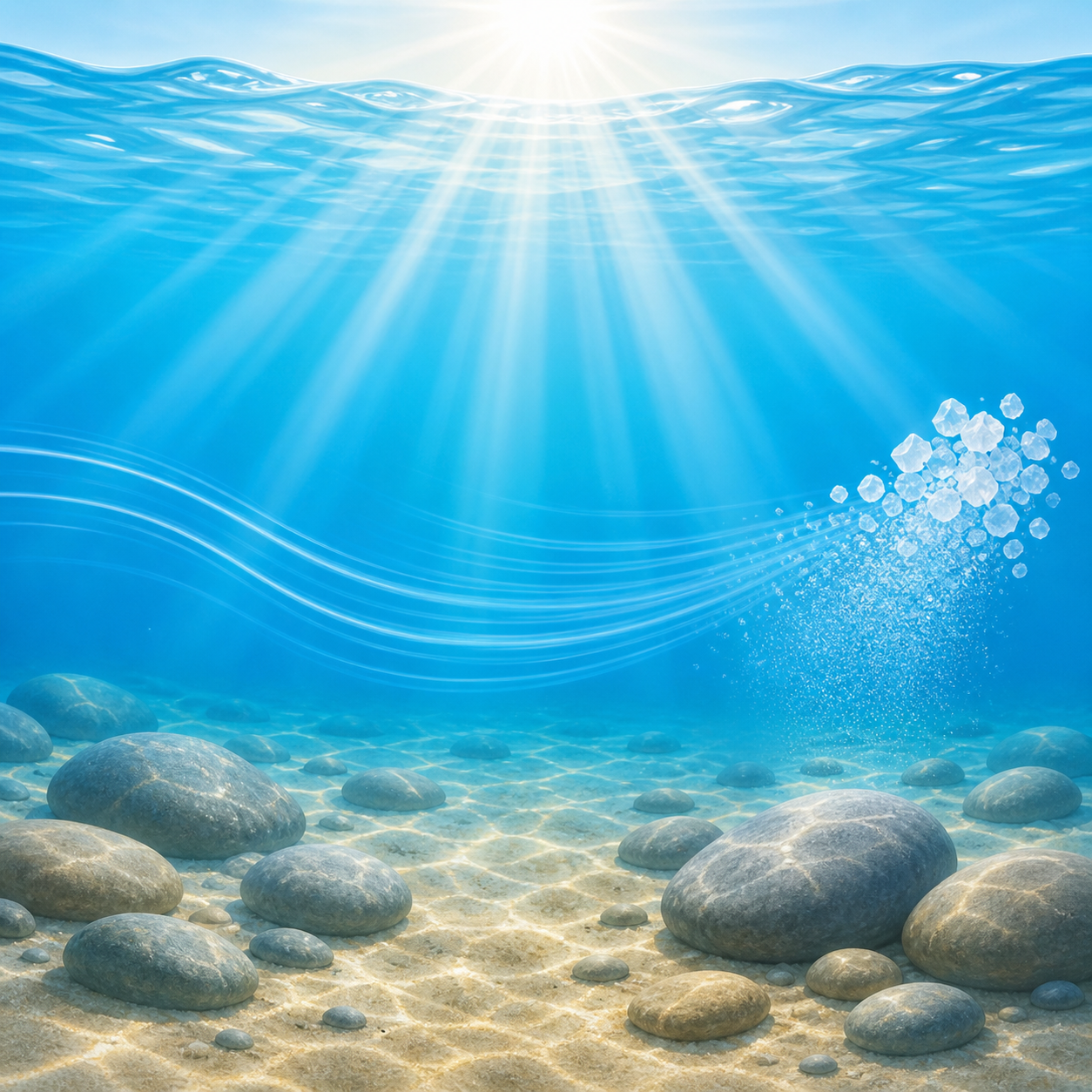
<p>Nonliving things like light and salt that affect which organisms survive in water.</p>
18
New cards

diatoms

A type of plankton that acts as a producer by making its own food.
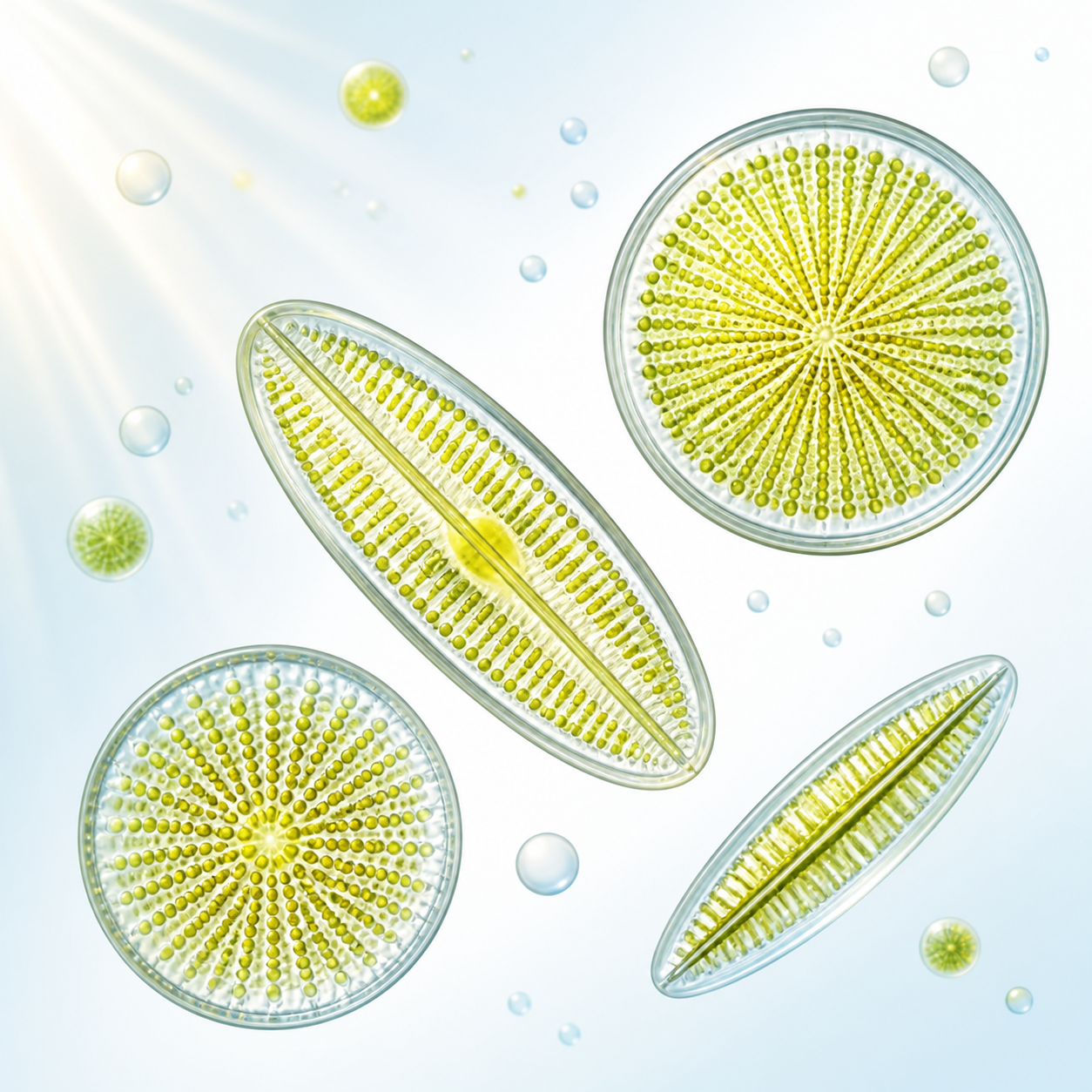
<p>A type of plankton that acts as a producer by making its own food.</p>
19
New cards

scavengers

Organisms that feed on dead material that floats down to the bottom of water.
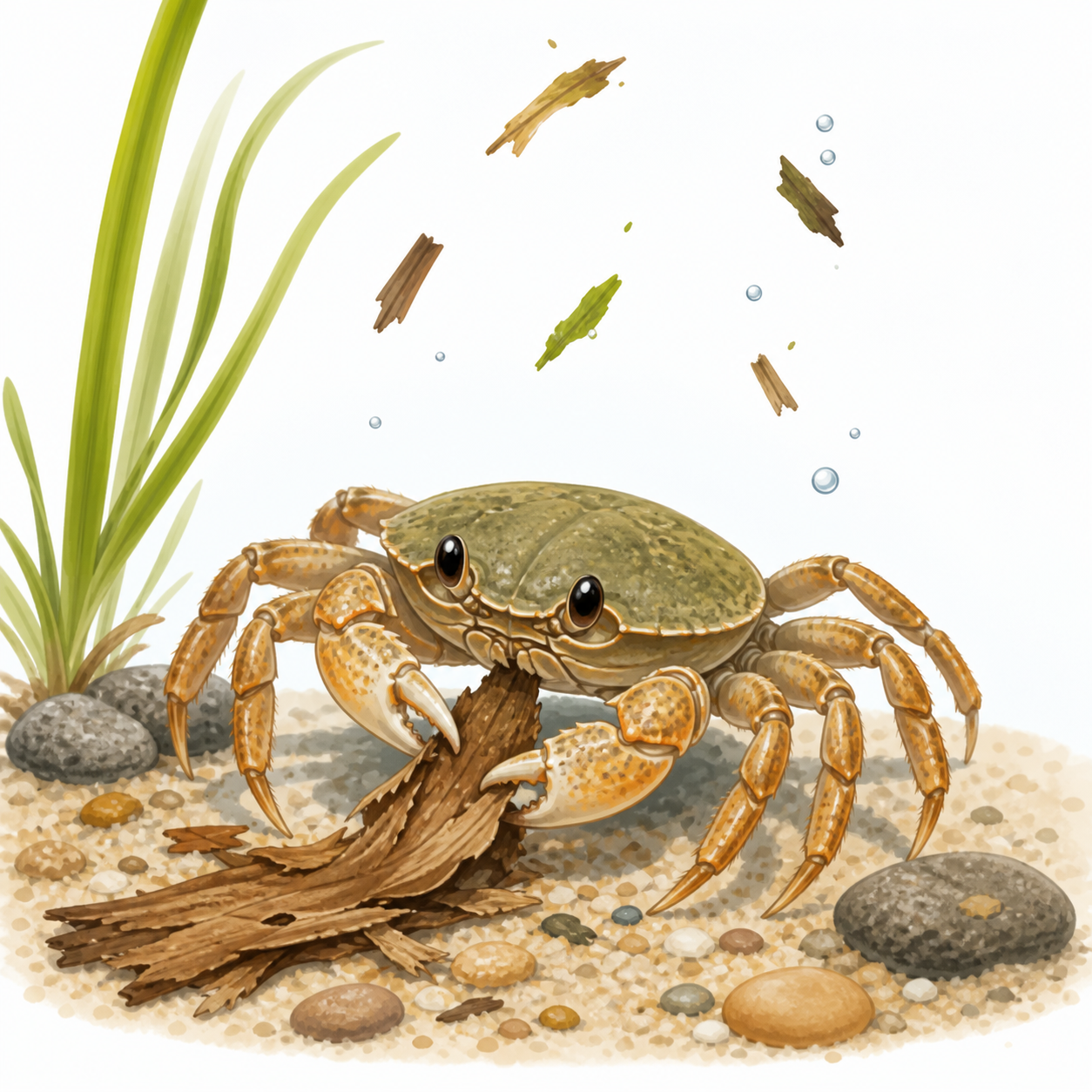
<p>Organisms that feed on dead material that floats down to the bottom of water.</p>
20
New cards

photosynthesis

The process that producers use to release oxygen and make food using sunlight.
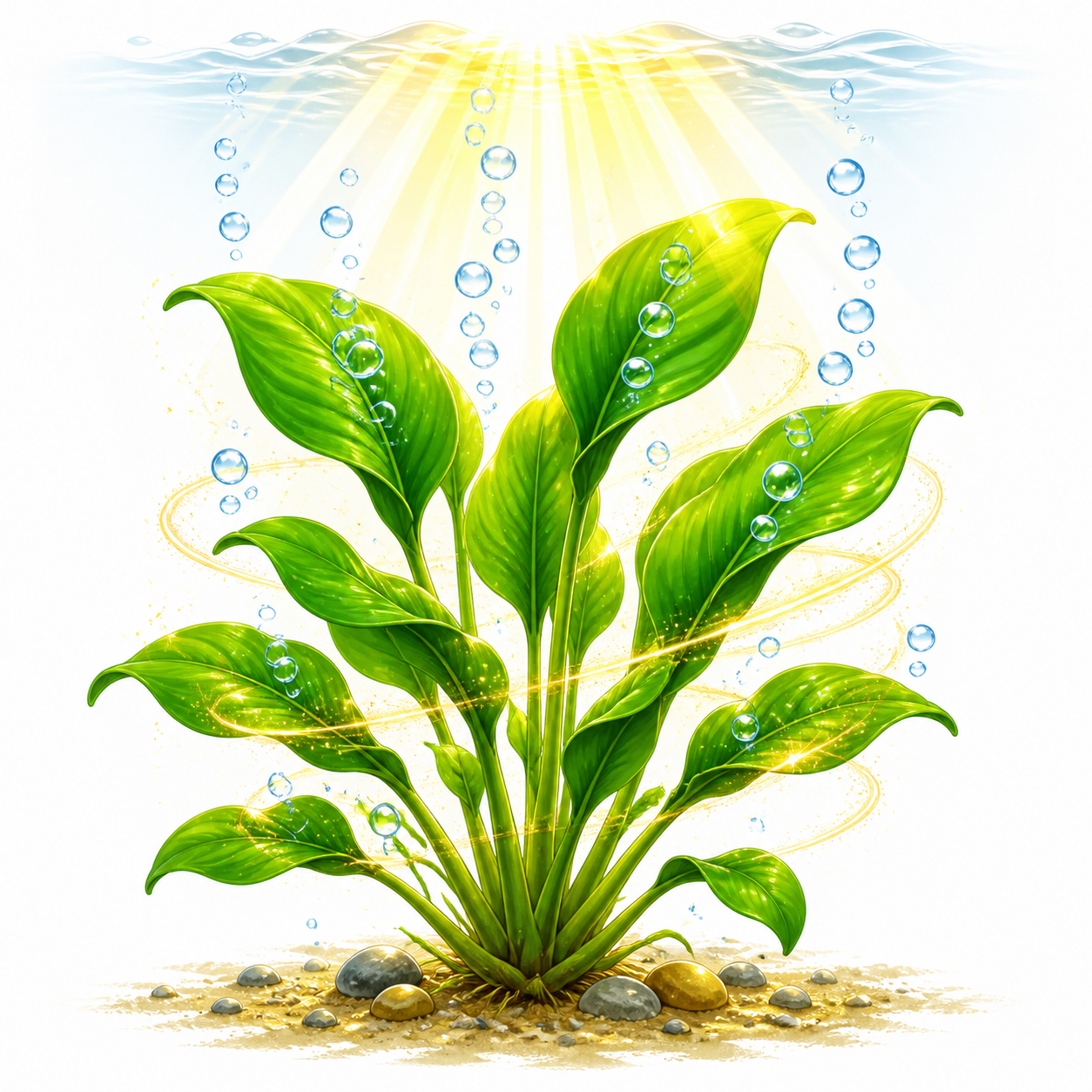
<p>The process that producers use to release oxygen and make food using sunlight.</p>
21
New cards

adaptations

Special features that help an organism survive in a specific type of water environment.
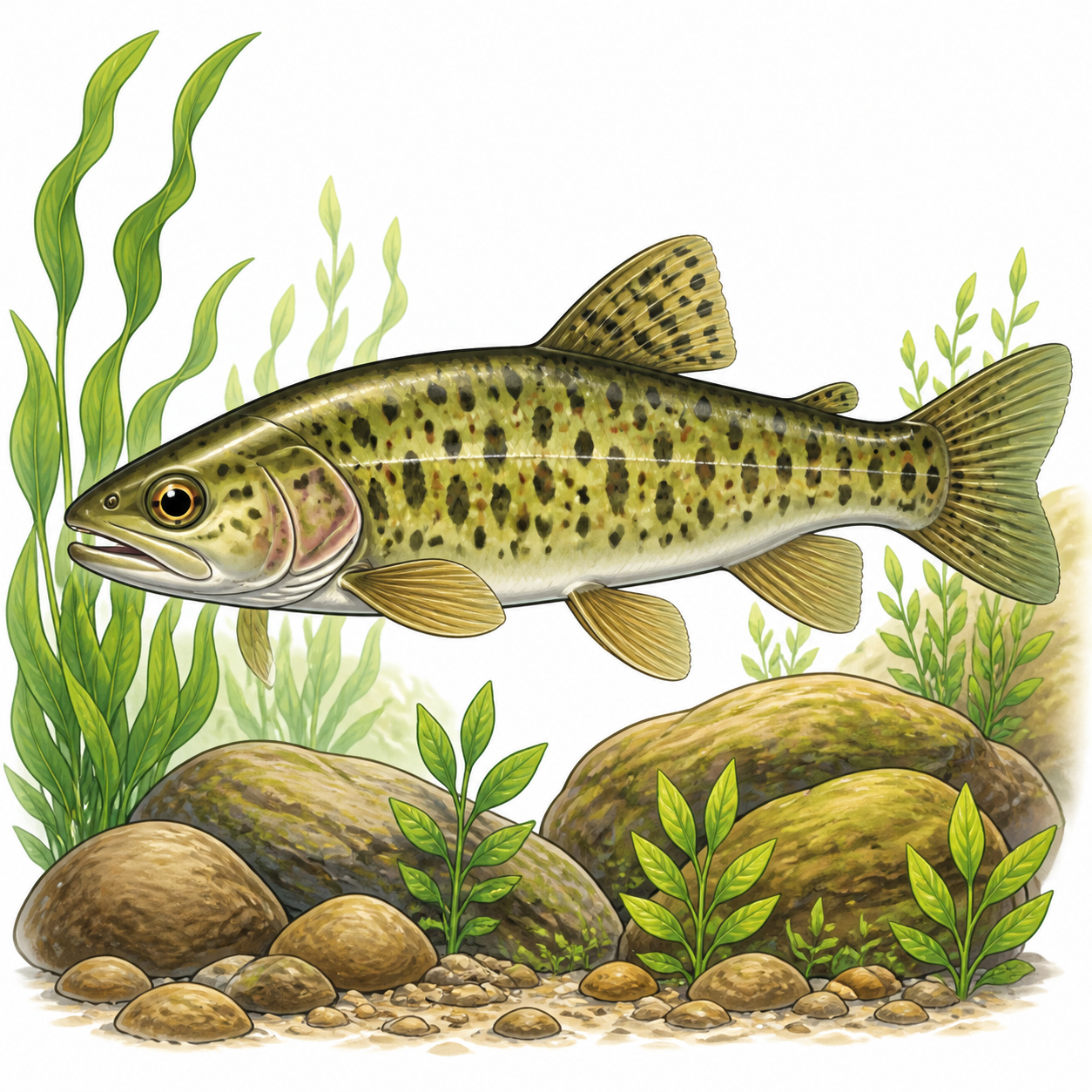
<p>Special features that help an organism survive in a specific type of water environment.</p>
22
New cards

dissolved oxygen

The oxygen found in water that is used by aquatic organisms to breathe.
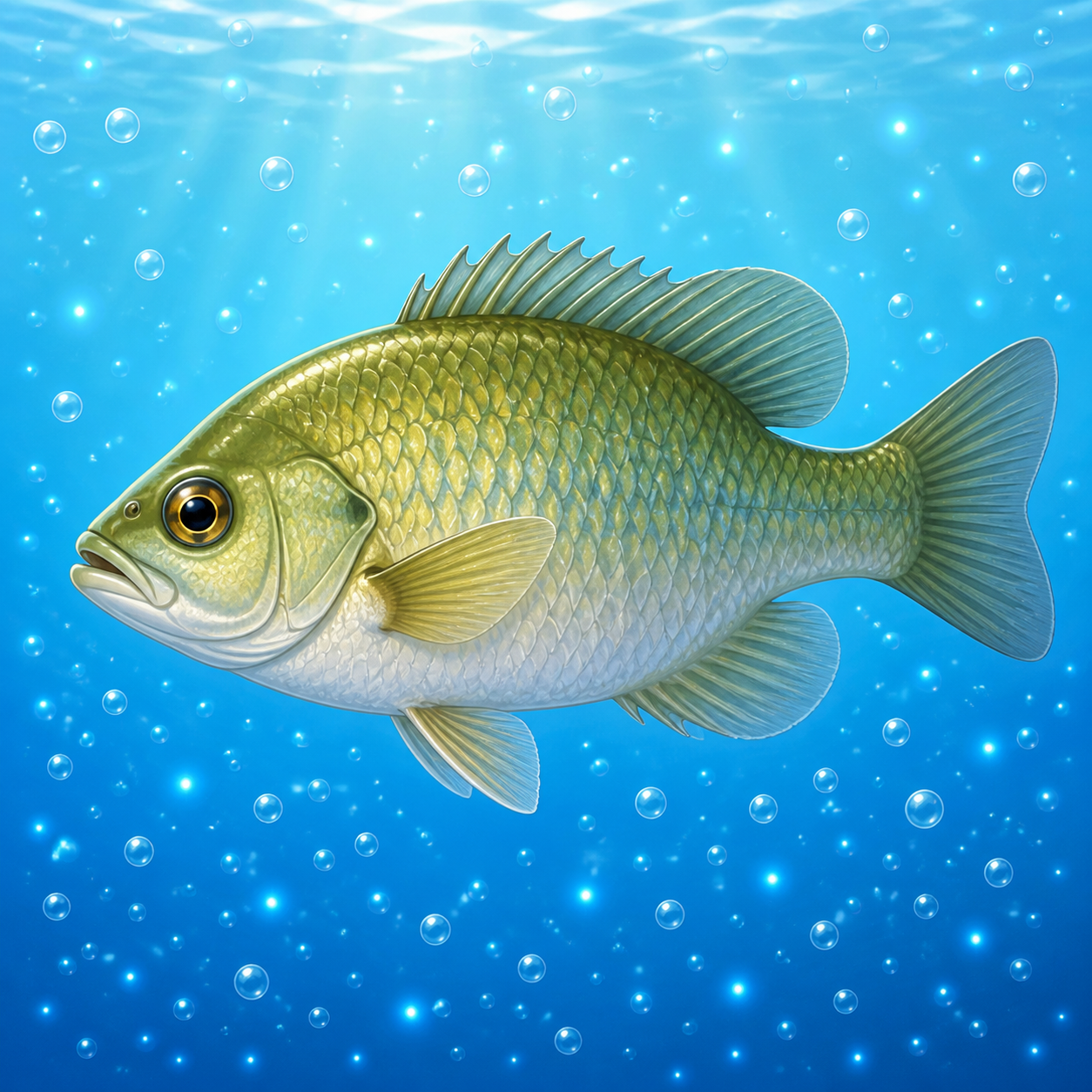
<p>The oxygen found in water that is used by aquatic organisms to breathe.</p>
23
New cards

hydrothermal vents

Cracks in the deep ocean floor that release heat and minerals into the water.
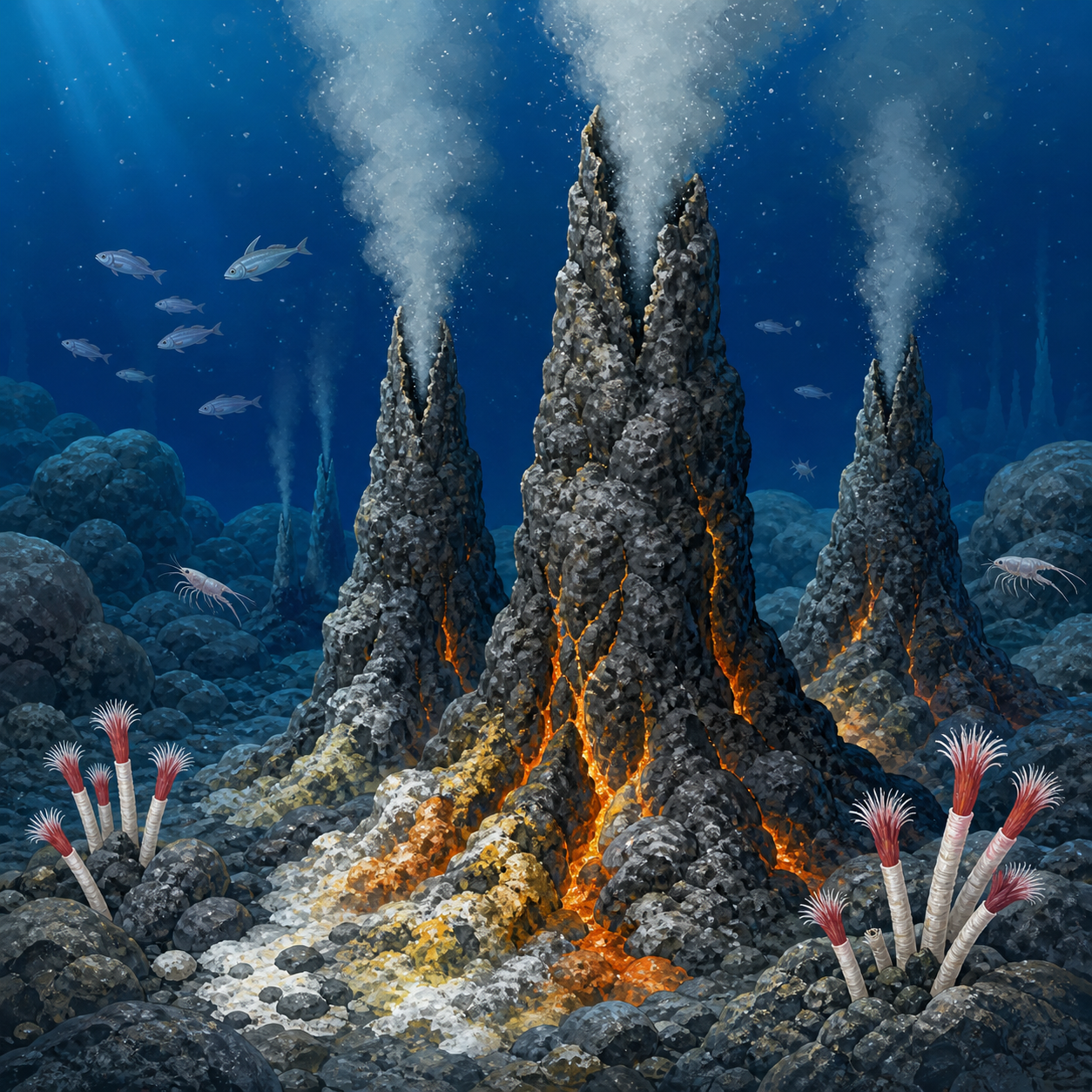
<p>Cracks in the deep ocean floor that release heat and minerals into the water.</p>
24
New cards

tides

The daily rise and fall of the ocean level caused by the moon's gravity.
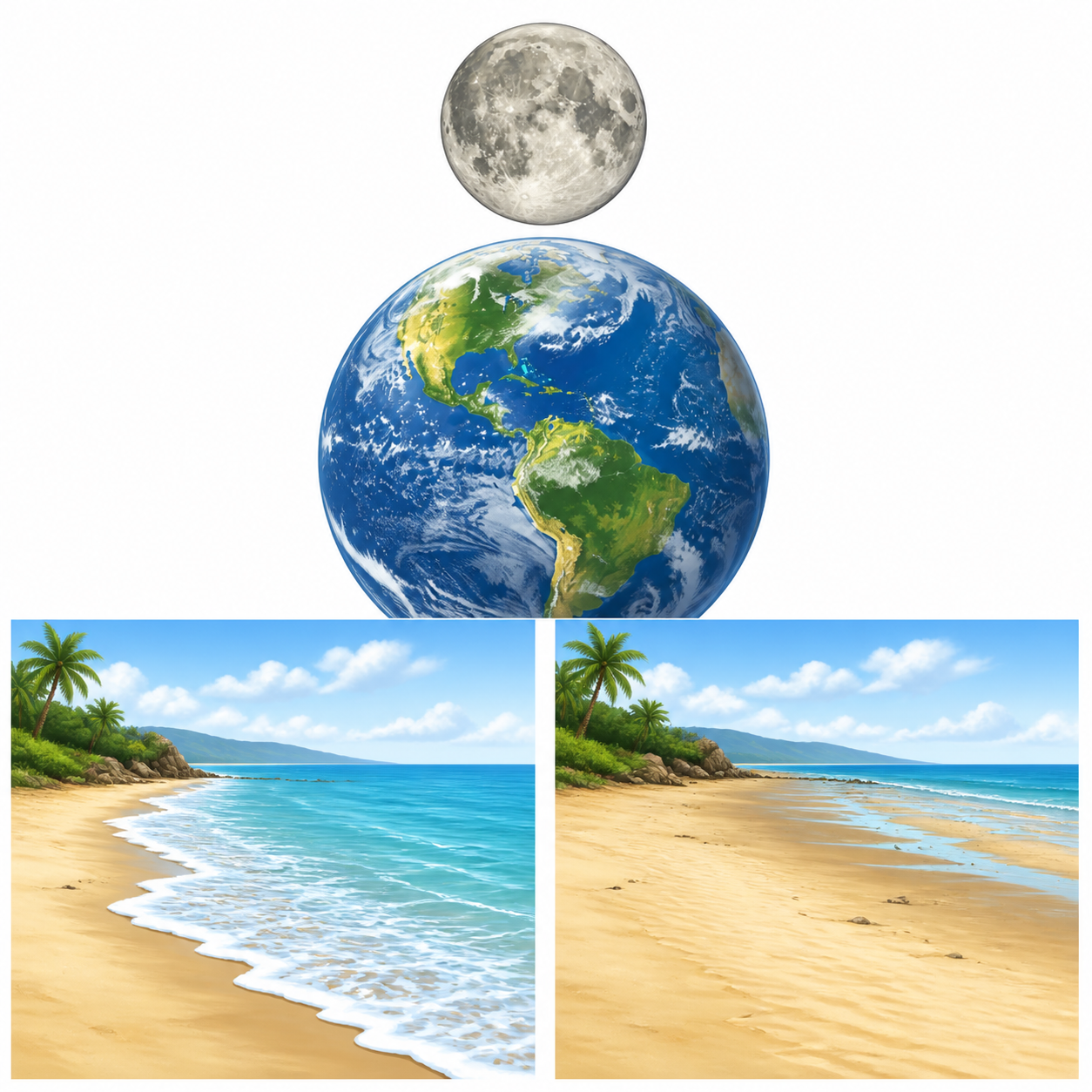
<p>The daily rise and fall of the ocean level caused by the moon's gravity.</p>
25
New cards

producers

Organisms like algae and plants that use sunlight to make their own food.
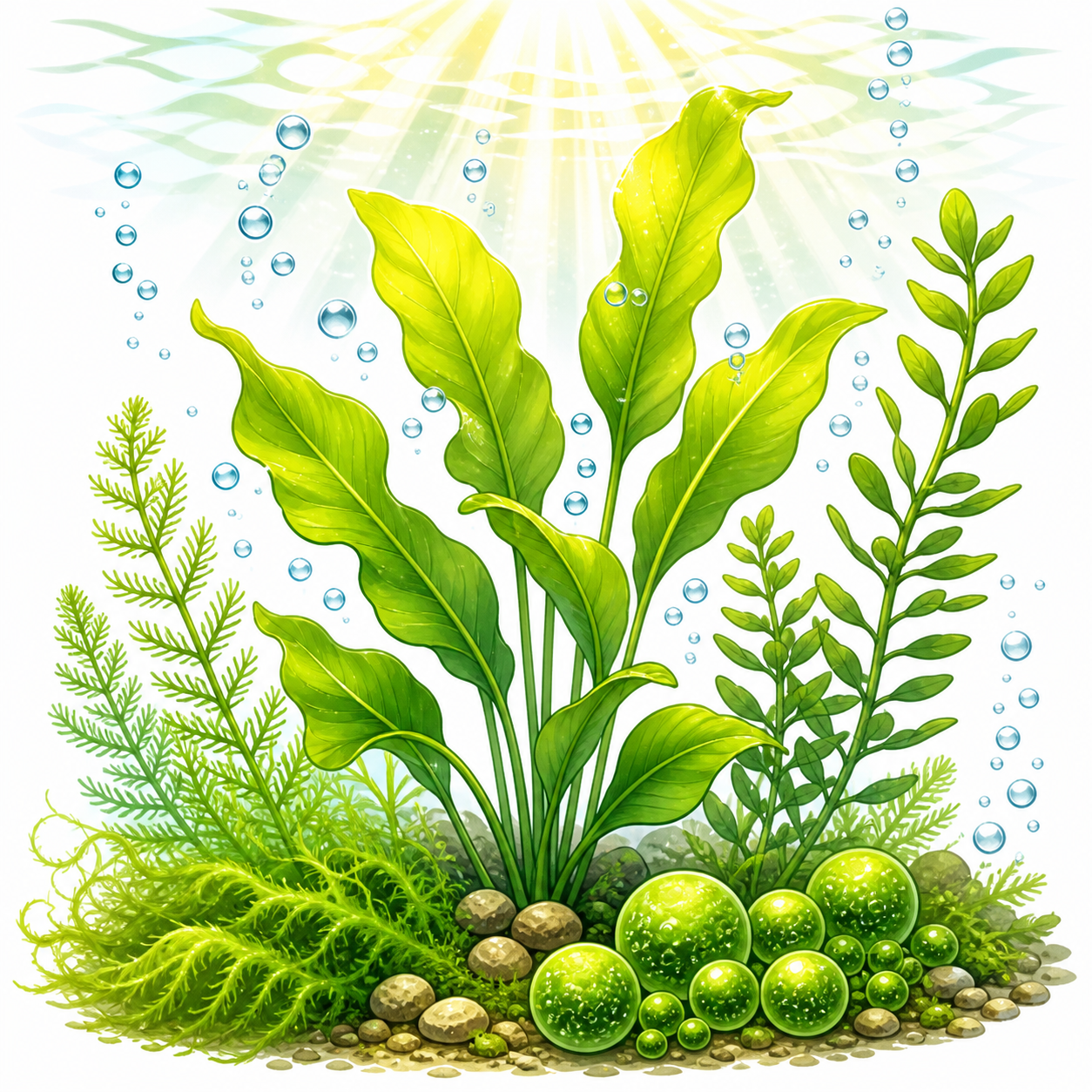
<p>Organisms like algae and plants that use sunlight to make their own food.</p>
26
New cards

consumers

Organisms that must eat other living things to get the energy they need.
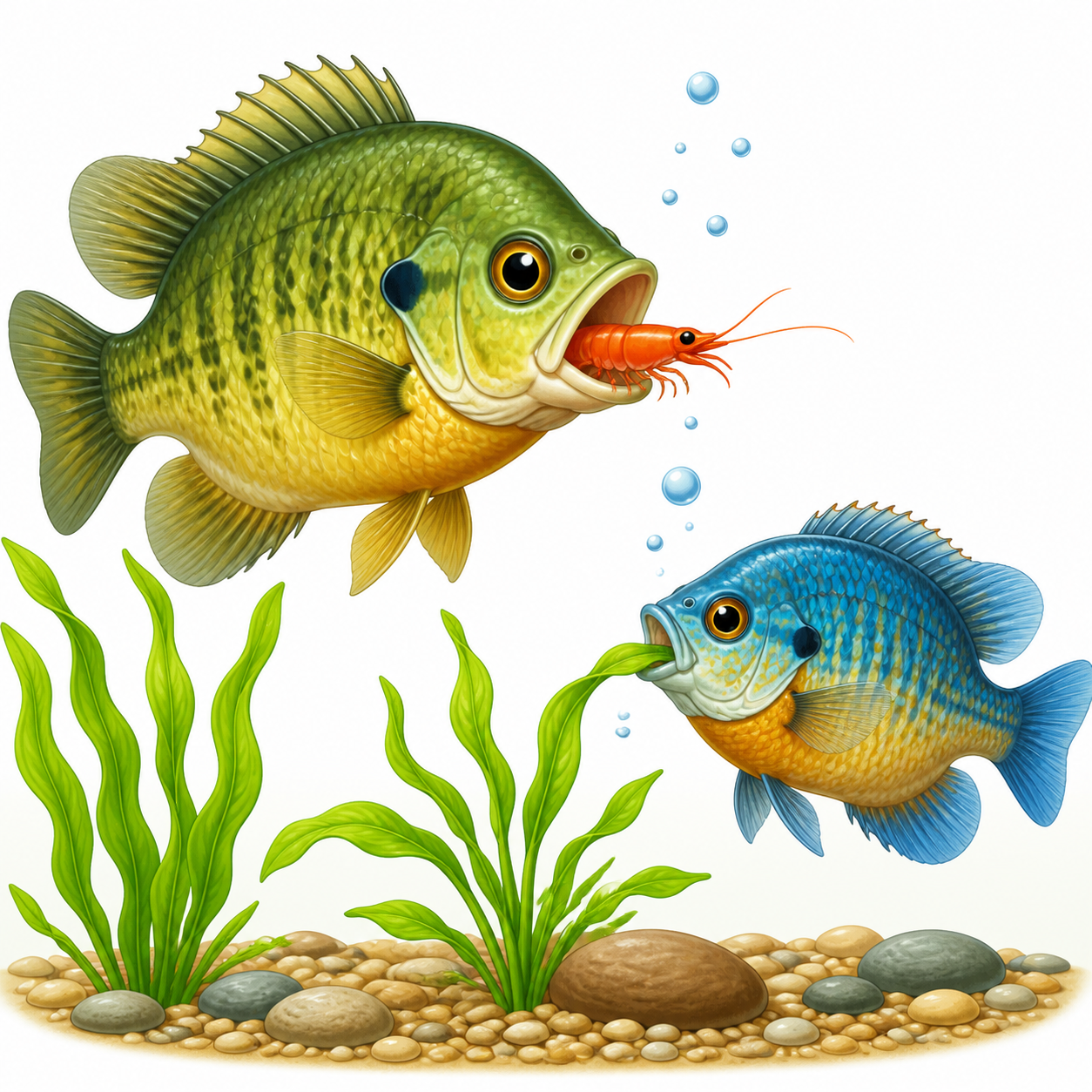
<p>Organisms that must eat other living things to get the energy they need.</p>
27
New cards

rivers

Large bodies of running water that flow across land and into the ocean.
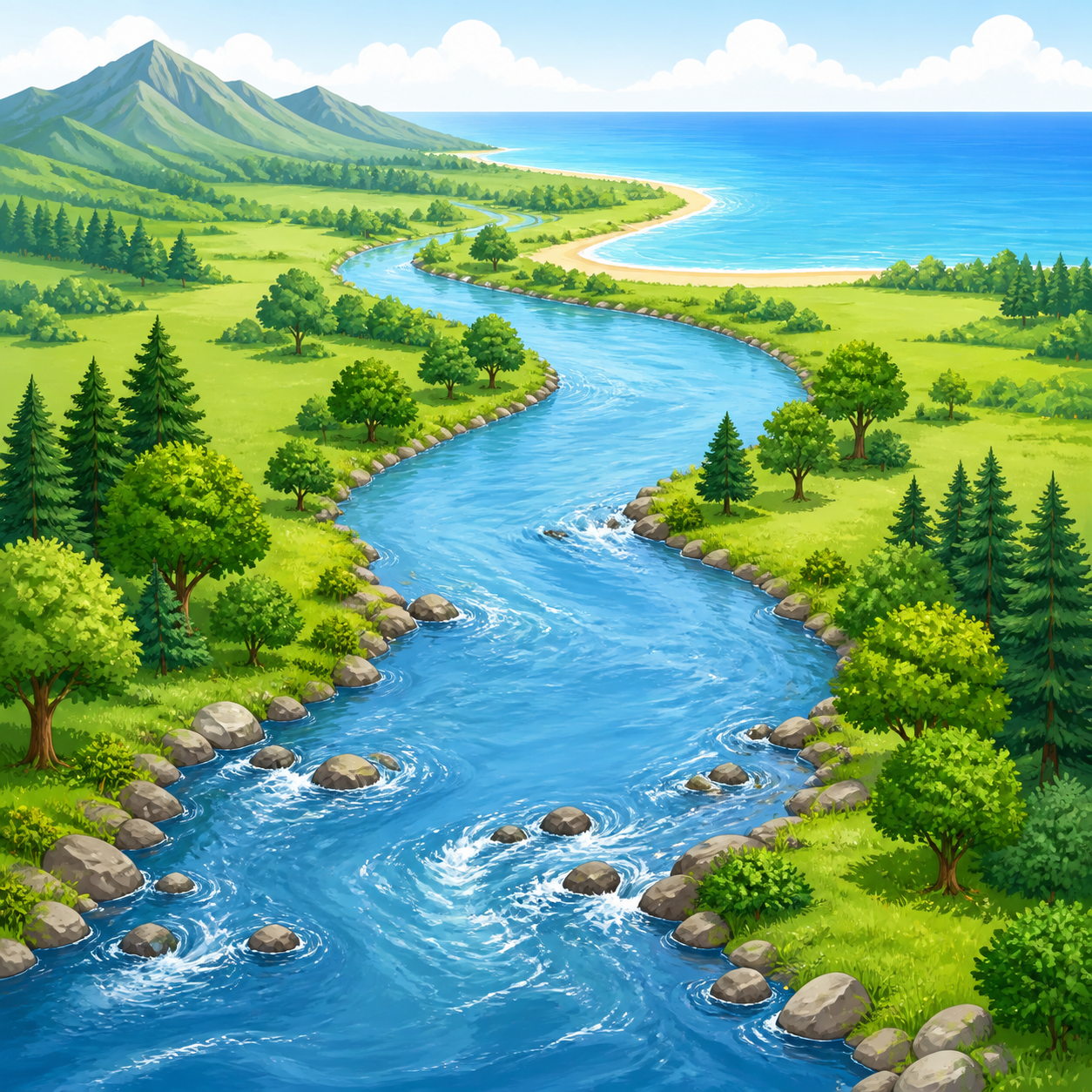
<p>Large bodies of running water that flow across land and into the ocean.</p>
28
New cards

lakes

Large bodies of standing water that are divided into three main zones.
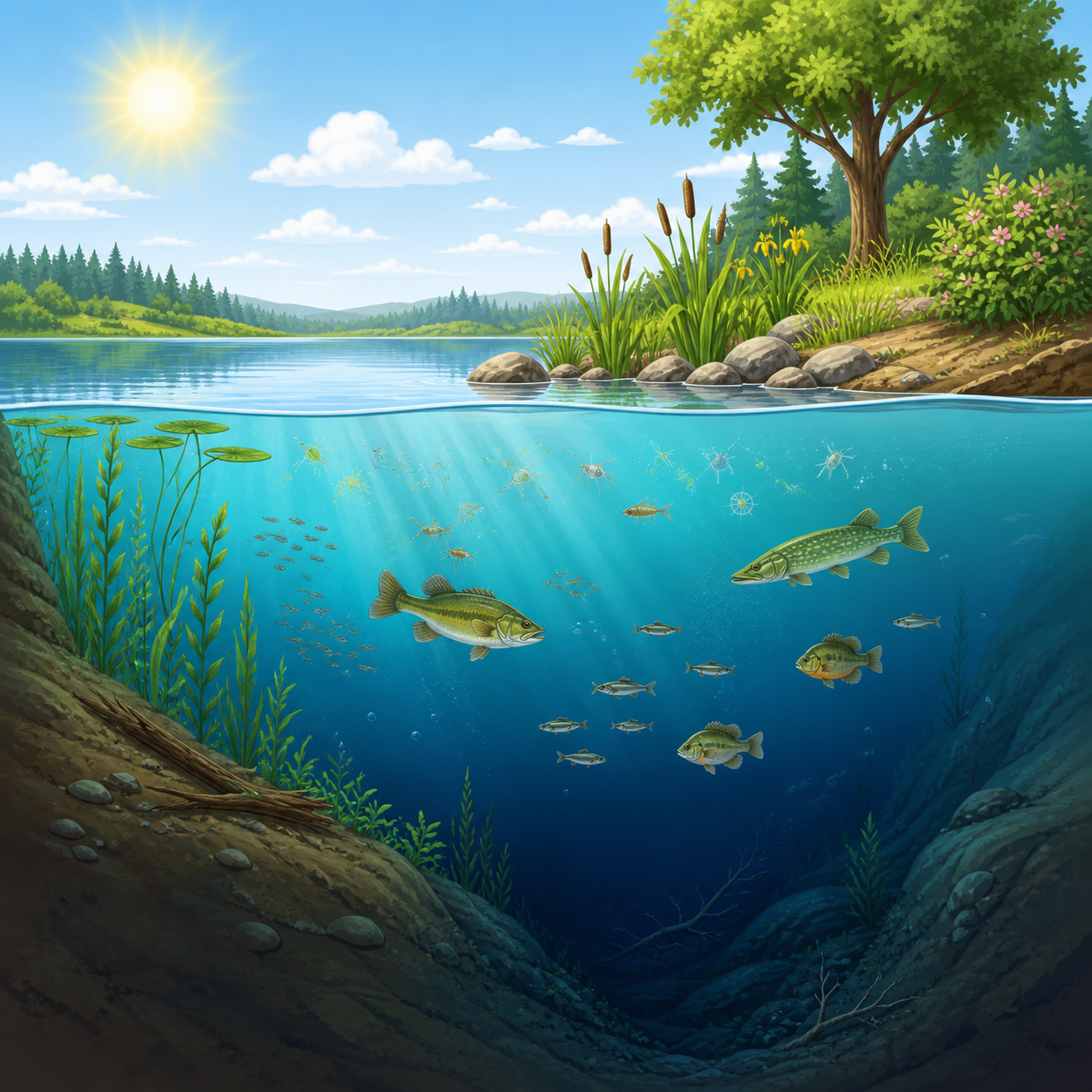
<p>Large bodies of standing water that are divided into three main zones.</p>
29
New cards

marshes

A type of wetland that is often covered with grasses and marsh plants.
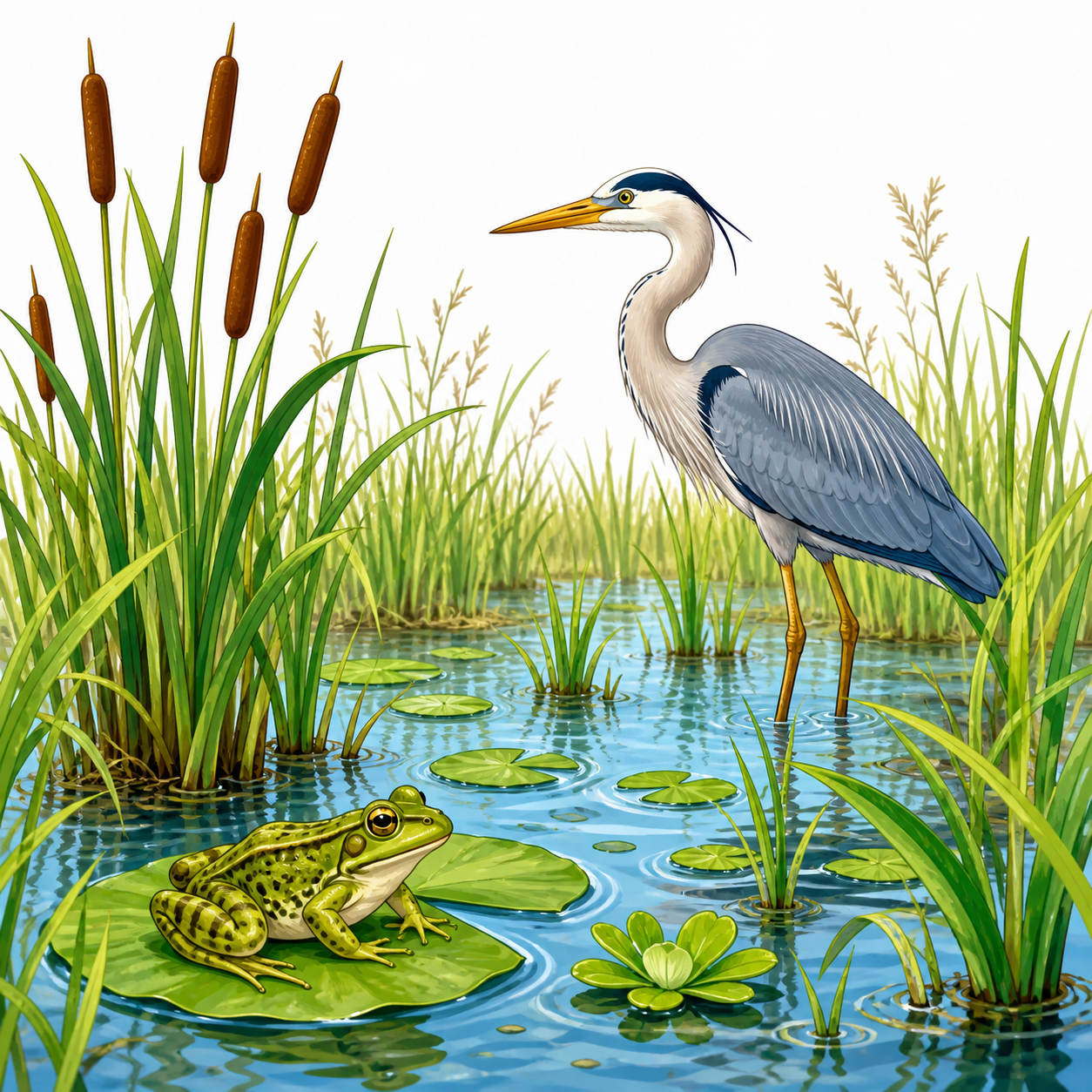
<p>A type of wetland that is often covered with grasses and marsh plants.</p>
30
New cards

swamps

A type of wetland that is often filled with water-soaked soil and trees.
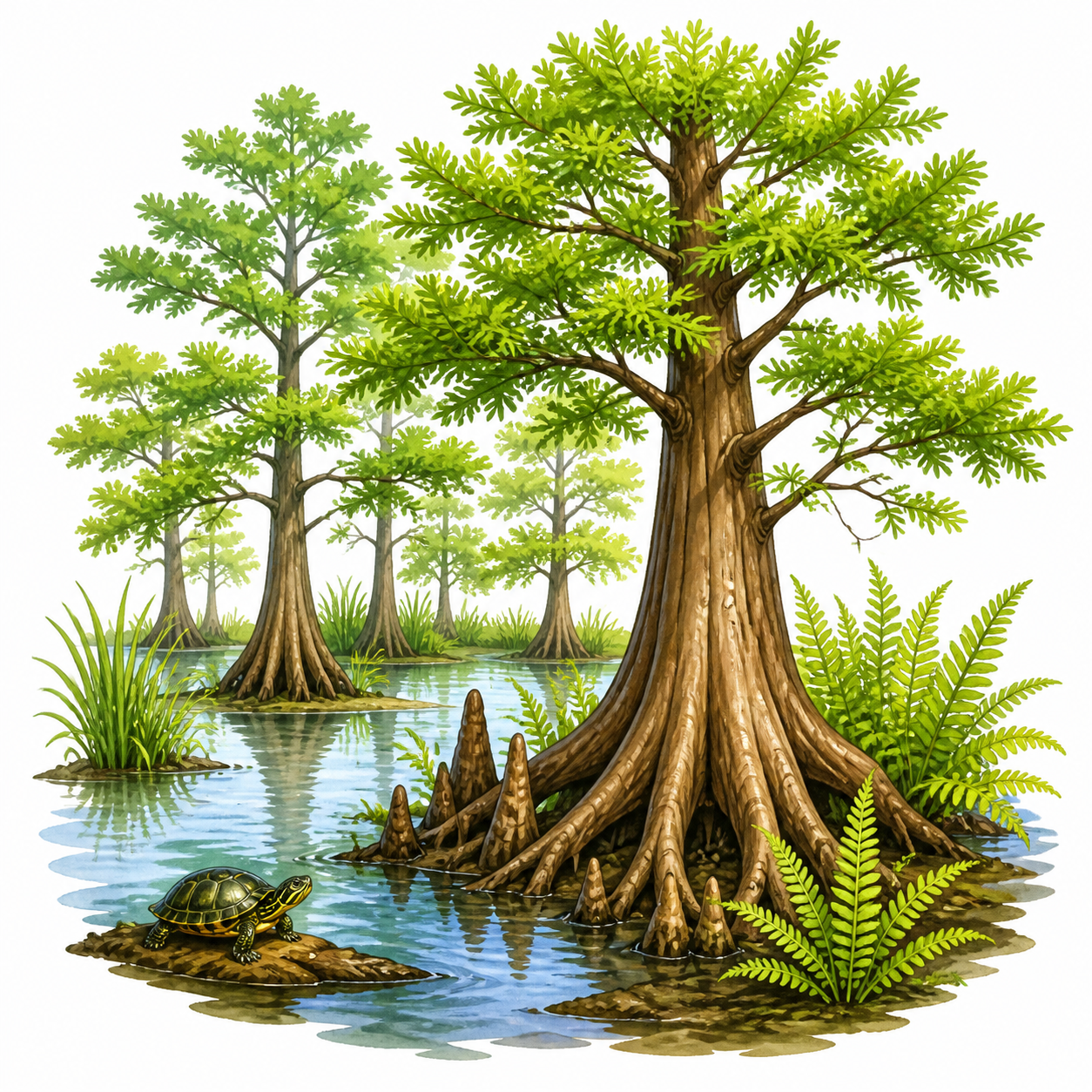
<p>A type of wetland that is often filled with water-soaked soil and trees.</p>
31
New cards

kelp forests

Important habitats in the neritic zone that provide food and shelter for sea life.
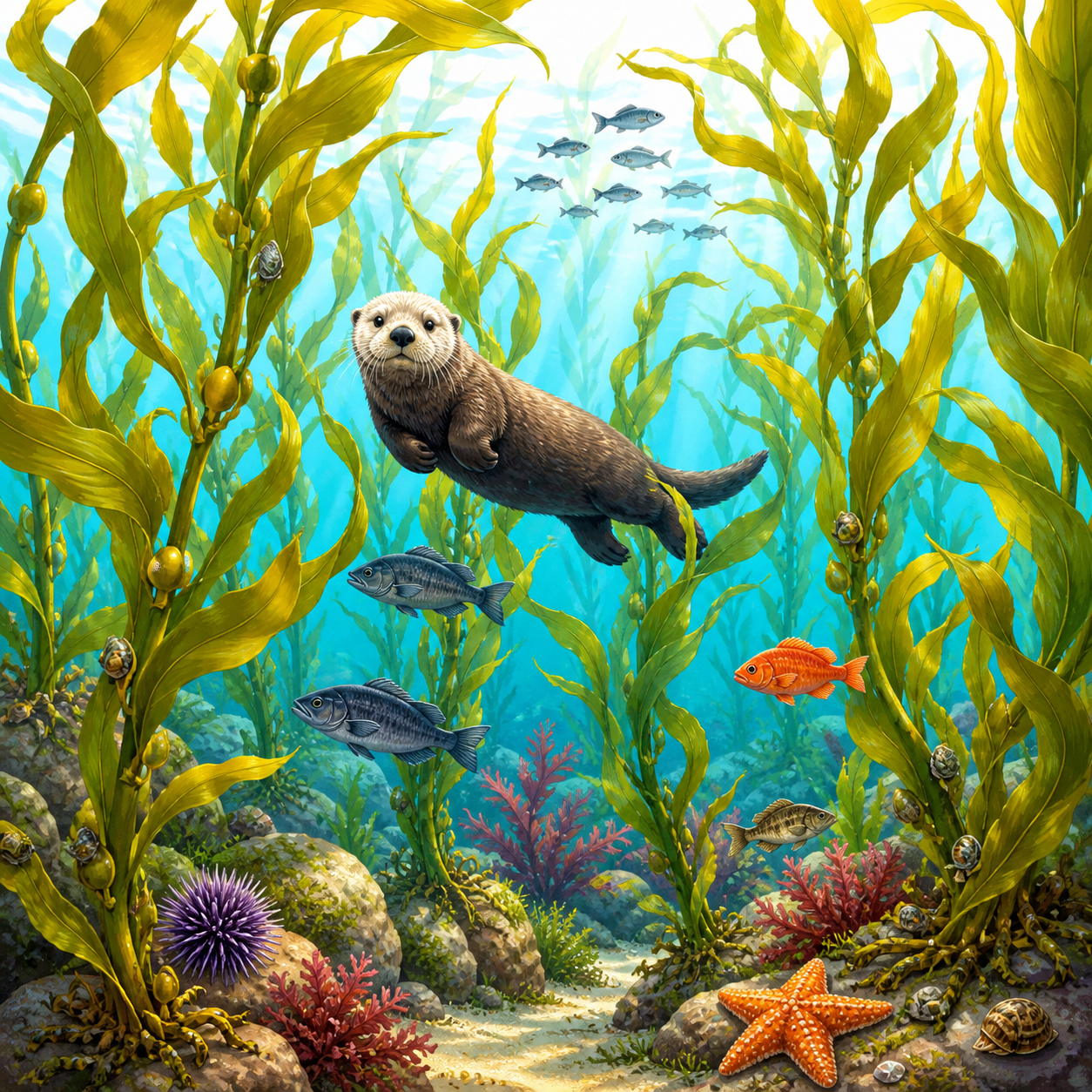
<p>Important habitats in the neritic zone that provide food and shelter for sea life.</p>
32
New cards

coral reefs

Structures in the neritic zone that are home to many different ocean organisms.
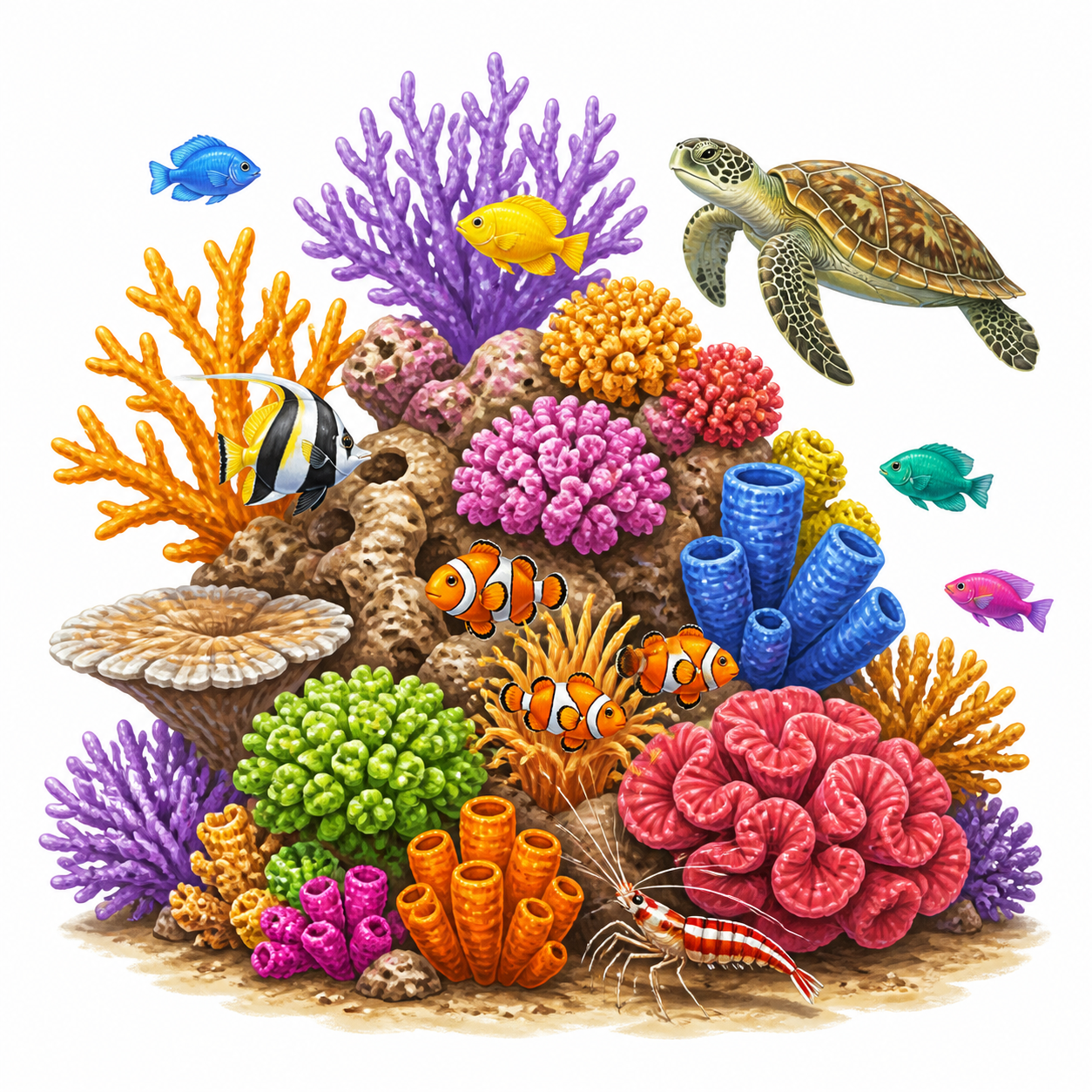
<p>Structures in the neritic zone that are home to many different ocean organisms.</p>
33
New cards

nutrients

Substances washed into the water from land that help organisms grow and survive.
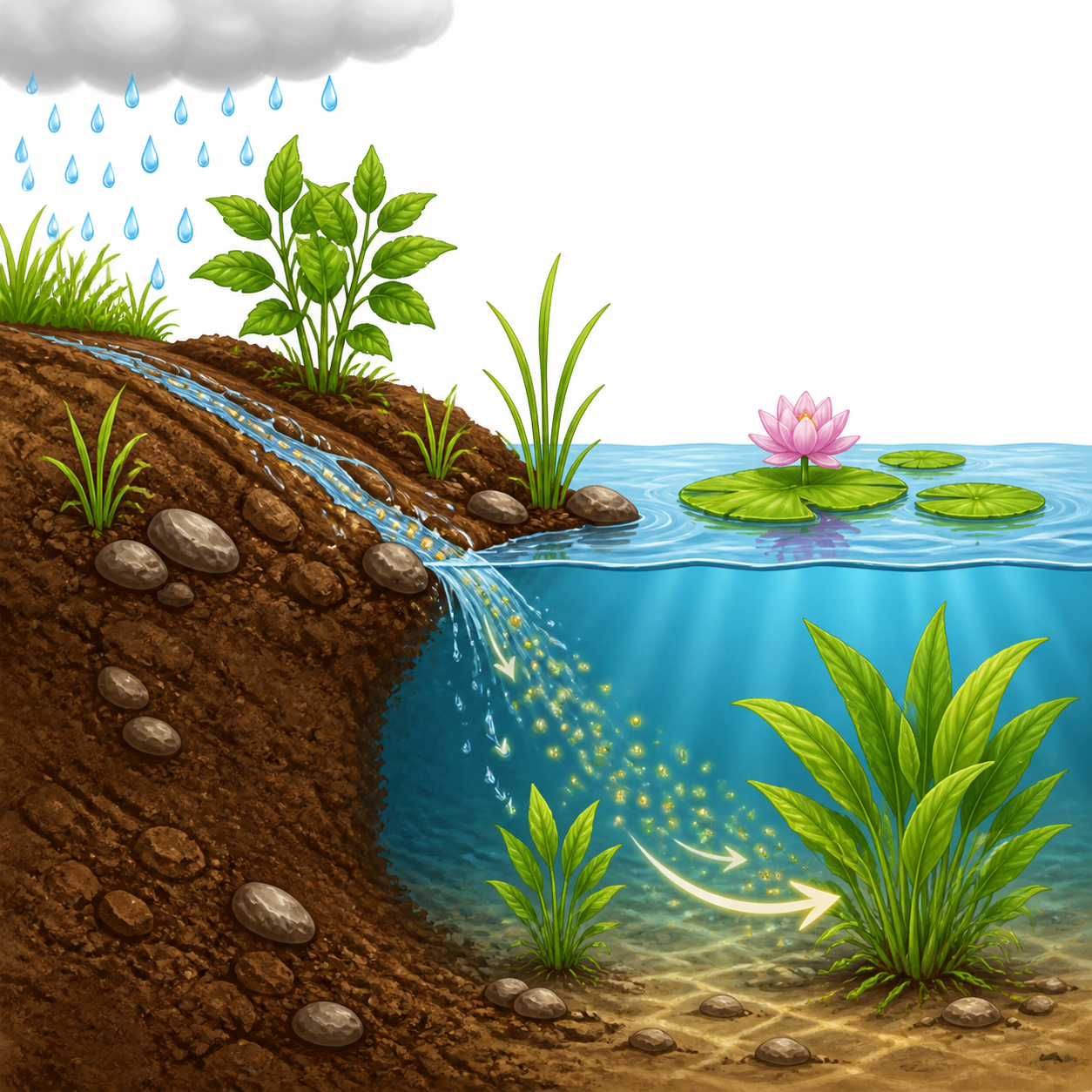
<p>Substances washed into the water from land that help organisms grow and survive.</p>
34
New cards

currents

Fast-moving flows of water that organisms must adapt to in rivers and streams.
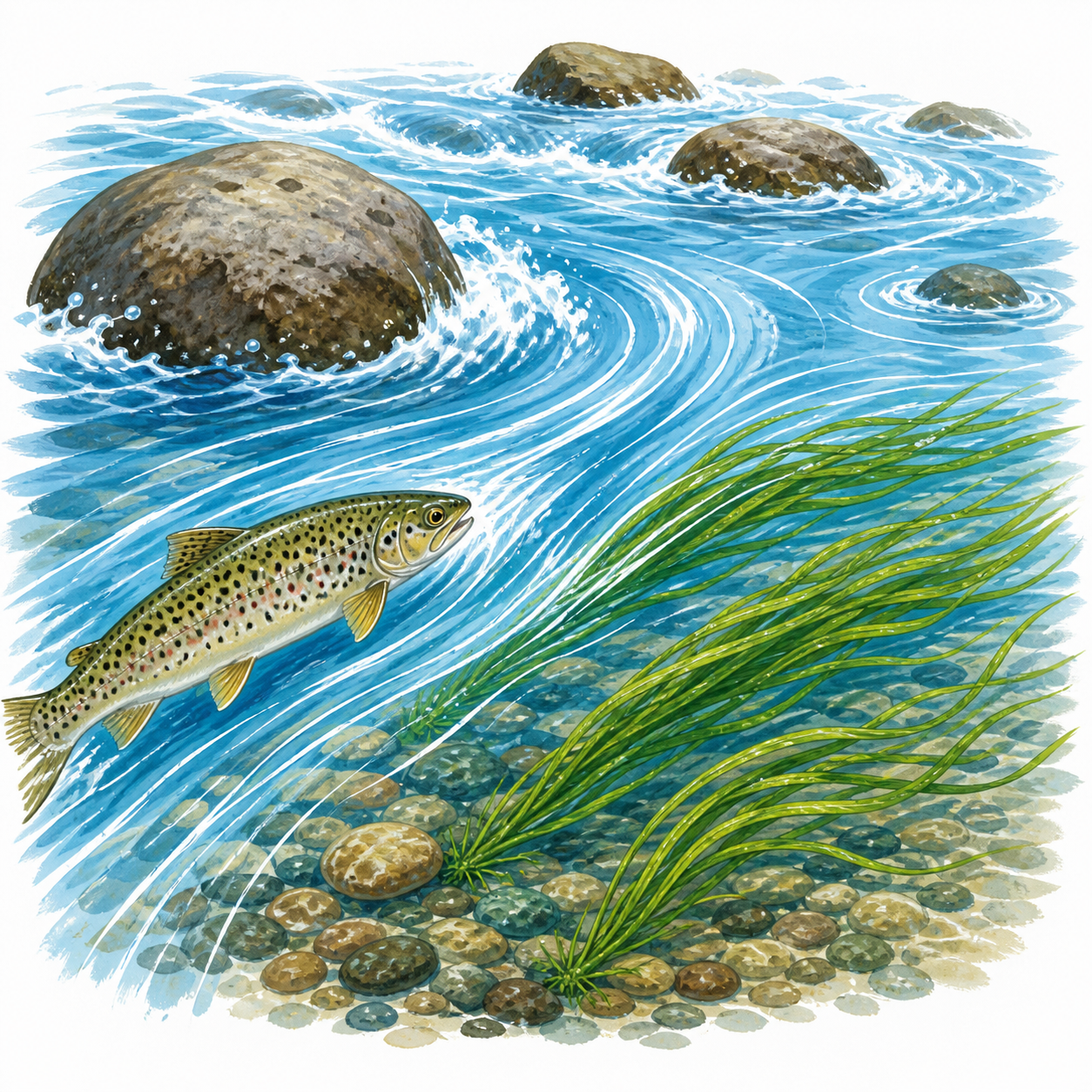
<p>Fast-moving flows of water that organisms must adapt to in rivers and streams.</p>
35
New cards

decomposers

Organisms that get energy by breaking down dead material on the ocean floor.
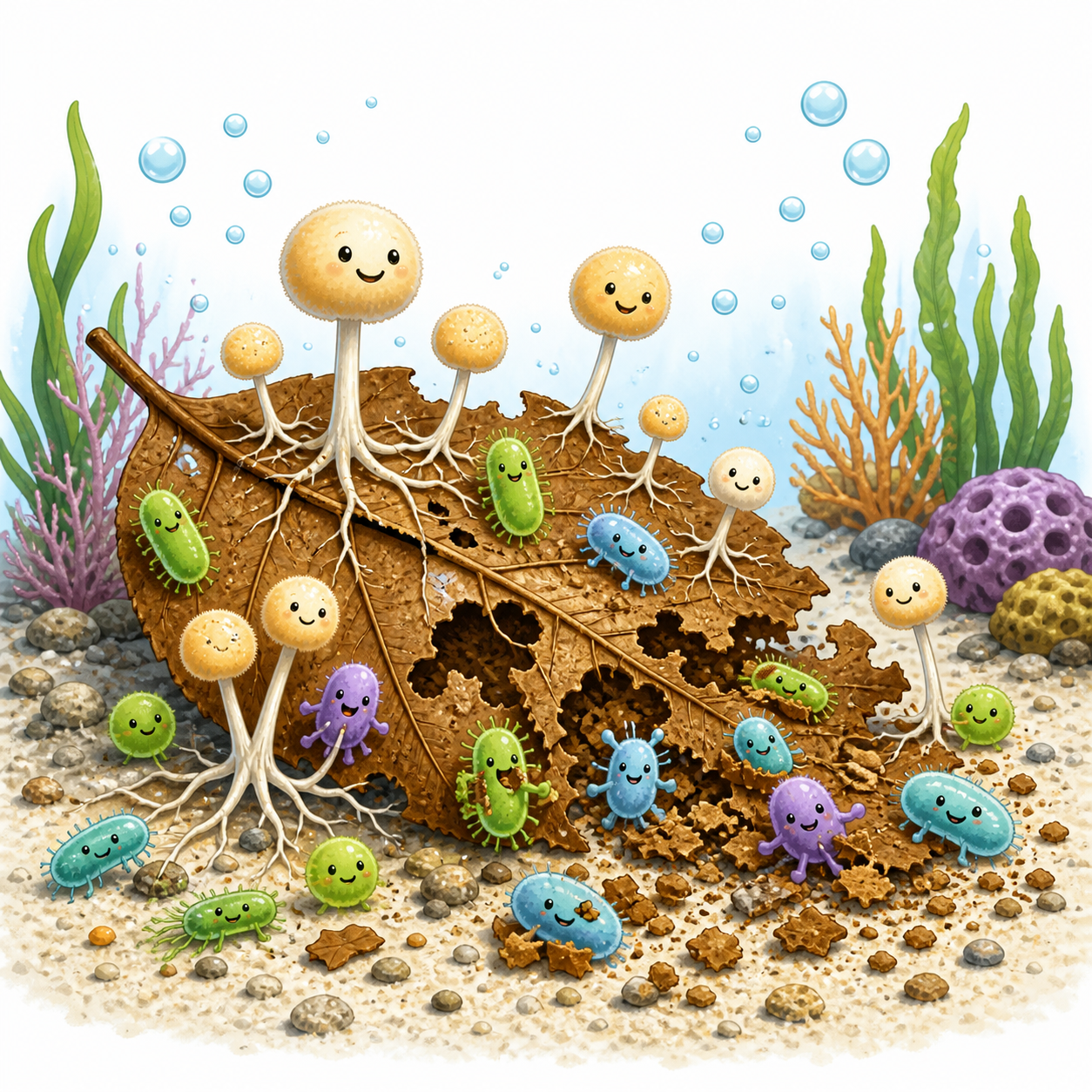
<p>Organisms that get energy by breaking down dead material on the ocean floor.</p>
36
New cards

twilight zone

The upper part of the bathyal zone where very little sunlight can reach.
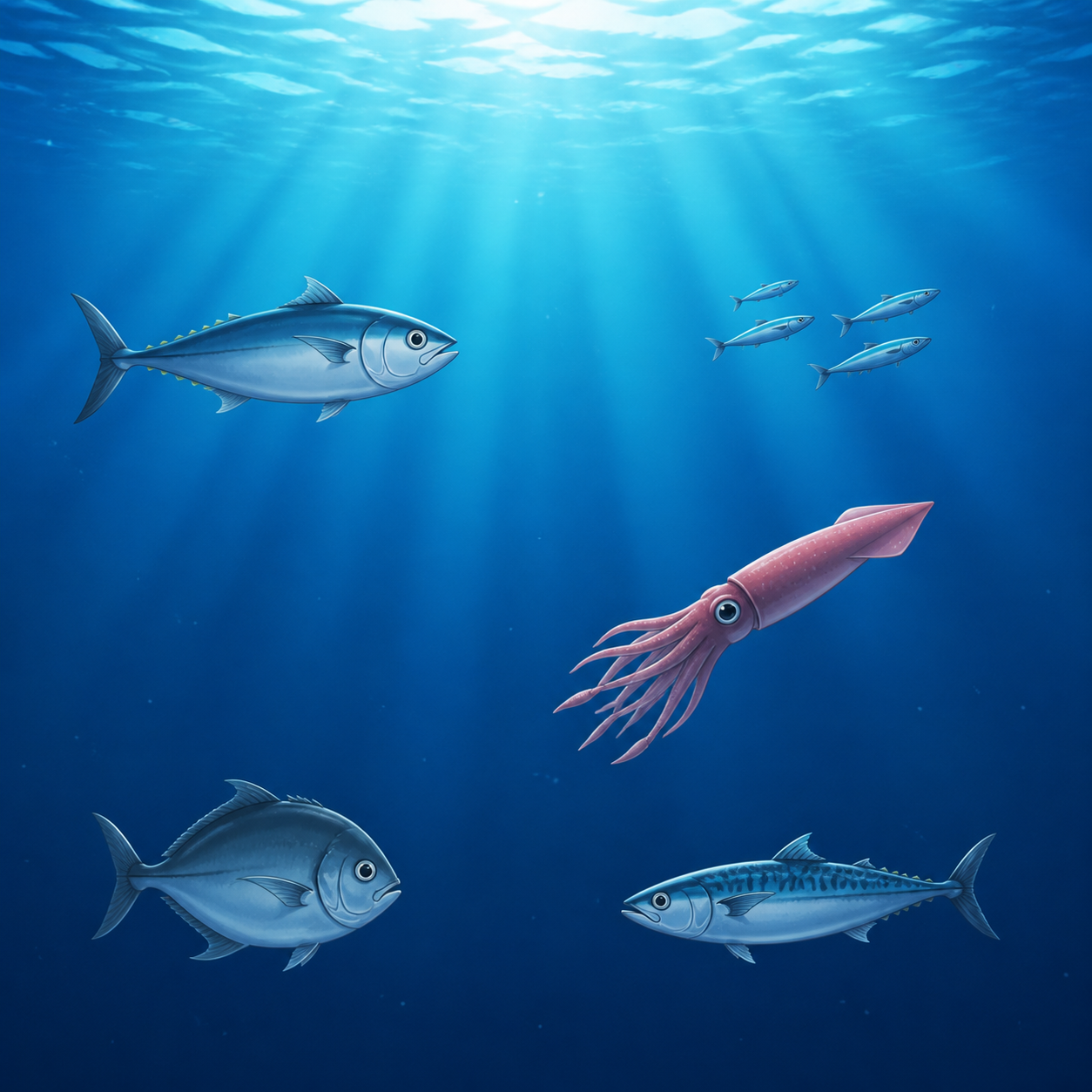
<p>The upper part of the bathyal zone where very little sunlight can reach.</p>
37
New cards

marine mammals

Animals like whales and seals that live in the water but breathe air.
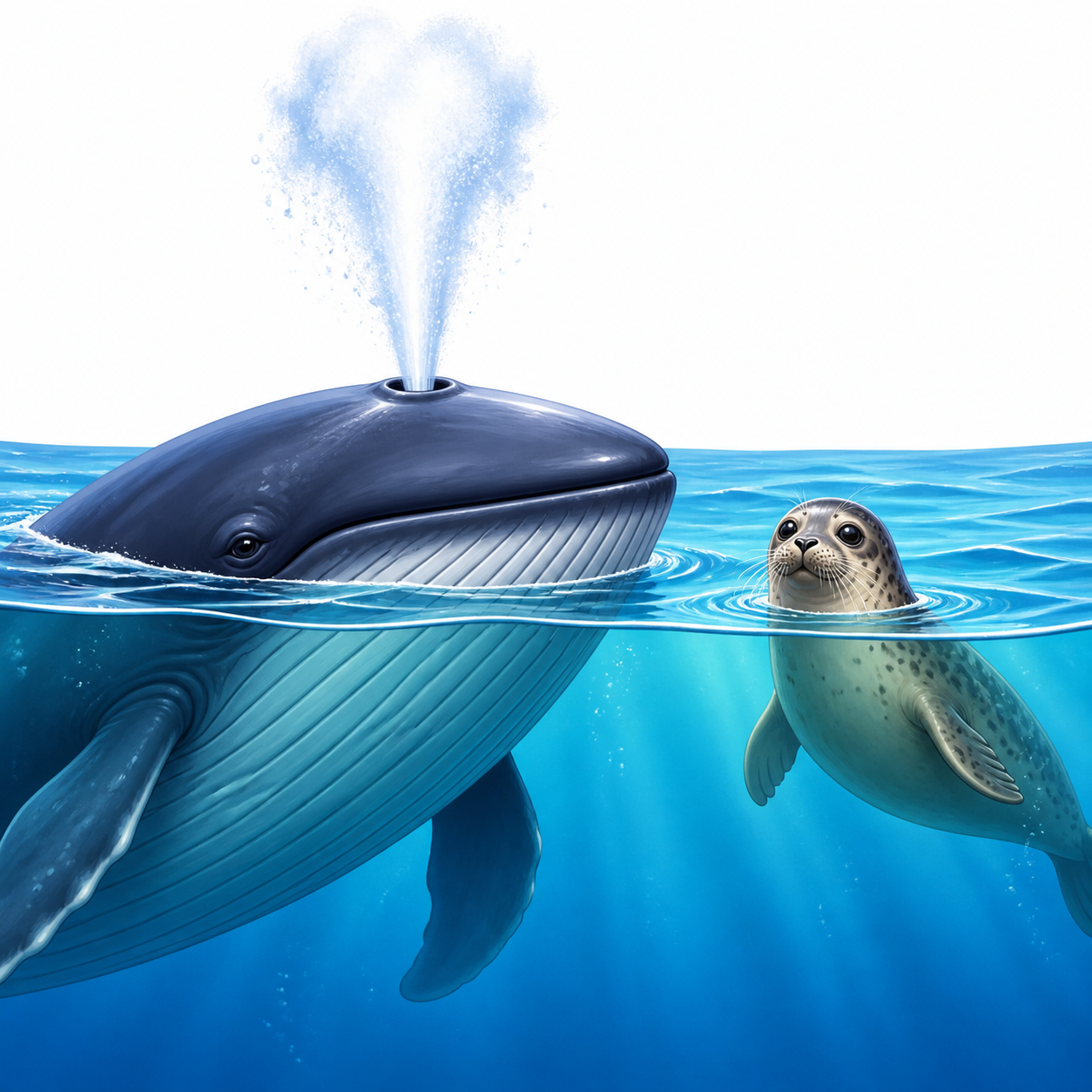
<p>Animals like whales and seals that live in the water but breathe air.</p>
38
New cards

high tide

The time of day when the intertidal zone is completely covered by the ocean.
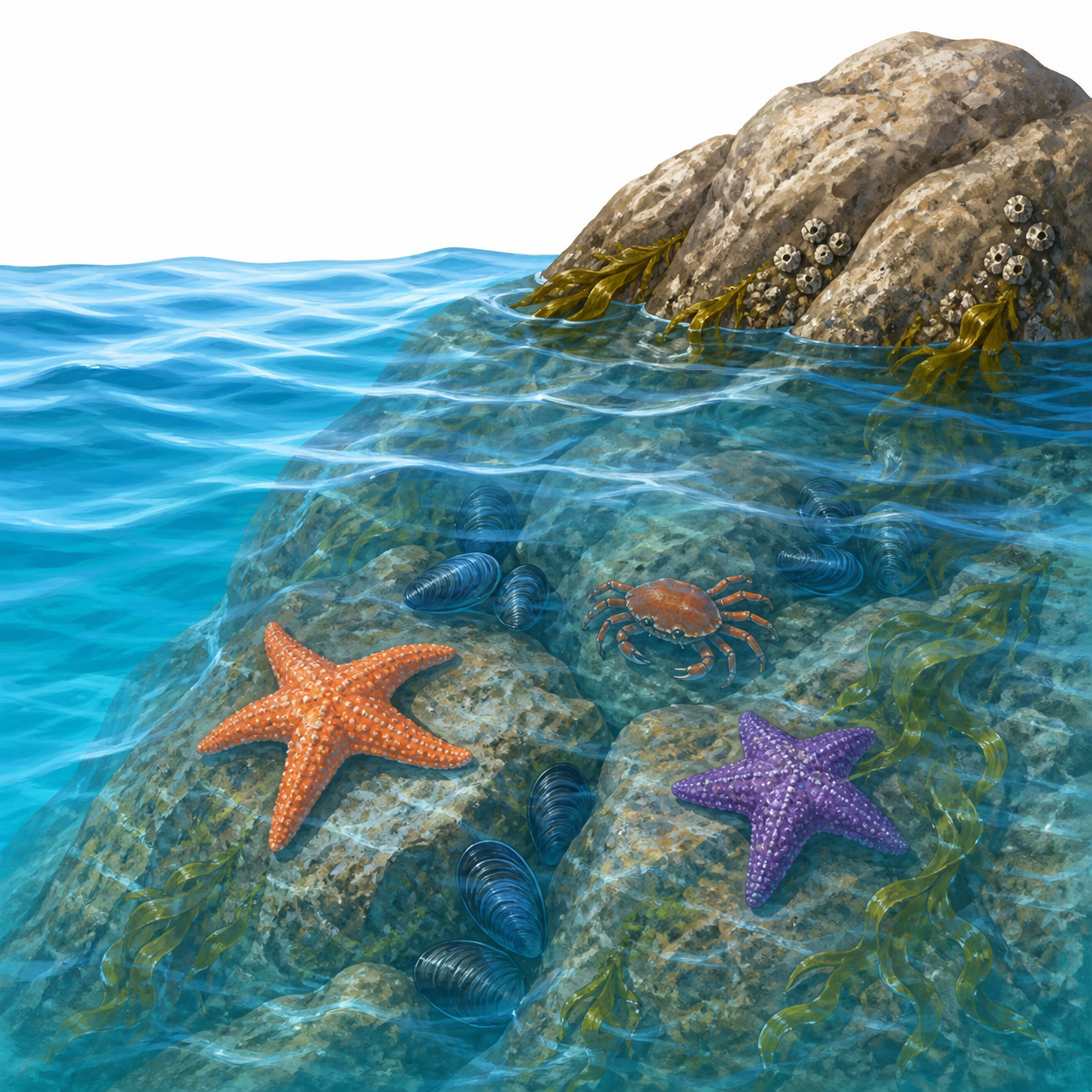
<p>The time of day when the intertidal zone is completely covered by the ocean.</p>
39
New cards

low tide

The time of day when organisms in the intertidal zone are exposed to air.
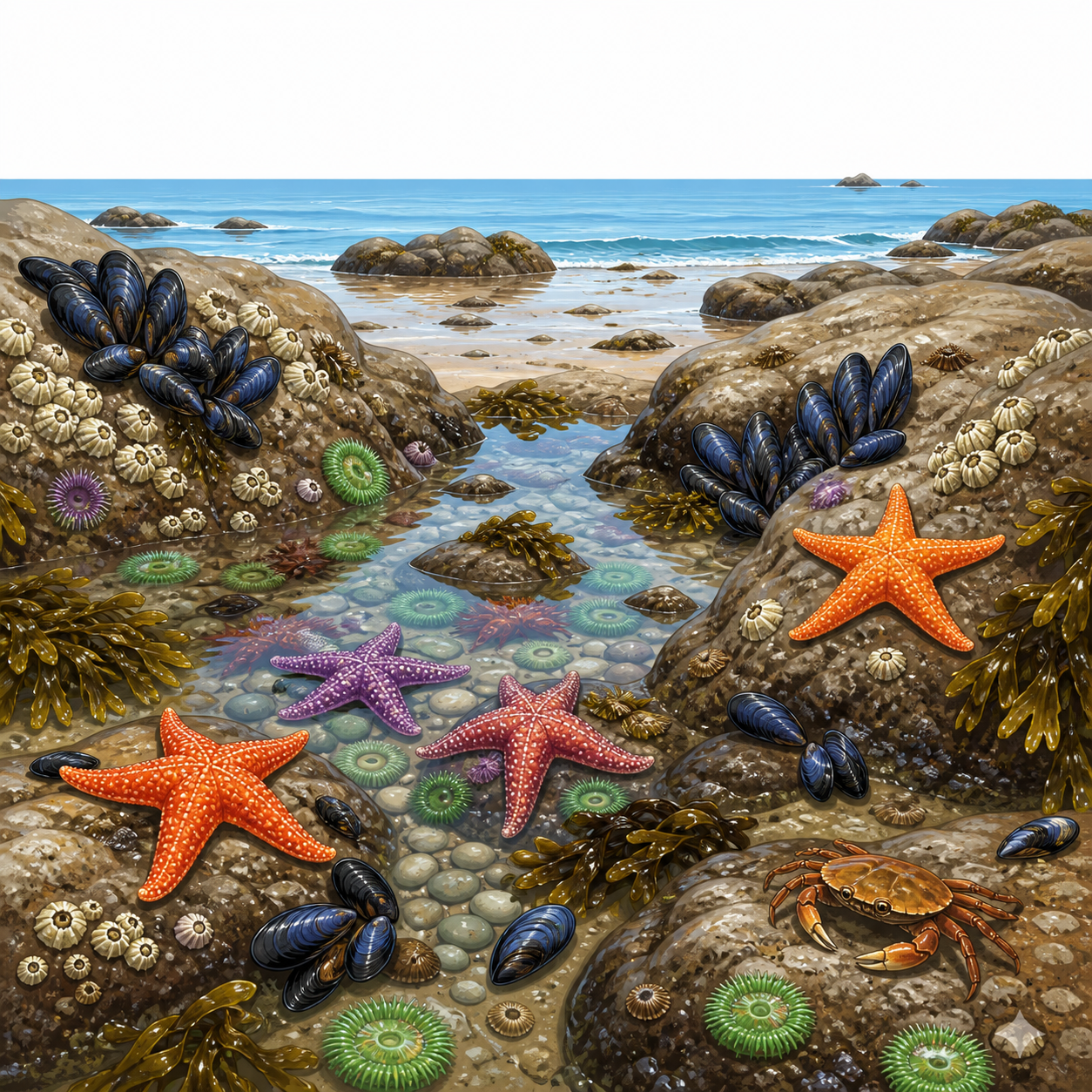
<p>The time of day when organisms in the intertidal zone are exposed to air.</p>
40
New cards

dissolved salt

An abiotic factor that is high in the ocean but very low in freshwater.
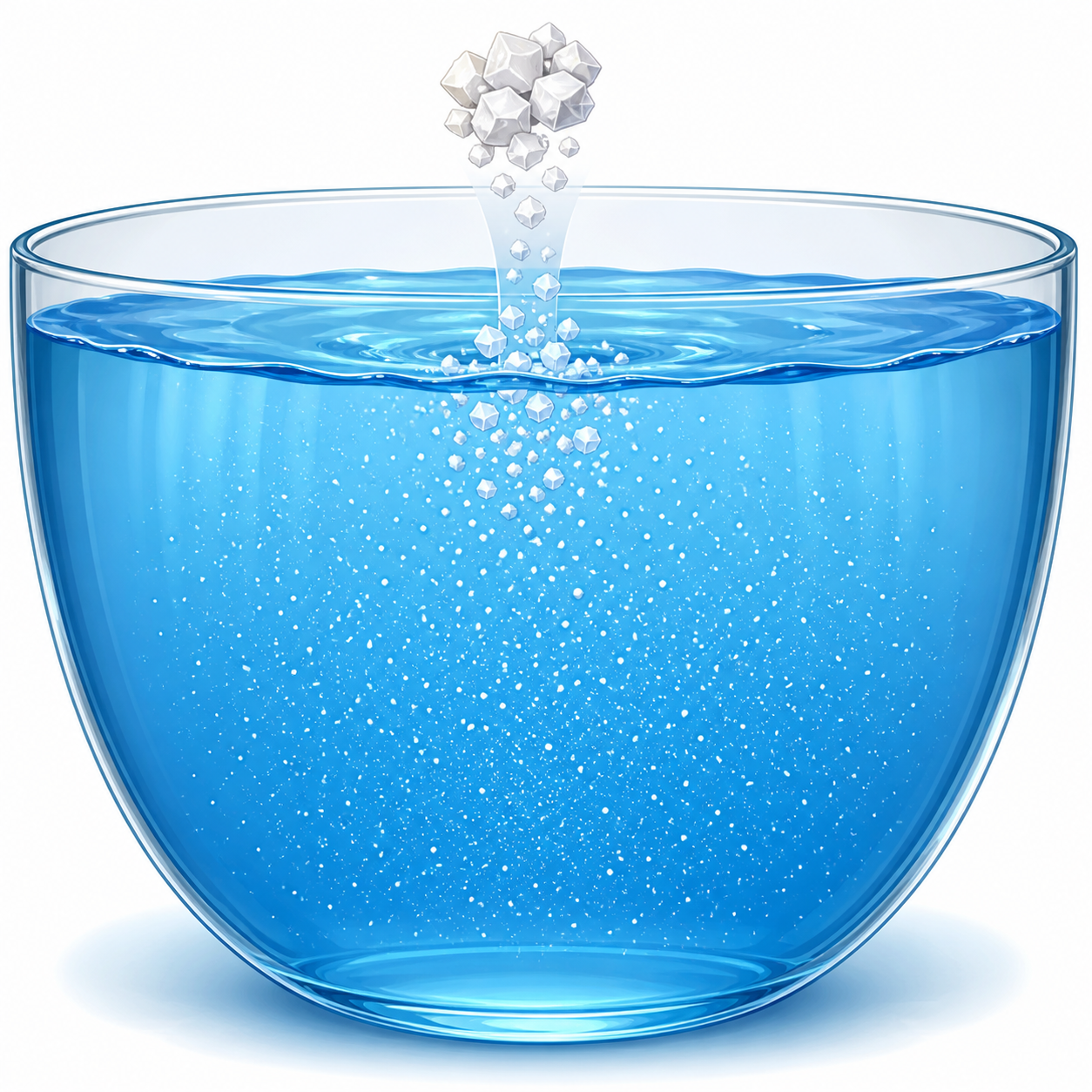
<p>An abiotic factor that is high in the ocean but very low in freshwater.</p>
41
New cards

bogs

A type of wetland that is wet for most of the year and contains moss.
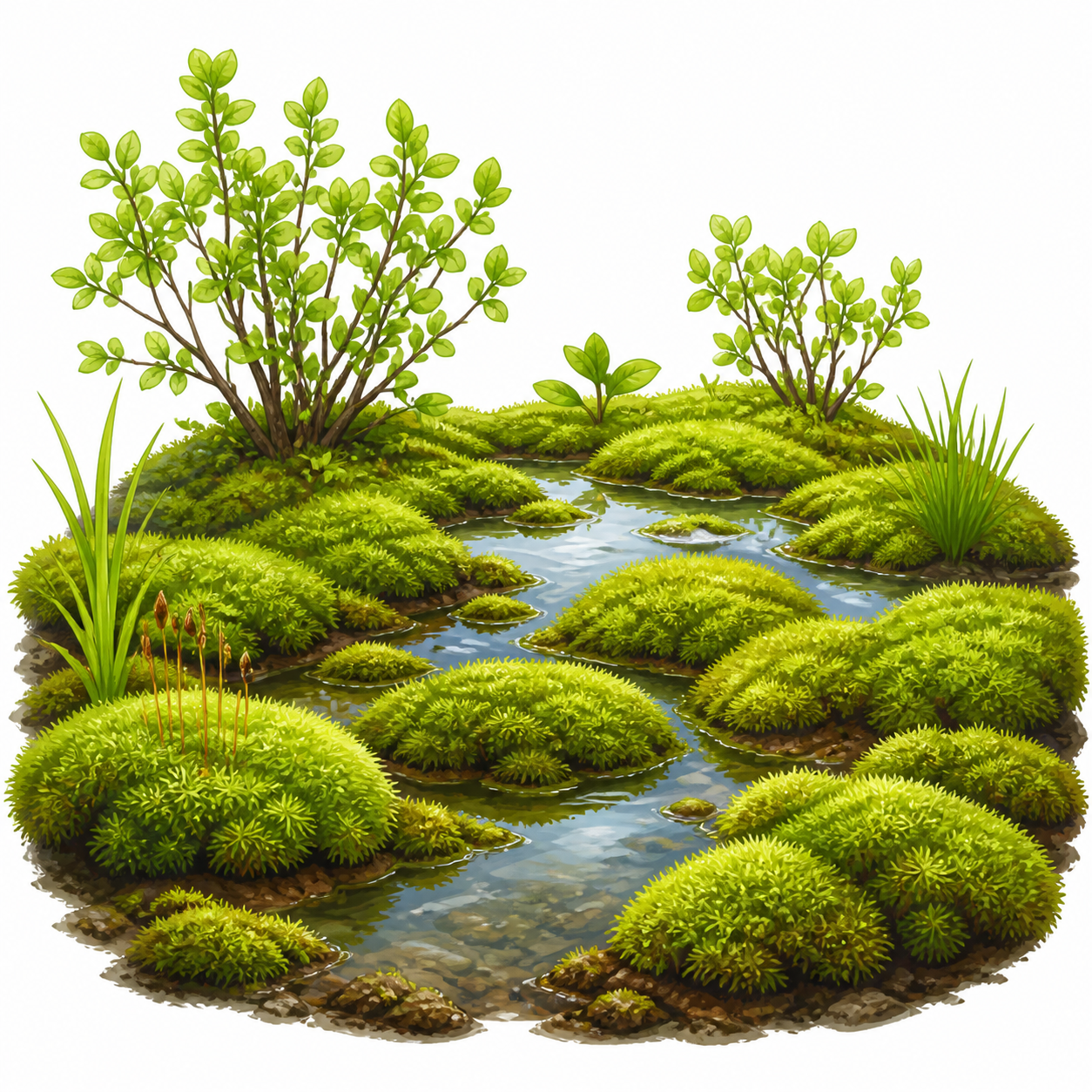
<p>A type of wetland that is wet for most of the year and contains moss.</p>
42
New cards

sunlight

The main energy source that producers in the shallow water use to grow.
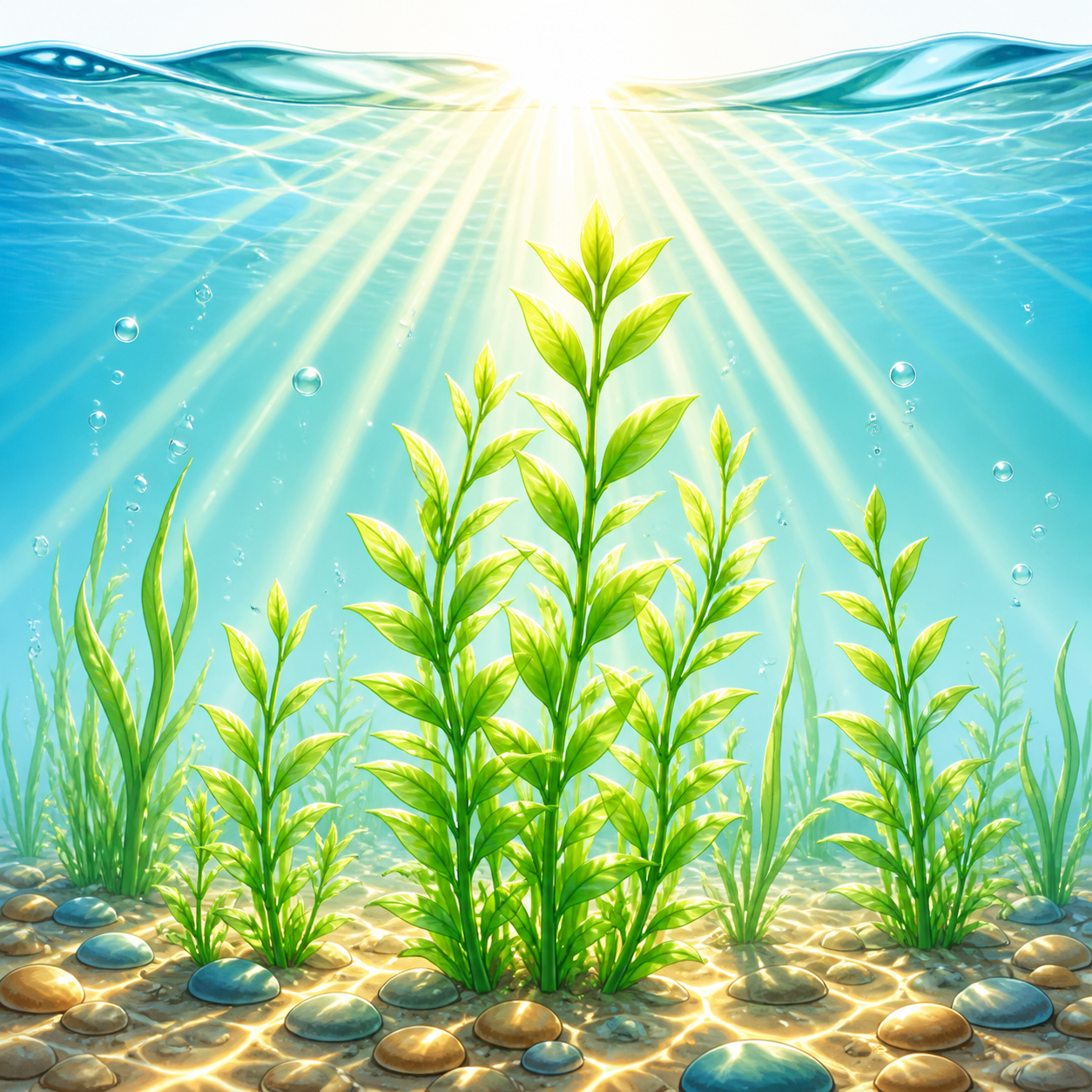
<p>The main energy source that producers in the shallow water use to grow.</p>
43
New cards

tube worms

Organisms that live near hydrothermal vents in the cold and dark abyssal zone.
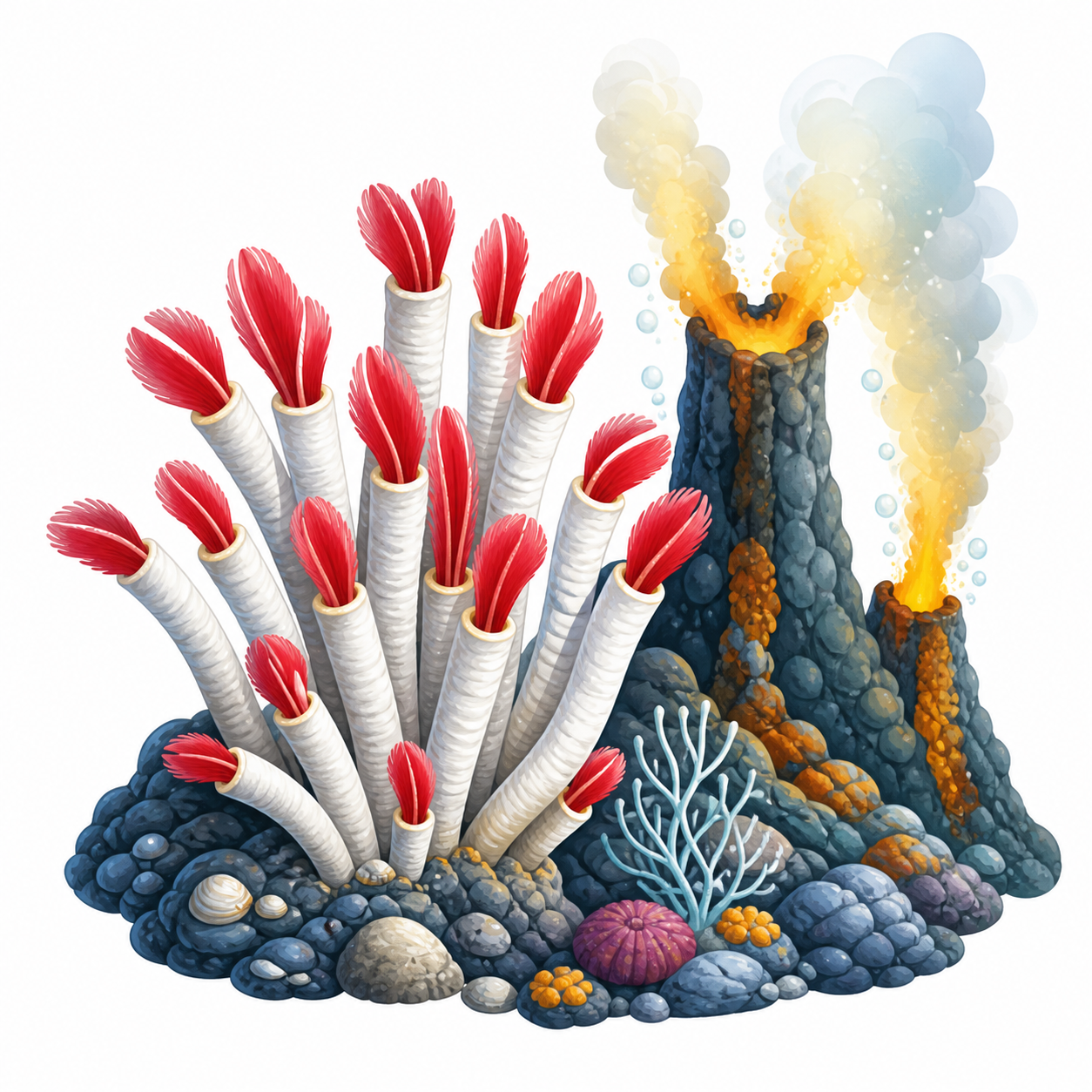
<p>Organisms that live near hydrothermal vents in the cold and dark abyssal zone.</p>
44
New cards

gravity

The force from the moon that causes the water in oceans to move.
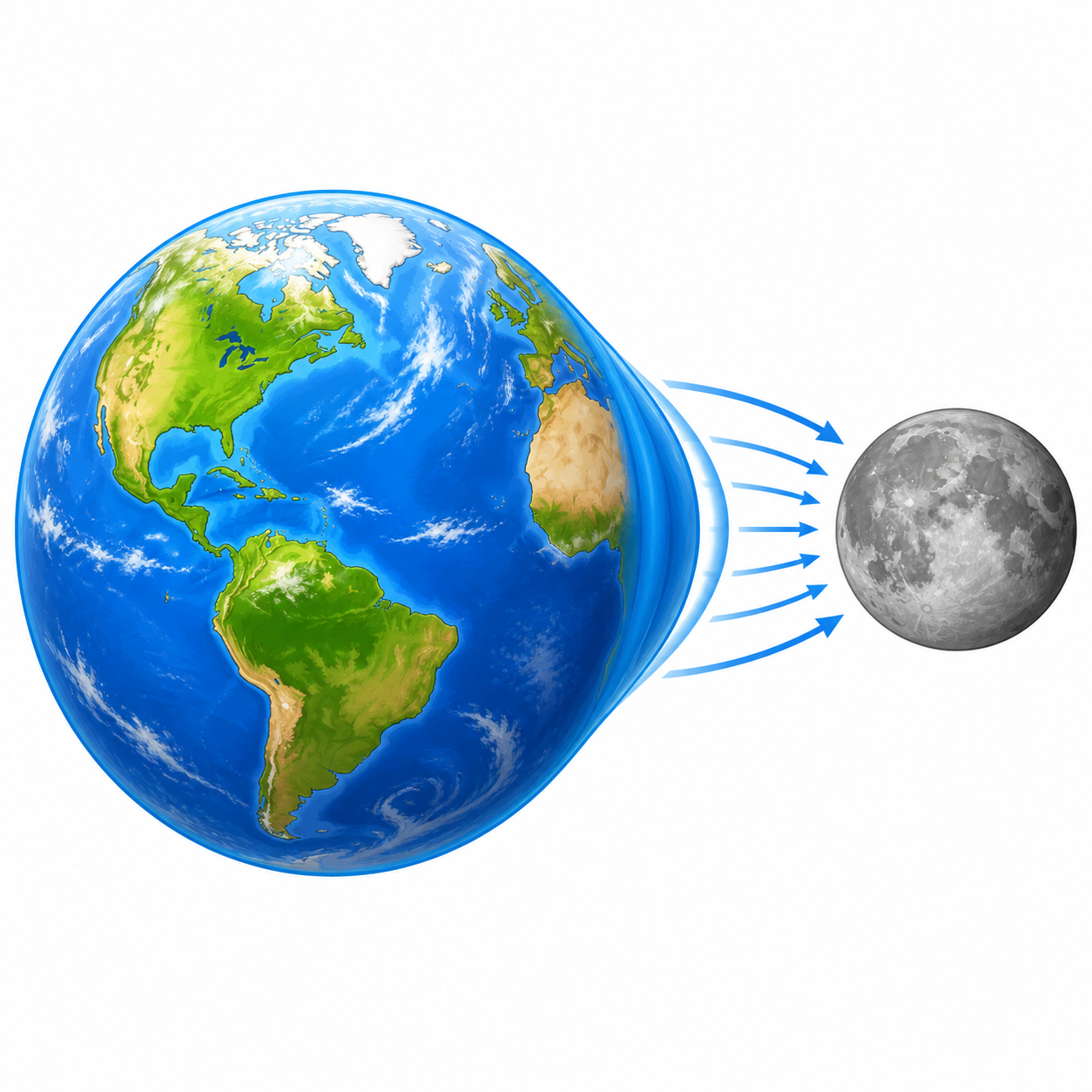
<p>The force from the moon that causes the water in oceans to move.</p>
45
New cards

algae

A type of producer that is common in slow-moving water and open-water zones.
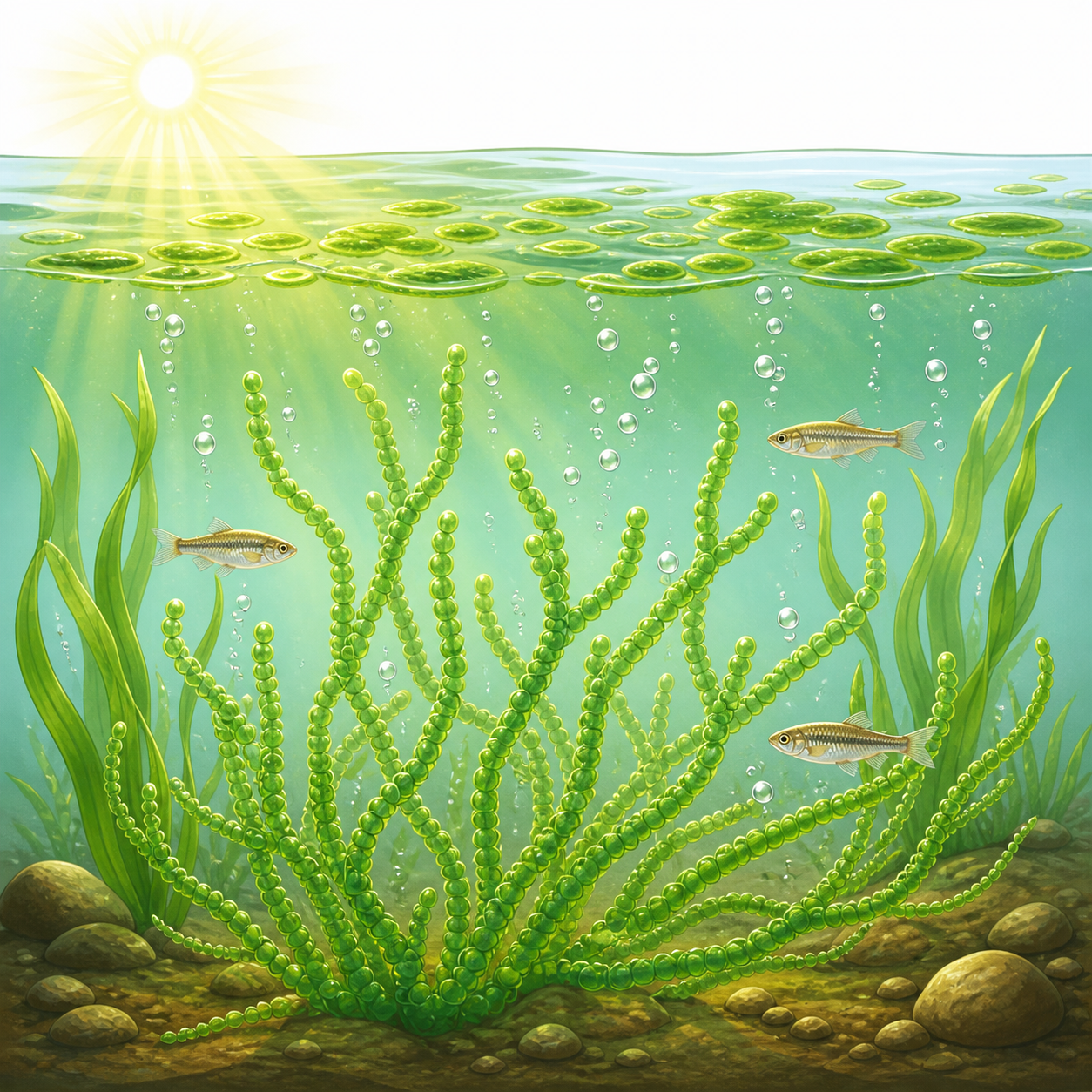
<p>A type of producer that is common in slow-moving water and open-water zones.</p>
46
New cards

filtration

The process by which salt marsh plants remove pollution and waste from river water.
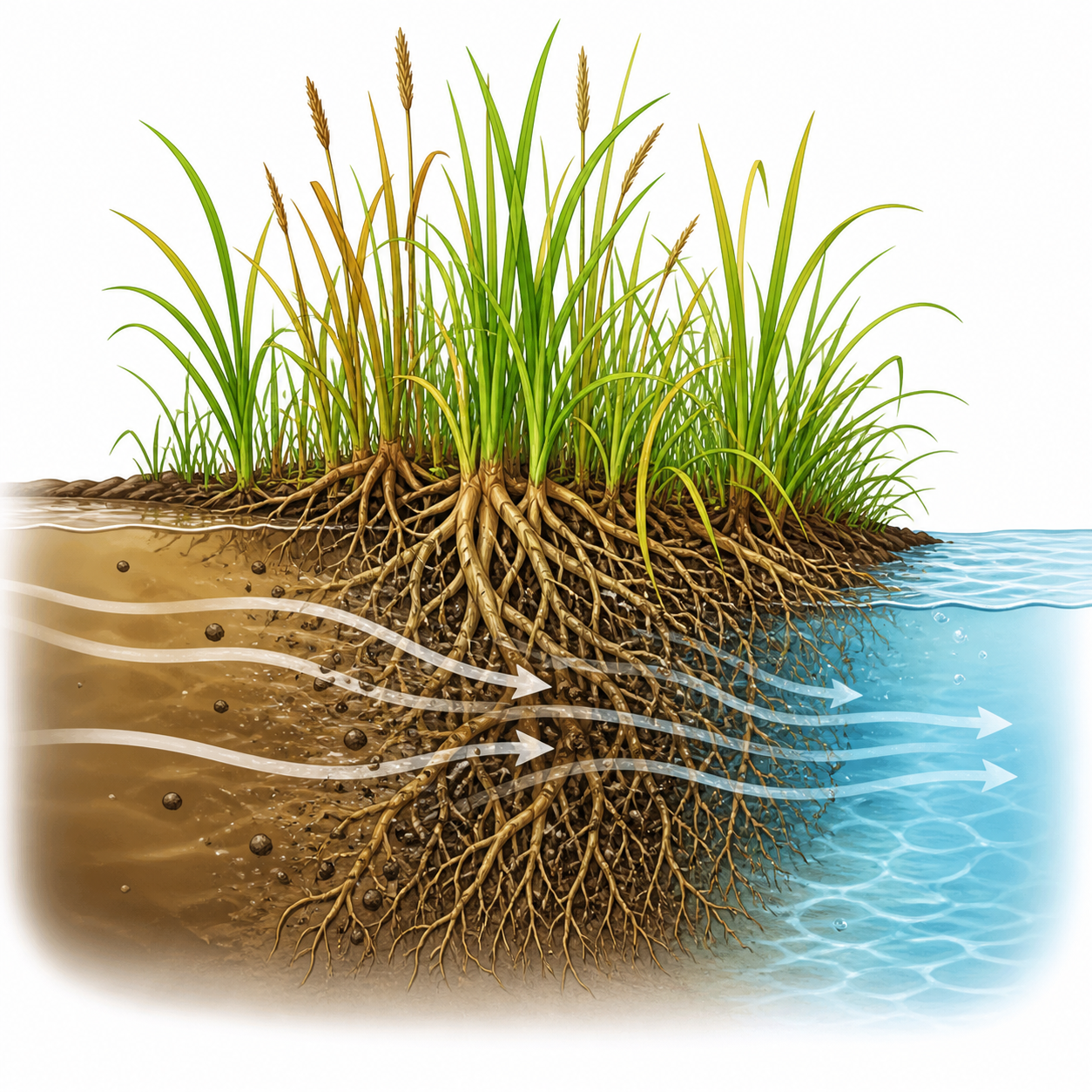
<p>The process by which salt marsh plants remove pollution and waste from river water.</p>
47
New cards

ocean water

Type of water that covers about ninety-seven percent of the surface of the Earth.
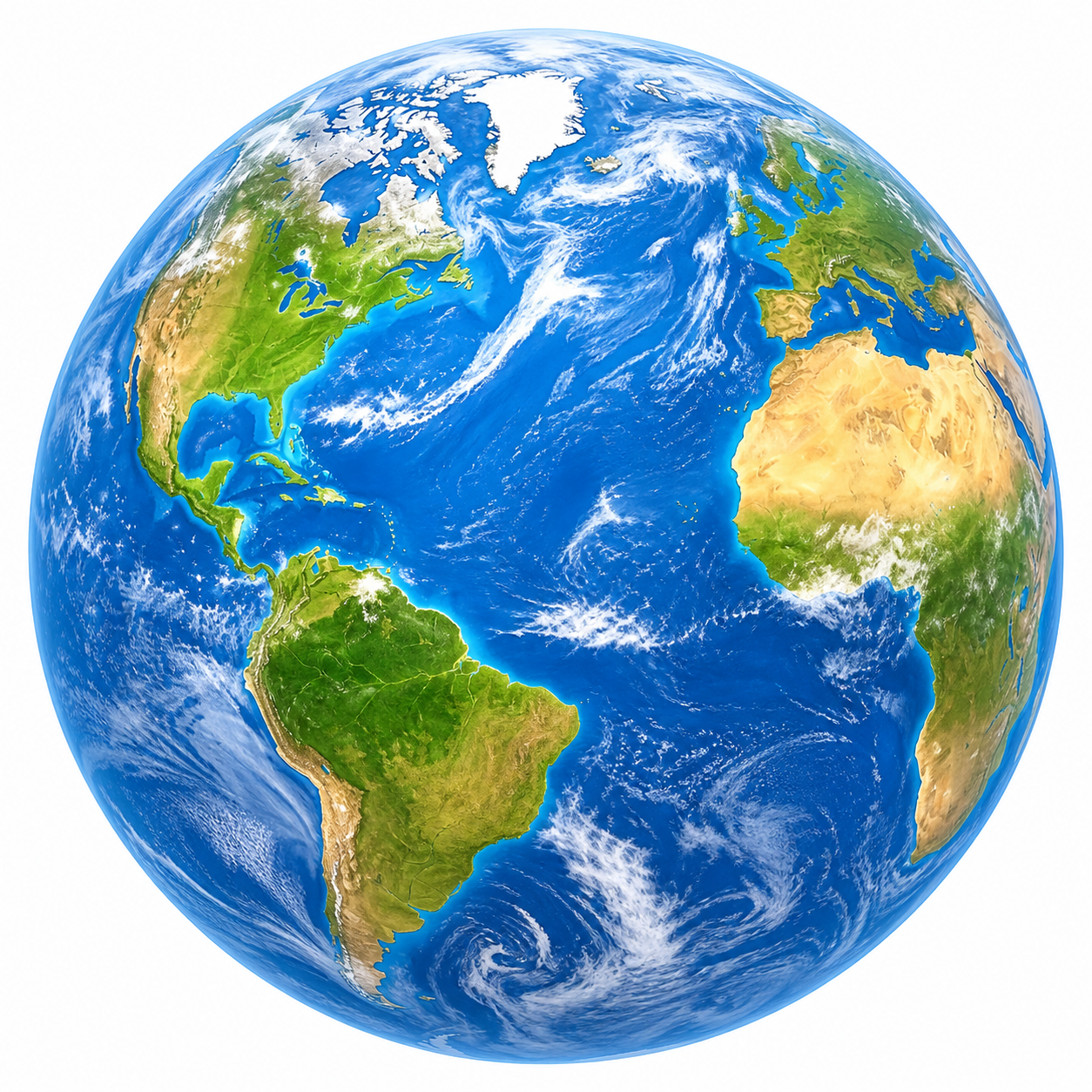
<p>Type of water that covers about ninety-seven percent of the surface of the Earth.</p>
48
New cards

fast-moving water

Freshwater that contains more oxygen because air mixes in as the water flows.
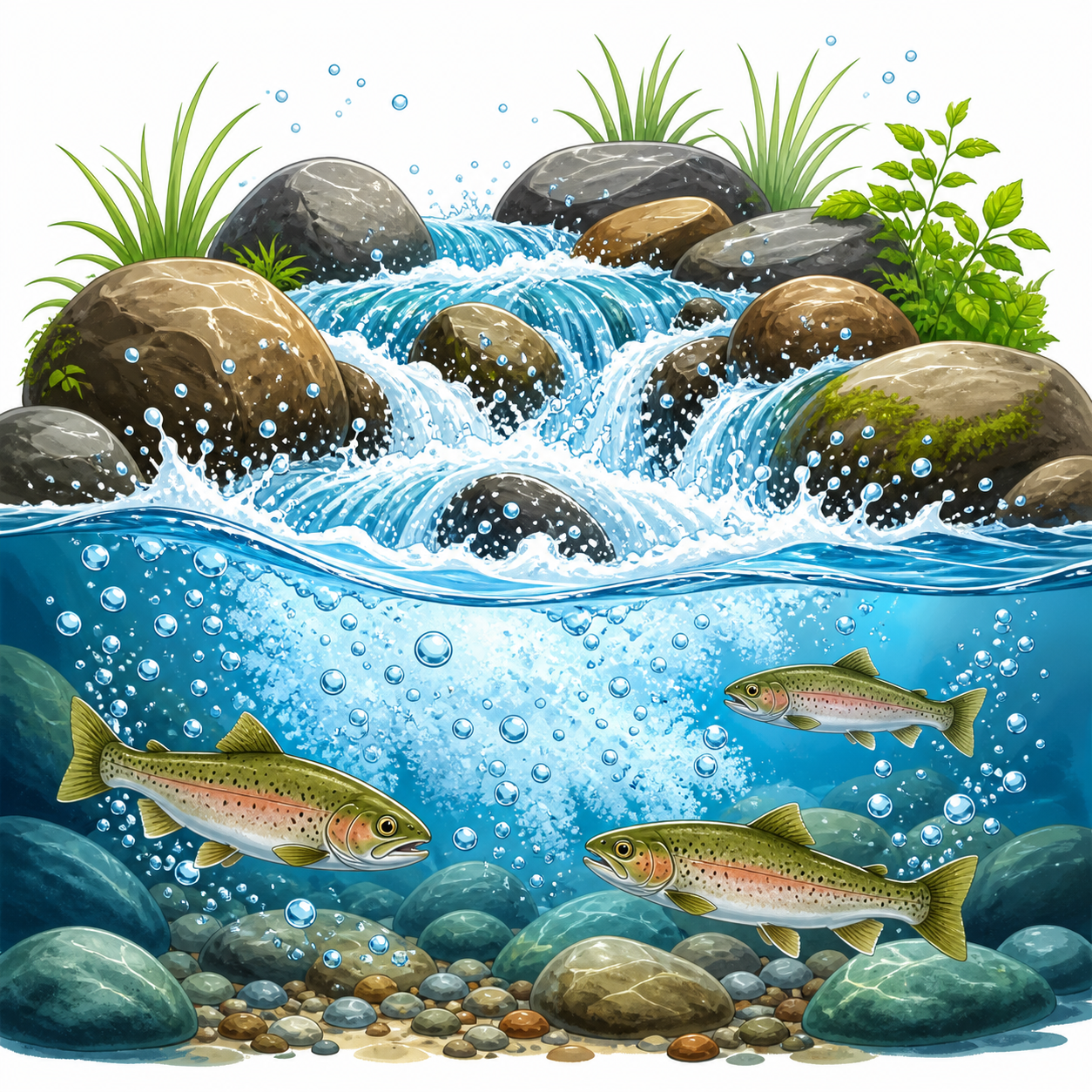
<p>Freshwater that contains more oxygen because air mixes in as the water flows.</p>
49
New cards

slow-moving water

Freshwater that has less oxygen and is more dependent on producers like algae.
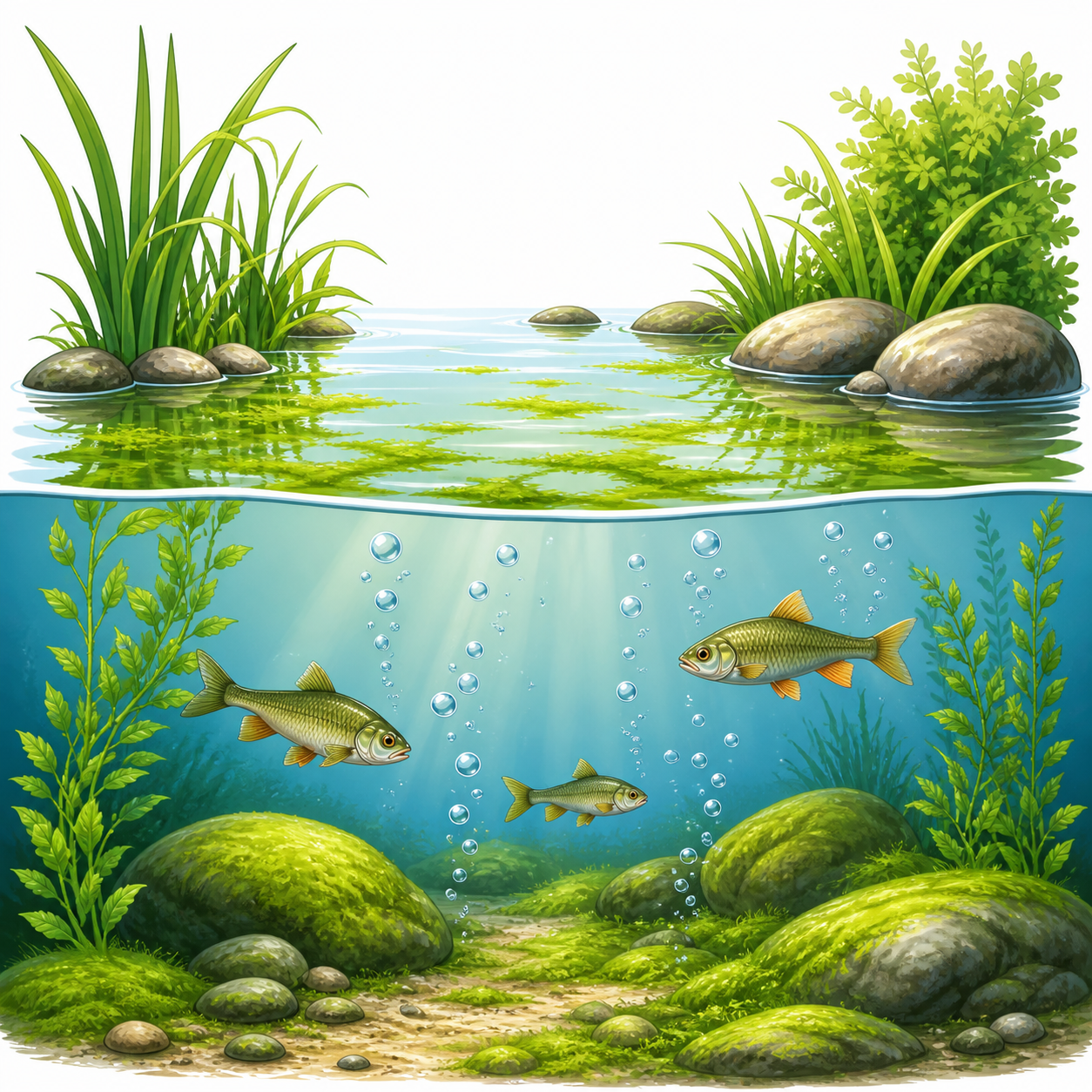
<p>Freshwater that has less oxygen and is more dependent on producers like algae.</p>
50
New cards

oceanic zone

The deep part of the ocean that includes the bathyal and abyssal zones.
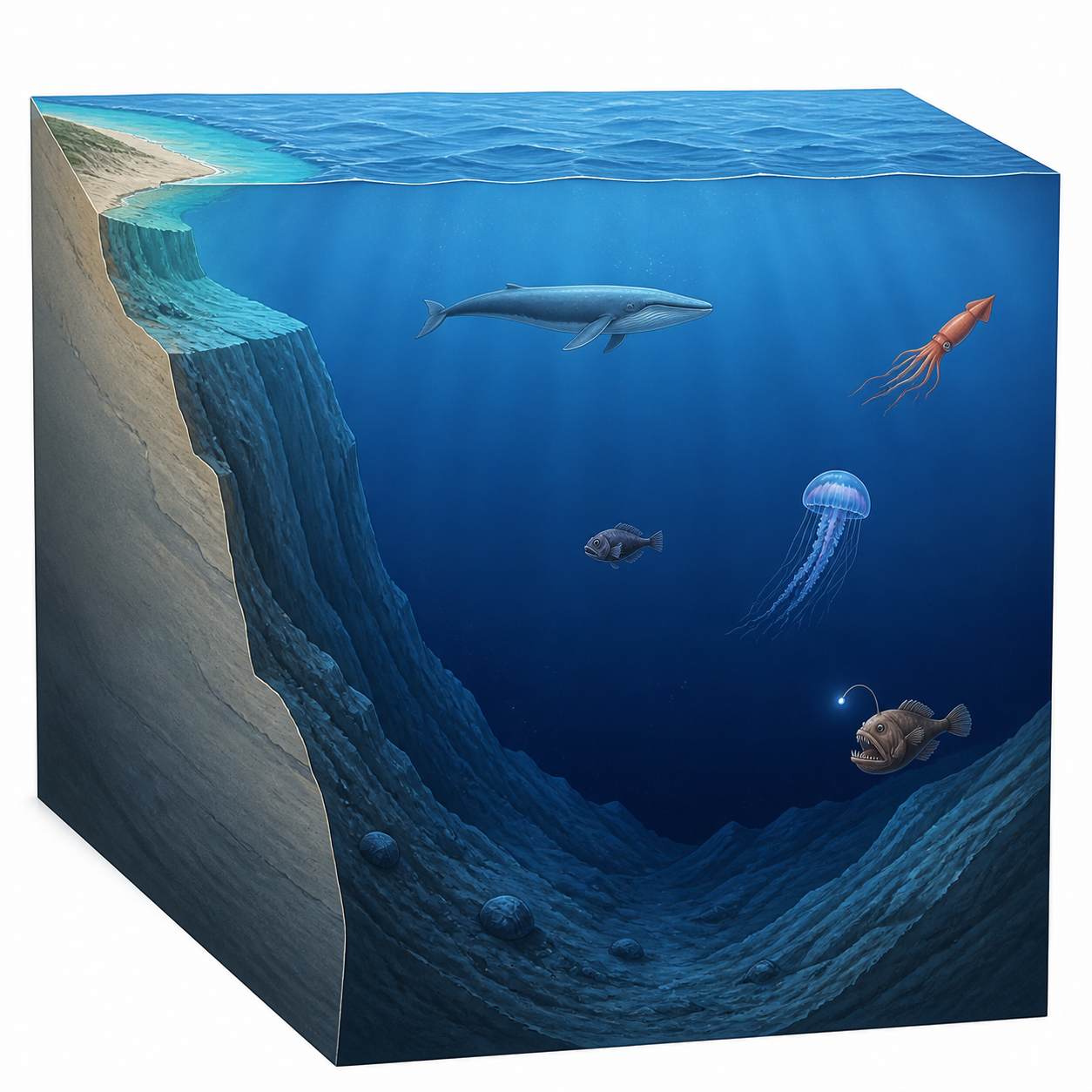
<p>The deep part of the ocean that includes the bathyal and abyssal zones.</p>




