Microbiology
 Call Kai
 Learn
Learn Practice Test
 Spaced Repetition
 Match
Match Flashcards
 Knowt Play
1/57

Earn XP
Description and Tags
Name | Mastery | Learn | Test | Matching | Spaced | Call with Kai | Chat |
|---|
No analytics yet
Send a link to your students to track their progress
58 Terms
Cell
Smallest unit of life

Microbe
a living creature that is too small to see with a microscope

Four pathogens:
Bacteria-single celled, most respond to antibodies
Viruses-hijack your own cells to replicate, antibodies not as effective, non cellular, genetic material may be DNA or RNA, cannot replicate without host
Fungi-opportunists that strike when immunity is low
Parasites-often traced through travel, water, or food history

Nomenclature and species
species are defined by genetic relatedness

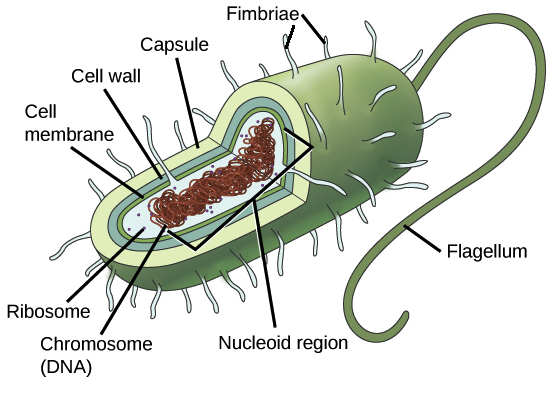
Prokaryotic
No nucleus, no organelles, includes bacteria and archaea
Eukaryotic
Has a nucleus and organelles

Pathogen
producer of disease: pathogenicity is a microbes ability to cause disease, includes all pathogens, some pathogens are harmless unless an opportunity arises

Parasite
Colonizes and harms host. Colonization is ability for microbe for stay attached and replicate. Can be referred to as protozoa and worms

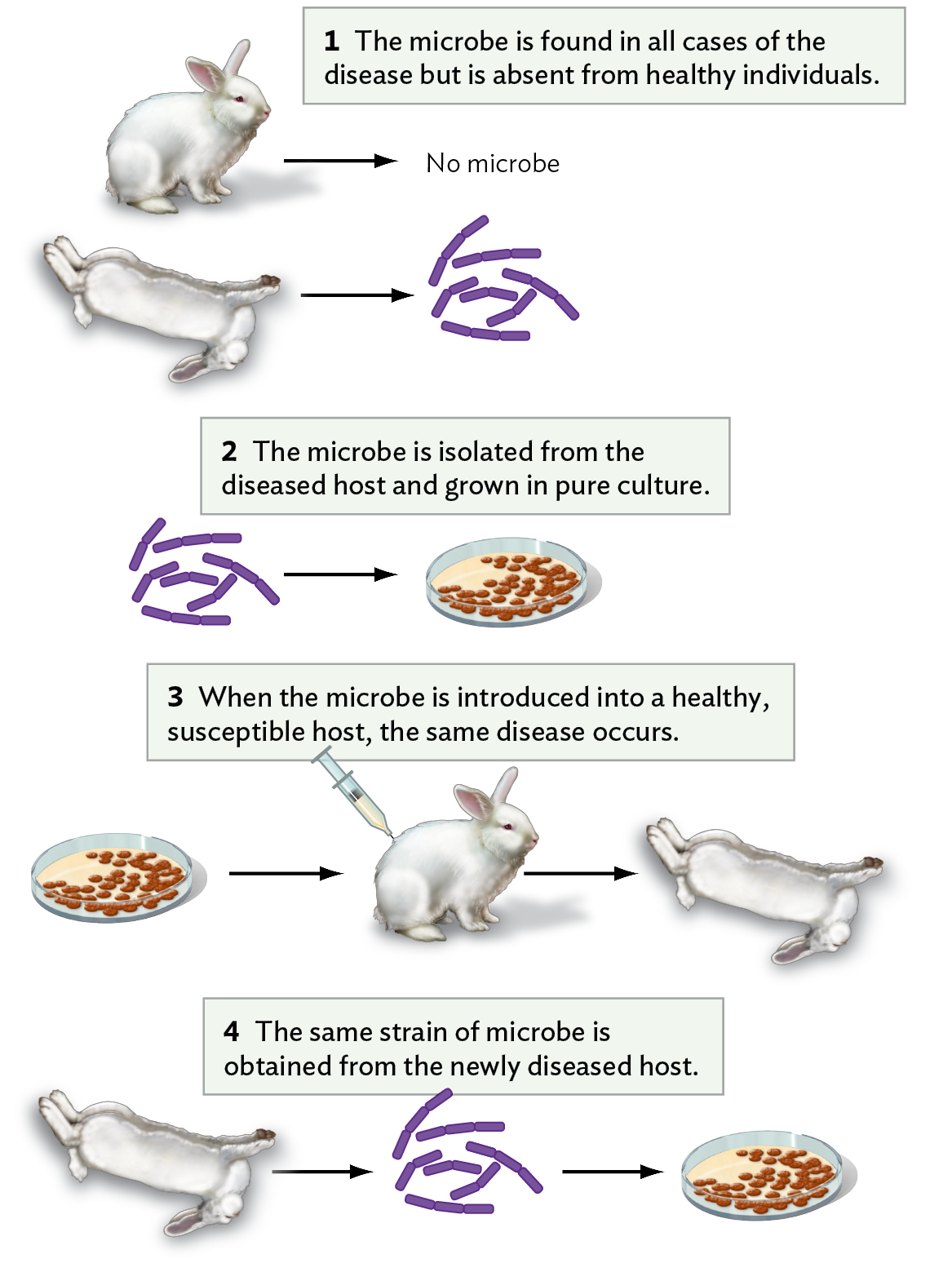
Koch’s postulates
how to link a pathogen to a disease
Virulent
A disease that’s extremely dangerous, highly infectious, and spreads very fast

Stages of infectious disease
1.Incubation-no signs or symptoms
2.Prodromal-mild signs or symptoms
3.Illness period-Most severe signs and symptoms
4.Decline period-Signs and symptoms
5.Convalscene-Recovering health and strength after illness

Stages of infectious disease continued
Chronic-Gradual, slow to heal, 3+ months (Ex:tuberculosis)
Acute-Develops rapidly (Ex:strep throat)
Latent-Present without symptoms (cold sores due to herpes)

Host range
Narrow-Salmonella typhi infects humans only
Broad-Salmonella typhimurium infects other animals in addition to humans
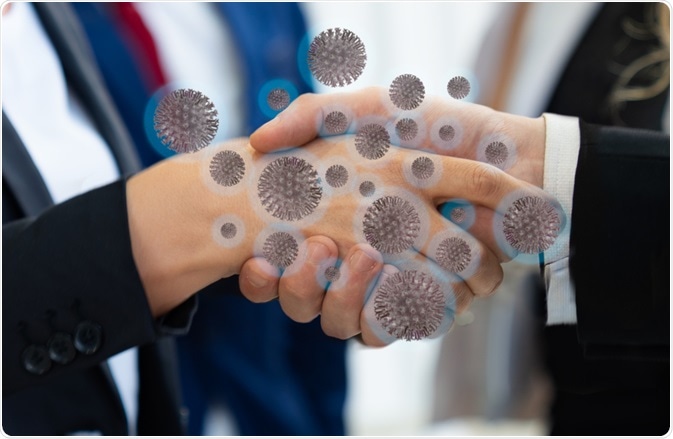
Direct Transmission
pathogen passes when physical touch occurs between an infected individual and a healthy person (ex: kissing)
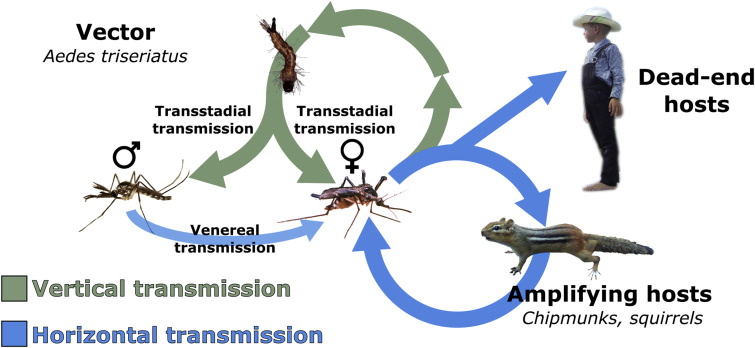
Vector transmission
a living organism that carries and transfers an infectious pathogen from an infected host to a new host

Mechanical vector transmission
when a living organism like a human or animal carries a pathogen outside of it’s body and transfers it to a new host without being infected itself

Transovarial transmission
the passing of a pathogen from an adult female vector, like a tick or a mosquito, to its offspring through the ovaries and eggs
Transplacental transmission
transfer of a pathogen, cell, or antibody from a pregnant woman to her fetus via the mother’s bloodstream

Vehicle transmission
pathogens move through contaminated inanimate or fomite object like doorknobs, computers, etc

Indirect transmission
the transfer of an infectious agent from a reservoir to a host using an intermediate object (ex: touching a doorknob while being sick)

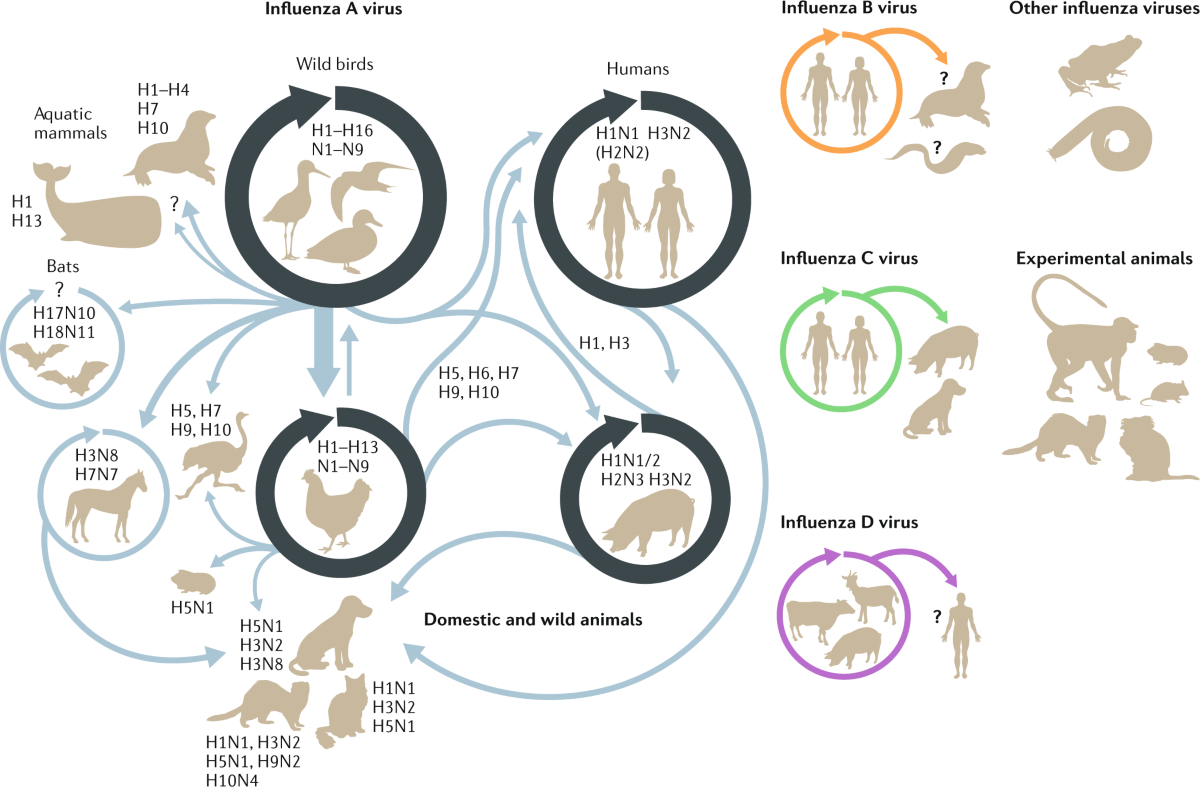
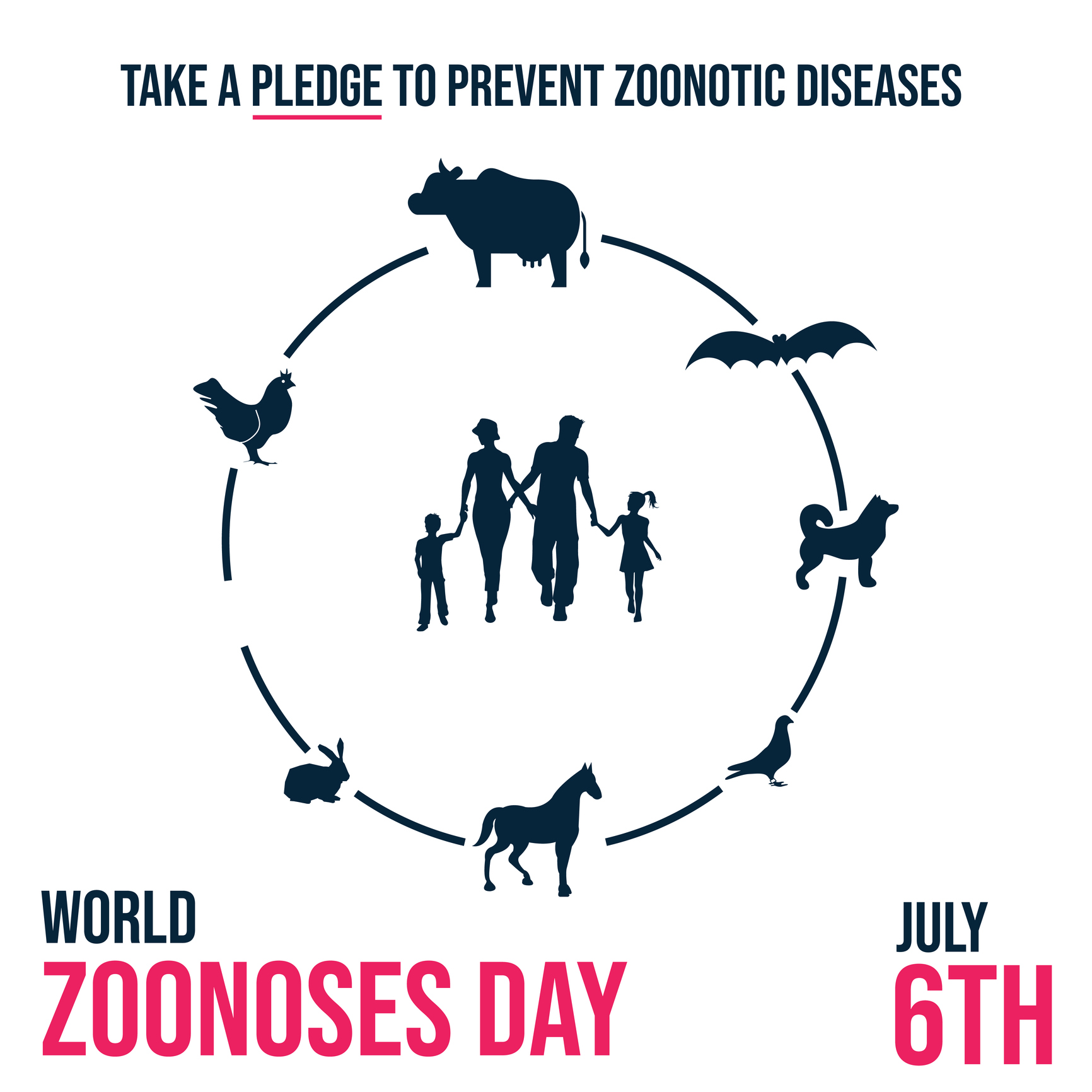
zoonotic disease
infections normally in animals but than can be transmitted to humans
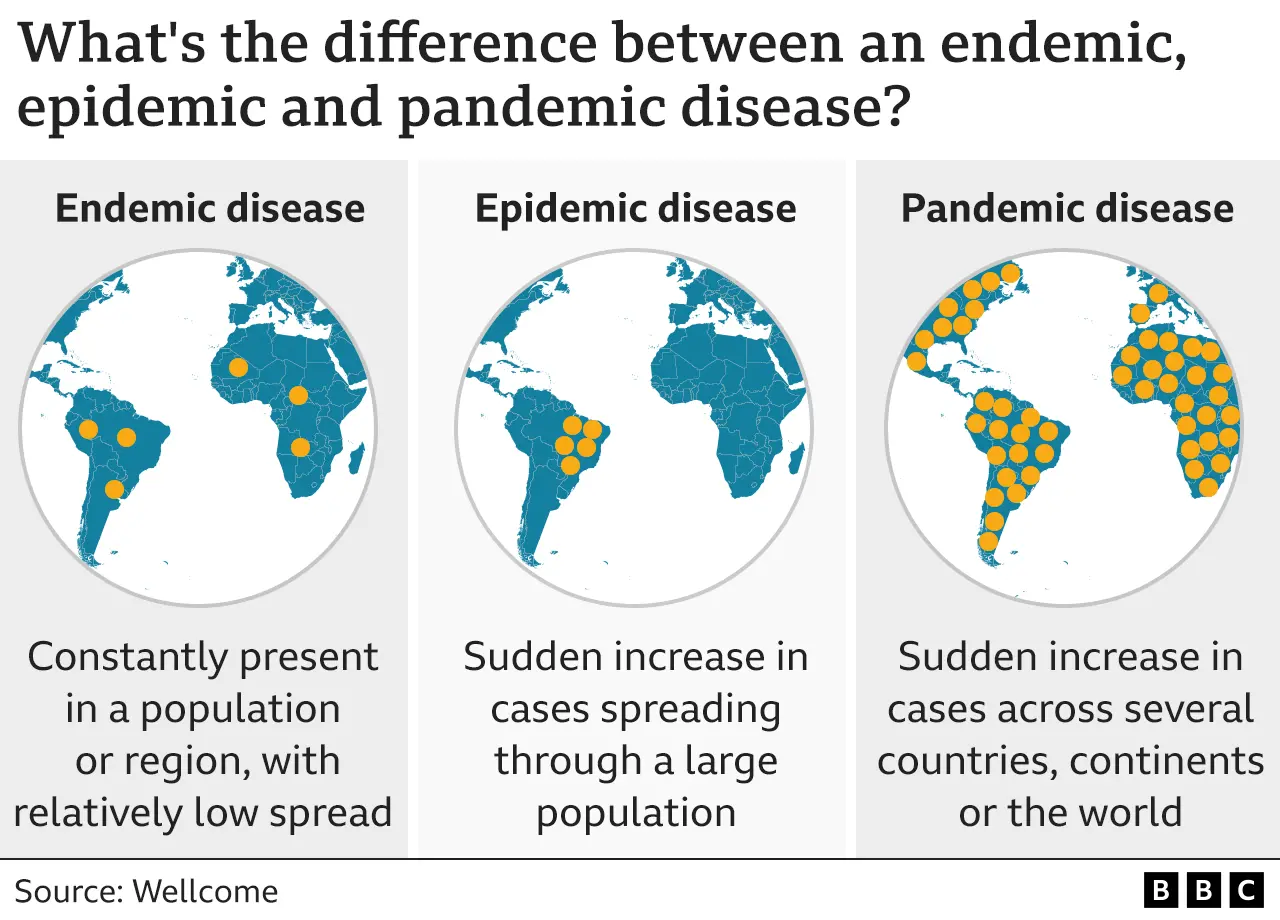
Endemic disease
always around us

Epidemic disease
more regional

Pandemic
More global, spread around the world
Contact
Bacteria on surfaces, use gloves, and diseases like C. Dif, ESBL
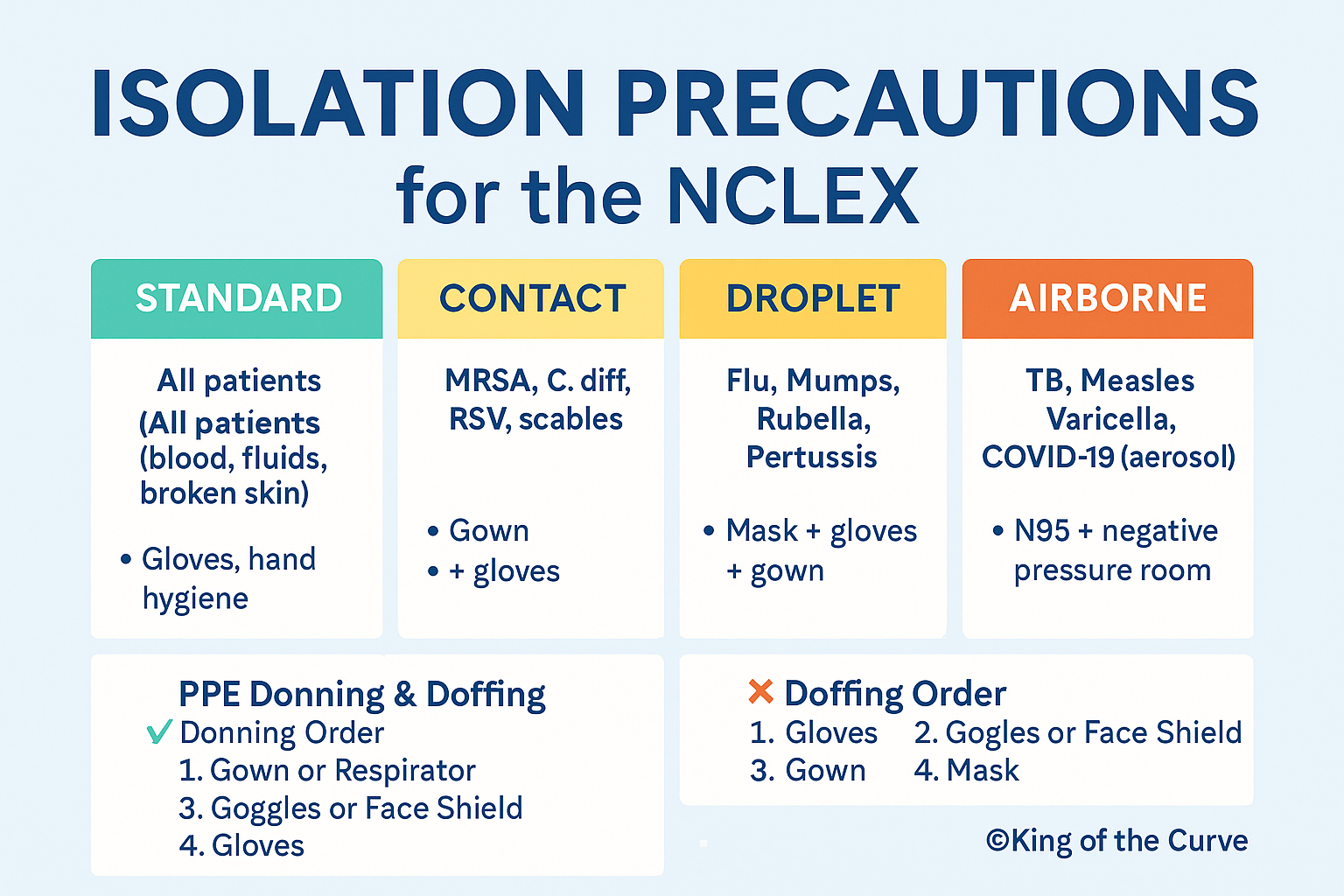
Droplets
Sneezing, surgical mask, and diseases like influenza, meningitis
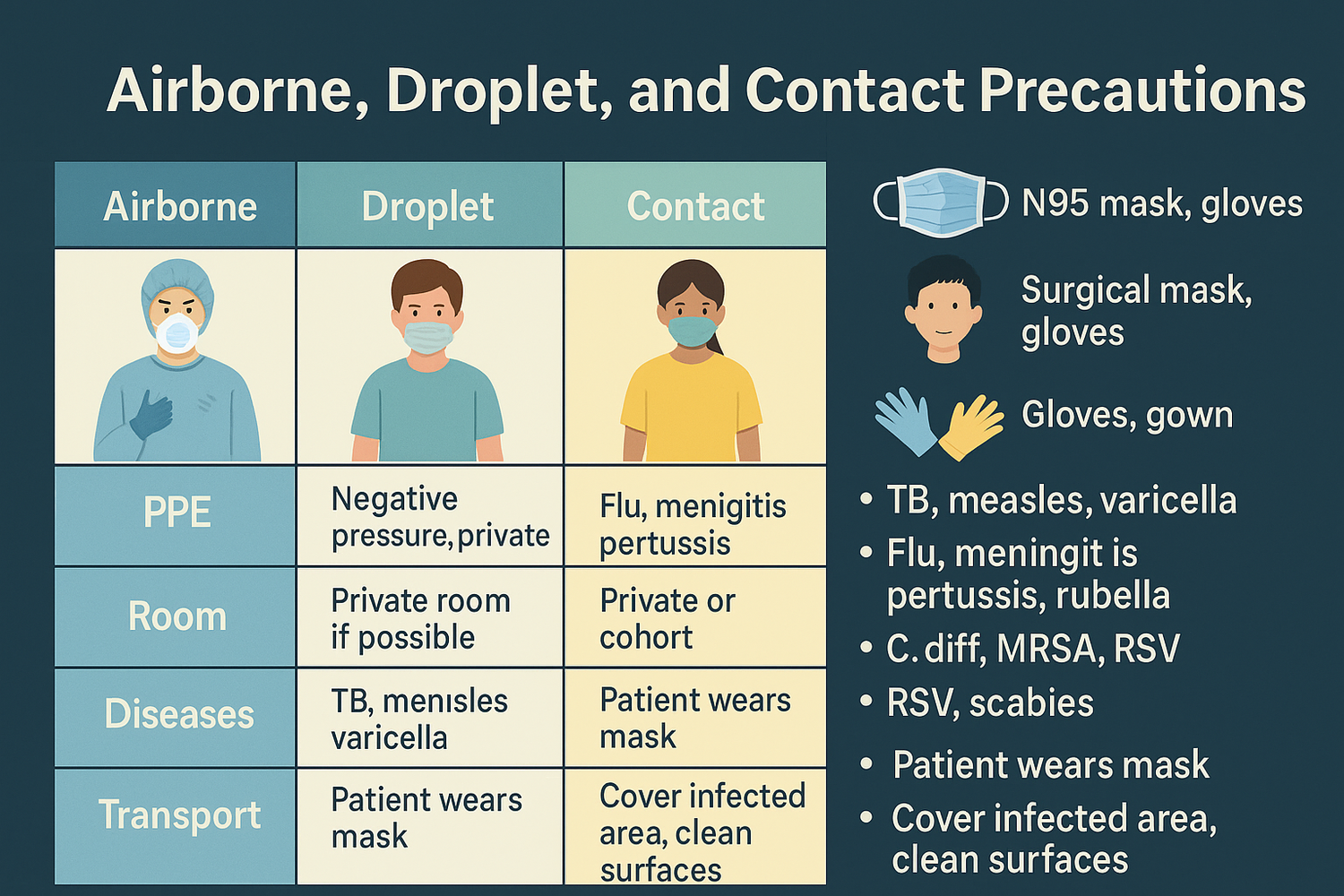
Airborne
stays in the air like smoke, N95 respirator, negative pressure room: air enters patients room and air forced suction out from the room and filter passes, positive pressure room: air enters patients room and the air inside is pushed out, which is air that is contaminated from the virus from patient

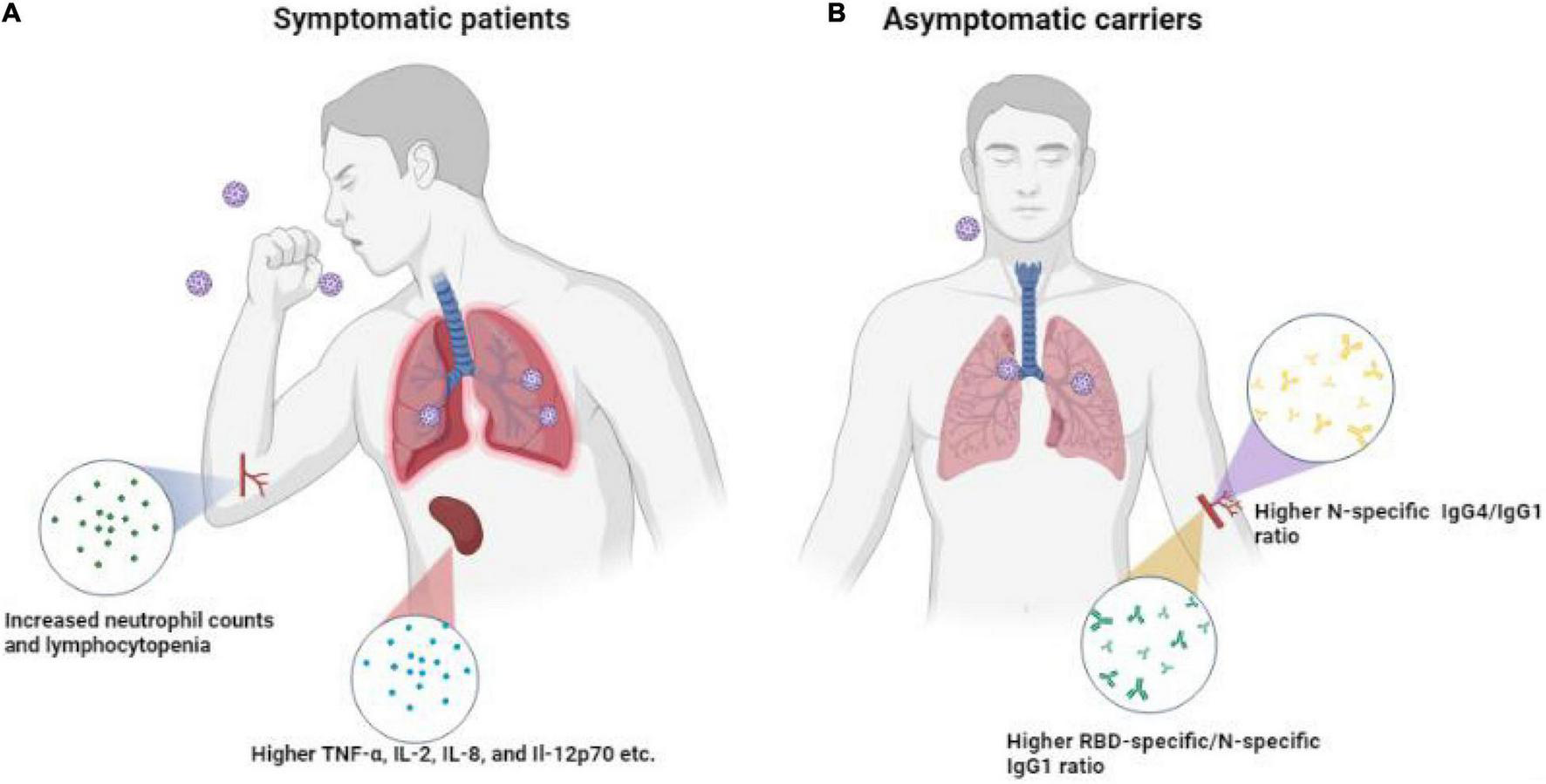
Asymptomatic carrier
contains the potential disease, but doesn’t show signs or symptoms