cytology
 Call Kai
 Learn
Learn Practice Test
 Spaced Repetition
 Match
Match Flashcards
 Knowt Play
1/20

Name | Mastery | Learn | Test | Matching | Spaced | Call with Kai | Chat |
|---|
No analytics yet
Send a link to your students to track their progress
21 Terms
nucleus
membranous organelle is largest organelle of the cell. control center of cell and contains DNA and nucleolus
ribosomes
non-membranous organelle is tiny, round, that may be free within cytoplasm or fixed on RER. production of proteins
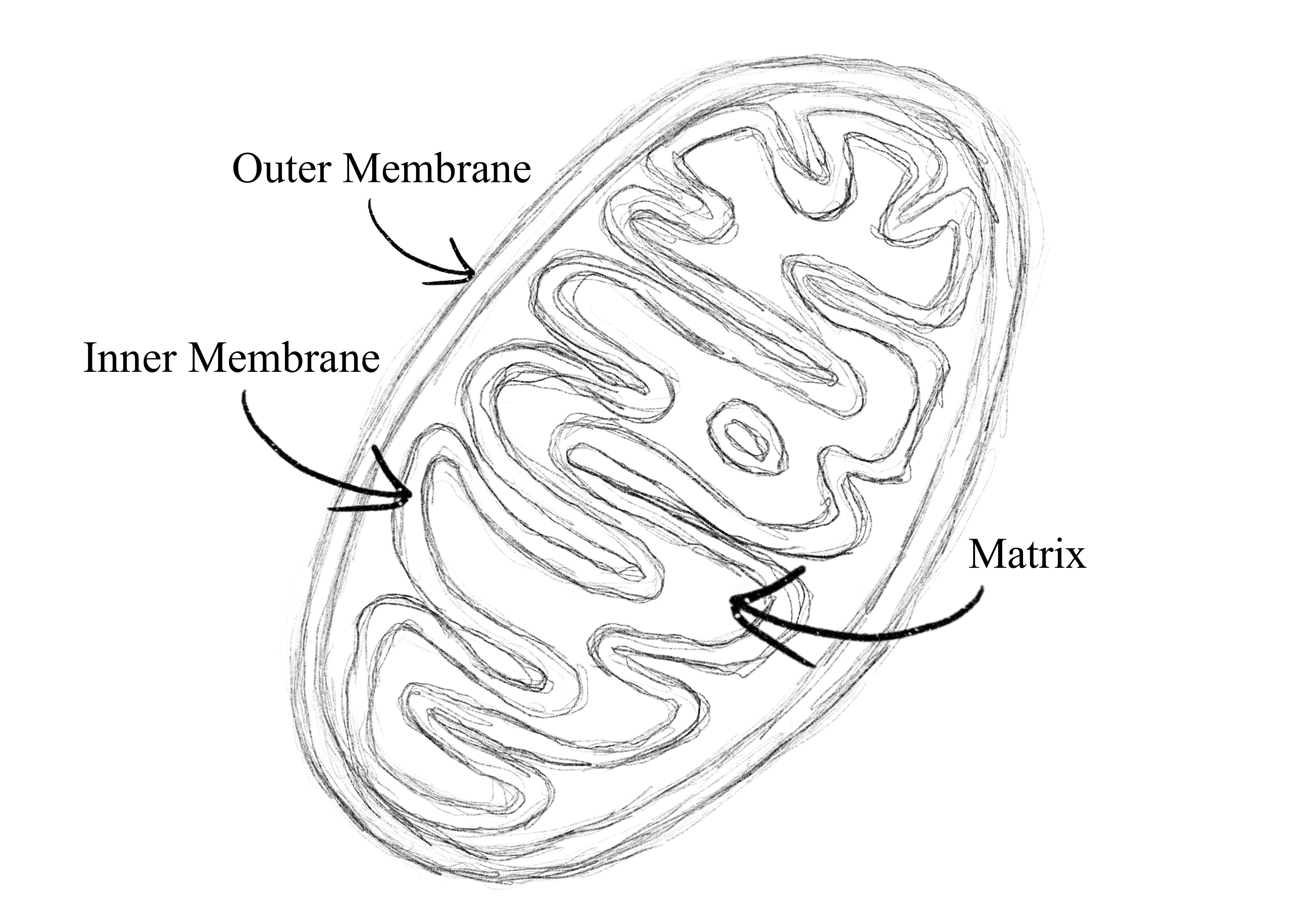
Mitochondria
double-membrane organelle is responsible for majority of production of ATP
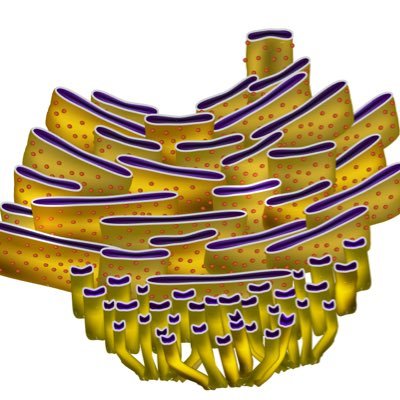
Golgi apparatus
membranous organelle consist a series of platelike discs. responsible for synthesis and packaging of glycolipids. receives proteins from ER where they are processed, packaged and exported

Rough ER
membranous organelle consists a series of tubules with ribosomes attached, which are responsible for synthesis and packaging of protein. continuous with nuclear membrane
lysosomes
membrane-bound vesicle produced by golgi apparatus. contain strong acidic digesting enzymes responsible for breakdown of damaged organelles or phagocytized pathogens

smooth ER
membraneous organelle consists of series of tubules responsible for the synthesis and packaging of lipid and steroid hormones. In muscle, it stores and releases calcium ions. continuous in nuclear membrane

cytoskeleton
non-membranous structure of the cytoplasmic framework of the cell. it consists of numerous non-membrane bound organelles(microtubules, microfilaments) that act to move substances and organelles throughout the cell’s interior. also act to move cell where it is anchored in the plasma membrane
centriole
non-membraneous organelle composed of paired cylindrical bodies composed of microtubules. responsible for chromosome movement during cell division

cillia
series of long plasma membrane extensions that have the ability to beat rhythmically to propel substances along cell surface.
microvilli
series of tiny plasma membrane extensions used to increase cell’s surface area for absorption
peroxisomes
membranous organelle is a membrane bound-vesicle that contains oxidative enzymes that function to breakdown fatty acids and enthanol.
passive process
no ATP used by cell; concentration dependent (high conc. to low conc.)
diffusion
passive molecular movement from an area of high conc. to low conc. by kinetic thermal energy.
small lipid-soluble through lipid bilayer
small h2o- soluble through protein channels
facilitated diffusion
passive movement of a substance across a plasma membrane via protein carrier down concentration gradient
osmosis
movement of water across semipermeable membrane toward a solution containing a relatively high solute concentration.
filtration
dissolved solutes move across membrane by external mechanical forces
Active process
atp required, not concentration dependent
active transport
substances transported via membrane carrier protein against concentration gradient. requires ATP
endocytosis
movement of large volumes of extracellular material into the cytoplasm via formation of membranous vesicle at the cell surface.
exocytosis
ejection of cytoplasmic materials by fusion of membraneous vesicle with the plasmamembrane