Comprehensive Guide to Cold, Allergic, and Cough Medications: Antihistamines, Decongestants, and Antitussives
 Call Kai
 Learn
Learn Practice Test
 Spaced Repetition
 Match
Match Flashcards
 Knowt Play
1/44

There's no tags or description
Looks like no tags are added yet.
Name | Mastery | Learn | Test | Matching | Spaced | Call with Kai | Chat |
|---|
No analytics yet
Send a link to your students to track their progress
45 Terms
What is the typical cause of the common cold?
Viral infection
What symptoms are caused by the common cold?
Excess mucus, inflammation, post-nasal drip, sore throat, cough, nausea, sneezing, and nasal congestion.
What is the primary treatment approach for the common cold?
Symptomatic treatment, not curative.
What did the FDA recommend regarding OTC cough and cold products for children?
They should not be given to children younger than 2 years of age.
What are some pediatric concerns associated with OTC cough and cold medications?
Oversedation, seizures, tachycardia, and even death in toddlers.
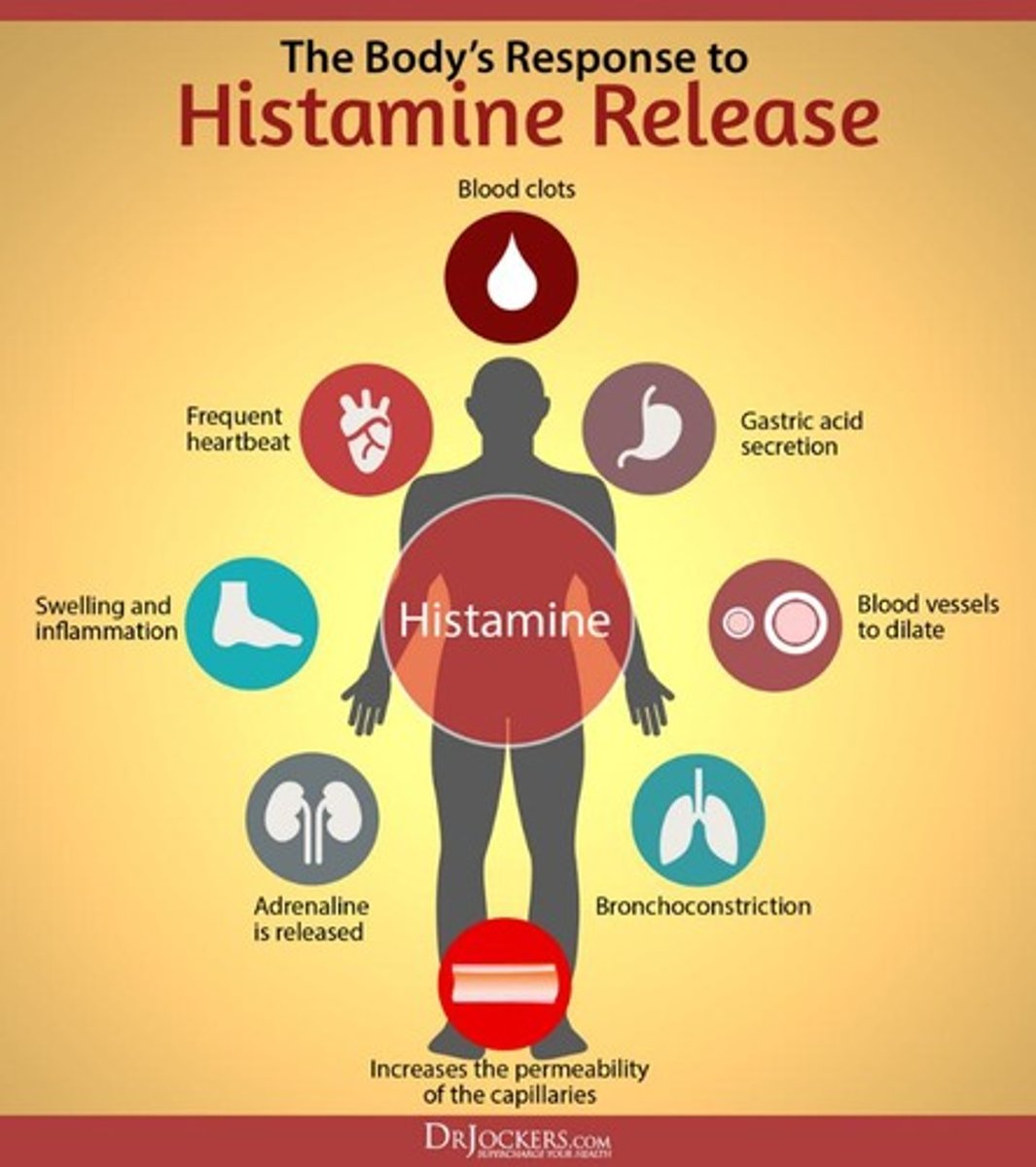
What is histamine?
A major inflammatory mediator in many allergic disorders.
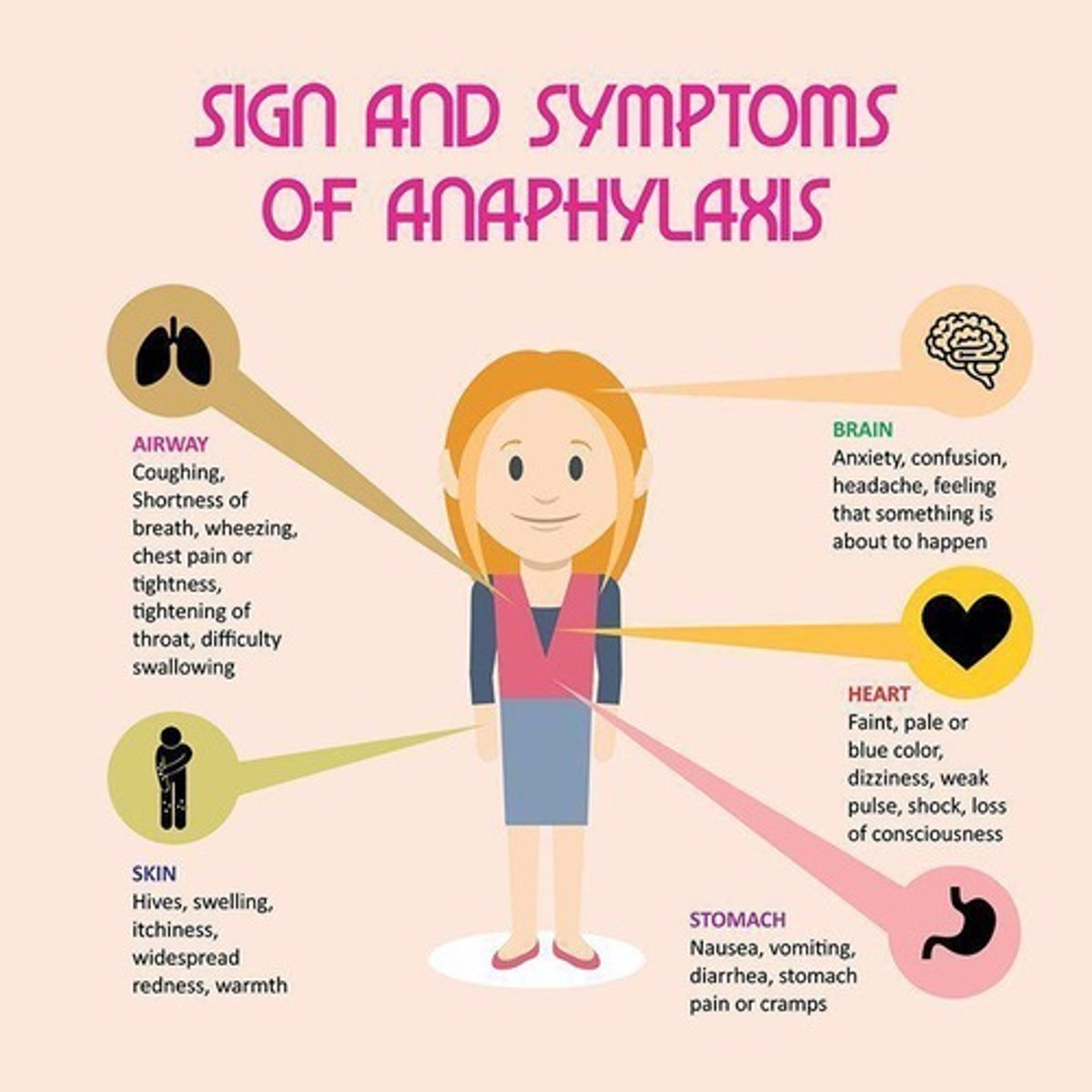
What severe allergic reaction can result from excessive histamine release?
Anaphylaxis.
What are antihistamines also known as?
H1 blockers or H1 antagonists.
What is the mechanism of action of antihistamines?
They compete with histamine for specific receptor sites.
Name an example of a traditional sedating antihistamine.
Diphenhydramine (Benadryl).
What is the duration of action for diphenhydramine?
Approximately 4 hours.
What are nonsedating antihistamines developed to do?
Eliminate unwanted sedation.
Name a nonsedating antihistamine.
Loratadine (Claritin).
What are common indications for antihistamines?
Nasal allergies, seasonal allergic rhinitis, allergic reactions, Parkinson's disease, sleep aid, and common cold symptoms.
What are some contraindications for antihistamines?
Known drug allergy, narrow-angle glaucoma, cardiac disease, hypertension, and cautious use in pregnancy.
What are common adverse effects of antihistamines?
Dry mouth, difficulty urinating, constipation, changes in vision, and drowsiness.
What should patients be instructed to do if they experience dry mouth from antihistamines?
Perform frequent mouth care, chew gum, or suck on hard candy.
What nursing implications should be considered when administering antihistamines?
Gather data about the condition, instruct patients to report excessive sedation, and monitor for therapeutic effects.
What should be avoided when taking antihistamines?
Driving or operating heavy machinery, and consuming alcohol or other CNS depressants.
How should antihistamines be taken to reduce GI upset?
Best tolerated when taken with meals.
What are the three groups of decongestants?
Adrenergics, Anticholinergics, and Topical Corticosteroids.
What is the primary action of adrenergic decongestants?
They stimulate the sympathetic nervous system to reduce nasal congestion.
What is a common oral decongestant?
Pseudoephedrine (Sudafed).
What is a potential side effect of prolonged use of nasal decongestants?
Rebound congestion (rhinitis medicamentosa).
Which nasal decongestant is an example of a topical adrenergic?
Oxymetazoline (Afrin, Zicam).
What is the mechanism of action for nasal decongestants?
They shrink engorged blood vessels surrounding nasal sinuses, allowing secretions to drain.
What are common contraindications for decongestants?
Drug allergy, narrow-angle glaucoma, uncontrolled cardiovascular disease, diabetes, and hyperthyroidism.
What are the adverse effects of adrenergic decongestants?
Nervousness, insomnia, palpitations, and tremors.
What is the purpose of antitussives?
To stop or reduce coughing, especially for nonproductive coughs.
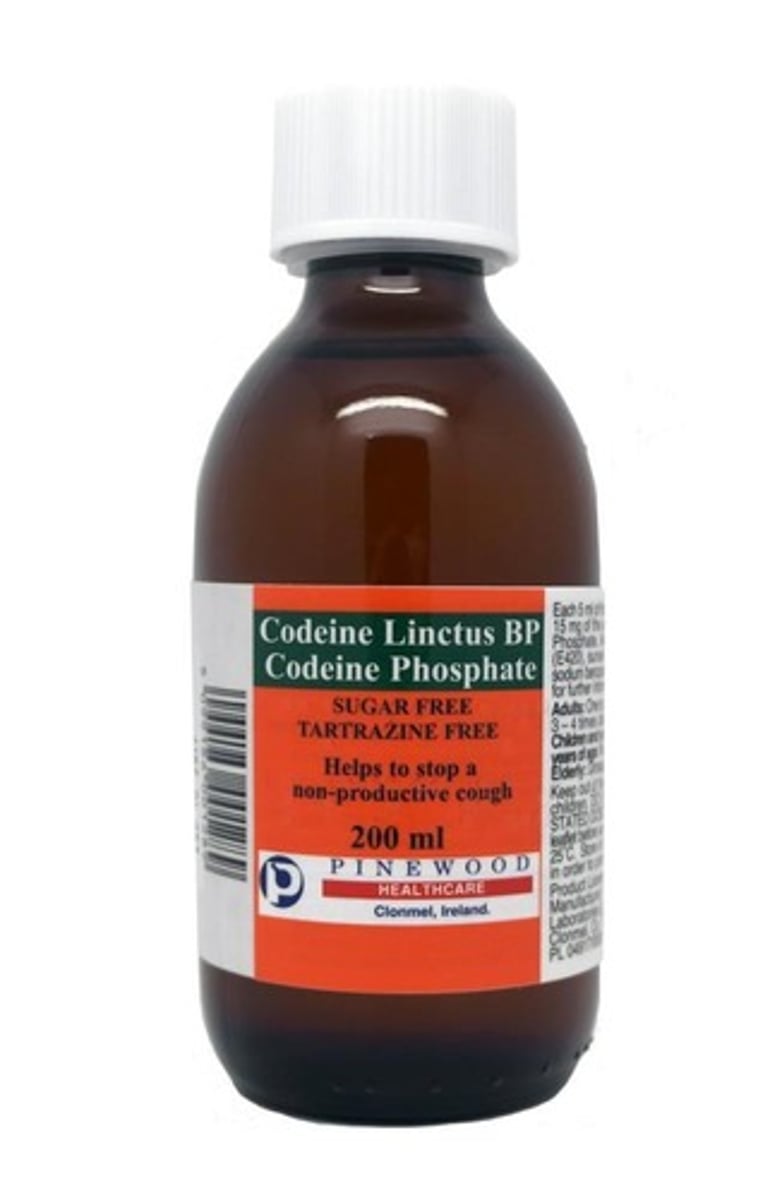
What is a common opioid antitussive?
Codeine.
What is the mechanism of action for non-opioid antitussives like Dextromethorphan?
They suppress the cough reflex in the medulla oblongata.
What are common side effects of antitussives?
Sedation, nausea, vomiting, and dizziness.
What should patients taking expectorants be advised to do?
Increase fluid intake to help loosen secretions.
What is the mechanism of action for expectorants like Guaifenesin?
They stimulate secretory glands to increase respiratory tract fluids for mucus clearance.
What is a key nursing implication for administering antitussives?
Assess for respiratory and cough assessment and allergies.
What type of cough is characterized as nonproductive?
A dry cough that does not produce mucus.
What type of cough is characterized as productive?
A congested cough that removes excessive secretions and harmful substances.
What is the only intranasal anticholinergic drug mentioned?
Ipratropium (Atrovent).
What should patients report while taking decongestants?
Fever, cough, or other symptoms lasting longer than one week.
What is the role of topical corticosteroids in nasal decongestion?
They are used to reduce nasal swelling and inflammation.
What is a common adverse effect of benzontatate?
Dizziness, headache, and sedation.
What is the main concern when using dextromethorphan at high doses?
It can cause euphoria and hallucinations.
What should be monitored when administering cough medications?
Intended therapeutic effects and any adverse reactions.
What is the best choice for a patient with a severe dry cough and confusion?
Benzonatate capsules.
What is the best choice for a patient with thick, dry secretions and pneumonia?
Guaifenesin.