Cell Biology and Genetics Exam 3
 Call Kai
 Learn
Learn Practice Test
 Spaced Repetition
 Match
Match Flashcards
 Knowt Play
1/116

There's no tags or description
Looks like no tags are added yet.
Name | Mastery | Learn | Test | Matching | Spaced | Call with Kai | Chat |
|---|
No analytics yet
Send a link to your students to track their progress
117 Terms
cell cycle
interphase → mitosis or meiosis → cytokinesis
sister chromatids
half of a chromosome
homologous chromosomes
same trait, different allele
non-homologous chromosomes
different traits
locus
a gene’s location on a chromosome
haploid
half of a set of chromosomes
diploid
one set of chromosomes
human chromosomes
humans contain 23 pairs of chromosomes
22 pairs of autosomes
1 pair of sex chromosomes
sex chromosome
X = female, 1,100 genes
Y = male, 450 genes
female is better for survival
heredity
transmission of traits from one generation to the next
trait
a variant of a character
character
a heritable feature that varies among individuals
genetics
study of heredity
karyotype
chromosomal make-up
mitosis vs meiosis
mitosis produces diploid cells (one division, somatic cells)
meiosis produces haploid cells (two divisions, gametes)
sperm and oocyte anatomy
zona pellucida egg membrane provides protection
only head of sperm penetrates membrane to form zygote
sexual reproducing organism
in animals, only gametes are haploid
plants and some algae have haploid multicellular stage
fungi and some protist primarily have haploid unicellular stage
prophase I
mitotic spindle forms, chromosomes condense, and nuclear envelope disappears
crossing over occurs at chiasmata (location where non-sister chromatids intersect)
microtubules (centrosome) attach to kinetochores at centromere
metaphase I
chromosomes line up on metaphase plate
chromatids of one homologous pair is attached to microtubules on one pole, chromatids of other homolog is attached to microtubules at opposite pole
anaphase I
proteins that hold homologous chromosomes together are degraded and homologous chromosomes are pulled to opposite poles
telophase I
nucleus divides, nuclear envelope reappears, spindles disappear
cytokinesis I
cytoplasm divides
prophase II
(meiosis)
mitotic spindle forms, chromosomes condense, and nuclear envelope disappears
microtubules (centrosome) attach to kinetochores at the centromere
no crossing over occurs at this point
metaphase II
(meiosis)
chromosomes line up on metaphase plate
due to crossing over, sister chromatids aren’t identical
anaphase II
breakdown of proteins that hold sister chromatids together
sister chromatids separate and are pulled to opposite poles
telophase II and cytokinesis II
(meiosis)
nuclear envelope reappears, chromosomes become less condense and microtubules disassemble
egg meiosis
egg arrests in prophase I after birth
after puberty, egg completes meiosis and arrests in metaphase II
after fertilization, egg completes meiosis II
non-disjunction
causes aneuploidy
chromosomes fail to properly separate
Ex: Trisomy 21 - chromosome 21 fails to properly separate = Down Syndrome
in sex-chromosomes: Turner syndrome (X), Klinefelter’s syndrome (XXY), Jacob syndrome (XYY)
aneuploidy
the occurrence of one or more extra or missing chromosomes in a cell or organism
factors that create genetic variation
crossing over- creates recombinant chromosomes
independent assortment- creates different combinations of genetic material in gametes
random fertilization- creates different combinations of zygotes
crossing over and synapsis process
homologous chromosomes align precisely (corresponding genes match up). DNA of non-sister chromatids is broken by specific proteins
synaptonemal complex holds homologous chromosomes (sister chromatids) tightly together, chromosomes now in synapsis
broken ends are fixed by joining segment of sister chromatid from homologous chromosome
synaptonemal complex dissembles and chromatids begin moving toward metaphase plate
independent assortment
chromosomes (and by extension alleles) are sorted into gametes independently of other genes
genotype
genetic makeup
phenotype
physical makeup
allele
different versions of gene
heredity
transmission of traits from one generation to the next
trait
a variant of a character
character
a heritable feature that varies among individuals
genetics
study of heredity
Lamarck inheritance
acquired traits can be inherited
Jean Baptiste Lamarck (1744-1829)
long neck giraffe
Mendelian inheritance
Gregor Mendel (1822-1884) conducted pea plant experiments to gather evidence to show how traits are inherited
determined dominant traits are expressed over recessive traits
determined organisms only inherit two copies of a gene
P generation (parental generation), F1 generation (parental generation offspring), F2 generation (F1 generation offspring)
true-breeding (homozygous for specific alleles)
law of segregation
alleles are present for each trait and segregate during division
law of independent assortment
the inheritance of one character has no impact on the inheritance of another character
common complete-dominance recessive disorders
sickle cell
cystic fibrosis
Tay-Sachs
common complete-dominance dominant disorders
Huntington’s disease
autosomal dominant polycystic kidney disease
osteopetrosis
exceptions to Mendelian inheritance
Mendel stated dominant alleles mask recessive alleles for a given trait. Except:
incomplete dominance
codominance
epistasis
polygenic inheritance
epigenetic inheritance
incomplete (partial) dominance
Carl Correns (1864-1933)
snap dragon experiment
the intermediate phenotype of two traits
incomplete dominance in humans
humans have a straight hair allele and a curly hair allele, people who inherit both alleles have wavy hair
straight hair - homozygous; incomplete dominant
curly hair - homozygous; incomplete dominant
wavy hair - heterozygous; a mix (straight and curly)
codominance
two traits are equally dominant, therefore both are present
ex: calico cats - multiple colors are expressed
ex: AB blood type (O is recessive)
epistasis
one gene influences the phenotype produced by another gene
ex: Labradors - black is dominant to brown; pigment is only deposited if pigment localization protein is present (if not = yellow)
polygenic inheritance
traits are controlled by two or more genes
skin color
epigenetic inheritance
traits are influenced by environment
challenges ideal genetic makeup is 100% a mixture of parent’s DNA
ex: variations in identical twins
sex-linked traits
X chromosome = female chromosome (1,100 genes)
Y chromosome = male chromosome (450 genes)
sex-linked conditions
men primarily inherit sex-linked traits because they lack extra X to mask recessive traits
ex: Duchenne Muscular Dystrophy; Hemophilia; Color Blindness
Duchenne Muscular Dystrophy
muscles deteriorate as a result of essential muscle proteins
Hemophilia
blood unable to form clots, due to defects in platelets
multiplication rule in determining probability
multiply probability of two independent events occurring at the same time (or from the same sample group at different times)
addition rule in determining probability
add probability of two mutually exclusive events
chromosomal theory of inheritance
genes have specific locations (loci) on chromosomes, that undergo segregation and independent assortment
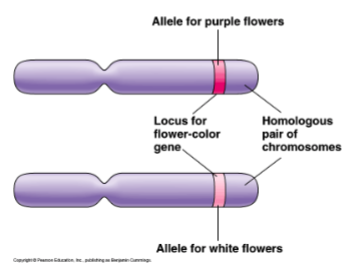
genes in the human body
each chromosome contains hundreds/thousands of genes
model organism
an organism extensively studied to understand different biological processes and how these biological processes work across a wide range of species
cost, reproducibility, manipulability
ex: rat, mouse, fruit fly
Thomas Morgan
provided the first piece of evidence that suggested specific genes correspond with specific chromosomes
Drosophila melanogaster (fruit fly) - crossed red eyes until found white eyed fly; crossed white eyed and red eyed, all F1 progeny had red eyes; crossed F1 and found 3:1 red to white eye ratio in F2
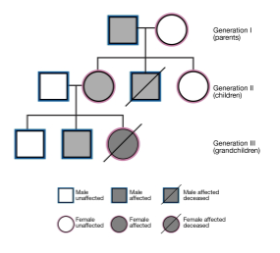
family pedigree
helps to determine genetic family lineage; used in genetic tracing studies
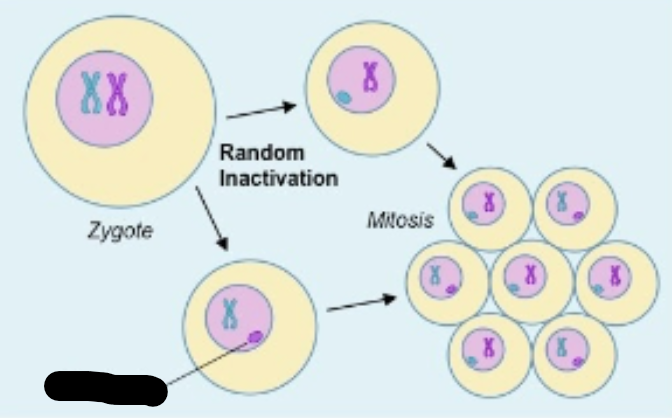
Barr bodies
female mammals have one X-chromosome inactivate (becomes heterochromatin)
random in each individual cell (either X)
law of independent assortment
suggests alleles for one trait do not influence the inheritance for an allele of another trait
Mendel
Thomas Morgan exceptions
linked genes
sit close together on a chromosome, making them likely to be inherited together
genes on separate chromosomes are never linked
not all genes on a chromosome are linked
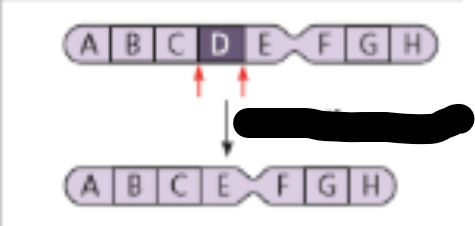
deletion
(chromosome alteration)
loss of chromosome fragment
ex: Prader-Willi and Angelman Syndromes
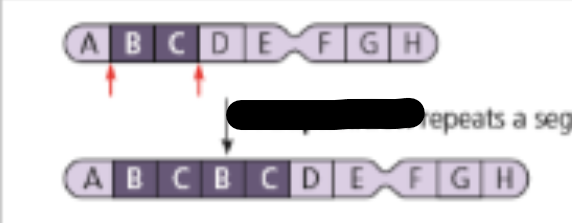
duplication
(chromosome alteration)
portions of chromosome are copied
ex: Charcot Marie Tooth Disease
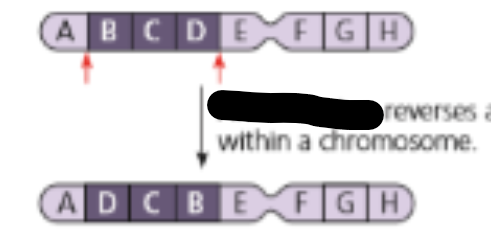
inversion
(chromosome alteration)
portions of chromosome locations are switched
ex: Walker-Warburg Syndrome
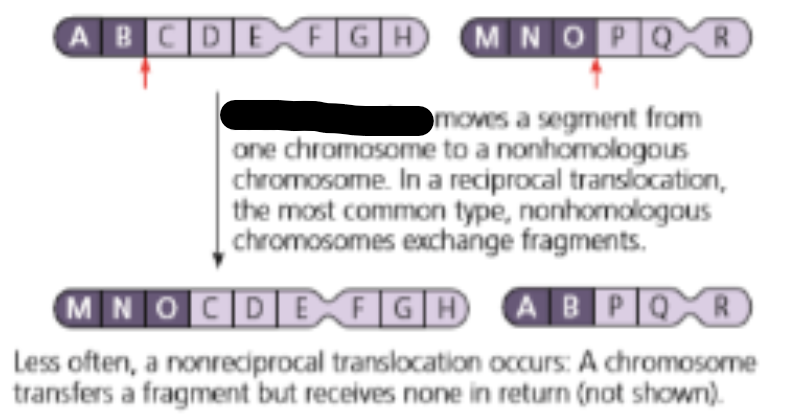
translocation
(chromosome alteration)
portions of one chromosome move to another chromosome
ex: Emmanuel Syndrome
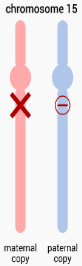
Prader-WIlli Syndrome
chromosomal deletion on the paternal copy of chromosome 15
symptoms: hypogonadism, hyperphagia, obesity, intellectual disabilities, etc.
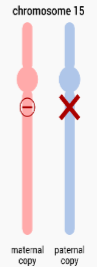
Angelman Syndrome
chromosomal deletion on the maternal copy of chromosome 15
symptoms: ataxia, uncontrolled laughing and smiling, seizures, minimal speech, etc.
Charcot Marie Tooth Disease
chromosomal duplication on chromosome 17
symptoms: defects in motor and sensory neurons; arched foot
Walker-Warburg Syndrome
a condition caused by an inversion on chromosome 9
most severe of the muscular dystrophies - impacts brain, eye, and muscle development
life expectancy = 3 years
Emmanuel Syndrome
a condition caused by chromosome translocation
symptoms: hypotonia, delayed growth, small jaw, microcephaly
mitochondrial DNA (mtDNA) defects
primarily affect muscle and nervous tissue
mitochondrial myopathy
Leber’s heredity optic neuropathy
anaphase
chromosomes pulled apart
gametes
egg and sperm
HeLa Cells
human cells used for research
zygote
sperm fertilized egg
cytokinesis
cytoplasm divides
binary fission
how bacteria are produced
heredity
transmission of traits from one generation to the next
hemophilia
one of the sex-linked traits
telomere
end of chromosome
mitosis
process needed to replace somatic cells
Turner Syndrome
a single X syndrome
locus
the location of a gene on a chromosome
pea plant
focal species of Mendel’s research
phenotype
physical makeup
centrosome
organize microtubules
epistasis
one gene directly impacts another
codominant
AB blood type
haploid
half of a chromosome set
interphase
G1 - S - G2
diploid
one set of chromosomes
genetics
the study of heredity
partial
intermediate phenotype
gene
a coding region of DNA
Duchenne Muscular Dystrophy, Hemophilia, Color Blindness
name 3 X-linked traits discussed in class