plants: feed the world
 Call Kai
 Learn
Learn Practice Test
 Spaced Repetition
 Match
Match Flashcards
 Knowt Play
1/33

Earn XP
Description and Tags
brown: root system, green: shoot system
Name | Mastery | Learn | Test | Matching | Spaced | Call with Kai | Chat |
|---|
No analytics yet
Send a link to your students to track their progress
34 Terms
root hairs
absorb nutrients and water which are sent through the tip of the plant's root
roots
take in water and nutrients and anchor the plant
xylem tubes
water and minerals are transported through here to the stem
phloem tubes
glucose from the leaves flows down
root cap
protects the growing root
root vegetables
radishes, carrots, fennel, beets, turnips and parsnip
vascular bundle
contains xylem and phloem tubes surrounded by cambium cells
phloem tubes
carry glucose from the leaves, up and down the plant. thin walls
xylem tubes
carry water and minerals up from the roots. thick walls
stems
support leaves, flowers, and fruits as well as transporting substances
stem vegetables
celery, rhubarb, chives, asparagus and leek
photosynthesis
produces simple sugars (glucose) that the plant will then use as fuel

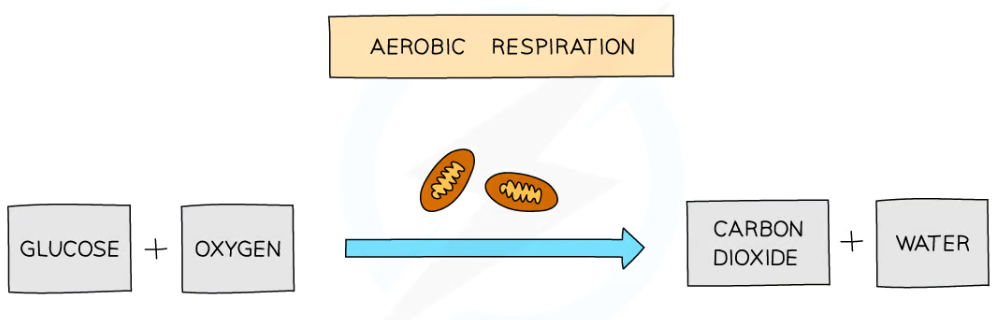
respiration
an exchanging of gases; turns the glucose into energy
stomata
allows gases to enter the leaf cells
chloroplasts
the organelle where photosynthesis occurs
epidermis
upper skin of the leaf
guard cells
help to regulate the rate of transpiration by opening and closing the stomata
leaf vegetables
kale, spinach, cabbage, parsley, mint and celery
flowers
reproductive organs for flowering plants; generally have a male and female organ part
carpel
the female reproductive organs; contains the stigma, style, ovary and ovule
stigma
sticky - helps to collect pollen
style
a tube that connects the stigma and ovary and where the pollen descends
ovary
protects the ovule
ovule
plant structure that develops into a seed when fertilised
stamen
the pollen producing part of the flower; male reproductive organ
anther
contains the pollen
filament
the stalk that supports the anther
petals and sepals
protect the outside of the flower bud and attract pollenators
recepetacal and stem
connect the flower to the rest of the plant
flower vegetables
broccoli, viola, artichoke, cloves and nasturtium