MHHS 1002 Exam
 Call Kai
 Learn
Learn Practice Test
 Spaced Repetition
 Match
Match Flashcards
 Knowt Play
1/75

There's no tags or description
Looks like no tags are added yet.
Name | Mastery | Learn | Test | Matching | Spaced | Call with Kai | Chat |
|---|
No analytics yet
Send a link to your students to track their progress
76 Terms
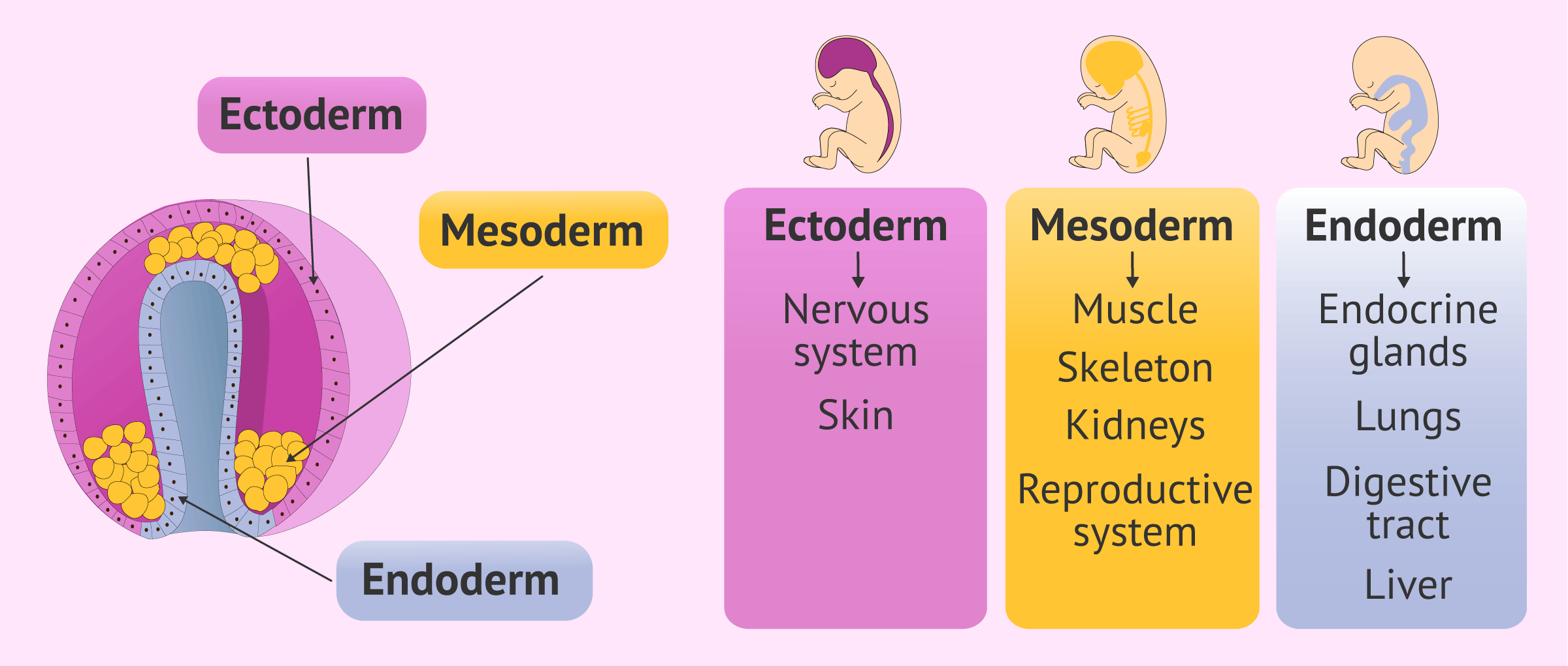
Which structures do the mesoderm give rise to
musculoskeletal system, lymphatic system, cardiovascular system, urogenital system, deep layers of skin (dermis), connective tissues
Mast cells
Specialized white blood cells that act as immune system alarms
Inflammatory responses (resident)
Defend against pathogens and parasites
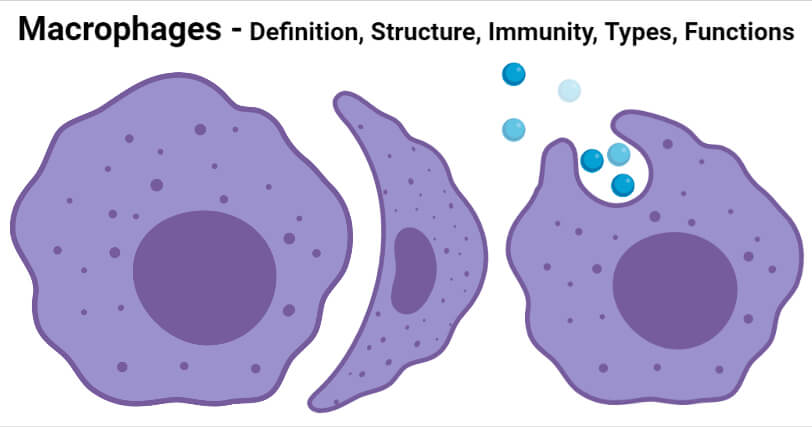
Macrophages
Wandering immune cells
First line of defense
Body’s primary cleanup crew
Adipocytes
Building blocks of fat tissue
Stores energy
Fibroblasts
Most abundant resident cell type in connective tissue
Primary cells of connective tissue
Secrete fibers and ground substance
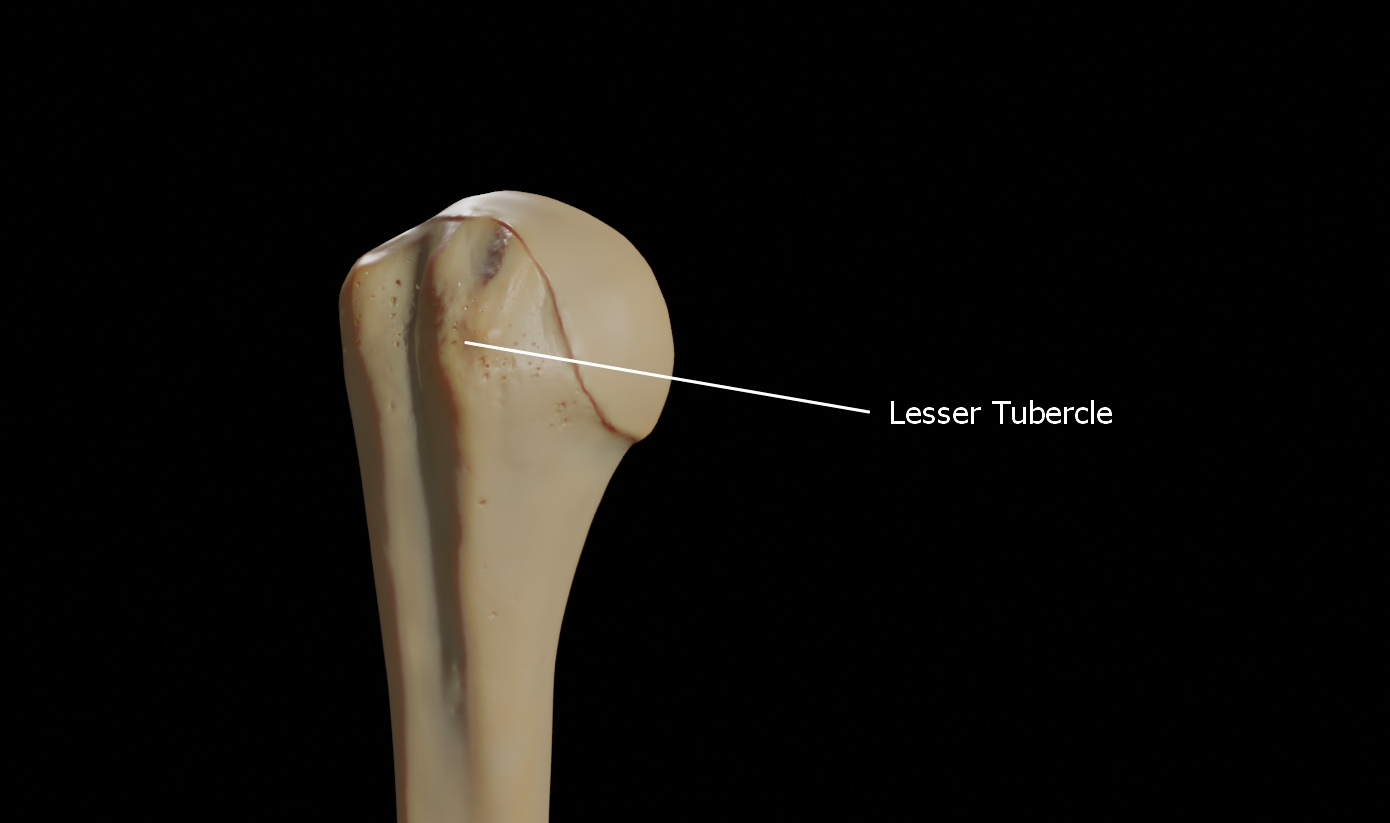
Tubercle
Small rounded projection on a bone
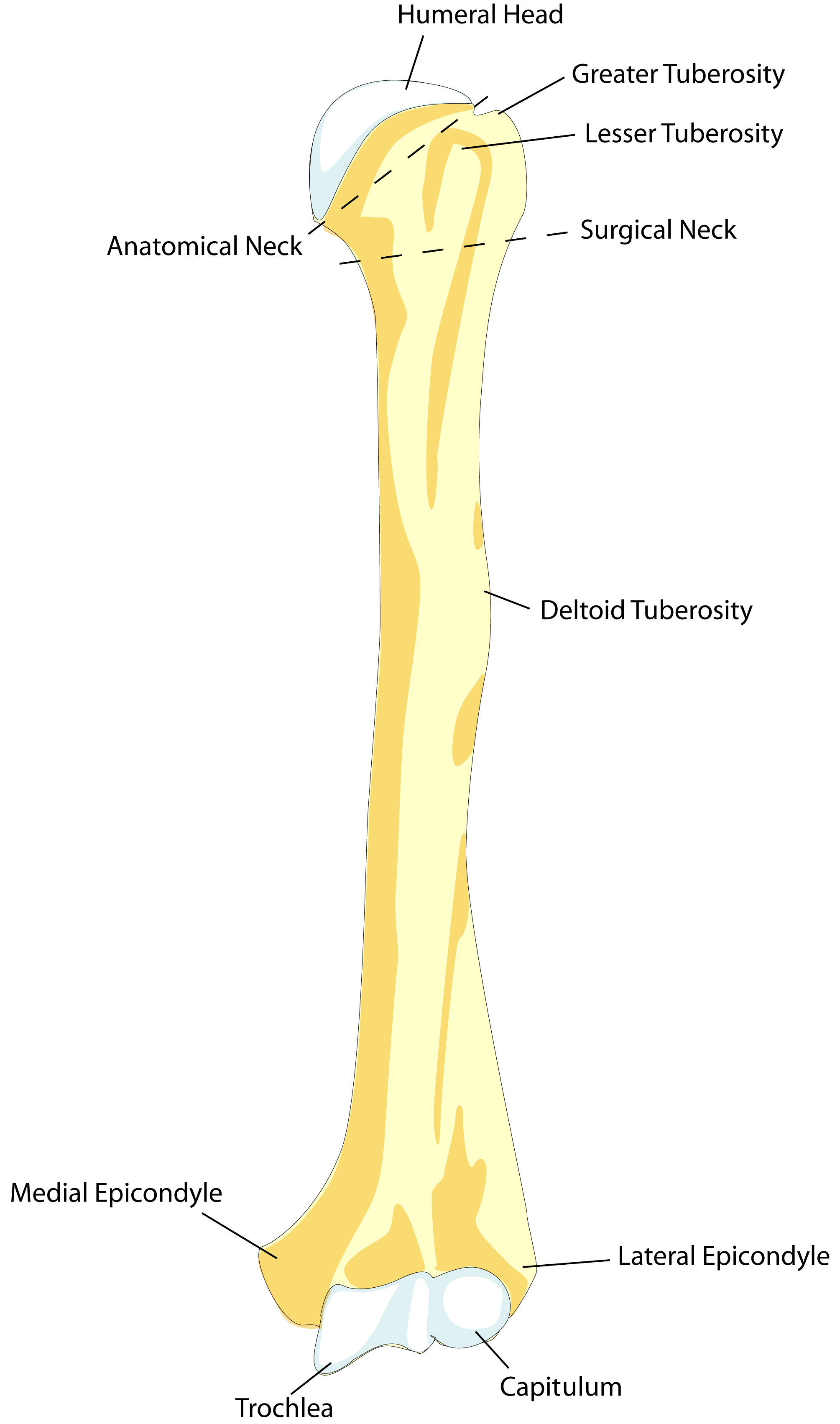
Tuberosity
Large rounded projection on a bone
Fossa
Shallow depression in a bone
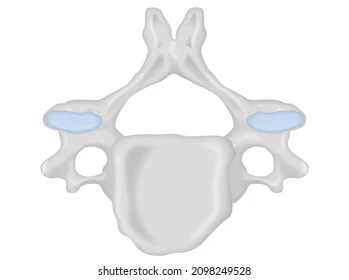
Cervical vertebrae
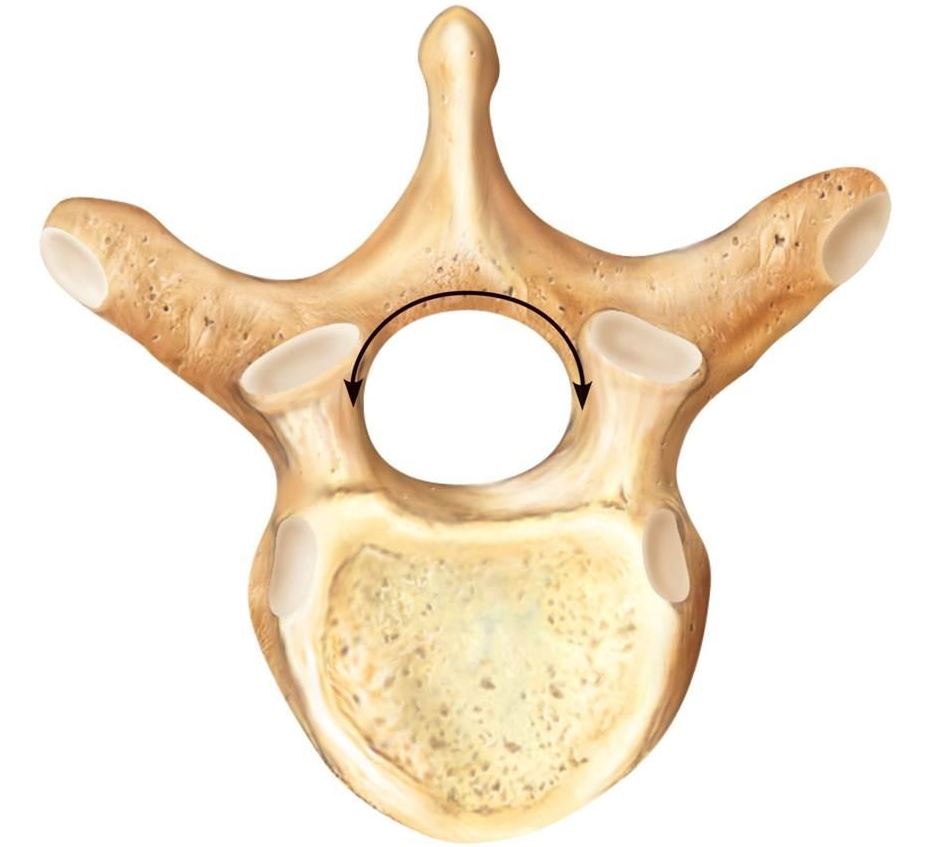
thoracic vertebrae
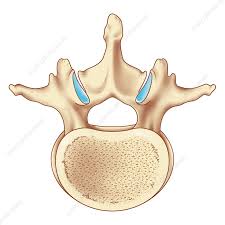
Lumbar vertebrae
Epiphysis
Rounded edge/tip of a long bone
Diaphysis
Midsection/shaft of long bone
Metaphysis
Narrow portion of long bone between epiphysis and diaphysis
Perimysium
Sheath of dense, irregular connective tissue that binds groups of individual muscle fibers into bundles known as fascicles
Epimysium
Layer of dense irregular connective tissue that envelops the entire skeletal muscle
Filum terminale
Extension of pia mater that anchors the spinal cord to coccyx
Extends from conus medullaris
Denticulate ligament
Extensions of pia matter that attach spinal cord to dura matter
Ligamentum flavum
Connect laminae of adjacent vertebrae
Conus medullaris
Cone-shaped ending of spinal cord
Conductive zone of respiratory system
Carries air into and out of lungs
Nose, pharynx, larynx, trachea, bronchus, bronchioles, terminal bronchioles
Respiratory zone of respiratory system
Site of gas exchange
Respiratory bronchioles, alveolar ducts, alveolar sacs, alveoli
Haustra
Small, segmented pouches found in colon
Churns chyme
By churning contents, it slows down passage of waste, allowing body to absorb vital water and electrolytes from stool
Liver
Produces bile
Gallbladder
Stores and concentrates bile
Spleen
Filters blood
Pancreas
Produces pancreatic juice: digestive enzymes (lipase, amylase) and hormones (insulin)
Nephron
Fundamental filtering unit of kidneys
Composed of simple cuboidal epithelium
Filters blood, removing waste, regulating water and electrolyte balance
Corpora cavernosa
Paired columns of spongy, erectile tissue that run length of the top and sides of penis
Continuous with crura (root)
Penile glans
Dilated, distal portion of penis
Proximal
Towards trunk
Stroma
Supportive structural framework of an organ or tissue
Formed by reticular connective tissue
Bursae
Small, fluid-filled sacs located near synovial joints
Primary role is to act as a cushion and reduce friction between moving parts
Gastrulation
Term for transformation of bilaminar embryonic disc into the trilaminar embryonic disc consisting of the three primary germ layers
Radial nerve
Responsible for extension, supplies sensation to the back of the hand, controls muscles that straighten elbow, wrist, and fingers
Ulnar nerve
Controls fine hand movements, finger spreading, and provides sensation to little finger and half the ring finger, operates muscles in palm
Layers of epidermis
Benny Should Go Live Closer
Stratum basale
Stratum spinosum
Stratum granulosum
Stratum lucidem
Stratum corneum
Folia
Folds of grey matter in cerebellum
Sensation of taste
Anterior 2/3 of tongue: facial nerve, posterior 1/3 of tongue: glossopharyngeal nerve
Cauda equina
Collection of spinal roots that continues down through spinal canal below conus medullaris
Grey commisure
Strip of gray matter that surrounds central canal of spinal cord and connects two halves of cord
Retroperitoneal structures
SADPUCKER
Suprarenal gland
Aorta and IVC
Duodenum (half)
Pancreas
Ureters
Colon (ascending and descending)
Kidneys
Esophagus
Rectum
Islets of Langerhans
Clusters of endocrine cells in pancreas
Contains alpha and beta cells, responsible for secreting hormones like insulin and glucagon
Afferent nerves
Olfactory (I), Optic (II), Vestibulocochlear (VIII)
Efferent Nerves
Oculomotor (III), Trochlear (IV), Abducens (VI), Accessory (XI), Hypoglossal (XII)
Mixed Nerves
Tigeminal (V), Facial (VII), Glossopharyngeal (IX), Vagus (X)
Haversion systems (osteons)
Structural setup of compact bone
Trabeculae (bony shelves)
Structural setup of spongy bone
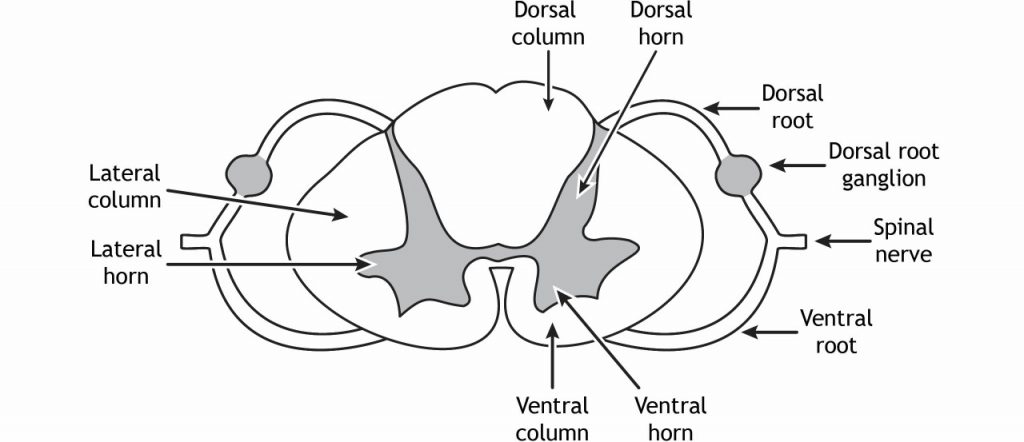
Ventral horns
Motor/somatic
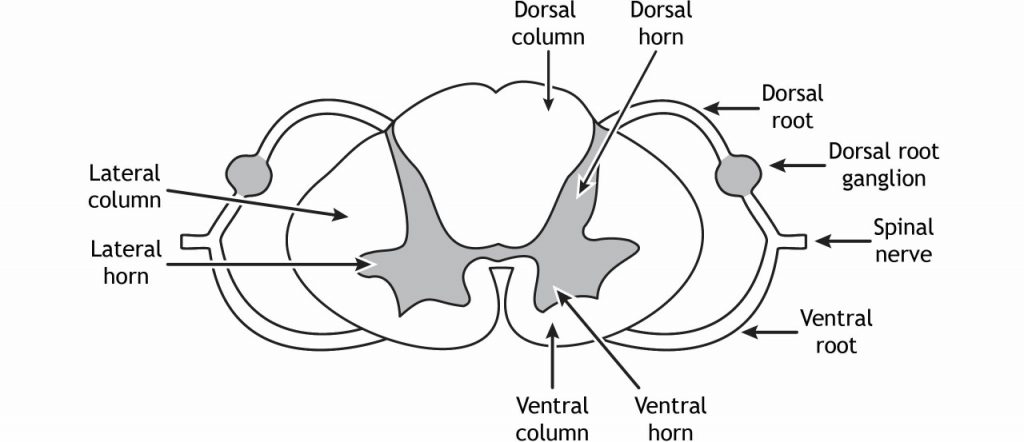
Dorsal horns
Sensory
Cystic duct
Duct in the gallbladder that forms the common bile duct together with common hepatic duct in the liver
Cremaster muscle
Elevates and lowers the testes in response to external temperature
Dartos muscle
Wrinkles and relaxes scrotal skin
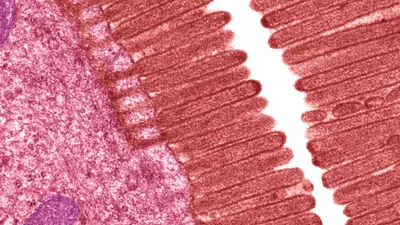
Brush border
Microvilli
Found in small intestine and kidneys
Function is to increase surface area for absorption on the cell membrane
Sagittal suture
Joins the two parietal bones
Coronal suture
Joins frontal bone to two parietal bones
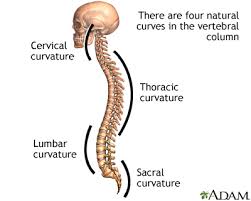
Primary curvatures of spine
Thoracic and sacral
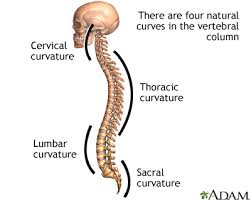
Secondary curvatures of spine
Cervical and lumbar
Epiphyseal plate
Growth plate located in metaphysis
Thalamus
Brain’s relay system for all incoming sensory and motor information except smell
Olfactory cortex
Located in temporal lobe
Pituitary gland
Located at base of brain
Often called “master gland”
Controls metabolism, growth, and activity of other endocrine glands
Produced growth hormones, adrenocorticotropic hormone (ACTH), thyroid-stimulating hormone (TSH), luteinising hormone (LH), follicle-stimulating hormone (FSH), prolactin (PRL)
Pineal gland
Located near center of the brain, on the back of the 3rd ventricle
Regulates circadian rhythms and sleep-wake cycle
Produces melatonin
Posterior pituitary gland
Produces oxytocin and antidiuretic hormone
Anterior pituitary gland
Produces growth hormone, prolactin, adrenocorticotropin hormone
Sinoatrial Node
Heart’s natural “pacemaker”
Initiates spontaneous electrical impulses that set the baseline rhythm and rate for the entire heart
Atrioventricular node
Delays impulse briefly to allow atria to fully empty into ventricles before continuing
Purkinje fibers
Spreads signal throughout ventricular muscle to contract
Largest lymphatic vessel in body
Thoracic duct
Pancreatic acini
Functional units of exocrine pancreas
Makes up 99% of pancreatic tissue
Which accessory gland does the formation of the ejaculatory duct occur within
Prostate gland
Accessory sex gland of male reproductive system that lies on posterior aspect of urinary bladder
Seminal vesicle
Seminiferous tubules
Site of production of sperm cells in testes
Epidiymis
Storage and maturation of sperm cells after production
Tunica vaginalis
Serous membrane covering testes
Rete testis
Network of tubules that carries sperm from seminiferous tubules to efferent ducts